



Today we’d like to introduce you to Gabriela Cimadevilla.
Gabriela, can you briefly walk us through your story – how you started and how you got to where you are today.
I think a big part of my upbringing, and most POC experiences is resilience. We strive for the best and try to do so in the most efficient way we know. Which is what drew me to sustainable living as a whole. I watched my mother and father work as much as possible to earn as much as possible and therefore, have as much as possible. Although I never saw the sense in it, to them, it was their way of thriving and sustaining their livelihood, remaining resilient. To me, that lifestyle our parents and older generations desired was a facade. I always knew that I didn’t want that. I wanted something fulfilling according to my standards. I wanted this for myself and anyone else who felt the same way. I knew that although my interests weren’t conventional, often being asked what I’d do and how I’d manage to make a living, this was the only real path for me.
For context, I always loved nature. I was a lonely kid that just felt a connection to the earth, the trees, and the bees. Regardless of what anyone told me, calling me radical or saying I lived in the clouds, I just did me. And through that stubbornness, my environmentalism evolved to a place that’s now rooted in activism, specifically the environmental justice movement. My activism manifests in many different ways, consisting of hosting events for the community centering food justice with an organization called Veggie Mijas, speaking at panels and summits, and upcycling products as well as being an online resource through Don’t Be Trash. I love being resourceful which is where my knowledge and creativity play with each other, designing sustainable bags at affordable prices. All of my other services are also meant to be affordable. I wouldn’t ever want anyone to have to struggle financially to partake in my services or sport one of my bags–it would contradict the whole point.
Great, so let’s dig a little deeper into the story – has it been an easy path overall and if not, what were the challenges you’ve had to overcome?
No, absolutely not. There have been so many bumpy roads, side roads, and dead ends that have made it very challenging. Despite the prone failed endeavors, consecutive late nights, and financial struggles, I’ve learned that this is the easiest leg of the race. My line of work has a lot of emotion invested in it which can be debilitating when the results aren’t there. With that being said, just because there’s a lot of emotions doesn’t mean there’s a lack of truth or evidence in my field. In fact, that’s why it can be so stressful. Because despite all the evidence, there are still individuals who will tell you you’re wrong. That climate change isn’t real, that folks of color should just “try harder” or seek other opportunities, that animals are meant to be on our plate, and that your product/service is pointless.
In the inverse, it’s highly rewarding. For instance, when people listen and are actively doing so, responding with insightful conversation(s) and when they are just open-minded as a whole, showing genuine interest in the movement. I put a lot of work into everything I do and am a part of with very constricted time. So, those types of moments are what make it worth it and keep me going in my craft and activism.
Please tell us about your business.
My business, Don’t Be Trash, serves as a sustainable-living resource for our community that simultaneously sells upcycled bags, including customizable zipper pouches, produce bags, side bags, and fanny packs, all sewn by myself. We offer services like composting and consultations on how to practice more green living, especially with small brands that want to keep their carbon footprint to a minimum. Our main objective is to keep our products affordable, which is what would set us apart from other companies. We try and stray away from the elitist part of the sustainable movement and really want to keep our core, which is making eco-friendly living accessible.
Moreover, I think there’s a lot of confusion behind the brand name. I’m not exclaiming at the world to not litter, although, duh, don’t do that, but more so asking people to be more thoughtful with their actions and consider everyone within the spectrum of sustainability, moving away from the white washed, regurgitated version of it and acknowledging its true origins exemplified by indigenous, black, and brown communities. And that’s the foundation of our business, which I’d like to think is what we’re known for.
Is there a characteristic or quality that you feel is essential to success?
I think part of success is understanding that your idea of it is attainable and a lack of patience will only deter you from it. This is something I personally struggled with; particularly when I would compare myself to others and their successes, leaving me stagnant. I’d feel like I wasn’t doing enough, so why even try? Getting through that was a process and at times, still is. Though, practicing being kind to myself while establishing a sense of community has truly been helpful. It wasn’t until I embraced myself and all that I have to offer that solidified my vision, allowing me to flourish within my line of work, being successful the way I always intended to be.
Pricing:
- Zipper bags: $8-12
- Produce bags: $8-12
- Fanny packs: $20-$25 *coming soon*
- Side Bags: $20-$25 *coming soon*
- Consultations/Composting: customized prices
Contact Info:
- Website: www.dontbetrash.net
- Email: dontbtrash@gmail.com
- Instagram: @dontbtrash
- Other: https://www.youtube.com/channel/UCe70bUvdashQQCfGLVez2sg?view_as=subscriber


 Image Credit:
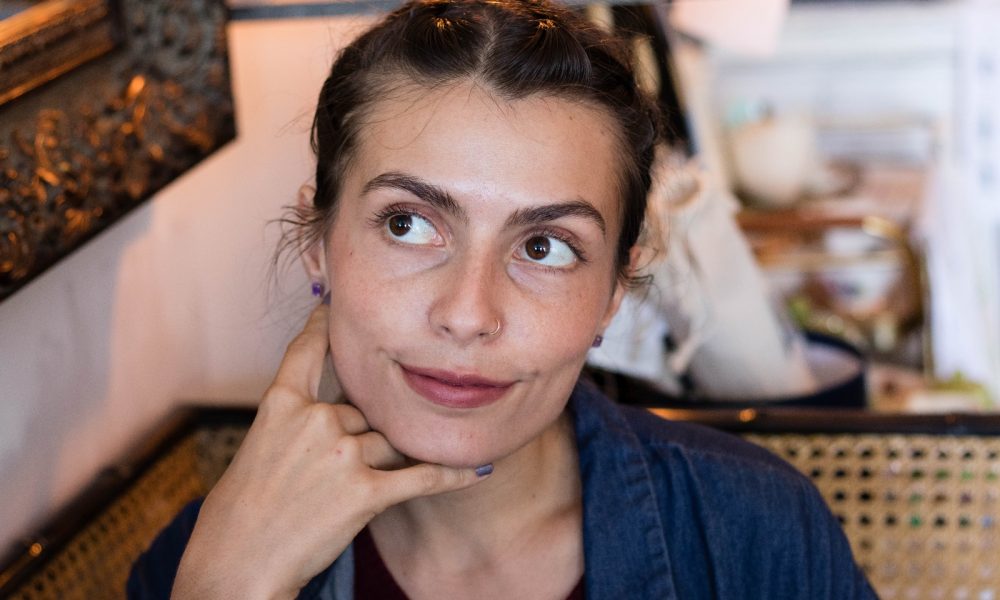
Profile Picture: @_solenvirgo_
Product Pictures: @dontbtrash
Suggest a story: VoyageMIA is built on recommendations from the community; it’s how we uncover hidden gems, so if you or someone you know deserves recognition please let us know here.