David W. Stillson has reimagined what it means to run a legal practice by embedding philanthropy directly into his business model, donating 10% of all mediation and arbitration revenue to causes chosen by his clients. What began as a desire to align his personal values with his professional life has grown into a deeply rewarding, if sometimes challenging, journey as a solo practitioner. Beyond the financial contributions, his approach fosters a sense of shared purpose and goodwill, subtly shifting the tone of even the most adversarial situations and proving that impact and integrity can go hand in hand.
David, your model of donating 10% of all mediation and arbitration revenue is incredibly unique. What inspired you to build philanthropy directly into your business?
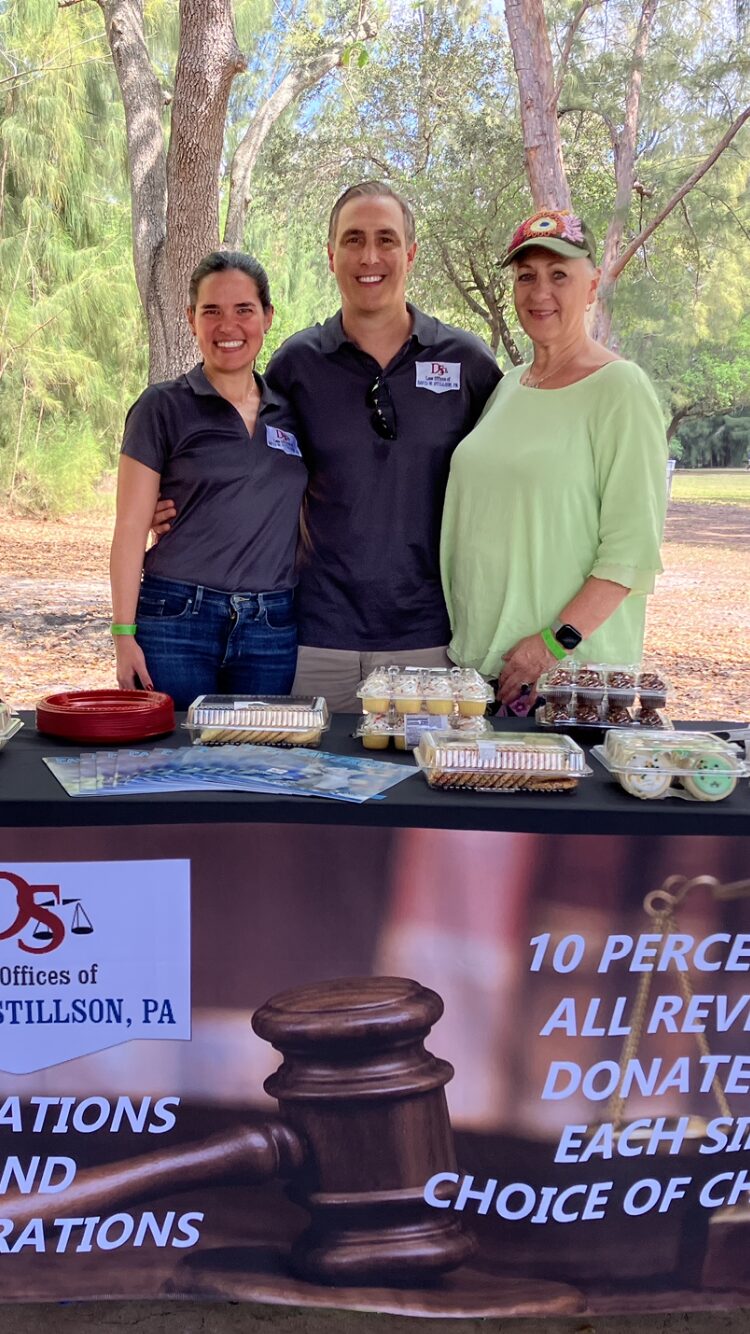
I have been engaged with volunteer work in my personal life for several years and I wanted to synergize that into my professional life. Our legal industry is a high stressed culture that involves a daily grind of adversarial processes. I believed that adding the philanthropic component in the form of donations (which I allow each side to select which non-profit(s) that I donate to) would instill an altruistic feeling for the folks that I work with. Also, I genuinely felt that giving back to the community and assisting folks and animals in need is something that I should be implementing on a permanent basis through this financial assistance.
Finally, although it is not my main intention, it would be disingenuous for me not mention that I was aware that implementation of this philanthropic business model may assist in growing and maintaining my business. However, with that being said, the folks in my business who truly know me, know that it is fundamentally about character and the desire to make a positive impact versus a focus on a pecuniary interest.
Surpassing $100,000 in total donations is a major milestone. What has that journey been like as a solo practitioner?
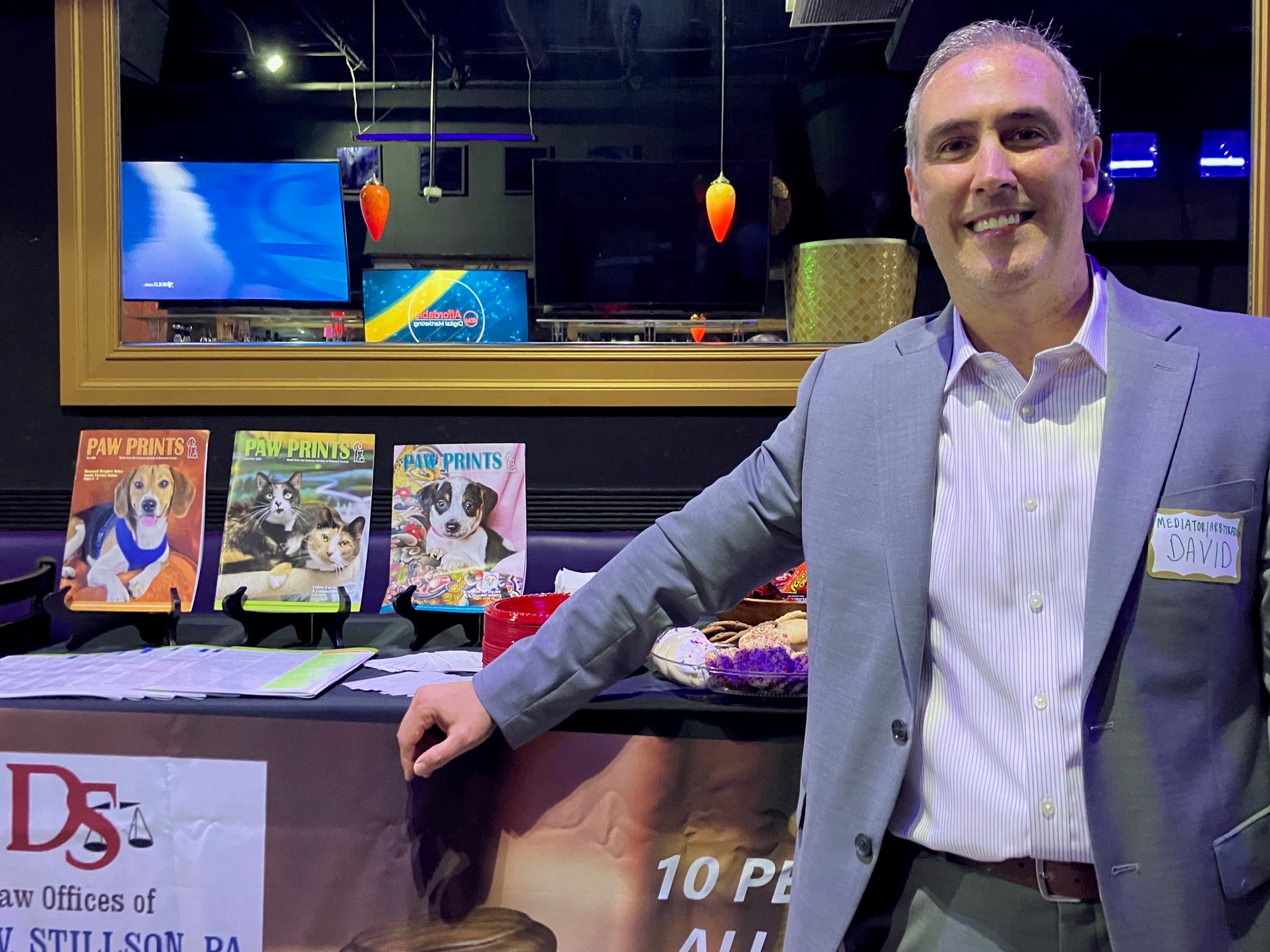
Thank you for the kind words! It has been a rather gratifying experience. However, it certainly didn’t come without stressors. As a sole practitioner, I wear many hats. Along with Mediating and Arbitrating cases, I am the only employee who handles all administrative tasks such as scheduling, rescheduling, billing, accounts receivables, bookkeeping, marketing, networking, etc. As such, the conglomeration of the multiple job responsibilities, the ebbs and flows of revenue, and the general business expenses (including overhead), and of course personal bills, the 10% which is donated can naturally feel like a bit of a financial strain at times. However, after each and every donation that I make, the “warm glow effect” that I experience far outweighs the financial stressors. Finally, folks can see the list of all of the non-profit organization donation recipients and the total funds received to date at the following link: https://stillsonlaw.com/charity-page/.
Allowing each side to choose the nonprofit is a powerful concept. How has that impacted the mediation process and client experience?
The philanthropic concept doesn’t actually affect the portal to portal Mediation/Arbitration process. The focus of each Mediation or Arbitration is solely on the merits of each individual case. However, after the Mediation process has concluded (which in the strong majority of my cases fortunately generally results in a settlement with my settlement rate being north of 95% – shameless plug!), the rewarding philanthropic experience begins once the Mediation invoice funds are received. Once funds are received, I absolutely love to reach out to the folks and inquire which non-profit organization(s) that they wish that I donate to on their behalves. This is a well-received email and a well-received response.
Finally, once the donations are made on their behalves, I always forward the email receipt of my payment and request that the donation be made in their honor which oftentimes generates an acknowledgement letter directly from the non-profit organization to the honoree which also is always very well-received. In a nutshell, the entire process is extremely beneficial and very rewarding for everyone involved.
Have you seen this giving model influence outcomes or the tone of disputes in any meaningful way?
I don’t see the giving model influencing outcomes one way or the other as it is a completely neutral process allowing each side an equal portion to donate. However, I have sometimes seen the needle move in the direction of a positive tone for some folks during the Mediation or Arbitration process when they discover that a donation will be made and “something good” will result regardless of the outcome. This discovery frequently leads to the perception of trust, credibility, and overall comfort for the folks who come in front of me as oftentimes they can perceive and genuinely appreciate the philanthropic component of the process.
Do you hope this approach inspires others in the legal field to adopt similar models, and what advice would you give to professionals looking to integrate purpose into their practice?
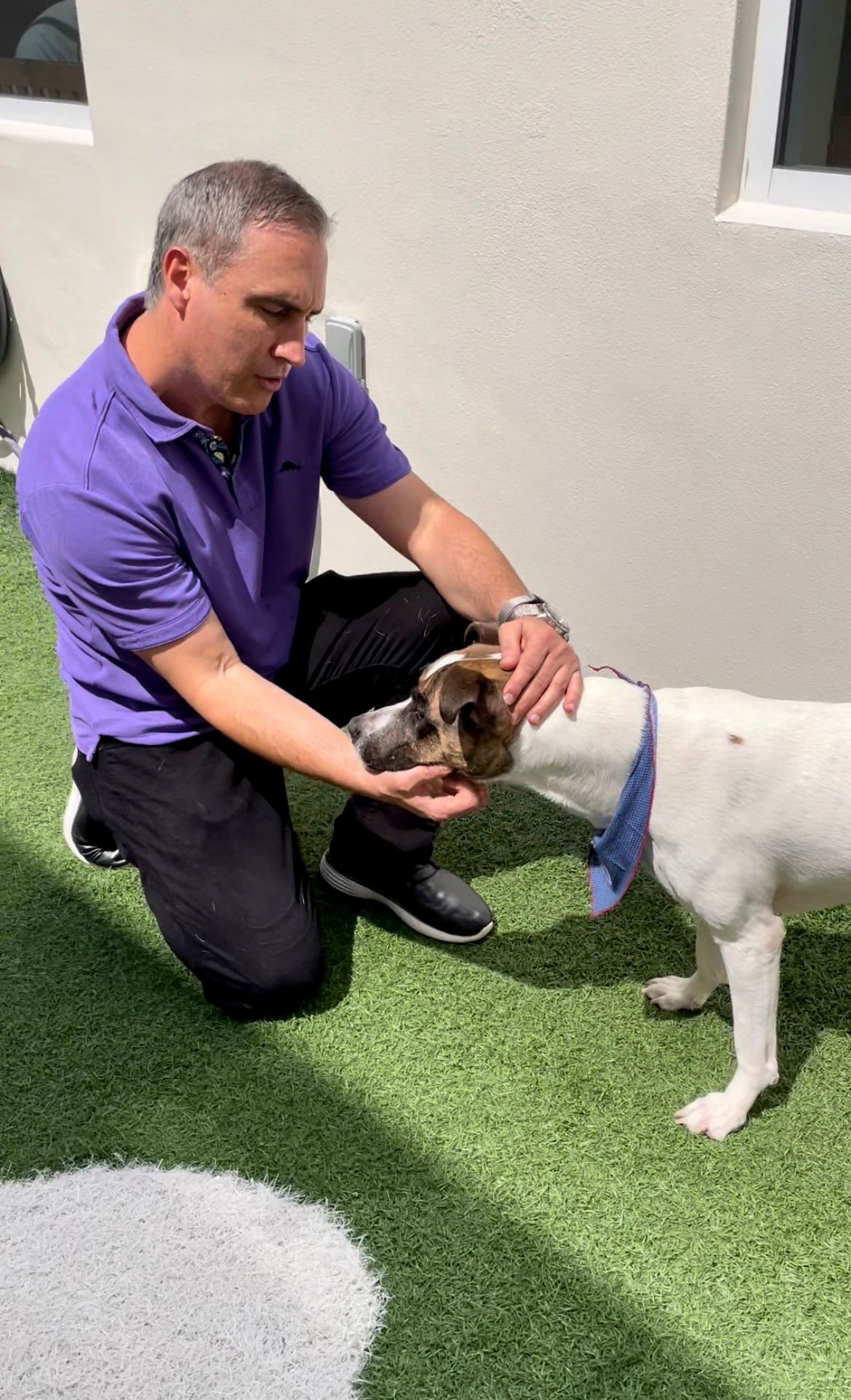
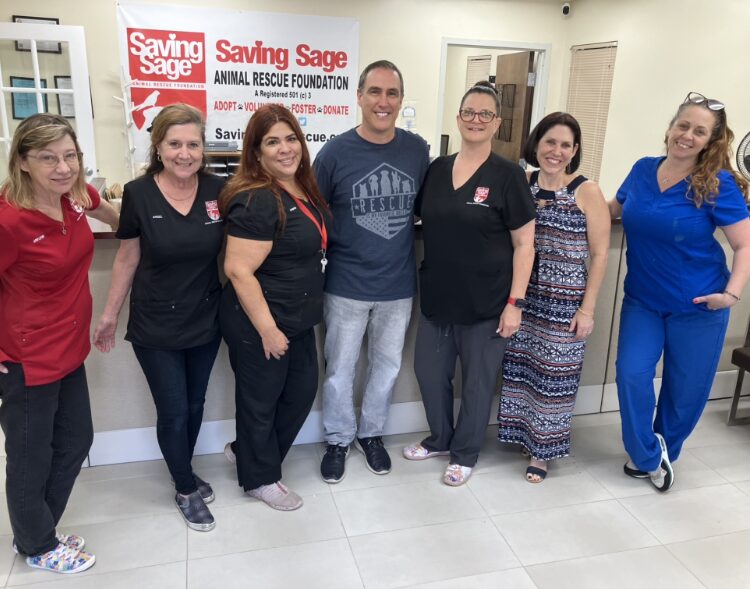
I absolutely and unequivocally hope that this philanthropic business model will eventually be implemented by others because it should be. I think we all have an obligation to give back. I oftentimes visit with the recipients of my donations, and I see firsthand what type of positive impact the donations make. It is tangible and very real. Regarding any advice that I would give to professionals looking to integrate purpose into their practice, I would absolutely welcome anyone considering it to reach out to me directly to discuss the astronomical amount of significant details that this decision entails. Integrating purpose into your practice involves a substantial commitment of your time, effort, and resources, and if you are seriously considering it, it can be done. I would love to be a mentor to anyone on that subject matter!











 Meet Chelsea Jay: Helping Job Seekers Combine AI, Authenticity, and Confidence to Build Careers That Last
 Christian Corsi and Sucree Are Channeling Confidence, Energy, and Connection Through Their New Collaborative Release Aura
 Enzo Mussolini on Blending Music, Fashion, and Global Entrepreneurship Into a Culture-Driven Creative Movement
 Christian Corsi on Blending Healing Frequencies, Ritual, and Melodic Techno to Create Transformative Sound Experiences
 Beyond the Smile: How Dr. Julio Hernandez Is Redefining Beauty Through Whole-Person Care
 Rooted in Tradition, Powered by Results: How Stephanye Lafortune Is Redefining Hair Growth Through Cultural Wisdom
 From Presence to Power: How Liandra Salles Is Turning Integrated Marketing Into Scalable Brand Momentum
 Where Film Becomes Verse: Renzo Del Castillo on Turning Cinema into Living Poetry Through Reel Poets
 Aligned in Purpose: Stephanie Briscoe on Bringing Healing, Empowerment, and Yoga to Barbie Dream Fest