









More in Partner Series
-
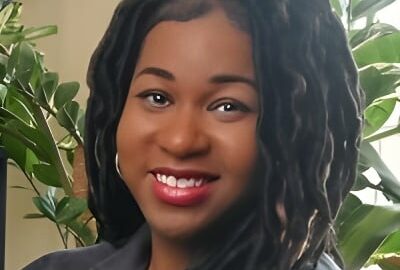 Meet Chelsea Jay: Helping Job Seekers Combine AI, Authenticity, and Confidence to Build Careers That Last
We caught up with career expert and leadership coach Chelsea Jay to talk about the evolving world of hiring, the growing...
August 18, 2026 -
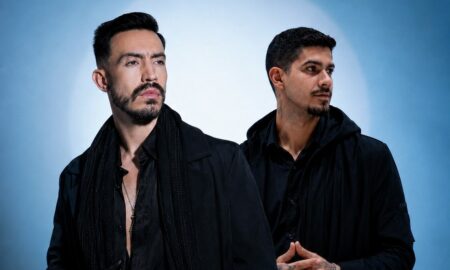 Christian Corsi and Sucree Are Channeling Confidence, Energy, and Connection Through Their New Collaborative Release Aura
With the upcoming release of Aura through Aetheris Records, Christian Corsi and Sucree are bringing together cinematic melodic techno and a...
June 30, 2026 -
 Enzo Mussolini on Blending Music, Fashion, and Global Entrepreneurship Into a Culture-Driven Creative Movement
With a newly released EP, an expanding clothing line, and a growing international marketing business, Enzo Mussolini is building far more...
June 20, 2026 -
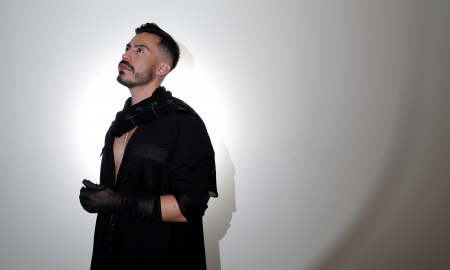 Christian Corsi on Blending Healing Frequencies, Ritual, and Melodic Techno to Create Transformative Sound Experiences
Christian Corsi’s The Portal emerged from a deeply personal and spiritual activation, evolving from a guided ritual into a melodic techno track...
May 21, 2026 -
 Beyond the Smile: How Dr. Julio Hernandez Is Redefining Beauty Through Whole-Person Care
After nearly three decades in dentistry, Dr. Julio Hernandez is leading a shift toward fully integrated care with his rebrand to...
April 22, 2026 -
 Rooted in Tradition, Powered by Results: How Stephanye Lafortune Is Redefining Hair Growth Through Cultural Wisdom
Stephanye Lafortune’s journey into hair care began with a personal struggle, but it evolved into a mission grounded in tradition, intention,...
April 14, 2026 -
 From Presence to Power: How Liandra Salles Is Turning Integrated Marketing Into Scalable Brand Momentum
Liandra Salles isn’t just expanding into New York — she’s deepening her influence in one of the world’s most competitive markets....
April 8, 2026 -
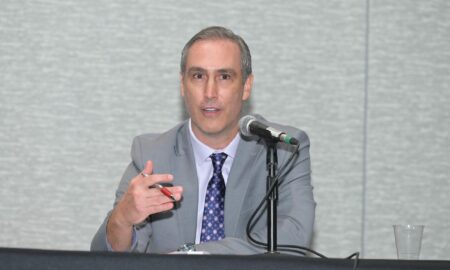 Giving Back, Moving Forward: How David W. Stillson Built Purpose Into Every Case
David W. Stillson has reimagined what it means to run a legal practice by embedding philanthropy directly into his business model,...
April 4, 2026 -
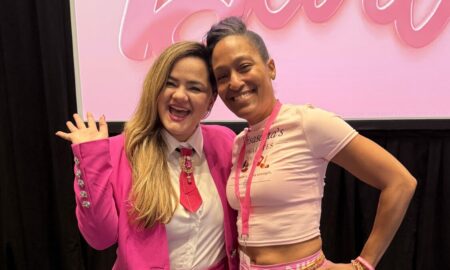 Aligned in Purpose: Stephanie Briscoe on Bringing Healing, Empowerment, and Yoga to Barbie Dream Fest
Stephanie Briscoe’s journey to Barbie Dream Fest feels less like chance and more like alignment—blending her passion for doll design with...
April 1, 2026