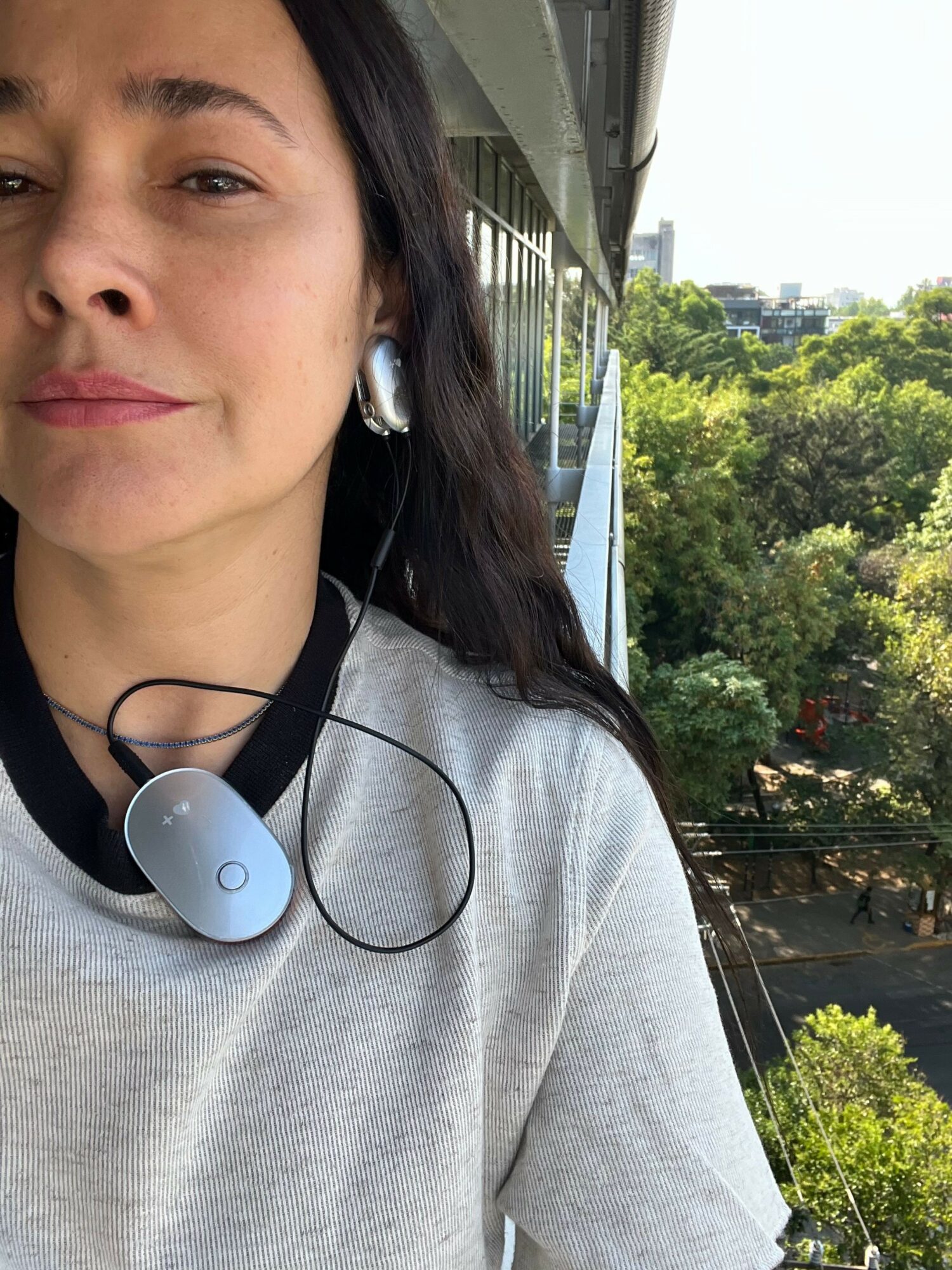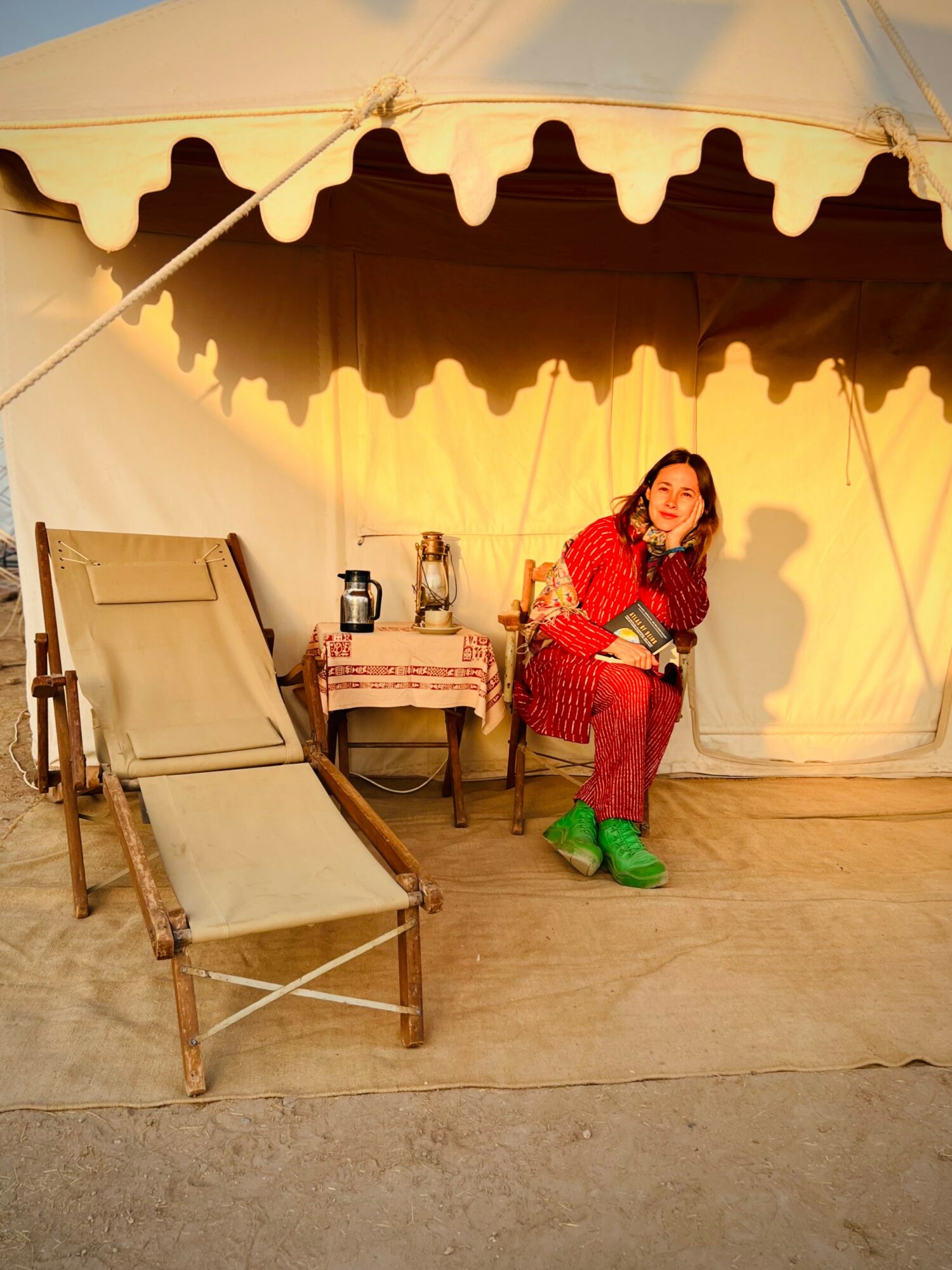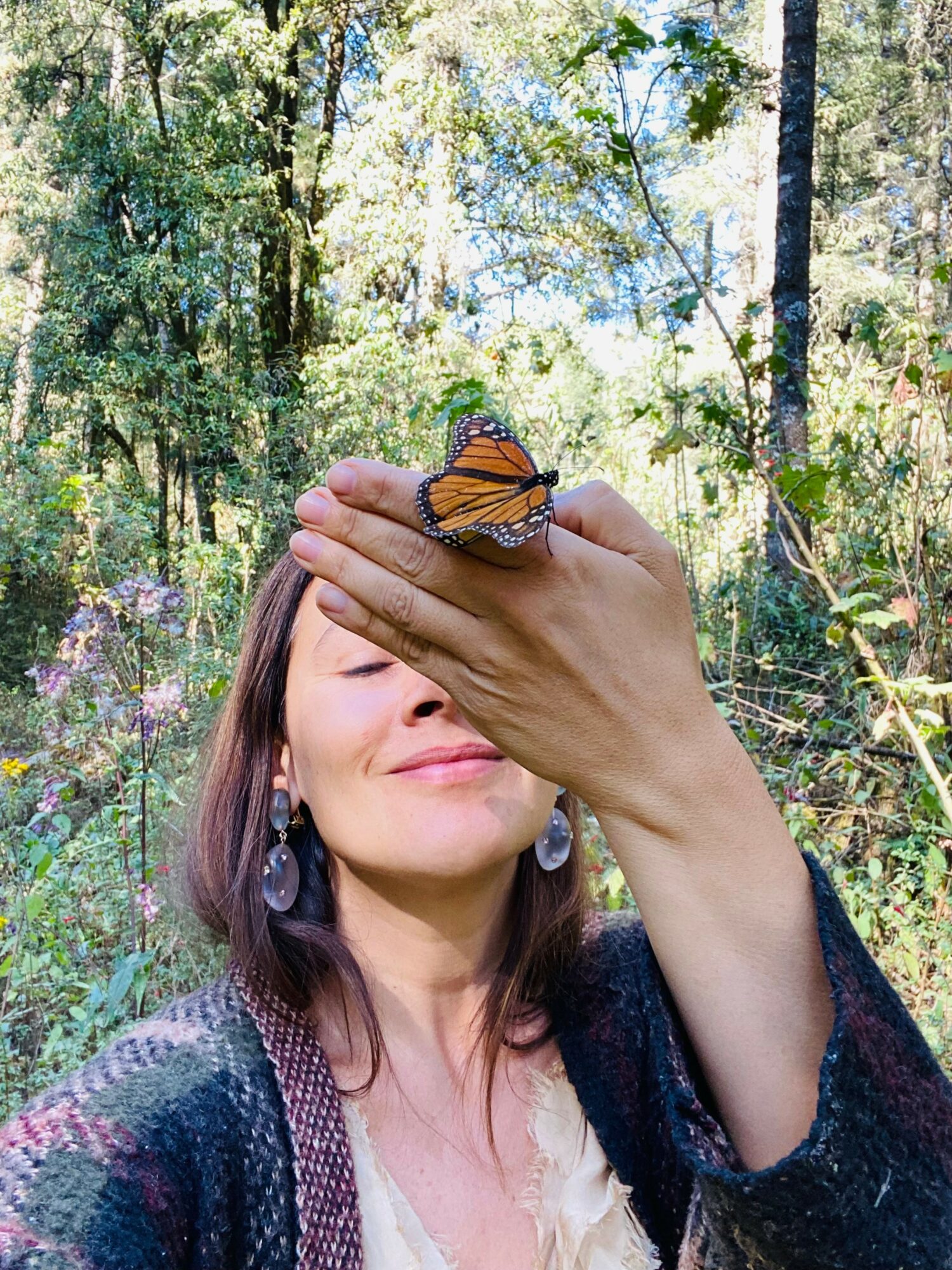




Today we’d like to introduce you to Emilia Ferreira.
Emilia, we appreciate you taking the time to share your story with us today. Where does your story begin?
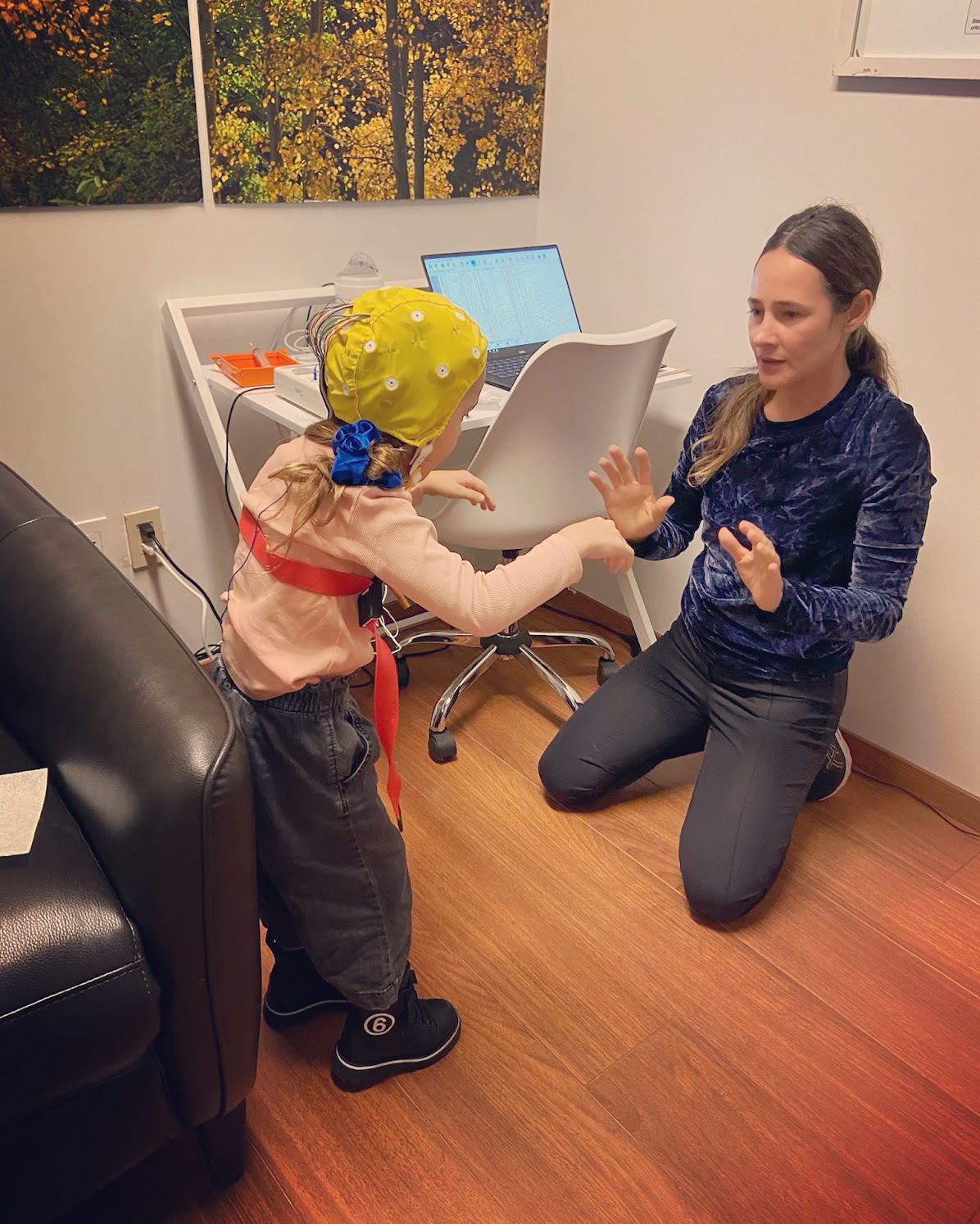
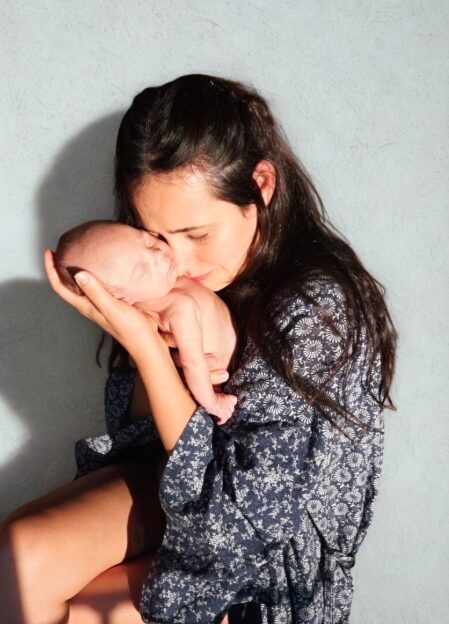
My daughter Ona was born with a brain injury. And suddenly, everything I knew was tested in the most embodied way possible. I wasn’t observing the nervous system anymore—I was living inside its edge. Every theory became a question. Every data point, a breath.
That’s when things shifted. I began weaving science with the texture of lived experience. I started to see caregiving not as a burden, but as a kind of frontier. A place where resilience isn’t a mindset—it’s a rewiring. Where mothers become biohackers without even realizing it. And where neurodivergent children aren’t broken—they’re evolutionary guides.
So today, I teach what I live. I help mothers rewire their nervous systems, not through force, but through biology, rhythm, and radical care. I believe caregiving holds the intelligence to upgrade how we live, connect, and evolve. My work is where neuroscience meets motherhood futurism, where burnout meets biology, and where we stop fixing ourselves—and start remembering who we are.
Can you talk to us a bit about the challenges and lessons you’ve learned along the way. Looking back would you say it’s been easy or smooth in retrospect?
Has it been a smooth road? Not at all. I’m a neuroscientist, motherhood futurist, and biohacker raising a neurodivergent child—so I live daily at the intersection of care and resistance.
The real struggle isn’t just the weight of caregiving—it’s the silent coding of a world that wasn’t built for children like mine, or mothers like me. The unconscious discrimination hides in parenting norms, education systems, medical protocols. It’s polite. It’s systemic. And it gaslights you into thinking survival is success.
But I don’t adapt to obsolete systems. I study them, decode them—and then teach caregivers how to rewire their nervous systems to move beyond the illusion of “normal.” My work stands on radical love, emergent technology, and the embodied memory of a future we already carry. A future where authentic connection—not compliance—is our highest currency.
So no, it hasn’t been smooth. But it’s been precise. Every rupture, a doorway. Every constraint, a form of intelligence waiting to be reclaimed.
Thanks for sharing that. So, maybe next you can tell us a bit more about your business?
My work lives at the intersection of neuroscience, caregiving, and human evolution.
I created The Caregiver Hack, a science-based method to help mothers raising neurodivergent or medically complex children regulate their nervous systems—not by coping harder, but by rewiring how they respond to stress at its biological root.
This isn’t self-help. It’s neurobiology repurposed for the most undervalued high-performance role on Earth: caregiving.
What sets us apart is that we don’t ask mothers to become someone new—we help them remember who they already are. The program integrates cutting-edge research in neuroplasticity, hormonal regulation, biohacking, and somatic tools, but it’s designed to be usable in real life: during a meltdown, in a therapy waiting room, or between appointments. Because we know that’s where transformation actually happens.
We also challenge the deeper, systemic issue: the silent oppression of caregiving. Our brand speaks to the soul of women who’ve been holding too much, too long—without support, language, or legitimacy. And we offer a new path forward. One rooted in science, but delivered with radical compassion.
I’m most proud that we’ve created a community where mothers aren’t asked to fix themselves—but are instead invited to evolve the very systems that once excluded them. This is more than a course. It’s a movement, an awakening, and a blueprint for a future where care is no longer invisible.
What do you like and dislike about the city?
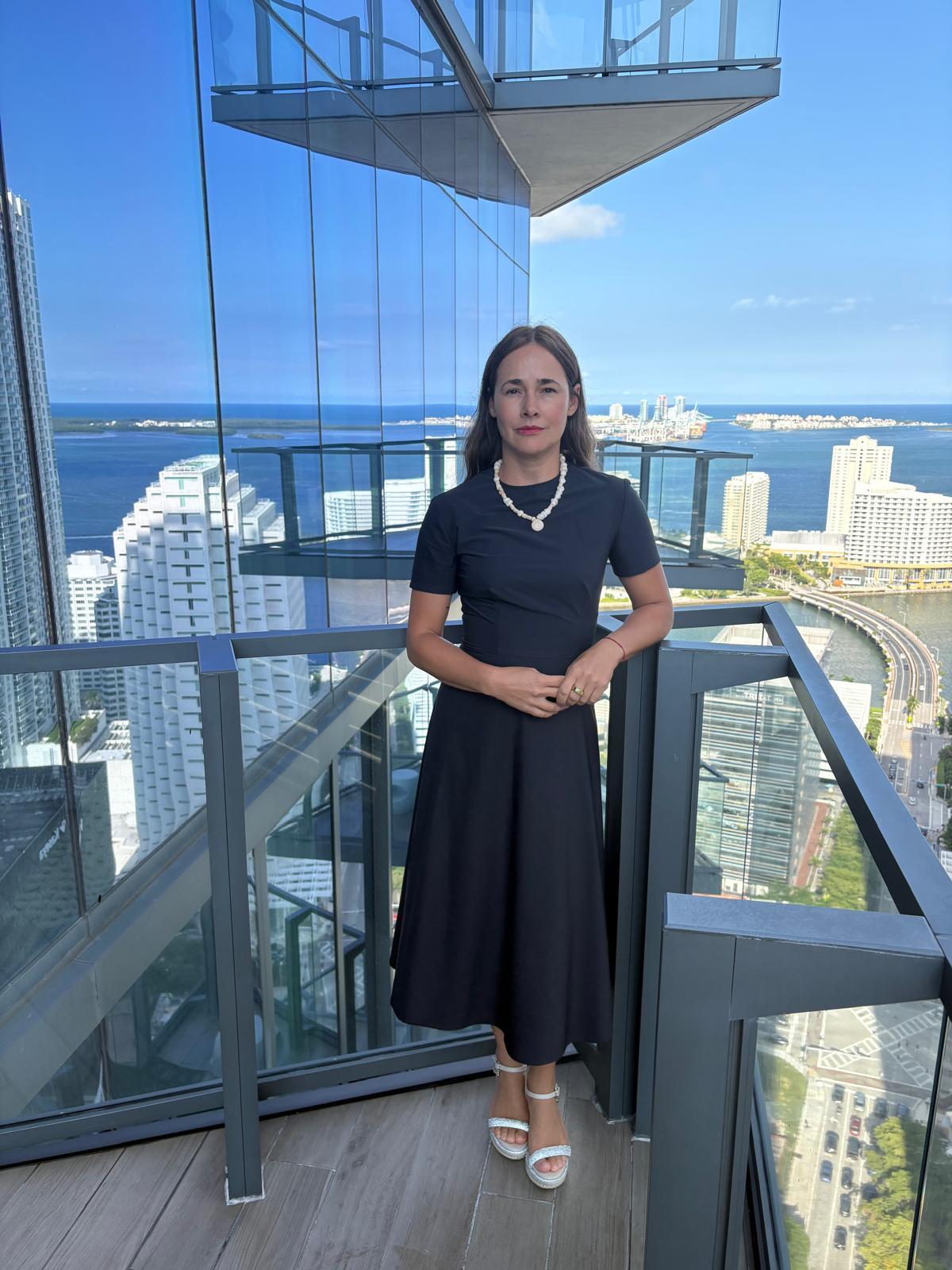
What I love most about this city is how it holds contrast so effortlessly. I can have a slow coffee with a friend in Brickell, feel the pulse of conversation, then walk by the river and remember how to breathe. There’s rhythm here—movement and stillness living side by side.
I also love watching how AI and tech are quietly populating the city—not just as buzzwords, but as part of daily life. It feels like the future is walking alongside us, not ahead of us.
What I like least? Probably the pace we sometimes feel pressured to keep. There’s a quiet hustle in the air that can make presence feel like a luxury. But even that, I think, is changing—as more people begin to value nervous system health over non-stop achievement.
Contact Info:
- Website: https://www.raisingona.com/blog
- Instagram: https://www.instagram.com/raising_ona/