





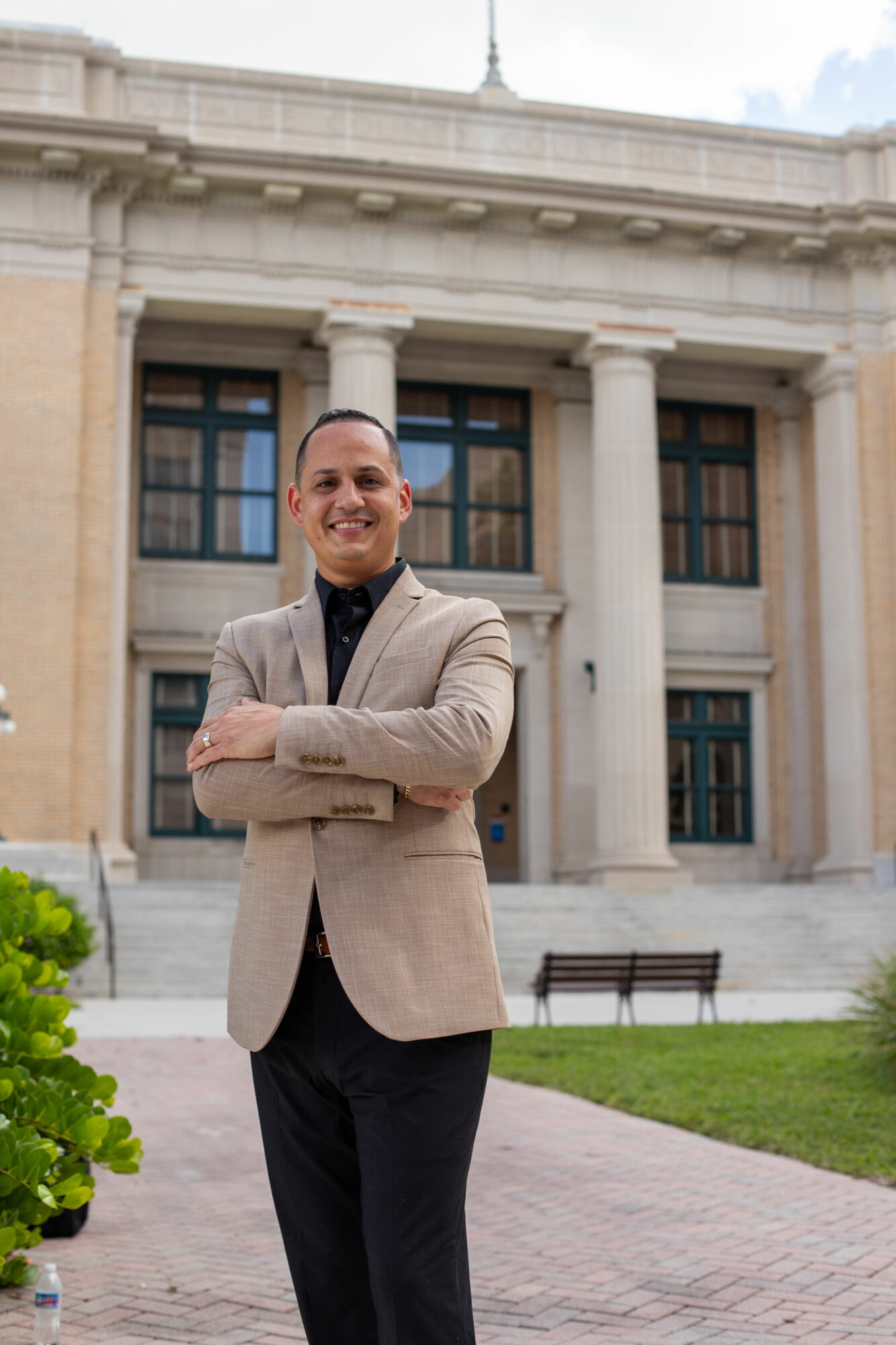
Today we’d like to introduce you to Brian Sodre.
Hi Brian, thanks for sharing your story with us. To start, maybe you can tell our readers some of your backstory.
I started Miniopolis out of necessity, not comfort.
At 10 years old, I lost my father. My family didn’t have the luxury of slowing down, so I grew up around responsibility early. Construction wasn’t just a career choice, it became a path to stability, control, and eventually, opportunity.
I got licensed as a General Contractor in Florida and began doing what most builders do, taking on projects, learning the system, and figuring out where things break. It didn’t take long to realize the industry is slow, fragmented, and full of inefficiencies. Permitting delays, outdated construction methods, lack of transparency, and limited access to affordable housing were everywhere.
Instead of accepting that, I leaned into it.
Miniopolis was built to challenge the way construction is done. We focus on small-footprint, high-efficiency housing, including ADUs, workforce housing, and innovative builds like 3D concrete printed homes. We’ve worked across dozens of municipalities in Florida, navigating complex zoning and permitting environments while helping clients maximize the value of their land.
At the same time, I’ve been developing ApprovAI, a platform designed to streamline permitting and plan review using artificial intelligence. The goal is simple but ambitious: reduce permitting timelines by up to 95% and remove friction from the construction process for both builders and municipalities.
Today, Miniopolis is more than a construction company. It’s a platform for innovation in housing, development, and technology. We’re actively working on multi-home developments, government projects, and scalable housing solutions that address real problems, affordability, speed, and accessibility.
I’m still in the trenches every day, but now it’s with a clear mission: build smarter, move faster, and create opportunities for others to do the same.
Alright, so let’s dig a little deeper into the story – has it been an easy path overall and if not, what were the challenges you’ve had to overcome?
Not even close.
The road has been anything but smooth, and honestly, that’s where most of the growth came from.
Early on, it was survival. No systems, limited capital, figuring things out in real time while still delivering for clients. Every mistake cost time, money, or reputation, sometimes all three at once. You don’t get a practice round in construction.
As the company grew, the problems just got bigger.
Permitting delays slowed projects down for months. I’ve had deals where everything made sense on paper, but one approval held up the entire timeline. Cash flow gets tight fast when projects stall but overhead doesn’t.
I’ve lost key partners mid-project. I’ve had to replace teams, rework scopes, and step in personally to keep jobs moving. There were moments where we were managing multiple large projects while dealing with internal challenges at the same time, staffing gaps, process breakdowns, things that no one on the outside sees.
On top of that, I’ve dealt with the realities of the industry, unlicensed contractors undercutting jobs, clients with unrealistic expectations, and a system that isn’t built for speed or innovation.
And then there’s the personal side.
Building a company while raising a family, going through financial pressure, unexpected life events, even losing stability like office space or vehicles at times. All of that doesn’t pause just because business is demanding more from you.
But every one of those challenges forced me to level up.
They pushed me to build better systems, be more selective with projects, structure deals smarter, and start thinking beyond just construction. That’s what led to developing things like scalable housing models and ApprovAI.
So no, it hasn’t been smooth. But it’s been worth it. The struggles didn’t slow things down, they clarified the mission.
Great, so let’s talk business. Can you tell our readers more about what you do and what you think sets you apart from others?
Miniopolis is a construction and development company focused on doing one thing better than most, building smarter, faster, and more efficiently.
We specialize in small-footprint housing and innovative construction methods. That includes ADUs, single-family homes, workforce housing, and new developments. We’ve also been early adopters of systems like 3D concrete printing, structural insulated panels, and other high-efficiency building methods that reduce build time and improve long-term performance.
But what we really do is help people unlock the full potential of their property.
A lot of landowners are sitting on underutilized assets because they don’t understand zoning, permitting, or what’s actually possible. We guide them through that entire process, from idea to design, permitting, and construction, with a focus on maximizing value. Whether that’s adding an income-producing unit, developing multiple homes, or repositioning a property entirely, we’re thinking beyond just “building a house.”
What sets us apart is that we don’t just build, we solve problems the industry usually avoids.
We operate across multiple municipalities in Florida, and each one has its own rules, timelines, and challenges. We’ve built a reputation for navigating that complexity and getting projects across the finish line. At the same time, we’re not stuck in traditional methods. We actively test and implement new systems that can make housing more affordable and scalable.
We’re also building technology alongside construction.
ApprovAI is a platform we’re developing to streamline permitting and plan review using artificial intelligence. It’s designed to reduce delays, increase accuracy, and make the entire process easier for both builders and municipalities. That’s a big part of where we see the future of this industry going.
Brand-wise, what I’m most proud of is that Miniopolis stands for innovation with execution.
There are a lot of people who talk about changing construction. We’re actually doing it, while still delivering real projects for real clients. We’ve built homes, taken on government work, and are now moving into larger developments, all while pushing the boundaries of how things can be done.
What I want readers to understand is this:
We’re not just another contractor.
We’re building a system that makes housing more accessible, more efficient, and more aligned with how people actually want to live today. And we’re just getting started.
Do you have any advice for those just starting out?
Start before you feel ready.
Most people wait until they have the perfect plan, the perfect timing, or enough confidence. That moment doesn’t come. You learn by doing, and in this industry, real experience beats theory every time.
Second, understand cash flow early.
A lot of people focus on profit, but cash flow is what keeps you alive. Projects get delayed, payments come late, and expenses don’t wait. If you don’t manage that properly, even good businesses fail.
Third, don’t chase every deal.
In the beginning, it’s tempting to say yes to everything. I did. Some of those jobs cost more in stress, time, and reputation than they were worth. Learn to qualify clients and projects early. The wrong deal will slow you down more than no deal at all.
Fourth, build systems sooner than you think you need them.
At first, you can run everything off memory and hustle. That stops working fast. Document your process, organize your files, track your numbers. The earlier you do this, the easier it is to scale.
Fifth, get comfortable with problems.
Things will go wrong. Permits get delayed, partners fall through, costs change, people make mistakes. That’s not the exception, that’s the job. If you expect a smooth ride, you’ll get frustrated quickly. If you expect challenges, you’ll start solving them faster than everyone else.
And if I could go back and tell myself one thing:
Think bigger, sooner.
I spent too much time just trying to stay busy instead of building something scalable. There’s nothing wrong with starting small, but always ask yourself how this turns into something bigger, a system, a product, a repeatable model.
That shift changes everything.
Contact Info:
- Website: https://www.miniopolisbuilders.com
- Instagram: https://www.instagram.com/miniopolisbuilders
- Facebook: https://www.facebook.com/brian.sodre
- LinkedIn: https://www.linkedin.com/in/brian-sodre-486b93225
- Youtube: https://www.youtube.com/@miniopolisbuilders