




Today we’d like to introduce you to Kristen Jurn.
Alright, so thank you so much for sharing your story and insight with our readers. To kick things off, can you tell us a bit about how you got started?
Traveling with my parents at a young age shaped much of my desire to continue to connect with the world and understand people of different cultures and realities. I was driven academically, enjoyed math and sports, while also taking on leadership roles, including serving on the student council and community volunteering.
I had always liked to be part of making an impact yet was not truly sure what that would look like when I grew up.
The only math-oriented profession apparent to me at the time was accounting. A family member was a successful and happy CPA. Thus, in my junior year of high school I enrolled in accounting – nope, not for me.
Now, feeling lost with college applications and decisions looming where my scholarship could take me, I knew that sitting at any desk for the rest of my life was not my path. That accounting class forced me to confront what I wanted my life to look like; then, on one ordinary summer afternoon, a commercial for an airline flashed across the screen.
Flying wasn’t foreign to me; as the daughter of a pilot who learned to fly when I was five, I saw becoming a pilot as an attainable path to a life of freedom. Flying as a profession would be fun and offer the financial freedom to travel, explore new cultures, and most importantly, provide the time to pursue impactful projects outside the cockpit.
Becoming a pilot is expensive. My start was greatly aided by earning a full-tuition academic scholarship to a state college. Embry-Riddle University in Daytona was my first choice, but the flight program exceeded my scholarship allotment.
Building Flight Hours and the First Big Adventure
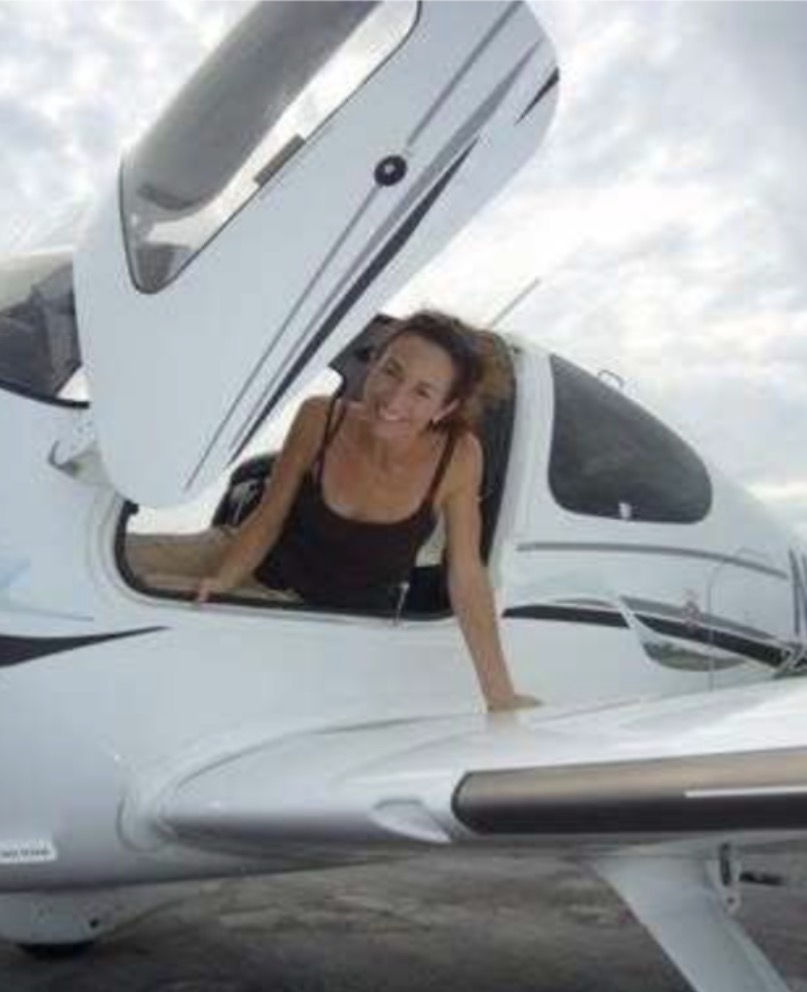
I enrolled at a community college for a year before transferring to Arizona State University, The Honors College, majoring in Spanish. During a spring semester hiatus, I returned to Florida to focus exclusively on flying. With my father’s help, I acquired a 1975 Cessna 150. With my own wings and working with a local flight instructor, I earned my private pilot’s license in just three months.
At 19, as a newly minted private pilot, I embarked on my first true cross-country adventure—flying my small two-seater Cessna from Miami to Phoenix.
The journey took 26.5 hours of flight time across eight states, contending with prevailing headwinds, radio failures, and an abrupt tornado spawned by a pop-up thunderstorm that forced an unplanned landing. It was an epic introduction to the reality of flight, but I made it to Arizona with my own wings and stories to tell.
A Detour Through Europe and a New Advantage
While completing my degree, I made the decision to sell my Cessna. Though the transaction was marked by unexpected challenges that ultimately redirected my professional flight path, it made way for a new ambition. Driven by a thirst to understand global perspectives and enhance my education, I set my sights on Europe. I arrived with a goal of mastering Spanish, but life led me to France, where I discovered an unexpected fluency and a natural knack for navigating new cultural landscapes. An early sign of the adaptability that would carry me through every challenge to come.
Piloting was still my calling, and when I returned to the United States, opportunities to interview with airlines were scarce, and I still needed to build more flight time.
Entering the Airline World—Just Not in the Cockpit
My fluency in French became my competitive advantage, fast-tracking me into a role as an international flight attendant with United Airlines in Los Angeles. Albeit, not in the cockpit, this position provided a front-row seat to the intricacies of airline operations and a foot in the door with a major carrier. It also granted me the chance to fly on my off days; however, the minimal pay and constant on-call lifestyle made it difficult during that time to live in California and fund the hours I needed.
Yet, more than anything else, those years gifted me with adventures in every state of our nation and international destinations that I may not have ventured to on my own. It honed my public speaking, team management, and real-time problem-solving, each trait I had applied to leadership projects throughout my youth, but never to this level of intensity. Refining these skills and expanding my knowledge of world travel proved invaluable time and again.
My pursuit to be a professional pilot was full of pivots due mostly to external headwinds and financial barriers leading to long gaps in consistency.
It was 2000, when I earned my commercial pilot certifications and landed my first professional pilot job as a traffic watch pilot in the Northeast. It was a year later after having flown enough hours that I was hired as a Second-in-Command (SIC) to fly a privately owned jet.
Setbacks, 9/11, and the Need to Reinvent
Ten days later, with jet books in hand, a horrific day ensued. On September 11, 2021, the world stopped and many of us in the aviation world found ourselves grounded for months. With the flight world in shock, many high-time pilots were left looking for work for years to come.
During this moment while the world was healing, I was furloughed from the airline and my position as a co-pilot evaporated. I was faced with insurmountable costs to pay for twin time or jet hours to be competitive in a job market now in stasis. Leaning into the realization that reinventing oneself is essential for professional longevity, especially in aviation, I pivoted.
Pivot to Business Aviation and Emerging Technologies
Sales, marketing and general strategic business development had always been my strong suit. As the world rebounded, I found my opportunity to navigate an emerging market and innovate to drive the adoption and application of a new class of aircraft.
The business aviation sector was seeing a flurry of activity around state-of-the-art aircraft design. Very Light Jets (VLJ) and modern composite propeller-driven aircraft were challenging the industry’s status quo with cutting-edge avionics, revolutionary safety systems, and sophisticated aesthetics.
This era was defined by promising disruptive business models and concepts. Accessible private aviation via fractional ownership, and jet cards were coming of age.
Recognizing a critical gap in the market for pilots to access these modern platforms, I saw the window of opportunity to scale a shared-ownership and aircraft management model. This wasn’t just a return to the industry; it was an opportunity to solve the cost barriers to ownership I had experienced firsthand.
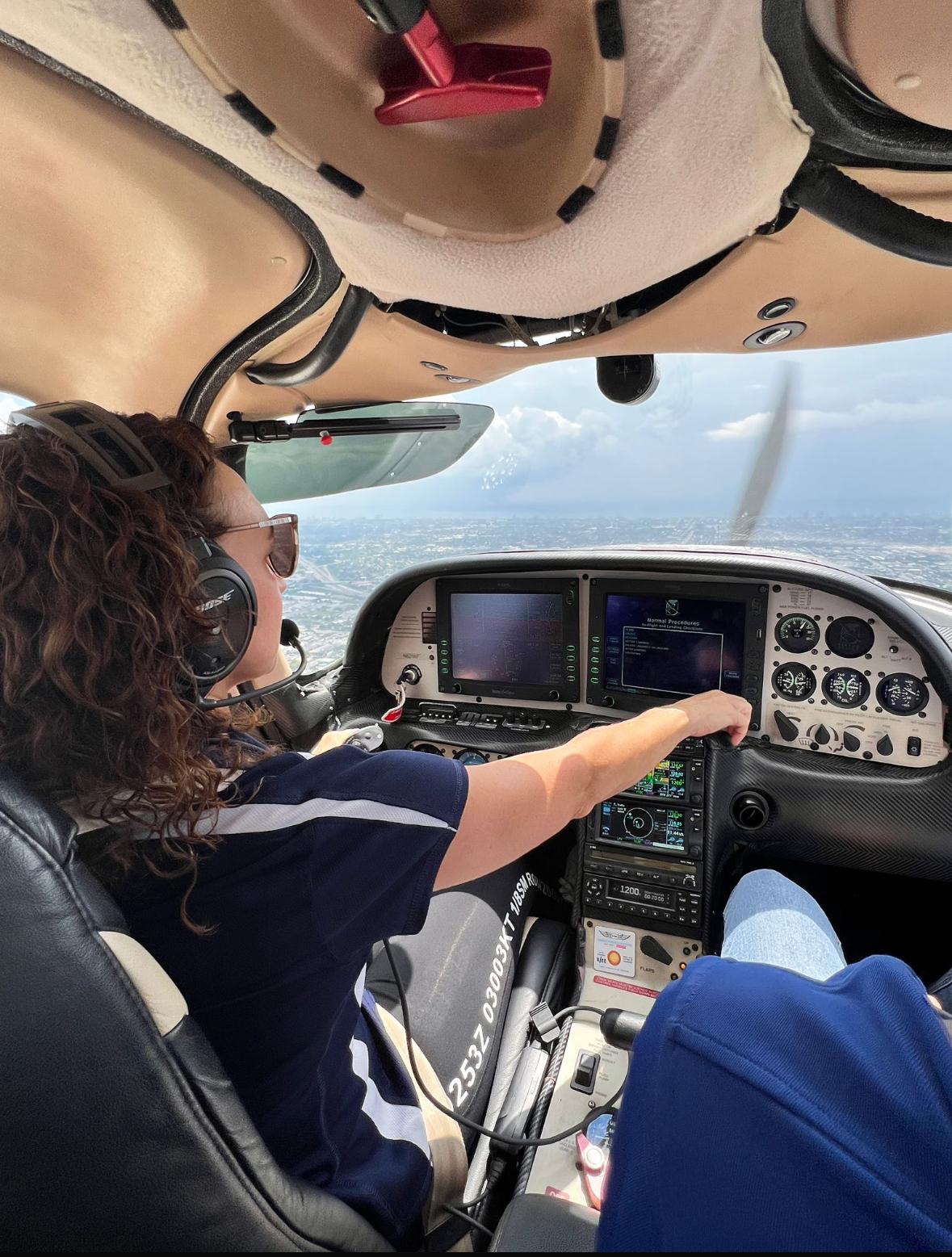
I pioneered the expansion of this model into the Florida region, focusing on the adoption of the Cirrus SR22, the most sought-after aircraft in its class. This role became a cornerstone of my career because it required total immersion: driving revenue through sales and establishing a regional footprint, while maintaining a daily presence on the flight line. By building deep ties with VIP clients and vendors, I didn’t just manage a fleet; I cultivated a high-performance aviation community that proved the viability of cutting-edge design, safety and technology for personal flight.
Two years later, as VLJs were reshaping market possibilities, I found myself at a pivotal crossroads, ready for a new chapter. This turn was not without trepidation, but the thrill of charting new courses in an industry I love propelled me forward. While it was difficult to walk away from having access to a fleet of aircraft and flying regularly, the desire to have the freedom to build something of my own was undeniable.
Launching a Consulting Career and Shaping a New Sector
The variety of experiences and new interactions coming my way were many, and this momentum led to the launch of my consulting firm. Founding my own firm allowed me to turn market energy into a vehicle of innovation to shape this next chapter of the industry.
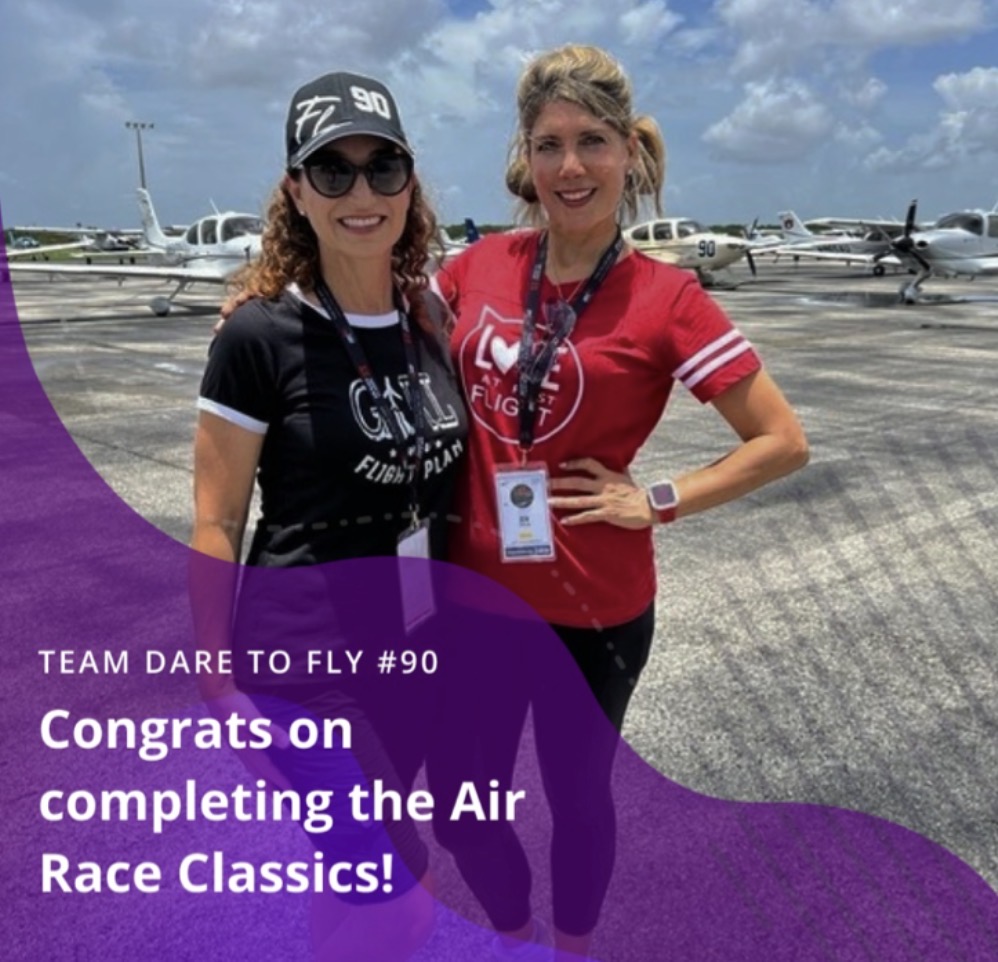
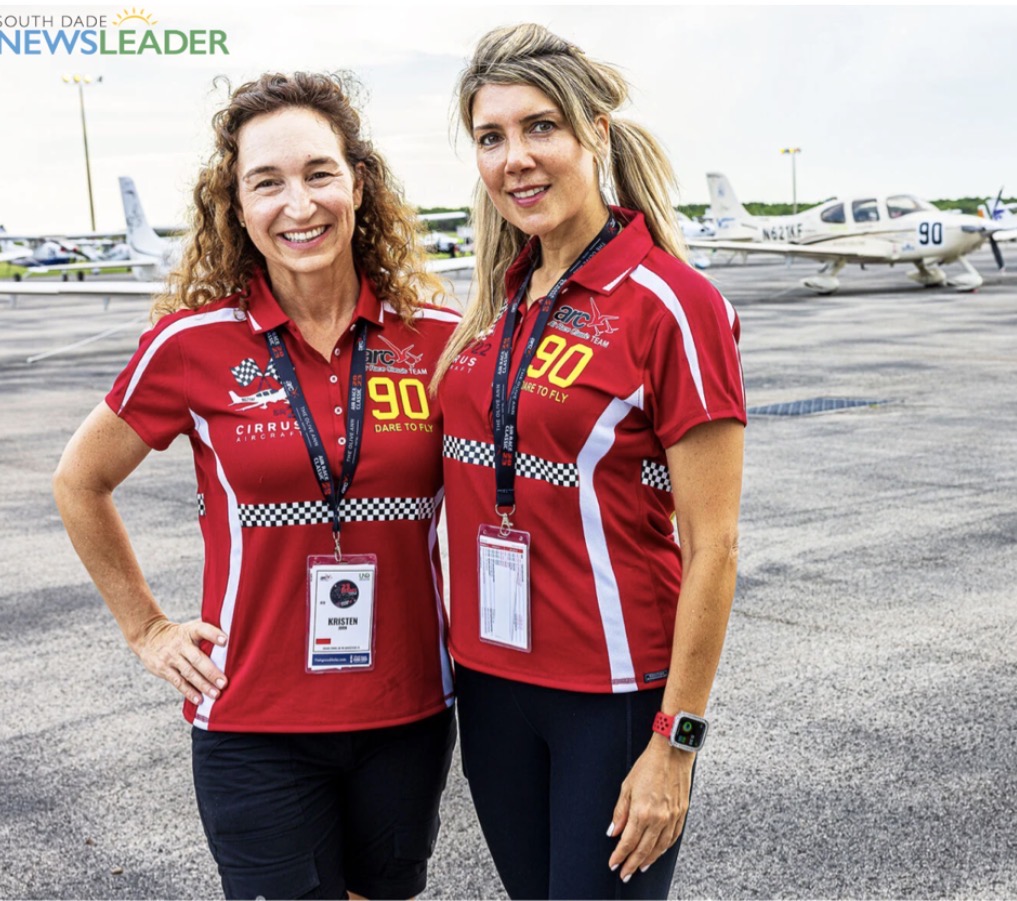
The International Air Taxi Association was formed, and I traveled to Brazil and Dubai as part of the thought leadership shaping the trajectory of this emerging sector. Software optimization was evolving for private and business aviation applications, and I was at the leading edge of its adoption. My contributions led to board invitations from key aviation organizations and a personal milestone, competing my first Air Race alongside a fellow ninety-nine.
Between these roles and new opportunities in airport development, it was a true renaissance of learning and contributing for me. The economic crisis of 2008 left aviation in another holding pattern, and once again reinvention was on the horizon. Consulting became a relentless hunt for niche business opportunities to sustain my life and costs to keep flying.
Motherhood and a New Mission in STEM
My maverick tactics in building a consulting pipeline took a back seat when I welcomed motherhood. This chapter brought a new level of exhilaration, a depth of love that reshaped my perspective and paved a new realm for me in aviation.
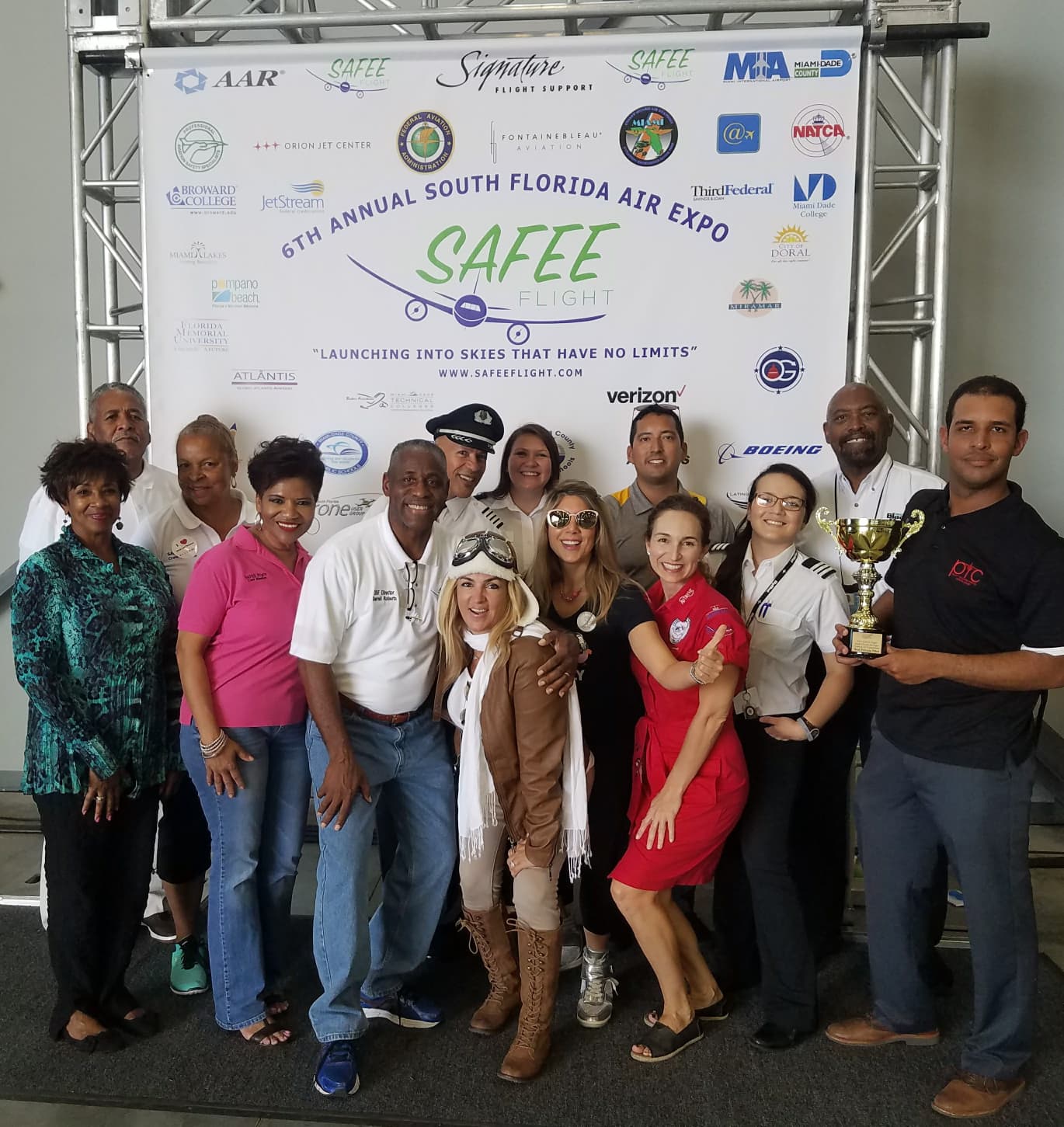
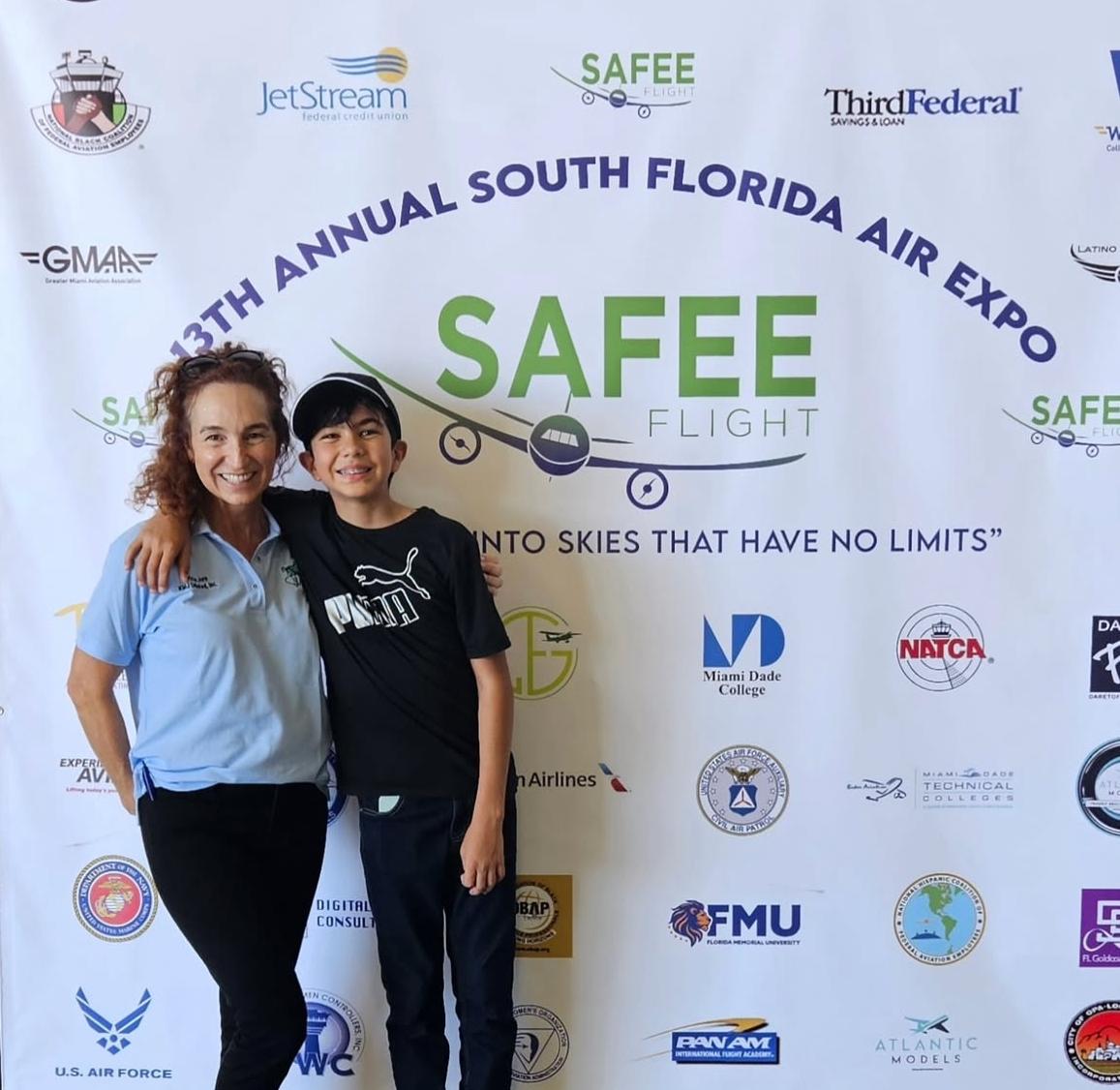
STEM, a focus on the educational impact of science, technology, engineering and math resonated with me in a way it would not have before motherhood. South Florida Aviation Education Expo (SAFEE) was a STEM‑focused, mission‑driven nonprofit in development, and I joined its founding board to help build an event designed to introduce youth to the world of aviation and aerospace.
Now in its 14th year, this organization has sparked the curiosity of thousands of students to reach for the sky, my own son included. While I continued to navigate the opportunities and challenges of the aviation industry, fostering that sense of possibility in the next generation has become my most fulfilling calling.
Pandemic Disruption and a Return to Stability
Politics, financial shifts, and eventually the global pandemic altered the industry landscape yet again, forcing me to approach my career through a new lens. As an independent consultant the pandemic was particularly paralyzing by shuttering the conventions and networking forums where I procured new projects and secured a pipeline.
Fortunately, the strength of my professional network remained a steadfast foundation. I transitioned to a business development role within an aviation Software-as-a-Service (SaaS) company. This shift required a period of adjustment after years of independence, but the opportunity to apply my accrued industry knowledge to a modern ecosystem was a welcome pivot providing stability after the uncertainty that 2020 introduced for the self-employed.
The Future of Flight: Electric, Autonomous, Transformative
The next frontier of aviation is electric! Advanced Air Mobility (AAM), eVTOL (electric vertical take-off and landing) and sustainable propulsion are writing the industry’s newest chapters, and I have stayed deeply attuned to its trajectory as the market moves toward commercial reality.
As airport infrastructure and industry leaders prepare for these innovations, I am proud to have a seat at the table.
My current role is a culmination of my entire journey, encompassing visionary collaboration, aircraft sales, infrastructure expertise, and a deep-seated passion for leadership. It is a space where the technical meets the transformative.
As a Woman in Aviation, I have learned that reinvention, knowing your value, and perseverance are the keys to opening the skies.
Do not be afraid of the unexpected pitfalls; more often than not, they are simply the prelude to a great adventure waiting for you to make happen.
Would you say it’s been a smooth road, and if not what are some of the biggest challenges you’ve faced along the way?
As a commercial multi‑engine instrument pilot with ATP‑CTP certification, I recognize the years of hard work it takes to get here—and the constant grind required to stay current through the unpredictable hiring cycles of the airlines.
In the early 2000’s pilots at regionals earned little, making $16–$20K annually, and it took six to ten years to reach six figures. Today, the industry recognizes the cost of building flight time: first‑year regional pilots earn $40–$60K, and after 2 years at a major carrier, pilots can make around $500,000 annually.
GMAA (Greater Miami Aviation Association) brings together South Florida aviation industry leaders focused on commercial aviation, Maintenance, Repair, Overhaul (MROs), and airport business. A key goal was to bring in key speakers and strengthen the annual gala and auction to support aviation growth through scholarships.
My personal focus as a pilot who participated as a GMAA board member, and participant in the Air Race Classic was to broaden community awareness of general aviation, small airports, and community impact while helping to raise funds for young adults and girls to experience aviation. My race sponsorships enabled me to donate to the Goldcoast Chapter of the Ninety‑Nines scholarship fund.
Thanks for sharing that. So, maybe next you can tell us a bit more about your work?
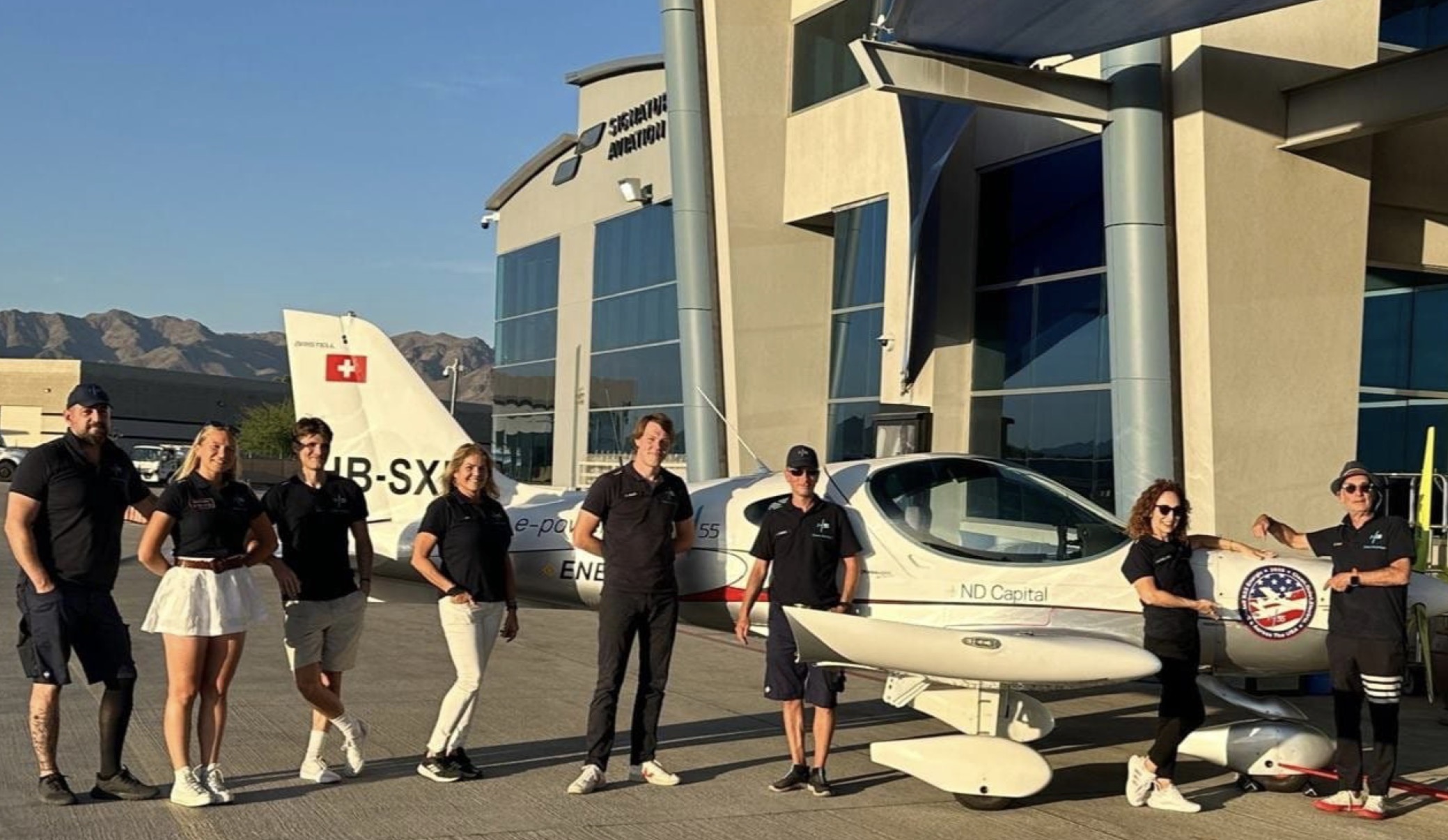
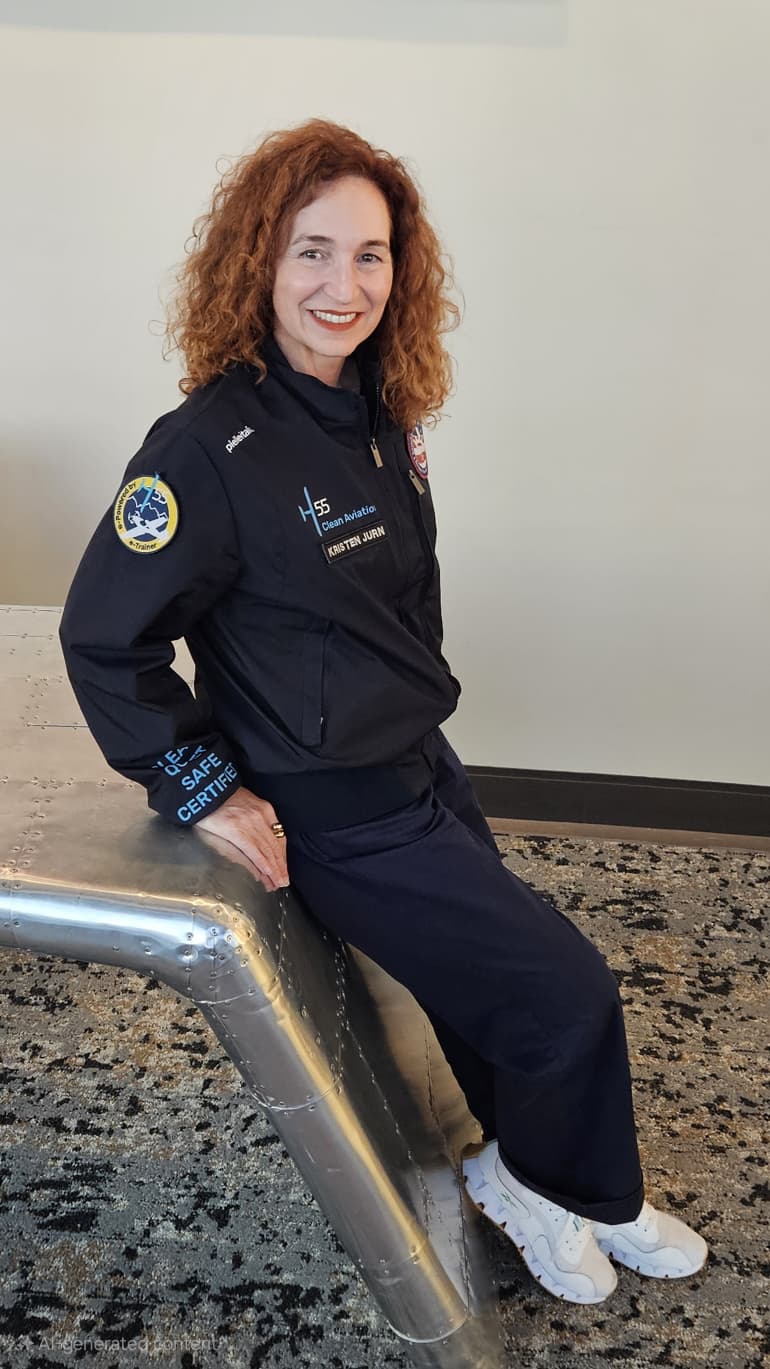
In early 2025, I joined Swiss-based electric propulsion systems company, H55 that was preparing for its first arrival in the United States for the H55 Across America tour. The mission of the 8-state tour was to demonstrate the Bristell B23 Energic, a 2-seat trainer aimed at flight schools, aero clubs, military academies and private pilots, powered by H55’s soon-to-be certified electric propulsion and battery technology.
I was brought on as the first U.S. hire and as H55’s North American sales manager. This tour was about more than showcasing an aircraft. It was about proving electric aviation was ready for scale. As a pilot, I believe the U.S. market, known for embracing innovation, would respond strongly to a solution that delivered both performance and efficiency.
This exciting role brought with it a challenge of engaging the various stakeholders to be part of a historic multi-city tour and to experience the future of aviation – the quiet, economical, and emission-free future. The legendary team was from Solar Impulse and brought clean aviation to life — showcasing our zero-emission Electric Propulsion System (EPS) across 8 U.S. States and 1 Canadian Province.
Our team spent an exhilarating tour from April to August 2025, delivering real-world electric flight demonstrations with VIP guests, and stopping at key aviation events including SUN ‘n FUN in Florida and EAA AirVenture in Wisconsin and engaged education partnerships, regulators, aviation stakeholders, and policymakers.
Live demos and technology demonstrations were scheduled for participants, including some who had witnessed the legendary arrival of Solar Impulse—the Swiss long‑range experimental solar‑powered aircraft at Moffett Federal Airfield at NASA Ames in Mountain View, California. In May 2016, they watched as it prepared to depart and continue its historic journey around the world. The tour underscored how the inspiration of Solar Impulse’s mission contributed to the technological progress now defining the next era of aviation.
Now, a year after launching the H55 Across America tour at Sun ’n Fun, I am returning to the event for 2026 as new certification milestones advance. H55 has delivered conforming, certifiable battery modules to BRM Aero, enabling the next phase of integration for the fully electric Bristell B23 Energic aircraft.
As a founding board member of South Florida Education Expo (SAFEE), a STEM‑focused organization introducing youth to aviation and aerospace—I am helping lead our 14th annual event scheduled for September 2026.
My advisory and speaking role with the South Florida Chapter of Women in Aviation (SoFLY) is equally rewarding, allowing me to inspire young girls to explore exciting aviation career paths through the chapter’s interactive Girls in Aviation Day events.
I am involved in Advanced Air Mobility airport infrastructure projects and a founding member of a Consortium to recommission a South Florida airport as a next generation field to support emerging air mobility and eVTOL, eCTOL aircraft.
Collectively, these initiatives reflect my continued commitment to advancing sustainable aviation, inspiring the next generation of aerospace leaders, and shaping the infrastructure needed for emerging air mobility technologies. As the industry accelerates toward electrification and new modes of flight, I remain dedicated to contributing expertise, mentorship, and advocacy to help guide this transformation and ensure its long‑term success.
What do you like and dislike about the city?
South Florida has always been home for me, I was born in the area of Miami, lived in Miami Beach as a baby and reside here now. I am a true water baby and love the ocean, and all the activities it provides from sailing, snorkeling, deep sea fishing, diving and boating. Miami has some of the most beautiful waters and beaches. My family is spread out throughout South Florida.
Though I’ve lived in several states and countries, Miami continues to offer something unique: an ease of living with a tropical lifestyle, world-class beaches, and enough diversity of cultures for me to utilize my languages and keep life interesting.
Miami has a sophisticated culture of the arts, with its museums, the New World Symphony, diverse international influences and foods. The historical preservation of the Art Deco architecture and tropical homes is also a point of favor for me.
I have often defended Miami, yet recently there is a shift that concerns me. Much of its residential architecture is being lost to big box structure homes replacing the charm of the more Spanish influence in the older homes. The congestion and focus on building bigger, taller buildings downtown and along the beaches is changing the landscape in ways that will change our wind patterns, eliminating ocean breezes and raising temperatures as a result.
It was much nicer to see past buildings than to now only see buildings in every direction. There is little long term foresight in the development of late. The lack of infrastructure focus from sewage to road access concerns me.
It is becoming the uber rich who can afford to buy and live here, and our communities will suffer if schools cannot attract good teachers because they no longer can afford to live near to the school where they teach, or because it takes far too long to get there in traffic. Local boutiques, and family restaurants depend on year;.round business, not just seasonal.
Professionally, Miami calls me because of its cultural diversity and its strong international appeal. I am proud of Miami as it steps onto the global stage, especially in the emerging world of Advanced Air Mobility (AAM). Electric and hybrid‑electric AAM aircraft support the city’s sustainability goals. The city is beginning to recognize its unique advantages — a metropolitan core positioned alongside open terrain, paired with the congestion that often drives innovation in mobility, sustainability, and next‑generation aviation solutions.
Across the region, our public institutions and partners like the Miami Dade Aviation Department, Department of Transportation, Broward University, Miami Dade College, Nova Southeastern University and both local and state government, and our governor understand the importance of aviation and are actively expanding Florida’s aerospace footprint. This is happening at a pivotal moment, as AAM and related technologies begin to shape the future of transportation and align with the long‑term master plan of the city.
There is also a growing recognition of the economic impact aviation brings to Miami‑Dade County and to Florida as a whole. Aviation contributes roughly a third of the state’s Gross Domestic Product (GDP), underscoring not only its economic weight but also the caliber of job opportunities and workforce development it supports.
Florida’s aviation system as a whole contributes $336 billion in annual economic activity, which equals 13.5% of Florida’s total GDP. General aviation across Florida contributes $27.4 billion annually, a portion of which is concentrated heavily in South Florida due to its density of airports and aviation businesses. This ecosystem and its diverse, international, and forward‑leaning — is what continues to anchor my professional commitment to Miami and its aviation future.
Contact Info:
- LinkedIn: https://www.linkedin.com/in/kristen-jurn-5861587
- Twitter: https://x.com/kmjflyr
- Other: https://www.southdadenewsleader.com/news/cross-country-air-race-classic-finishes-in-homestead/article_c9336908-16bd-11ee-8491-5f41b5308d86.html