In this intimate conversation, Sam Hewitt reflects on how his mental health journey—particularly living with depression—has fundamentally shaped the way he sees, frames, and experiences photography, sharing how moments of stillness, shadow, and silence, often encountered while moving through places like Los Angeles, have transformed his creative practice into a grounding, intuitive process that prioritizes emotional honesty over resolution and invites viewers to pause, recognize themselves, and feel less alone in their own internal landscapes.
Hi Sam, thank you so much for sharing your story and the deeply personal connection between your mental health journey and your photography. Your perspective on creativity as both expression and grounding really resonated with us, so let’s jump right in.
You’ve spoken about exploring the intersection between depression and your photographic work. When did you first notice that your emotional and mental health experiences were directly shaping the way you see and capture the world through your lens?
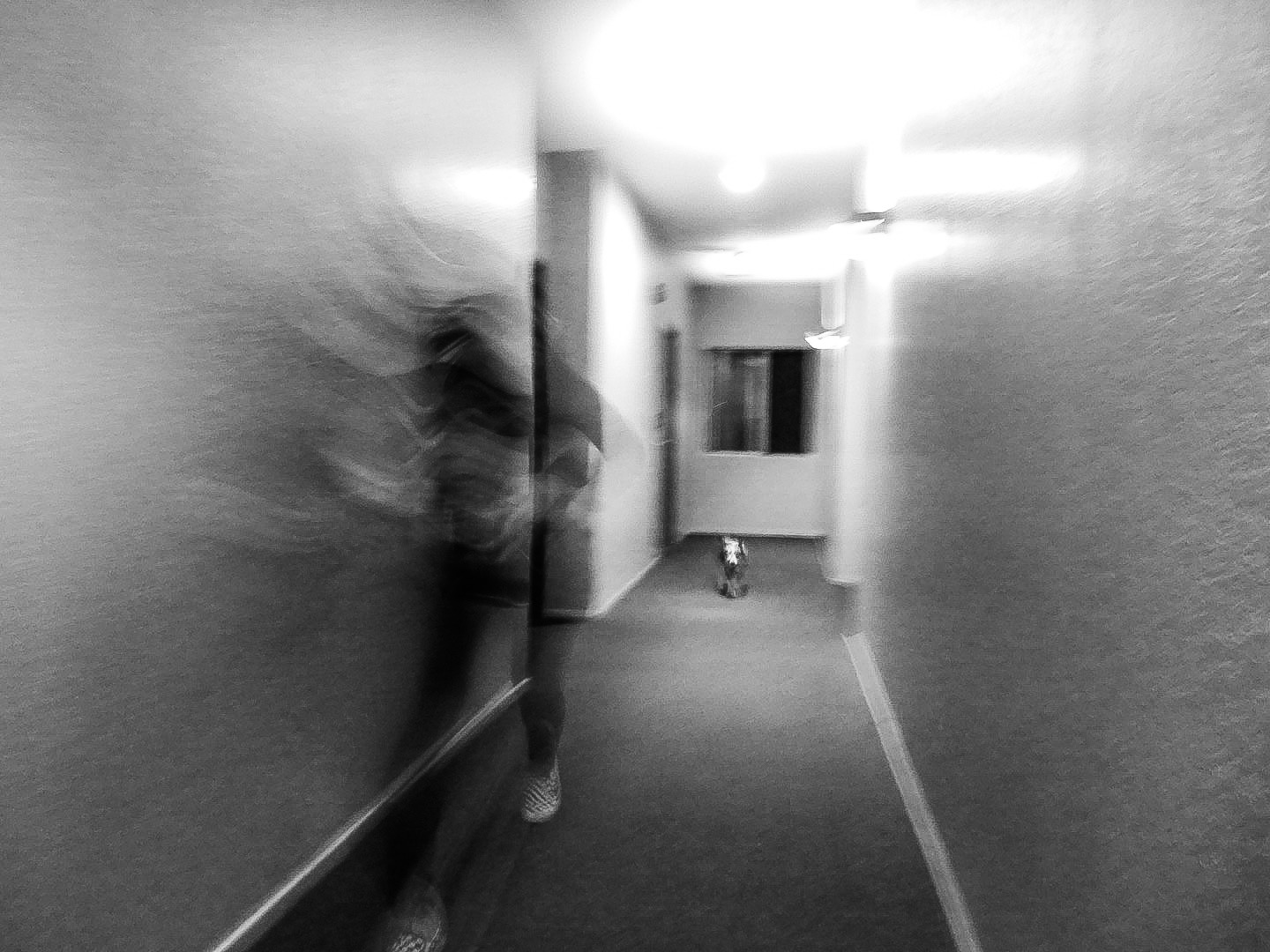
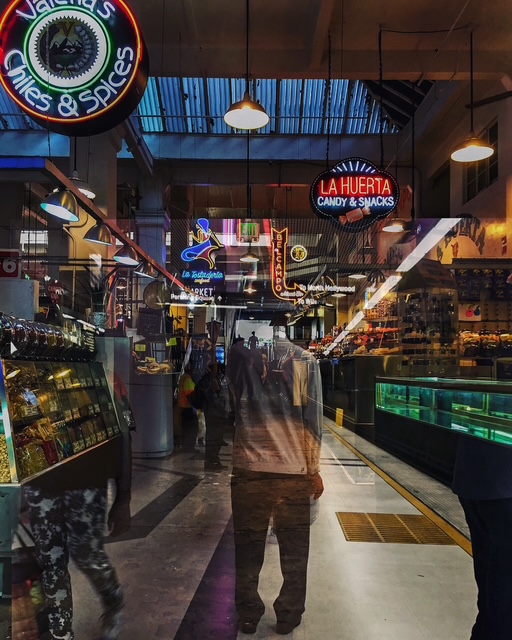
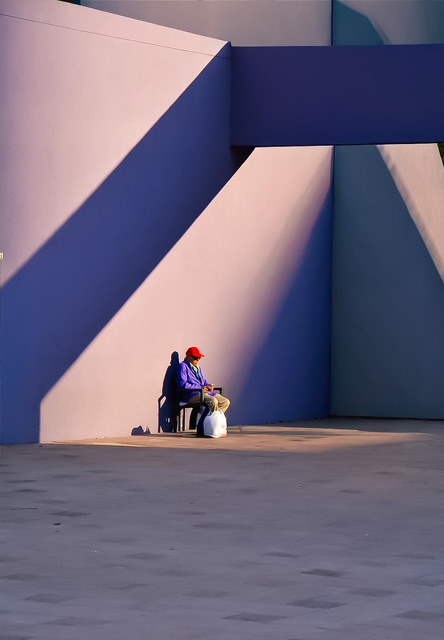
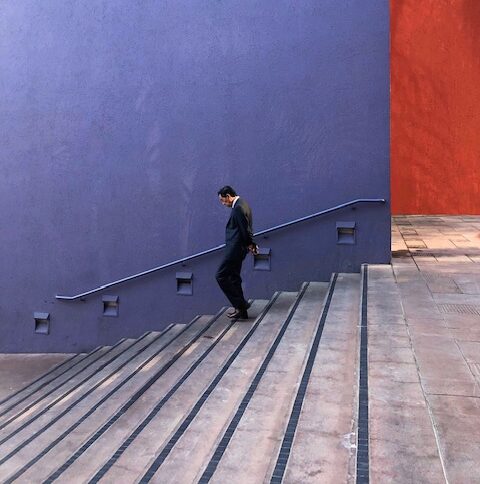
I didn’t recognize it right away. At first, photography was just a way to document moments or distract myself. Over time, though, I noticed that what I was drawn to—light falling in quiet rooms, subjects slightly off-center, moments that felt suspended—mirrored how I was moving through the world internally. I remember walking through downtown Los Angeles and noticing a stranger paused as light cut across them and the wall behind them. Nothing dramatic was happening, but the stillness of that light felt heavier than the surrounding noise, and I lifted the camera instinctively, responding to the quiet rather than the person.
Eventually, I realized I wasn’t just photographing what was in front of me—I was photographing how it felt to exist. Depression altered my perception before I had language for it. It slowed things down, sharpened certain details, and muted others. That moment helped me understand why I was drawn to silence, shadow, and distance. Once I saw that connection, photography stopped being separate from my emotional life; it became a way to process it, sit with it, and make it visible without needing to explain it away.
Photography can be very technical, but your approach sounds deeply intuitive and emotional. How do feelings like heaviness, pain, or stillness influence the way you frame a shot, choose light, or decide what moments are worth documenting?
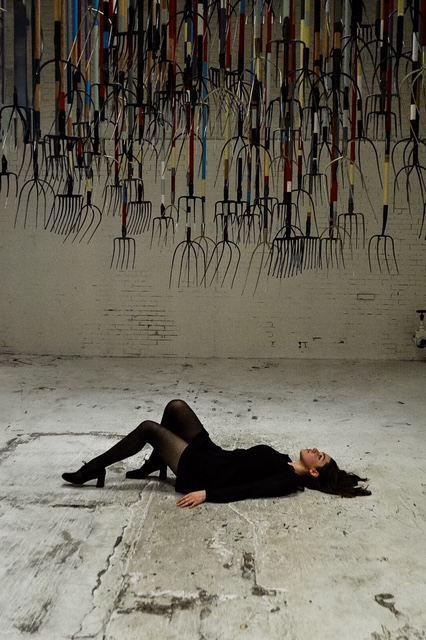
Emotion always comes first for me, and the technical decisions follow. Feelings like heaviness or stillness slow my pace and narrow my focus. I tend to leave space in the frame or photograph moments where something feels absent, because that absence is part of the emotional truth. I’m drawn to natural light that falls unevenly or lingers longer than expected—light that doesn’t try to resolve everything.
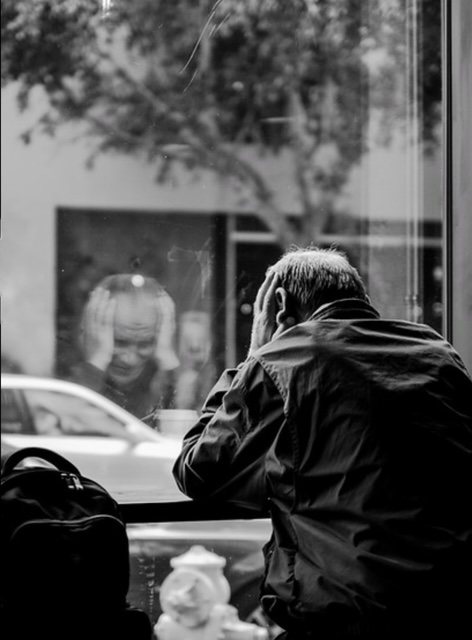
I don’t chase loud or performative moments. What feels worth documenting is usually quiet: someone paused between actions, a body present but withdrawn, a moment suspended. That often means underexposing slightly, letting shadows remain, and resisting the urge to correct or beautify an image. If a photograph feels unresolved or uncomfortable, that’s often where the honesty lives.
You describe photography as a tool for grounding and clarity. In what ways has creating images helped you process difficult seasons or find stability when things feel overwhelming internally?
Photography gives me somewhere to place my attention when my internal world feels overwhelming. When things feel heavy or scattered, the act of making an image slows me down. It asks me to be present with what’s in front of me—light, shape, distance—without needing to resolve how I feel about it in the moment. That alone creates a sense of grounding.
During difficult seasons, photography becomes less about expression and more about regulation. Framing a shot, waiting for light, or choosing when not to take a photo introduces structure when my thoughts feel unstructured. It gives my body something to do that feels intentional and calm. Over time, those small moments of focus add up to stability.
What’s been most clarifying is realizing I don’t have to understand my emotions to document them. Photography allows me to acknowledge what’s present without judgment or explanation. In that way, it doesn’t fix anything—but it creates enough clarity and space for me to keep moving forward.
Many people think of art as something separate from mental health, but for you they’re intertwined. How has embracing that connection changed the way you view both your creative practice and your healing journey?
Embracing that connection has shifted both my creative practice and my healing away from the idea of fixing something. I no longer see photography as separate from my mental health, or as something I turn to only when I’m struggling. It’s part of how I stay in relationship with myself, especially during periods when things feel uncertain or unresolved.
Creatively, it’s allowed me to trust intuition over productivity. I don’t pressure myself to constantly produce or explain my work. Some seasons are quieter, some are more active, and I let that ebb and flow mirror my internal state instead of resisting it. That permission has made the work more honest and sustainable.
In terms of healing, it’s helped me move away from measuring progress by how “good” I feel. Healing looks more like awareness, presence, and self-trust than resolution. Photography doesn’t cure anything—but it helps me notice myself more clearly. That awareness has been one of the most stabilizing parts of my journey.
Your work has the potential to resonate with others navigating their own internal landscapes. What do you hope viewers feel or recognize in themselves when they experience your photographs?
I don’t hope viewers walk away with a specific feeling so much as a sense of recognition. I want the work to create a pause—something quiet enough that people can project their own internal landscape onto it without being told what to feel. If someone sees an image and feels less alone in their stillness, uncertainty, or heaviness, that feels meaningful to me.
I hope viewers recognize that their internal experience doesn’t need to be dramatic or easily articulated to be valid. There’s room for ambiguity, for feeling present but not resolved. If my photographs offer permission to sit with that rather than rush past it, then they’ve done their job.
Ultimately, I want the work to feel less like a statement and more like a shared moment—something that meets people where they are and reminds them that what they’re carrying is already part of being human.
As you continue evolving both personally and artistically, what kinds of stories or themes are you most interested in exploring next through your photography?
Lately, I’ve been interested in exploring what comes after survival—moments of quiet resilience, subtle connection, and the ways people learn to coexist with their inner worlds rather than overcome them. I’m drawn to transitional spaces, both literal and emotional: thresholds, pauses, in-between states where things aren’t broken but not fully resolved either.
I’m also curious about softness as strength. For a long time, my work focused on weight and stillness; now I’m paying attention to what tenderness looks like when it’s lived quietly—care routines, shared silence, small gestures that signal endurance rather than escape. That feels like a natural extension of my own growth.
Ultimately, I want to keep following what feels honest. As my internal landscape shifts, the work will shift with it. I’m less interested in chasing themes than in staying responsive—to my own experience and to the subtle stories unfolding around me.












 Meet Chelsea Jay: Helping Job Seekers Combine AI, Authenticity, and Confidence to Build Careers That Last
 Christian Corsi and Sucree Are Channeling Confidence, Energy, and Connection Through Their New Collaborative Release Aura
 Enzo Mussolini on Blending Music, Fashion, and Global Entrepreneurship Into a Culture-Driven Creative Movement
 Christian Corsi on Blending Healing Frequencies, Ritual, and Melodic Techno to Create Transformative Sound Experiences
 Beyond the Smile: How Dr. Julio Hernandez Is Redefining Beauty Through Whole-Person Care
 Rooted in Tradition, Powered by Results: How Stephanye Lafortune Is Redefining Hair Growth Through Cultural Wisdom
 From Presence to Power: How Liandra Salles Is Turning Integrated Marketing Into Scalable Brand Momentum
 Giving Back, Moving Forward: How David W. Stillson Built Purpose Into Every Case
 Where Film Becomes Verse: Renzo Del Castillo on Turning Cinema into Living Poetry Through Reel Poets