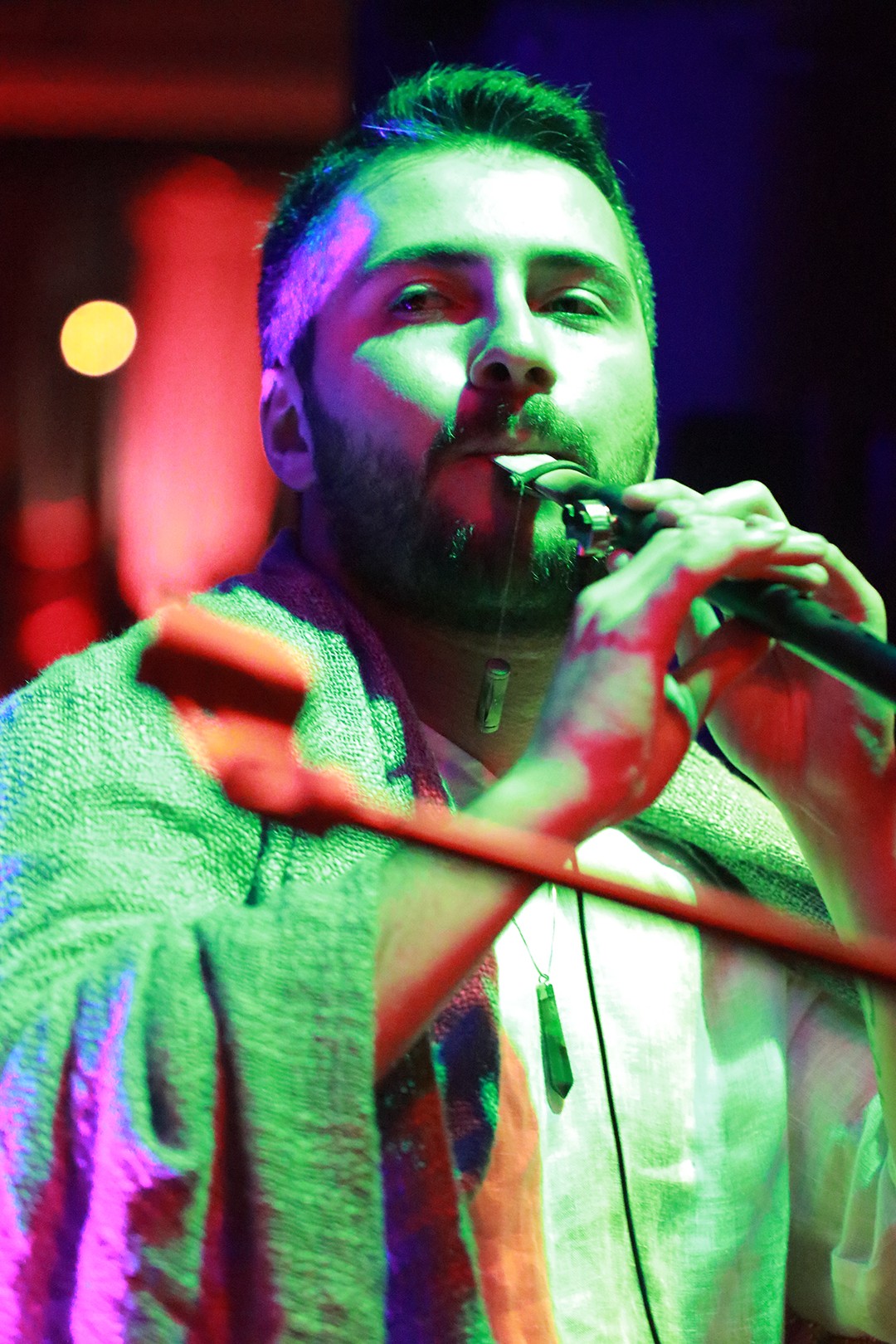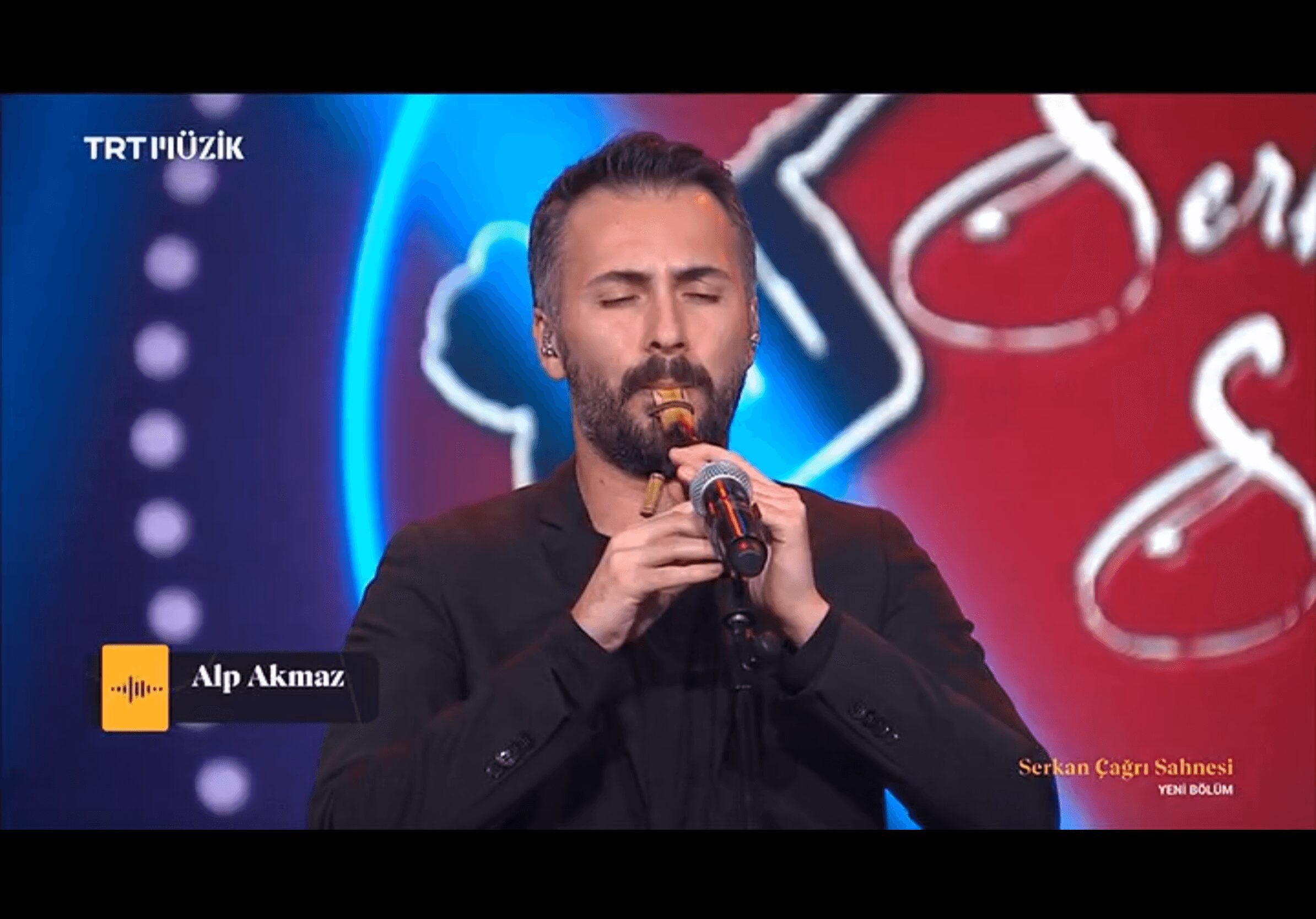




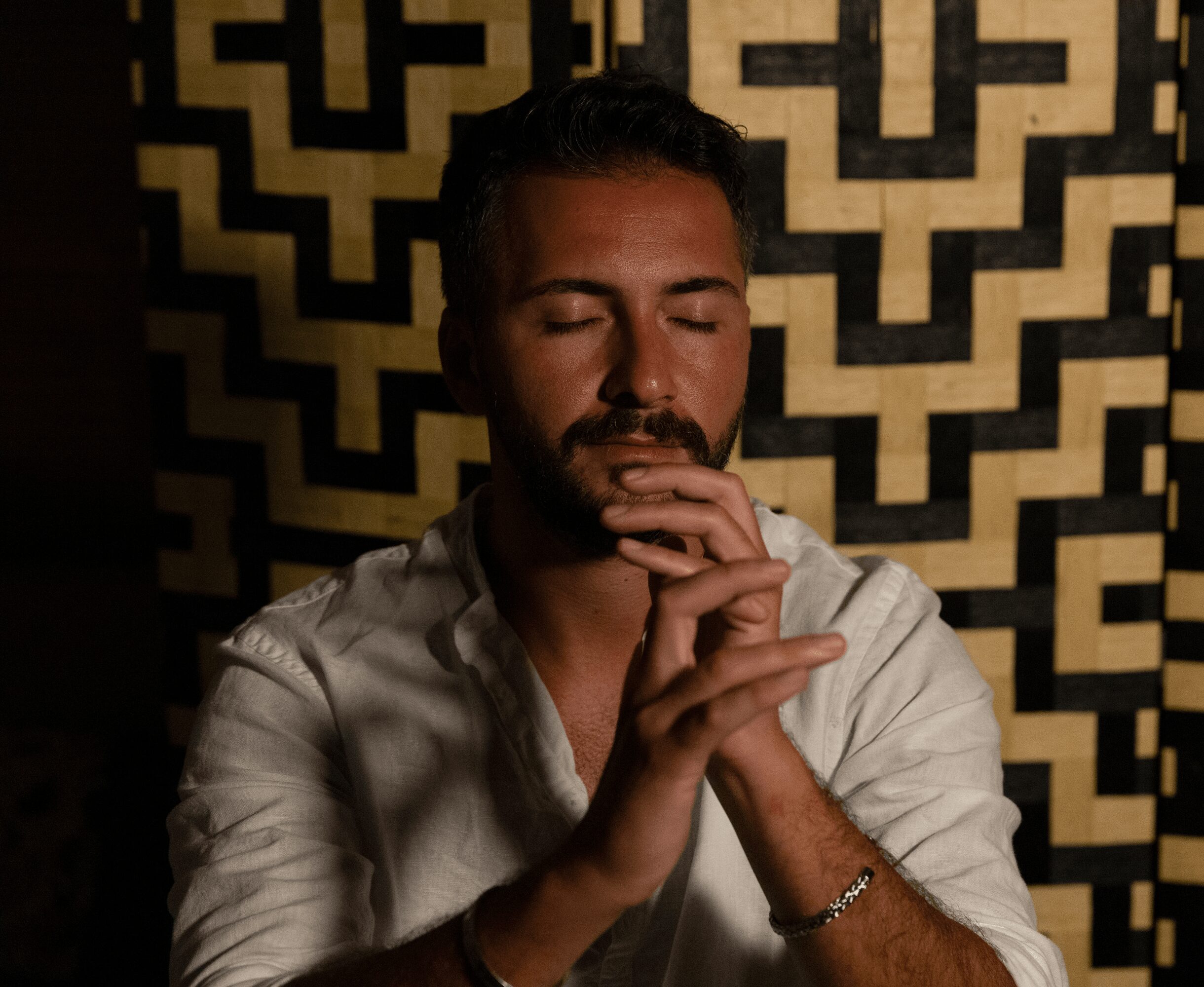
Today we’d like to introduce you to Alp Akmaz.
Alp, we appreciate you taking the time to share your story with us today. Where does your story begin?
I’m a musician and entrepreneur currently based in Miami, and my journey has really been shaped by curiosity, risk-taking, and persistence.
I actually didn’t start in a traditional artistic environment. My early years were focused on survival and responsibility — working long hours and learning discipline before I ever had the chance to fully invest in creativity. Music was always present in my life, but at first it was more of a personal refuge than a career plan. Over time, that refuge turned into a calling.
My main instrument is the balaban, a very emotional and expressive wind instrument with deep cultural roots. When I began sharing my performances publicly, I noticed something powerful: people from completely different backgrounds connected to the sound, even if they had never heard the instrument before. That’s when I realized I wasn’t just playing music — I was introducing a voice that many audiences had never experienced.
At the same time, I’ve always had an entrepreneurial mindset. I built online businesses, explored digital markets, and studied emerging technologies. Rather than separating business and art, I combined them. I treat music like a startup — branding, audience building, storytelling, and long-term positioning all matter just as much as technical skill.
Moving to Miami accelerated everything. The city is international, energetic, and open to new sounds. Here I’ve been able to collaborate across genres, reach global listeners, and position my work not only as performances but as a cultural project. My goal isn’t just to perform — it’s to make the balaban recognized worldwide and create sustainable creative platforms around it: education, digital content, and live experiences.
Today my path sits at the intersection of art and enterprise. I’m building a career where music isn’t dependent on luck, and business isn’t disconnected from soul. The journey is ongoing, but the direction is clear: create something meaningful and scalable at the same time.
We all face challenges, but looking back would you describe it as a relatively smooth road?
Not at all — it definitely hasn’t been a smooth road.
Like many immigrants and independent artists, I didn’t start with connections, financial backing, or a clear industry path. For a long time I balanced survival jobs with creative ambition, working exhausting hours while still trying to practice, record, and improve. There were periods where progress felt invisible — you invest years into a craft and the outside world doesn’t notice yet.
Another challenge was playing an instrument most people had never heard before. The balaban isn’t part of mainstream Western music, so venues and organizers didn’t always understand where I fit. I had to educate audiences first before they could even appreciate the performance. In a way, I wasn’t only building a career — I was building context.
Entrepreneurship had its own difficulties too. I tried projects that didn’t work, lost money, and learned hard lessons about marketing, timing, and patience. Social media growth, branding, and consistency required just as much discipline as practicing music. There’s also the mental side — doubt, isolation, and staying focused when results come slowly.
But those struggles shaped the direction. They forced me to become self-reliant, to treat art professionally, and to think long-term instead of chasing quick success. Looking back, the obstacles were not interruptions to the journey — they were the training that made the journey possible.
Appreciate you sharing that. What else should we know about what you do?
My work sits at the intersection of music, culture, and entrepreneurship.
I’m a performer and composer specializing in the balaban, a deeply expressive wind instrument known for its emotional, almost vocal tone. My focus is to bring this sound into contemporary spaces — not only traditional settings, but also jazz, ambient, cinematic, and modern fusion contexts. I perform live, produce recordings, create digital content, and develop educational material to introduce the instrument to global audiences who may be hearing it for the first time.
Alongside music, I build platforms around it. I approach my career like a creative enterprise: branding, audience building, and long-term sustainability are part of the art itself. I design projects that don’t depend only on performances — including online education, collaborations, and multimedia storytelling — so the instrument can live beyond the stage.
What I’m most proud of is not a single performance, but the reaction from listeners. Many people tell me they feel something deeply personal even though they didn’t know the instrument existed before. Creating that immediate emotional bridge across cultures means more to me than numbers or metrics.
What sets me apart is that I’m not only performing music — I’m introducing a voice. I combine artistic expression with strategic thinking: I treat culture with authenticity but present it with modern accessibility. Instead of adapting myself to fit existing genres, I build a space where the instrument naturally belongs. My goal isn’t just to succeed as a musician, but to make the balaban recognizable worldwide and create a sustainable ecosystem around it.
Networking and finding a mentor can have such a positive impact on one’s life and career. Any advice?
Absolutely — and honestly, networking changed everything for me, but not in the traditional “collect business cards” way.
Early on I realized mentors rarely appear because you ask for one. They appear when they see seriousness. Instead of asking people to teach me, I focused on showing consistency — posting regularly, improving my sound, sharing ideas, and documenting progress. When people notice commitment, conversations naturally turn into guidance.
What worked best for me:
1. Lead with value, not requests
When I met musicians, producers, or venue owners, I didn’t open with “Can you help my career?” I opened with collaboration — a session, a recording idea, or a unique sound I could contribute. People mentor those who make their work more interesting, not heavier.
2. Be visible before being connected
Social media became my introduction. By sharing performances and creative process consistently, I allowed people to understand me before meeting me. So when I eventually contacted them, I wasn’t a stranger — I was someone they had already observed.
3. Ask specific questions
Instead of “How do I succeed?” I’d ask things like:
“What mistake do artists in this genre usually make?”
Specific questions show respect for someone’s experience and lead to real conversations.
4. Stay around environments, not individuals
Rather than chasing famous people, I spent time where creative work happens — studios, small events, rehearsals. Relationships grow naturally through repetition, not introduction.
5. Follow up by doing, not talking
If someone gave advice, I applied it and later showed the result. That’s the moment a contact often becomes a mentor — they see you take action.
In my experience, networking is less about meeting important people and more about becoming a person worth meeting. Consistency attracts mentors far more reliably than asking for mentorship.
Pricing:
- 2500
Contact Info:
- Instagram: https://www.instagram.com/alpakmaz
- Facebook: https://www.facebook.com/alpakmaz
- Twitter: https://x.com/alpakmaz
- Youtube: https://www.youtube.com/@AlpAkmaz