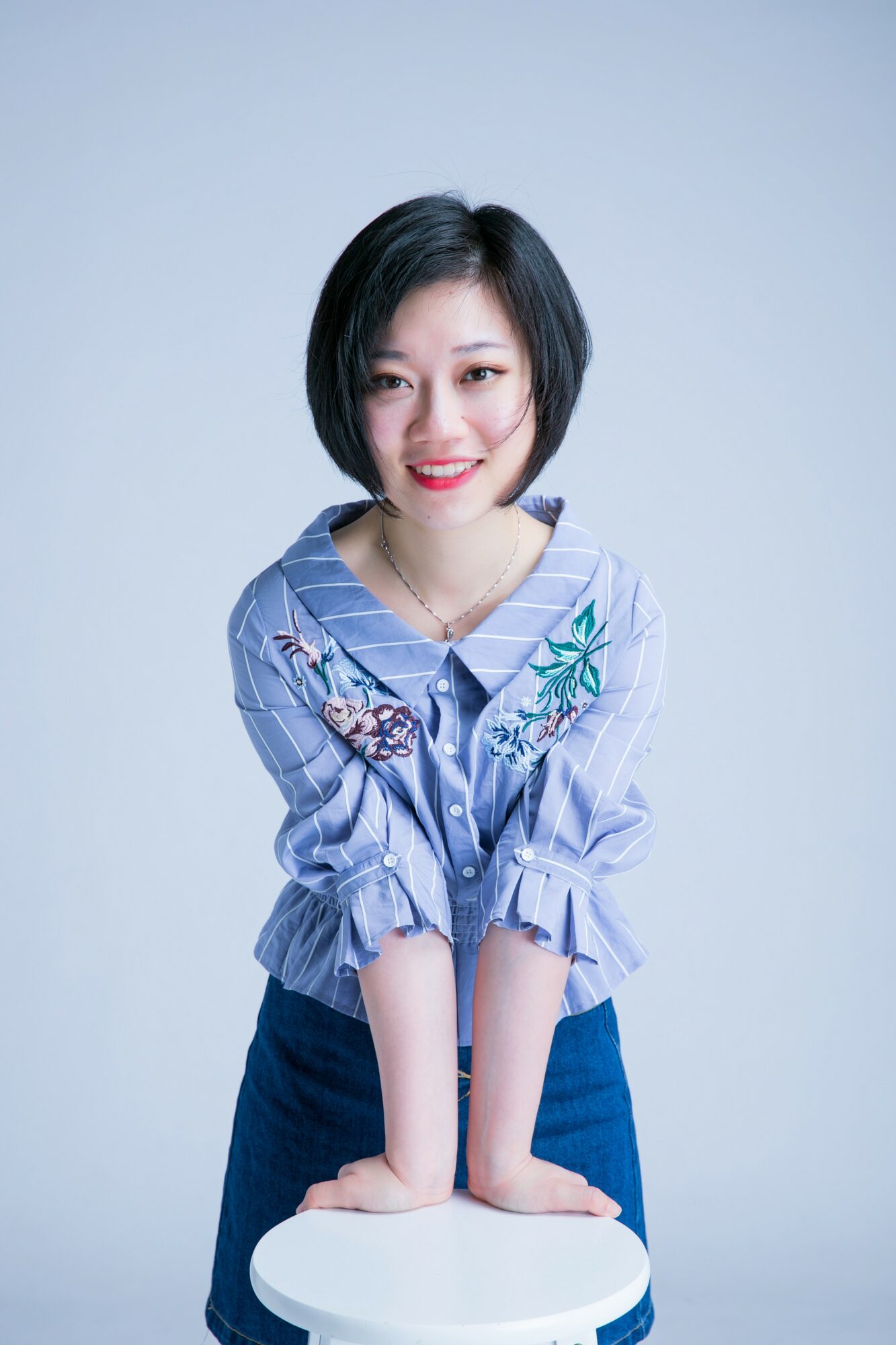




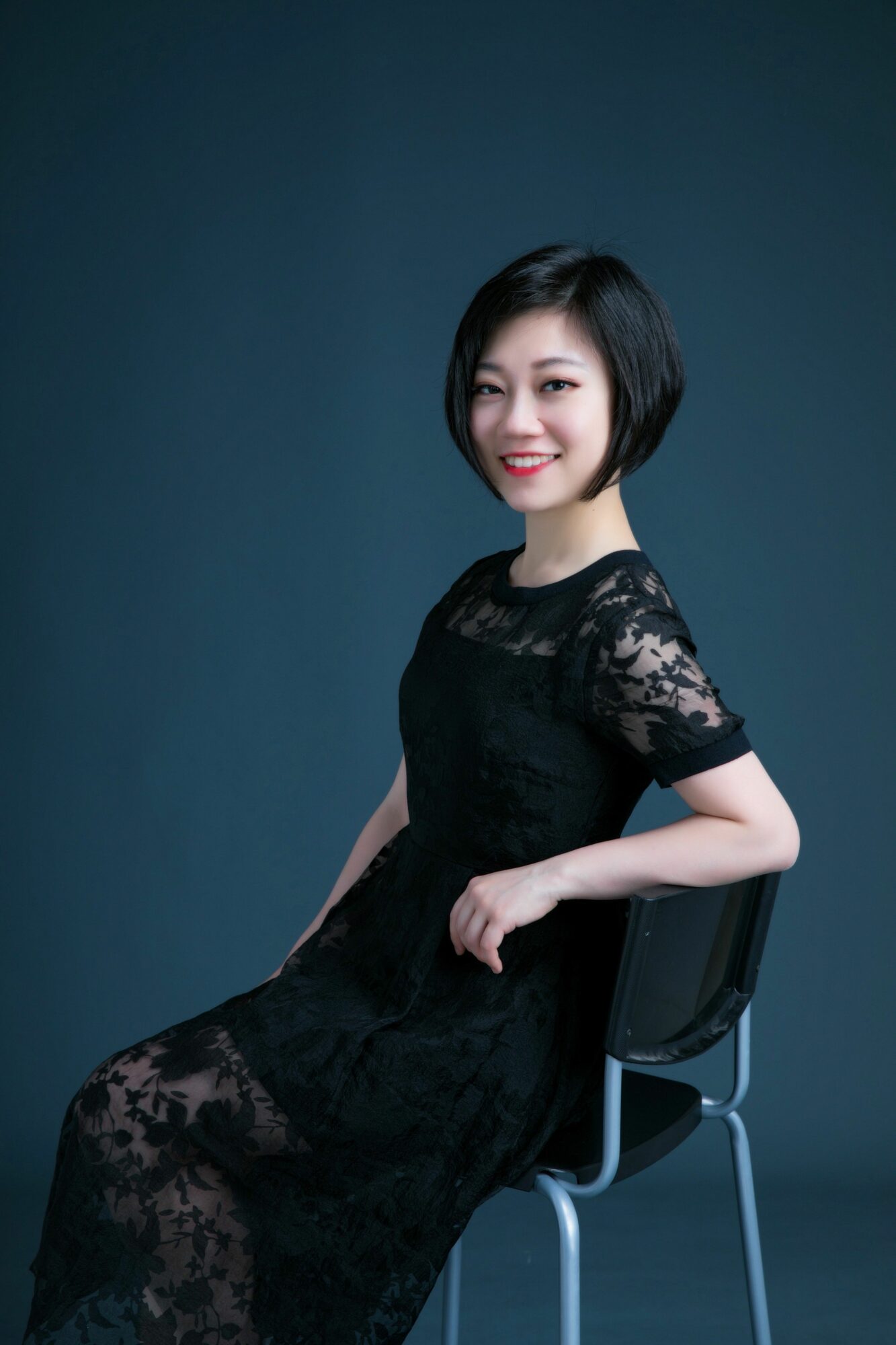
Today we’d like to introduce you to Jingen Chen.
Hi Jingen, so excited to have you with us today. What can you tell us about your story?
My journey started late. I didn’t touch a piano until I was 12 in Shenzhen. Most professional pianists start at 4 or 5, so by those standards, I was already “too old.” But I fell hard for the piano. Something about it just clicked, and I dove in with this obsessive intensity that surprised everyone, including myself. Everything shifted when I was 14. I went to see Kevin Kenner perform during one of his China tours. He’s a laureate of the International Chopin Piano Competition, and watching him that night was… I don’t even know how to describe it. The way he played Chopin wasn’t just technically perfect. It was like he was telling you a story, having a conversation through the piano. I sat there mesmerized, and by the time the concert ended, something in me had crystallized: This. This is what I want to do with my life.
Of course, it seemed completely unrealistic. Here’s this world-renowned artist, and I’m just some kid who’d only been playing for two years. But that night planted something in me that never went away.
A year later, at 15, I got selected by the Guangdong Provincial Musicians Association to record demonstration videos for their piano exam program, all 10 levels. These recordings got distributed across Guangdong Province as official teaching materials. Suddenly students all over the province were learning from my playing. It was wild. Thrilling and terrifying and humbling all at once.
I kept studying in China, then took the leap to come to the U.S. First I went to Cleveland Institute of Music for my Artist Diploma with Daniel Shapiro, then to University of Miami’s Frost School of Music for my master’s.
And then it happened. Professor Kenner accepted me as his student. I still remember walking into that first lesson, absolutely terrified. This was the person whose concert had changed everything for me, and now he was going to hear me play.
Working with him through my master’s and doctorate completely transformed how I understand music. It wasn’t just about playing notes anymore. During the Frost Chopin Academy (he’s the artistic director), I even got to perform Liszt’s “Years of Pilgrimage” alongside him. Sharing a stage with someone you’ve looked up to since you were 14? Surreal doesn’t even begin to cover it.
I finished my doctorate in 2025, and now I’m here in Miami. I’m performing, teaching at Frost’s prep program, trying to build bridges between the Chinese and Western musical worlds I love. Music has this way of taking you to places you never imagined and connecting you with people you never thought you’d meet. I’m living proof of that.
Can you talk to us a bit about the challenges and lessons you’ve learned along the way. Looking back would you say it’s been easy or smooth in retrospect?
Not even close to smooth. But honestly, the struggles made me who I am. Starting Late: Being a “late starter” was tough. When you’re 12 and just beginning while other kids your age have been playing for 8 years, you feel behind constantly. I’d watch younger students nail pieces I was struggling with and think, “Will I ever catch up?”
But it forced me to be smart about practice. I couldn’t just put in mindless hours at the piano. I had to make every minute count. That actually became one of my strengths. I learned how to practice efficiently, how to problem-solve at the keyboard. That discipline has carried me through my entire career.
The Language and Culture Shock: Language was brutal. In China, everything was in Chinese. My lessons, my theory classes, all of it. Then suddenly I’m at Cleveland Institute trying to understand complex musical concepts in English. I’d sit in music history class catching maybe 60% of what the professor was saying. Then I’d go home and spend hours with a dictionary, re-reading, trying to piece it together. Exhausting doesn’t even begin to describe it.
But the cultural stuff was even harder than the language. In Chinese musical training, you learn the way to play something. Technical perfection, respecting tradition, following your teacher’s interpretation. Then I get to America and teachers are asking me, “What do YOU think this phrase means? How do YOU want to shape this?”
I’d just freeze. I wasn’t used to having opinions about interpretation. That felt almost disrespectful. Like, who am I to question how my teacher says it should be played?
I had to completely rewire my brain. It wasn’t just learning English; it was learning a whole different way of thinking about music, about learning, about what it means to be a musician.
There were some really lonely moments. I remember feeling overwhelmed preparing for my first recital at Cleveland. I was so far from home, struggling to express myself, feeling like I didn’t quite fit anywhere. Wondering if I’d made a huge mistake coming to America.
But gradually, things clicked. My English got better. I found people who got it. Other international students, supportive teachers. And most importantly, I started realizing that straddling two musical worlds wasn’t a problem to solve. It was actually my biggest asset.
Perfectionism: I also struggled with perfectionism during my doctorate. Coming from intense conservatory training, I’d obsess over every tiny detail, beat myself up over mistakes no one else even noticed. It got pretty paralyzing at one point.
Professor Kenner’s approach really helped shift this. Watching how he performed, I learned that music is about connection and storytelling, not just technical perfection. I still prepare obsessively, but now I can let the music breathe in performance and trust my interpretation. That balance has been huge for me.
Looking back, every single struggle shaped how I teach now. Starting late, the language barriers, the culture shock, the perfectionism. They all gave me empathy. I get what it feels like to be an outsider, to feel like you’re constantly proving yourself. That shows up in everything I do with my students.
Can you tell our readers more about what you do and what you think sets you apart from others?
I wear a few different hats, honestly. I’m a concert pianist, a faculty at the University of Miami’s Frost School of Music preparatory program, and increasingly, I see myself as someone trying to bridge musical worlds.
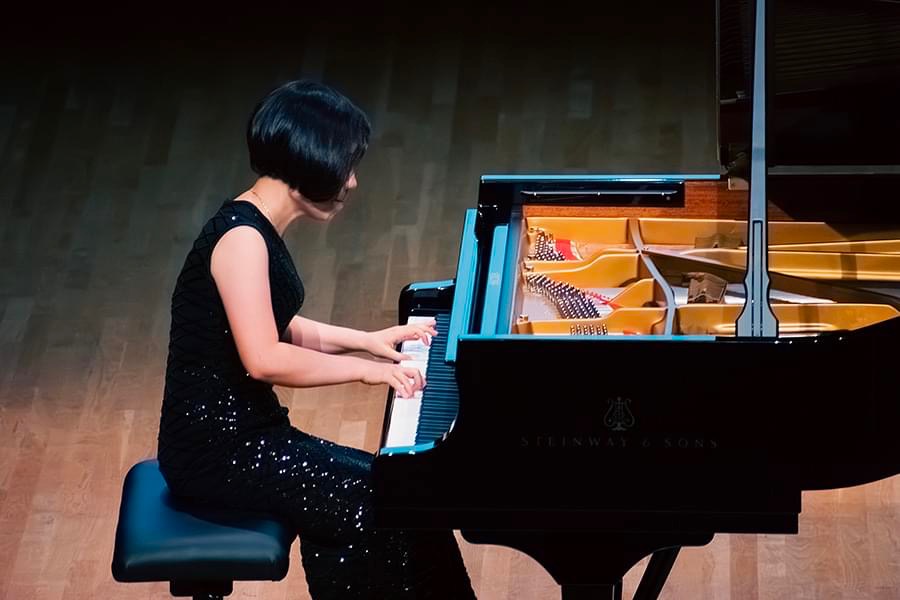
As a performer, I’ve been lucky to compete and win at some major competitions. First Prize at the International Chopin Piano Competition in Asia, the winner of University of Miami Concerto Competition, awards at the Great Composers Competition. These led to performances across the U.S., China, Japan, and Germany. I’ve played as soloist with orchestras, given solo recitals, all the traditional concert pianist stuff.
But what I’m really proud of? It’s the reviews, honestly. South Florida Classical Review has written about my performances multiple times, calling me “an agile player with a polished technique” and saying my Chopin Preludes showed “exemplary technique” with “restrained elegance.” When a critic writes that “both the grace and power of Chopin’s writing were well served” by your playing, that feels like validation that you’re doing something right. Not just playing notes, but actually communicating the music.
Teaching is huge for me. I’ve been on faculty at Frost’s preparatory program since 2022, and last year Steinway & Sons named me “Top Piano Teacher.” That award meant more to me than some of my performance prizes, to be honest. It meant my approach to teaching was resonating.
My teaching philosophy comes from my own experience. I started late, so I get what it’s like to feel behind. I navigated two completely different educational systems. I understand the struggle of finding your voice as a musician. That empathy shapes how I work with students. Every student’s path is different, and my job is to meet them where they are and help them discover their own musical voice.
My students consistently get Superior ratings at National Federation of Music Clubs competitions, which is great. But what really gets me is watching a shy kid gain confidence through performance, or seeing someone finally crack a passage they’ve been struggling with for weeks. Those moments remind me why I do this.
I’m also a Steinway Educational Partner and serve as a judge for the National Federation of Music Clubs. I really enjoy the judging work because I get to support young musicians and see the next generation of talent.
What am I most proud of?
I’m really proud of the reviews my performances have gotten. When South Florida Classical Review writes that your playing serves both “the grace and power of Chopin’s writing,” that’s the kind of validation that means you’re communicating, not just playing notes. That matters to me.
My students’ growth is huge too. When I see them gain confidence, win competitions, or just fall in love with a piece of music, that feels like real impact. The Steinway “Top Piano Teacher” award was meaningful because it recognized that approach.
And I think I’m proud of building a career on my own terms. I didn’t follow the typical conservatory-to-concert-career trajectory. I’m doing a mix of performing and teaching, working to bridge traditions, and it feels right for who I am.
What sets me apart?
Honestly, I think it’s empathy. Because of my own journey, I understand struggles that a lot of teachers can’t relate to. I get what it’s like to start late and feel behind. I know how it feels to be in a classroom understanding only 60% of what’s being said. I remember that loneliness of being far from home, wondering if you belong.
So when a student comes to me feeling discouraged, or when an international student is struggling with more than just the music, I really get it. My teaching isn’t just about technique and repertoire. It’s about helping students find their voice, build confidence, and realize that their unique path, whatever it is, can be a strength.
And musically, I bring something different too. I’m deeply grounded in both Chinese and Western classical traditions. I can introduce my students to Chinese music they’ve never encountered and help them understand how it connects to the Western repertoire they already know. Classical music is a global conversation, and I want my students to hear all the voices in that conversation.
What are your plans for the future?
The thing I’m most looking forward to is performing more. I want to keep exploring new repertoire, especially music that connects Chinese and Western traditions. There’s so much amazing Chinese piano music that most people here have never heard, and I really want to change that. I think audiences would be surprised by how beautiful and how deep this repertoire is. Teaching isn’t going anywhere either. I love what I’m doing at Frost’s prep program, and I want to keep growing as an educator. I’m especially passionate about working with kids who maybe don’t fit the traditional mold. Late starters, students from different backgrounds, kids who are struggling but have something special in them. I know what that feels like, and I want to be the teacher who believes in them when nobody else does.
I also want to get more involved in the South Florida music community. Not just performing in it, but being part of it. Judging, collaborating, connecting with other musicians and educators. Building something bigger than just my own career.
And honestly, I just want to keep growing. There’s so much more music to learn, so many students to work with, so many ideas I want to explore. I’m not in a rush. I just want to keep showing up and making it count.
Contact Info: