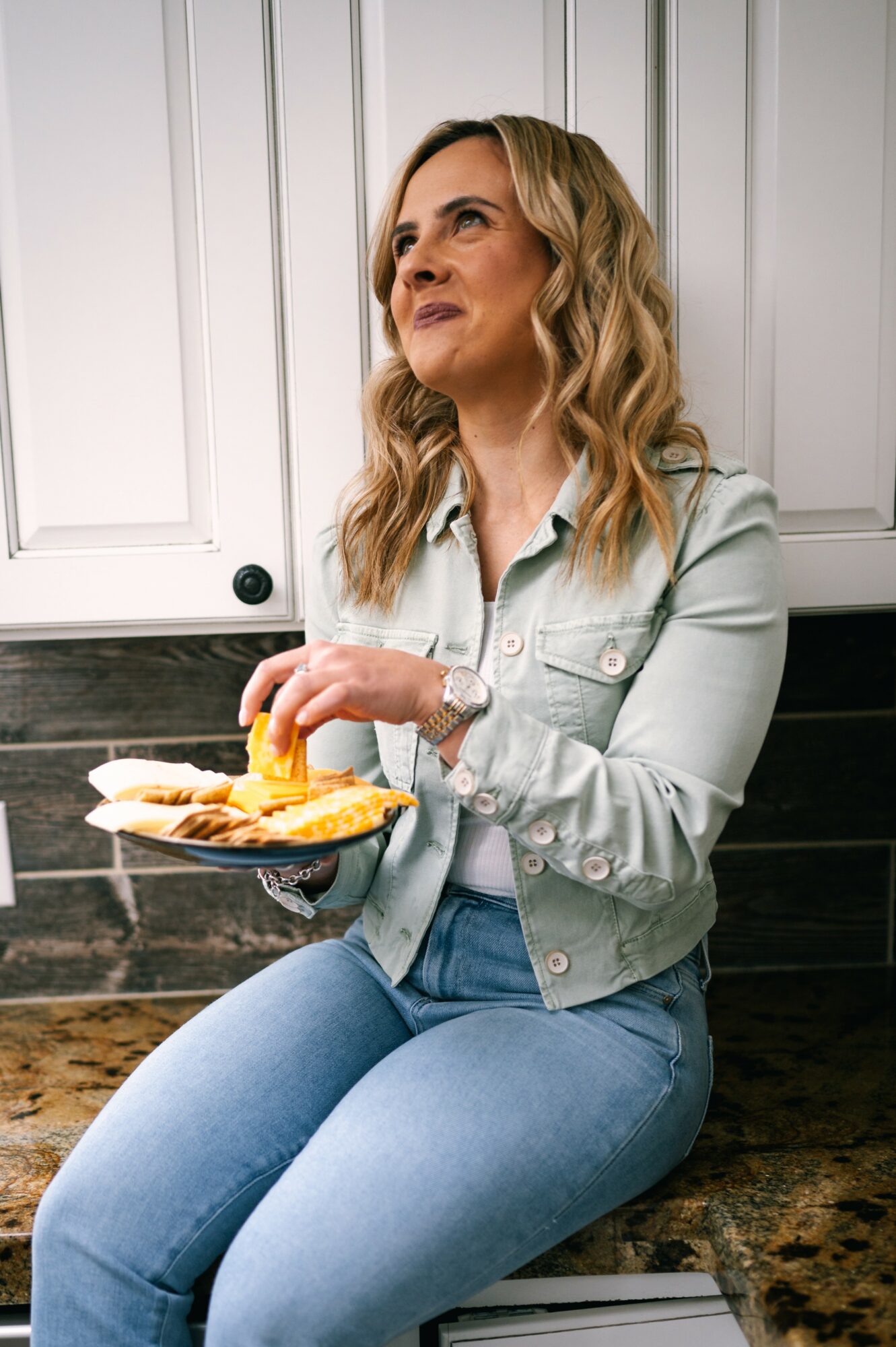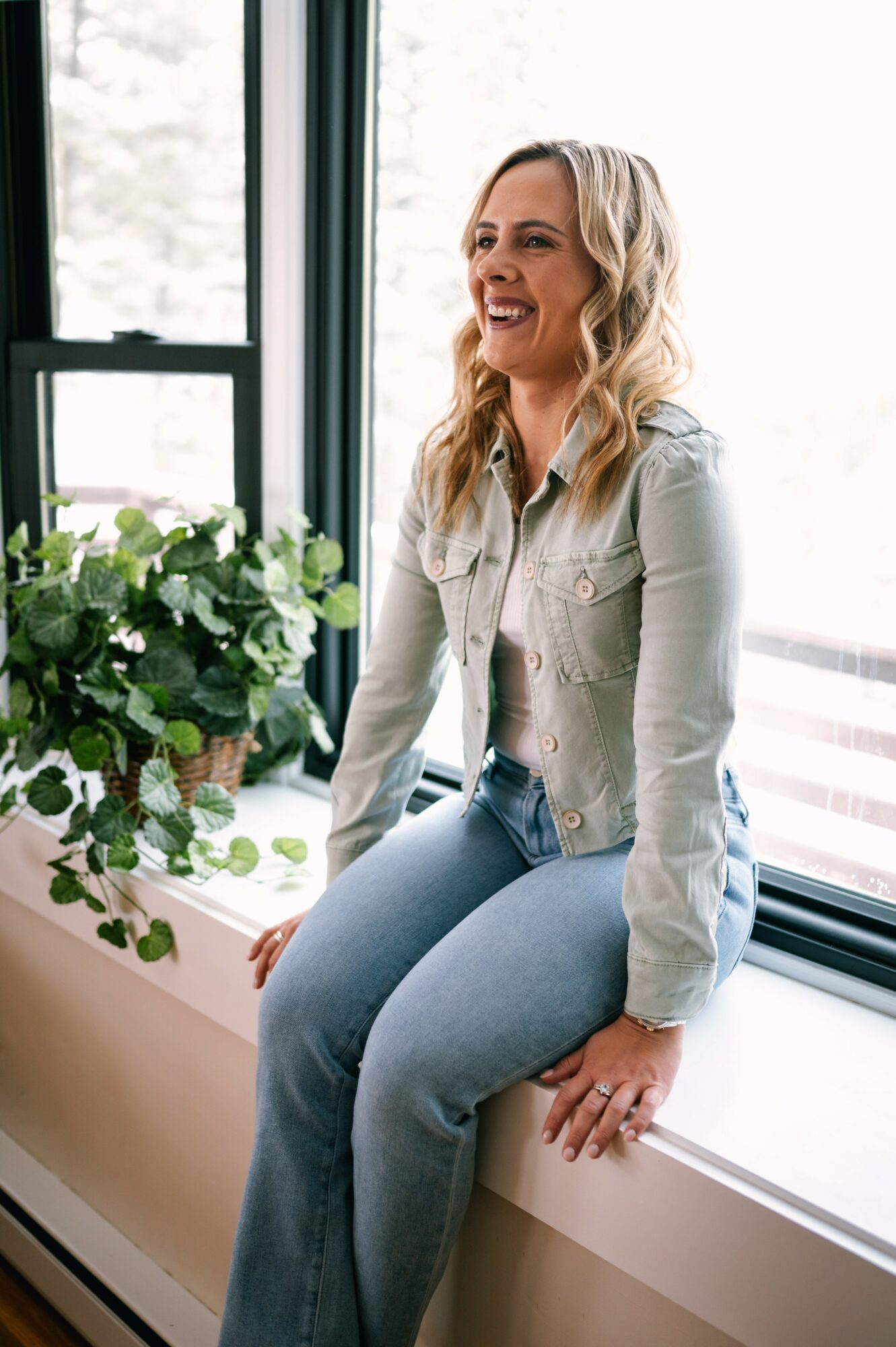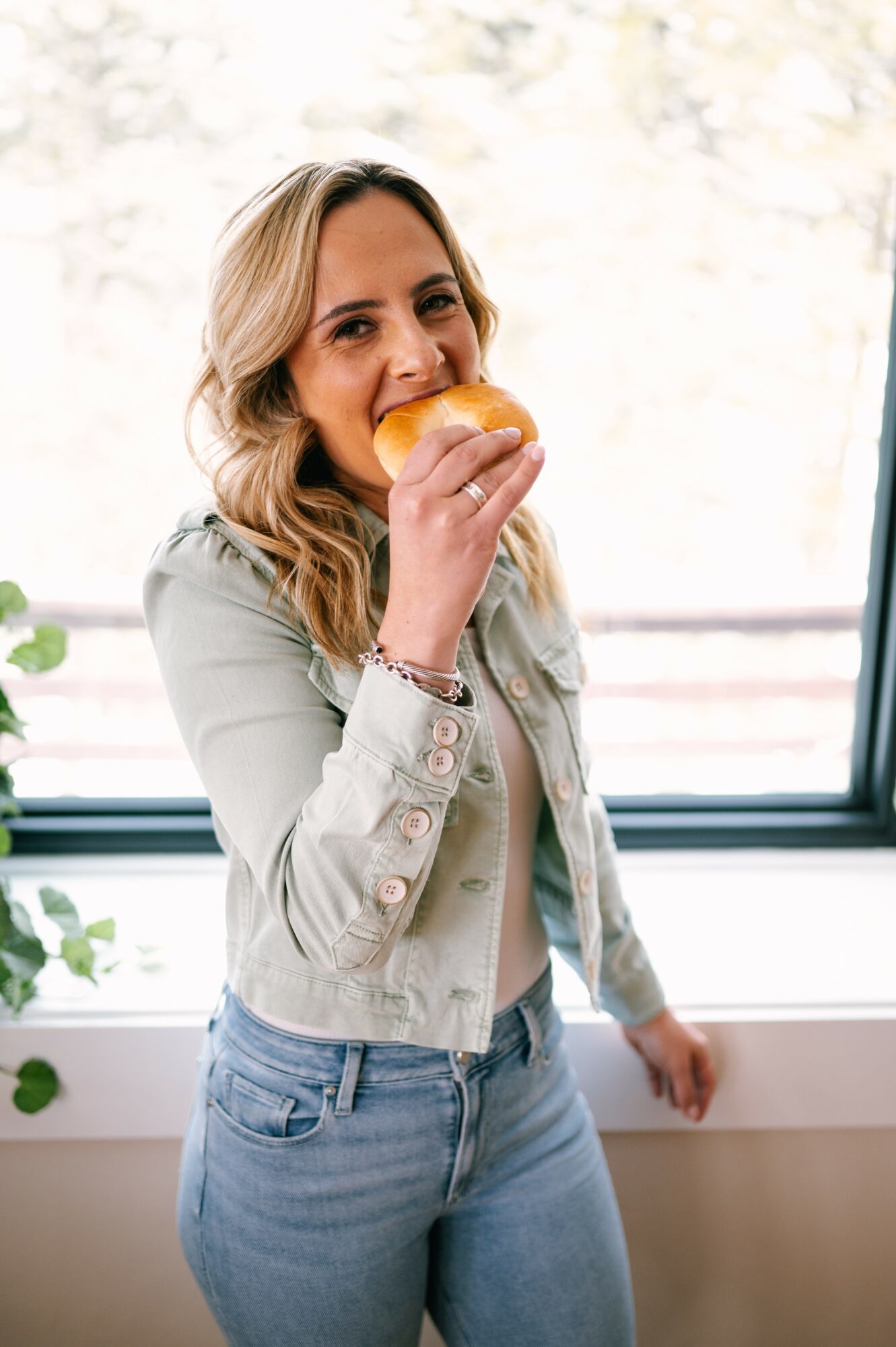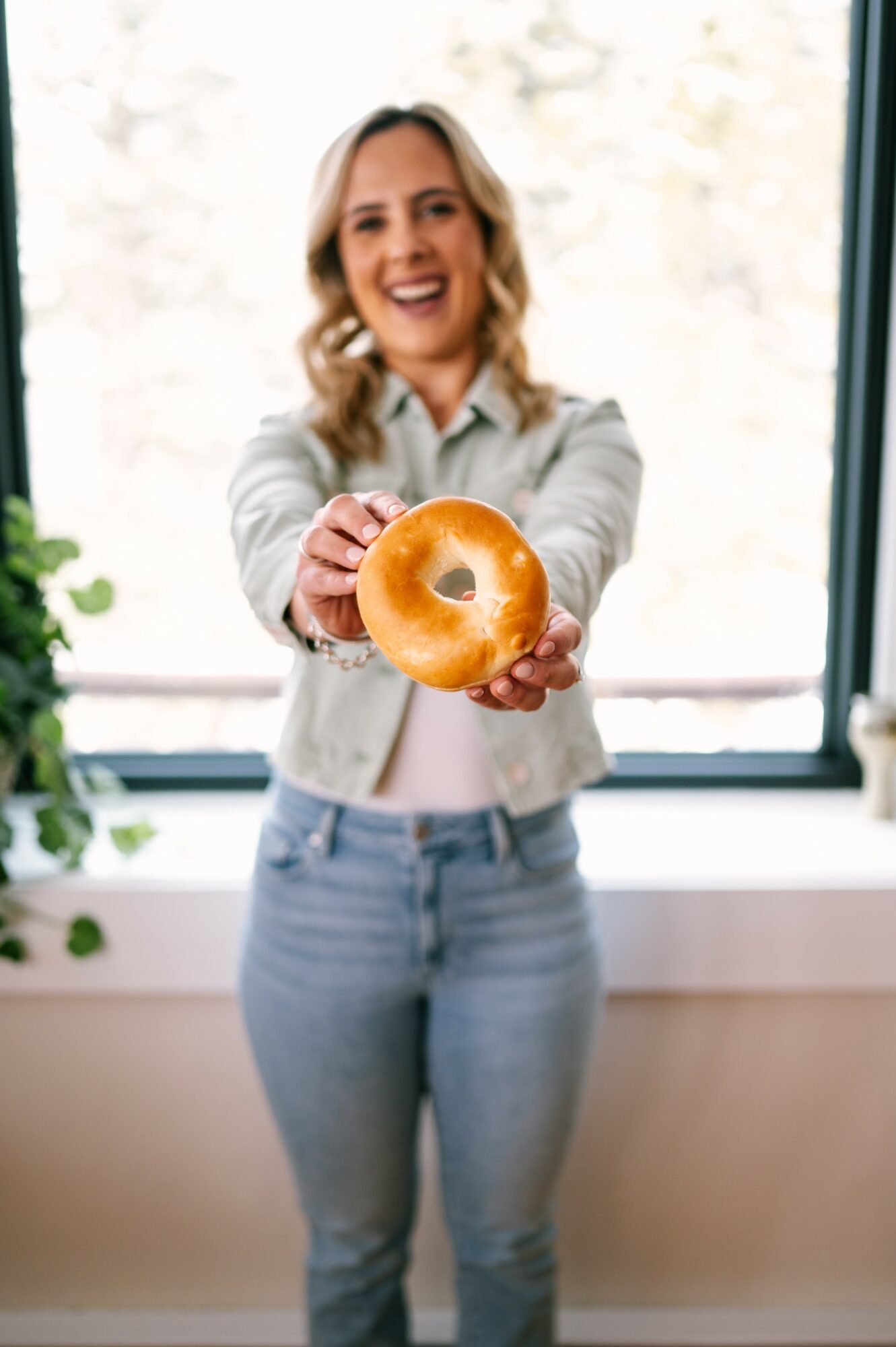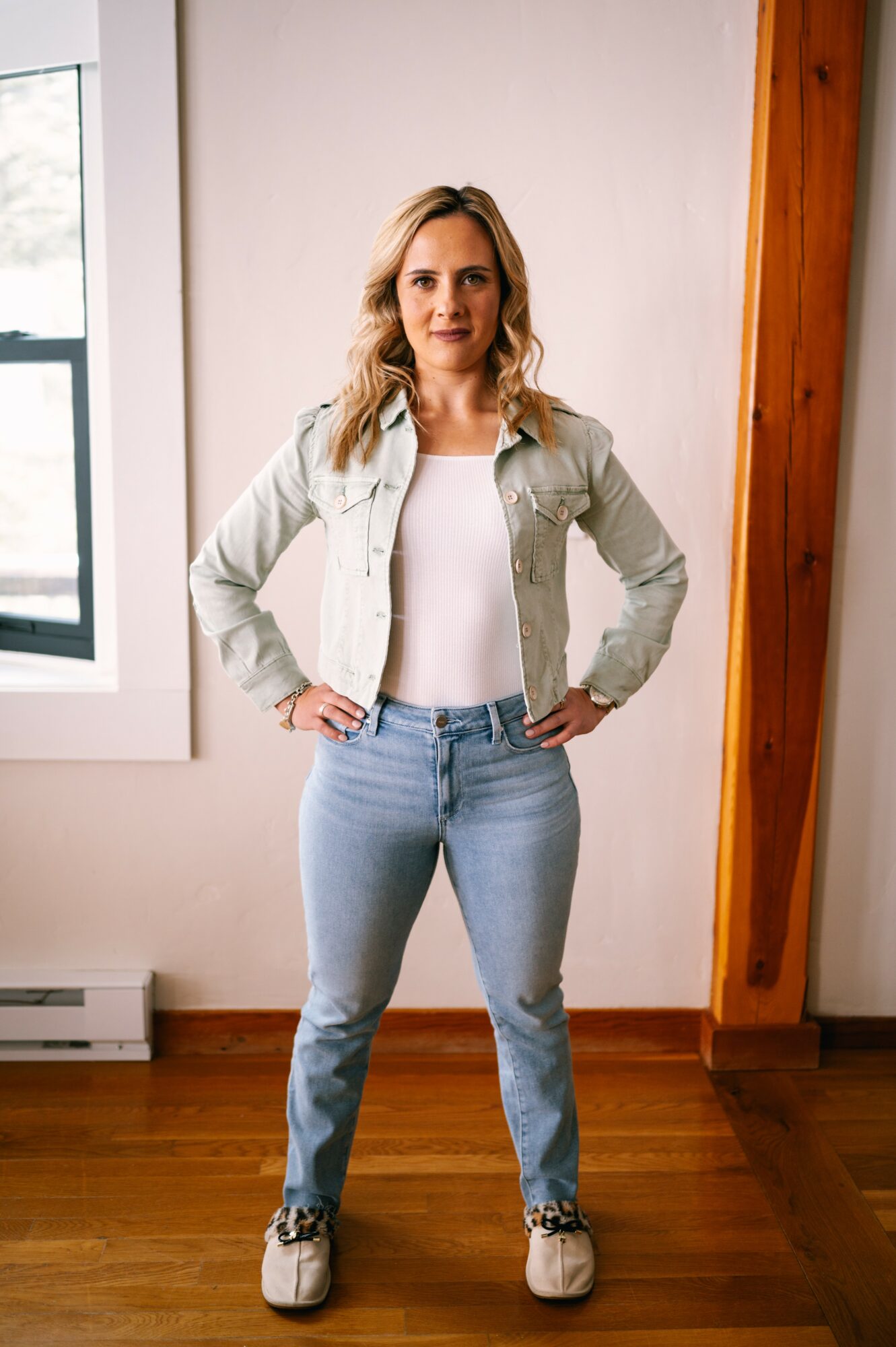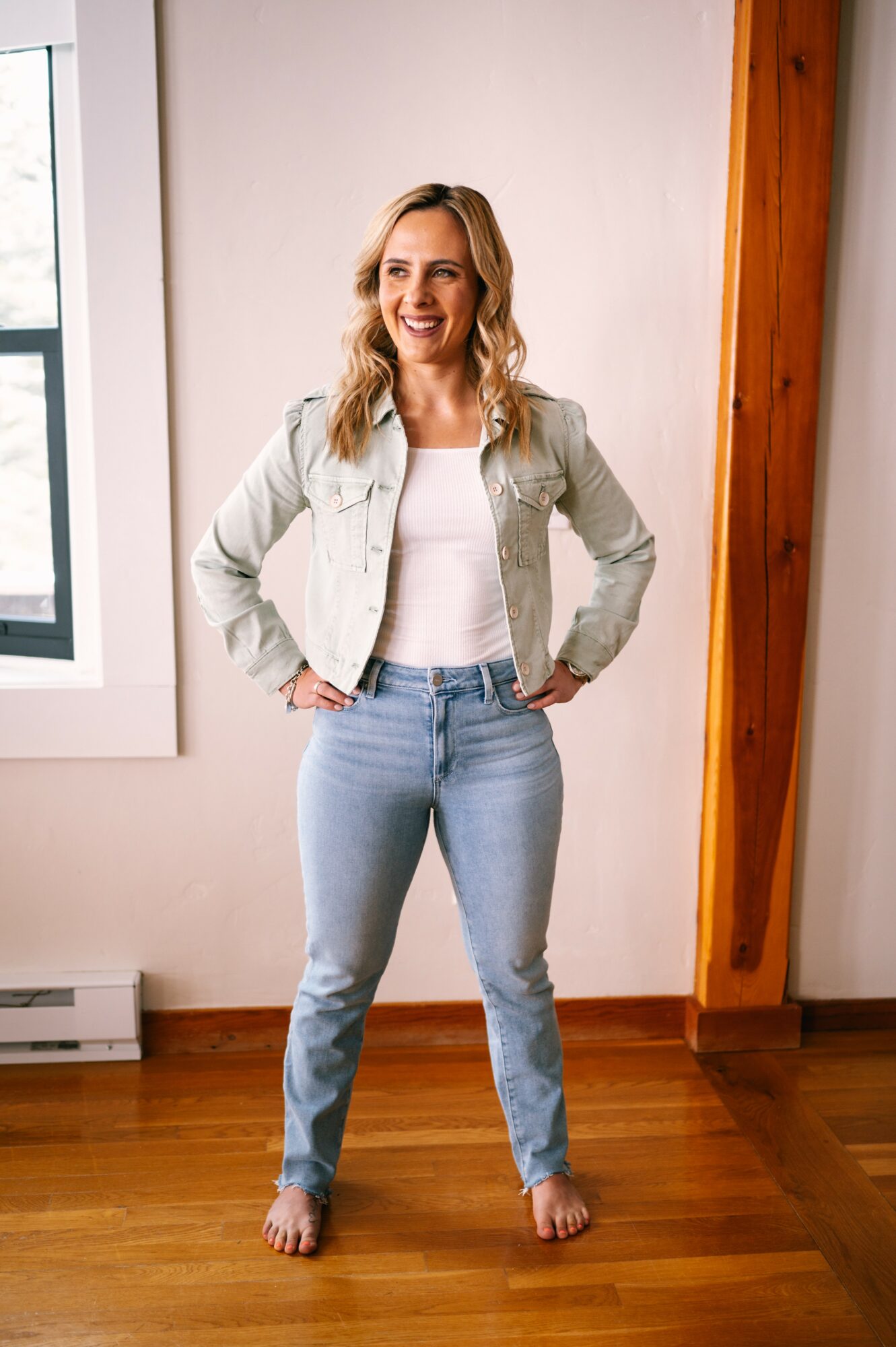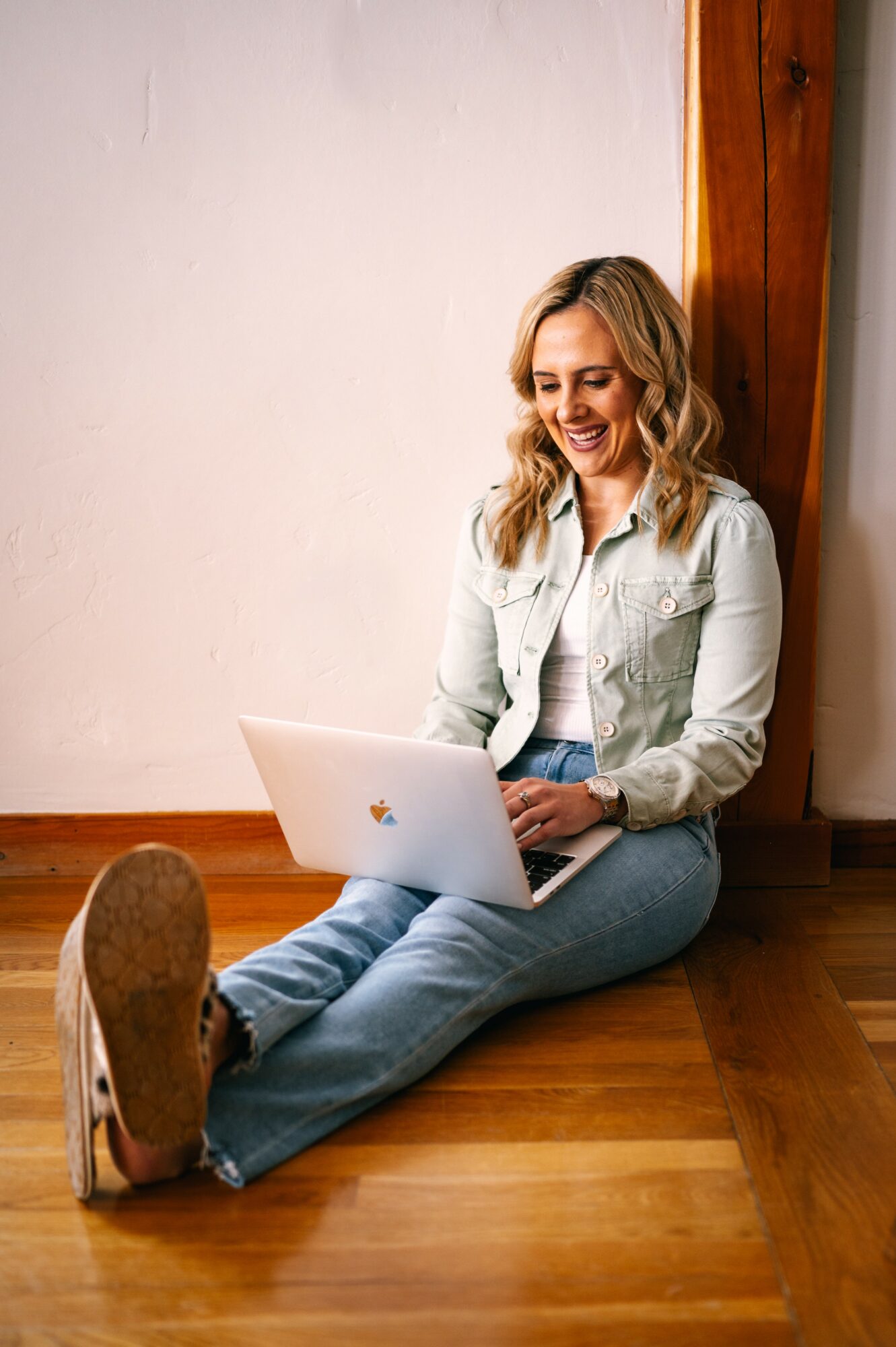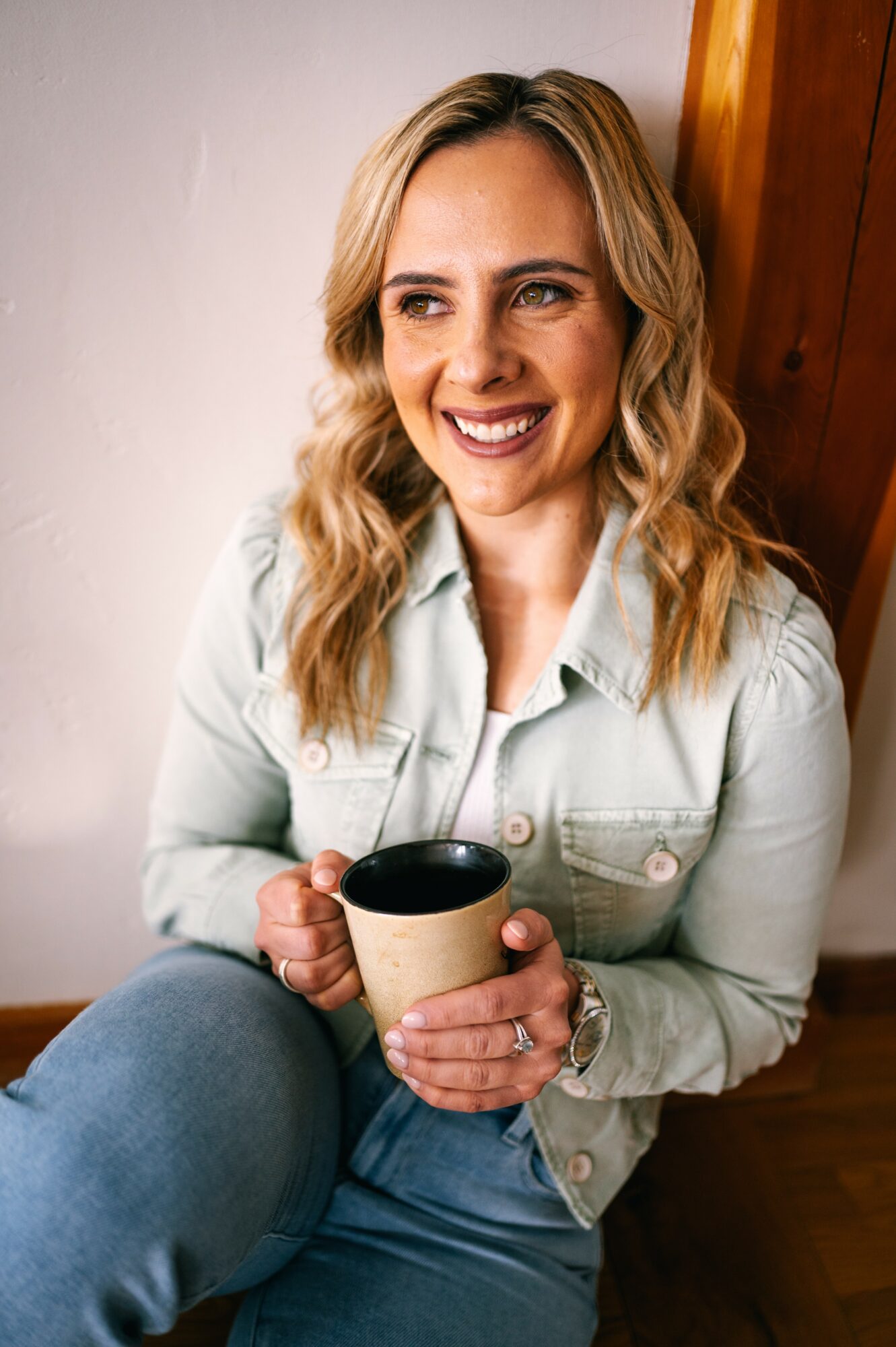




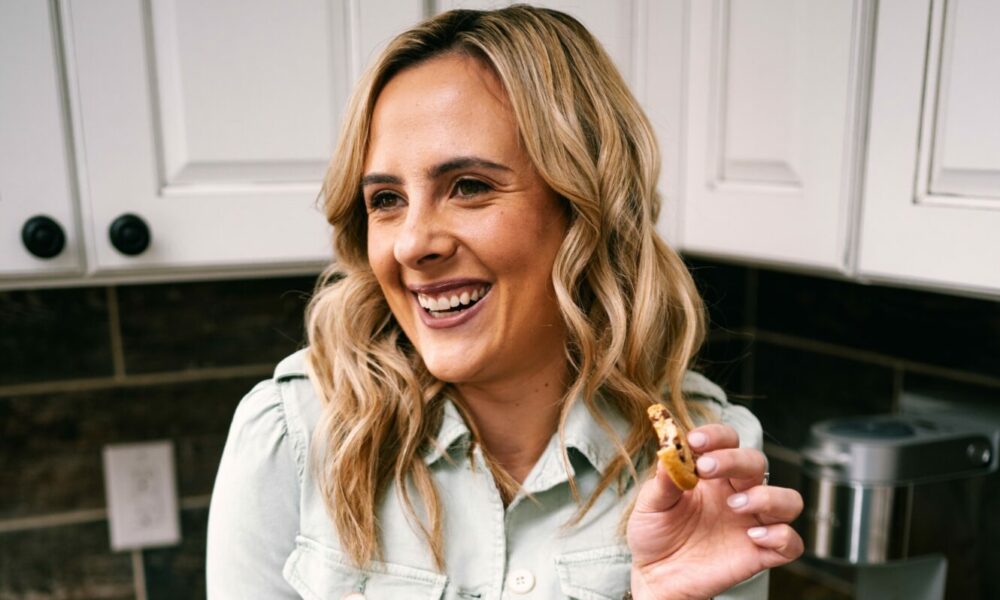
Today we’d like to introduce you to Mackenzie Woolwich.
Alright, so thank you so much for sharing your story and insight with our readers. To kick things off, can you tell us a bit about how you got started?
I was someone who always loved food and eating, until the day that I didn’t. When I was a junior in high school I can vividly remember putting on a pair of jeans that didn’t fit and immediately spiraled into hating my body. From that point on, started, what felt like, never never-ending cycle of dieting.
I started my first diet a few days after that with the sole goal of losing weight. The motivation for this was also coming from a place of hoping people would notice me more and I would be liked more among my friends. I believed if I was in a smaller body, I would be more accepted among my friend group.
Fast forward to college, and this turned into a full-blown eating disorder. I had become so obsessed with food and exercise that I could not focus on anything else. I spent countless hours in the gym and refused to eat in the dining hall because that food “wasn’t allowed” on my diet. At this point, I was micromanaging my body because I was so afraid of gaining weight.
This vicious cycle stuck with me throughout my 4 years of undergrad and 2 years of graduate school. However, people would applaud me for my discipline to “eat healthily” and go to the gym – so this validation only fueled my disordered eating behaviors and made me believe that what I was doing was in fact healthy.
I spent years controlling my food intake and hating my body just so I could make my body as small as possible. All this did was cost me my mental, emotional, and social health. I used to believe that a smaller body meant I was healthy – and if all else failed then at least I would “look healthy” because it met societal expectations. Even though my body met societal expectations, my relationship with food and my body was taking up all of my brain space.
It wasn’t until I began to explore where this belief around health was coming from, that I realized it didn’t actually align with my values OR reality. I knew that my definition of health needed to change. It used to only involve what I looked like, but now it’s mental, emotional, relational, and SO much more than how my body looks.
This also required me to detach my moralization of health. I’m not a better person or a more worthy person because I exist in a smaller body. And my friends and clients who exist in larger bodies don’t hold less worth. Creating a personal definition of health helped me change the way I feel about my body because it helped me challenge the way I speak about my body.
This is what led me to become an intuitive eating dietitian and body image coach. My goal for every person I work with is to help them redefine health in a way that aligns with their values and reality. Everyone deserves to have a healthy, peaceful relationship with food and their body, regardless of the body size they reside in.
We all face challenges, but looking back would you describe it as a relatively smooth road?
There have been many bumps in the road. One of the main ones was just believing in myself.
Great, so let’s talk business. Can you tell our readers more about what you do and what you think sets you apart from others?
I am an intuitive eating dietitian and body image coach. My mission is to bring awareness to the harms of weight stigma and weight bias that exist within our society. I first and foremost want to recognize that I am aware of my body privilege and the fact that my body meets societal expectations.
I recognize that healing my relationship with food and my body into a straight-sized body has made it easier for me to live in this anti-fat world. This is exactly why I continue to learn from providers who exist in larger bodies than mine so I can continue to help my clients of all sizes access + receive the care that they deserve.
I help folks unlearn diet culture thoughts and behaviors so that they can live a peaceful life with food and their body. I do this by helping them explore how their dieting experiences have gotten them to the place they are in today with their relationship to food and body. We live in a society that teaches us a “smaller body is a better body” when it comes to achieving health.
We are told and encouraged that we should do whatever it takes to pursue weight loss in order to live a healthy life. All this does is leave us feeling worse off in our relationship with food and body and does not actually solve health concerns/struggles. Dieting doesn’t work and it’s not a long-term solution to health – we have over 100 years of research to show us this!
My goal is to show my clients that they are a way off this dieting path. Every human being deserves to live their most unapologetic life in their here-and-now body, instead of waiting for life to begin until they reach X weight. My goal is to help those folks who are exhausted from trying to lose weight and still not improving their health concerns.
I show my clients how to find health in a non-diet way by providing them with the tools + skills to stop obsessing over food and hating their bodies. I provide them with a supportive, non-judgmental, safe community where they can show up as they are and not fear being shamed for their body.
My program is for the person who desires to have the tools + resources that will help them find health WITHOUT the undo pressure of weight loss and who is searching for a community + support system where they will feel safe & not gaslit into thinking weight loss is their only option to health. In order to heal, you have to unpack belief systems, acknowledge your own biases, and get curious without shame or judgment towards yourself.
I am currently offering 1:1 coaching intensives, which provide you with an opportunity to take a deep dive into where you are getting stuck in order to come up with a plan that will help you continue moving forward on your journey to finding health detached from diet culture.
Where do you see things going in the next 5-10 years?
There’s a lot happening right now in the medical field. There has been a lot of noise with the new GLP-1 medications, ozempic, wegovy, mounjaro, and zepbound, being promoted for weight loss. For those who don’t know, these medications, ozempic (Novo Nordisk) and moujaro (Eli Lilly), were originally made for management of type 2 diabetes. As people were taking this for type 2 diabetes, a side effect of weight loss was observed. So, then, wegovy (Novo Nordisk) and zepbound (Eli Lilly) were produced. The difference here is that wegovy and zepbound are not “weight loss drugs”; they are megadoses of ozempic and mounjaro, respectively. The intended use of ozempic and mounjaro was to provide blood sugar management while minimizing side effects. However, the intended use of wegovy and zepbound is to maximize the side effect (weight loss). I also want to note here, that should one choose to take one of these medications, the expectation is that they will be on this for the rest of their life. Unfortunately, there is no evidence to date that tells us what the effects of long-term use of these medications might be, especially at these higher doses.
Now, I am in no way trying to shame or judge anyone who chooses to use these medications. My goal is to provide the facts and make sure folks are fully informed before making a choice. Everyone has the right to body autonomy and choosing what is best for their body. But, there is no doubt that these medications are being pushed on to people and people are feeling that pressure that these medications are something they need to or should be taking. This makes it less about health, and more about money and control.
However, there is a deeper issue that exists here. This is with the extremely narrow definition of health that exists within the medical field, which tends to only be supportive of folks in straight-sized bodies. For those who don’t fit into the narrow definition of straight-sized bodies, medical weight stigma is all too familiar. Visits to the doctor for unrelated issues often result in unsolicited weight loss advice or blaming health problems on weight, without thorough investigation into other potential causes, thus being dismissive of the patient’s concerns. This is what causes harm. This is what will be much more harmful to health than living in a larger body ever will be.
I will leave you with this: you have permission to not engage in weight loss if it is no longer a viable option for you. You have the autonomy to pursue health without weight loss, without judgment, and without morality. You get to CHOOSE what health looks like for you, someone else doesn’t get to decide this for you. You deserve to live your fullest life in the body you have right here and now.
Contact Info:
- Website: www.mackenziewoolwich.com
- Instagram: @intuitive_dietitian_mack