Hi Tanise, thank you so much for taking the time to share your story with our readers. Your journey into caregiving began from such a personal and emotional place with your daughter. Looking back, how did that experience shape your decision to found Rest Assured Home Care and define the heart behind your mission?
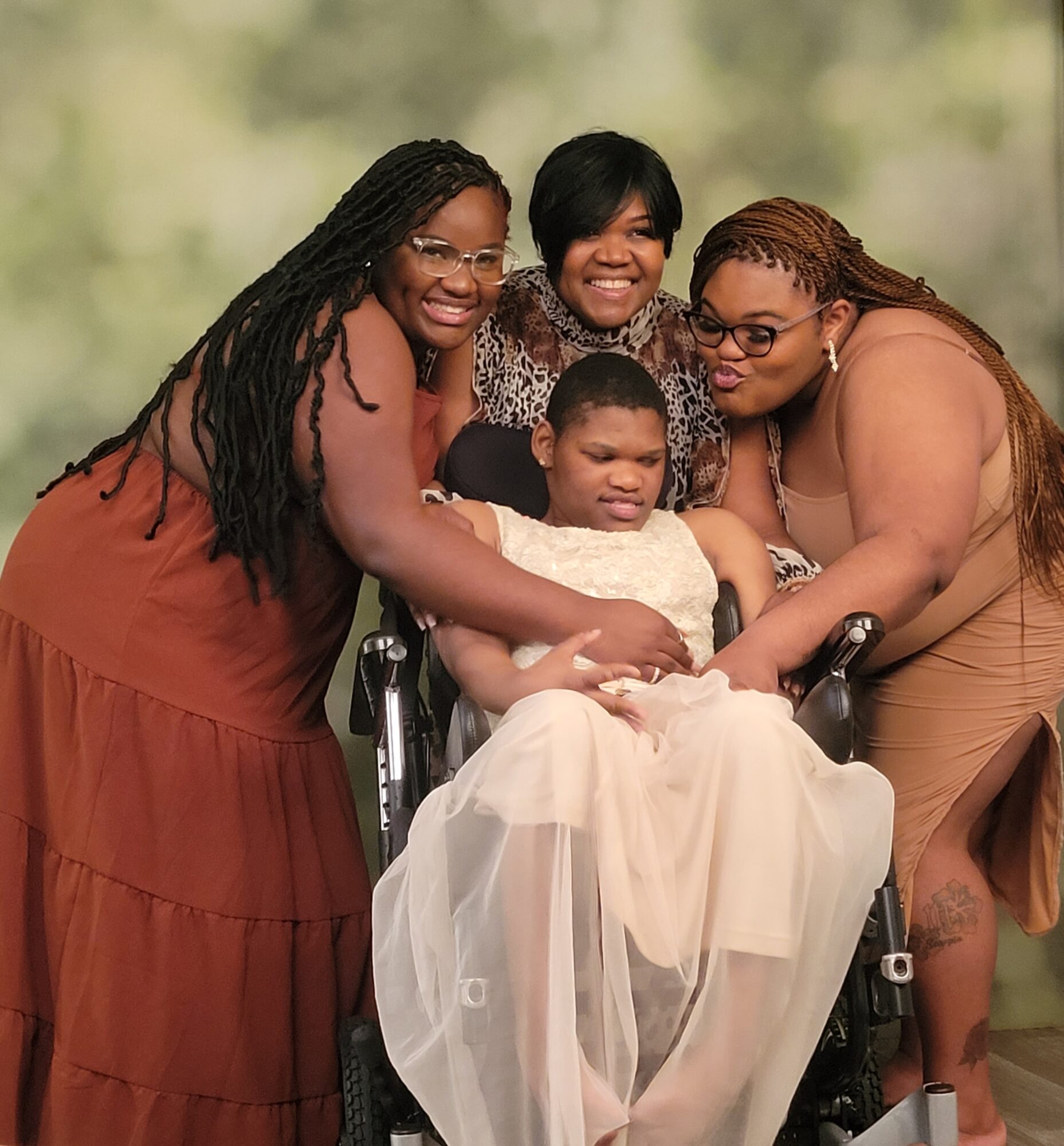
Rest Assured Home Care is a response to a very personal, very present experience in my life. My daughter is 28 years old now, and I hired her first caregiver when she was 10. This is not something I went through in the past. I am still living it every single day.
As a mother, I prayed for someone I could trust to leave in my home when I went to work. I prayed for someone compassionate, patient, reliable, and consistent. I prayed for someone who had the knowledge and training to provide the care my daughter needed — or at least the willingness to learn.
My mission is simple: to provide the kind of care I still pray for for my own daughter.
Rest Assured feels deeply rooted in dignity, compassion, and treating every client like family rather than a “case.” How do you translate those values into the day-to-day experience families and caregivers have with your agency?
In my experience, when caregiving is done well, caregivers truly do become like family. The key is proper matchmaking and setting expectations early.
We use a matchmaking system to pair caregivers and families based on personality, culture, and compatibility — not just availability. When this is done correctly, the results are incredible. We’ve had caregivers remain working on the same case for 5 to 10 years. That kind of longevity doesn’t happen by accident. It’s a testament that the process works.
Because caregiving happens inside the home, I am very intentional about the expectations I set. Caregivers must understand they are entering a personal space where family dynamics, privacy, and boundaries must be respected at all times.
I expect caregivers to remember they are professionals working in someone’s home. They should feel comfortable, but never so relaxed that they forget their purpose or lose sight of their responsibilities. This balance of warmth and professionalism is essential to preserving dignity, trust, and harmony in the home.
Finally, I promote respect that flows in all directions — between the family, the caregiver, and our agency. This creates an environment where privacy, dignity, compassion, and trust are protected by everyone involved.
You’re now launching your new Live-In Care Program, which offers one trusted caregiver and 24/7 support at home. What gaps were you seeing in traditional hourly or facility-based care that inspired you to create this more consistent, relationship-based model?
Our Live-In Care Program is especially meaningful for families navigating Alzheimer’s disease and Dementia.
One of the hallmark symptoms of these conditions is memory loss, which often leads to confusion, anxiety, and sometimes elopement. What I’ve seen over the years is that rotating caregivers and inconsistent schedules can unintentionally worsen these symptoms.
The live-in model provides one consistent, trusted presence in the home. That consistency reduces anxiety, builds familiarity, and limits the triggers that can escalate confusion. It restores emotional safety, not just physical safety.
This program not only supports families but also creates meaningful, stable roles for caregivers. How are you thinking about building a team that shares your empathy and commitment to long-term, trust-based care?
I test caregivers on skills, but some qualities simply cannot be taught.
From the very first phone interview to reviewing resumes and conducting in-person meetings, I am screening for character. I rely heavily on instinct, experience, and one guiding question: Is this someone I would trust to leave in my home when I’m not there?
I look for trustworthiness, capability, and I also try to understand their motivation for doing this work. That matters deeply in caregiving.
Home care can be an incredibly emotional decision for families. What have you learned about guiding people through those vulnerable moments, and how do you help them feel confident choosing in-home care?
Home care is emotional, and I acknowledge that right away. I encourage families to be realistic and to identify their true goal.
Sometimes they’re not looking to be completely relieved of responsibility. Sometimes they simply want a reliable, trustworthy person who can consistently give them a break.
I often say, “Let’s start small.” A few hours a day, a few days a week. This allows trust to build naturally. I also take time to explain our vetting and matchmaking process, so they feel secure in their decision.
We are a boutique agency serving a very specific population, and many of our referrals come from families already using our services and sharing their experiences with friends. That credibility opens the door for new relationships built on trust from the very beginning.
As you grow Rest Assured and expand this new program, what excites you most about the impact you hope to make in your community and the lives you want to touch in the years ahead?
I’m excited about expanding the ways we can serve. I’m introducing a Discharge Support Package to the community because I’ve seen how overwhelming it is for families when a loved one is being discharged from the hospital or a rehab facility and they are pressured to make fast decisions without understanding their options.
This package is designed to guide families through that critical moment — helping them understand what type of care is appropriate, what their home environment requires, and how to make a safe, confident plan instead of a rushed one. It’s often the first step that leads families into a long-term relationship with us, because they realize they don’t have to navigate this alone.
The goal has always been the same: to create safe, dignified spaces where people feel cared for, respected, and truly seen.
Links:














 From Medellín to the Big Stage: Senpai Stephen’s Journey Into the Heart of Electronic Music
 Aromatic Rituals and the Wisdom Years: María Kowalski on Menopause, Meaning, and Emotional Wellness
 Haleem Muhsin Is Building a Home for South Florida’s Boldest Filmmakers
 Luxury Without Compromise: Nicole Areu Is Redefining Cruelty‑Free Style
 Training the Brain Behind Creativity
 Building Belonging: Desiree Jaye on Motherhood, Community, and Purpose‑Led Growth
 Marie Vlad Is Bringing Romance Back to Real Life
 Marcha Chaudry on Curated Community and Real Connection
 Neoshi Green‑Kebreau Is Guiding a Collective Return to Deep Soul Healing