


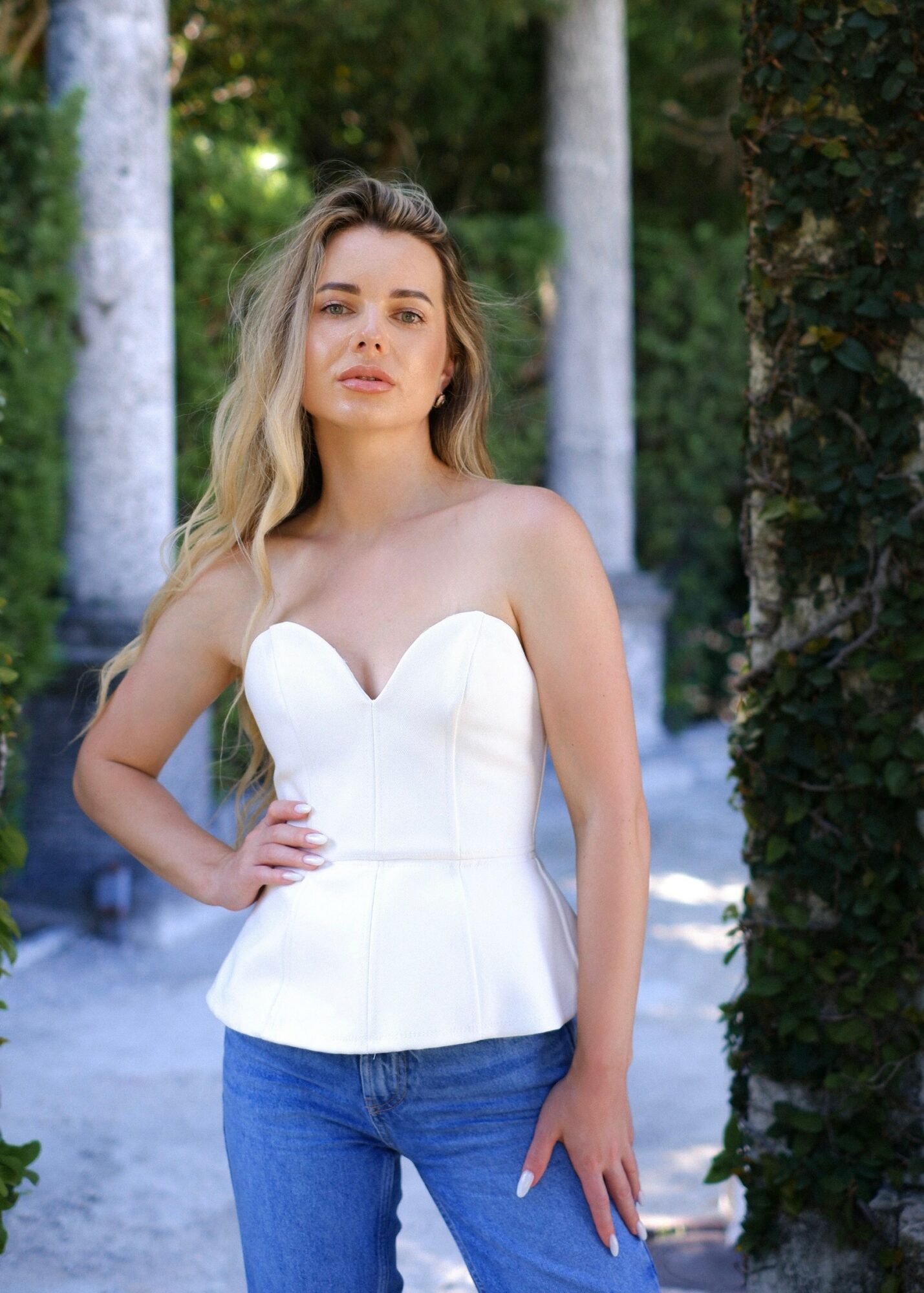
We recently had the chance to connect with Yana Panko and have shared our conversation below.
Good morning Yana, it’s such a great way to kick off the day – I think our readers will love hearing your stories, experiences and about how you think about life and work. Let’s jump right in? What are you most proud of building — that nobody sees?
I’m most proud of building something my clients don’t really see, but always feel: the safety and quality system behind my manicures.
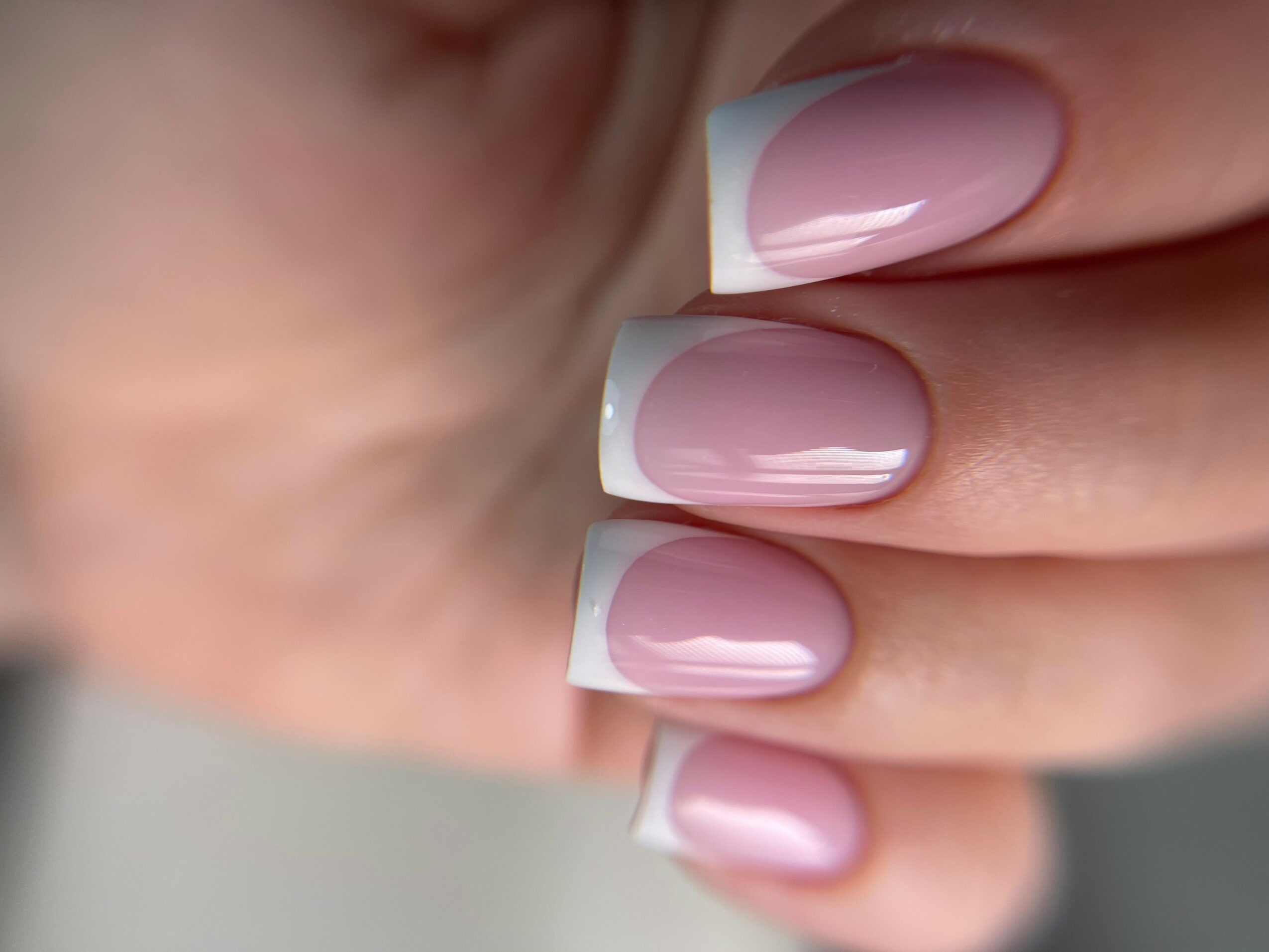
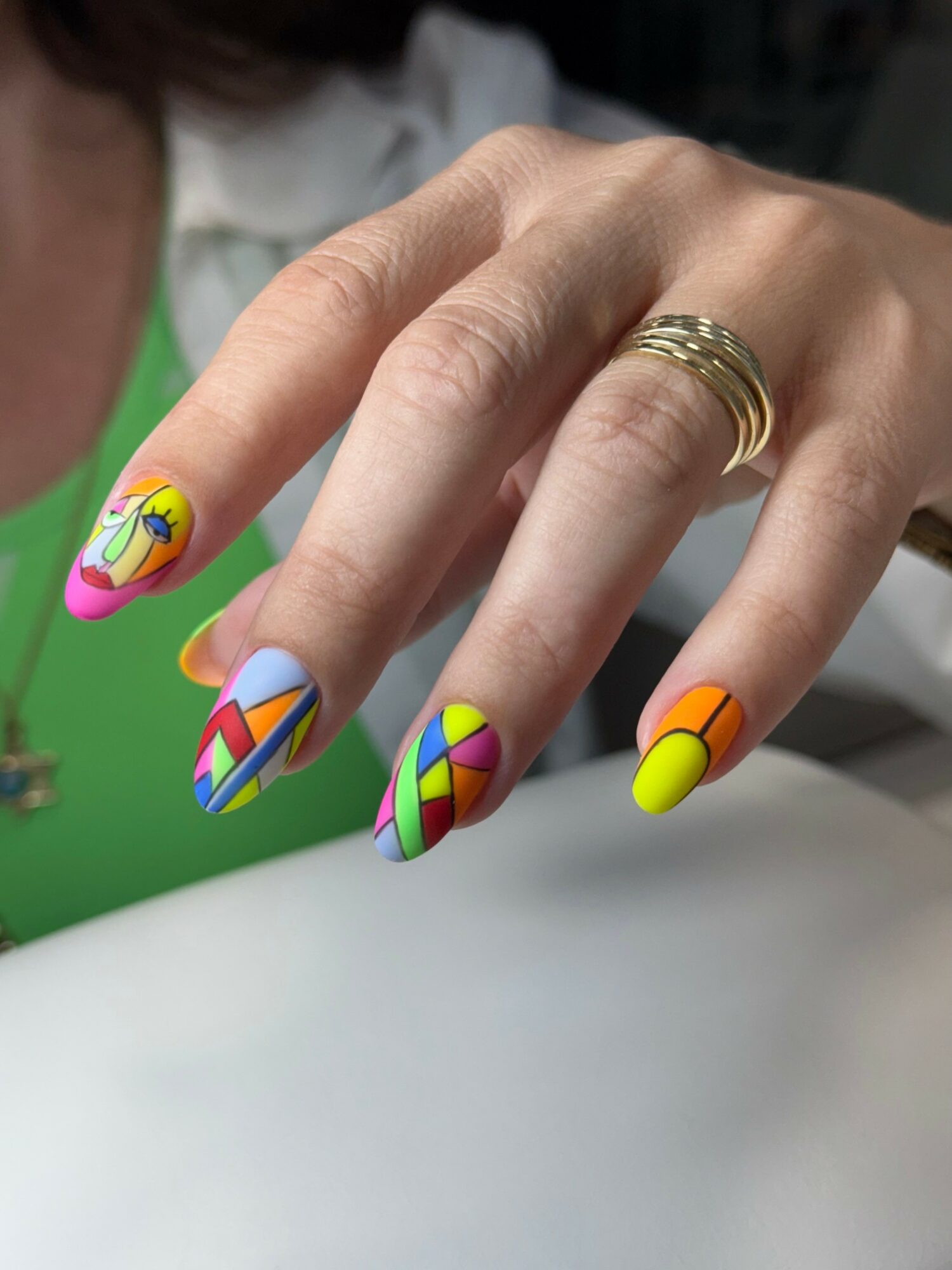
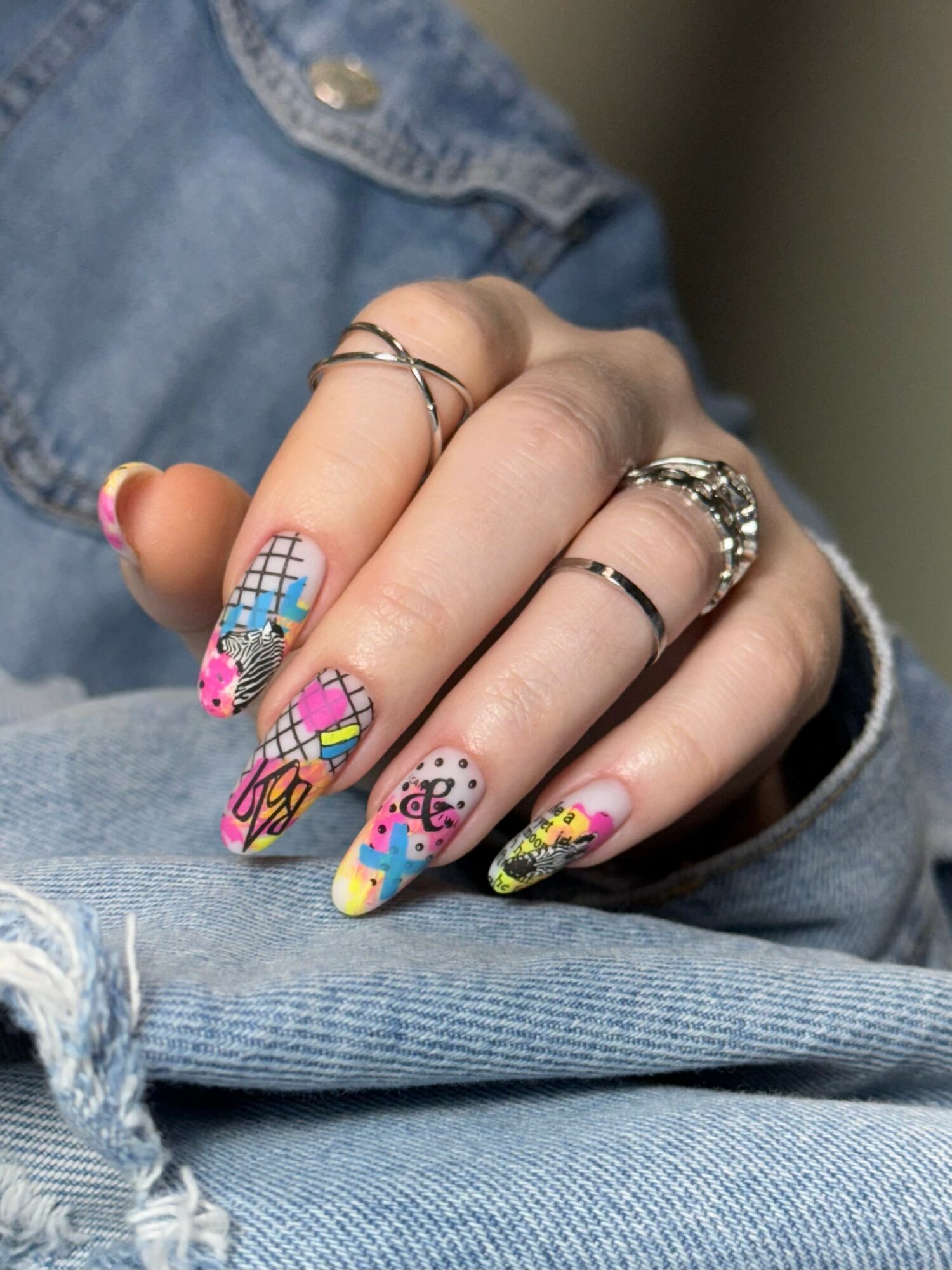
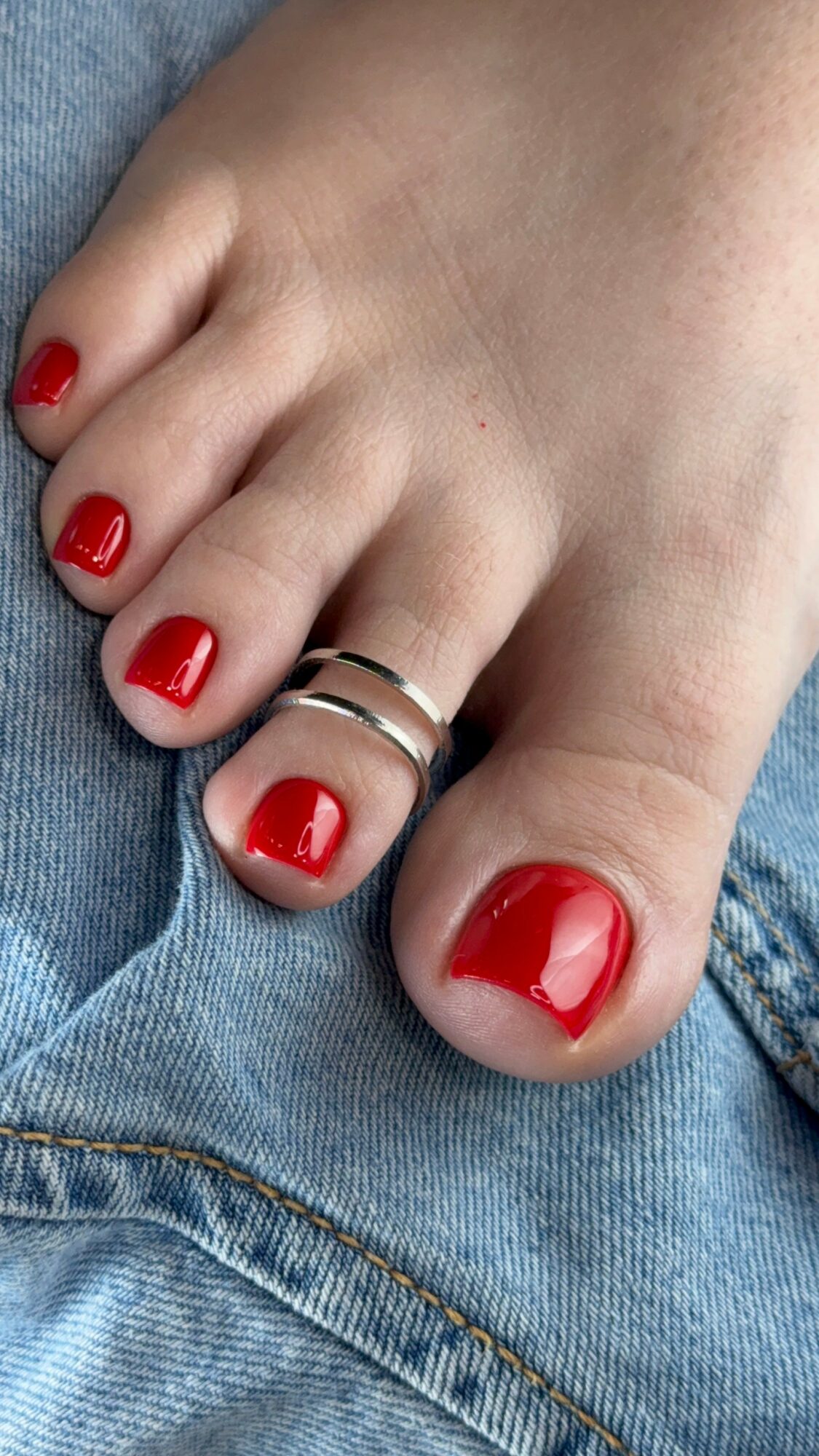
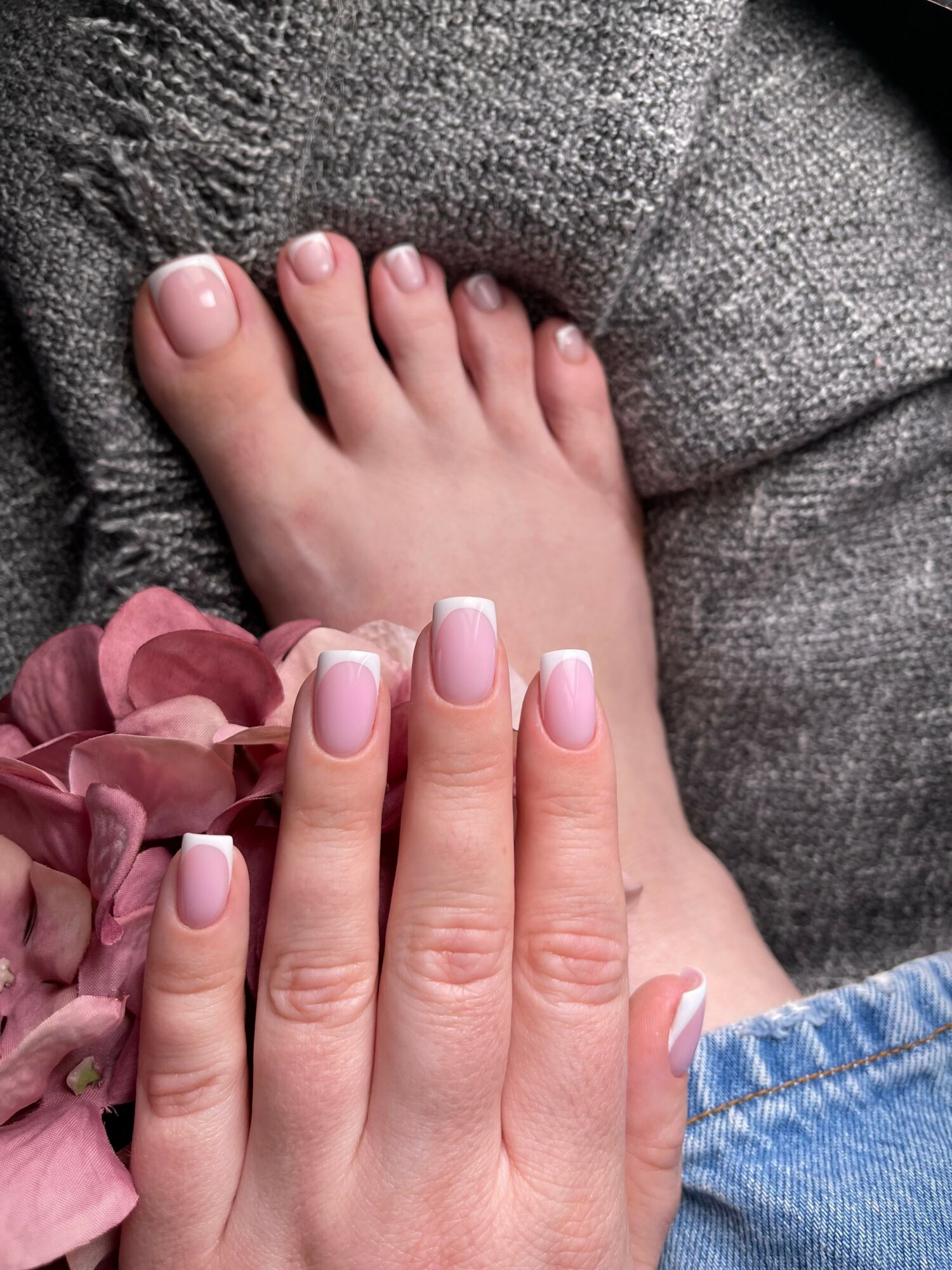
On the surface, it looks like beautiful nails. In reality, there is a clear protocol I’ve developed – my TBH Signature Manicure™ – with medical-grade sterilization, step-by-step checklists, and techniques that protect the client’s health and the technician’s body. It quietly meets the standard of a medical procedure, not just a beauty service.
This invisible structure is why public figures and demanding clients trust me, and why other nail technicians come to learn from me. When they adopt these standards, they can build more confident, premium careers of their own.
So what I’m most proud of isn’t just the final look on the nails, but the unseen system of safety and professionalism that makes those results possible.
Can you briefly introduce yourself and share what makes you or your brand unique?
My name is Yana Panko. I’m a Ukrainian-born nail artist, educator, and founder of Top Beauty House, a studio and training space in Miami, Florida.
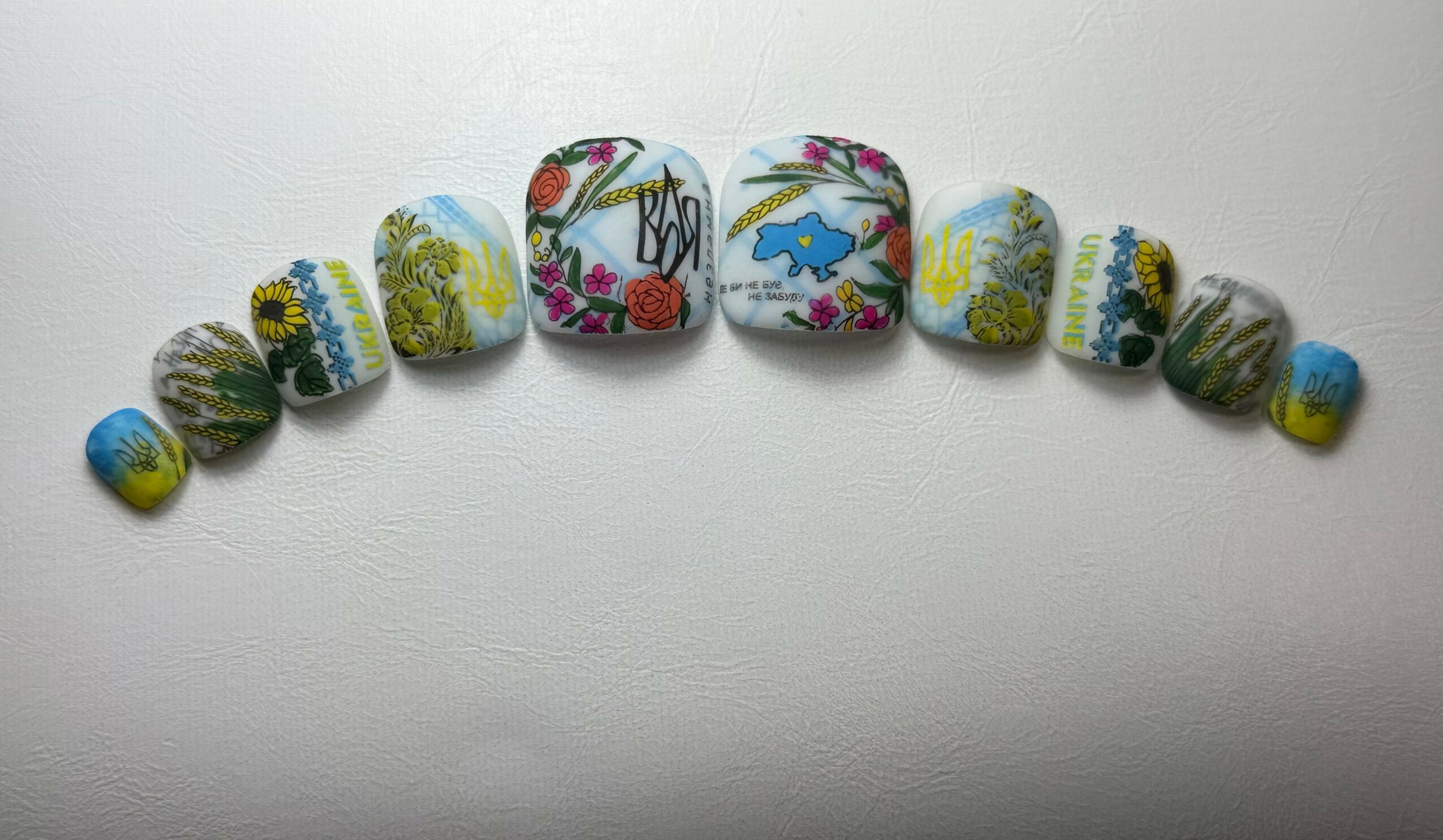
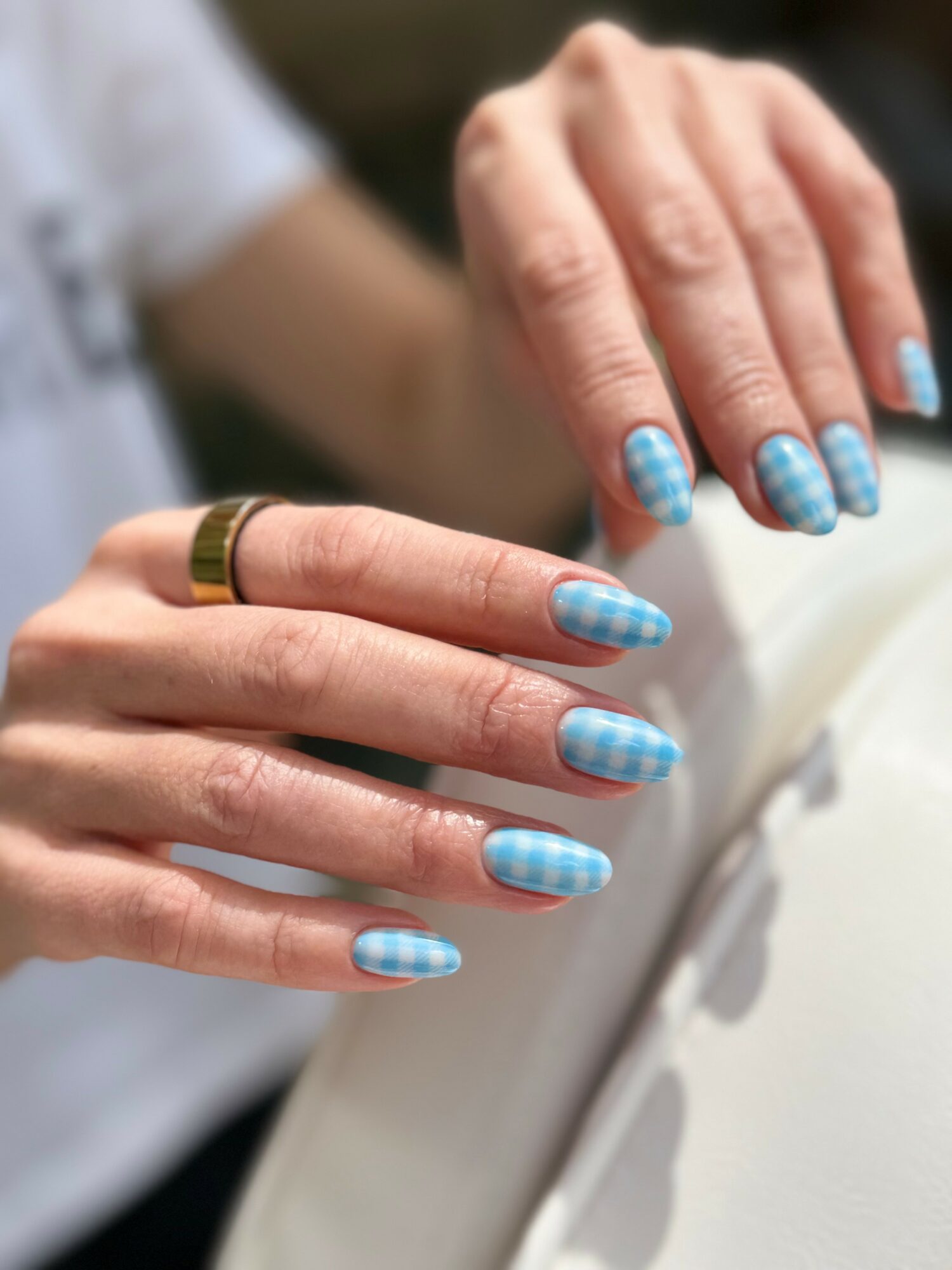
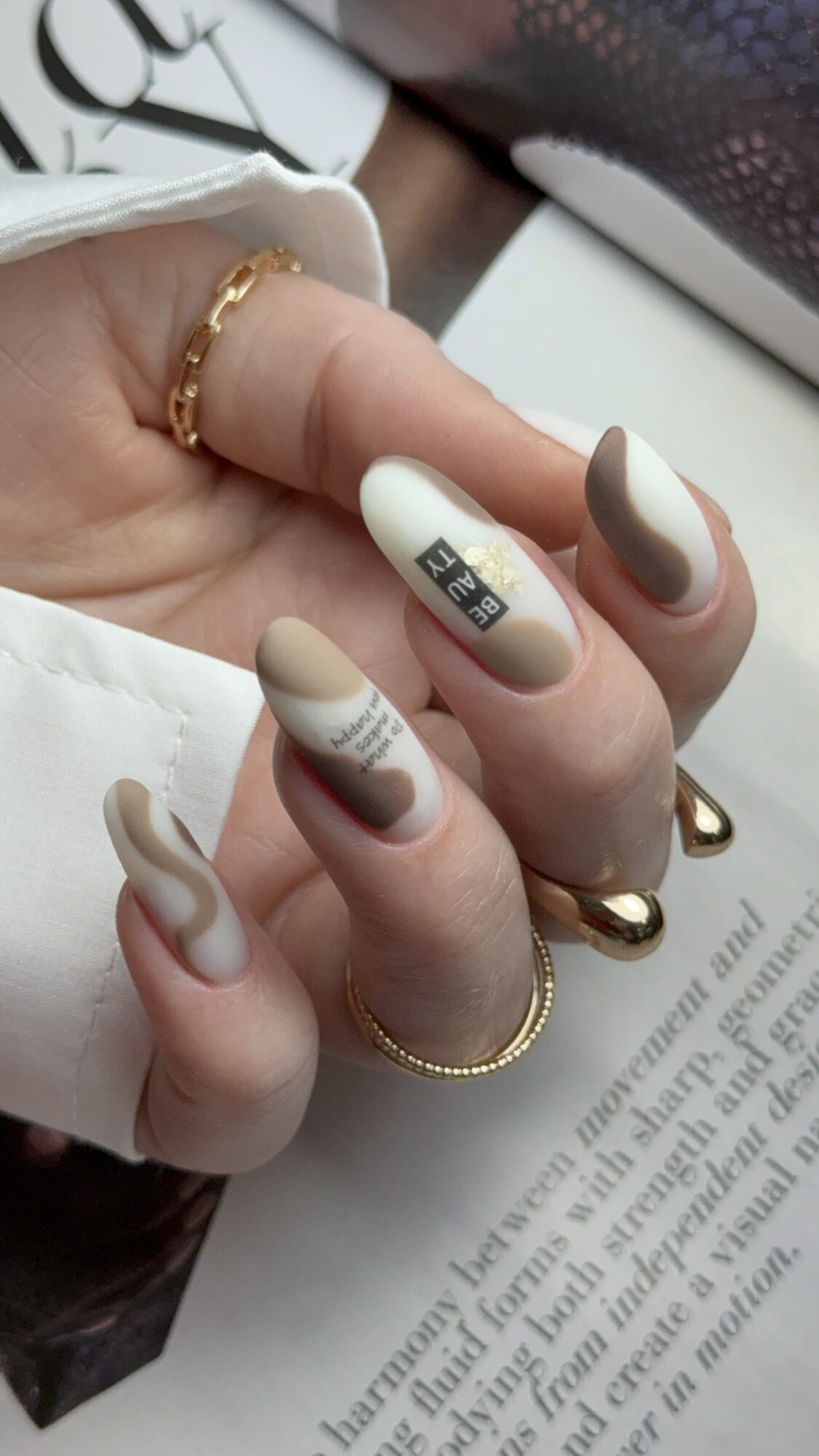
I specialize in premium, European-style manicure and pedicure with medical-grade sterilization standards. Over the last decade I’ve gone from a small village girl with a nail file to an international championship winner and judge, working with actresses, models, and influencers who trust me with their hands before cameras and red carpets.
Top Beauty House is built around my own protocol, the TBH Signature Manicure™, which combines advanced technique, product chemistry, and strict safety checklists. My goal is simple: to show that a manicure can be both a work of art and a procedure as safe and precise as anything in a medical setting.
Today I split my time between serving private clients and teaching — through online programs and mentoring for technicians, especially immigrant women, who want to build premium, independent careers in the beauty industry.
Amazing, so let’s take a moment to go back in time. What was your earliest memory of feeling powerful?
My earliest memory of feeling powerful goes back to my student years, living in a dorm in Ukraine. I didn’t have money or a proper studio — just a small desk, a borrowed lamp, some acrylic powder, monomer, and a few regular nail polishes. There were no gel polishes yet, so I was teaching myself classic acrylic extensions on my friends from the dorm.
One day a quiet girl from my college group asked me to do her nails before an important event. She was ashamed of her short, bitten nails and kept hiding her hands. I spent hours carefully building acrylic extensions for her — simple, soft-pink nails finished with regular polish, but it was the best I knew how to do at that time.
When we finished, she looked at her hands, then at herself in the mirror, and her whole posture changed. She sat up straighter, smiled, and walked out of my tiny dorm room like a different person. In that moment I realised my hands could change not only how someone looks, but how she feels about herself.
That quiet transformation was my first experience of real power — the power that comes from skill, care, and helping another woman see her own beauty and dignity.
Was there ever a time you almost gave up?
Yes. The closest I came to giving up was in my first years in Miami, after leaving Ukraine because of the war. I arrived with my young daughter in a new country, new language, and with no network. Even though I already had many years of experience, in the U.S. I had to start almost from zero: learn new regulations, rebuild my client base, and prove myself all over again.
To support my family I took long shifts in very busy, high-volume salons, where the main focus was speed and quantity. I worked 10–12 hours a day with very little control over my schedule, the products that were used, or the overall standards of service. I was proud of my craft, but the environment did not reflect the level of safety and quality I believed in. At one point I remember thinking: maybe my dream of building a truly premium, educational brand was too ambitious for a new country.
The turning point came from a client. After her appointment she took my hands and said: “No one has ever treated my hands with so much care. Please don’t stop doing this work.” That sentence reminded me that my standards themselves were valuable.
Instead of giving up, I chose to recommit. I invested everything I could into advanced training, improving my English, entering championships, and step by step I developed my own protocol, TBH Signature Manicure™, and opened my studio, Top Beauty House. Those years taught me that resilience is not about never doubting; it is about staying loyal to your values even when it’s slower and harder. That mindset is why I can now judge competitions, teach other technicians, and offer the level of safety and quality my clients rely on today.
Alright, so if you are open to it, let’s explore some philosophical questions that touch on your values and worldview. What’s a belief or project you’re committed to, no matter how long it takes?
I’m committed to one long-term project that sits underneath everything I do: raising the standard of safety and respect for nail work worldwide.
I believe a manicure should be treated with the same seriousness as any procedure that breaks the skin: with clear protocols, medical-level sterilization, and educated, well-paid professionals. It’s not “just nails.” It’s someone’s health, confidence, and dignity in your hands.
This belief is what led me to create my TBH Signature Manicure™ protocol, to compete and judge at championships, and to build education for other technicians—especially immigrant women—so they can charge premium prices and feel proud of their careers instead of being treated as cheap labor.
I know this shift won’t happen overnight. It will take years of teaching, writing, speaking, and quietly doing the work the right way, client after client, student after student. But no matter how long it takes, I’m committed to this: proving that nail artistry can stand at the same level of professionalism, safety, and respect as any other serious craft.
Thank you so much for all of your openness so far. Maybe we can close with a future oriented question. What are you doing today that won’t pay off for 7–10 years?
A lot of the work I’m doing now is intentionally slow. It won’t fully pay off for 7–10 years, and I’m okay with that.
I’m building an ecosystem around my TBH Signature Manicure™ – not just a service in one studio, but a standard that other technicians can follow. That means documenting every protocol, turning my experience into structured education, mentoring young artists, judging championships, and writing about safety, hygiene, and ethics in our field.
In the short term, this takes time away from “quick” income. But in the long term, I’m investing in a generation of professionals who will work more safely, respect proper hygiene, charge more confidently, and be seen as serious specialists. My hope is that in 10 years, when someone says “premium, truly safe and hygienic manicure,” it will be normal – not rare – and that some part of that shift will trace back to the work we are doing now at Top Beauty House and through my trainings.
Contact Info:
- Website: https://top-beauty-house.square.site
- Instagram: top.beauty.house