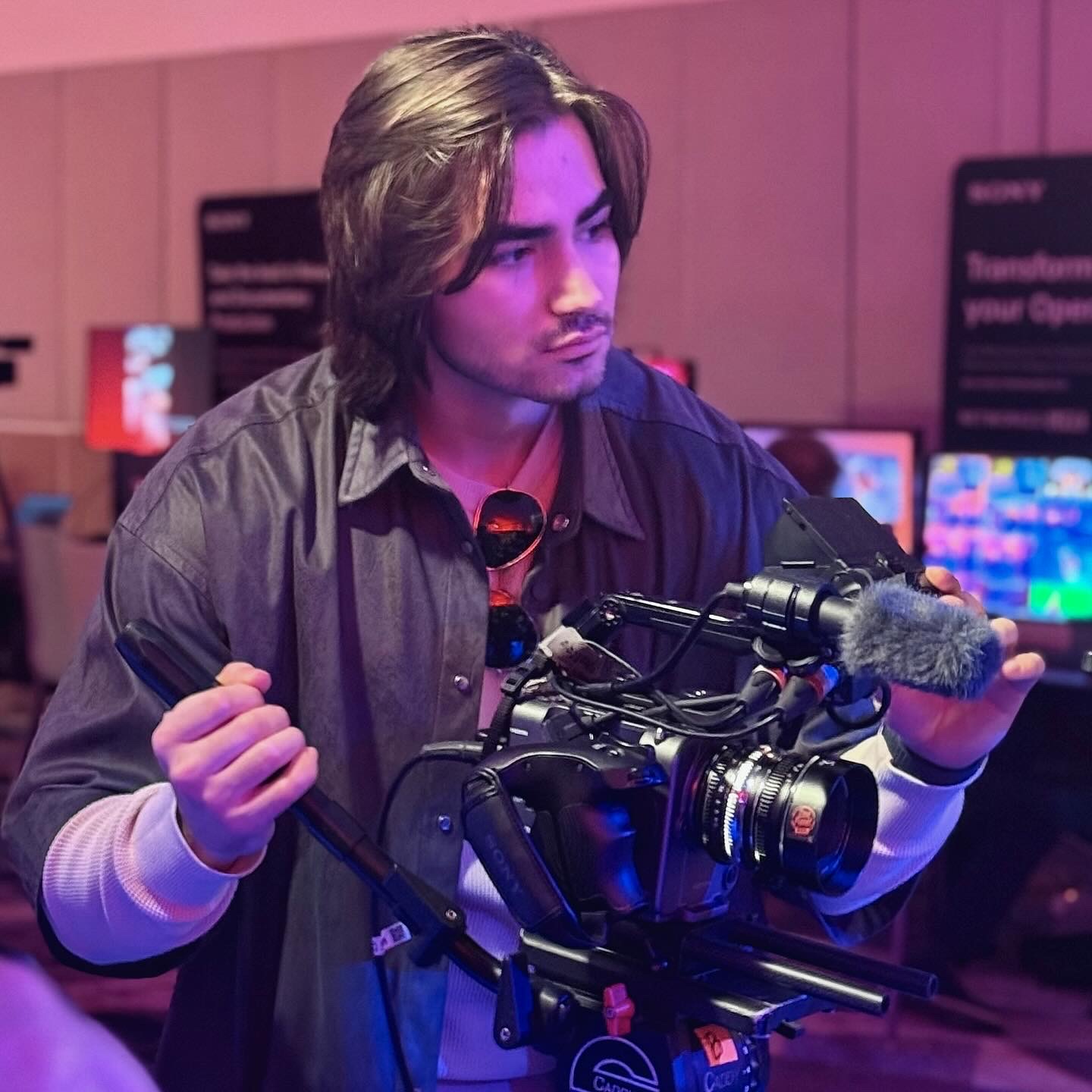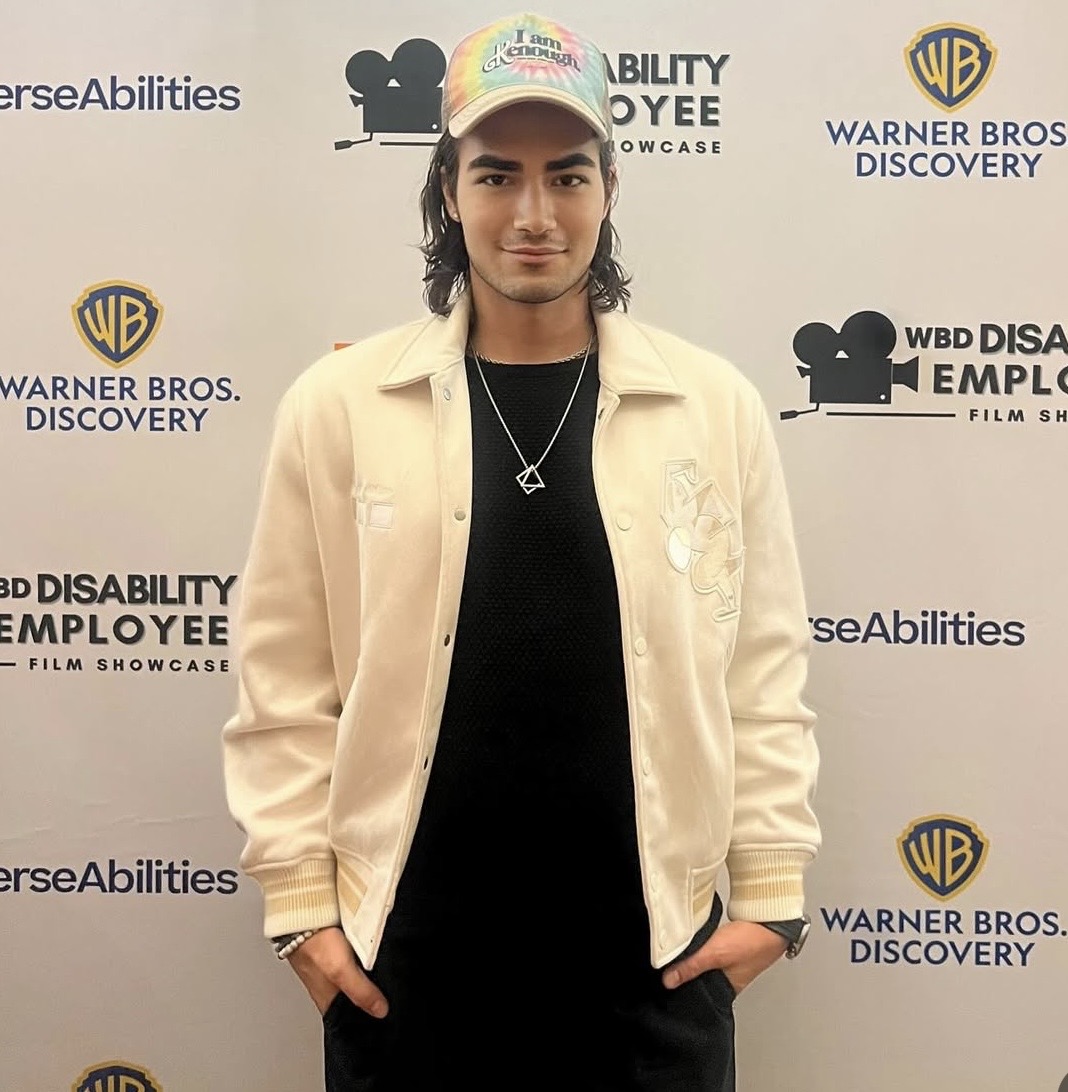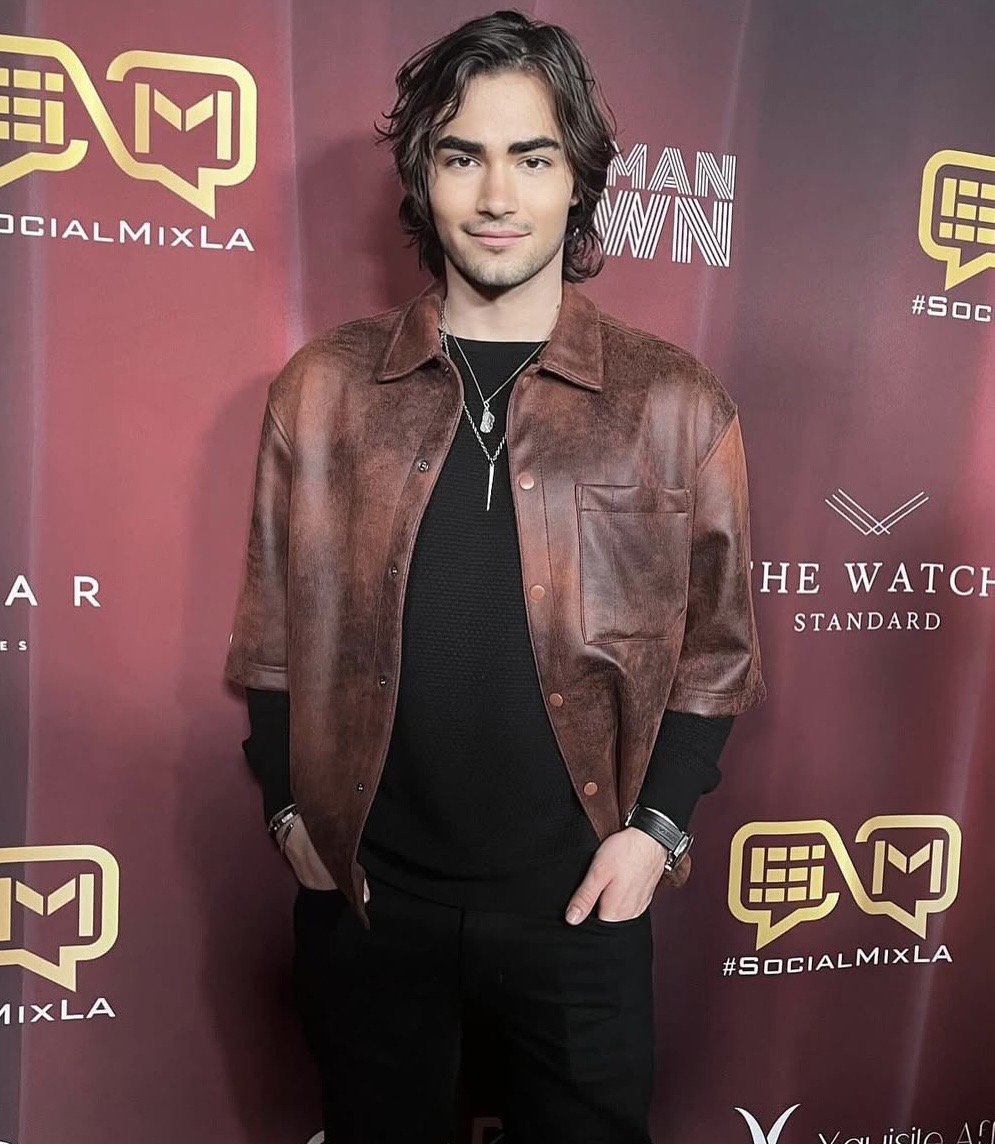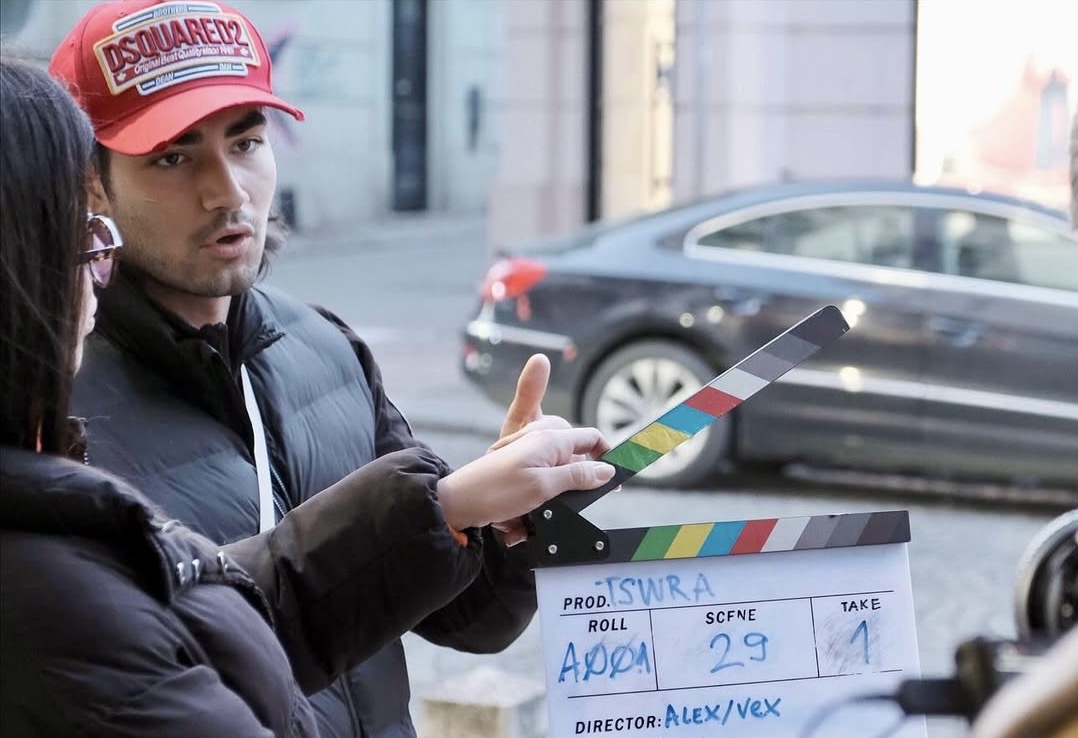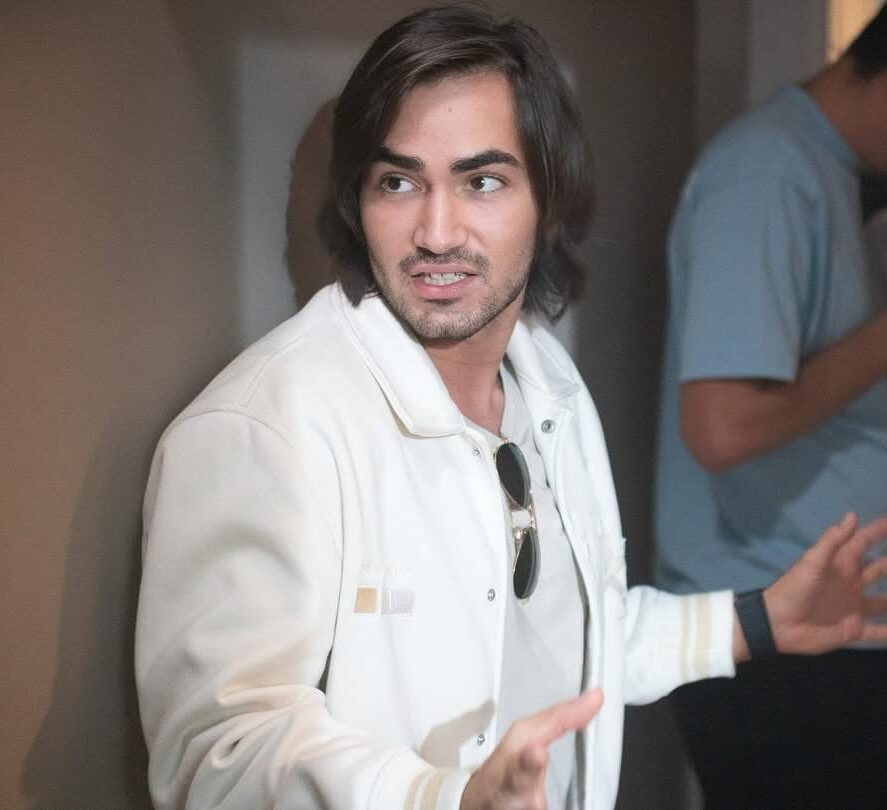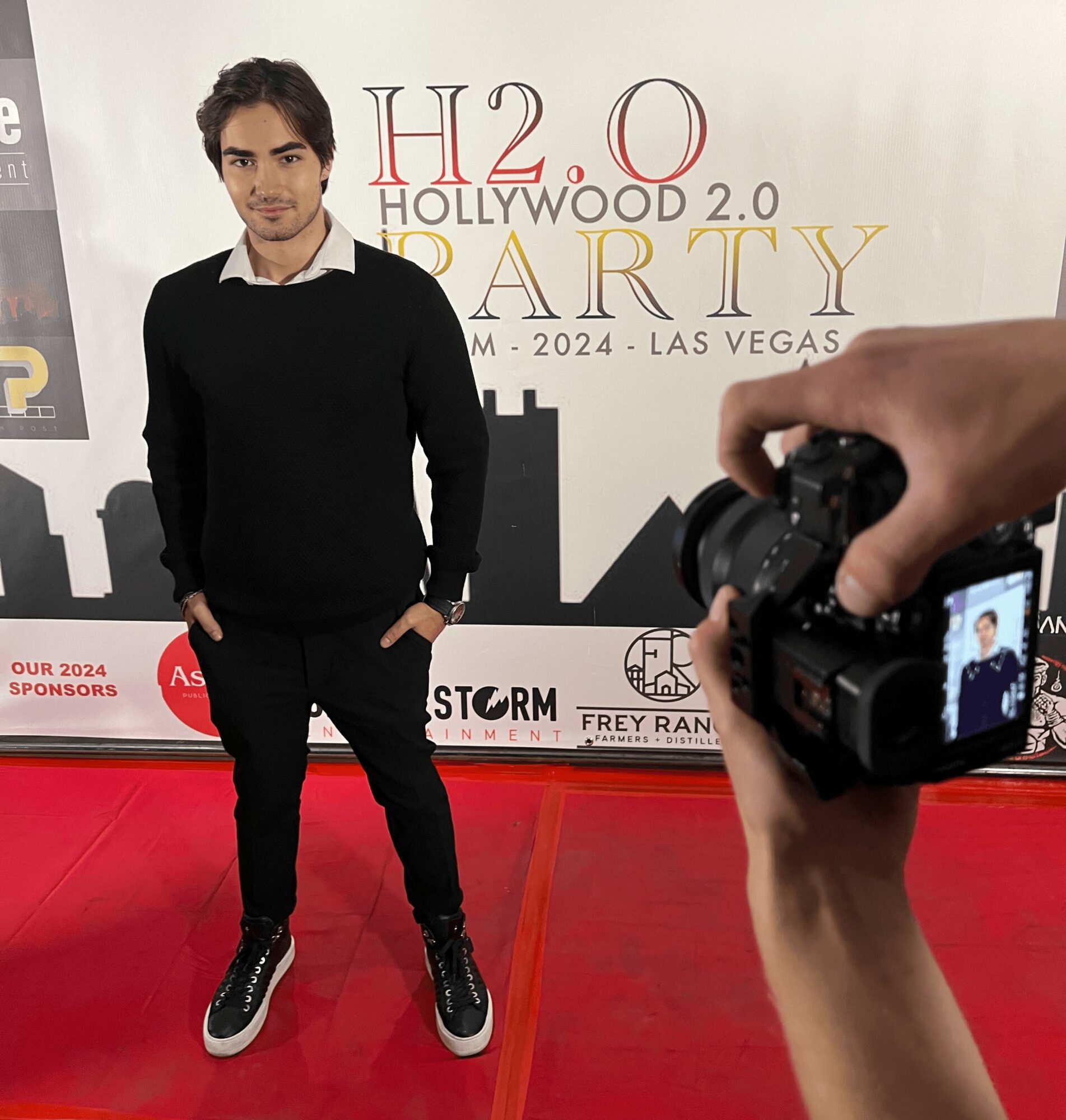




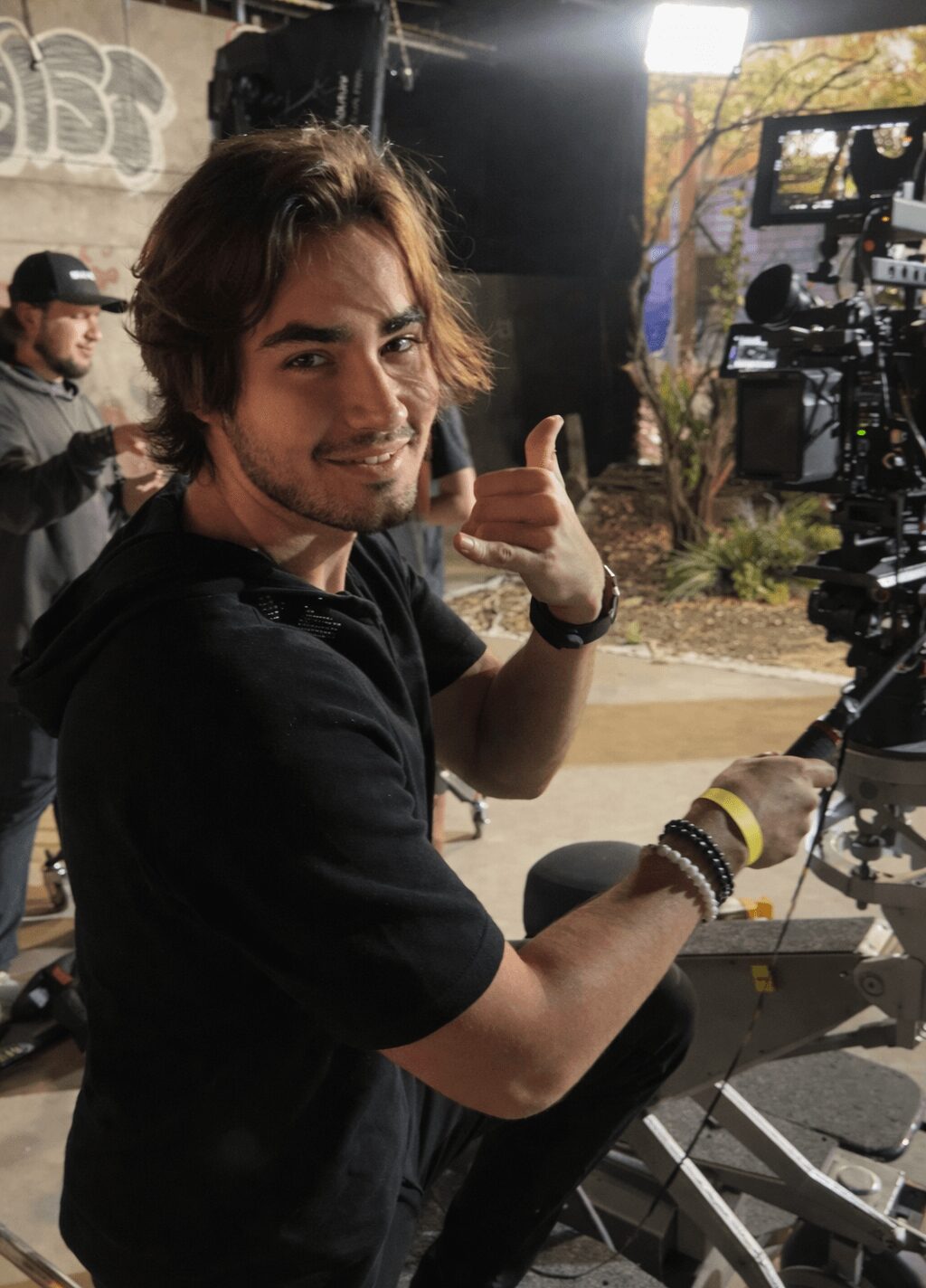
Today we’d like to introduce you to Veljko Vex Dronjak.
Alright, so thank you so much for sharing your story and insight with our readers. To kick things off, can you tell us a bit about how you got started?
I originally moved from Serbia to Los Angeles to study filmmaking at the New York Film Academy, where I completed both my BFA and MFA. Like a lot of filmmakers starting out, I wore multiple hats early on – producing, directing, writing, and learning the business side of the industry at the same time. Over the years, I’ve worked on narrative projects, film financing, and development while building relationships across both the creative and production worlds.
My work is heavily inspired by themes of identity, technology, human nature, and suspense-driven storytelling. I’ve always been drawn to cinematic projects that blend emotional depth with strong visual atmosphere. Recently, I’ve been focused on developing larger original IP’s and films while also expanding internationally between Los Angeles and Europe. It’s definitely been an unconventional journey with a lot of ups and downs, but every project and challenge has pushed me closer to finding my voice as a filmmaker and producer.
We all face challenges, but looking back would you describe it as a relatively smooth road?
Definitely not. The film industry is incredibly competitive, and there were a lot of moments where things didn’t go according to plan. Moving from Serbia to Los Angeles alone was a huge adjustment, new environment, new culture, and trying to build connections in such a fast-paced industry from the ground up. Like many filmmakers, I’ve dealt with projects falling apart, creative setbacks, and the uncertainty that comes with pursuing a career in entertainment.
I’ve also learned that filmmaking is just as much about resilience and problem-solving as it is about creativity. There are constant obstacles behind the scenes that people don’t always see. But honestly, those struggles shaped me the most. They forced me to adapt, grow thicker skin, and become stronger both creatively and professionally. Looking back, I think the difficult moments taught me more than the smooth ones ever could.
Thanks – so what else should our readers know about your work and what you’re currently focused on?
I work primarily as a film producer, director, and writer, focusing on narrative storytelling and visually driven projects. Over the years, I’ve also gained experience in development, financing, and the business side of filmmaking, which gave me a broader understanding of how projects come together from idea to distribution. I’m especially drawn to stories that blend suspense, psychological themes, technology, and emotional human conflict.
I think what sets me apart is that I approach filmmaking from both a creative and strategic perspective. I care deeply about atmosphere, cinematic visuals, and storytelling, but I also understand the realities of producing and building projects from the ground up. I’ve had the opportunity to work across different areas of the industry, which helped me grow and evolve across every stage of production.
What I’m most proud of is continuing to build original projects and staying committed to my vision despite the challenges that come with this industry. Every project has been a step toward creating stories that feel meaningful, cinematic, and emotionally impactful.
What sort of changes are you expecting over the next 5-10 years?
I think the industry is going through one of the biggest transitions it has seen in decades. AI, virtual production, real-time rendering, and new digital tools are already changing the way films are developed and produced. We’re moving toward faster workflows, smaller crews in certain areas, and more accessibility for independent creators to achieve high-level cinematic visuals that previously required massive budgets. At the same time, streaming and digital platforms continue to reshape how audiences consume stories and how projects get financed.
But despite all the technological changes, I think audiences are craving authenticity more than ever. There’s so much content now that strong storytelling, emotional connection, and original voices are becoming even more valuable. I believe the filmmakers who will stand out over the next 5 to 10 years are the ones who can balance technology with genuine human storytelling rather than relying on technology alone.
I also think we’ll continue seeing more international collaboration and global productions. The industry is becoming less centered around one location, which opens doors for filmmakers from all over the world to create projects that can reach worldwide audiences.
Contact Info:
- Instagram: https://www.instagram.com/vex_d
- Other: https://m.imdb.com/name/nm11314861/