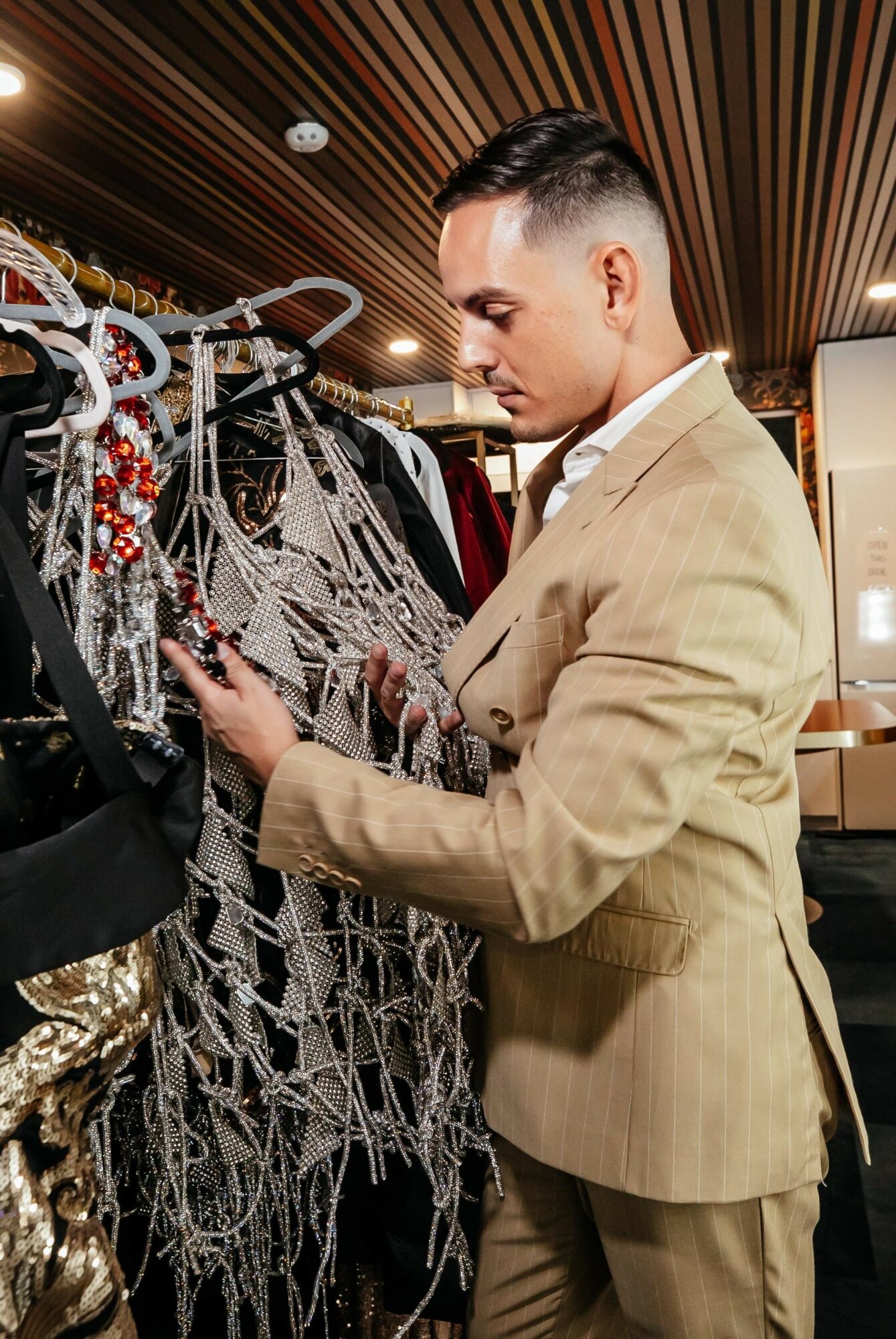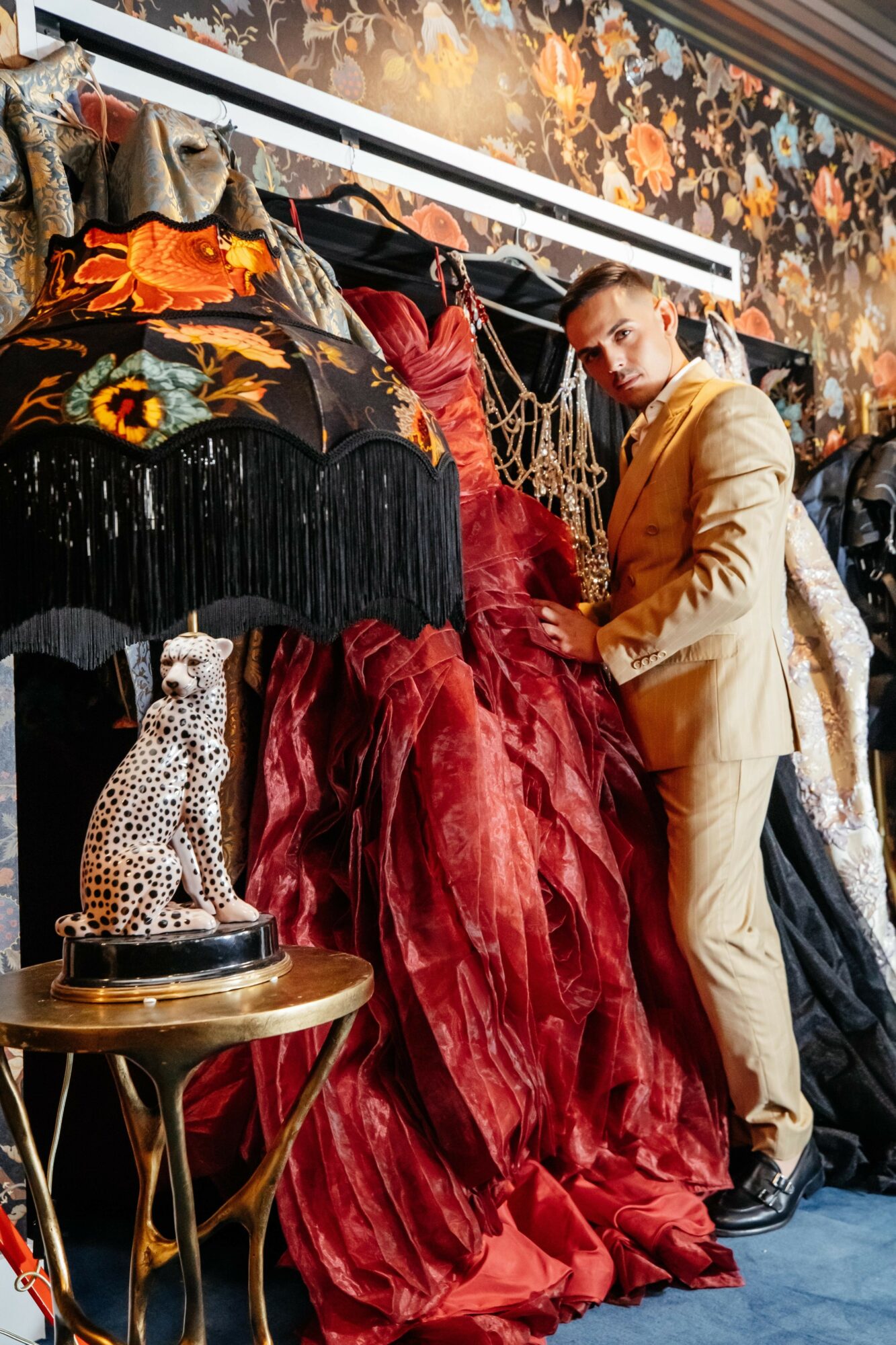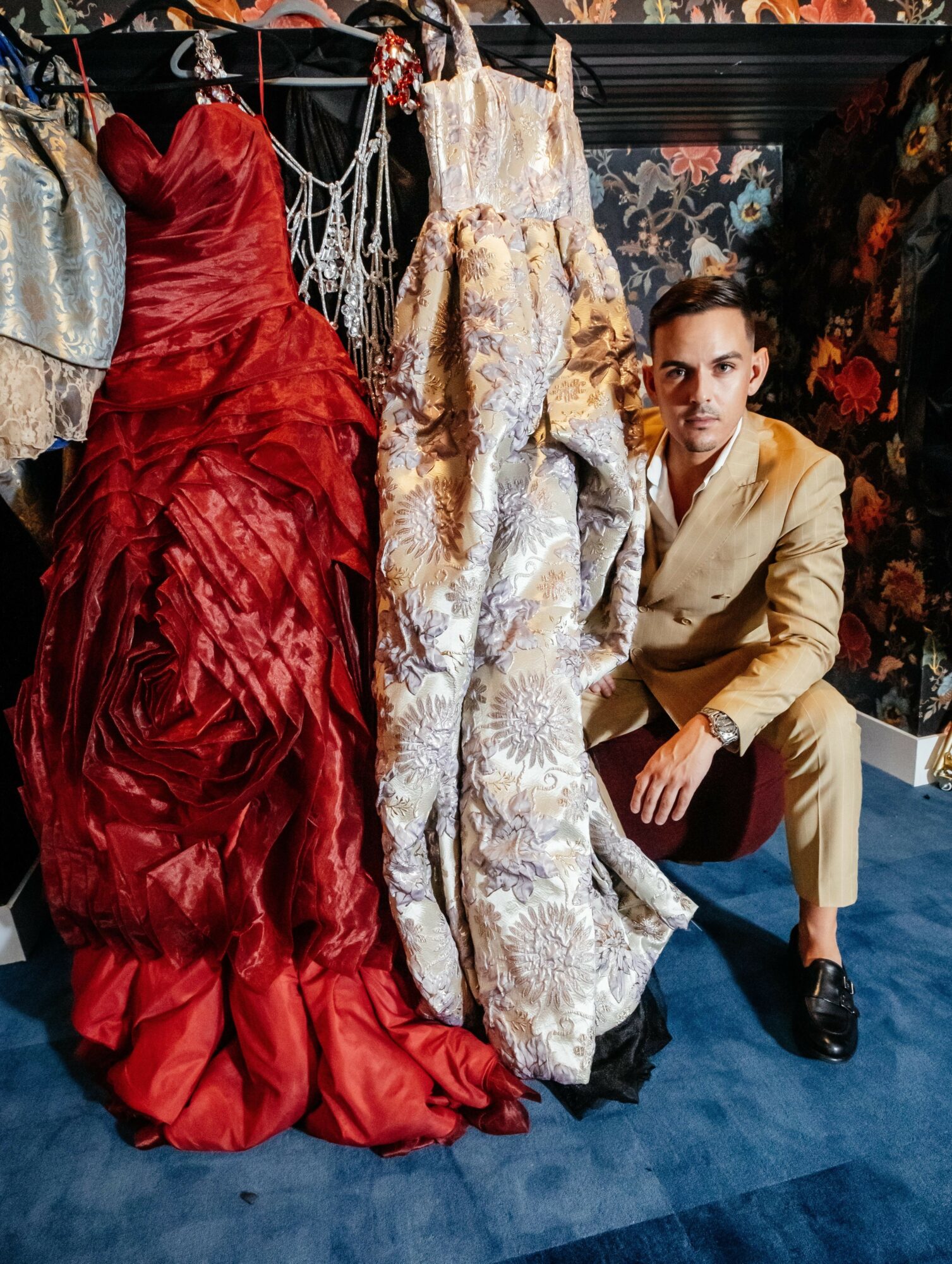




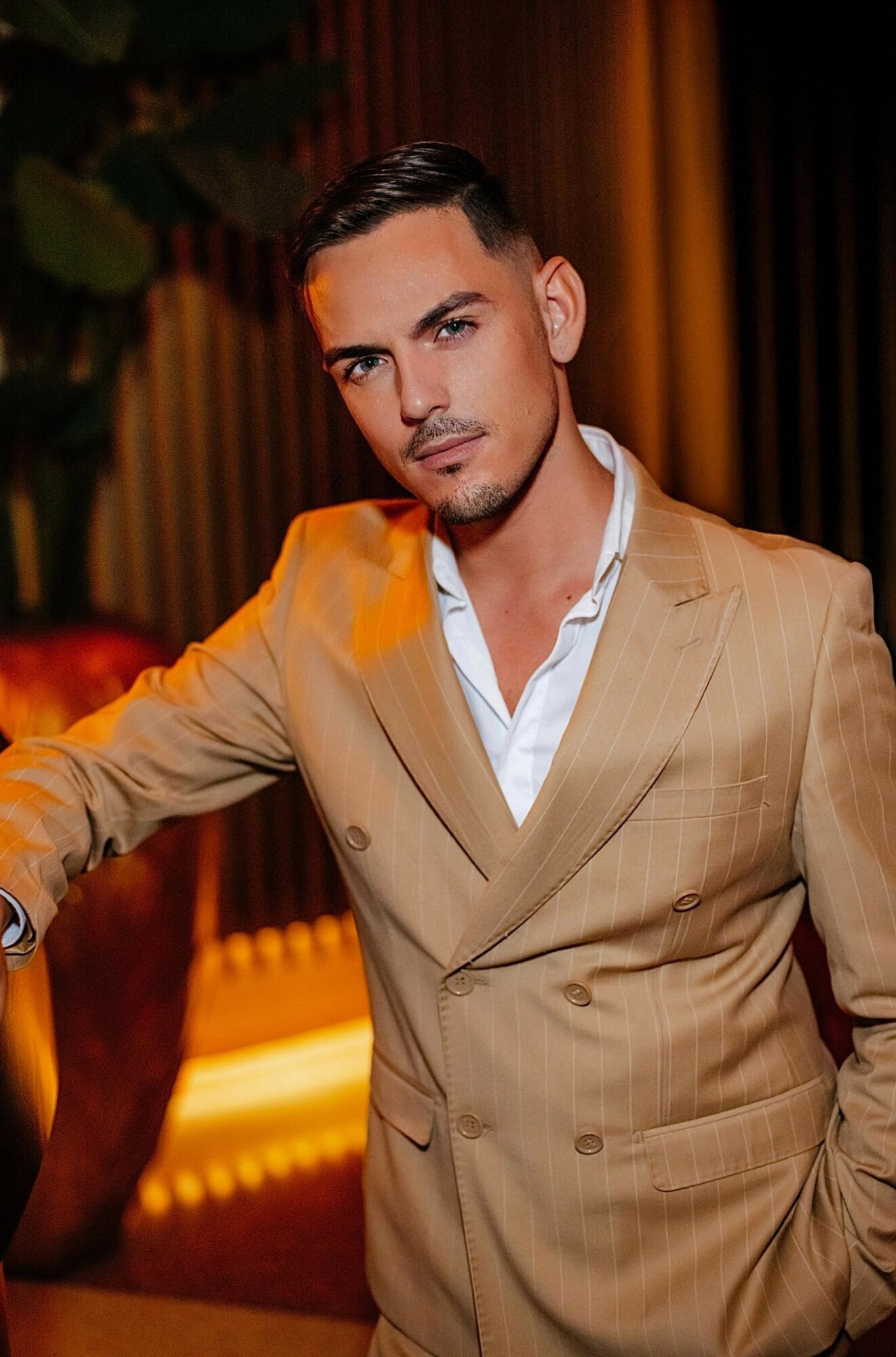
Today we’d like to introduce you to Sebastiano Di Meo.
Hi Sebastiano, please kick things off for us with an introduction to yourself and your story.
I was born and raised in Italy, and my journey began with classical ballet. It was my first language, the way I learned to express emotion before I even understood what expression was. Even as a child, I found myself drawn not only to performing but to imagining the entire world around the performance: the mood, the atmosphere, the storytelling. That instinct naturally led me toward creative direction. I trained at some of Europe’s most respected institutions, including the Royal Ballet School and the English National Ballet School, where I studied the Royal Academy of Dance technique. Those years shaped me deeply; they gave me discipline, artistry, and a way of seeing movement that still defines my work today.
As I stepped into the commercial world, I expanded my training at the Millennium Dance Complex in Los Angeles. That period opened doors to music videos, brand collaborations, and opportunities to perform in music videos for internationally recognized artists like Annalisa, who made history as the first Italian artist honored at Billboard Women in Music, receiving the “Global Force of Italy” award. I also had the privilege of performing at the Sanremo Music Festival, Italy’s most prestigious and globally followed televised music event, which has launched generations of major artists. These experiences helped build the international recognition that has become a defining part of my path. Over time, internationally I’ve been fortunate to collaborate with prestigious luxury hospitality groups and global brands, including Four Seasons, Palm Beach in Cannes, Il Ballo del Doge in Venice, and high-end fashion and lifestyle experiences with LVMH in Miami. Each of these experiences pushed me to grow creatively and develop original contributions that blend choreography, storytelling, fashion, and immersive performance.
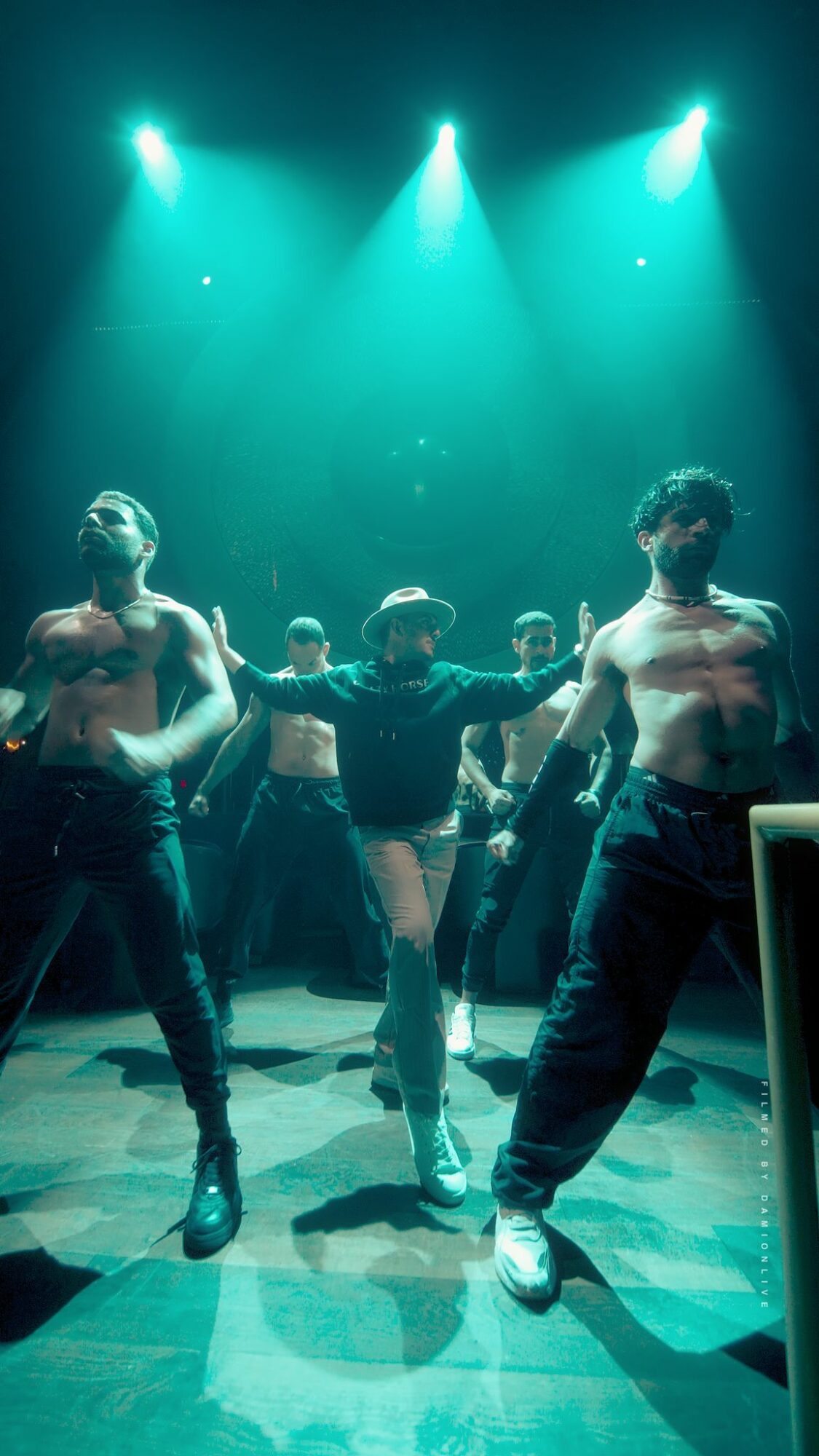
Now I live in Miami, where I serve as the Director of Entertainment for Mr. Hospitality, overseeing creative direction for venues such as Queen Miami Beach, Marion, and Lafayette. This chapter has allowed me to bring my European artistic sensibility into large-scale American productions, merging cultures while continuing to develop original contributions to the luxury entertainment landscape. But beyond the names and the brands, what means the most to me is the people I get to create with. Today, I lead and manage teams of over 40 performers at a time dancers, aerialists, musicians, specialty artists all bringing different cultures and forms of expression into one cohesive vision. It’s in those moments of collaboration that I feel the deepest connection to my work.
Would you say it’s been a smooth road, and if not what are some of the biggest challenges you’ve faced along the way?
One of the biggest challenges for me has always been the sacrifices that came with this path, especially at a very young age. When you begin as a ballet dancer, you grow up in front of a mirror being asked for perfection: every line, every step, every detail is under a microscope. While other kids were outside playing, I was often in the studio, repeating the same movements over and over, trying to refine something that never truly feels finished.
My family always pushed me to keep my education strong as well, so I spent years balancing schoolwork with intense training. That meant letting go of many childhood and teenage experiences because I chose a life that demanded commitment, resilience, and a type of focus most children never have to understand.
When I transitioned from classical ballet into the commercial world, the challenges shifted. Suddenly, it wasn’t just about technique, it was about understanding an industry that moves quickly, evolves constantly, and expects performers to adapt just as fast. Learning to stay true to myself while navigating trends, expectations, and fast-paced work was one of the first major tests of my artistic identity. Living abroad has also been a deeply personal challenge. I live in Miami now, and going home to Italy to Venice takes over fifteen hours. I’ve missed Christmases, birthdays, milestones and those absences are never easy. You carry your culture with you, but you also have to learn how to integrate into a new one without losing the artistic sensibility you grew up with.
And last, like any artist, I’ve learned that the world around you rarely slows down for creativity. There are deadlines, changes, and last-minute requests that test your patience, your adaptability, and your ability to stay grounded. You have to learn how to find small pockets of stillness inside a very fast environment where you reconnect with why you create in the first place. Through all these challenges, I’ve realized that this journey asks a lot of you discipline, courage, sacrifice, and trust. But every challenge has shaped me into the artist and director I am today.
As you know, we’re big fans of you and your work. For our readers who might not be as familiar what can you tell them about what you do?
Today, I work as a creative director and artistic director specializing in luxury entertainment, immersive performances, and high-end visual performative storytelling. My work blends choreography, fashion, staging, lighting, music, and atmosphere into one cohesive vision. What I’m most passionate about is creating experiences that feel cinematic with moments that take the audience somewhere else entirely. I’ve crafted performances for exclusive events such as Dwyane Wade’s James Bond–themed “007 Statues Are Forever” celebration for his Miami HEAT statue unveiling, a black-tie evening that allowed me to design a premium, cinematic performance. I also work on productions with budgets that can reach up to $150,000, which requires not only artistic vision but the ability to manage teams, logistics, and technical elements with precision. The scale of these projects demands a balance between creativity and responsibility, and I take a lot of pride in being trusted with that level of work.
In addition to my creative work, I’m very grateful that my artistic journey has been recognized internationally. As of today, I’ve been published in magazines like Rolling Stone UK and ELLE, two platforms that celebrate artistic innovation and cultural impact. Having my work featured in publications of that caliber means a lot to me not because of the name alone, but because it reflects that the worlds I create resonate beyond the stage.
Creative direction is taking something that exists only in your imagination and bringing it into reality through movement, music, timing, costumes, lighting, and energy. It’s the craft of turning a feeling into an environment the audience can step into. What sets my process apart is the way I work through that vision. Creativity needs stillness almost a ritual, a private ceremony to let an idea form clearly. But the industry moves fast, with constant updates, last-minute changes, and time-sensitive demands. Over time, I’ve learned how to hold on to that quiet artistic space even in the middle of chaos. That balance between depth and speed is a big part of my identity as a director. Technically, I’m known for constructing productions with meticulous detail. I’ve designed shows where a four-minute performance required more than 280 lighting cues, each one crafted to shape the emotion of the piece without ever distracting from it. I pay close attention to entrances, exits, transitions, narrative structure, and the flow of the entire room.
One of the aspects of my work that I value most is the relationship with performers. I guide artists from diverse cultures and disciplines dancers, aerialists, musicians, singers, acrobats, specialty performers and help them feel safe within my vision. I want them to fall in love with the movement, not feel it imposed on them.
What I’m proudest of is that my work always returns to emotion. Whether it’s a luxury evening, a themed event, or a large-scale performance, my goal is always to make the audience feel something to create a moment that stays with them long after the lights go down.
Networking and finding a mentor can have such a positive impact on one’s life and career. Any advice?
In creative direction, I’ve always believed that finding a mentor is a little bit like learning magic. Before you look for someone to guide you, you have to understand your own powers, where your vision comes from, what inspires you, and what moves you so deeply that it becomes part of your internal language. For me, inspiration was my first mentor. It taught me to pay attention to the things, songs, emotions, places I felt drawn to, almost obsessively, and to carry them with me until the right project came along. My advice is to learn your powers first. Learn how your creativity works, when it flows, and how to elevate it each time. Accept that sometimes your “magic” only works in the right atmosphere — the right environment, the right crowd. Not every idea blooms everywhere, and that’s okay. Understanding that is part of becoming an artist.
When it comes to mentors, I believe creative directors need two very different types: An artistic mentor: someone whose work realigns you with yourself. Not because they are famous or “winning,” but because something in their art speaks directly to your feelings, your instincts, your inner world. They remind you of who you are as an artist. And then an industry mentor: someone who teaches you how to bring that inner talent into the real world. Someone who shows you the structure, the strategy, and the professionalism required to transform vision into execution.
Sometimes you’re lucky enough to have both. Other times, you don’t have either. And sometimes, you learn simply by observing and watching how the world moves, how people create, how ideas evolve. Observation can shape you in ways you don’t even notice in the moment, and many of the most important lessons come quietly, without anyone ever formally teaching them.
Contact Info:
- Website: https://www.mrhospitality.com/
- Instagram: https://www.instagram.com/sebastianodime/