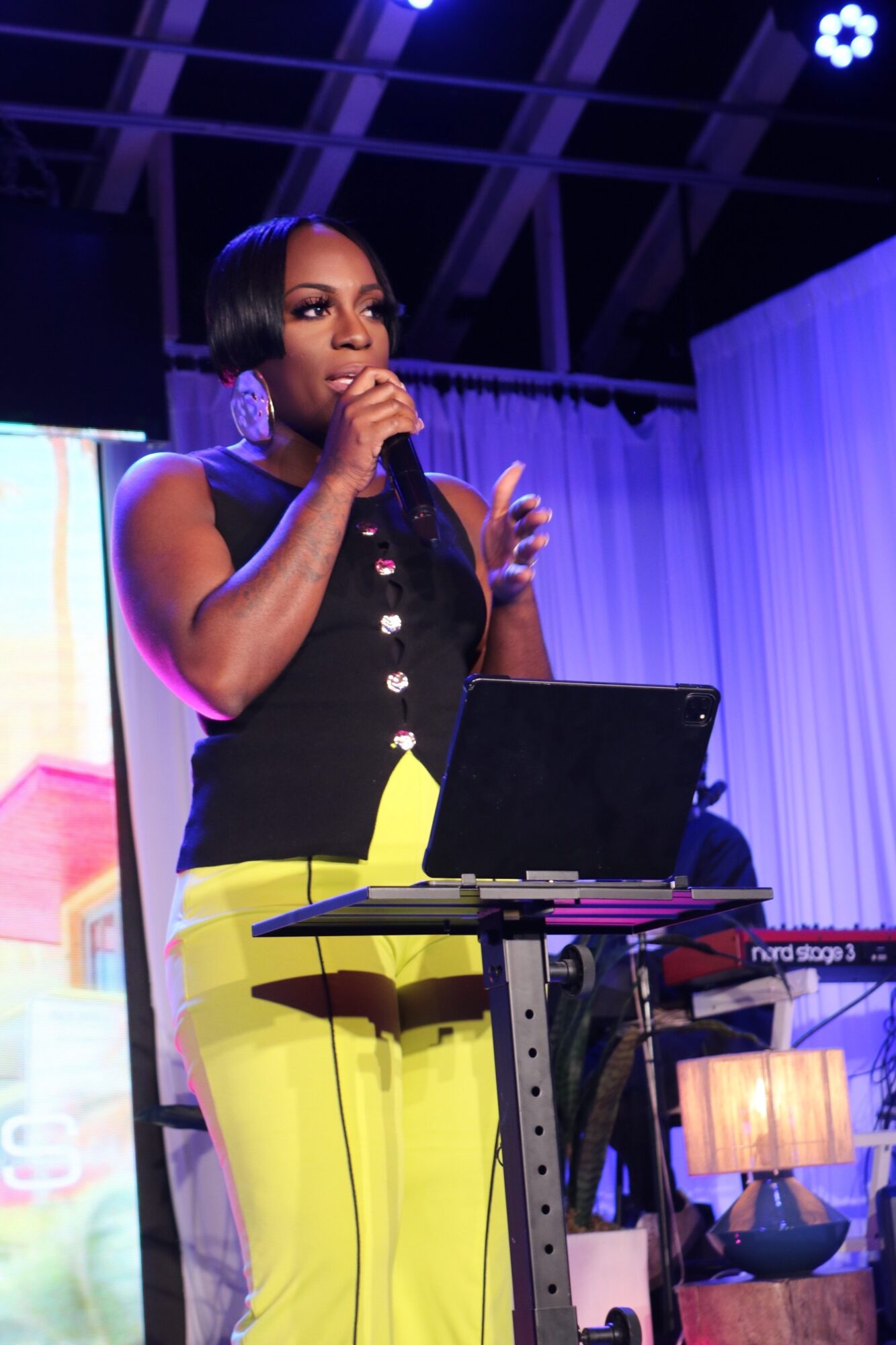




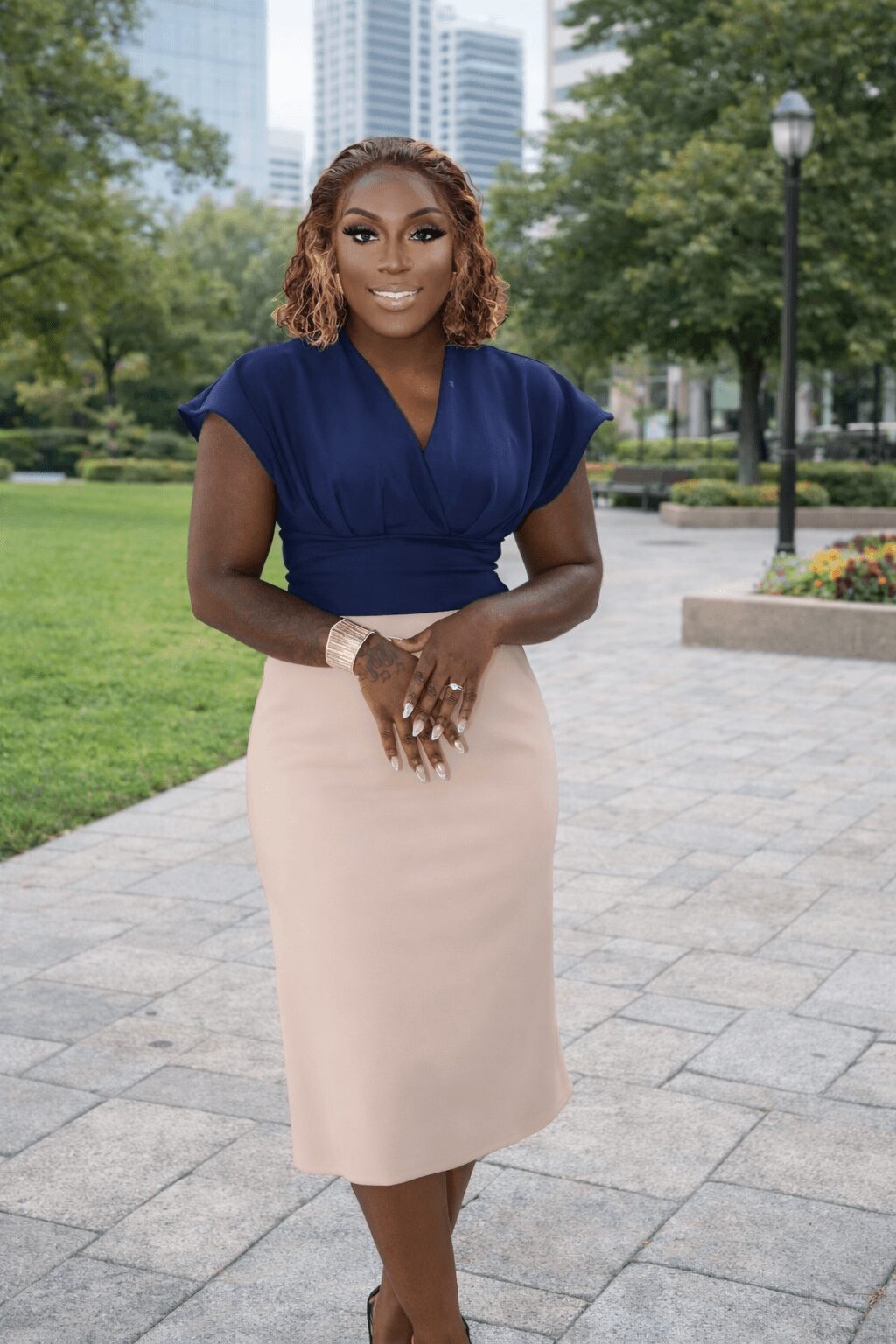
Today we’d like to introduce you to Luctresa Raphael.
Hi Luctresa , we’re thrilled to have a chance to learn your story today. So, before we get into specifics, maybe you can briefly walk us through how you got to where you are today?
My story isn’t one of perfection it’s one of recovery.
I grew up with one parent who believed in God and one who didn’t. Because of that, I was exposed to two very different worlds. While church was a part of my life, the streets became my norm. I spent years searching for identity, acceptance, and fulfillment in places that could never truly satisfy me.
God saved me in 2012, and that encounter changed my life. But if I’m honest, salvation didn’t automatically break every cycle. For years, I found myself returning to old behaviors, unhealthy relationships, and destructive patterns. The only reason I didn’t recognize it as a cycle was because the relapses seemed random and spread out over time.
In 2022, God opened my eyes to what was really happening. I realized I wasn’t just dealing with isolated mistakes I was dealing with unresolved wounds, unhealthy coping mechanisms, and areas of my life that still needed healing. That revelation became a turning point. Instead of simply trying to manage behaviors, I began pursuing true recovery.
As I walked through my own healing journey, God began showing me that recovery is bigger than addiction. People need recovery from trauma, rejection, grief, people-pleasing, toxic relationships, disappointment, identity issues, and the pain they’ve learned to hide. Out of my personal journey, Recovery Mode was born. What started as God restoring me became a ministry and coaching platform dedicated to helping others heal, recover, and become who God created them to be.
Today, I serve as a Prophetess, Recovery Coach, Author, Speaker, and Registered Behavior Technician. More than any title, I’m a living testimony that healing is possible. My passion is helping people understand that recovery isn’t just about stopping a behavior it’s about allowing God to heal the person behind it. My past didn’t disqualify me; it became the very thing God uses to bring hope and freedom to others.
Alright, so let’s dig a little deeper into the story – has it been an easy path overall and if not, what were the challenges you’ve had to overcome?
It definitely has not been a smooth road.
One of my biggest challenges was realizing that salvation and healing are not the same thing. I loved God, but I still had unresolved wounds, unhealthy attachments, and destructive patterns that continued to show up in my life. For years, I struggled with cycles of addiction, people-pleasing, rejection, low self-worth, and the need for validation.
Another challenge was facing the reality that healing would require accountability. It was easier to blame my past, my upbringing, or what others had done to me than it was to confront the areas where I needed to grow. Recovery forced me to be honest with myself and take responsibility for my healing journey.
I’ve also faced grief, betrayal, disappointment, financial hardships, and seasons where I questioned whether I was truly making progress. Building a ministry and coaching platform while continuing my own recovery journey came with its own challenges, including self-doubt, fear of failure, and learning how to trust God’s timing.
Perhaps the hardest challenge was letting go of the version of myself I had become comfortable with. Healing requires change, and change often feels like loss before it feels like freedom. But every obstacle taught me resilience, dependence on God, and the importance of doing the inner work.
Looking back, I can honestly say the struggles didn’t stop me they shaped me. They became the foundation for the work I do today, helping others understand that recovery isn’t a straight line, but healing is possible when you’re willing to keep showing up and trust God through the process.
Appreciate you sharing that. What else should we know about what you do?
Professionally, I wear several hats, but they all connect to one mission: helping people transform their lives.
I am the founder of Recovery Mode, a coaching and mentoring platform dedicated to helping individuals recover from trauma, unhealthy patterns, rejection, addiction, grief, and life-controlling issues. Through coaching, mentorship, courses, and community, I help people move beyond survival mode and into healing, wholeness, and purpose.
I also serve as a Prophetess, Speaker, and Author, using my testimony and biblical principles to encourage people in their faith and recovery journey. Much of my work focuses on helping people identify the root of their struggles, develop healthier patterns, and discover who God created them to be.
In addition, I work as a Registered Behavior Technician (RBT), supporting children and families by implementing behavioral interventions and helping children develop essential life and communication skills. This work has deepened my understanding of human behavior, growth, and the importance of meeting people where they are.
What I love most about my work is seeing transformation. Whether it’s someone finding freedom from a destructive cycle, growing in confidence, healing from past wounds, or stepping into their purpose, being part of that journey is incredibly rewarding. My career is more than a job it’s an extension of my personal testimony and my commitment to helping others recover, heal, and thrive.
What sort of changes are you expecting over the next 5-10 years?
As someone who works in recovery, coaching, behavioral health, and ministry, I believe the next 5–10 years will bring a greater focus on holistic healing. People are no longer looking for quick fixes; they want lasting transformation. There is a growing awareness that mental, emotional, spiritual, and behavioral health are all connected, and effective recovery must address the whole person.
I also see an increased demand for coaching, mentorship, and community-based support. Many people are struggling with anxiety, trauma, loneliness, identity issues, and emotional burnout, yet they are seeking alternatives that provide accountability, practical tools, and personal connection. This creates opportunities for recovery coaches, mentors, and faith-based leaders to play a significant role in helping people heal and grow.
Technology will continue to shape the industry through virtual coaching, online communities, digital courses, and greater access to resources. While these tools will make support more accessible, I believe people will continue to crave authentic relationships and safe spaces where they can be seen, heard, and supported.
One of the biggest shifts I anticipate is the removal of stigma around recovery. More people are openly discussing mental health, trauma, addiction, grief, and personal struggles. As a result, recovery will be viewed less as something only for those battling addiction and more as a lifelong process of healing, growth, and becoming whole.
I believe the future of this industry is not simply helping people overcome problems it’s helping people recover their identity, purpose, and ability to live healthy, fulfilling lives.
Contact Info:
- Instagram: luctresajraphael_
- Facebook: https://www.facebook.com/share/1DJou5bsYh/?mibextid=wwXIfr
- Youtube: https://youtube.com/@lraphael_?si=dzMIJFpZWDs9ZuoX