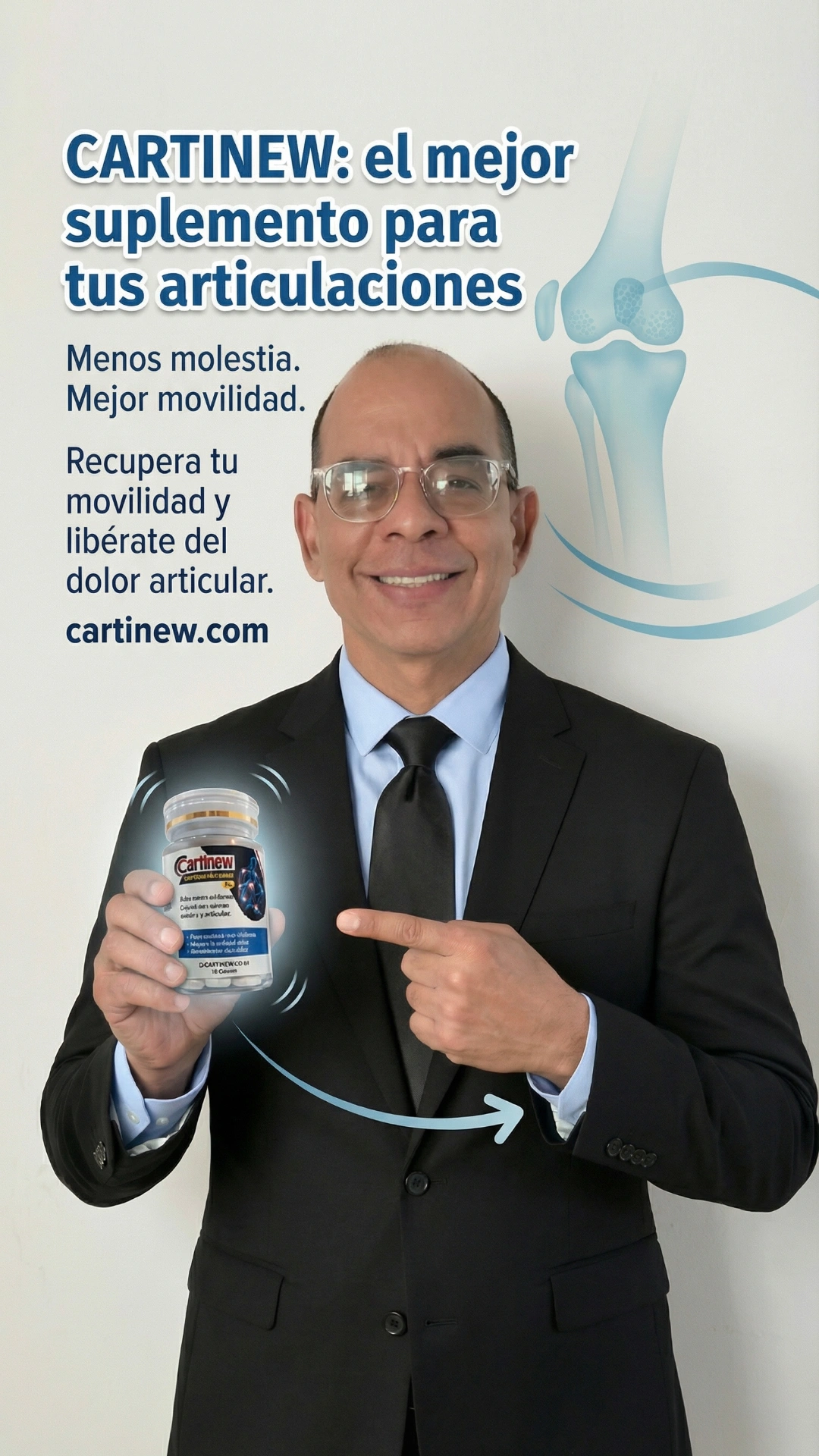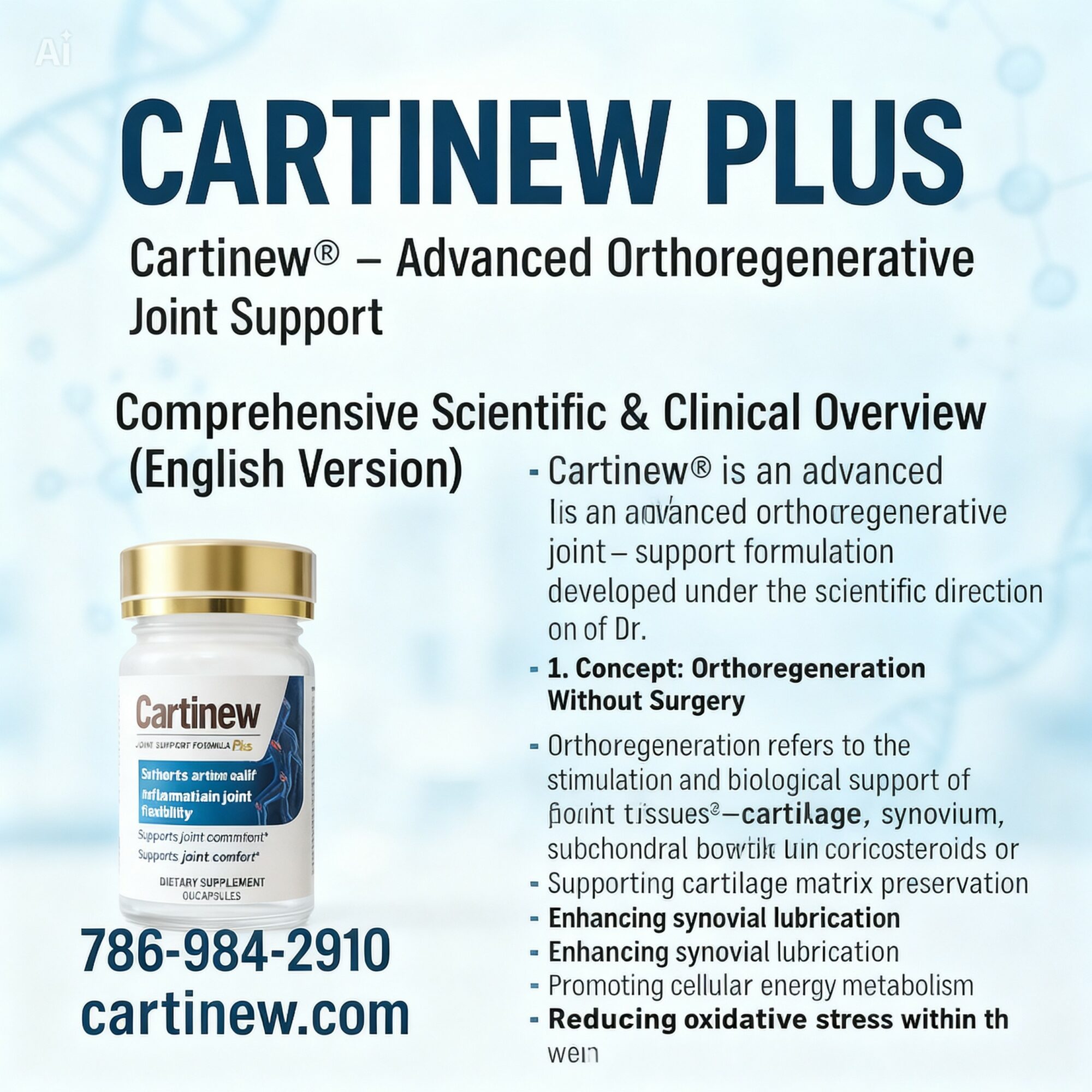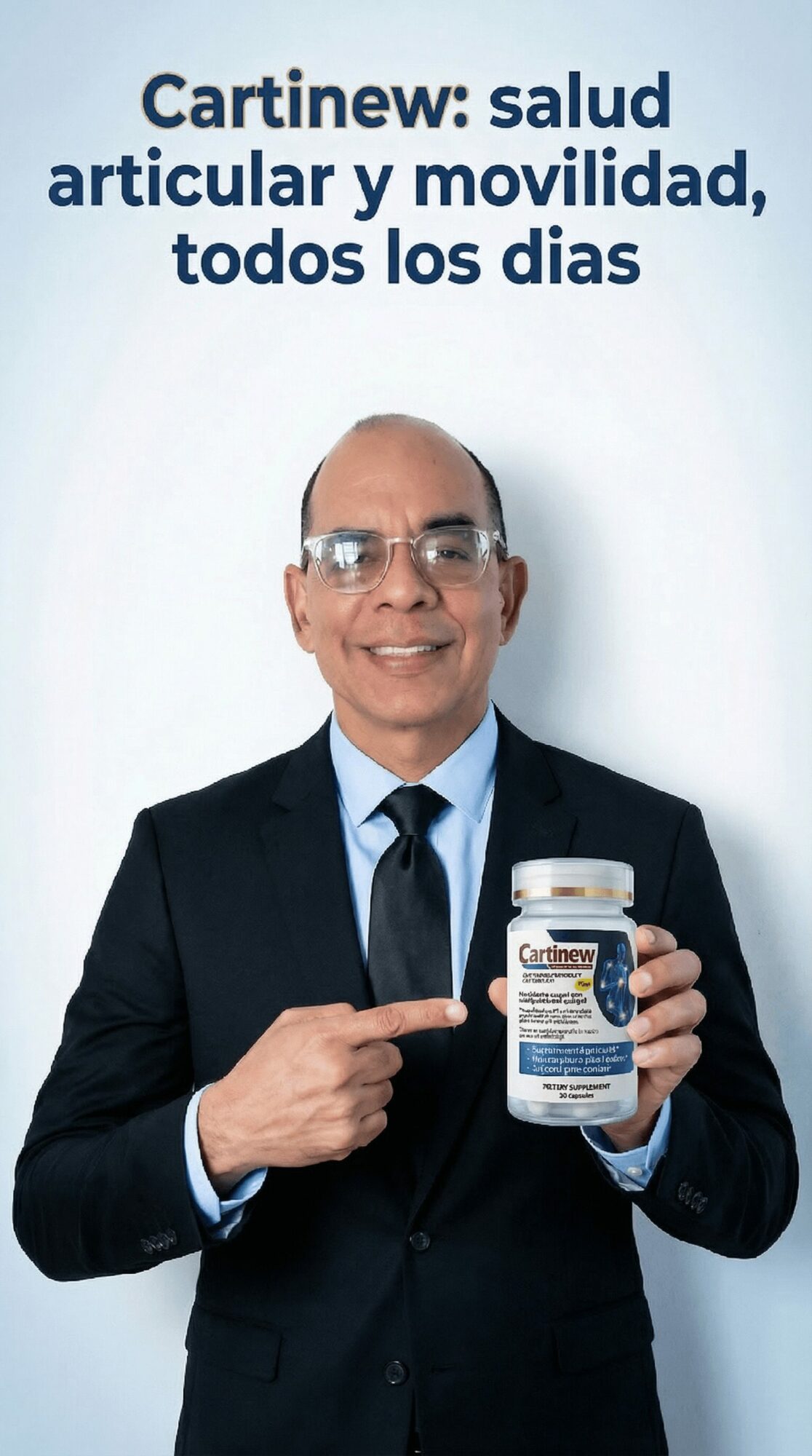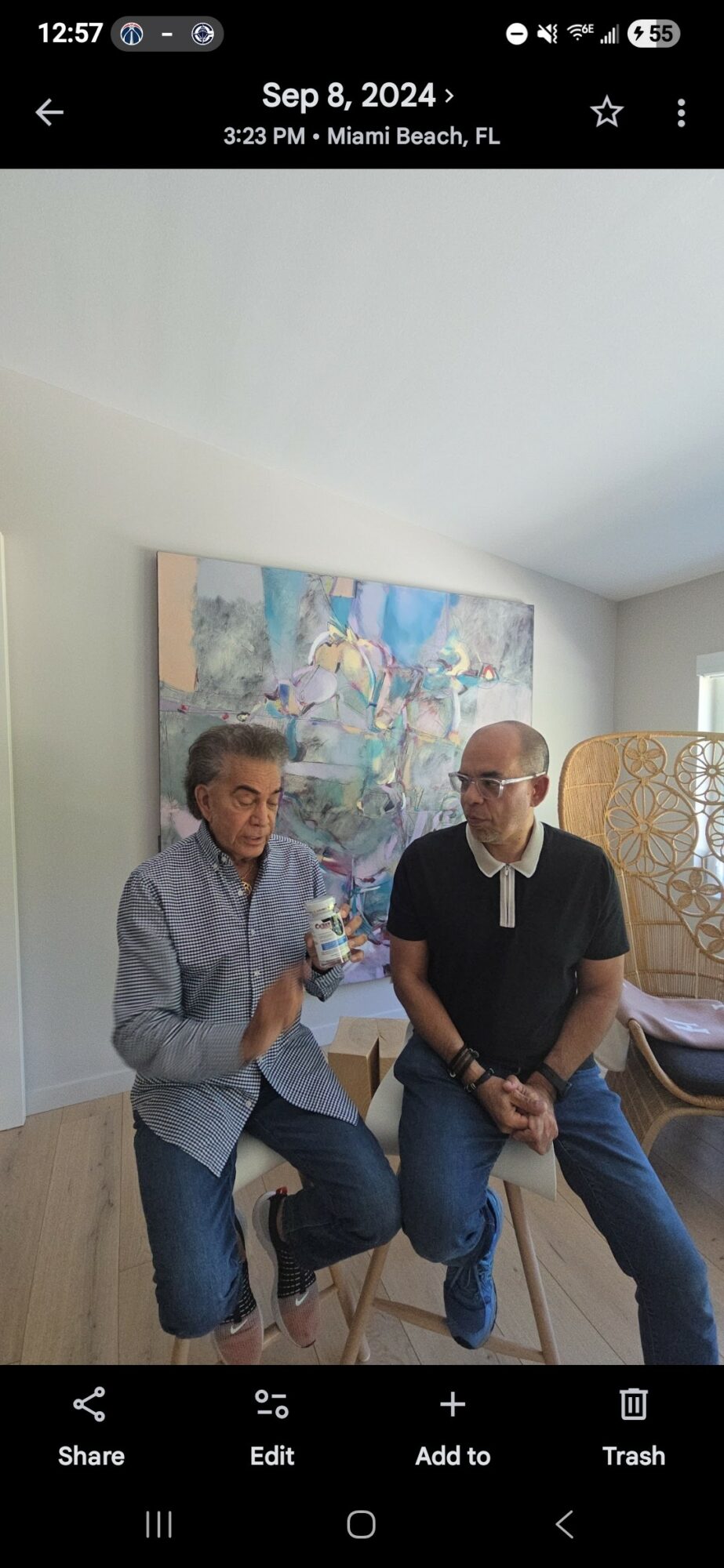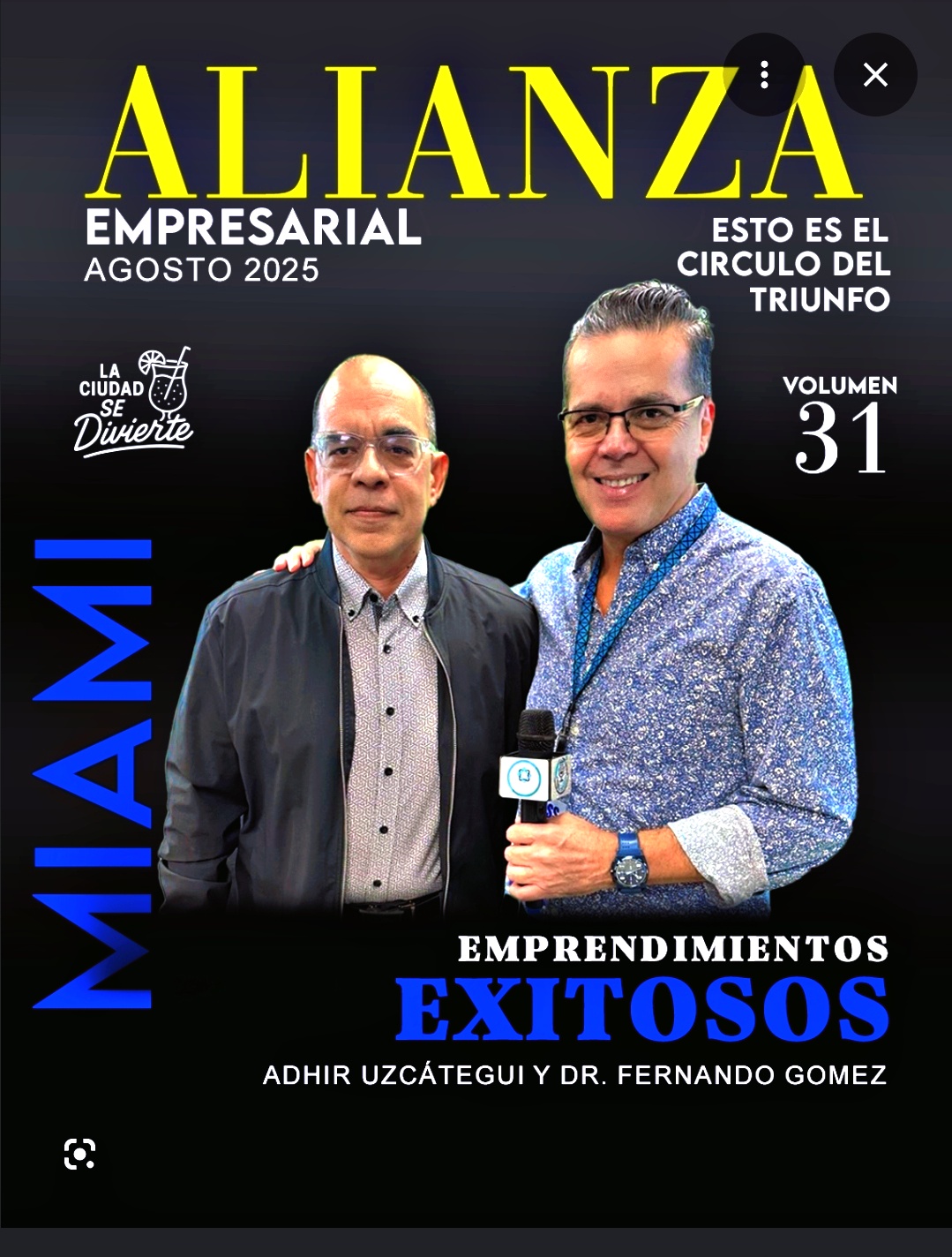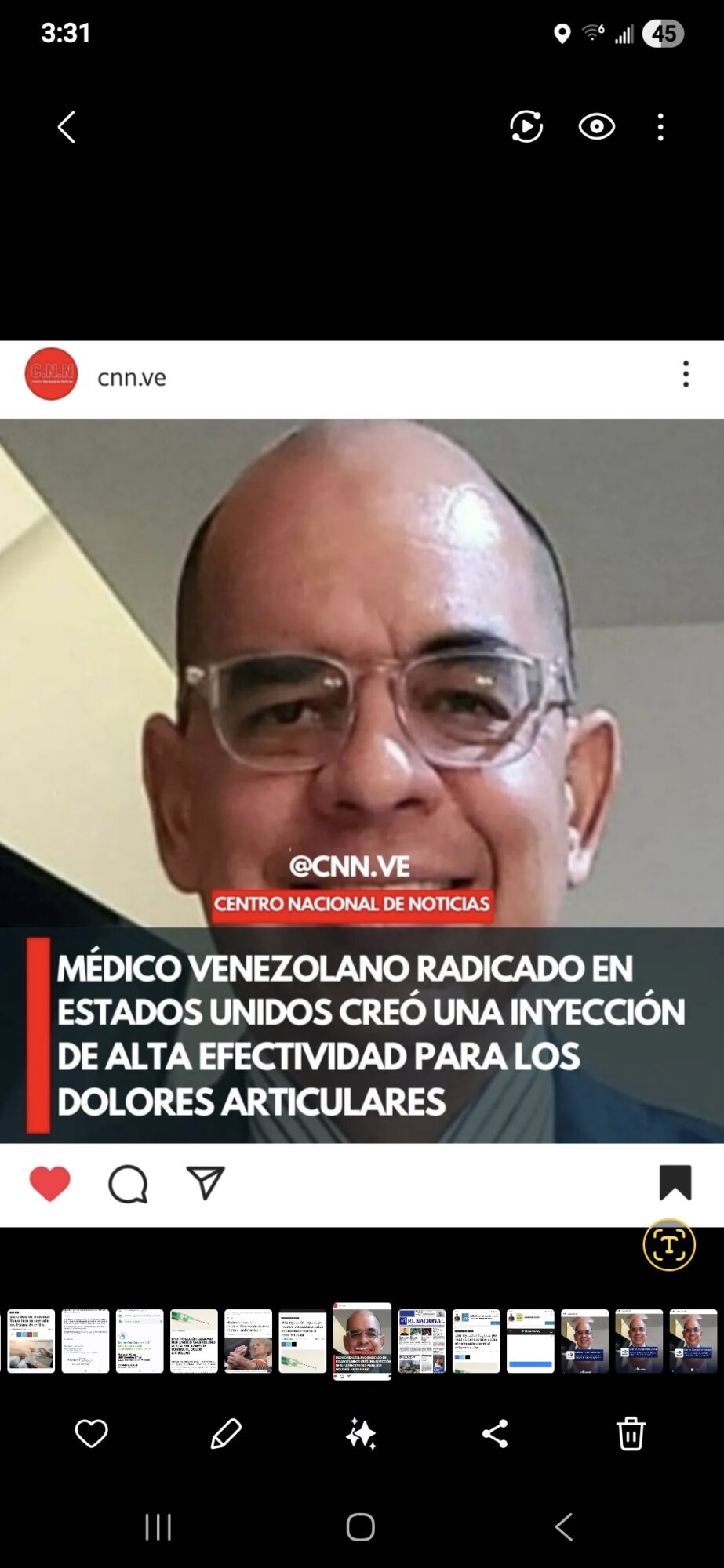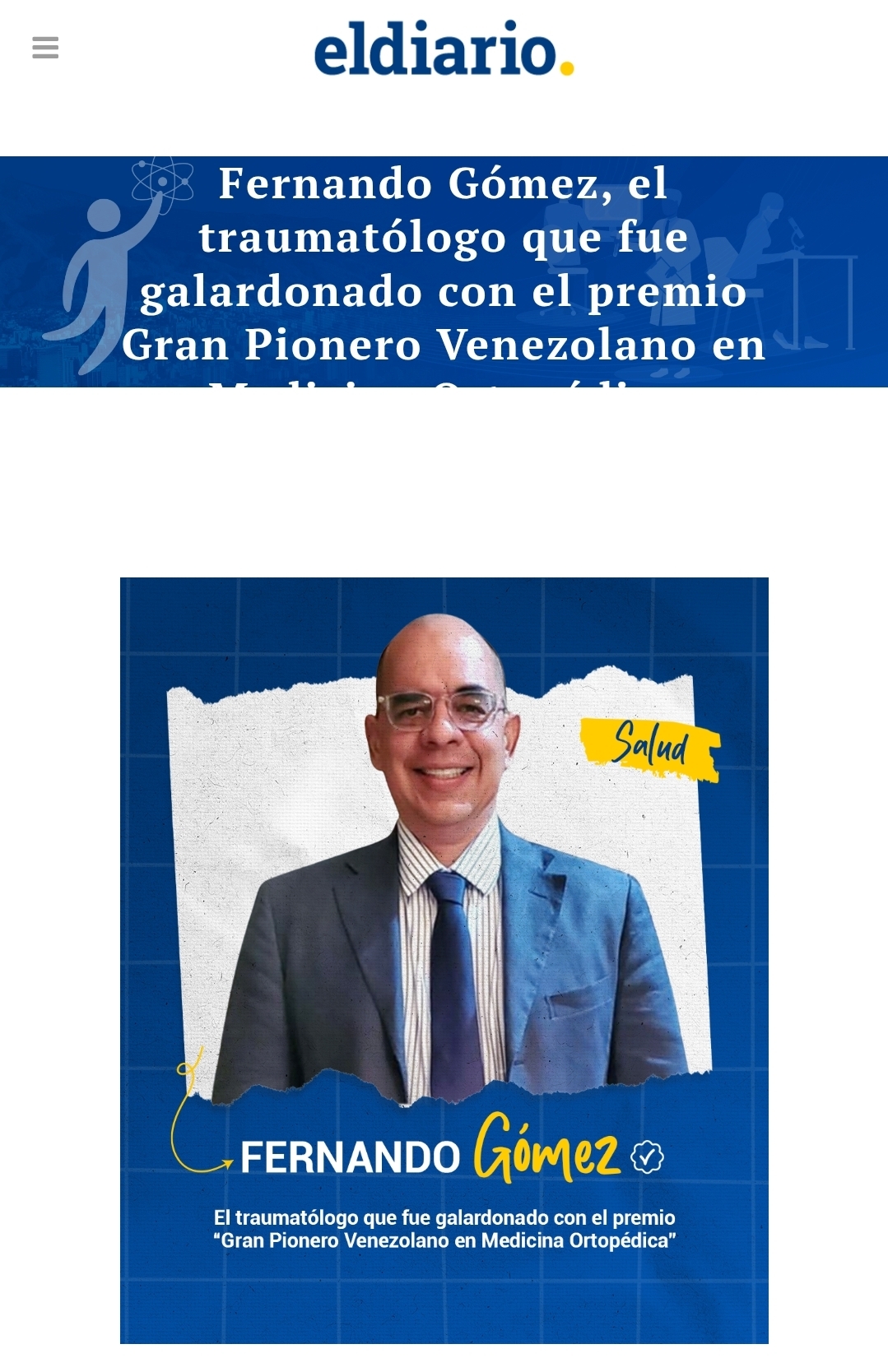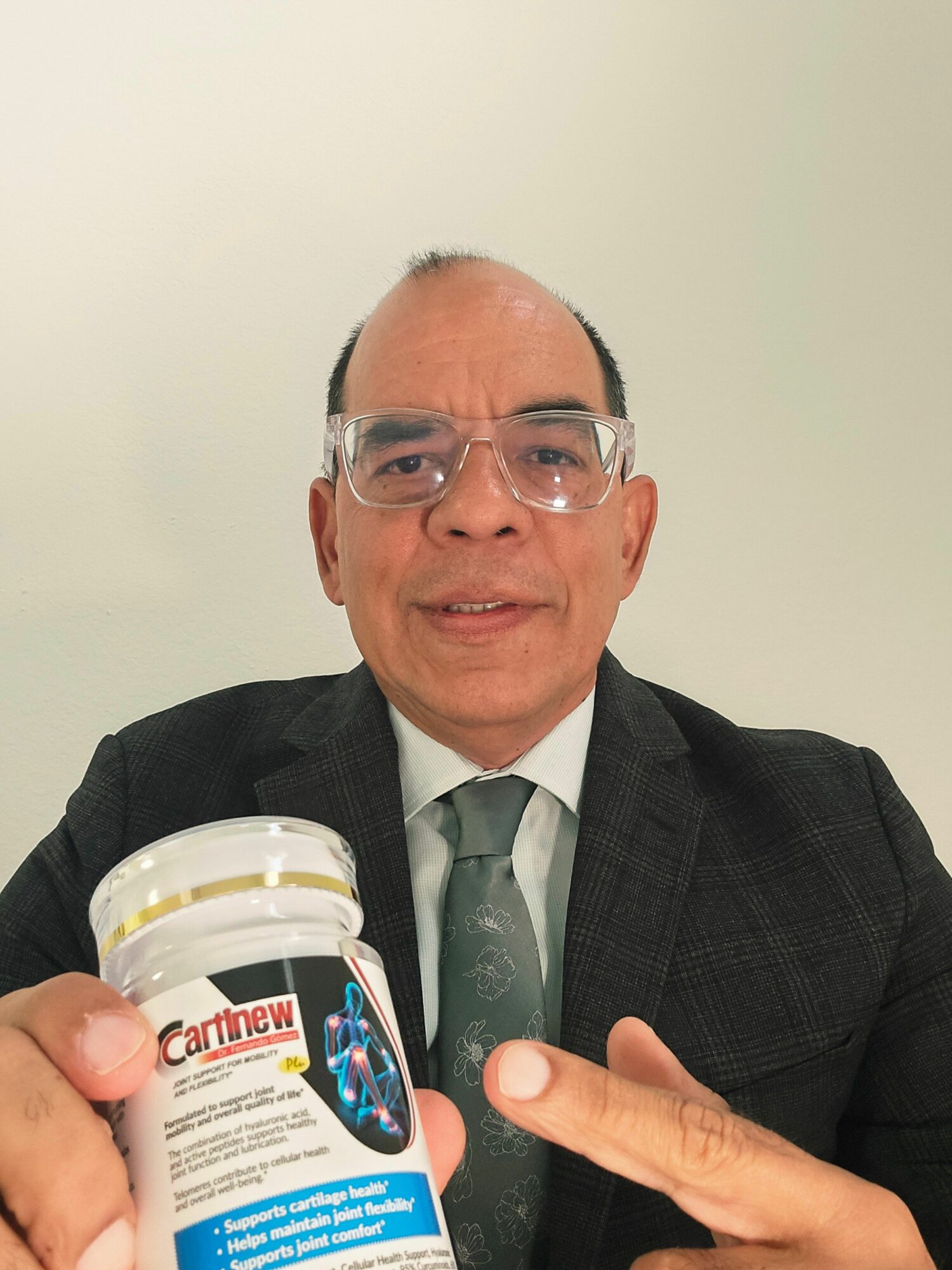





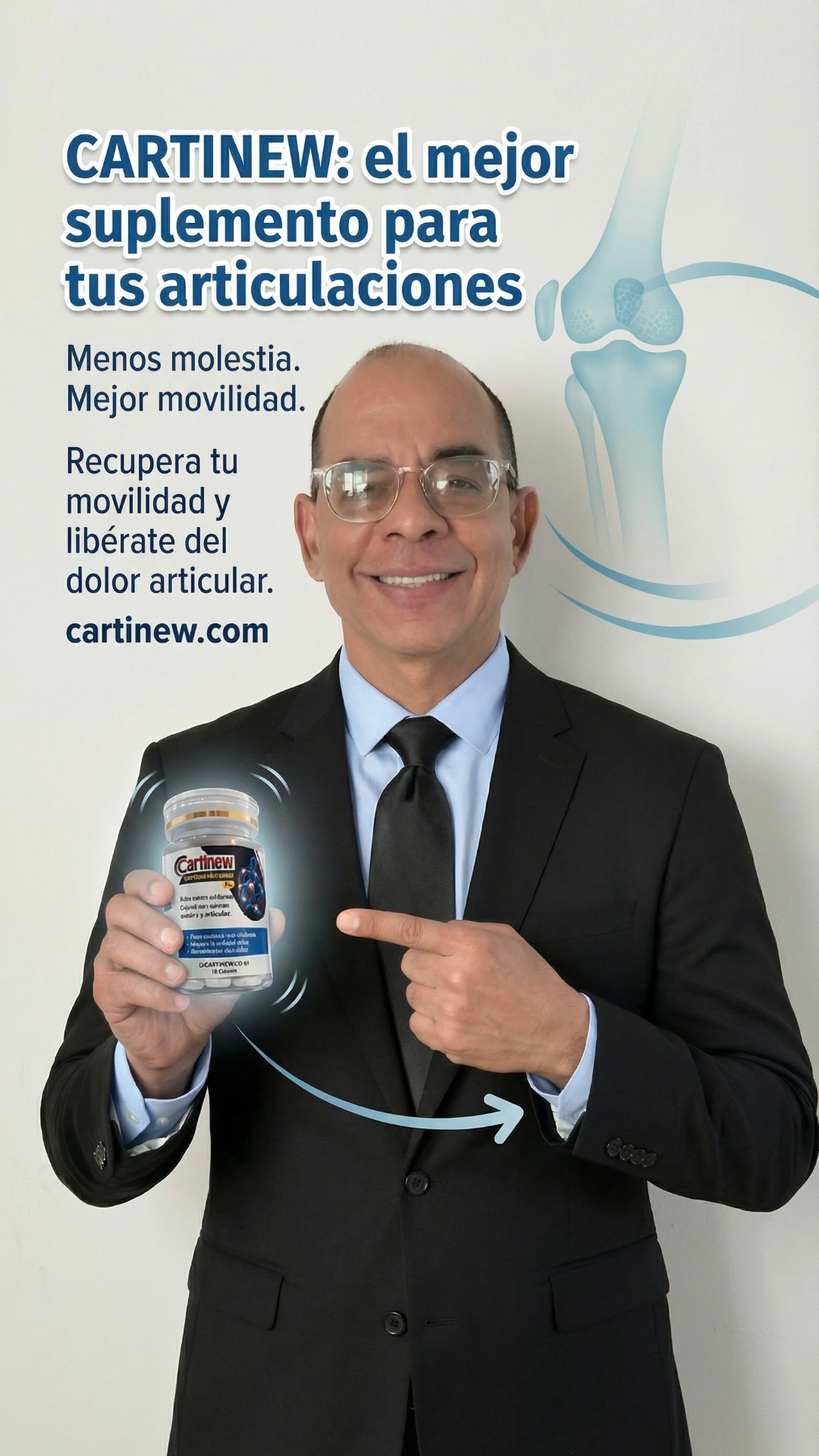
Today we’d like to introduce you to Fernando Gomez.
Hi Fernando, we’re thrilled to have a chance to learn your story today. So, before we get into specifics, maybe you can briefly walk us through how you got to where you are today?
Creator of Cartinew | Pioneer in Orthoregenerative Medicine
In the evolving world of regenerative science and elite orthopedic care, Dr. Fernando Gómez Aguado stands as a visionary architect of modern joint preservation.
Born in Venezuela and shaped by a relentless pursuit of medical excellence, Dr. Gómez built his foundation in orthopedic surgery before advancing his expertise in shoulder and knee pathology. His career transcends conventional practice; it reflects a philosophy rooted in precision medicine, biologic innovation, and structural restoration rather than symptomatic suppression.
Witnessing firsthand the limitations of corticosteroids, chronic NSAID dependence, and premature surgical interventions, Dr. Gómez pursued a more refined path — one grounded in cellular science, tissue regeneration, and longevity.
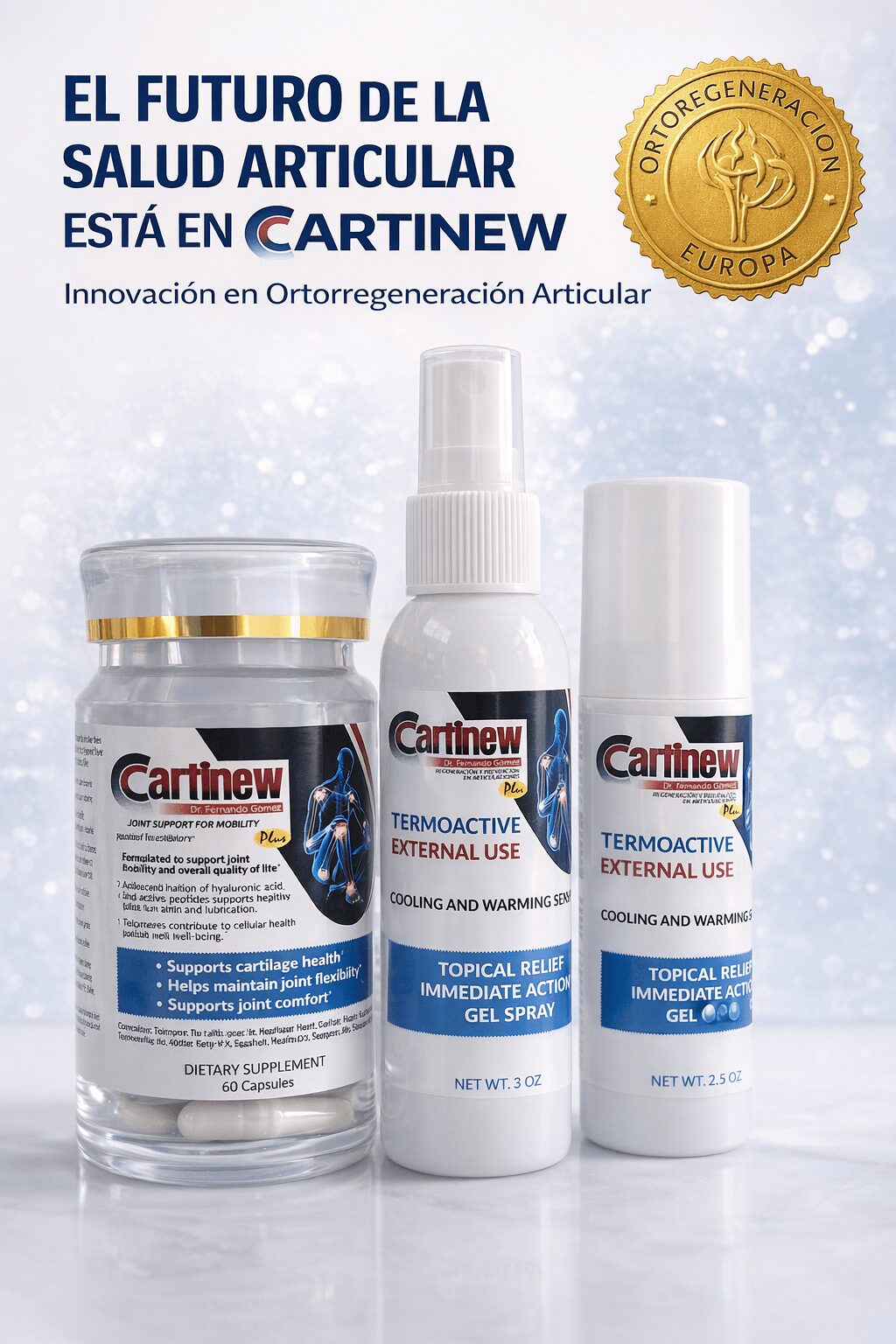
From this vision emerged Cartinew.
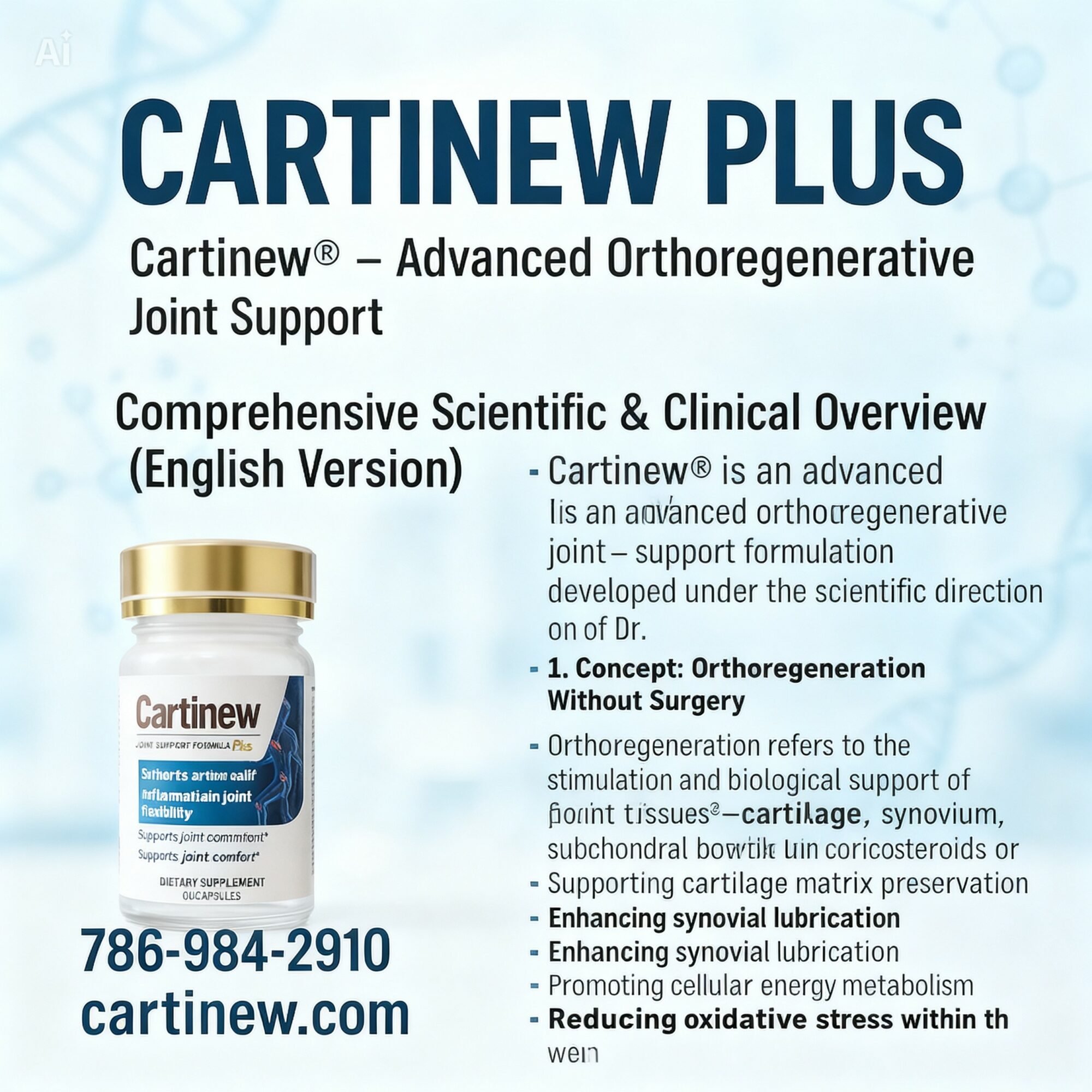
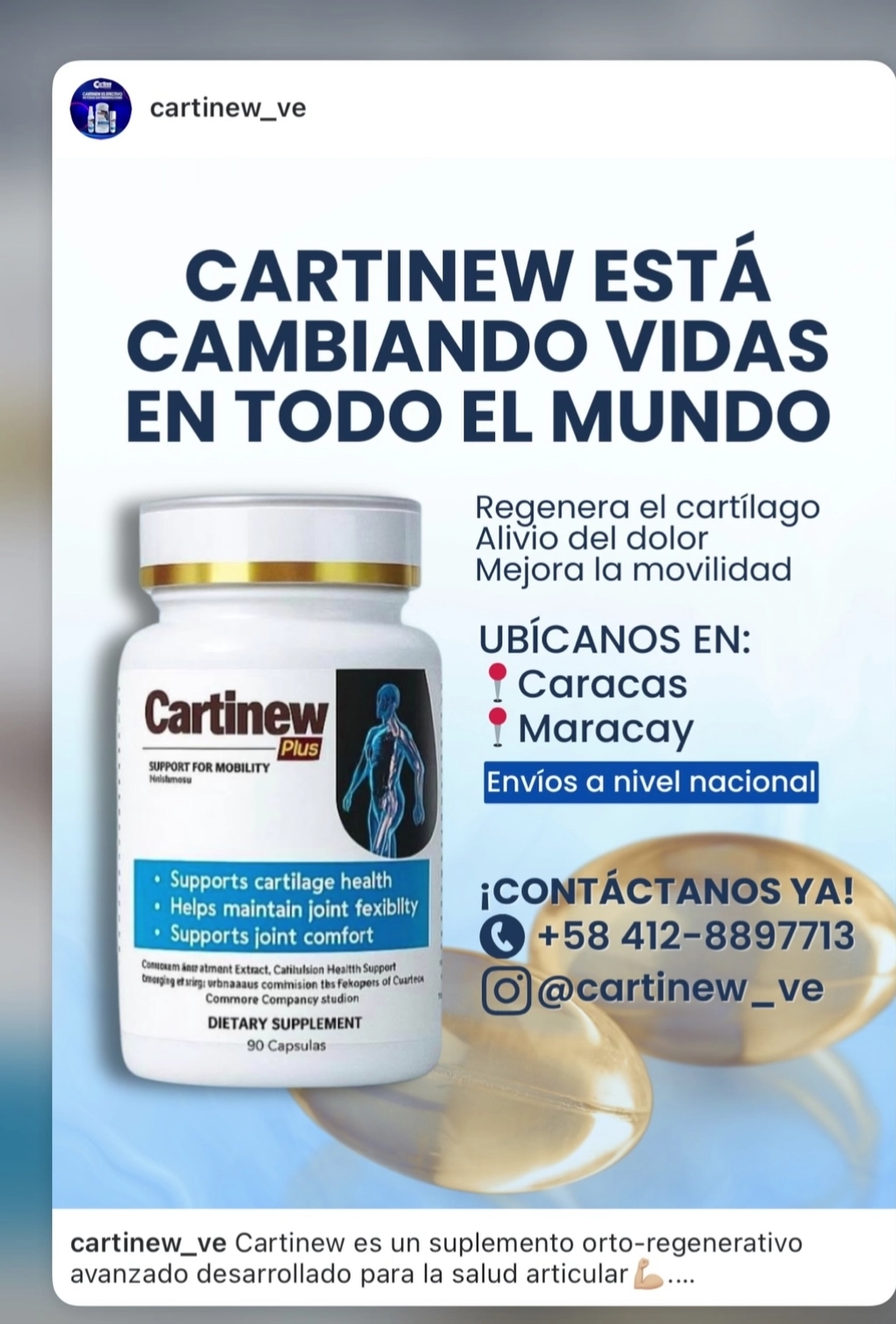
More than a supplement, Cartinew represents a scientific statement: a formulation inspired by stem cell–derived bioactive signaling, high molecular weight hyaluronic acid support, advanced collagen peptides, NAD+ pathways, and molecular mechanisms associated with cartilage preservation and biomechanical resilience.
Designed under the doctrine of orthoregeneration, Cartinew was developed to:
Support cartilage integrity
Enhance synovial function
Promote structural mobility
Reduce inflammatory cascades
Optimize joint performance
Dr. Gómez’s work reflects a sophisticated integration of clinical orthopedics and regenerative science — bridging surgical expertise with biologic advancement.
Today, his mission extends beyond treatment. It is about redefining joint longevity, elevating performance, and offering patients a pathway toward preservation instead of replacement.
A new era in joint health is not about managing decline — it is about engineering restoration.
Would you say it’s been a smooth road, and if not what are some of the biggest challenges you’ve faced along the way?
Success is often described as a “smooth road,” but in reality, it is built through resilience, discipline, and long-term vision. My journey from Venezuela to the United States as an orthopedic surgeon and scientist reflects that principle.
Early Medical Formation in Venezuela
I began my medical education and orthopedic training in Venezuela, where I developed a deep understanding of musculoskeletal pathology, trauma, and joint reconstruction. During those formative years, I witnessed firsthand the limitations of traditional treatments for degenerative joint disease—particularly osteoarthritis. Many patients relied heavily on corticosteroids, NSAIDs, or ultimately surgery. While effective in certain cases, these approaches did not fully address the biological deterioration of cartilage.
This early exposure shaped my long-term clinical question: Can we regenerate joint tissues instead of simply managing symptoms?After relocating to the United States, I continued my postgraduate development in orthopedic subspecialties, particularly shoulder and knee pathology. The U.S. healthcare system exposed me to cutting-edge research, regenerative medicine advancements, and translational science.
Being an immigrant physician in America required:
Credential validation and licensing
Cultural and language adaptation
Professional reintegration
Rebuilding clinical credibility in a new system
However, these challenges strengthened my scientific discipline and entrepreneurial mindset. The U.S. medical environment also reinforced something crucial: innovation thrives where science and opportunity intersect.My clinical experience in both Venezuela and the United States highlighted a common pattern:
Chronic joint pain
Progressive cartilage degeneration
Decreased mobility
Dependency on temporary anti-inflammatory solutions
This led to the conceptual foundation of an orthoregenerative approach — targeting cartilage preservation, synovial health, and cellular support rather than only pain suppression.
The concept behind Cartinew was not simply supplementation. It was built around:
Hyaluronic acid support for synovial lubrication
Collagen matrix reinforcement
NAD+ cellular energy pathways
Bioactive peptides
Stem-cell–inspired regenerative signaling
The goal was to support joint microenvironment optimization — a biological strategy rather than a symptomatic one.
From Concept to Product Development
Developing a medical supplement in the United States as an immigrant physician required:
Scientific formulation research
Regulatory compliance
Laboratory partnerships
Branding and distribution infrastructure
Clinical validation through real-world patient outcomes
The process demanded interdisciplinary integration: medicine, biochemistry, manufacturing, regulatory law, and business development.
It was not accidental success. It was structured innovation.
The Immigrant Advantage
Being an immigrant scientist carries a unique advantage:
Adaptability
Risk tolerance
Long-term vision
Cultural perspective
Determination to build legacy
The “smooth road” is not the absence of obstacles. It is the ability to move forward despite them — with clarity of purpose.
Alright, so let’s switch gears a bit and talk business. What should we know about your work?
am best known for integrating clinical orthopedics with regenerative science and for developing Cartinew, a joint-health formulation designed to support cartilage biology, synovial fluid optimization, and cellular energy pathways.
Rather than focusing solely on symptom suppression, my work emphasizes:
Microenvironment modulation within the joint
Support of collagen matrix integrity
Hyaluronic acid–mediated lubrication
NAD+-associated cellular energy metabolism
Bioactive peptide signaling
This biological approach has positioned me at the intersection of orthopedic surgery and regenerative innovation.Several factors differentiate my professional trajectory:
1. Dual-System Medical Formation
Training and practicing within both Venezuelan and U.S. medical systems provided a broader clinical perspective and adaptability in complex healthcare environments.
2. Surgeon + Scientist + Developer
Many clinicians practice medicine. Fewer translate clinical observations into product development. I bridge surgical practice, research-based formulation, and biomedical entrepreneurship.
3. Orthoregeneration Focus
While traditional orthopedics often progresses from conservative care to surgery, my framework emphasizes joint preservation before structural failure occurs.
4. Immigrant Resilience
Re-establishing a medical career in the United States required regulatory validation, system reintegration, and entrepreneurial initiative. That process strengthened my long-term vision and strategic execution.
How do you think about luck?
Being born and trained in Venezuela during periods of economic and institutional instability could be seen as “bad luck.” Limited research infrastructure, fewer technological resources, and professional uncertainty created significant obstacles.
But adversity forces adaptation.
Those early limitations sharpened my clinical skills, strengthened my problem-solving mindset, and taught me to think independently. What appeared to be bad luck became resilience training.
Immigration: Risk or Fortune?
Relocating to the United States as a physician required starting over in many ways:
Credential validation
Cultural adaptation
Professional reintegration
Building networks from scratch
Some might call the opportunity to practice in the U.S. good luck. I view it differently.
The opportunity existed — but it required discipline, strategic planning, and sustained effort to convert that opportunity into a career trajectory.
Luck may open a door. Preparation determines whether you can walk through it.
Business and Innovation
When developing a joint-health formulation and entering the biomedical market, there were moments that could be labeled “fortunate”:
Meeting the right laboratory partners
Connecting with early adopters
Entering the market during increased interest in regenerative medicine
But timing alone does not create sustainability.
Scientific credibility, formulation research, regulatory compliance, and long-term brand positioning are not products of luck — they are structured processes.
Pricing:
- 100
Contact Info:
- Website: https://Cartinew.com
- Instagram: @ferluisgo
- Facebook: Fernando gomez
- Twitter: @ferluisgo
- Youtube: @ferluisgo