



Today we’d like to introduce you to Diana De Avila.
Hi Diana, we’re thrilled to have a chance to learn your story today. So, before we get into specifics, maybe you can briefly walk us through how you got to where you are today?
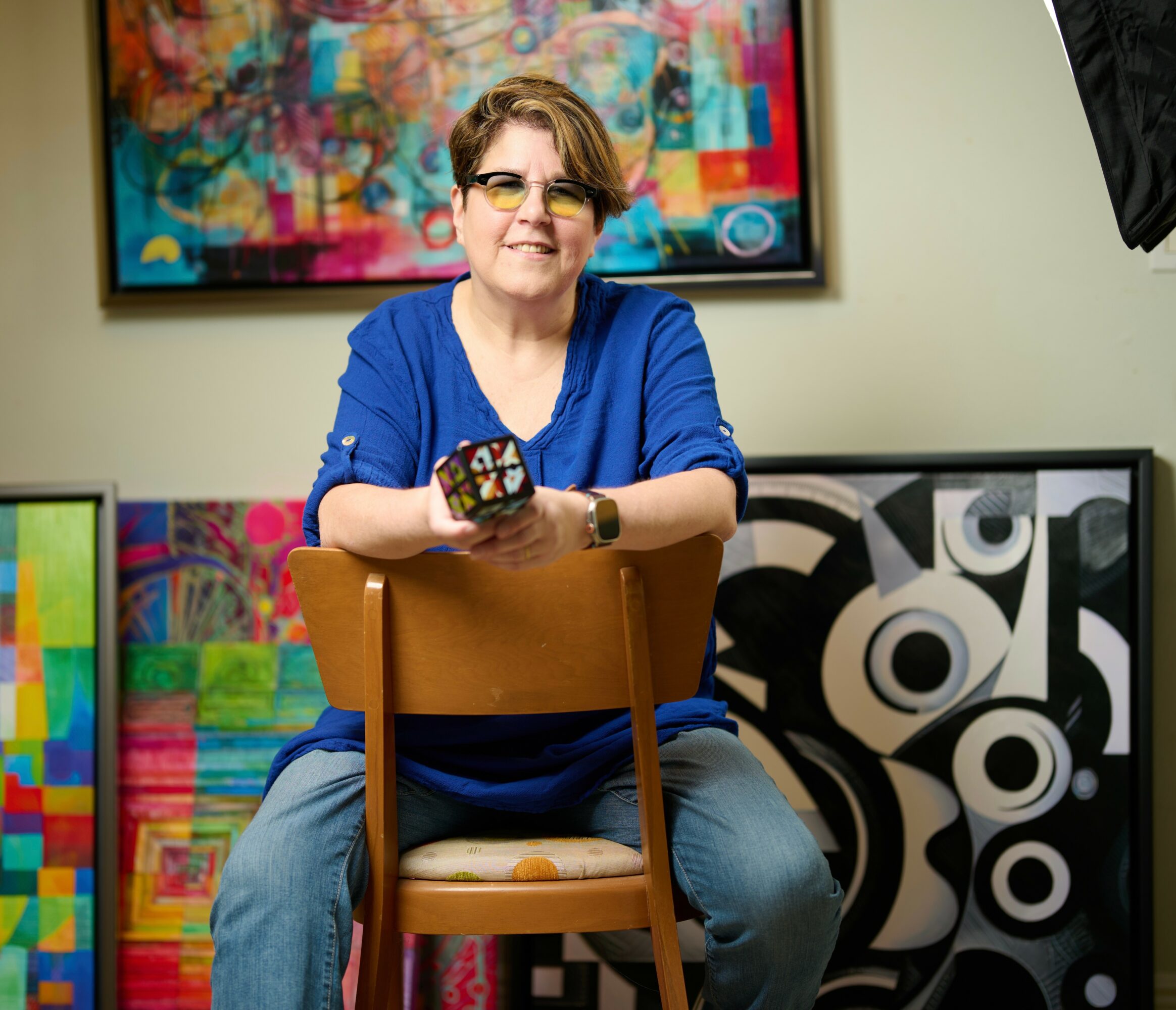
I’m a Sarasota-based digital artist working at the intersection of geometry, perception, motion, and technology. My path into art was unconventional. I served in the U.S. Army as a Military Police officer, later worked in technology and business, and did not consider myself a professional artist until much later in life.
After a series of neurological and health challenges, including multiple sclerosis and traumatic brain injury, I experienced a dramatic shift in visual perception and began creating art intensely. What started as an internal process of exploration evolved into a full-time practice centered around pattern recognition, fractal geometry, light, structure, and what I now describe as neuroaesthetic art — work intentionally designed to influence focus, emotion, and nervous system response.
Over time, the work expanded from experimental fractals into large-scale digital compositions, motion art, public art concepts, and immersive visual environments. My artwork has appeared in airports, exhibitions, public installations, and corporate spaces, and I’m represented nationally through ArtLifting. I’m especially interested in how digital art can exist beyond the screen through architecture, licensing, motion design, and public experience.
Today my practice continues to evolve alongside advances in technology. I use a combination of digital tools, photography, vector construction, fractal systems, and AI-assisted workflows as part of a larger creative process, but the core of the work is still deeply human: creating visual structure, reflection, and moments of calm in an increasingly overstimulated world.
Alright, so let’s dig a little deeper into the story – has it been an easy path overall and if not, what were the challenges you’ve had to overcome?
It definitely has not been a smooth road. One of the biggest challenges has been working as a digital artist in a traditional art world that still often prioritizes physical mediums over technology-based practices. When I began creating professionally in 2017, digital art was still frequently viewed as secondary to painting or sculpture, and there was a great deal of misunderstanding around how much technical skill, conceptual development, and intentionality goes into the work.
As technology evolved, those conversations became even more complicated with the rise of AI tools. I’ve spent a lot of time explaining that digital art is not one thing, and that technology can function as a legitimate artistic medium rather than a replacement for human creativity. My own process combines fractal systems, photography, vector construction, motion, and emerging technologies, but the artistic vision, composition, emotional direction, and decision-making are still deeply human.
Finding the Techspressionist movement was incredibly important because it introduced me to a community of artists who were also exploring the intersection of art, technology, and contemporary culture in thoughtful ways. For the first time, I felt less isolated creatively and more understood as an artist working in a forward-looking medium.
I’ve also been fortunate to find support through organizations that value innovation and experimentation in the arts, including the International Society of Experimental Artists (ISEA), the National Association of Women Artists (NAWA), and ArtLifting. Those communities helped reinforce that digital and technology-driven work absolutely belongs within the larger contemporary art conversation.
There have also been significant personal and health-related challenges along the way. Living with neurological and autoimmune conditions means I’ve had to adapt constantly, both physically and cognitively. But in many ways, those experiences shaped the work itself. Art became both a professional path and a tool for healing, structure, focus, and meaning. Rather than working against technology or change, I’ve learned to embrace evolution — both in life and in art.
Thanks – so what else should our readers know about your work and what you’re currently focused on?
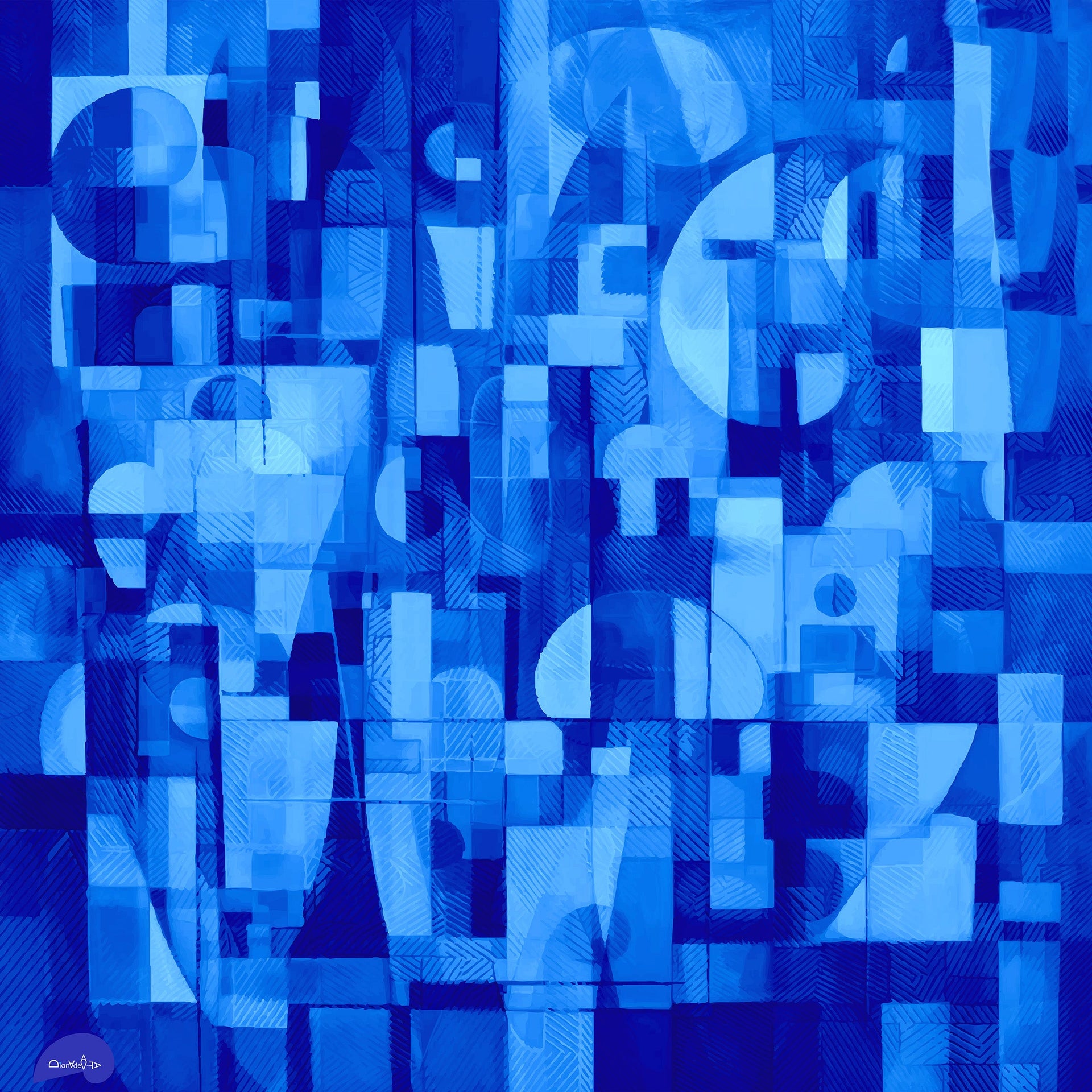
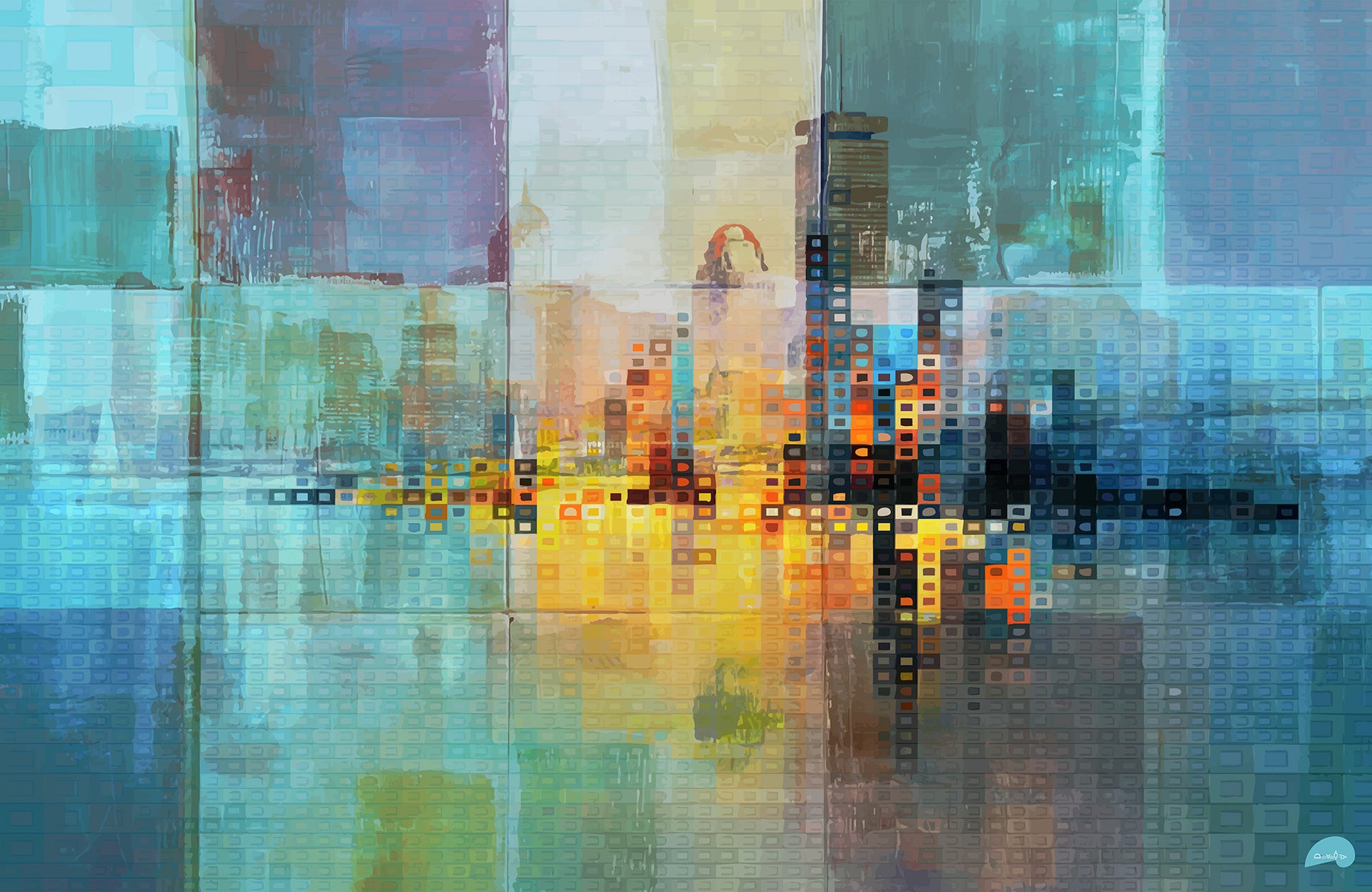
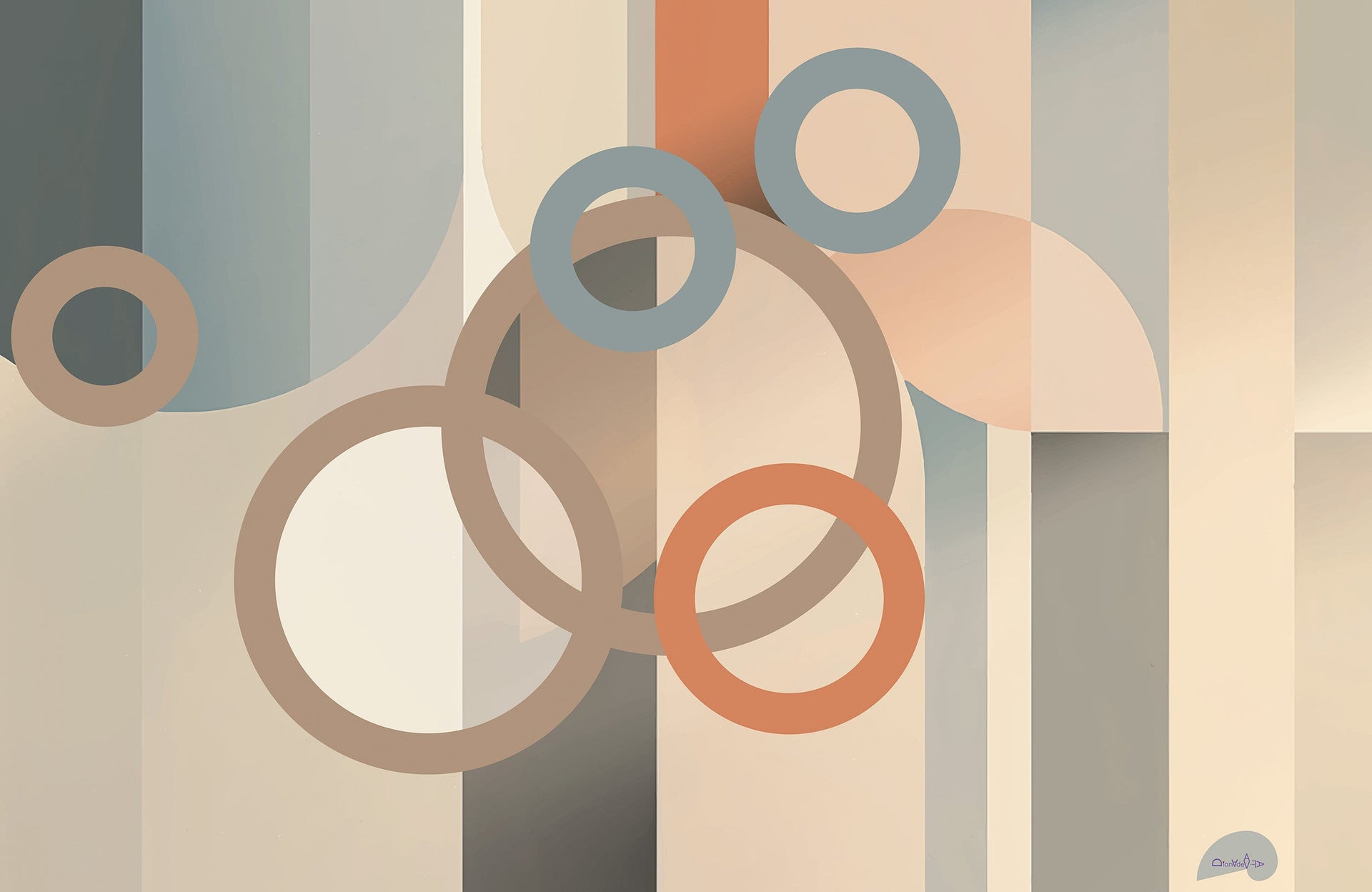
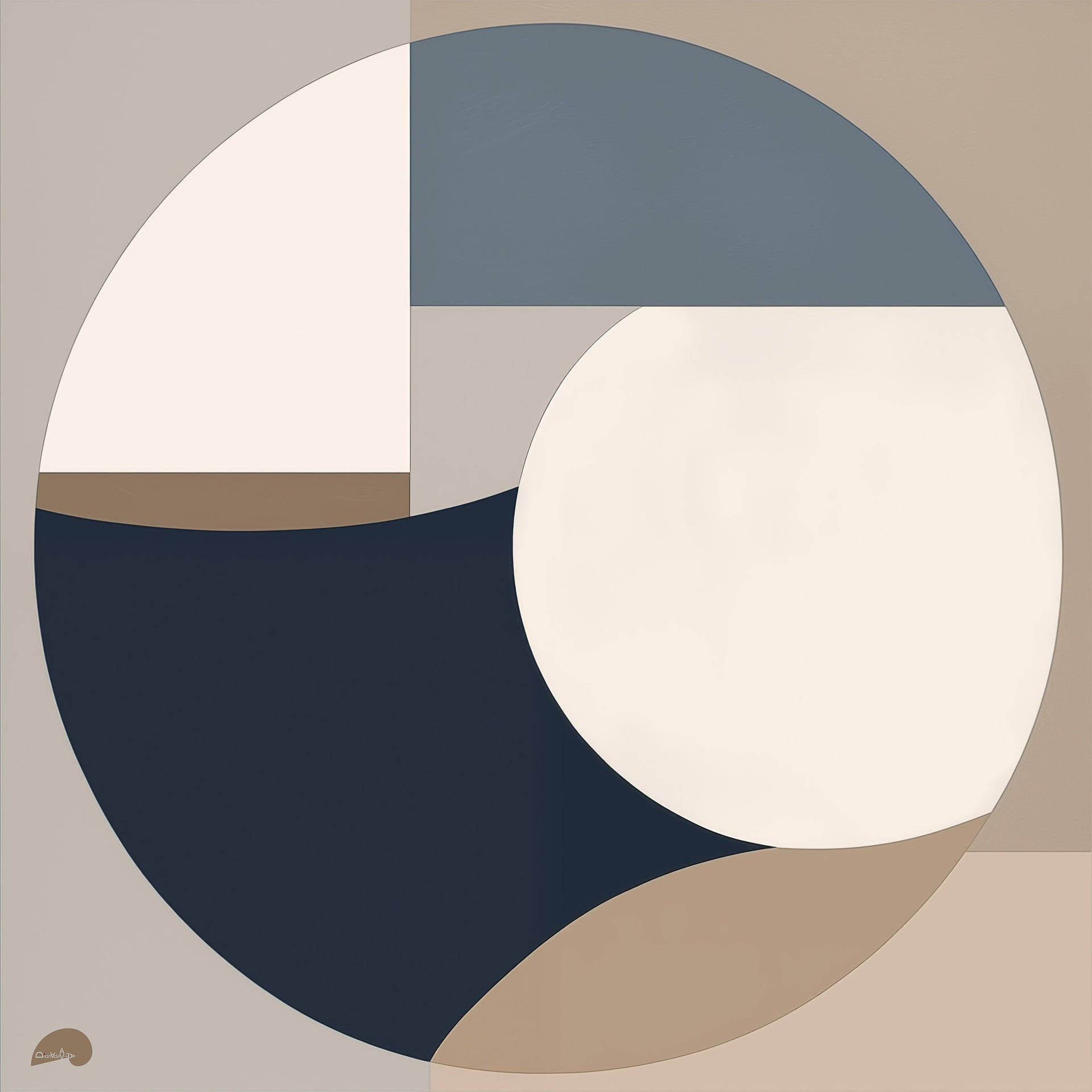
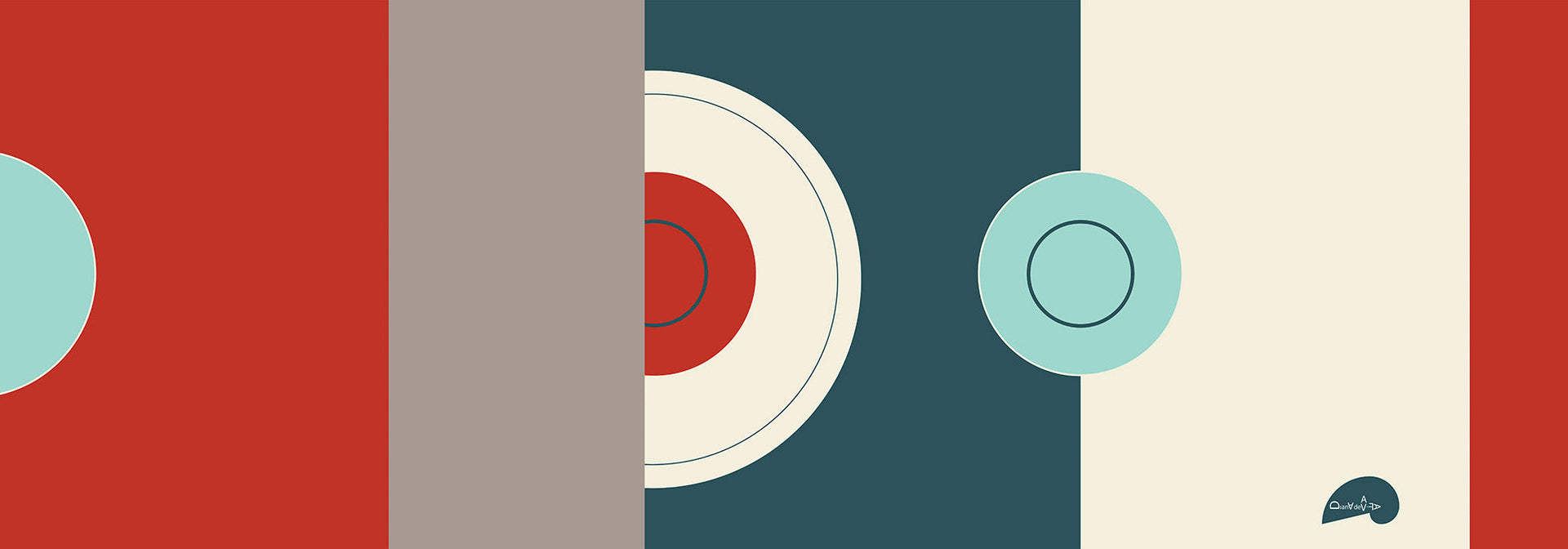
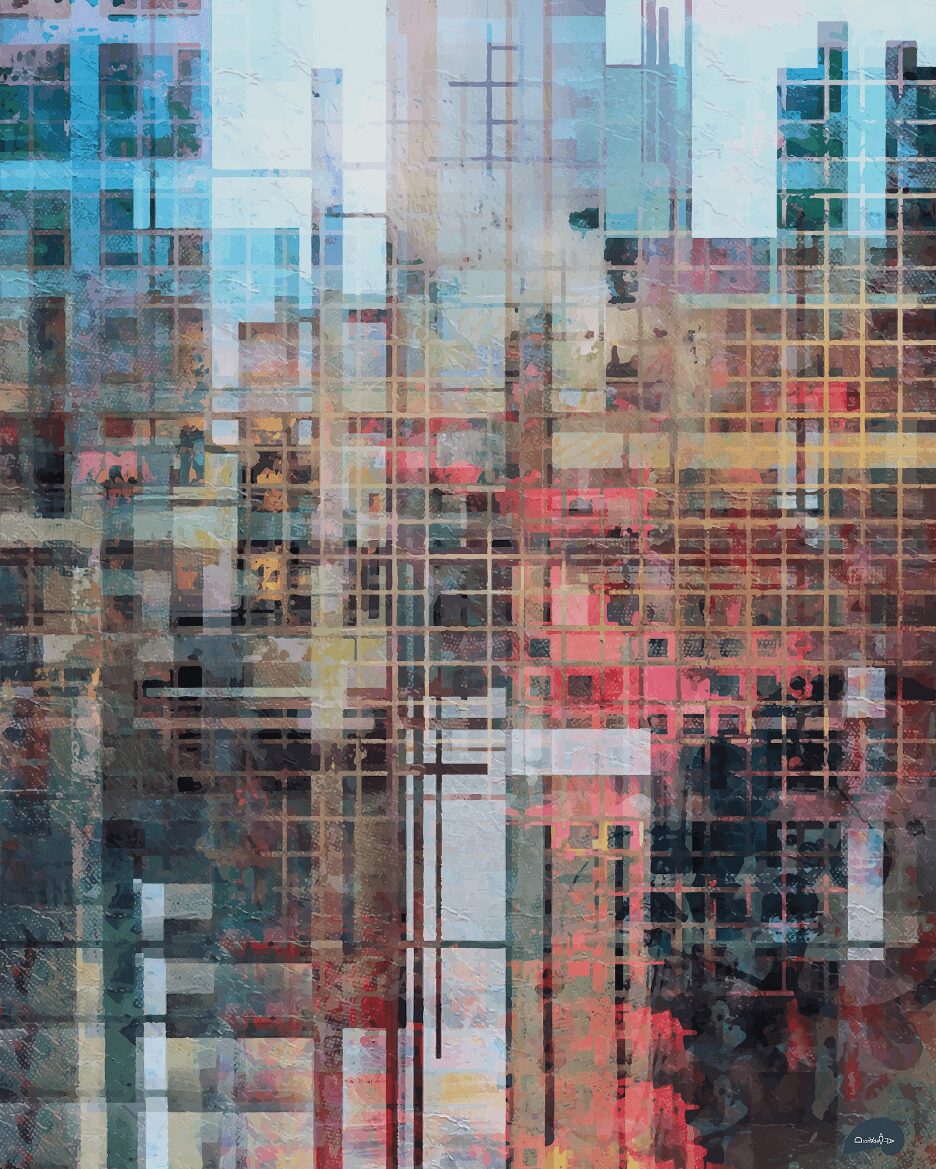
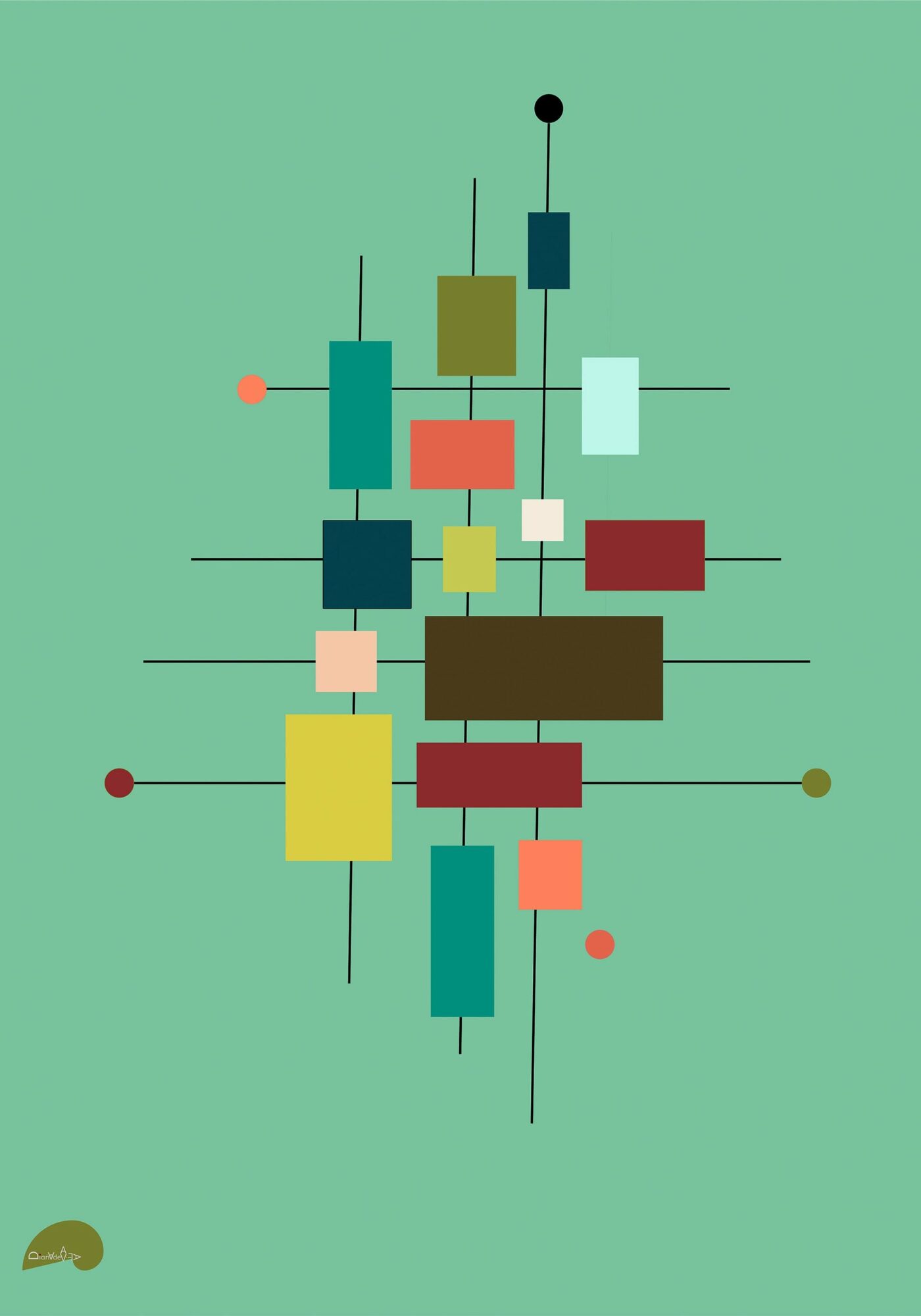
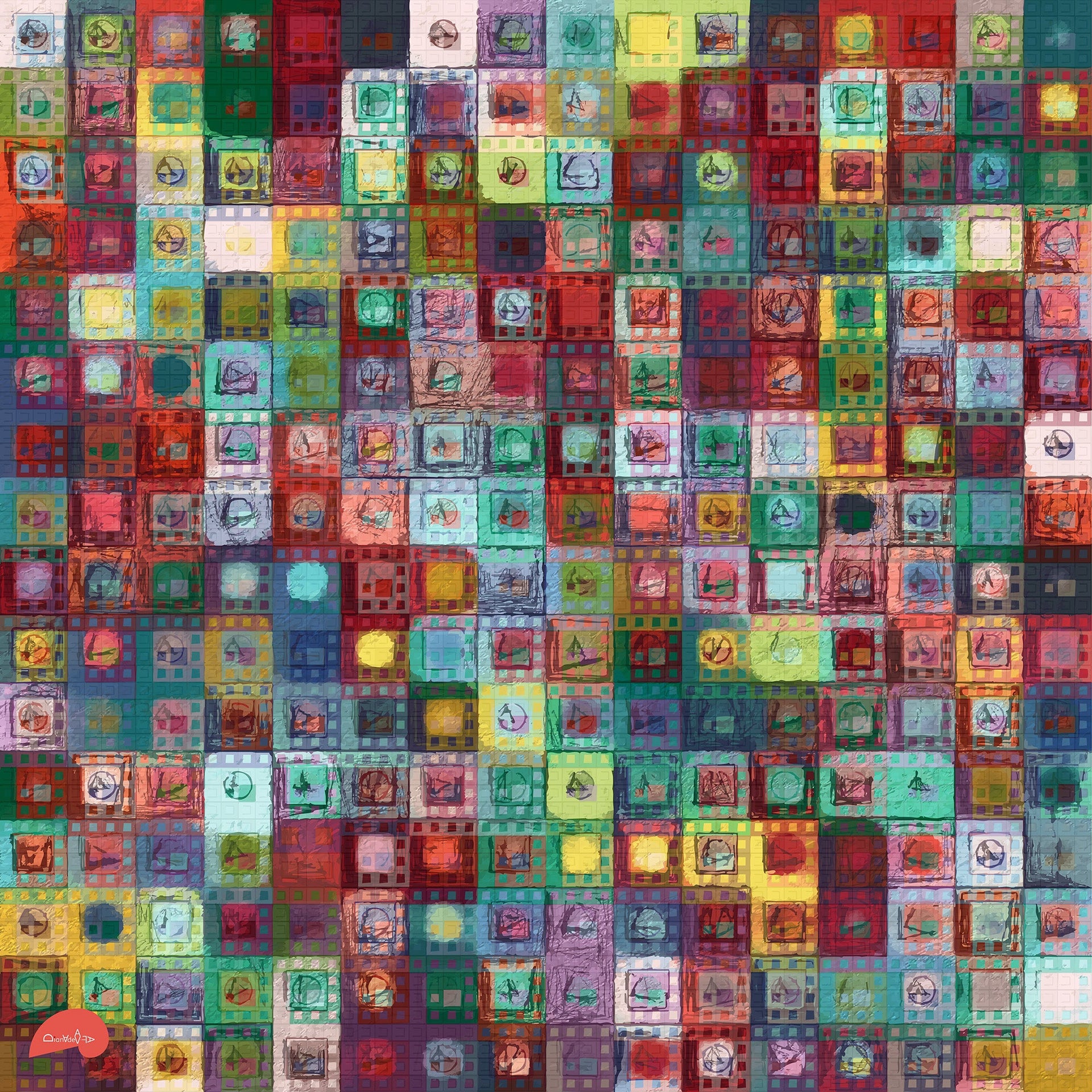
My work centers on digital abstraction, geometric systems, and neuroaesthetic design. I create layered visual environments using fractal structures, vector geometry, photography, motion, and computational processes to explore how pattern, color, rhythm, and spatial relationships affect perception and emotion.
I specialize in work that bridges contemporary fine art and technology. Rather than viewing digital tools as separate from traditional practice, I use them as creative instruments for composition, structure, and experimentation. My work often balances architectural precision with organic complexity through repetition, transparency, layered geometry, and motion.
I’m especially known for immersive abstract works that reward sustained attention and reveal new relationships over time. Some pieces are energetic and densely layered, while others are intentionally calming or meditative. Interestingly, I didn’t discover the field of neuroaesthetics until last year, but when I did, it immediately felt like a perfect framework for understanding my work. I realized I wasn’t creating from a fixed visual style so much as from intuition, perception, and nervous system response. Each piece organizes visual information differently by design.
What I’m most proud of is building a body of work that connects across very different audiences, from contemporary art spaces to public environments and technology communities. What sets me apart is my approach to technology as a deeply human medium — using systems, perception, and digital tools not to replace creativity, but to expand how we experience it.
What sort of changes are you expecting over the next 5-10 years?
I think we’re entering a period where the boundaries between traditional art, digital art, motion, immersive media, and AI-assisted creation will continue to dissolve. Technology is becoming less of a separate category and more of an integrated creative language, much like photography or digital editing eventually became accepted parts of artistic practice.
I also think audiences are becoming more visually literate and more open to work created through unconventional processes. Younger generations have grown up inside digital environments, so they don’t automatically see technology as less authentic or less human. In many ways, digital art is simply reflecting the world we now live in.
I believe we’ll also see a major expansion of art designed specifically for screens, motion environments, and architectural spaces. Screens are increasingly becoming another form of canvas — not just for entertainment or advertising, but for immersive visual experiences, public art, healthcare environments, hospitality spaces, and neuroaesthetic design. Motion art, ambient digital installations, and responsive environments are still in their early stages.
AI will absolutely become part of that conversation, but I don’t believe it replaces human creativity. Like any tool, its value depends on the intention, discernment, and vision of the artist using it. I think we’ll see a growing distinction between work that is merely generated and work that is thoughtfully directed, shaped, edited, and integrated into a larger artistic practice.
At the same time, I think there will be renewed appreciation for authenticity, intentionality, and personal voice. As technology becomes more accessible, the artist’s perspective — the human framework behind the work — may become even more important, not less.
Contact Info:
- Website: http://www.dianadeavila.com
- Instagram: https://www.instagram.com/_dianadeavila
- Facebook: https://www.facebook.com/DianadeAvilaArtist
- LinkedIn: https://www.linkedin.com/in/ddeavila
- Other: https://www.artlifting.com/collections/diana-de-avila