


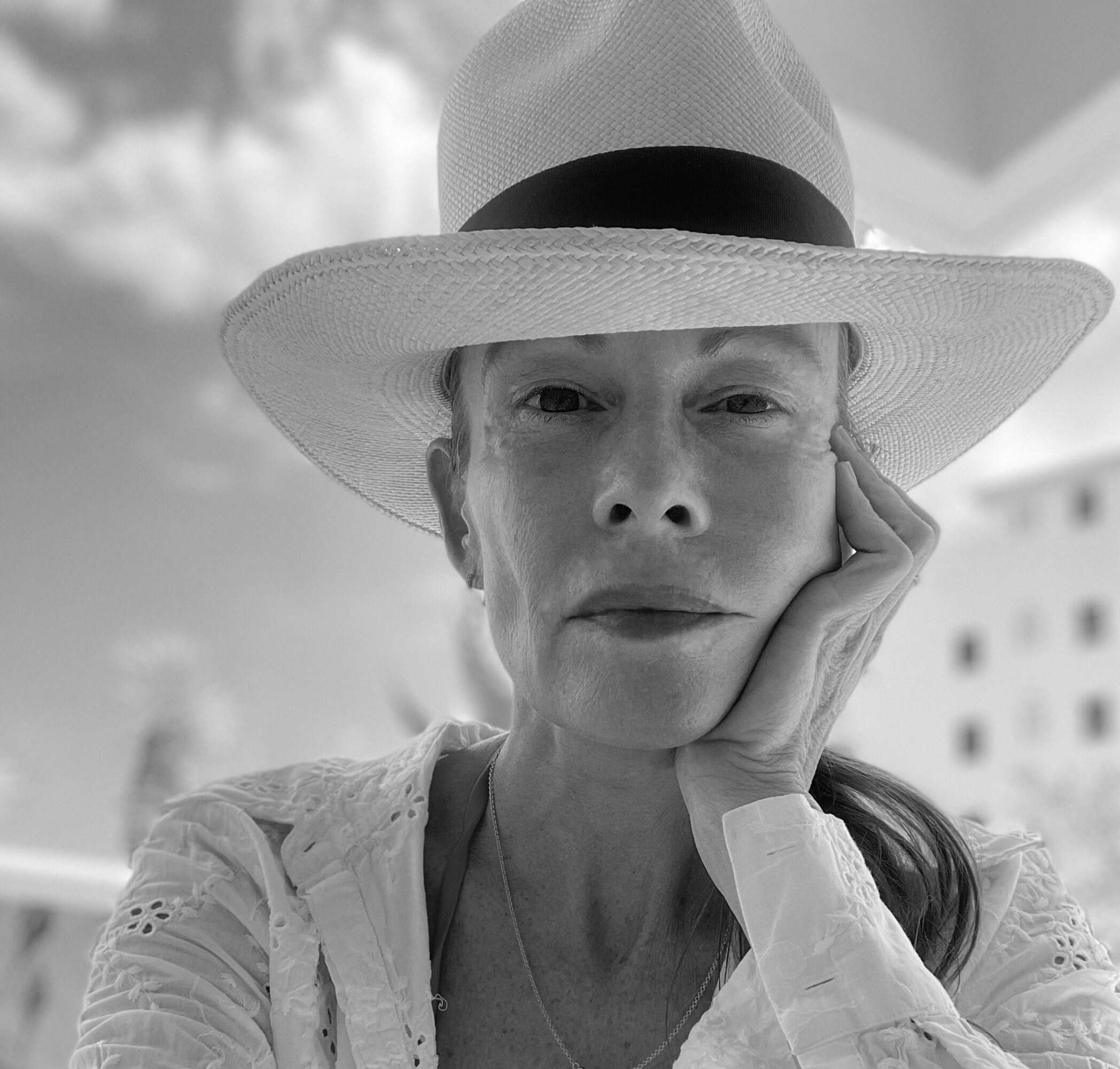
Today we’d like to introduce you to Amanda Nicol.
Hi Amanda, thanks for joining us today. We’d love for you to start by introducing yourself.
Thank you to Voyage Miami for the conversation and opportunity to share more about Jewelry One of a KIND.
I’ve spent more than twenty years in the jewelry industry, but my relationship with jewelry started long before it became a business.
I studied fine art at The School of the Museum of Fine Arts at Tufts University and was always drawn to objects that carried memory, symbolism, and emotional weight. Jewelry, for me, was never just adornment. It has always been tied to memory — the stories of my life, vacations, family, birthdays, holidays, travel, and moments I wanted to remember. If there was a time or place I wanted to hold onto, I would make, buy, give, or photograph jewelry connected to it.
One of my earliest influences for my first jewelry company came from traveling to Namibia in 1999, where I saw traditional jewelry made from elephant hair wire. The material had this incredible raw strength to it — sculptural, organic, almost architectural.
I wanted to recreate that feeling in sterling silver and gold. This was before I even knew how to make jewelry. I purchased wire and began making rings from one continuous piece tied into a knot. That design eventually became my signature Namibian Wire Collection, now renamed the Amanda Ring, which is still part of the collection today.
That inspiration became the foundation of my early wire ring collection.
When I returned to New York, I spent nearly a year applying to be part of the MoMA Design Store collection in SoHo. Eventually, my Namibian Wire Collection and Candy Collection were accepted, and MoMA became my first major account.
That experience shaped everything. It taught me that jewelry could exist as wearable art — sculptural, collectible, emotionally resonant, and culturally relevant all at once.
Another defining piece came from a very personal memory.
Years ago, after a memorial dinner in Culebra, Puerto Rico, following a family tragedy, I pulled langoustine shells out of the trash because I wanted to save them. I instinctively knew I would eventually make something from them, even though at the time I had no idea how. My family thought I was completely out of my mind.
But I could already see the bracelet in my head.
Years later, after studying wax carving at the 92nd Street Y in New York under master carver Tova, I finally brought that vision to life through what became the Culebra Claw bracelet, which remains one of the defining pieces in my collection today.
That process still defines how I design now.
Everything begins with texture, memory, tension, shape, or story. I believe jewelry holds personal history. Since the beginning of time, people have worn their stories through jewelry.
Every piece is carved, beaded, shaped, refined, and produced intentionally in small batches.
I’ve had many careers over the years, and when I returned to jewelry after stepping away from the industry in 2008, I knew I wanted to build things differently this time.
That philosophy became part of the foundation for Jewelry One of a KIND — a small-batch collectible jewelry company rooted in craftsmanship, storytelling, experience, and emotional permanence.
Today we create museum-quality jewelry collections, participatory jewelry experiences, hotel and corporate collaborations, and handcrafted pieces using recycled metals, reclaimed stones, pearls, and traditional carving techniques.
Can you talk to us a bit about the challenges and lessons you’ve learned along the way. Looking back would you say it’s been easy or smooth in retrospect?
After years of building my first jewelry company with 45+ wholesale accounts and one of the earlier e-commerce jewelry businesses — including accounts like MoMA Design Store, Fred Segal, and boutiques across New York, Los Angeles, and Japan — the 2008 recession forced me to reevaluate both my business and my future. Read between the lines, folks.
At the time, I was living in Princeton, New Jersey, completely determined to make my way back to New York City. The universe, however, had other plans and communicated them in what I can only describe as extremely clear terms.
I won’t get into all the gory details, but let’s just say I was figuratively and literally hit over the head enough times to eventually realize I was going in the wrong direction.
There’s that joke about the man in the flood who keeps saying, “God will save me,” while people keep showing up with boats and helicopters trying to rescue him. Then he gets to the pearly gates and asks what happened, and God says, “I sent you a boat, a helicopter…”
That was me.
You can say I’m a little dense.
So moving to Miami in 2019 ended up becoming one of those blessings-in-disguise life lessons, although to be clear, the move itself was not exactly intentional either.
I had lived here briefly in the late ’90s while running a fine art gallery on Lincoln Road designed by architect Carlos Zapata, so Miami Beach already existed in my personal history. I was familiar with the city, the energy, the contradictions, the creativity, and the constant reinvention.
I know I cannot officially claim the 305, and I fully respect native Miamians on that subject, but I do consider myself at least a half-native at this point.
I love this city with every part of my being.
And what I’ve come to appreciate most is the community-driven evolution happening here — the artists, makers, small businesses, hospitality spaces, and creative people building culture in real time.
That layered, resilient, chaotic, creative energy deeply influenced both my work and the direction of the company.
One of the biggest lessons I’ve learned is that I don’t need to have everything figured out to begin. Earlier in my career, I naively thought success was about having all the answers. Now I think the opposite is true.
I treat everything as research.
Every collection, conversation, collaboration, and experience teaches me something:
what people connect to,
what creates memory,
what people value,
and what lasts.
This time around, I’m building very differently.
Much slower.
Much more intentionally.
And honestly, the slower I build, the better things seem to work out. Amazing what a long-term career trajectory — and a few entrepreneurial emotional-support plot twists — can do for your perspective and emotional well-being in business.
Appreciate you sharing that. What else should we know about what you do?
Jewelry One of a KIND is a small-batch collectible jewelry company creating museum-quality jewelry, jewelry experiences, and collaborations with hotels, museums, brands, and private groups.
What we make sits somewhere between jewelry, memory object, collectible design, and personal storytelling.
I’ve always been interested in the emotional life people have with jewelry. For me, it was never just adornment.
Jewelry has always been connected to memory — travel, family, birthdays, holidays, celebration, grief, relationships, and moments I wanted to hold onto.
If there was a time or place I wanted to remember, I would make jewelry around it, buy jewelry connected to it, receive it, gift it, collect it, or photograph it.
I think people remember more about how you made them feel than they do about… I don’t know… fill in the blank. That’s what I want the work to do.
Everything is produced intentionally in small batches using recycled metals, reclaimed gemstones, pearls, traditional carving techniques, and handcrafted elements that make every piece slightly different from the next.
For example, the Marya bracelet always include baroque pearls and green and turquoise stones, but no two are ever exactly the same. Even the clasps are individually handmade each time using our signature safety-pin-style KIND clasp™ design.
I often say I create heirlooms — not the kind people lock away, but the kind they carry through their lives.
What also sets the company apart is that we produce here in Miami Beach, where the cost of living is high, and the jewelry is priced accordingly because the people making the work are paid well.
We are not outsourcing production somewhere far away simply because it is less expensive.
Jewelry One of a KIND is survivor-led and survivor-made, and the economic structure of the company is intentionally built so the money flows directly into the pockets of the artisans, makers, and small businesses we work with.
The craftsmanship and the economic model are interconnected, and to me, that feels revolutionary.
I’m also deeply interested in how jewelry exists within hospitality, travel, and shared experiences.
Through our jewelry experiences, people become part of the process itself. They learn how difficult handcrafted jewelry actually is to make, participate in creating pieces connected to their own stories, and leave understanding the craftsmanship behind the object in a completely different way.
That shift in understanding is incredibly meaningful to me.
In many ways, that participatory model is the most revolutionary aspect of the company.
People are not only collecting jewelry.
They are supporting craftsmanship, creative labor, small businesses, and community through the act of collecting itself.
What I’m most proud of is building a company where craftsmanship, collectibility, storytelling, thoughtful economics, hospitality, and human connection can all exist together without sacrificing the integrity of the work itself.
Do you have any advice for those just starting out?
Originally, I thought business was mostly about sales and marketing. I thought once I got into stores everything would be smooth sailing.
That, it turns out, was just the tip of the iceberg.
What I learned is that building something meaningful and sustainable became much more about people, structure, collaboration, adaptability, relationships, and being honest about what I don’t know.
When I was younger, I thought success was about having all the answers — or at least looking like I did. Now I think the opposite is true.
The more willing I am to ask questions, stay curious, and say, “Tell me more about that,” the more I learn.
Honestly, that openness has probably taught me more than pretending I had everything figured out ever could. Some people mistake curiosity for inexperience. I’ve found the opposite is usually true.
Earlier in my career, I was very focused on proving myself. Now I’m much more interested in building the right team, listening carefully, staying adaptable, and creating something people genuinely connect to over time.
When I was younger, I thought every opportunity was life or death. I thought everyone else knew what they were doing and I somehow missed the meeting.
Then eventually I realized:
most people are figuring it out in real time.
I remember being in Nicole Miller’s office years ago for a potential private label project. I was probably around 30 at the time, very young, very green, and trying extremely hard to look like I knew exactly what I was doing.
We were maybe only in the second meeting about the project and nothing had even been papered yet when one of the executives came into the room essentially saying:
“Can you guys hurry up? I need to get a press release to The Wall Street Journal.”
Meanwhile my head was absolutely spinning because I had no idea what was happening.
And also… I was sitting there talking to… hello… Nicole Miller… Pinch me!
At the time, I thought everyone around me possessed some magical secret business knowledge that I had somehow missed out on.
Now I realize a huge part of business is simply learning how to stay calm while things are unfolding in real time.
I learned that I could pause.
I could ask questions.
I could say:
“Tell me more about that.”
I could say:
“I’d like to think about that and get back to you.”
I did not need to panic simply because someone else was moving quickly.
Experience eventually taught me that most people are figuring it out as they go — just at different levels of confidence.
This time around, I’m building very differently.
Much slower.
Much more intentionally.
And honestly, the slower I build, the better things seem to work out.
I treat everything as research.
Every conversation, collaboration, collection, and experience teaches me something:
what creates connection,
what people value,
and what actually lasts.
A lot of the ideas behind Jewelry One of a KIND came through experimentation, reinvention, travel, conversations, and paying attention to what stayed with me emotionally long after the moment itself passed.
One of the biggest lessons I’ve learned is that clarity often comes through the process itself. I did not need to have everything figured out before beginning.
That’s probably the biggest thing I learned:
Slow down enough to understand what is actually happening around me.
Ask thoughtful questions.
Listen carefully.
Pay attention to what keeps pulling me back.
There’s usually a reason.
Pricing:
- Small-batch jewelry collections currently range from approximately $60–$7,900.
- Sterling silver and brass rings begin around $60–$350, while sculptural gold pieces and collector designs range higher depending on materials and rarity.
- Bracelets typically range from $178–$350, and necklaces range from approximately $295–$490 for signature gemstone and pearl collections.
- Private jewelry experiences, hospitality activations, custom gifting, and collaborations are available through inquiry.
Contact Info:
- Website: https://jewelryoneofakind.com/
- Instagram: https://www.instagram.com/jewelry_oneofakind/
- LinkedIn: https://www.linkedin.com/in/amandanicol/
- Other: https://jewelryoneofakind.substack.com/
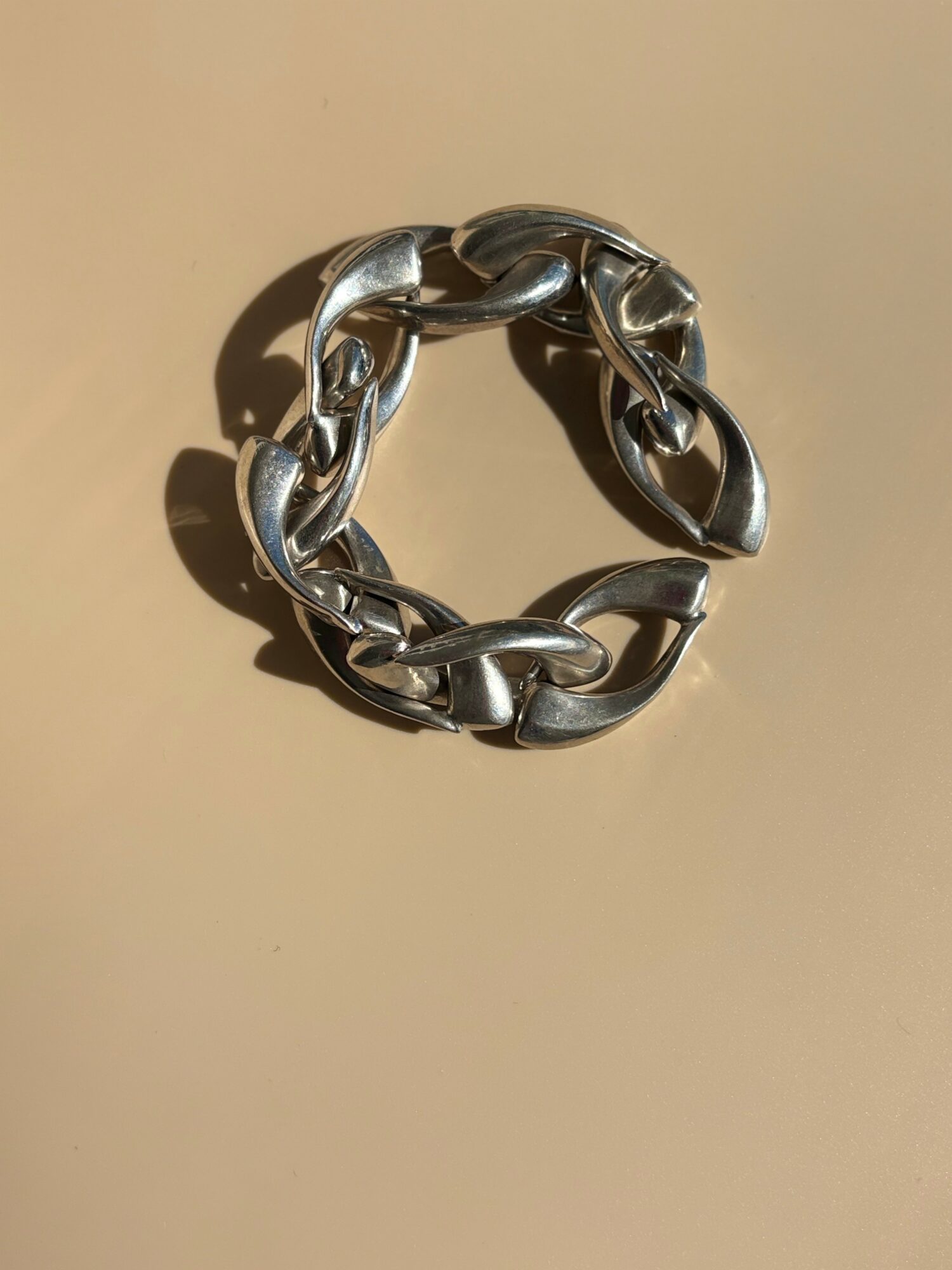
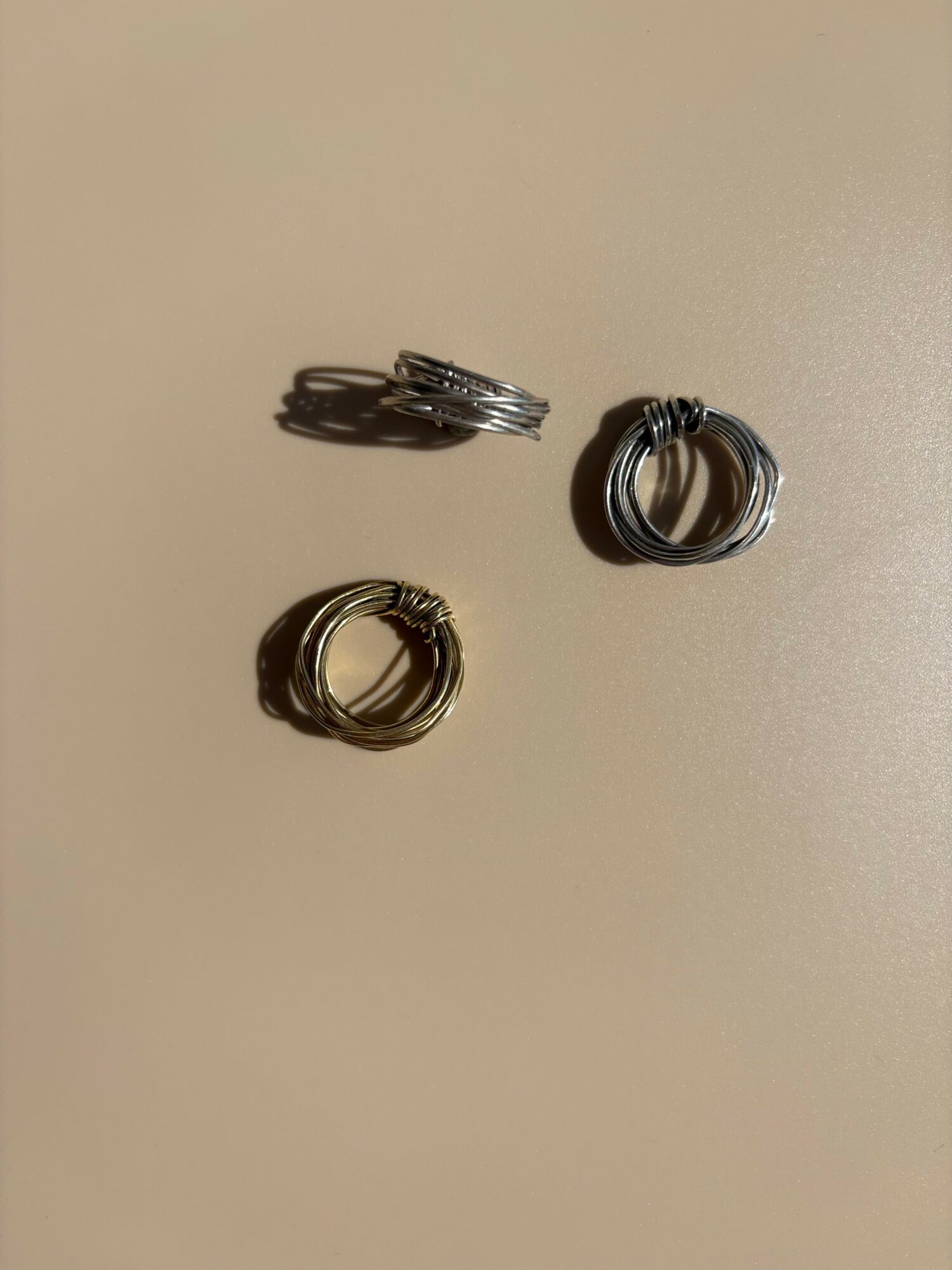
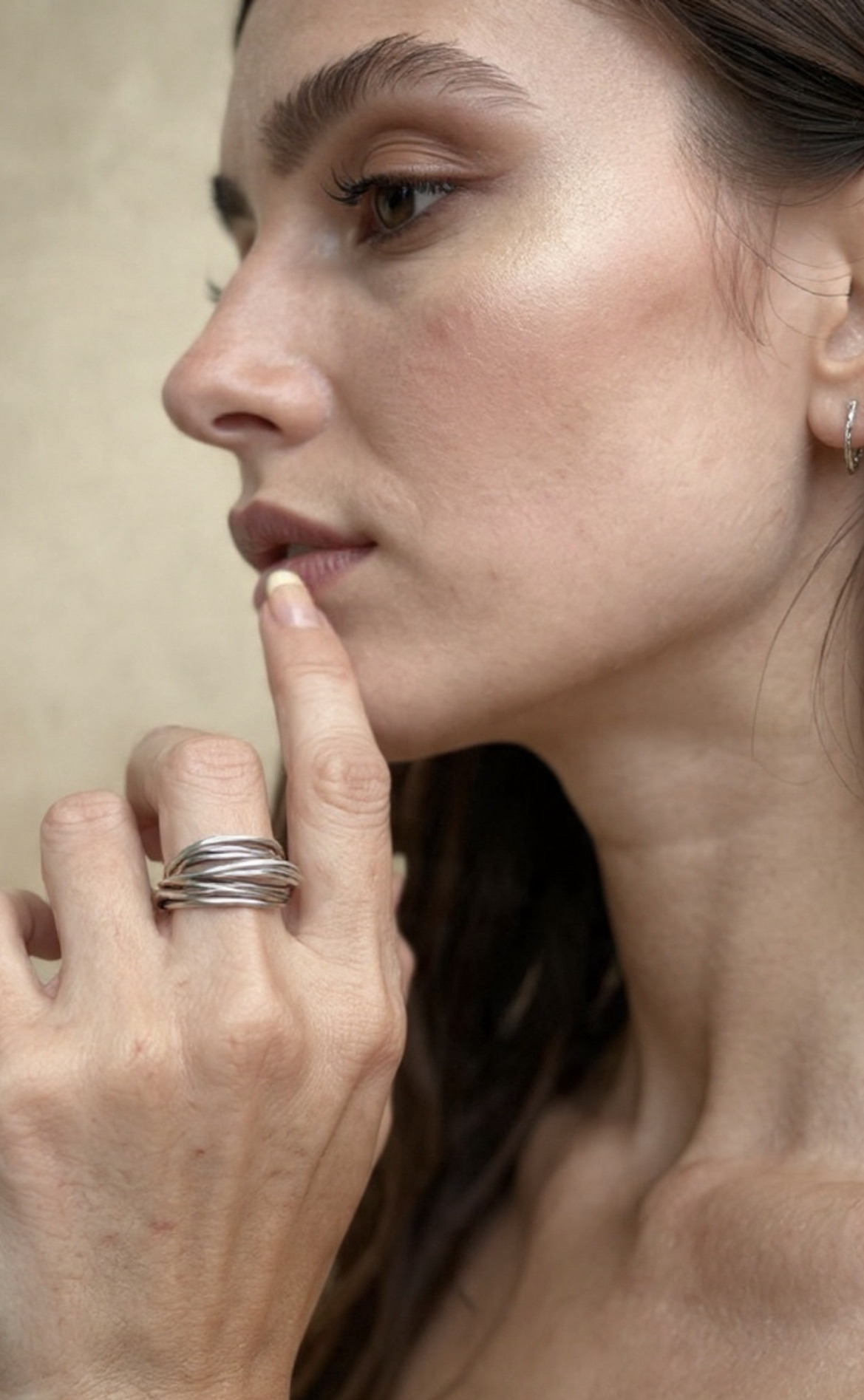
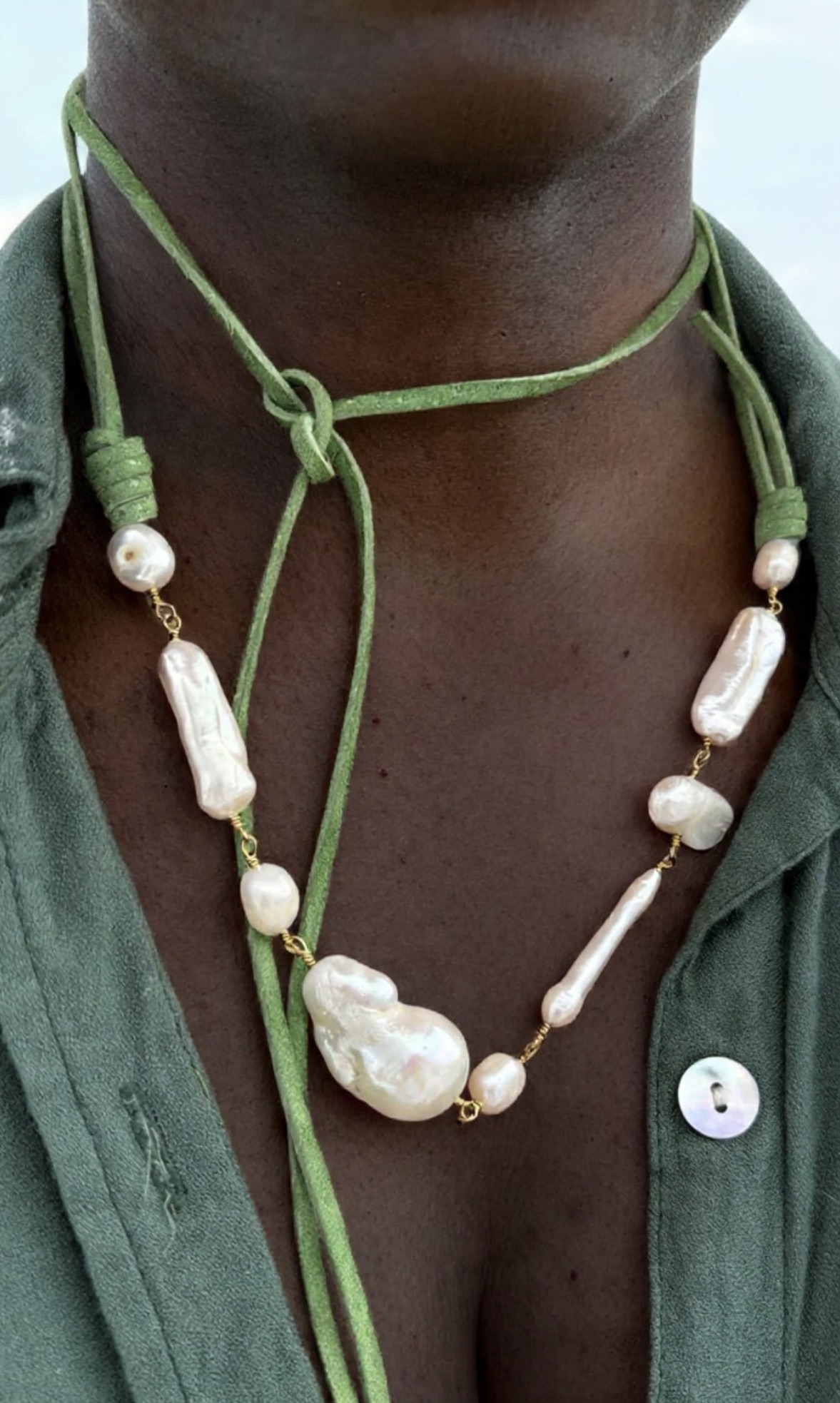
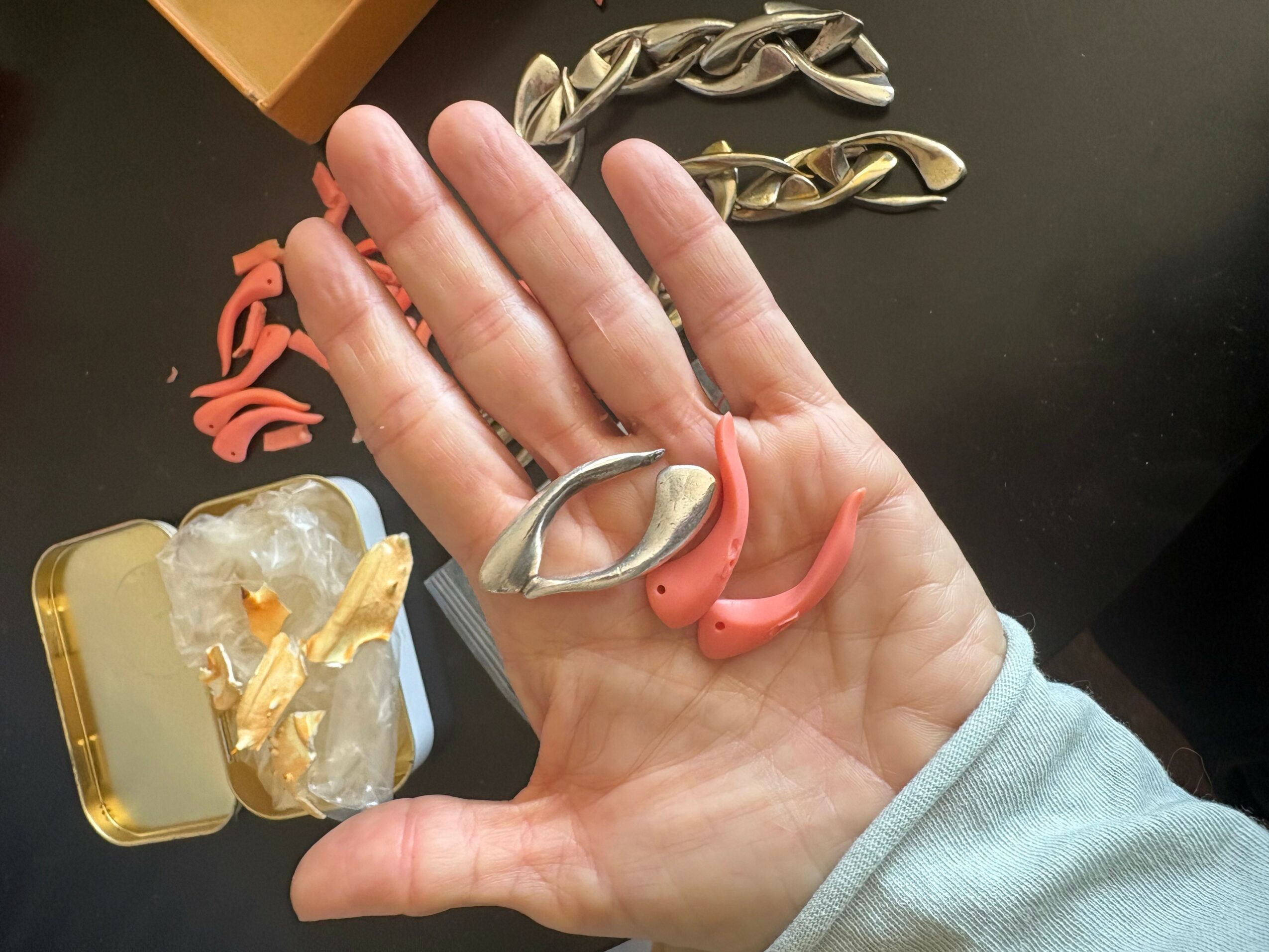
Image Credits
Amanda Nicol