



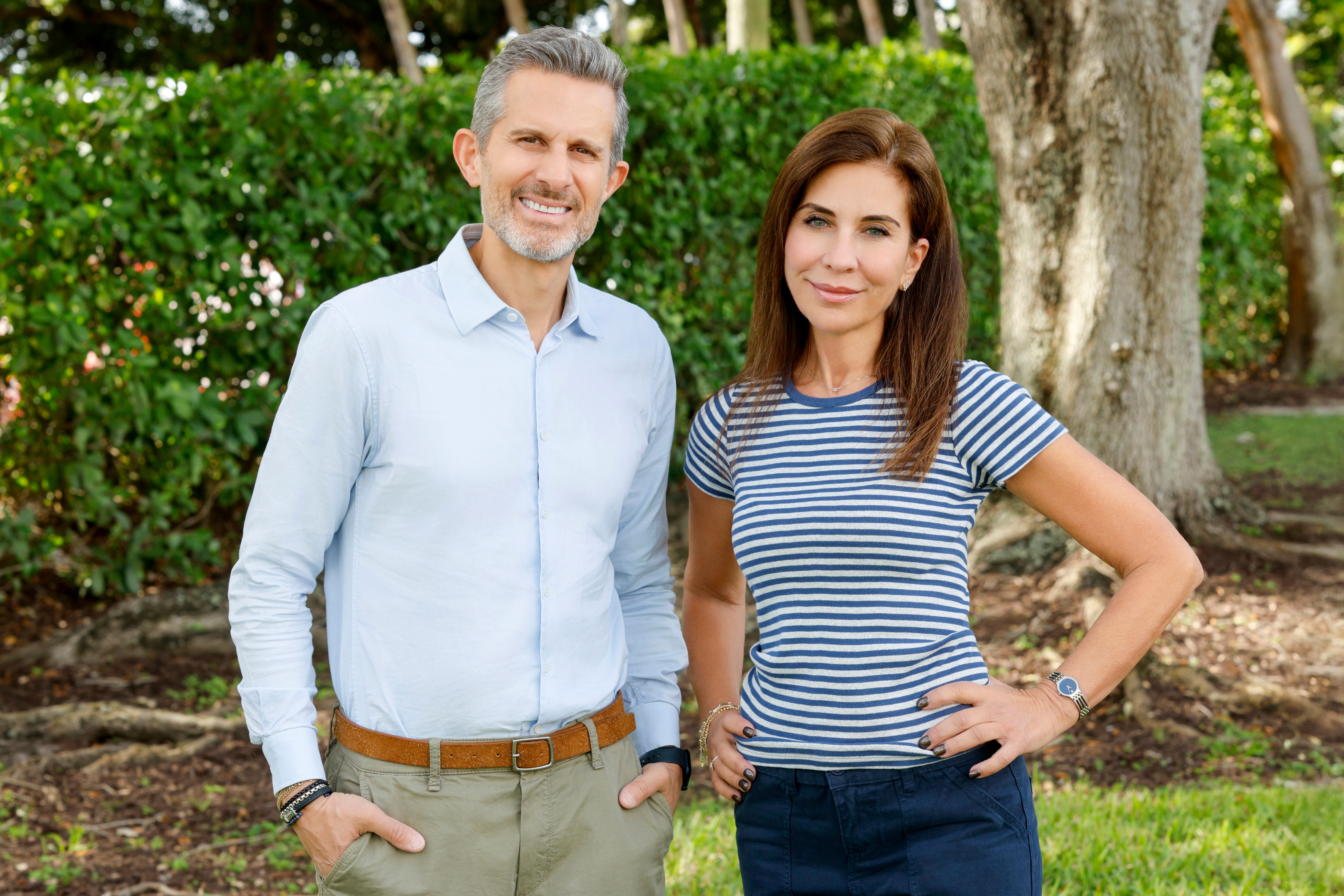
Today we’d like to introduce you to Steven Radowitz.
Hi Steven, thanks for sharing your story with us. To start, maybe you can tell our readers some of your backstory.
My path into this work was deeply personal. Both my husband and I are physicians, and for years, he struggled with severe, persistent headaches that no one could fully explain or treat. We tried everything. Every specialist, every conventional approach, without real relief.
Eventually, we came across ketamine therapy. The results were unexpected and, frankly, astounding. The headaches resolved. For two doctors who had exhausted every traditional option, it completely shifted how we thought about what was possible in medicine, especially in the brain.
Around the same time, I connected with Jay Godfrey, who had taken a very different path. Jay started his career as an investment banker before going to design school and building a successful fashion brand over 15 years. From the outside, it was everything, recognition, success, and scale, but he found himself feeling unfulfilled and searching for something more meaningful.
We were later joined by Richard Meloff, a former lawyer, and the three of us quickly realized we were aligned around a shared insight: there was a massive gap in mental health care. Too many people were struggling, and too many were not being helped by existing options.
That’s what led us to start Nushama in 2021. The idea was to build something different, a place that combined medical innovation with a more human, thoughtful approach to care. What began with ketamine therapy has since evolved into a broader vision of multimodal mental health treatment, but the mission has stayed the same: to offer people real hope when they’ve run out of options.
Alright, so let’s dig a little deeper into the story – has it been an easy path overall and if not, what were the challenges you’ve had to overcome?
It definitely hasn’t been smooth sailing.
One of the biggest challenges has been stigma. Treatments like ketamine, and now the broader category of psychedelic and neuroplasticity-based therapies, have carried decades of misunderstanding. Early on, there was a lot of skepticism, from patients, from families, and even within parts of the medical community.
A big part of our work has been education. Helping people understand that these are not fringe ideas, but evidence-based treatments delivered in a safe, clinical setting. That takes time.
There have also been challenges in figuring out what doing this the right way actually looks like. At Nushama, we’ve been very intentional about building a model that doesn’t just focus on the treatment itself, but on everything around it, especially integration. That’s something we pride ourselves on, and something we believe is often missing elsewhere. Creating that standard while the field is still evolving has been both a challenge and an opportunity.
There are also operational hurdles that come with being early in a new category, from navigating insurance to building clinical infrastructure in a space that’s still being defined.
That said, we’re seeing real change. The conversation around mental health is shifting quickly, and public awareness is growing. We’re also seeing meaningful momentum at the policy level, with recent government initiatives investing millions into research and accelerating pathways for these types of treatments.
We’ve been impressed with Nushama, but for folks who might not be as familiar, what can you share with them about what you do and what sets you apart from others?
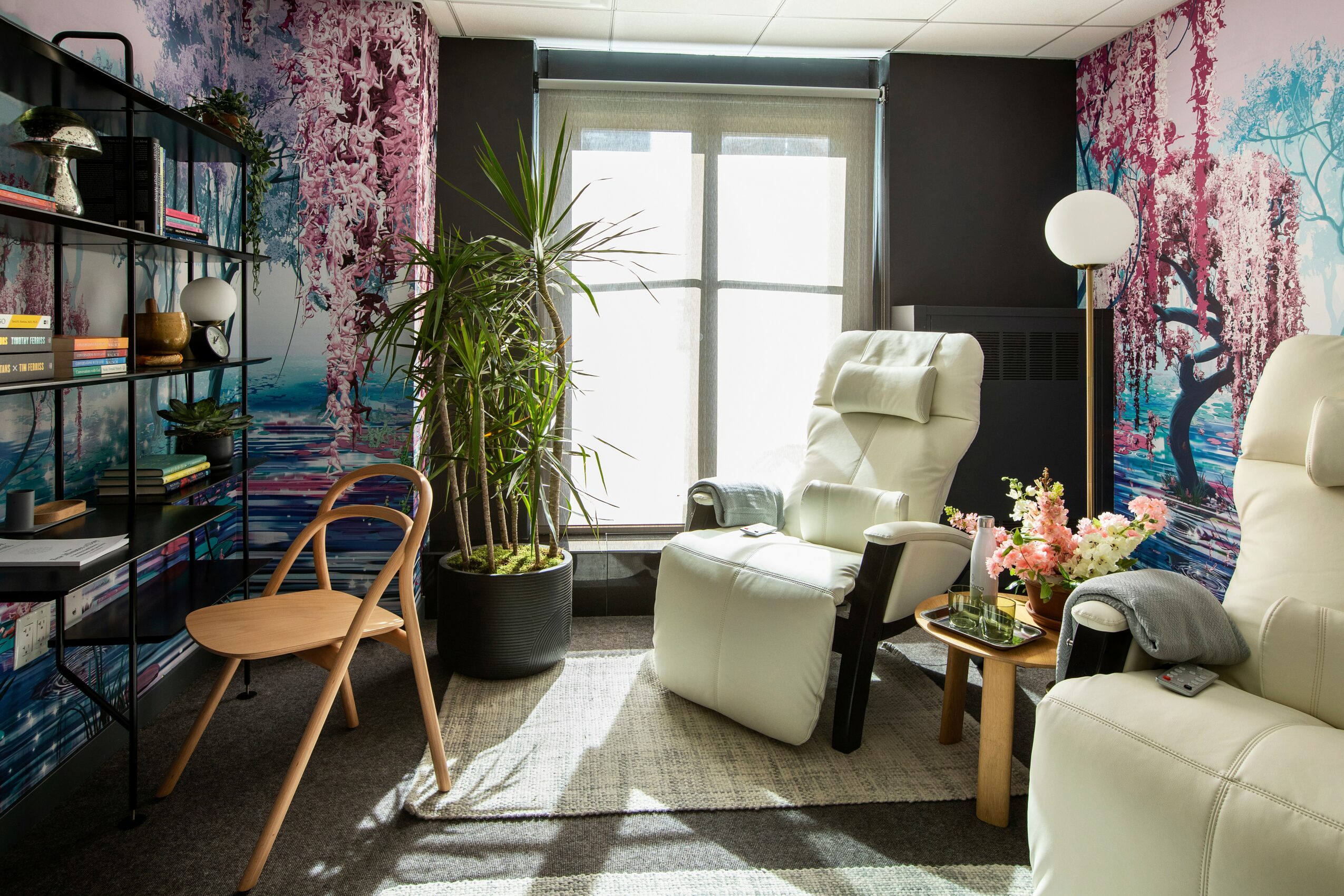
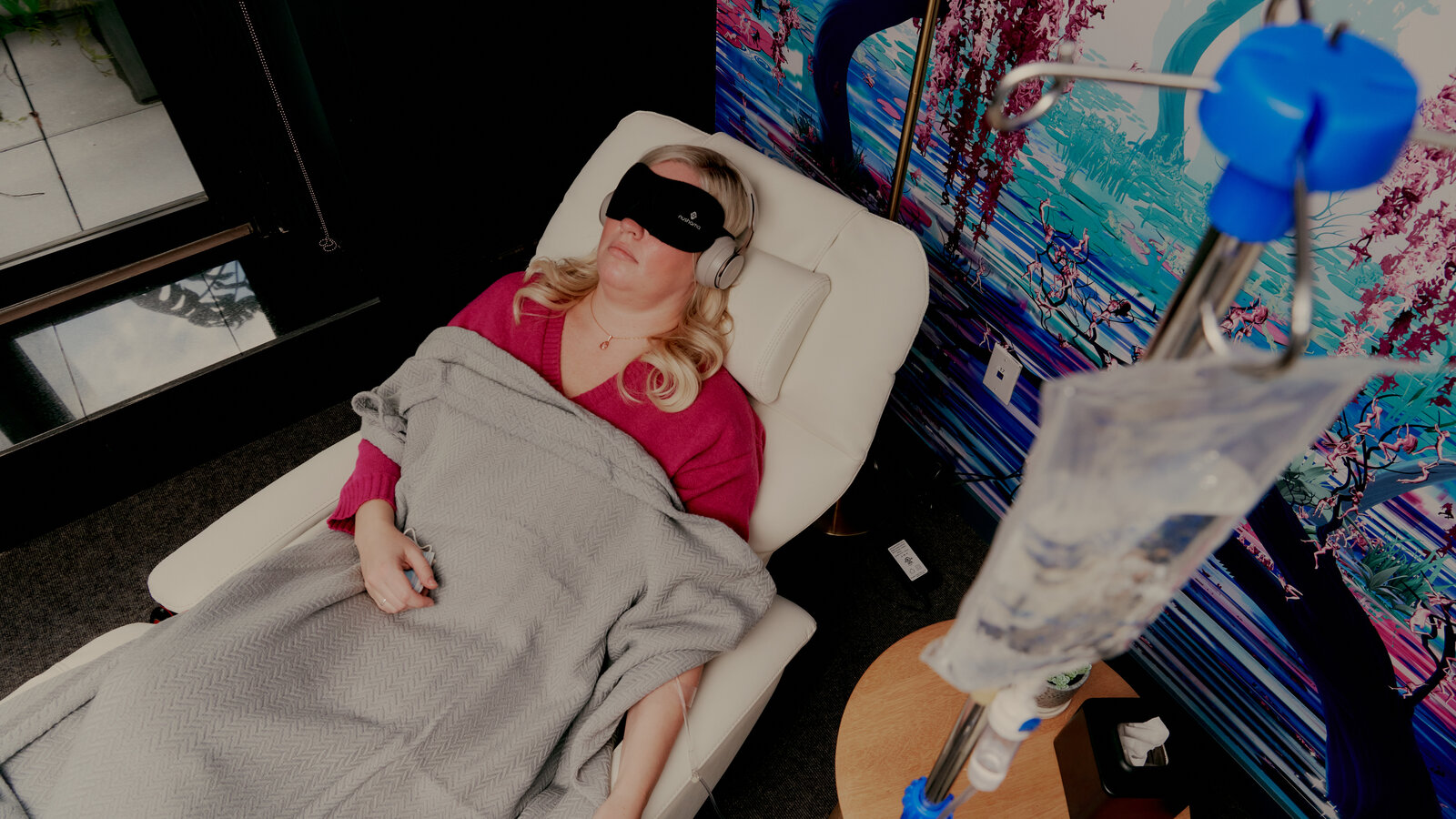
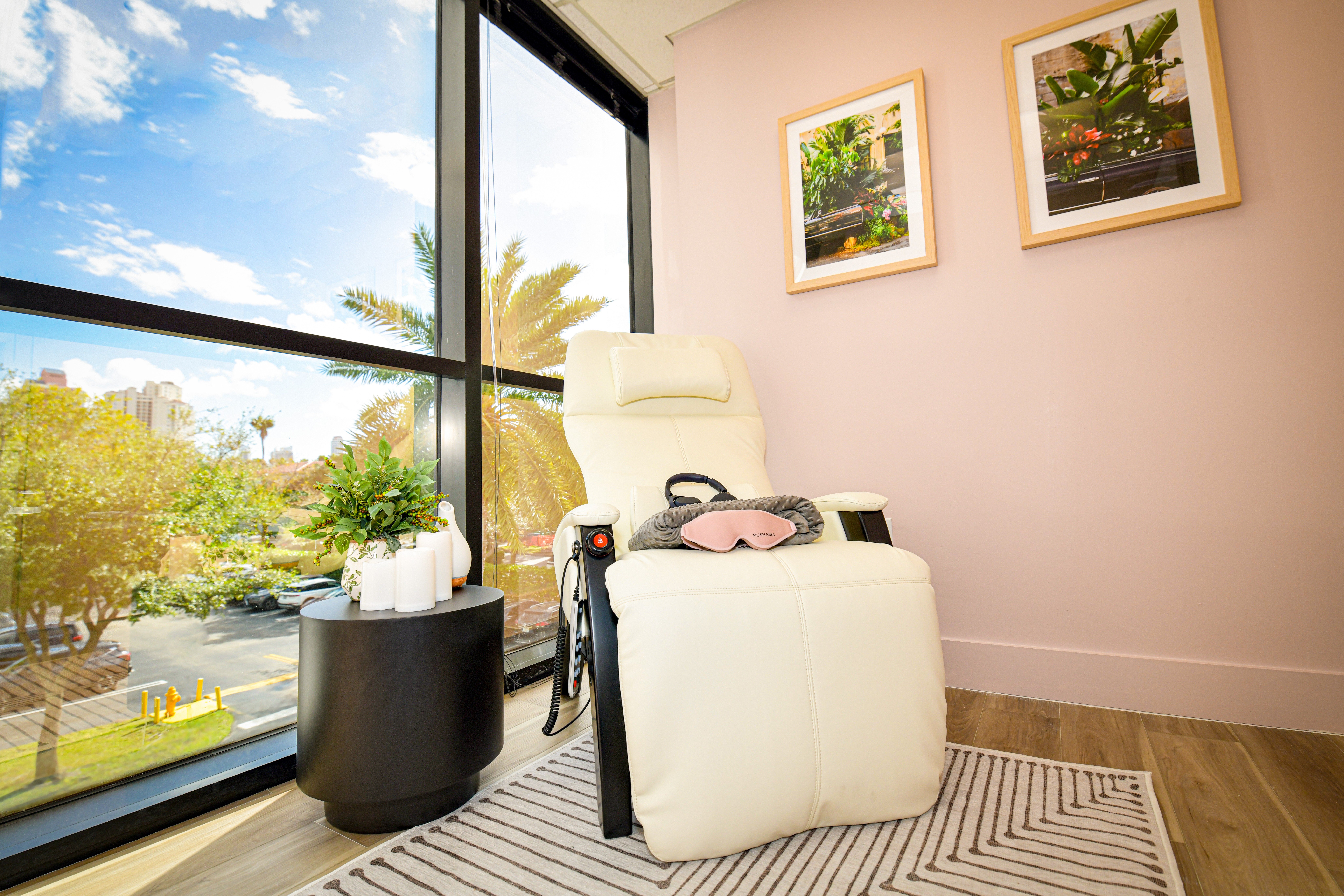
Nushama is a New York–based mental health clinic, and we’re excited to now also be serving patients in Aventura, Florida! We focus primarily on IV ketamine and Spravato, offering these treatments in a setting that is both medically rigorous and deeply supportive.
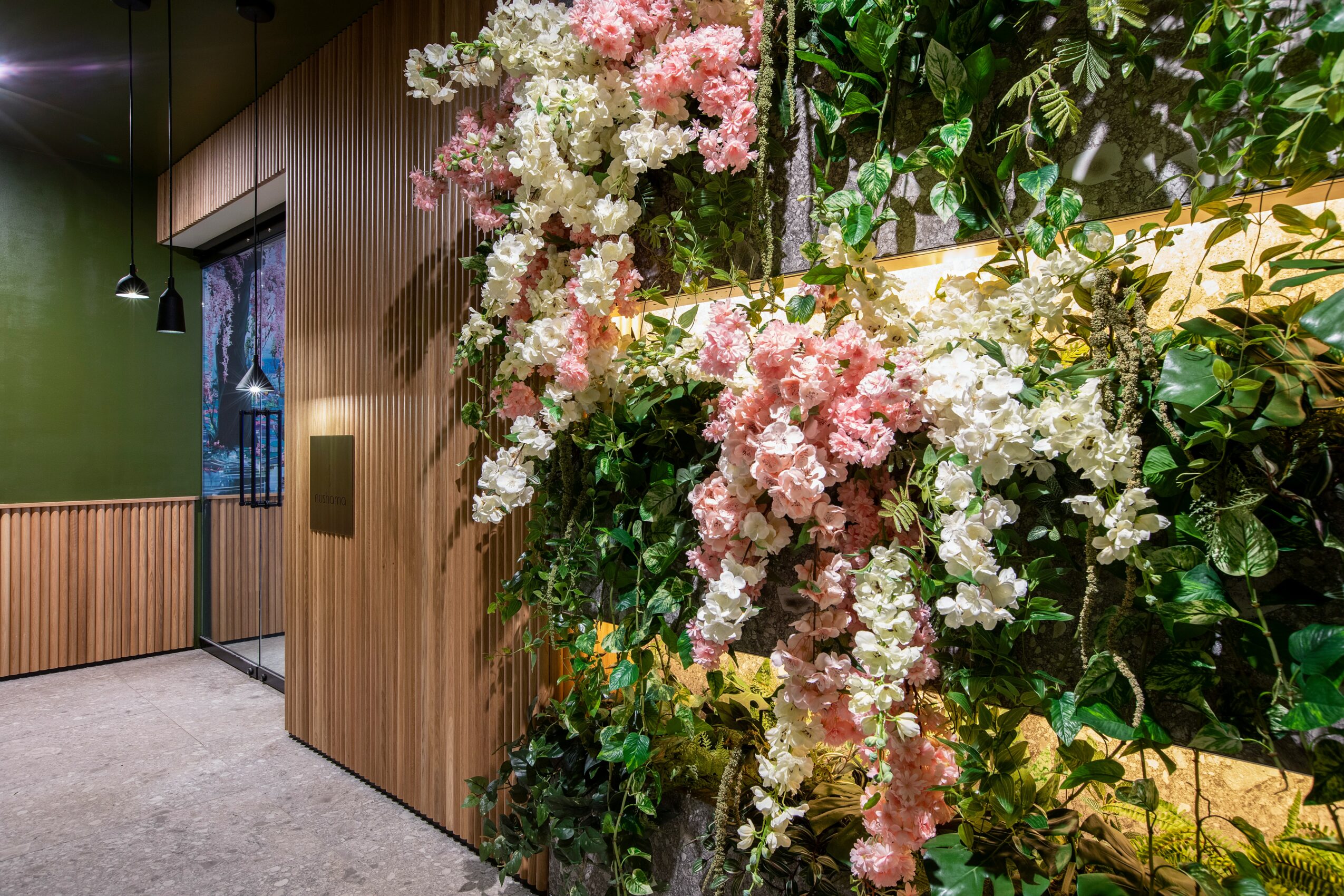
If you’ve seen our New York location, you’ll recognize it. It’s the clinic covered in pink flowers, intentionally designed to feel warm, calming, and human. That design choice actually comes from one of our co-founders, Jay Godfrey, who previously built his own fashion brand and brought that same attention to detail and experience into healthcare.
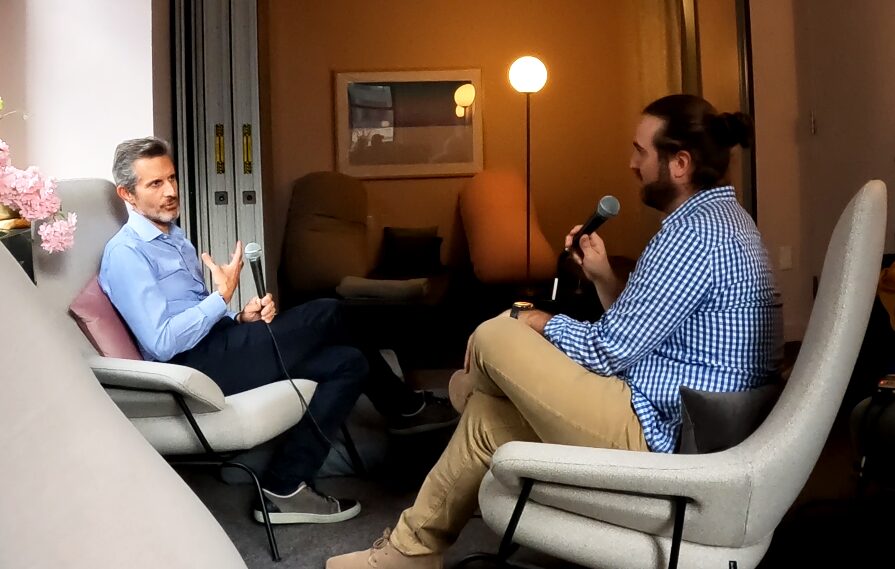
You may have also come across us in The New York Times or on Good Morning America, where the focus has been not just on what we do, but how we do it.
At our core, Nushama is built around the idea that treatment doesn’t happen in a vacuum. We emphasize preparation, intention-setting, and post-treatment integration, because we consistently see that the environment and support around the treatment are just as important as the treatment itself.
While our foundation has been in ketamine-based therapies, we’re continuing to expand into other evidence-based approaches, including advanced TMS protocols (treating depression in one day!), as part of a broader move toward truly multimodal care. No single treatment works for everyone, and our goal is to meet patients with the right tools for them.
What we’re most proud of, from a brand perspective, is that we’ve been able to bridge two worlds that don’t often come together. We are grounded in clinical rigor and safety, while also creating an experience that feels thoughtful, personal, and even beautiful.
What we want readers to know is that the mental health landscape is evolving. There are now real options for people who may have felt stuck for years, and when those options are delivered with care, intention, and the right environment, the impact can be profound.
Can you share something surprising about yourself?
Something that might surprise people is that my interest in this work isn’t purely clinical, it’s also deeply philosophical.
In addition to my medical training, I have long been interested in Kabbalah and spiritual frameworks that explore consciousness, meaning, and transformation. That perspective has shaped how he thinks about mental health, not just as symptom reduction, but as an opportunity for deeper change and self-understanding.
While everything we do at Nushama is grounded in evidence-based medicine, that broader lens influences how we approach care. It’s part of why we place such a strong emphasis on integration, helping patients make sense of their experiences and translate them into lasting change.
It’s not something that’s always visible from the outside, but it plays a meaningful role in how we think about healing.
Contact Info:
- Website: https://nushama.com
- Instagram: https://www.instagram.com/nushamawellness/
- Facebook: https://www.facebook.com/nushamawellness/
- LinkedIn: https://www.linkedin.com/company/nushama
- Youtube: https://www.youtube.com/@nushamawellness
- Other: https://www.tiktok.com/@nushama11