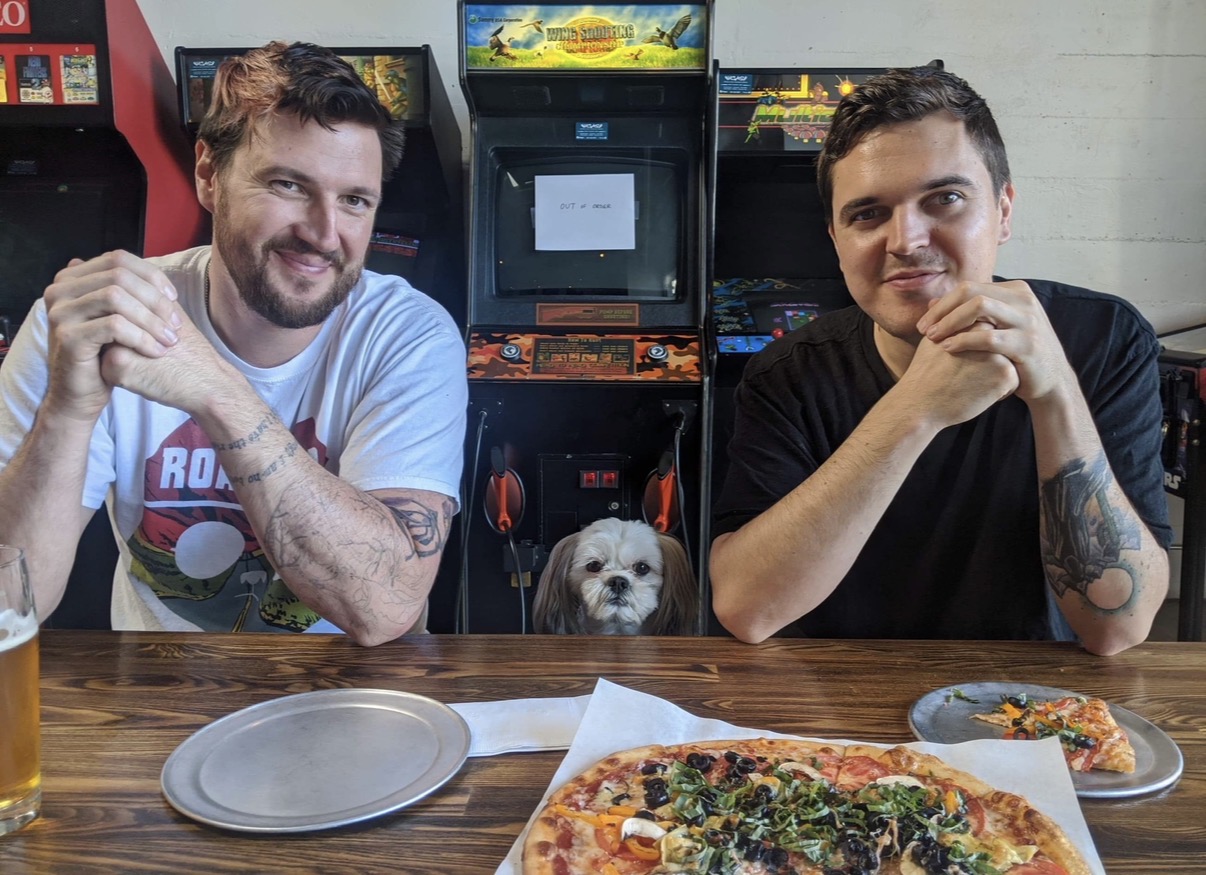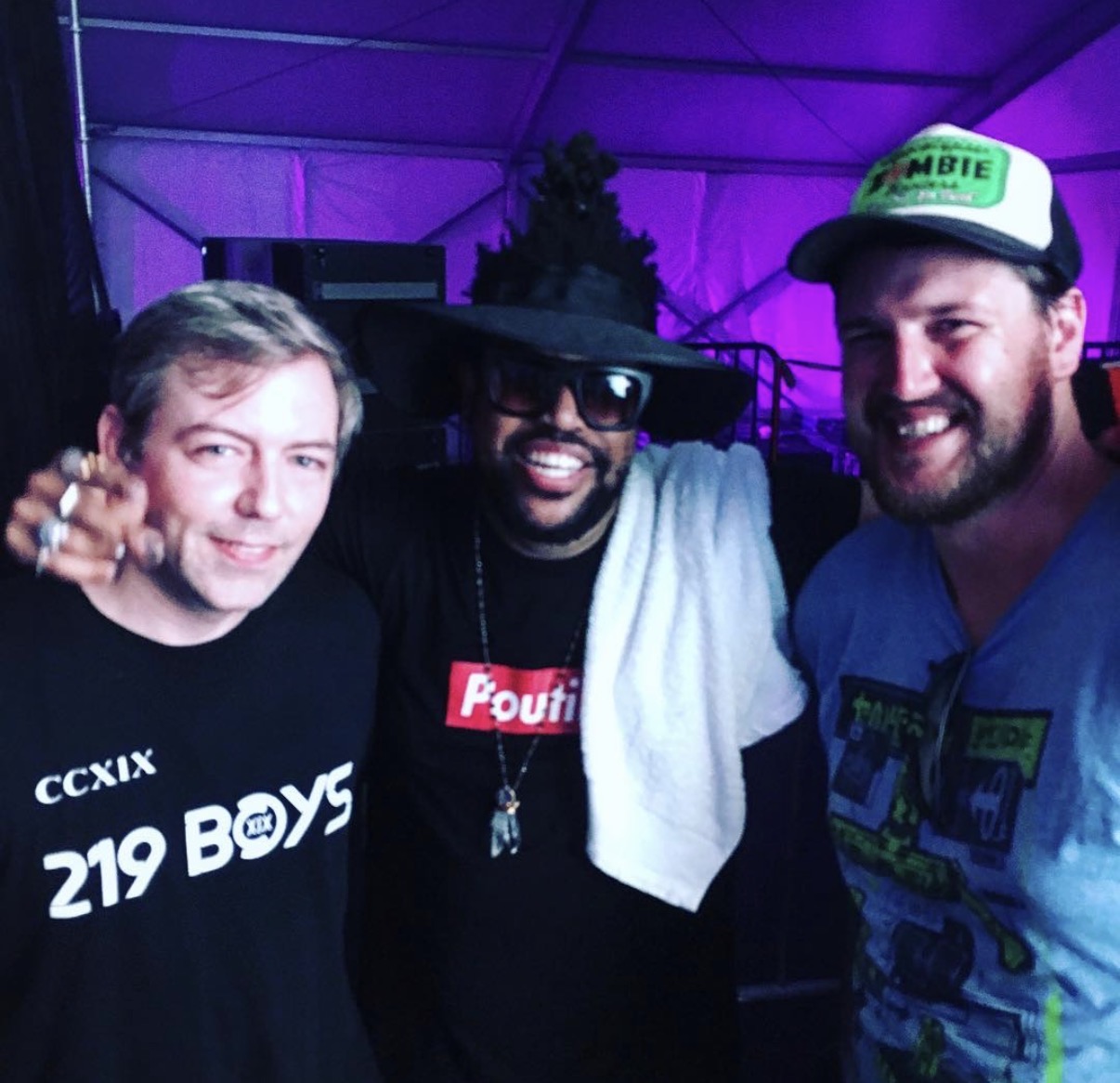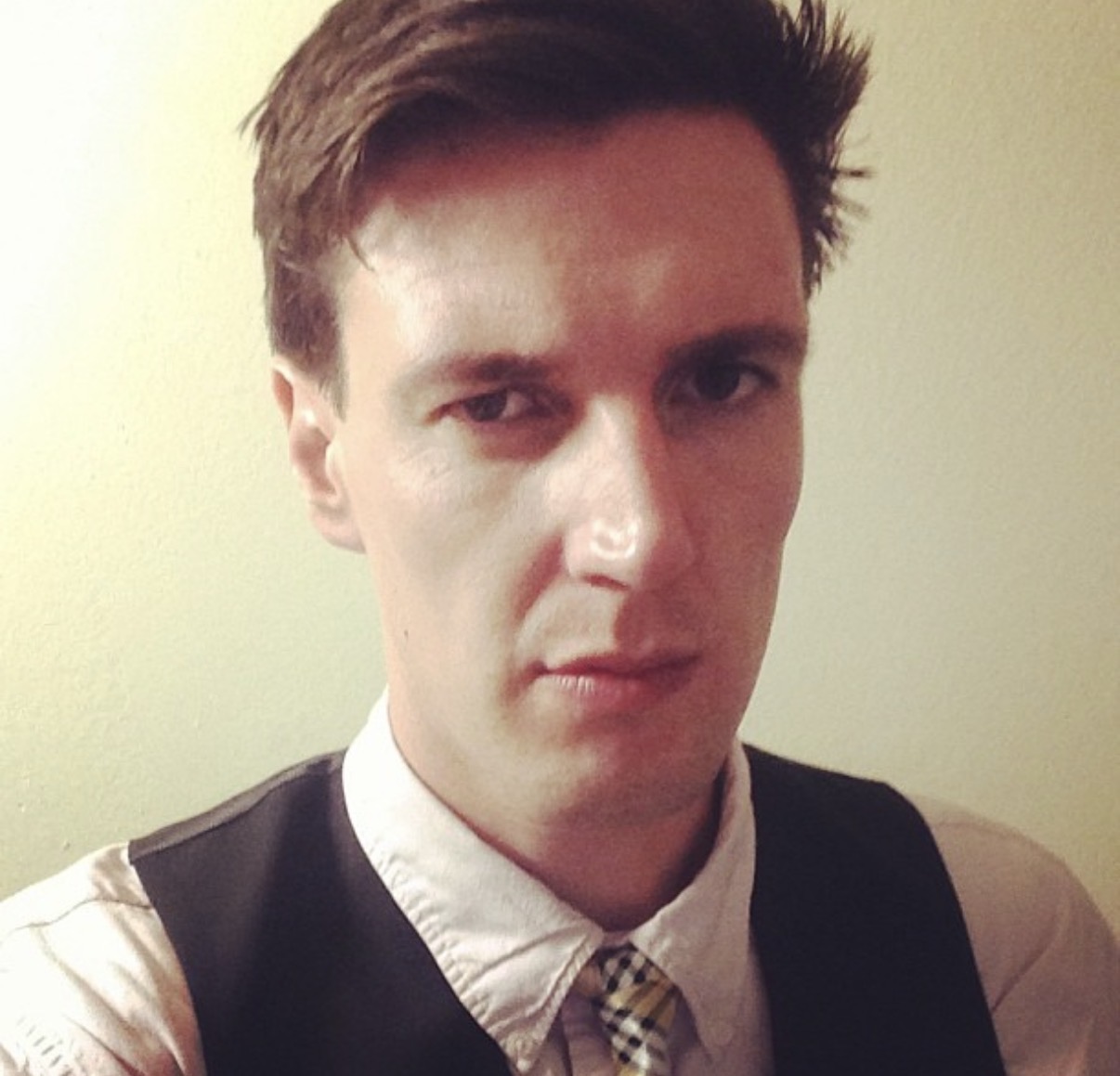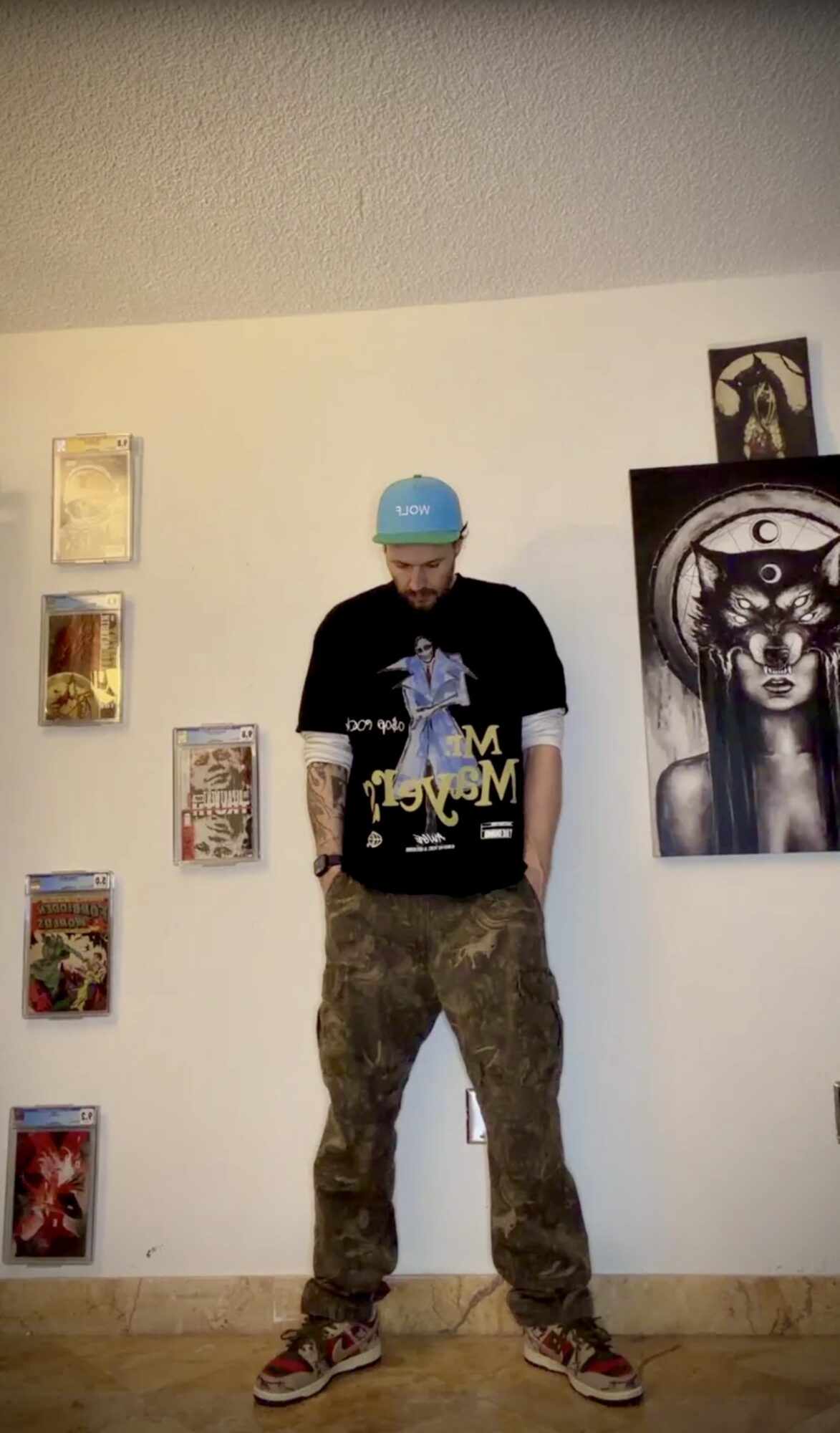



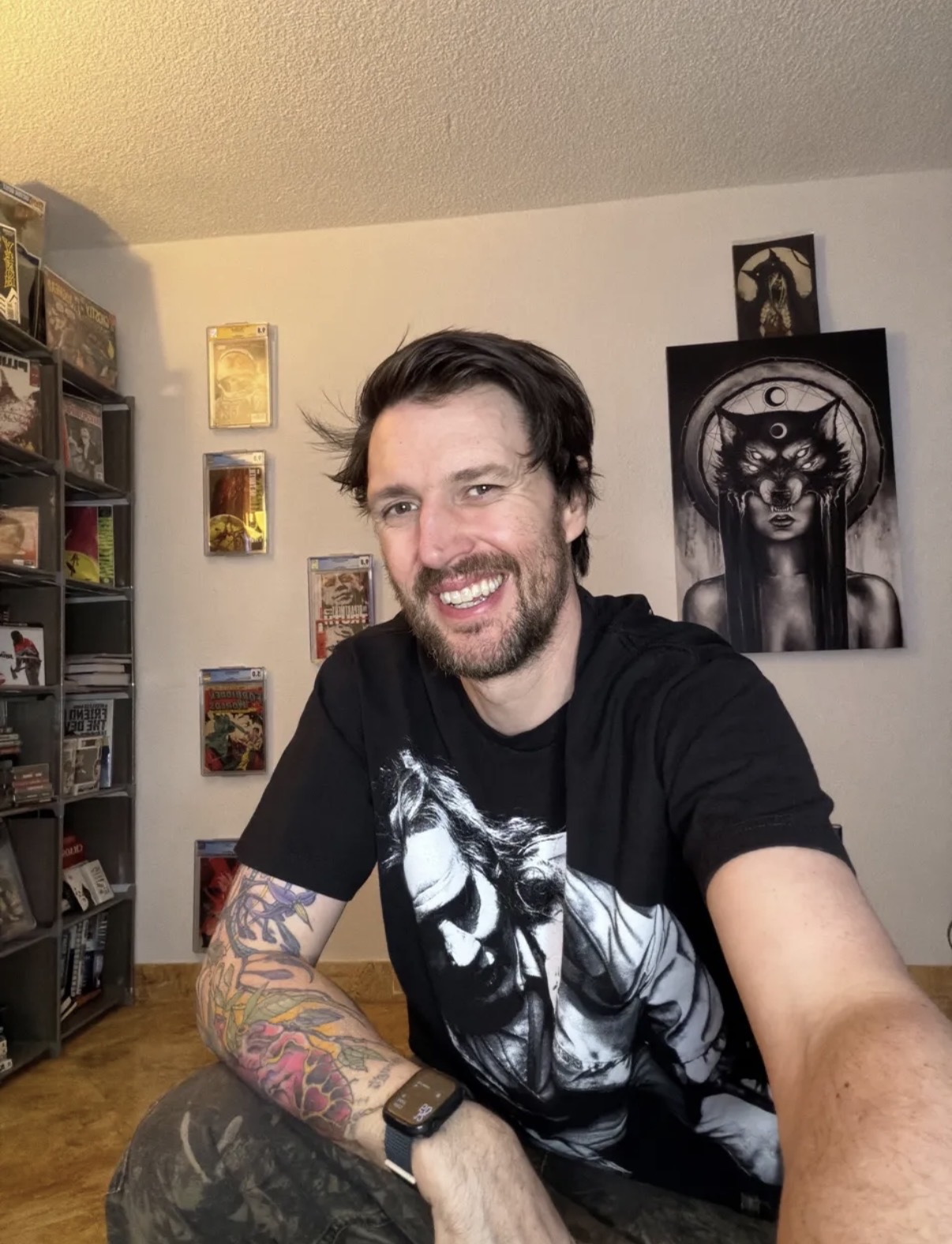
Today we’d like to introduce you to Sean Mullen.
Hi Sean, thanks for joining us today. We’d love for you to start by introducing yourself.
I was born and raised in Santa Barbara and spent my early years moving up and down the California coast, as far north as Eureka where my grandparents lived, before settling back in Santa Barbara through high school and college. I studied abroad in Cambridge, UK in 2007, which is where I got into dubstep and electronic music years before most of the US caught on. That early access to a sound nobody around me knew yet became the template for almost everything that came after.
A year or two later I was hanging out in Felix Da Housecat’s Justin TV stream. He was one of the first DJs to livestream sets, and Justin TV was the platform that eventually became Twitch. When Felix stopped streaming, I built a fan blog to keep the community connected. Through another community member who happened to be a web engineer, that fan blog grew into Boppernation.com, a multi-artist electronic music site covering Boys Noize, Disco Villains, and a bunch of other acts during the era when music blogs were how people discovered new artists. I exited around 2012 when the scene stopped feeling like mine. The love had moved.
While I was running Boppernation, my day job was managing the Paseo Nuevo parking garage in Santa Barbara. I ended up running it through its transition into the first automated parking garage in the city. Six years there, the longest job I’d ever held, and I wrote the literal playbook for how to run it. That was my first real taste of being on the cutting edge of a technology shift and getting to set the pace for how a thing was done.
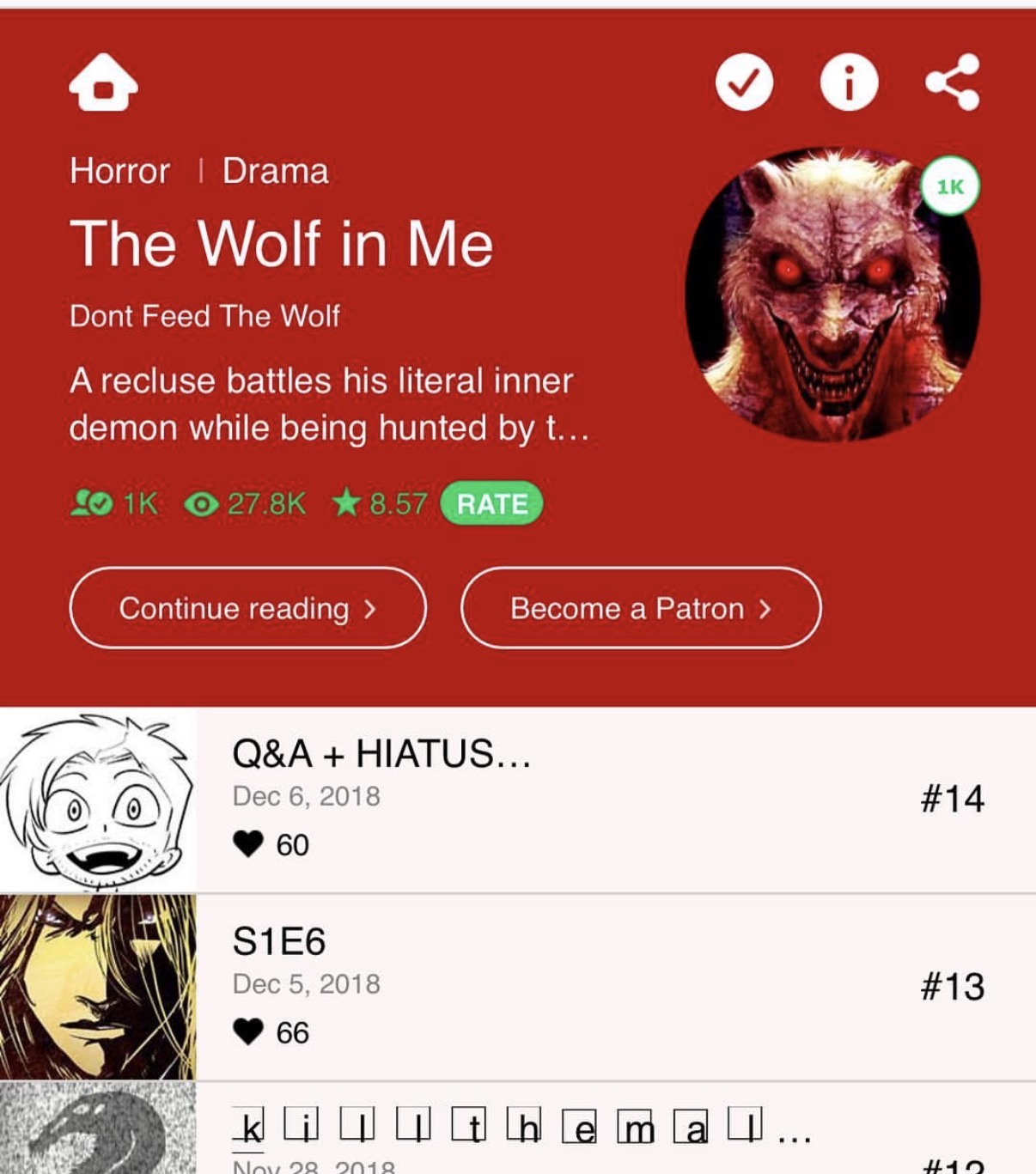
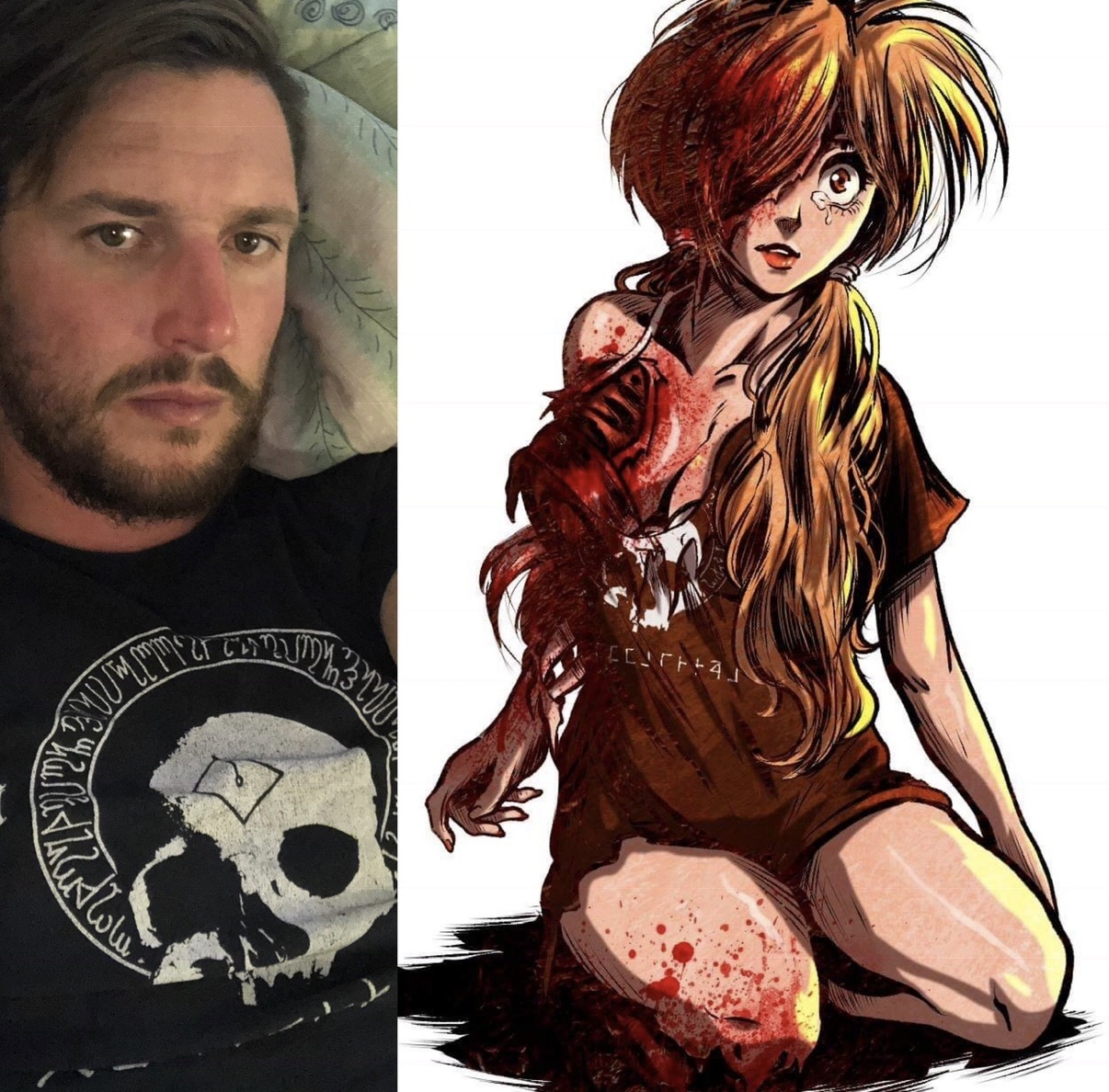
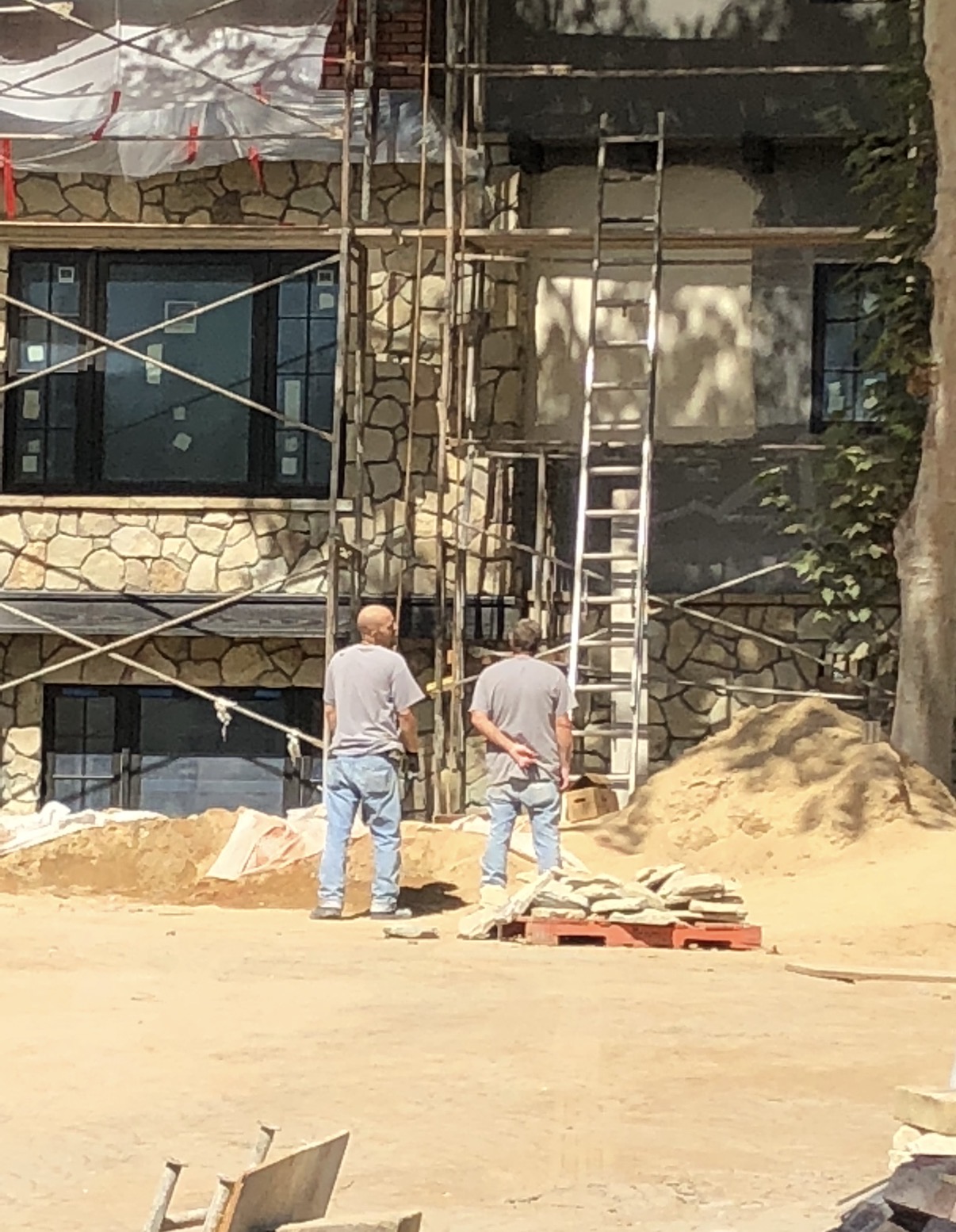
When that chapter ended I hit a wall. I pivoted to physical labor: carpentry, then concrete, then masonry. The body came back to life and the writing started in that window. I wrote The Wolf In Me as a Webtoon in 2019, got invited to Webtoons HQ, didn’t get a partnership but got the signal that I was onto something. dontfeedthewolf.com still houses that work today.
From construction I moved into managing Airbnbs for a realtor. He started with four or five units. I automated the operation, wrote the playbook, and he scaled to over twenty without scaling the support, which wore me out. But I was working from home, which meant when COVID hit in March 2020 (on my birthday, actually) I was positioned to pay attention to what the markets were doing. That moment opened the door to investing, crypto, and eventually NFTs.
That’s where Twitter and Discord became the lab. I was already doing volunteer community management for crypto streamers and gaming communities going back to StarCraft and the North American StarCraft League. I admined a GTA RP Discord during one of its early peaks. A partner I built communities with online got hired by Gary Vee after Gary tweeted asking who the best community managers were. He told me he’d bring me in. About a year later, he did.
I joined VaynerNFT, which became Vayner3 as the work expanded into AI and immersive worlds. Before that brand fully disappeared I was brought into VaynerMedia’s consulting practice as a Post-Creative Strategist, expanding my consulting and platform skills from the niche of web3 into broad relevance and pop culture. Avery leveled up my consulting skillset and connected me to Hayley on the VaynerX consulting side. Ramya mentored me into the strategist track. They gave me formal names for things I’d been doing on instinct for fifteen years.
The Miami move came through work. Vayner was opening a new office in Wynwood and I was offered the chance to relocate. I’d never been to Florida, not once. I was young, had no commitments holding me to California, and the instinct said go. I packed up my life in Santa Barbara and moved across the country to a city I’d only seen in pictures. That was almost four years ago now. Miami is home in a way Santa Barbara was always going to be, but never had been.
Today I lead strategy for executive social on the consulting side at VaynerMedia, in a role formalizing as Relevance Strategist. I write Proof of Friction on LinkedIn and 10:10PM on Substack. The through-line, which only became clear to me recently, is that I’ve spent my entire adult life at the intersection of emerging technology, online community, and storytelling. Every chapter looked fragmented in the moment. Looking back, it’s the same instinct rerouted through whatever platform was breaking next.
Alright, so let’s dig a little deeper into the story – has it been an easy path overall and if not, what were the challenges you’ve had to overcome?
It’s never been a smooth road. The pattern that defined most of my twenties was running a day job and a passion project in parallel, and the gravity always pulled toward burnout.
The hardest stretch was when the parking garage chapter ended around 2018. Six years of being the person who wrote the manual on a thing, and then the chapter just closed. I hit a real low. The pivot to physical labor (carpentry, concrete, masonry) was equal parts financial necessity and a forced reset. The body came back to life, but it took years to figure out what the next thing actually was.
The Airbnb burnout was a different kind of hard. I had built and automated the operation for a realtor who started with four or five units. The system worked so well that he scaled to over twenty without scaling the support, and my personal cell became the 24/7 helpline for every drunk guest who couldn’t figure out the keypad lock. One person, twenty-plus units, no off-hours. The lesson there was about the difference between scaling a system and scaling a team.
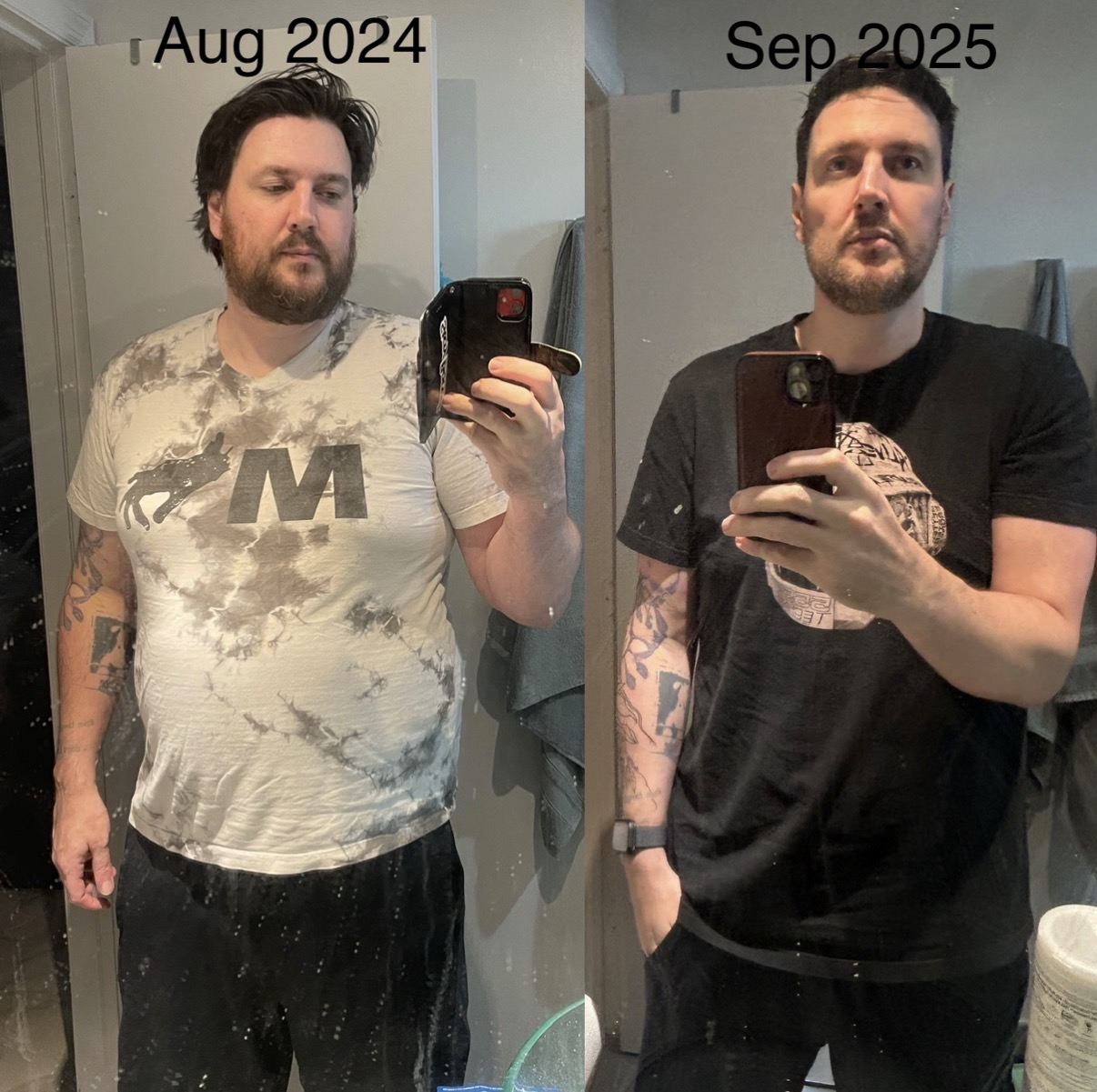
The body tracked the work the whole time. I was shredded in high school playing football, got heavy and stationary during the parking garage years, came back to life during construction, neglected myself again during the heavy mental years of crypto and early Vayner. I’m down over seventy pounds from where I was at the start of 2025, on track to break under 200 for the first time in years. I quit vaping after smoking and vaping since I was a teenager. I sleep with a CPAP now and track the data nightly. The honest version is that I treated my body as something to push through for most of my career, and I’m only now treating it as infrastructure worth maintaining.
The current challenge is a better one than the old ones, but it’s still real. For the first time, the work is the passion. There’s no day job versus hobby anymore. That sounds like a clean win, and mostly it is, but it means the original fiction writing has to be defended on purpose now. I used to need a hobby to escape my job. Now I need discipline to protect the parts of myself that aren’t my job.
Thanks – so what else should our readers know about your work and what you’re currently focused on?
My title is Strategist, but the more accurate name and pending formal title is Relevance Strategist. Someone whose value is the breadth of what they can connect across platforms, algorithms, and culture. Functionally, I’m one of the lead Relevance Strategists for executive social on the consulting side, working with F100 executives and brands on how their voice moves through culture, which platforms are actually load-bearing for their goals, and how to build content that earns attention rather than buying it.
Relevance is the variable I’ve been studying my whole adult life across music blogs, gaming communities, NFT projects, and now executive social. The role finally has a name that matches what I’ve been doing for fifteen years.
What I’m known for is connecting things others didn’t think to connect. Seeing the through-line across niches and platforms, and being able to align business objectives with relevance in a way that feels invited.
The work I’m most proud of isn’t a single deliverable. It’s that I’ve been getting paid to think this way at all. For most of my career, the things I’m now paid to do (read culture, build communities, write playbooks for new platforms) were what I did at night after my day job. Getting to integrate the parts of myself that used to be separate is the win.
What sets me apart is probably the parking garage. I ran the first automated parking garage in Santa Barbara, and what I learned there is something the AI conversation is only now catching up to. Before automation, parking attendants stood at the exit and absorbed every patron’s frustration over fees and length of stay. People treated them like garbage. After automation, attendants moved off the exit and became the humans who showed up to rescue people struggling with the machines. Same job. Opposite reception. Automation didn’t replace the humans. It freed them to be heroes instead of villains. I was thinking about human-machine dynamics in 2014, not because it was trendy, but because I was running the system. That’s the lens I bring to AI conversations now, and it’s the lens that makes my work feel different from the people whose first encounter with these questions was a 2023 keynote.
That same lens is what Proof of Friction is built on. The newsletter is where I track the cultural constellation forming around what makes us human in an AI-saturated world. Right now that constellation includes Friction Proves Humanity, 2026 as the Year of Whimsy, Document Over Create, Building Physical Archives, Presence Over Production, and Struggle as a Source of Truth. These aren’t disconnected trends. They’re one signal showing up in different rooms. My job is to see the through-line, name it, and connect it to whatever business problem is in front of me. If you want a window into how I think, the newsletter is the window. How that lens applies to a specific industry is the work, and I’ve connected it to plenty.
I’m also a fiction writer, which I think matters even when the work is non-fiction. Story structure is platform-agnostic. The instincts that make a Webtoon work or a 10-panel Instagram carousel land are the same instincts that make an executive’s LinkedIn post land. Most consultants don’t make things. I do.
Risk taking is a topic that people have widely differing views on – we’d love to hear your thoughts.
Alex Honnold has the best perspective on risk I’ve come across. He’s the climber from Free Solo, the guy who recently free solo’d the Taipei building. People ask him all the time why he keeps taking risks, why he puts himself and his family at risk of loss. His response is that everyone takes risks every day that nobody talks about. Sitting on the couch is a risk. Bed-rotting is a risk. The bag of potato chips is a risk. So is the convenience meal.
I’ve taken risks my entire life, from the ones that could have been quick ends to the slow ones (stationary, unhealthy diet, vaping since I was a teenager). The career risks have all looked like steps backward or meaningless wandering in the moment. Leaving a music blog I’d helped build because the niche became something I no longer felt connected to. Almost making a career out of a parking garage job that nobody from my college path would have understood. Then leaving that office and the automation behind to swing a hammer in the blazing sun while flies tried to crawl into every visible orifice. Walking away from a stable Airbnb operation to chase what was happening on Twitter and Discord during COVID. Leaving Santa Barbara, my hometown friends and family, to move to Miami where I knew no one save for a few coworkers I’d only shared time with on Zoom.
The risk frame I trust now is this: the real risk is staying in a job that doesn’t energize you or give you purpose, no matter what the job is and no matter what the pay. The music blog was the first version of that lesson. The parking garage was the second. The Airbnb operation was the third. By the time I decided I deserved to align my hobbies, my interests, and my passions with career and fulfillment, the pattern was clear enough that the bigger risk was anything else.
Contact Info:
- Website: https://DontFeedTheWolf.com
- Instagram: https://www.instagram.com/dontfeedwolf
- LinkedIn: https://www.linkedin.com/in/proof-of-friction
- Twitter: https://x.com/1010pnn
- Other: https://open.substack.com/pub/1010pm