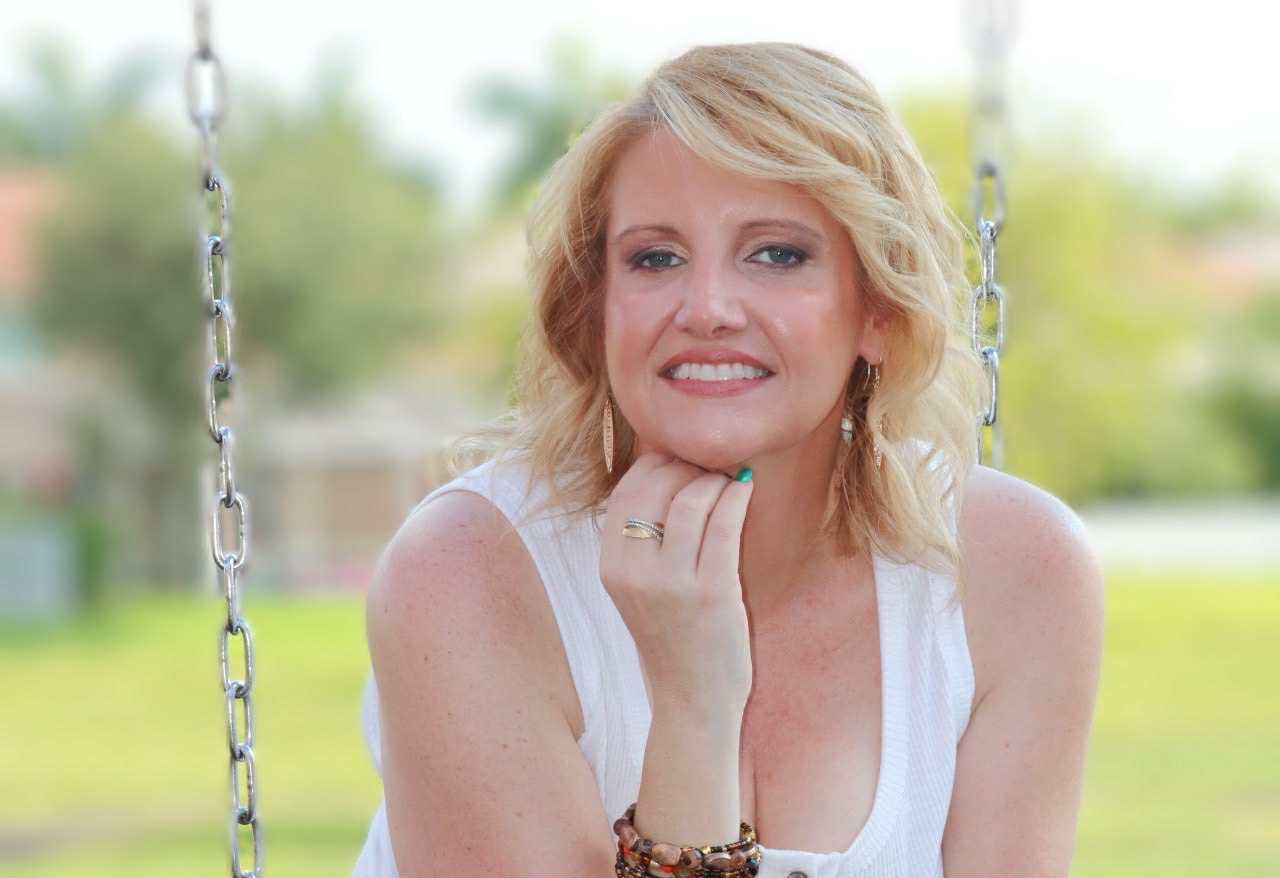


Today we’d like to introduce you to Laura McDermott Matheric.
Alright, so thank you so much for sharing your story and insight with our readers. To kick things off, can you tell us a bit about how you got started?
Poetry has always been the way I make sense of the world, but it took time for me to realize that writing wasn’t just something I did in the margins of my life, it was the thread that could connect my own story to the people and places around me. I grew up a true South Florida kid, rooted in Broward County’s heat, storms, and wild green spaces, and that sense of place has never left my work. As an undergraduate at Florida State University, I studied creative writing, business, and education, learning early on that words and structure, art and leadership, could coexist in the same body of work. When I went on to earn my MFA in poetry from Florida International University, I began to understand myself as a “poet of place,” someone who writes from the specific textures of South Florida—the sawgrass, the traffic, the hurricanes—and uses them to explore belonging, identity, and community.
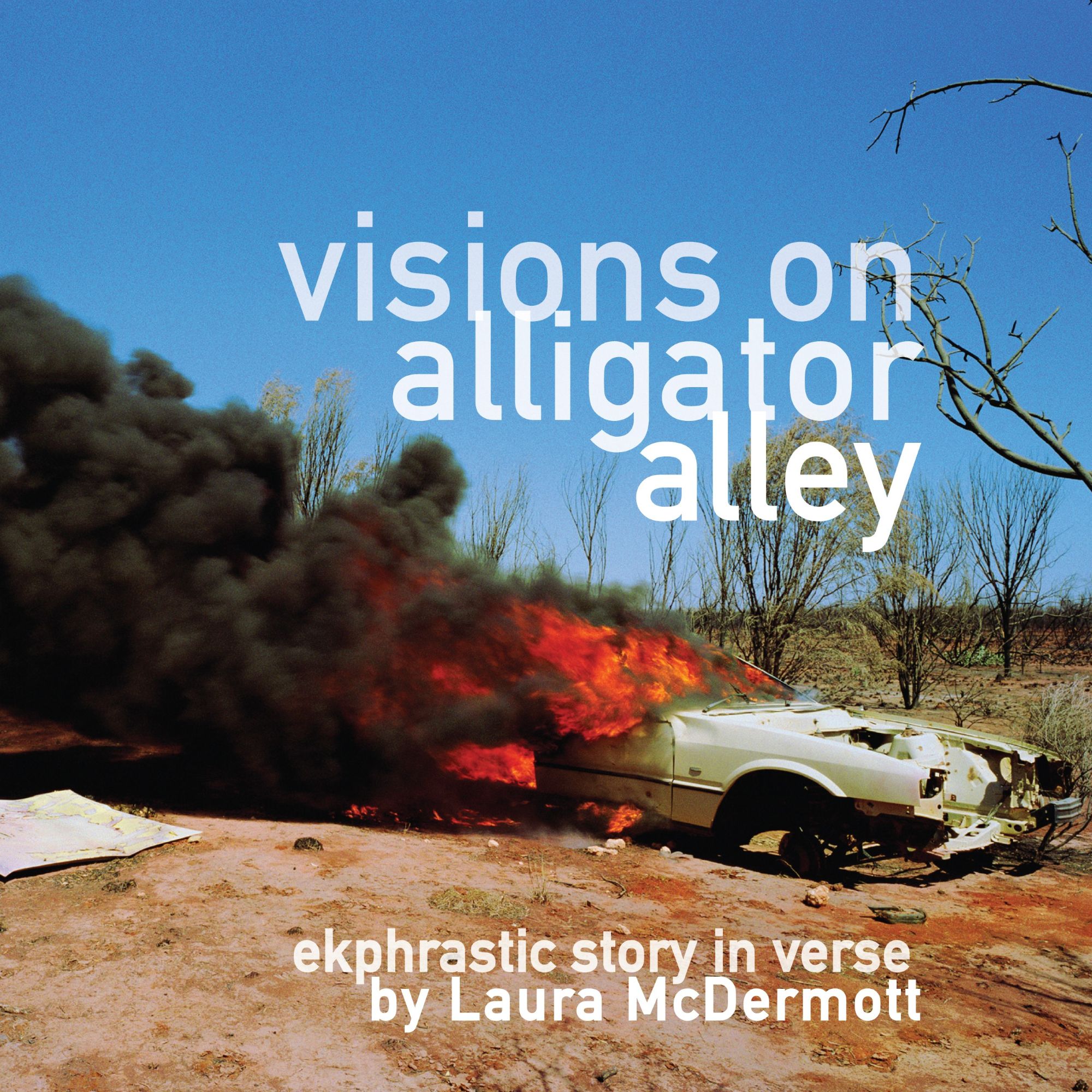
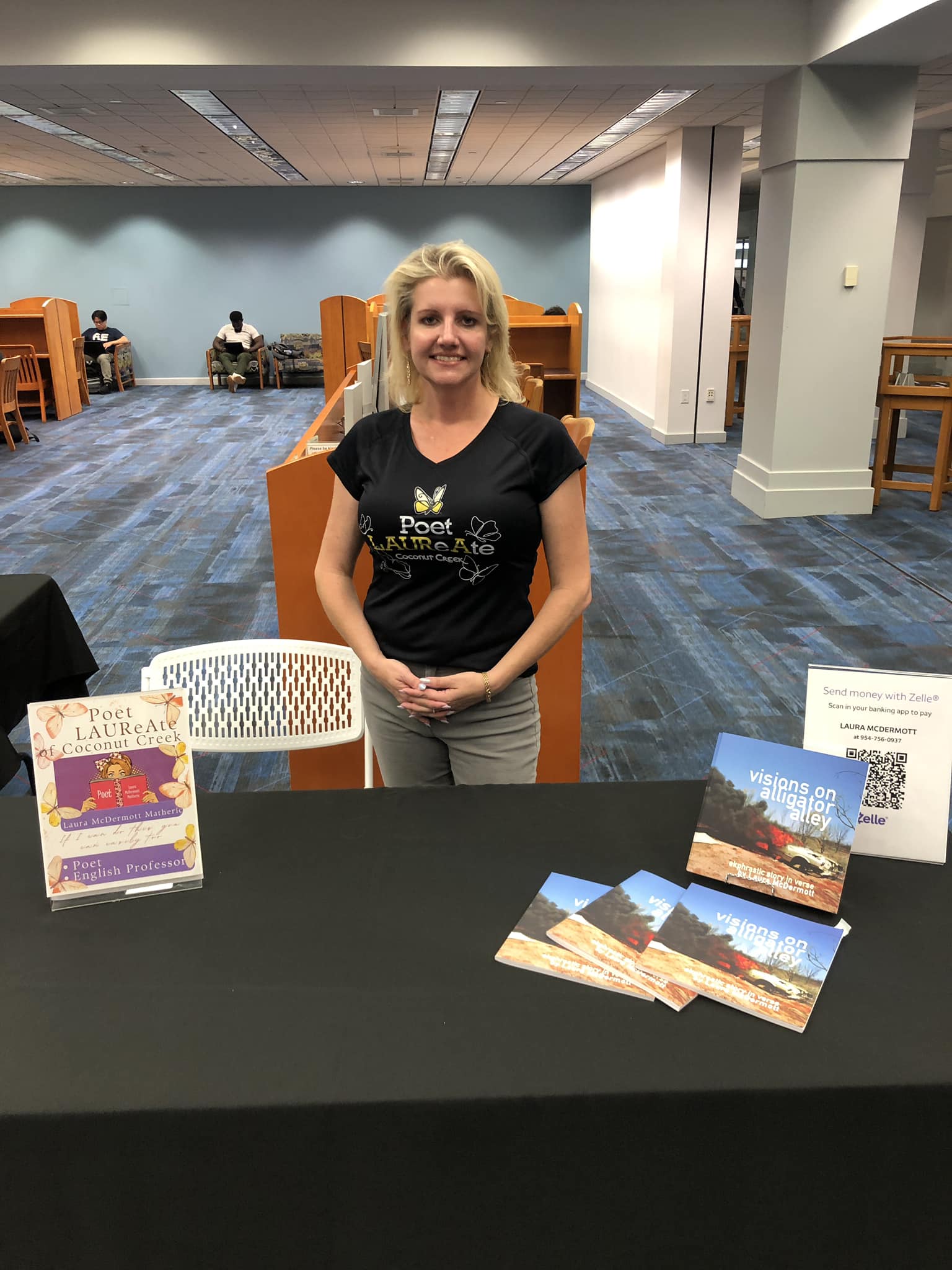
My journey into community-focused literary work really crystallized when I was selected as the 2014–2015 Writer-in-Residence at Girls’ Club, a private foundation devoted to cultural growth in Fort Lauderdale. In that role, I spent a year immersed in visual art, collaborating, teaching workshops, and listening to how people responded when poetry entered a space that wasn’t traditionally “literary.” That residency became the seed for my first book, <i>Visions on Alligator Alley</i>, an ekphrastic story in verse that wove together paintings, local landscape, and women’s voices, and it showed me that poetry could function as both art and bridge—connecting institutions, neighborhoods, and conversations that might otherwise never meet. Around this time, I co-founded Orange Island Arts Foundation after I had volunteered with organizations like Miami Book Fair International for several year and was employed for a decade as the Festival Coordinator for the Palm Beach Poetry Festival, curating readings and events that brought writers and audiences together in spaces that felt welcoming, experimental, and grounded in our region.
Teaching has always run parallel to my creative practice, and Broward College became the place where those two currents fully converged. I started there as an adjunct in 2007, became full-time in 2010, and have been a tenured Professor of English since 2013, teaching writing workshops and literature courses both on campus and across the community. My classrooms became laboratories for experimenting with what I now do as a literary arts event coordinator: giving students and neighbors a space to write themselves into the map of South Florida, to see that their stories belong in the canon of this place. Over the years, my work has been recognized with two Endowed Teaching Chair awards awarded by the Broward College Foundation and the 2022 Distinguished Professor of the Year honor from the Association of Florida Colleges, but the real reward has been watching students read at open mics they helped organize, or seeing a community member who “doesn’t read poetry” step up to the mic with shaking hands and a brand-new poem.
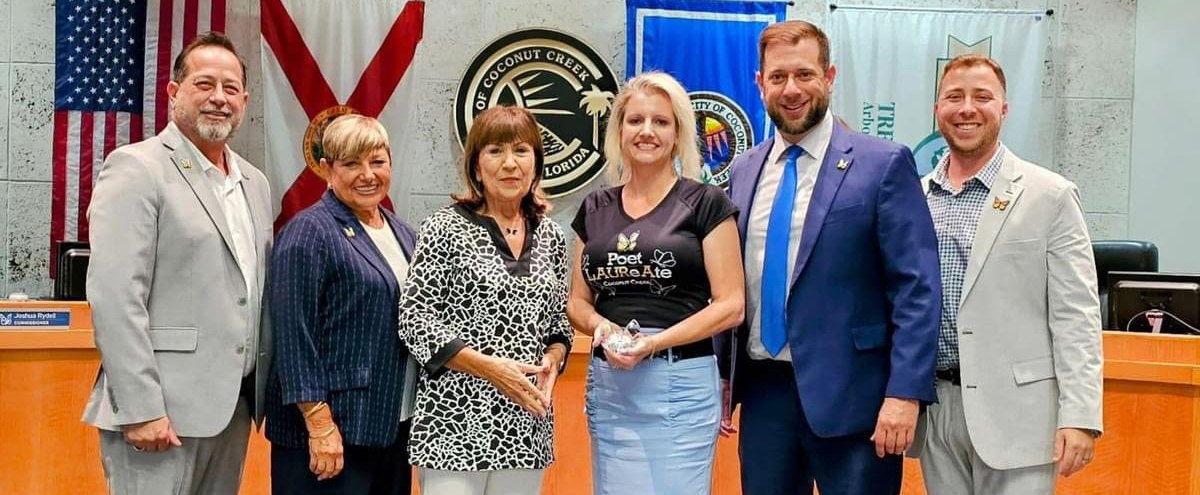
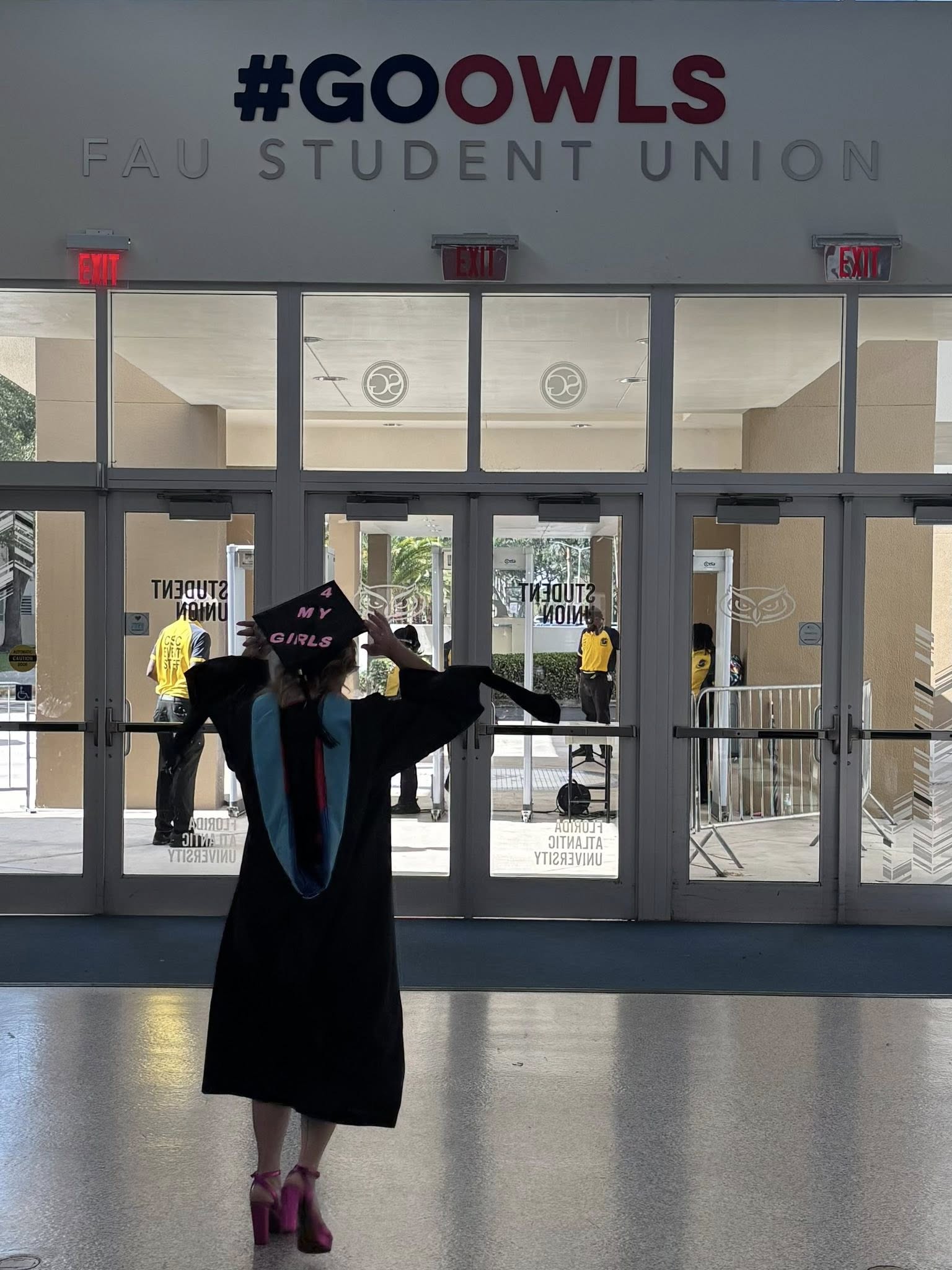
That commitment to using poetry as a civic and communal tool is at the heart of my role as the first Poet Laureate of the City of Coconut Creek, a position I was appointed to in 2022, making Coconut Creek the first municipality in Broward County to name a poet laureate. In my interview with WLRN’s Sundial, we talked about what it means to be a “poet of place:” writing not only about palm trees and traffic, but about the people who live under those trees and drive those roads and then using that work to create new spaces where neighbors see themselves reflected. As poet laureate, I’ve written dozens of civic poems, led workshops in parks and libraries, helped open poetry writing groups, and collaborated on events that invite residents from children to retirees to speak their own lines into the public record. That work dovetails with my ongoing doctoral studies in Higher Educational Leadership & Research Methodology at Florida Atlantic University, where I’m asking how institutions can better support creative, inclusive practices that move beyond the classroom and into the wider community.
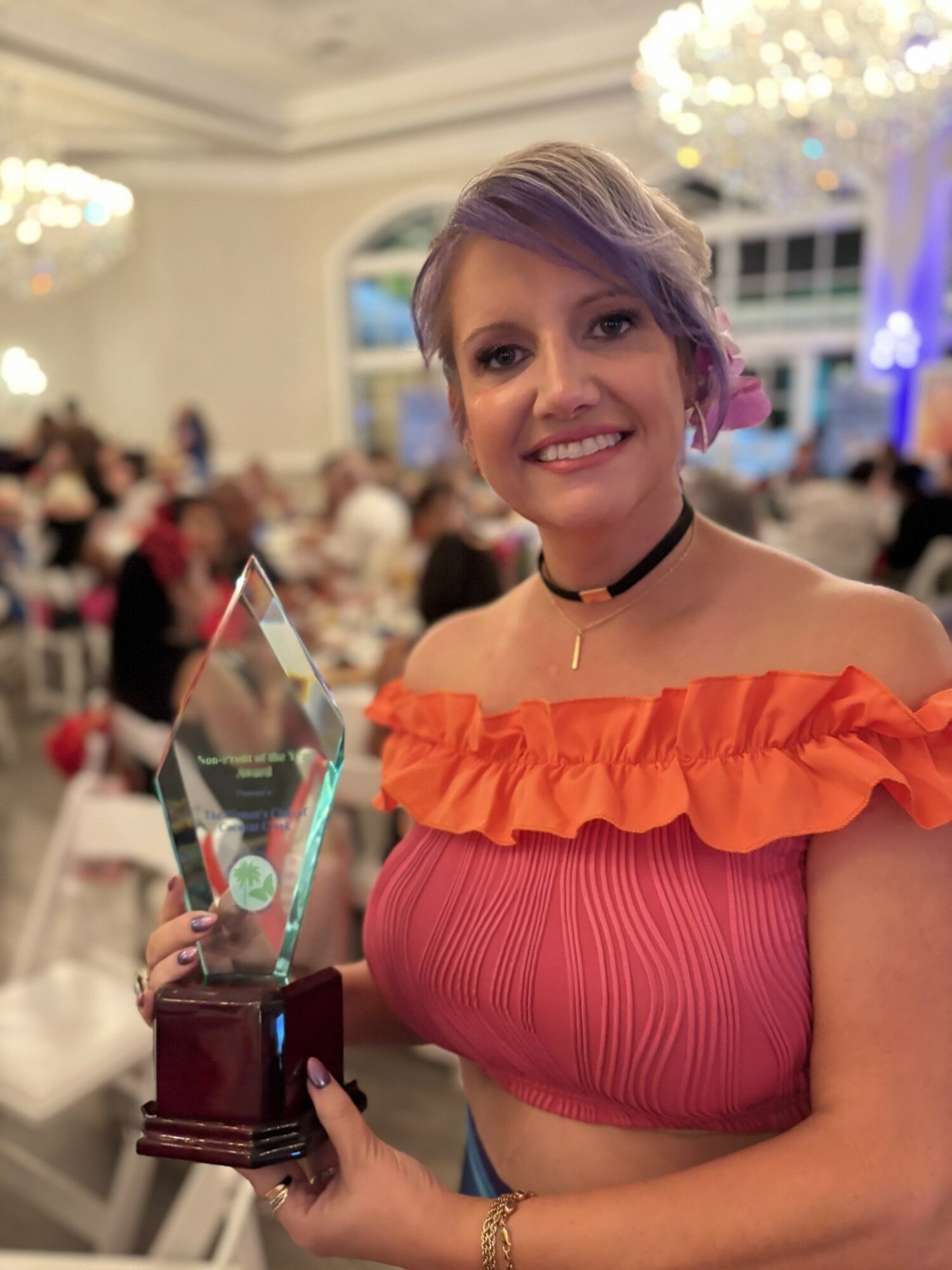
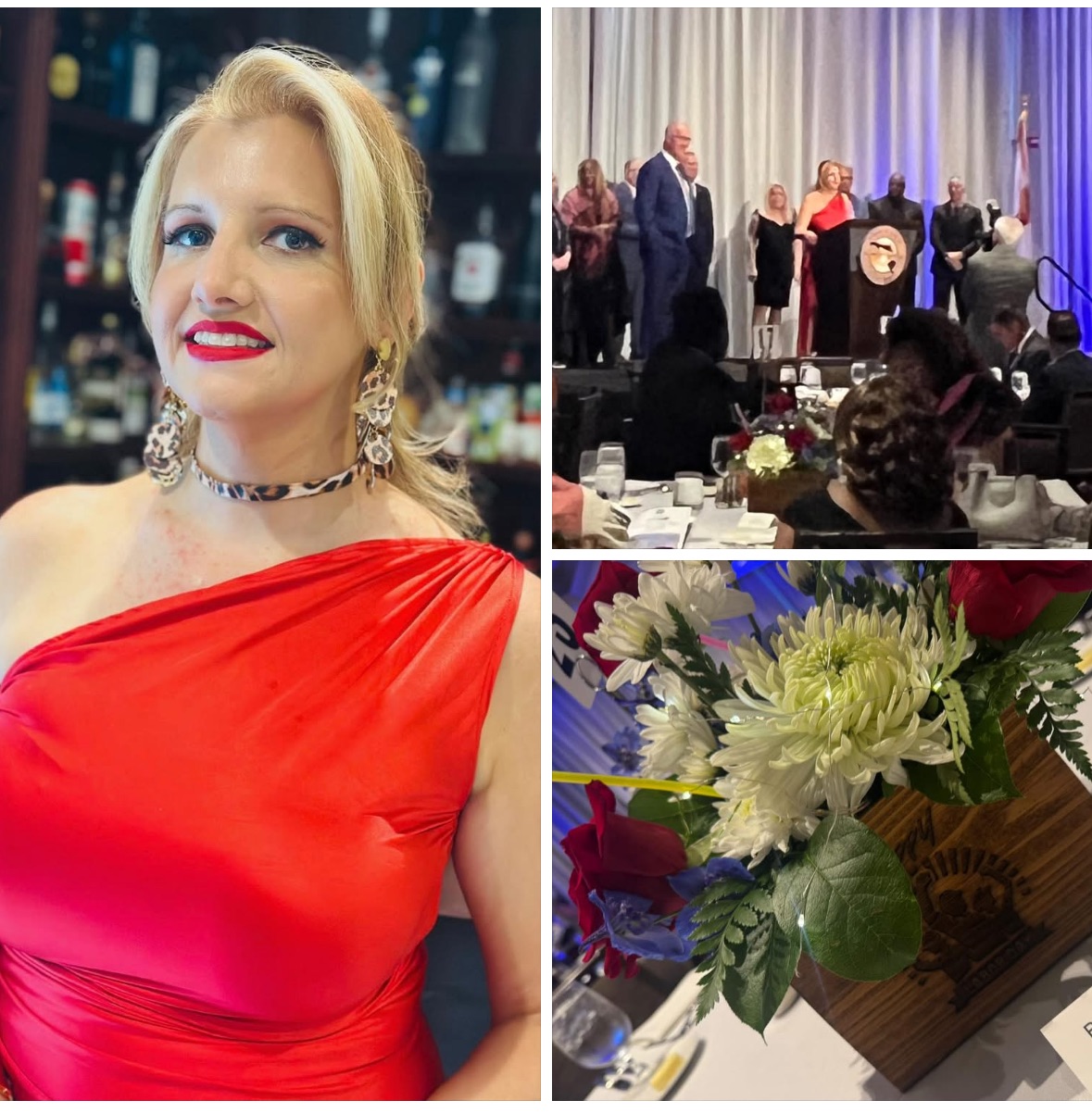
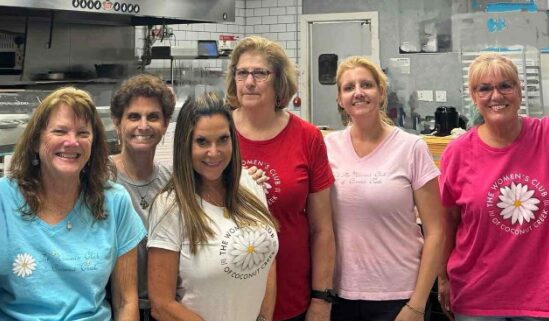
My leadership with the Women’s Club of Coconut Creek has been another crucial chapter in this story of weaving art, education, and community impact together. When I stepped into the presidency about five years ago, the club already had a rich history of service, but it was ready for a new kind of visibility and structure. Drawing on my background in curriculum design and event coordination, I worked with a dedicated boards to reimagine our meetings, outreach, and partnerships by embedding more creative programming into our scholarship efforts, hosting out-of-the-box kind of fundraisers, and framing service projects as storytelling opportunities for local women. Under this renewed vision, the club was honored as Nonprofit of the Year by the Coral Springs Coconut Creek Regional Chamber of Commerce in 2024, a recognition that reflected not just fundraising totals, but the sense of connection and pride we’d built around civic engagement and creativity.
Across all of these roles—poet, professor, event coordinator, president, student—the throughline is a belief that the arts are not a luxury or an afterthought; they are infrastructure. Poetry readings, book festivals, scholarship galas, and sidewalk workshops become the “roads and bridges” that allow people to cross into new understandings of themselves and one another. My own journey started with a girl in Broward County scribbling lines in a notebook and wondering if they mattered. Today, I’m still that girl, but I have the privilege of helping build platforms where other people’s words can travel further: into classrooms, onto stages, through city proclamations, and across social media feeds where someone might stumble upon a poem and feel less alone. That is how I got to where I am now, and it’s why I keep going—to keep widening the circle where creativity and community meet, so more people can see their own reflections in the story of this place we call home.
Alright, so let’s dig a little deeper into the story – has it been an easy path overall and if not, what were the challenges you’ve had to overcome?
The road has been meaningful and full of purpose, but it has not been smooth. From the beginning, my path asked me to hold seemingly opposite truths at the same time: to be both a vulnerable poet and a practical leader, a first-generation academic and a community organizer, a woman with learning differences and a teacher who is now trusted to guide others. That tension has shaped almost every step of the journey. In college, I initially set out to study business and follow a more conventional professional path to become an events planner, only to hit a life-changing roadblock when I was diagnosed with multiple learning disorders. On paper, that diagnosis could have looked like confirmation of every doubt I had about myself as a reader, writer, and thinker, and there were moments when it felt like a closed door. But instead of shutting me down, it forced me to reimagine the story I was telling myself about what I was capable of; I had to learn new strategies for processing information, managing time, and advocating for my needs, which meant my persistence in the classroom was never something I could take for granted. That experience made poetry feel less like an elective and more like a survival tool—a place where nonlinear thinking, sensory detail, and associative leaps weren’t liabilities but strengths.
Writing my first book, <i>Visions on Alligator Alley</i>, brought that tension into sharp focus. The project began during my Writer-in-Residence year at Girls’ Club, where I was immersed in visual art and asked to respond in poems; it was exhilarating to feel the work coming alive, but also daunting to shoulder the pressure of turning a residency into a cohesive manuscript worthy of publication. There were stretches when I questioned whether I had any right to tell this ekphrastic, place-based story in verse—whether anyone outside of a small, niche poetry world would care about a book rooted in South Florida landscapes and gallery walls. Drafting and revising around a full teaching load meant many late nights and early mornings, and each step—from finding a publisher to promoting the book—required an unfamiliar kind of vulnerability: asking for support, accepting criticism, and learning to talk about my own work without minimizing it. That book taught me that finishing a manuscript is only one part of the challenge; the equally hard work is standing behind it, poem by poem, in rooms where poetry is not always the native language.
That reality threads into one of the ongoing struggles of my life in the arts: building and sustaining support for poetry in a culture that often consumes poetic language without recognizing it as such. It’s a strange paradox to live in a world where the greeting card industry generates billions in profit each year, where people regularly buy short, emotional texts to mark love, loss, and celebration—but many of those same people will say, without hesitation, “I don’t read poetry.” Convincing organizations, funders, and even some educational spaces that poetry is not an indulgence but a powerful tool for empathy, literacy, and community-building requires constant advocacy and translation. I am often asking people to see beyond the stereotype of poetry as opaque or elitist, and instead to recognize that it already lives in their lives—in songs, in cards, in the language they reach for when life is most intense. That gap between how much we rely on poetic language privately and how little we invest in it publicly is one of the hardest, and most motivating, tensions I navigate as a poet of place and literary event coordinator.
Layered over all of this is the everyday complexity of being a wife of fifteen years, a mother to two young daughters, a community leader, and a student, while trying to honor a vocation that does not fit neatly into a nine-to-five box. The calendar is often a collage of faculty meetings, city events, poetry workshops, school pick-ups, homework help, board meetings, and the quiet, unglamorous hours needed to write or revise. There have been nights when I’ve gone straight from leading a community workshop to cheering at a school performance, then coming home to tuck my daughters in before opening my laptop to prepare a lesson or work on my doctorate. The logistics can be exhausting, and there is a constant low hum of guilt—am I giving enough to my students, my community, my writing, my family, myself? What makes the road possible, even when it’s bumpy, is the presence of a deeply supportive husband who doesn’t just “tolerate” my commitments, but actively collaborates in them: sharing childcare, showing up to events, and reminding me that rest is also part of the work. Our marriage and our daughters are not in competition with my creative and community life; they are the reason I care so fiercely about building a world where the arts are visible, valued, and accessible. So no, it has not been a smooth road—but the friction has given the journey its shape and urgency, sharpening my purpose to use poetry and the literary arts as tools for belonging, resilience, and transformation in the place that raised me.
As you know, we’re big fans of you and your work. For our readers who might not be as familiar what can you tell them about what you do?
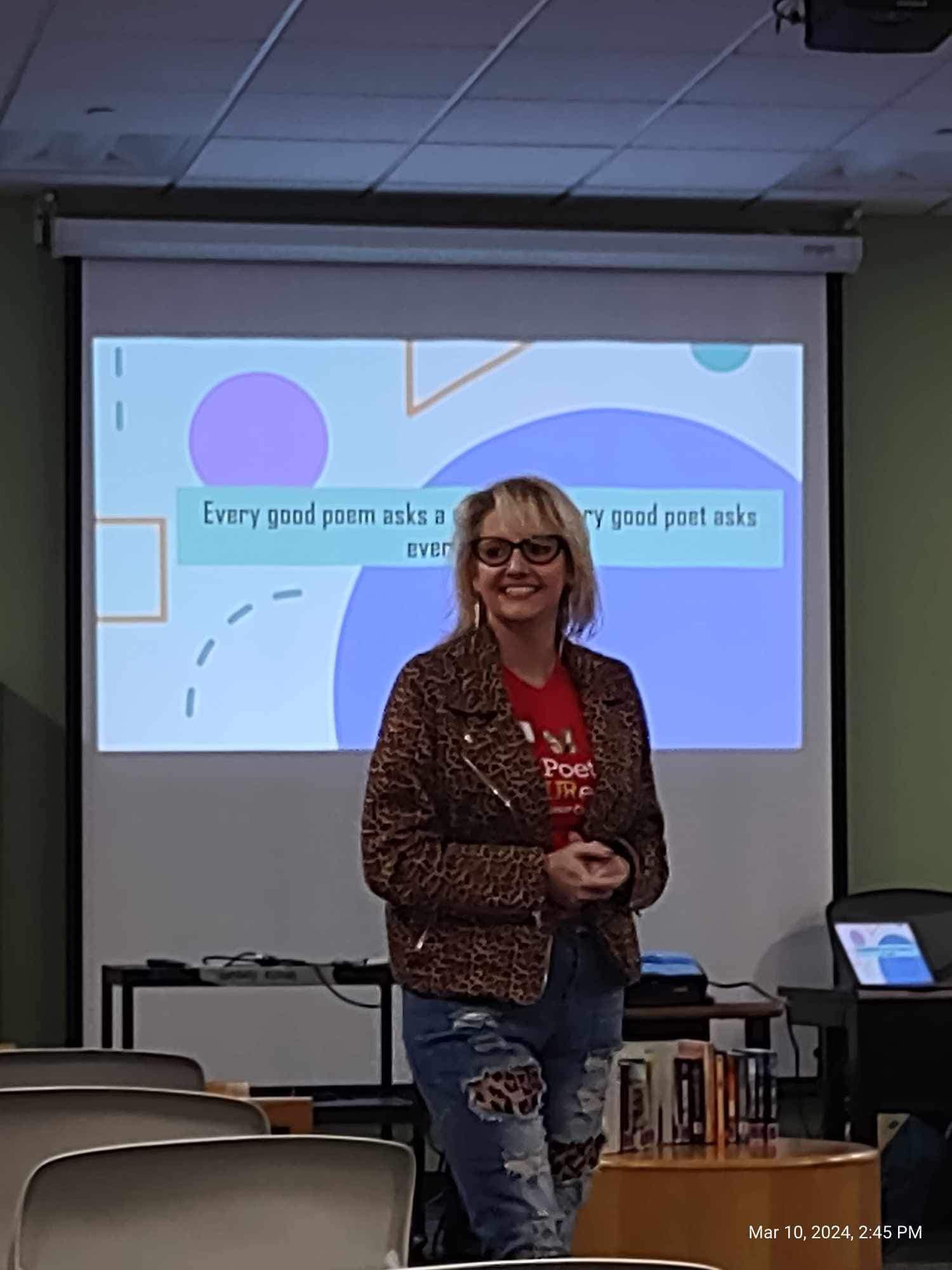
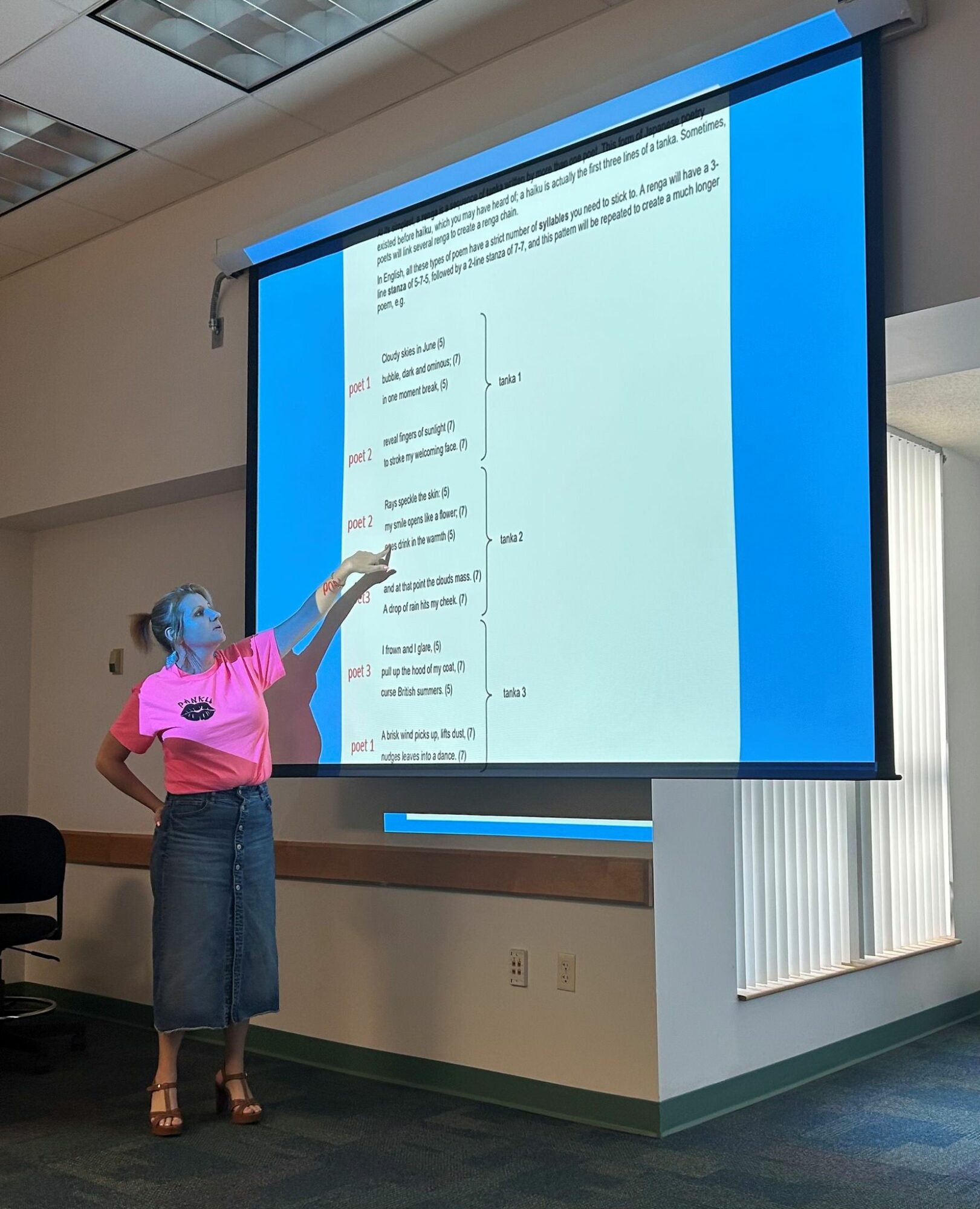
Most of what I do lives at the intersection of poetry, education, and community leadership: I design spaces where people who might never call themselves “artists” or “leaders” are invited to the table, reminded that they already are storytellers, and then given tools to build community from that place. At Broward College, that looks like teaching writing and literature courses that blend craft with confidence-building and inclusion, helping students from widely varying backgrounds connect their voices to the communities they live in. In the wider community, it looks like designing and facilitating workshops for libraries, arts organizations, festivals, and city programs like sessions on “poetry of place,” “poetic handcuffs,” and other themes that invite participants to experiment with form, emotion, and memory in ways that are accessible, rigorous, and welcoming to every level of experience. Whether I’m working with college students, retirees, multilingual families, or middle-schoolers at a park event, my focus is on making sure everyone feels they have a seat, a voice, and a role in the room.
Because of that focus, community leadership training is woven into almost everything I do, even when a program is advertised as “just” a poetry workshop or community project through the Women’s Club. I build in exercises that help participants practice listening across difference, facilitating discussions, and giving and receiving feedback in ways that honor each person’s lived experience. My background in leadership development through roles like Dual Enrollment Faculty Coordinator and the Leadership Broward through the President’s Leadership Academy, or my city’s Citizen’s Academy have given me a structural lens on how institutions function, and I use that to help people move from idea to action: from “I wish there were more activities for people like me” to “here’s a plan for an inclusive event, who else can we invite to help lead?” Over the years, I’ve mentored emerging leaders in the Women’s Club of Coconut Creek, students at Broward College, and community members across Broward County, always emphasizing that leadership is not reserved for a select few; it’s a practice that grows when more people are welcomed into the process.
Literary event planning is another area where my commitment to inclusion and community-building comes to life. As a long-time festival coordinator for a South Florida poetry festival, I’ve helped design readings, conferences, and multi-part workshop series that intentionally bring together writers and audiences of different ages, cultures, and genres. That has meant curating lineups that reflect the real diversity of South Florida, partnering with organizations across Miami-Dade, Broward, and Palm Beach, and creating events like cross-county “Favorite Poems” readings, Poets @ Heart gatherings, and park-based festivals where visual art, music, and poetry share the stage. What I’m known for in these contexts is not just “putting on events,” but creating atmospheres where someone who has never been to a literary event feels as welcome and valued as a featured poet, where the room is intentionally arranged so that new voices, marginalized voices, and quieter voices are invited into the center of the conversation.
As a creative workshop facilitator and poet of place, my specialty is helping people connect their own inner landscapes to the outer landscapes they inhabit, especially the uniquely Floridian textures of Broward County and South Florida, and then recognize that these stories belong together. My first book, <i>Visions on Alligator Alley</i>, an ekphrastic story in verse inspired by my residency at Girls’ Club, is an example of that practice: it takes local art and local geography and turns them into a narrative where readers can see the region’s past and present reflected in many voices, not just one. In workshops, I ask participants to write from what they see out their windows, on their commutes, in their families, and in their first languages if they wish, and then I help them shape that material through craft—line breaks, repetition, persona, bilingual play—in ways that honor where they come from. The goal is to demystify poetry and leadership at the same time: to show that your story and your way of speaking are not obstacles to “real” art or “real” leadership; they are exactly what our community needs more of.
Within the Women’s Club of Coconut Creek and other civic roles, my work extends into formal community leadership training and nonprofit development, always with an eye toward opening the circle wider. As president of the club, I’ve helped organize scholarship programs, fundraisers, and service projects that not only raise money but also create pathways for women and youth from different backgrounds to step into leadership, whether that’s chairing a committee for the first time, speaking at a chamber event, or designing a creative service project. Collaborations with the Coconut Creek Firefighter Benevolent Association and other partners have allowed me to help to bring businesses, schools, and residents together around shared causes, and I’m proud that this inclusive approach contributed to the club being recognized as Nonprofit of the Year in 2024. In all of this, the question is: who isn’t at this table yet, and how can we make it easier—and more joyful—for them to join us?
People often describe my work as “bridge-building,” and that phrase captures what sets me apart: I move deliberately between spaces that don’t always talk to each other—academia and city hall, literary festivals and neighborhood parks, scholarship galas and public libraries—and invite people from each space to sit together and co-create. I’m comfortable designing a leadership curriculum in the morning, moderating a multilingual community reading in the afternoon, and facilitating a craft talk on metaphor and silence in the evening, because each of those spaces benefits from the same core commitments: openness, curiosity, and shared ownership. My inclusive nature is not just a personality trait; it’s an intentional practice of making sure programming, language, and logistics are designed with different access needs, cultural backgrounds, and comfort levels in mind, so that people leave feeling not just inspired but invited to contribute.
What I’m most proud of is the cumulative impact of this approach: the students who go on to create their own inclusive open mics; the community members who discover they can facilitate circles in their neighborhoods; the women who realize they are not “just volunteers” but community builders and idea-unifiers. I’m proud of the hundreds of poems, events, and programs I’ve created as a poet of my city and as a community leader, but I’m even more proud of the ways those efforts have helped other people see that there is a place for them at the table of the arts, education, and civic life. Ultimately, what sets my work apart is the way it braids craft, care, and inclusion: I am as invested in the shape of a stanza as I am in the shape of a circle of chairs, and I measure success not just by the quality of the work produced, but by how many people feel welcomed into the work of building and uniting their community through shared ideas.
What’s next?
In this season of my life, I’m focused less on adding new lanes to the highway and more on deepening the ones I’m already traveling—writing, teaching, and community-building—but there are a few big milestones on the horizon that I’m especially excited about. One of my central goals is to bring my second manuscript, <i>Möbius Love Song</i>, into the world with an academically respected press, a home that understands both the poetic craft and the scholarly conversations the book engages. The manuscript has already been recognized as a Button Poetry semifinalist and a Pine Row Press finalist with fourteen poems of the book published in various national and international literary journals. This external affirmation has given me energy to keep revising, researching presses, and preparing a submission strategy that aligns with my values: thoughtful editing, strong distribution, and a commitment to supporting poets over the long haul. I’m looking forward to the moment when these poems leave my desk and become a book that can sit in classrooms, libraries, and living rooms, continuing the work of exploring desire, identity, and place that began in my first collection, <i>Visions on Alligator Alley</i>.
Another major priority is completing my Ph.D. in Higher Educational Leadership and Research Methodology at Florida Atlantic University. This degree is not about stepping away from poetry or community work; it’s about giving myself a stronger theoretical and research-based foundation for the kind of leadership I’m already practicing in classrooms, city programs, and nonprofits. I’m particularly interested in how institutions can better support creative, inclusive practices—how policy, curriculum, and organizational culture can be shaped so that arts-based, community-engaged learning isn’t the exception, but part of the core design. In the short term, that means lots of reading, data collection, and writing; in the long term, it will allow me to bring evidence-based insights to conversations about higher education, arts funding, and community partnerships, advocating more effectively for the kinds of programs I’ve been building intuitively for years.
Once those two big goals—<i>Möbius Love Song</i> finding its press, and the Ph.D. moving from in-progress to completed—are in place, my plan is actually to pour even more deeply into the work I’m already doing rather than radically change course. I want to expand the reach and sustainability of the literary and leadership programs I’ve helped build. I’m looking forward to mentoring more emerging poets and community organizers, especially those from underrepresented backgrounds, and to saying “yes” more selectively to projects that resonate with my core mission of using poetry and story as tools for belonging and transformation. In other words, the big “change” ahead isn’t about becoming someone new; it’s about becoming more fully myself—an educator, poet, mom, wife, and community builder whose work is grounded in both lived experience and rigorous research, and whose energy is focused on helping others claim their own seat at the table of art and civic life.
Contact Info:
- Website: www.LauraMcDermottMatheric.com
- Instagram: @LauraMcDermottMatheric
- Facebook: @LauraMcDermottMatheric
- Linkedin: @LauraMcDermottMatheric
- Twitter: @LauraMcDMv
- Youtube: @LauraMcDermottMatheric
- Other: www.LauraMcD.com