




Today we’d like to introduce you to Jen Dwyer.
Alright, so thank you so much for sharing your story and insight with our readers. To kick things off, can you tell us a bit about how you got started?
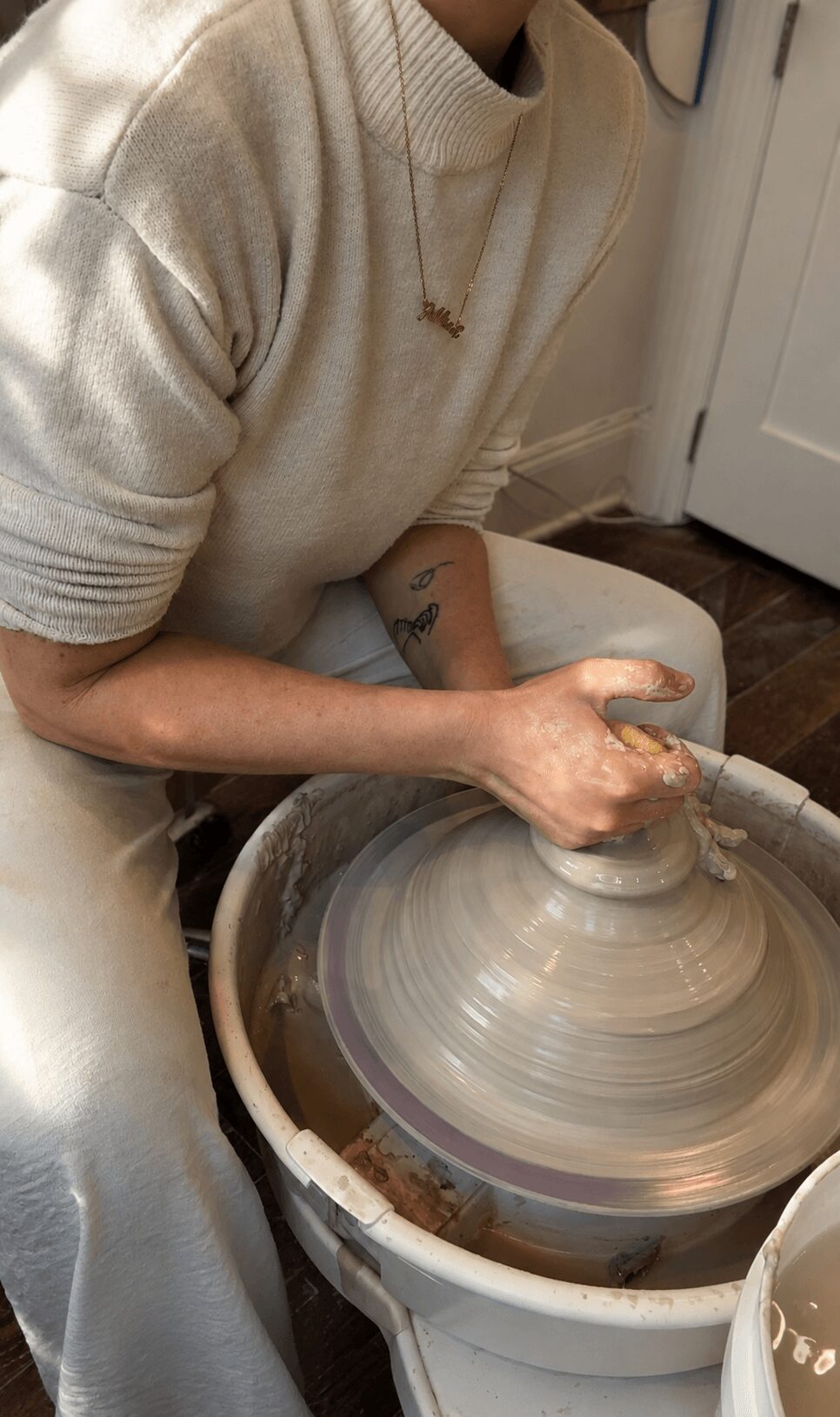
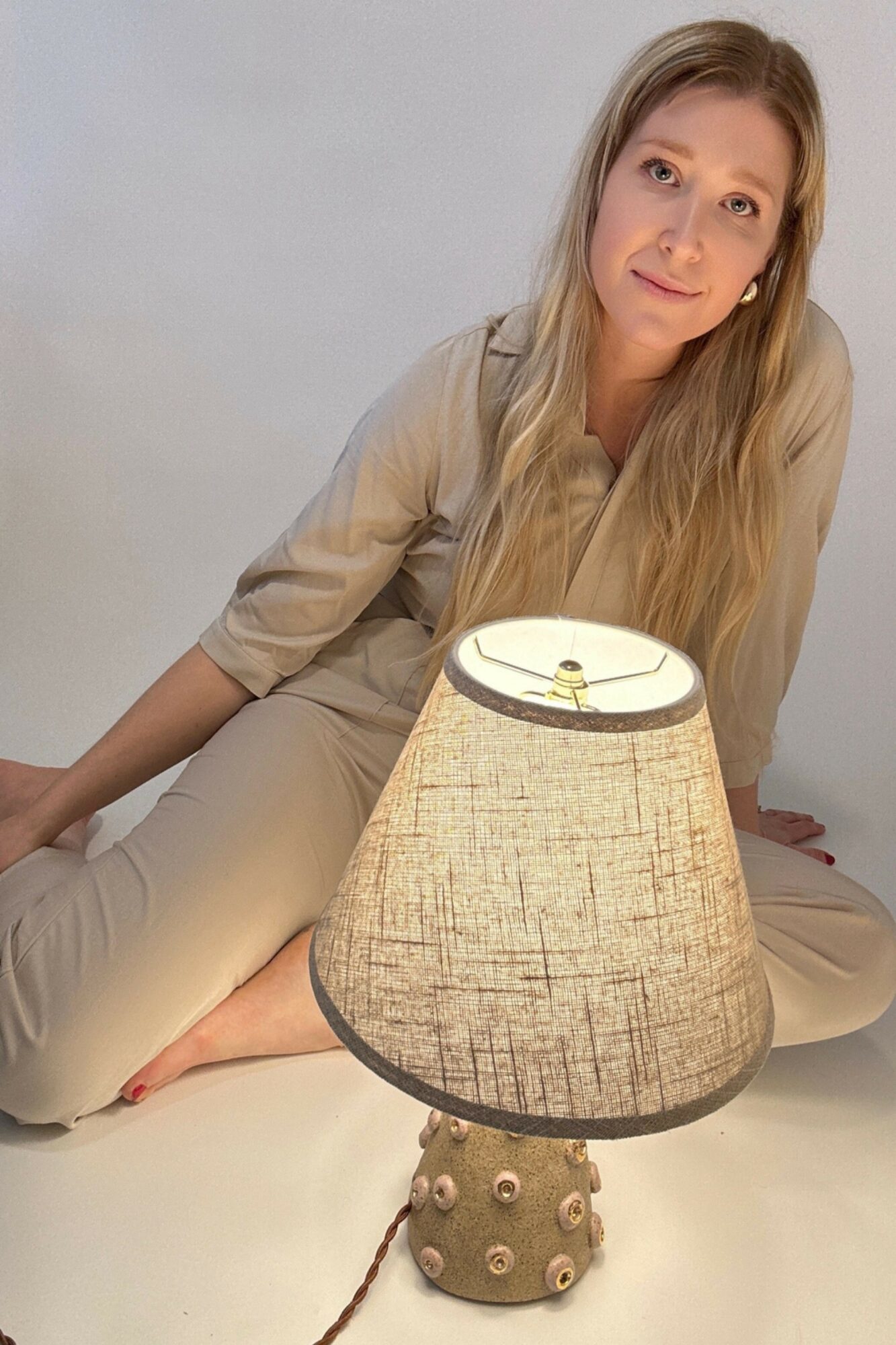
I’m Jen Dwyer, the founder and designer behind Studio J.E.D., a Brooklyn-based ceramic lighting and furniture studio.
My journey with clay began when I was seventeen years old. I went on to earn a BFA in Ceramics and a BA in Environmental Studies from University of Washington, and later an MFA in Ceramics from University of Notre Dame. For much of my career, I focused on sculpture, fine art, and art education while continuing to maintain an active studio practice.
The idea for Studio J.E.D. emerged from a very personal place. At the beginning of 2025, when I moved in with my then-boyfriend, now husband, I found myself searching for lighting that felt warm, sculptural, and deeply handmade. I was surprised by how difficult it was to find pieces that combined the artistry of ceramics with functional design in a way that felt contemporary, timeless, and personal. Eventually, I decided to create my own.
What began as a single lamp quickly evolved into a larger collection and, ultimately, a business. Serendipitously, just a few months after launching Studio J.E.D., I was invited to participate in an exhibition at Bergdorf Goodman. The majority of my lighting pieces sold, and seeing those early designs find homes with collectors felt like a powerful affirmation that Studio J.E.D. was something worth pursuing.
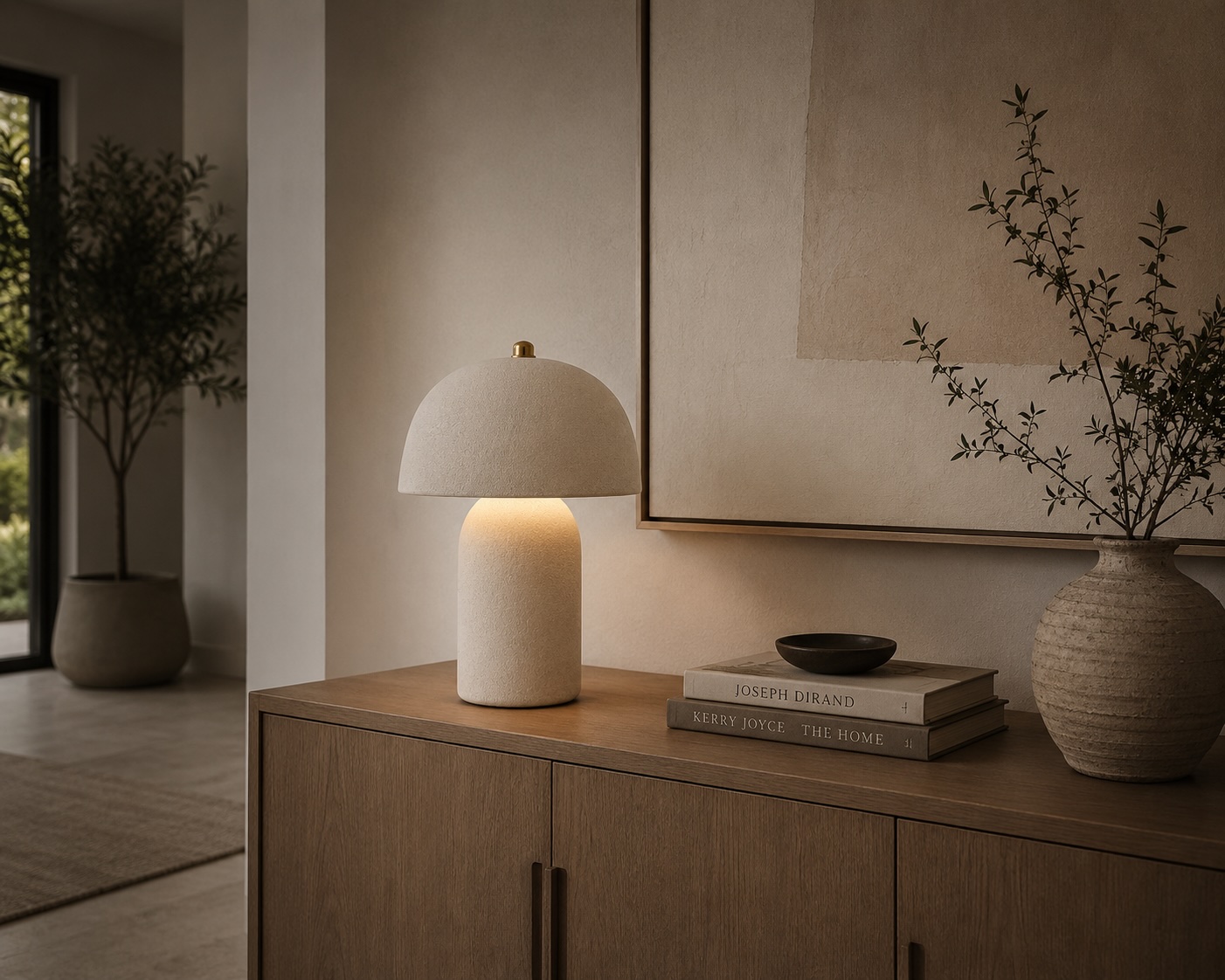
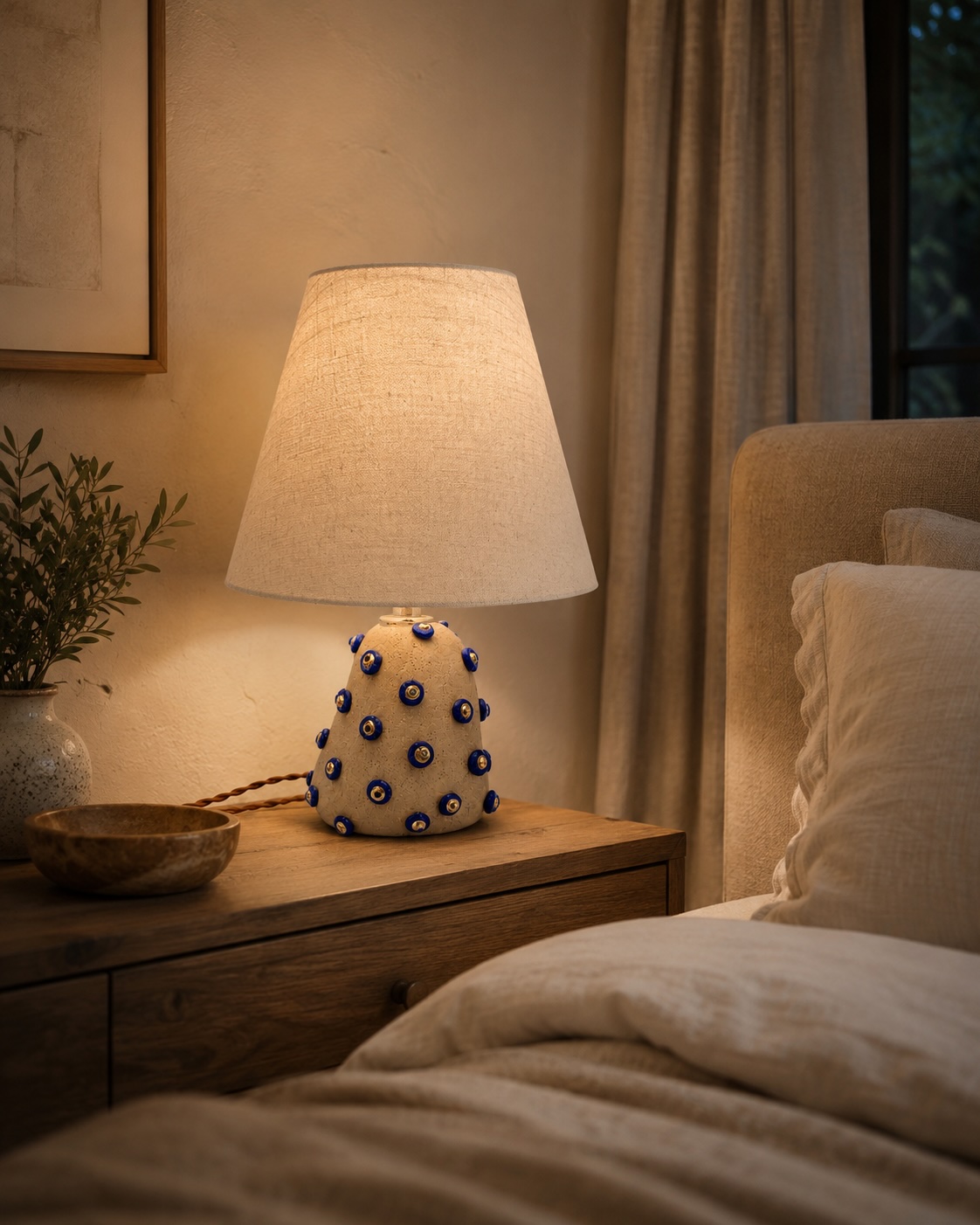
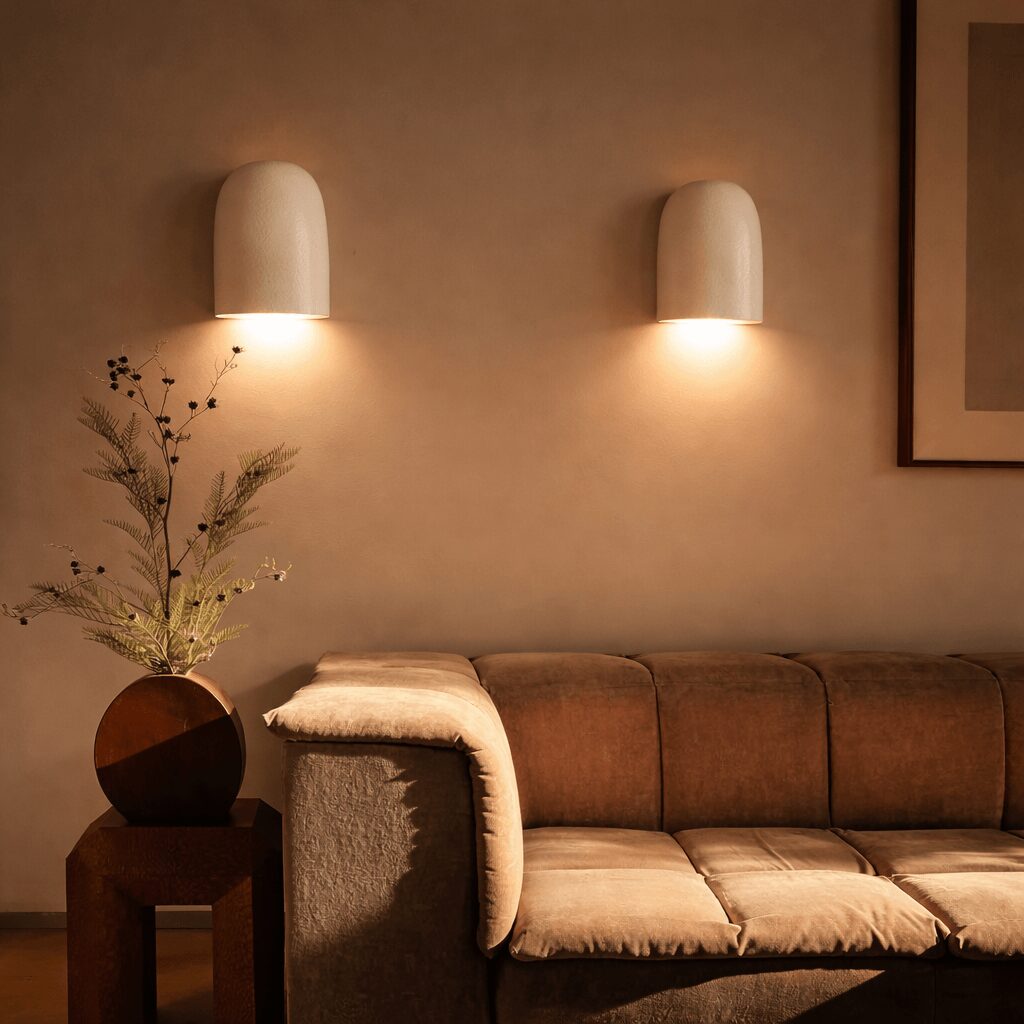
Today, Studio J.E.D. creates hand-built ceramic lighting, furniture, and home objects. This summer, I am expanding the collection to include sculptural dining and coffee tables. The work is inspired by art history, architecture, and the women artists who have influenced my practice. Every piece is made in my Brooklyn studio and is designed to bring warmth, character, and a sense of calm to the spaces we inhabit.
Over the past year, the studio has grown significantly. My work has been exhibited at Bergdorf Goodman, showcased at the International Contemporary Furniture Fair, featured in design publications, and specified by interior designers for residential projects across the country.
While Studio J.E.D. is still a young company, I see it as the beginning of a lifelong practice. My goal is to continue creating collectible, sculptural pieces that live somewhere between art and function while building meaningful relationships with designers, collectors, and the people who bring the work into their homes.
Would you say it’s been a smooth road, and if not what are some of the biggest challenges you’ve faced along the way?
It definitely hasn’t been a smooth road. One of the biggest challenges was actually having the courage to start the business in the first place. I had been working with clay for over twenty years before launching Studio J.E.D. For a long time, I think I was waiting for someone to discover me, rescue me, and give me that ‘break out’ moment I’d be fantasizing about. I imagined there would be a gallery, collector, or opportunity that would somehow help me ‘make it’.
Eventually, I realized that no one was coming to save me and if I wanted to turn my passion into a career, I had to take ownership of that process myself. Starting Studio J.E.D. was really about stepping into that responsibility and believing enough in my work to put it out there.
Beyond that, building a business has required learning an entirely new skill set. Having a dedicated daily studio practice has always felt like breathing to me, a very natural act, but learning sales, marketing, pricing, manufacturing, and business development has been a continuous education.
Running a business also involves a lot of unsexy daily work. I think there’s a common misconception that if you make great work, people who want your work will find you, and the rest will take care of itself. What I’ve learned is that you’re really the only person who can rescue yourself.
Learning things like marketing and sales—two things I’m still very much learning—has been incredibly important. Even saying those words out loud used to make me cringe a little. In the art world, I often felt it was considered somewhat crass to talk about sales or business, yet artists are still expected to pay studio rent, buy materials, and somehow sustain a practice. I’ve had to reframe my relationship with that. I’ve come to see marketing not as self-promotion, but as helping people discover work that might genuinely bring value to their lives.
I also think one of the hardest lessons has been learning not to care quite so much about what other people think. That’s something I’m still working on every day. There have been setbacks, financial risks, and plenty of moments of self-doubt and many tears (lots and lots of tears ;), but each challenge has helped me grow both as an artist and as an entrepreneur.
Looking back, I’m grateful I didn’t wait any longer. The last few years have taught me that opportunities often come not from being discovered, but from consistently showing up, sharing your work, and creating those opportunities yourself.
As you know, we’re big fans of you and your work. For our readers who might not be as familiar what can you tell them about what you do?
I am the founder and artist behind Studio J.E.D., a Brooklyn-based ceramic lighting and furniture studio. I create sculptural, hand-built ceramic lighting and, beginning this summer, furniture pieces including tables that live somewhere between functional design and contemporary art.
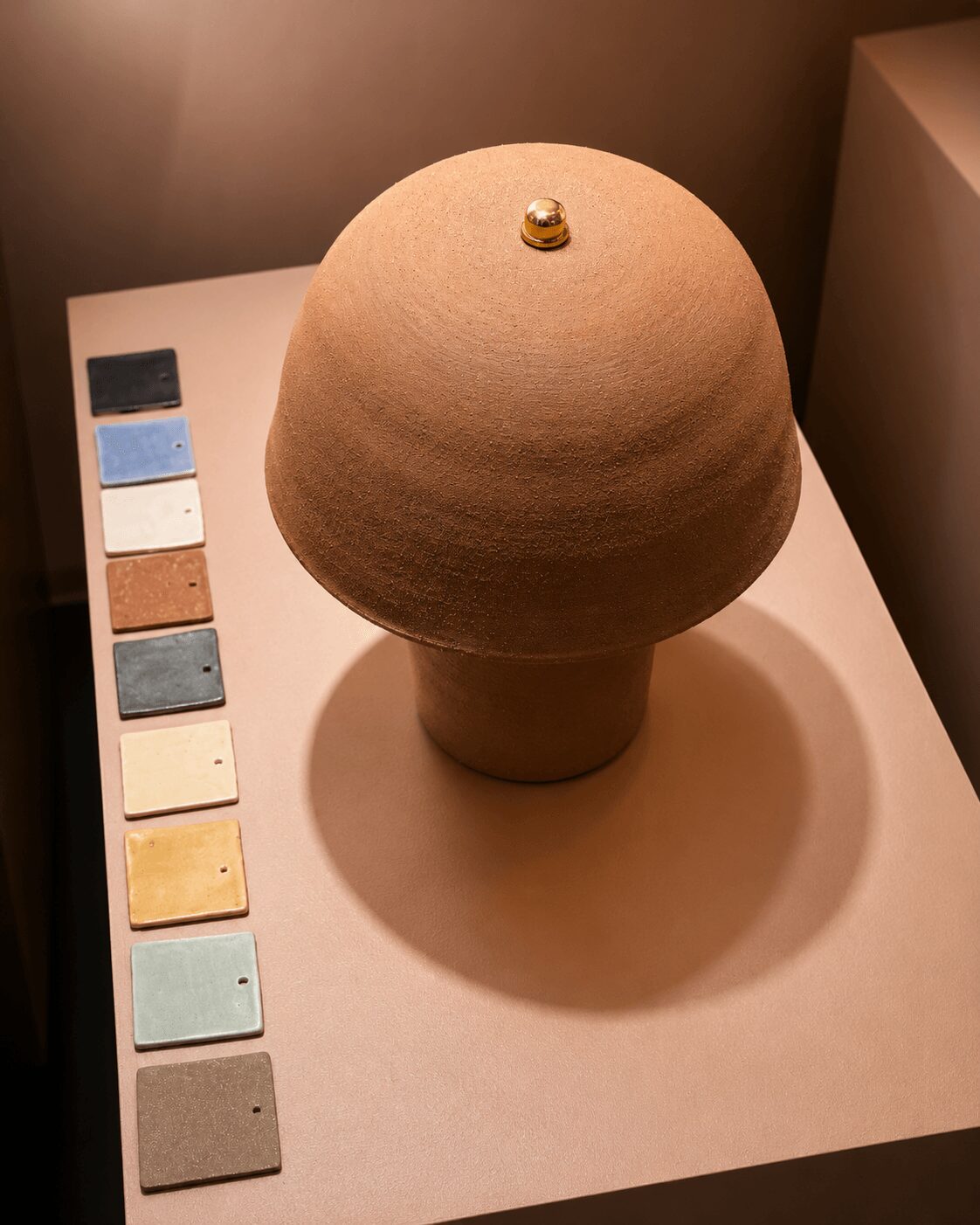
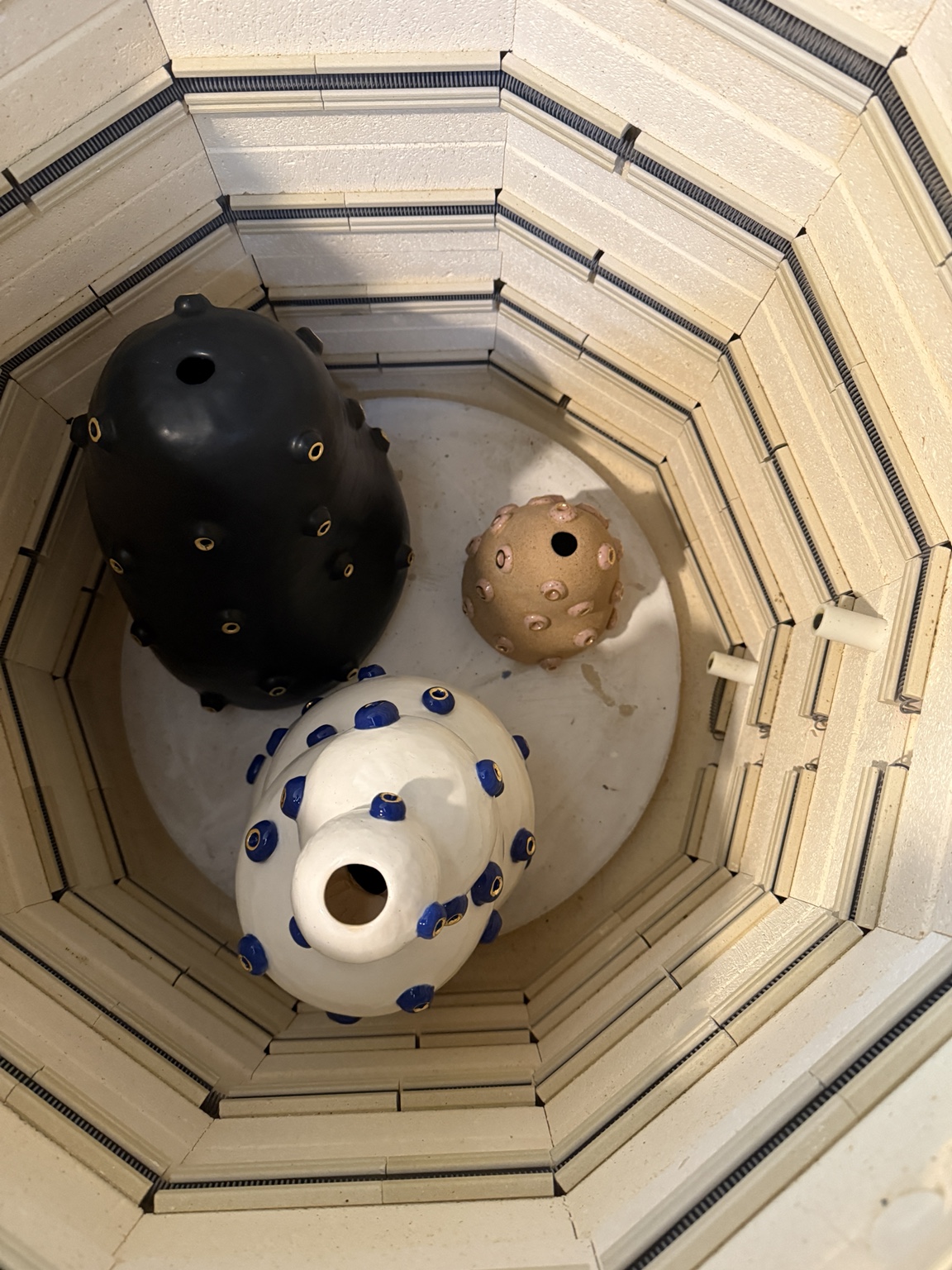
My background is in ceramics and sculpture, and I’ve spent more than twenty years working with clay. Because of that, I approach lighting very differently than many traditional lighting brands. I don’t begin with industrial manufacturing processes or trends. I begin with the material itself—its weight, texture, imperfections, and ability to hold evidence of the human hand.
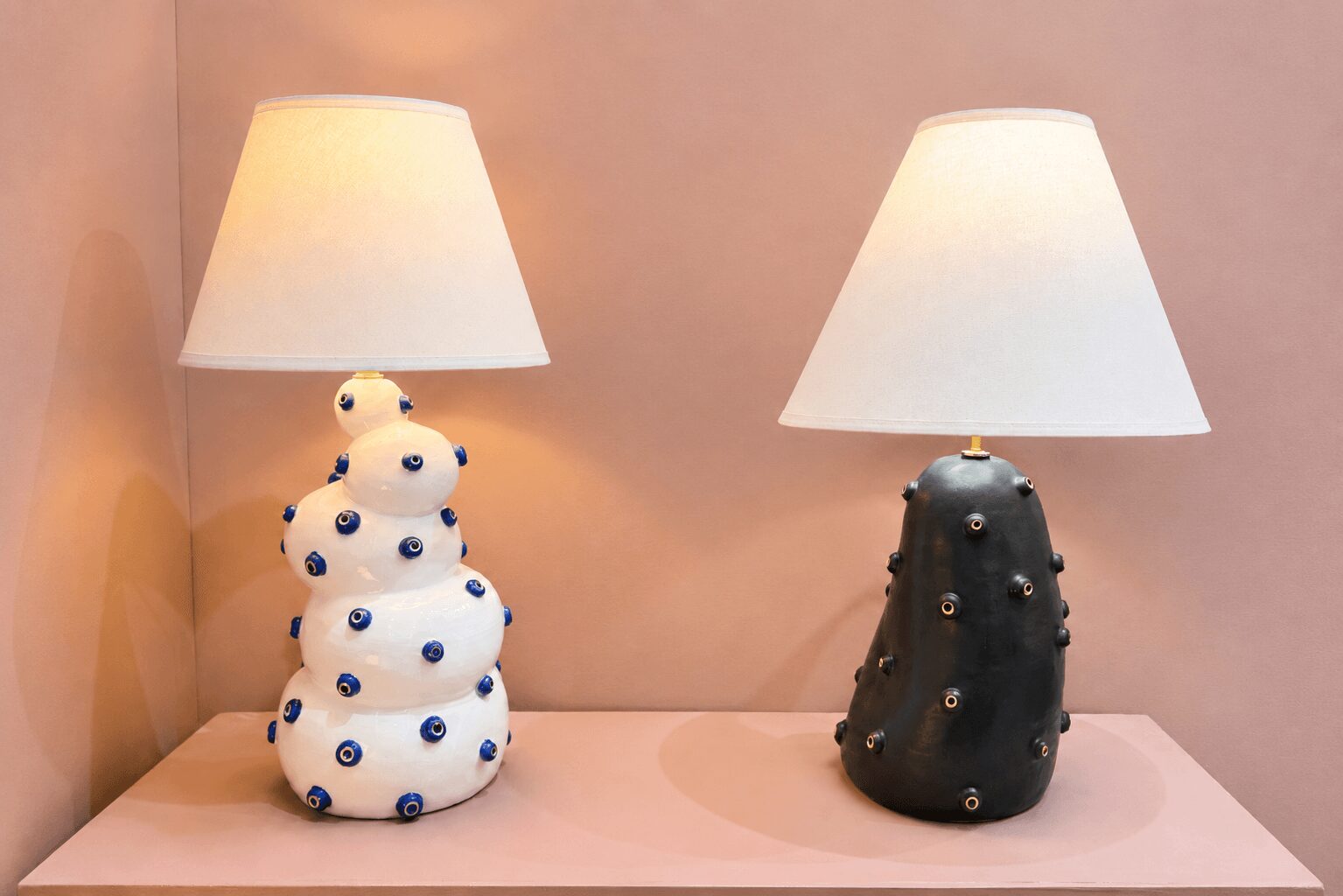
Many of my pieces are inspired by women artists who have influenced my practice, and I often name the work after them. One example is my Betty Lamp collection, which debuted at ICFF and is named after the ceramic artist Betty Woodman. I’ve long admired her ability to blur the boundaries between sculpture, craft, and functional objects. Her work was playful, expressive, and deeply rooted in ceramics while also challenging traditional ideas about what ceramic work could be. The Betty Lamp collection draws inspiration from that spirit of experimentation and from her belief that everyday objects can also be works of art.
Art history, architecture, the body, and domestic space all play important roles in my design process. I’m interested in creating objects that feel timeless rather than trend-driven—pieces that can live in a home for decades and become part of a family’s story.
What I’m most proud of is that I built Studio J.E.D. from the ground up and stayed true to my vision throughout the process. Every piece is still made by hand in my Brooklyn studio. In a world that is increasingly automated and mass-produced, I think there is something meaningful about creating objects that carry the marks of the maker and celebrate the beauty of craftsmanship.
I think what sets my work apart is that it sits at the intersection of fine art and functional design. My pieces are meant to be used every day, but they are also intended to evoke emotion, curiosity, and connection. I’m not interested in creating disposable objects. I’m interested in creating future heirlooms—pieces that bring warmth, character, and a sense of presence to the spaces where people gather, celebrate, and build their lives.
Ultimately, my goal is to create work that feels deeply human. In a culture that often moves faster and faster, I want my pieces to invite people to slow down, connect with one another, and experience a little more beauty in their everyday lives.
Is there a quality that you most attribute to your success?
Persistence.
I’ve been working with clay for over twenty years, and both ceramics and business teach you resilience. Things rarely go exactly as planned, but I’ve learned to keep showing up, keep learning, and keep moving forward. Some things don’t turn out the way you imagined, while other things turn out far better than you ever dreamed.
Building Studio J.E.D. has required me to step far outside my comfort zone and learn everything myself and then learning how to teach others in the studio what I’ve learned. I truly believe that if there’s knowledge you’re lacking, you can learn it. Whether that’s through research, mentorship, or simply trial and error, there’s almost always a way to bridge the gap. That willingness to keep learning—and to keep going even when things feel uncertain—has been one of the biggest contributors to my success as well as having a really supportive community and partner has been so essential.
Pricing:
- Don’t underprice your work. Materials, labor, shipping, overhead, and the countless hours that go into creating something almost always cost more and take longer than you initially think they will. It’s a lesson I’m still learning. As artists and makers, I think many of us worry about charging too much, when in reality we’re often charging too little. Learning to value your time, expertise, and craftsmanship isn’t just important for the health of your business—it’s what allows you to continue making the work in the first place.
Contact Info:
- Website: https://www.studio-jed.com/
- Instagram: https://www.instagram.com/studio_j.e.d/