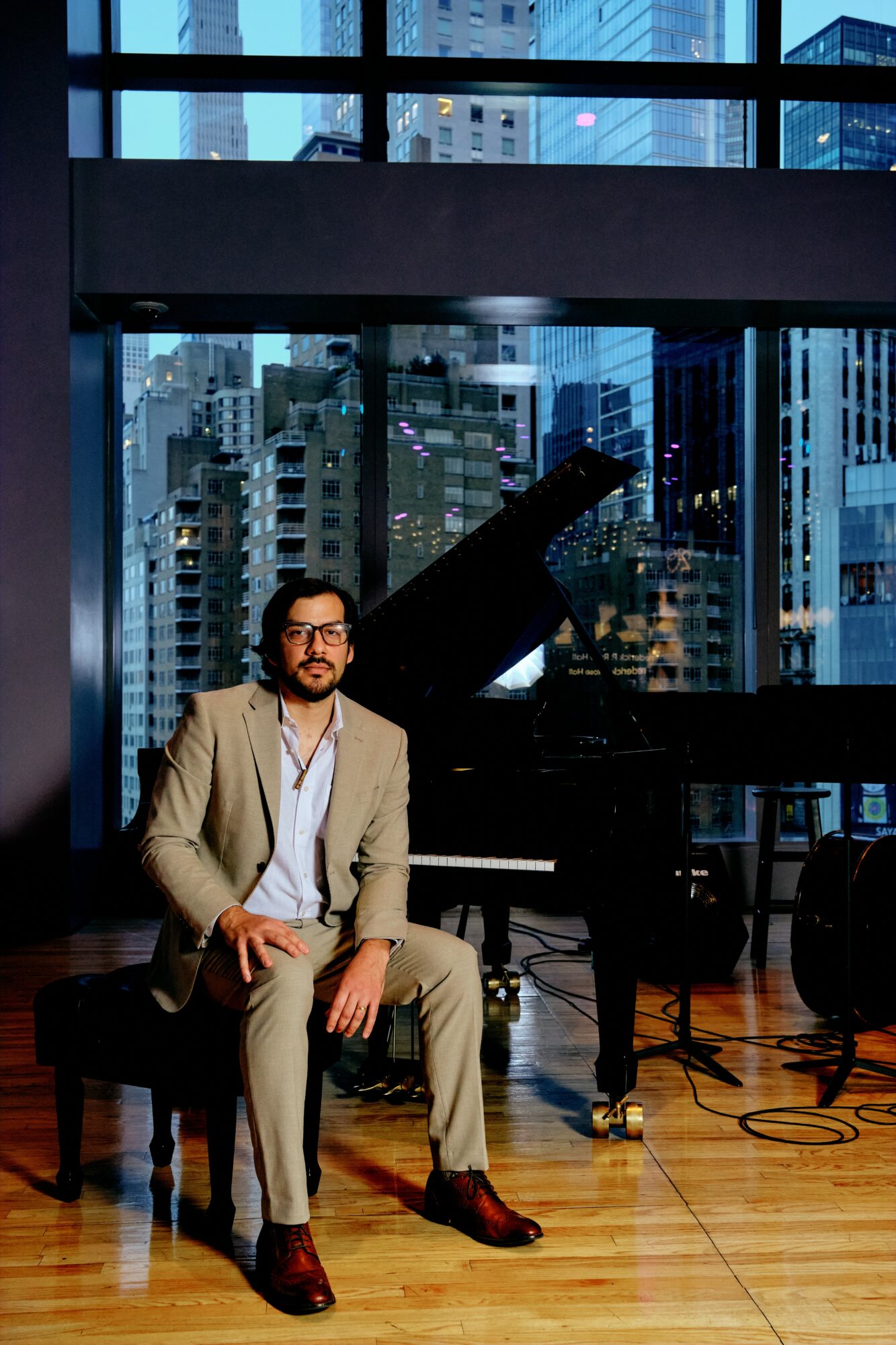



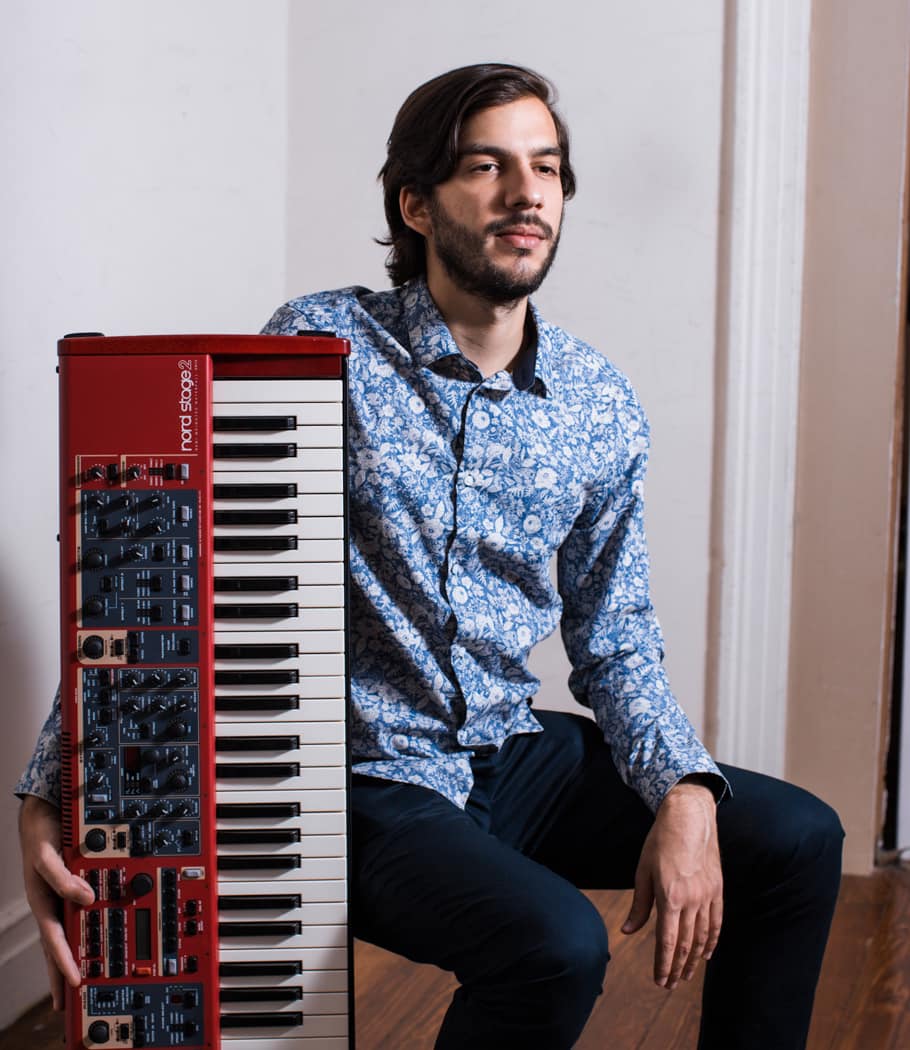
Today we’d like to introduce you to Gabriel Chakarji.
Hi Gabriel, so excited to have you on the platform. So before we get into questions about your work-life, maybe you can bring our readers up to speed on your story and how you got to where you are today?
I grew up in Caracas, Venezuela, in a family where music was a natural part of everyday life. My parents both played music at church, and my dad was the one who first taught me how to play the piano. Some of my earliest memories are of making music with my family, and those experiences sparked a lifelong love for it.
Growing up in Caracas also meant being surrounded by an incredible variety of musical traditions. I was exposed to Venezuelan folk music, salsa, classical music, pop, and jazz, all of which became part of my musical language. As I got older, I found myself especially drawn to jazz because of the freedom it offers—the ability to improvise, communicate, and create something unique in the moment. Rather than choosing between jazz and the music I grew up with, I became interested in finding ways to bring those worlds together.
That curiosity eventually led me to move to New York, where I immersed myself in one of the most vibrant and challenging music communities in the world. The city pushed me to grow as a pianist, composer, arranger, and educator. Like many musicians, I spent years playing with different artists, learning from mentors and peers, and gradually developing my own voice as a bandleader.
Today, my work focuses on creating music that bridges contemporary jazz with the rhythmic richness and storytelling traditions of Venezuela. I’ve been fortunate to perform at venues such as Carnegie Hall, Jazz at Lincoln Center, the Blue Note, and The Jazz Gallery, as well as tour internationally.
Right now, I’m especially excited to be releasing my new trio album, a project that represents several years of musical growth with this ensemble. The record reflects both my Venezuelan roots and the influence of New York’s creative jazz scene, and I hope it invites listeners into a musical conversation that feels both personal and universal.
Alright, so let’s dig a little deeper into the story – has it been an easy path overall and if not, what were the challenges you’ve had to overcome?
No, it definitely hasn’t been a smooth road. One of the biggest challenges has been building a career as an immigrant in the United States. There are incredible opportunities here, but there are also many obstacles that people don’t always see. Visa and immigration processes can be long, expensive, and unpredictable, and they often make something as simple as accepting an international performance or planning a tour much more complicated.
Like many musicians, I also had to find ways to sustain myself while pursuing my artistic goals. Throughout my undergraduate and master’s studies, I supported myself by performing as much as possible, taking on a wide variety of gigs while continuing to study, practice, and develop my own music. Those experiences taught me a great deal, but they also meant that finding time and resources for my own creative projects was often difficult.
Independent artists also face the challenge of funding their work. Recording albums, hiring musicians, producing videos, and promoting new music all require significant resources, and there were many moments when I had ideas I simply couldn’t afford to realize. Learning how to be creative—not only musically, but also in finding grants, building partnerships, and making the most of limited resources—has become an essential part of my career.
Looking back, though, those challenges have shaped who I am. They taught me resilience, patience, and the importance of community. Every project I release and every concert I perform feels meaningful because I know how much work went into making it possible.
Appreciate you sharing that. What else should we know about what you do?
I’m a pianist, composer, educator, and bandleader. My work is centered around creating music that brings together contemporary jazz with the rhythmic traditions, folklore, and storytelling of Venezuela. While jazz is the language I work in, I’m interested in building bridges between different musical cultures and creating music that feels both deeply personal and accessible.
As a composer, I enjoy writing for a wide range of settings, from intimate piano trio music to larger ensembles. Improvisation is at the heart of everything I do, but so are melody, rhythm, and the emotional connection that music can create. Whether I’m performing, composing, or teaching, my goal is always to communicate something honest.
As a pianist, I’ve always been passionate about learning different musical languages. I enjoy moving between jazz, Latin American music, Afro-Venezuelan traditions, salsa, and other styles, and I think that versatility has become one of my strengths. Many of the artists and bands I work with are looking for someone who can authentically navigate multiple musical worlds while still bringing a personal voice to the music.
What I’m most proud of is being able to build a career without compromising my artistic identity. I’ve had the opportunity to perform around the world, collaborate with incredible musicians, and share my own compositions with audiences from many different backgrounds. Every time I get to travel and make music with people from different cultures, I’m reminded how fortunate I am to do what I love.
I think what sets me apart is that my music reflects multiple worlds at once. It’s rooted in the improvisational spirit of jazz, shaped by the rich rhythmic traditions of Venezuela, and influenced by the energy and diversity of New York City. Rather than fitting into a single category, I’ve embraced those influences as part of my musical identity, and I think that’s what makes my work unique.
Where do you see things going in the next 5-10 years?
I think we’re entering one of the biggest periods of change the music industry has ever seen. Artificial intelligence is already transforming the way music is created, distributed, and discovered. On one hand, these tools can be incredibly useful—they can help artists with organization, education, and admin stuff. On the other hand, they also make it possible to generate music with a simple prompt, without going through the creative process of composing, practicing, collaborating, and developing a personal artistic voice.
I think that raises important questions about originality, authorship, and what audiences will ultimately value. While AI will undoubtedly become part of the creative landscape, I don’t believe it can replace the human experiences that give music its emotional depth. The stories we live, the relationships we build with other musicians, and the spontaneity of a live performance are things that can’t simply be generated.
Interestingly, I think the rise of AI has also created an even stronger desire for genuine human connection. I’ve noticed that live concerts and music venues feel busier now than they did even a year ago. People seem to be craving experiences they can share with other people—moments that are real, unrepeatable, and deeply human. In that sense, I think live music will become even more valuable in the years ahead.
Contact Info:
- Instagram: @Gchakarji