






Today we’d like to introduce you to Emily Desouza.
Emily, we appreciate you taking the time to share your story with us today. Where does your story begin?
My journey to becoming a therapist is deeply personal. Growing up, mental health wasn’t something that was openly talked about in my family. There was a great deal of love, but also many emotions and experiences that went unnamed. When my parents divorced, the shift in our family dynamic brought up questions and feelings that didn’t always have space to be explored. Like many children, I learned how to adapt, stay strong, and move forward—often without fully understanding what I was carrying internally.
As I got older, I found myself increasingly curious about people, emotions, and relationships—especially the patterns we repeat and the feelings we learn to silence. After graduating, I spent nearly seven years working in the corporate world, where I witnessed how common it was for high-achieving, capable individuals to feel overwhelmed, disconnected, or burnt out beneath the surface. Many people looked successful on paper, yet struggled privately. That experience mirrored much of what I had observed growing up: people pushing forward without pausing to tend to their inner world.
A turning point came after I experienced my first anxiety attack in the aftermath of COVID. It was a moment that forced me to slow down and take an honest look at the pace and direction of my life. For the first time, I became aware of how disconnected I had been from myself and how much I had been operating on autopilot rather than alignment. At the encouragement of my partner, I decided to try therapy for my anxiety—an experience that ultimately changed my life. I still remember walking out of my therapist’s office one day and thinking, “This is what she gets to do for a living?” In that moment, something clicked.
What began as a personal healing journey became a professional calling. I realized that my curiosity about emotions and relationships was rooted in a deep desire to understand what happens when inner experiences are left unspoken—and how powerful it can be when they finally have room to breathe. That realization led me to pursue a master’s degree in Marriage and Family Therapy, where I learned to view mental health through a relational and systemic lens, honoring family dynamics, cultural context, and lived experience.
Today, as a therapist, I’m passionate about creating the kind of space I didn’t always see growing up—one where emotions are named, experiences are validated, and people don’t have to navigate life alone. I work primarily with adolescents and adults navigating anxiety, life transitions, perfectionism, and emotional burnout, integrating mindfulness and presence into the healing process. My work is guided by the belief that awareness, compassion, and small intentional shifts can create meaningful change. Becoming a therapist wasn’t just a career move—it was a full-circle moment, rooted in learning how to offer language, safety, and care to the parts of ourselves that were once asked to stay quiet.
Alright, so let’s dig a little deeper into the story – has it been an easy path overall and if not, what were the challenges you’ve had to overcome?
It definitely hasn’t been a smooth road. Going back to school required a significant shift—financially, emotionally, and in how I understood myself. I was in my late twenties, and there were moments where I thought, “I could be at the peak of my first career right now.” Instead, I was choosing to start something entirely new. That decision brought up fear and comparison, especially when I looked around and saw peers building stability while I was intentionally stepping back to realign.
During this transition, I also navigated my own experiences with anxiety. Balancing graduate school, clinical training, and the uncertainty that comes with rebuilding a career forced me to slow down and truly practice what I now help clients learn—how to regulate, listen to their bodies, ask for support, and move through life with more intention rather than constant pressure. It wasn’t always graceful, and there were moments of self-doubt, but the process deepened my self-awareness, emotional resilience, and capacity to sit with discomfort.
What anchored me through that season was support. My mom played an important role in encouraging me to trust my intuition and stay committed to a path that felt meaningful, even when it wasn’t the most predictable choice. Alongside that, my partner consistently reminded me why I chose this work, especially during moments when doubt or comparison crept back in. Having people who believed in me before the outcome was clear made a lasting difference.
Looking back, the road was messy, humbling, and deeply formative. It taught me that starting over doesn’t mean starting from scratch—it means bringing everything you’ve learned with you. These experiences continue to inform the way I show up in the therapy room, allowing me to meet clients with depth, steadiness, and genuine understanding.
I don’t just treat anxiety…I understand it. That dual perspective allows me to recognize its patterns, respond with care, and help clients feel seen rather than dismissed. Healing begins when people realize they’re not broken—they’re human.
Appreciate you sharing that. What else should we know about what you do?
At the core of my work is creating a calm, grounded space where people feel safe enough to slow down and be honest with themselves. I work primarily with adolescents and adults navigating anxiety, emotional overwhelm, perfectionism, people-pleasing tendencies, life transitions, burnout, and relationship stress. My approach is rooted in psychodynamic and relational work, with a strong focus on understanding how past experiences, attachment patterns, and unspoken emotions shape present-day behaviors and relationships.
I believe that healing often begins with making sense of where we come from. By exploring early experiences, family dynamics, and recurring patterns, clients gain insight into why they feel and respond the way they do — and from there, we work toward change that feels authentic and sustainable. Narrative and solution-focused approaches support this process by helping clients reshape the stories they carry and identify practical, forward-moving steps once deeper understanding is established.
I’m known for blending structure with softness. I thoughtfully integrate evidence-based tools such as CBT, DBT skills, ACT, and mindfulness when appropriate, always tailoring interventions to the individual rather than forcing a one-size-fits-all approach. Mindfulness is introduced at a pace that feels safe and supportive, honoring each client’s nervous system and readiness. Sessions are collaborative, intentional, and deeply human — clients are met with curiosity, warmth, and respect, never analysis for analysis’ sake.
I also bring a culturally attuned lens to my work. I am trilingual and offer therapy in both English and Spanish, with an understanding of Portuguese and conversational phrasing, which allows me to connect more naturally with clients from diverse cultural backgrounds and lived experiences.
What I’m most proud of is the space I’ve learned how to create. Whether through therapy sessions or the digital resources I offer for individuals and couples through my Etsy page, ThrivingMindDesigns, my goal is to make mental health feel accessible, grounded, and less intimidating. The tools I create are thoughtfully designed to support reflection, communication, and emotional awareness — often inspired directly by the work I do with clients.
What sets me apart is that I don’t separate mental health from everyday life. I understand what it’s like to be high-functioning on the outside while internally feeling anxious, overstimulated, or burnt out. My work centers on helping people reconnect with themselves, build trust in their inner world, and create meaningful change without pressure to “fix” or rush the process.
How do you think about happiness?
Honestly? The small, everyday things make me the happiest. The moments that pull me out of my head and back into my body.
Spending time with my family is a big one. Particularly, my little cousins, Emilio and Victoria. There’s a huge age gap between us, which somehow makes it even sweeter (I am 31 and they are 6 and 8). I took them to the Frost Science Museum last weekend, and watching their faces light up, so excited, so curious, so fully present—made my heart feel ridiculously full.
I’m also happiest when I’m moving my body in ways that feel good, not punishing like Pilates, yoga or long walks with friends where the conversation flows and time disappears (easiest way to get steps – my oura ring loves these walks lol). Those moments ground me and remind me I am not just “doing”, but I am “being”.
Little joys: an orange poppi soda poured into a glass cup with ice cubes and a straw…the best. A long hot shower followed by cozy, matching sweatpants and a face mask and then putting on desperate housewives = Instant happiness.
I think these moments make me happy because they’re simple, present, and real. They’re reminders that joy doesn’t have to be big or earned…it can be soft, easy and right in front of you.
Pricing:
- Individual Therapy sessions are $125, with a limited number of sliding-scale openings available.
- Couple/Family Therapy sessions are $175, with a limited number of sliding-scale openings available.
- I accept some insurances (Aetna, Cigna, etc.)
Contact Info:
- Website: https://www.psychologytoday.com/us/therapists/emily-desouza-coral-gables-fl/1397975
- Instagram: https://www.instagram.com/wellness.therapy.byemily/
- Other: https://www.etsy.com/shop/ThrivingMindDesigns




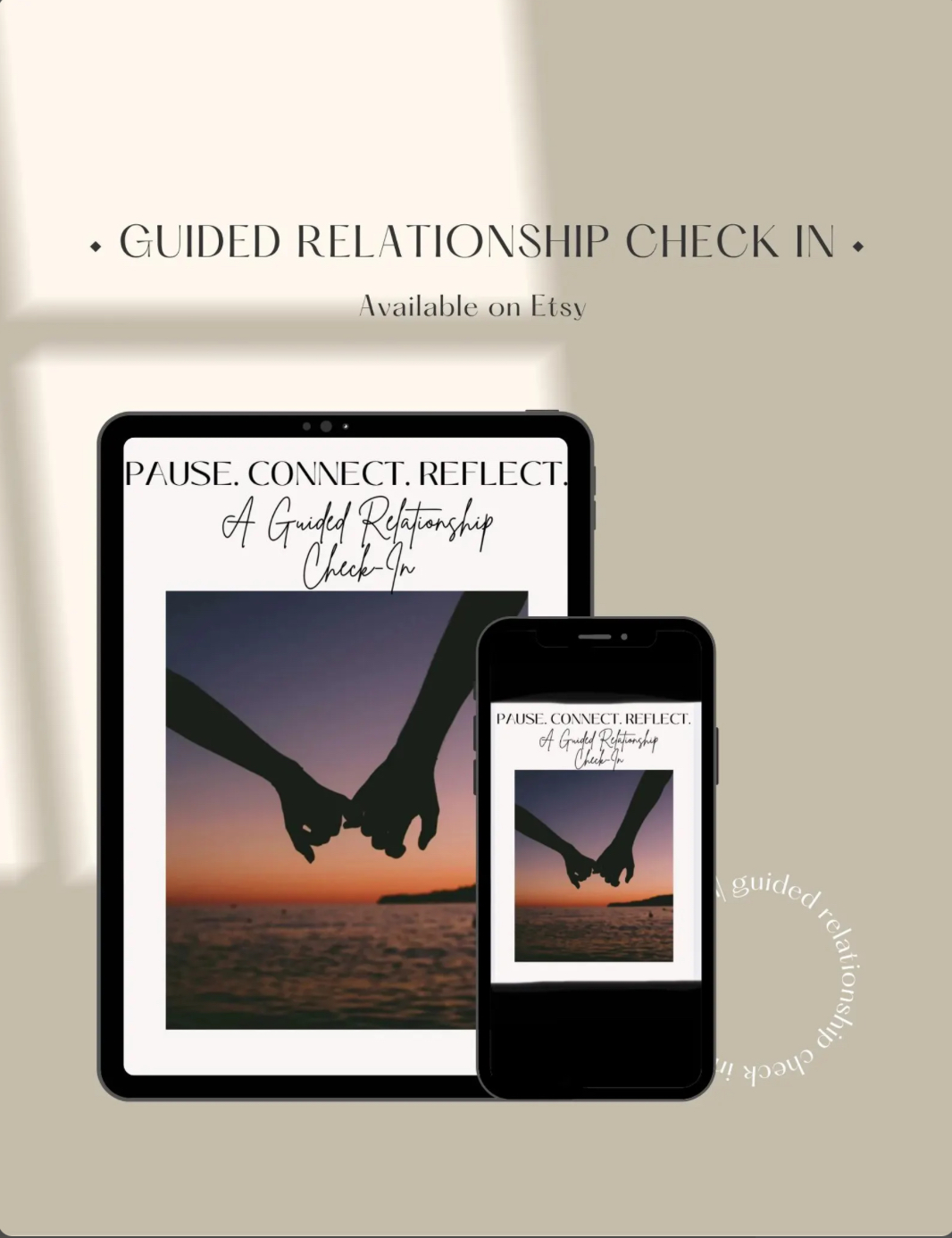
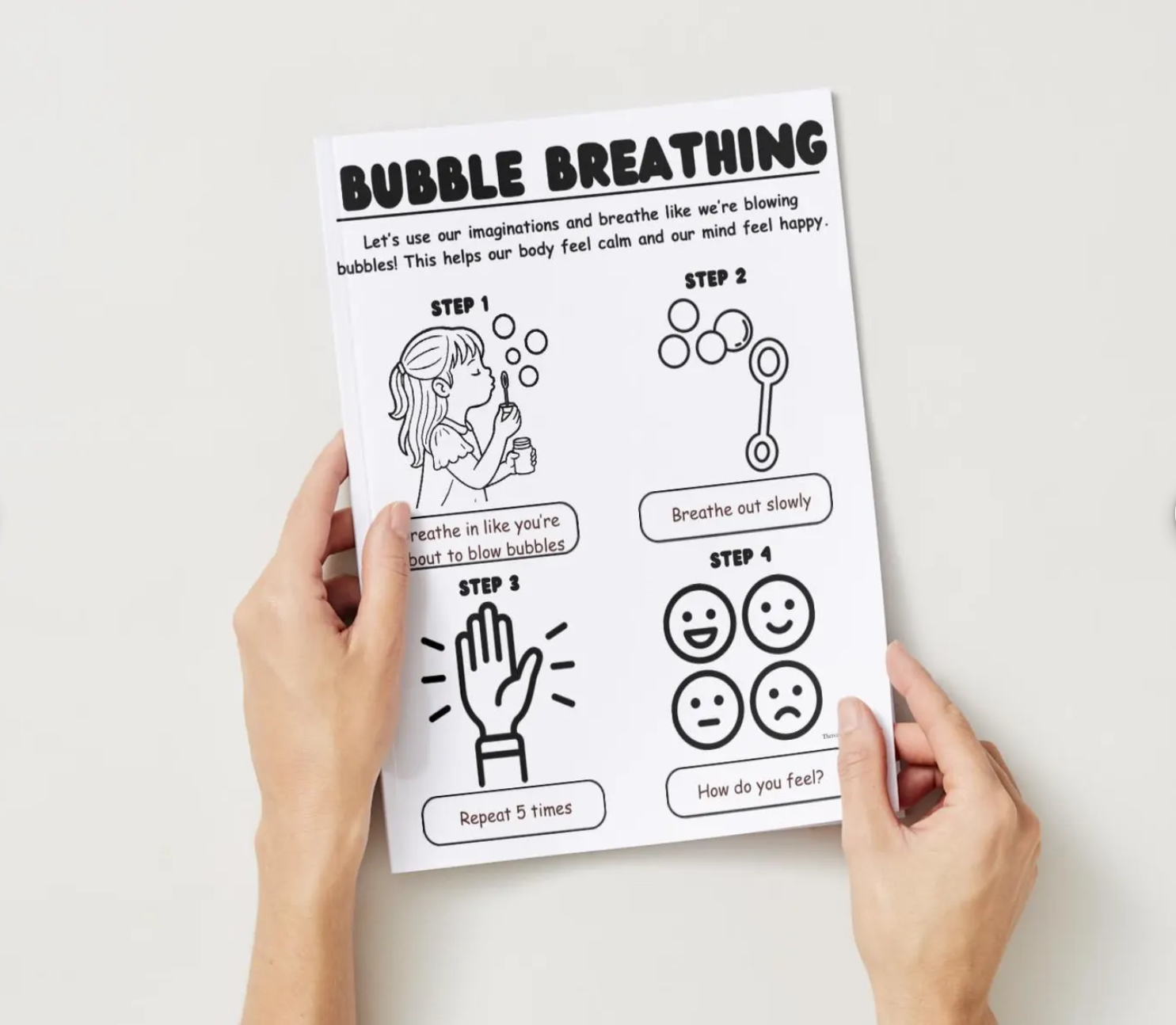
Image Credits
https://www.instagram.com/branded.byjess_/?hl=en
Branded.ByJesss@gmail.com