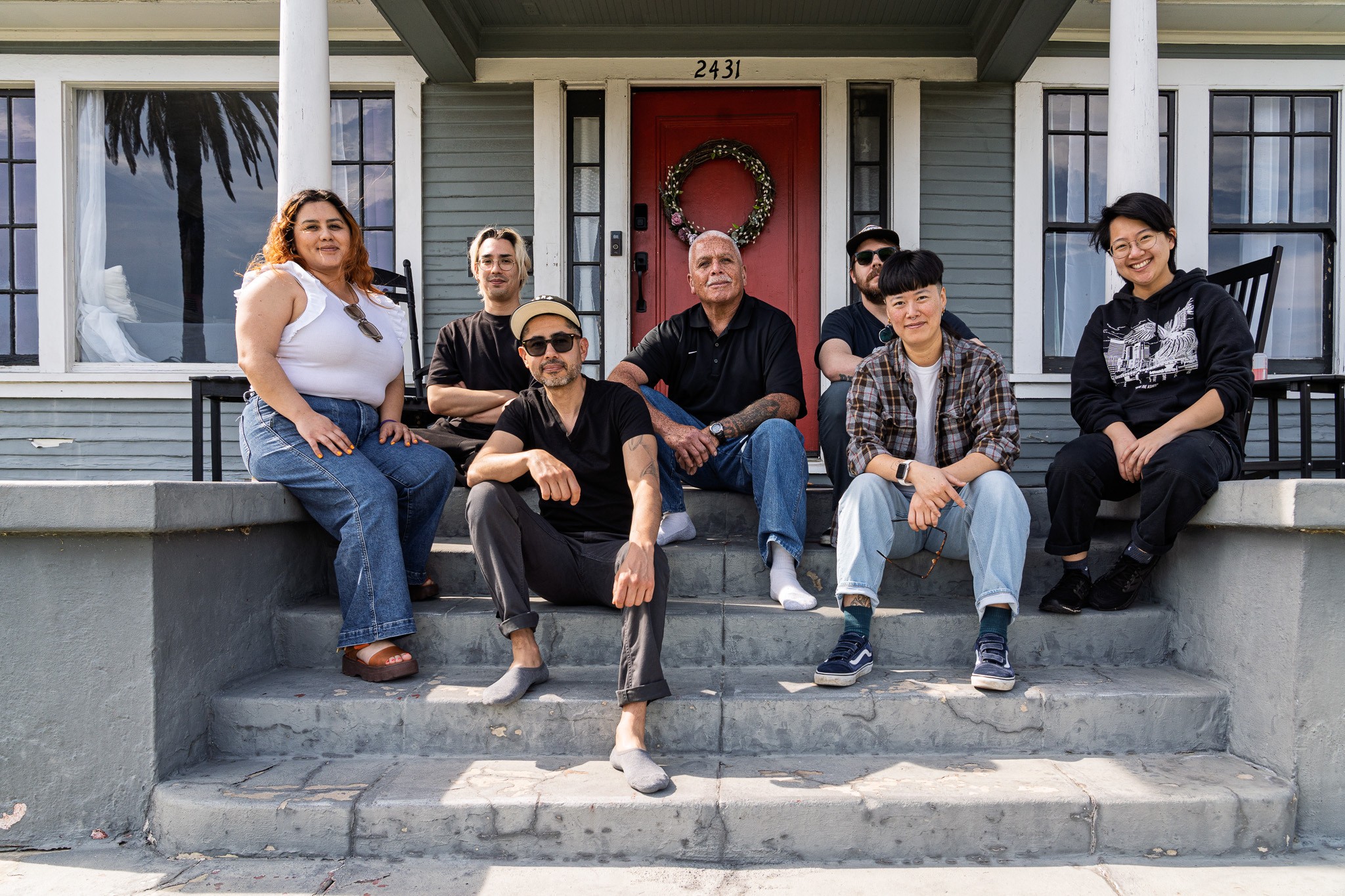





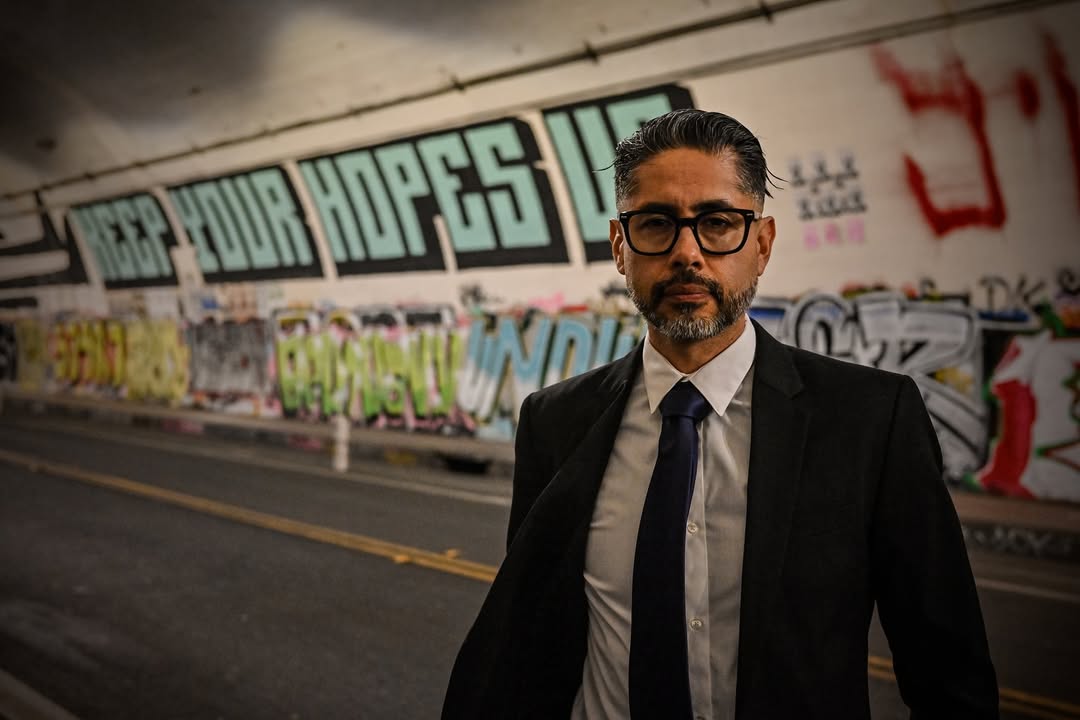
Today we’d like to introduce you to Emiliano Lopez.
Hi Emiliano, we’re thrilled to have a chance to learn your story today. So, before we get into specifics, maybe you can briefly walk us through how you got to where you are today?
After serving 13 years in prison, I came home to a community that had changed in many ways. While I was trying to rebuild my life, the parole system made that process incredibly difficult. I lost jobs because parole officers would show up to my work sites or require me to leave for sudden mandatory check-ins. Getting permission to travel for work meant submitting paperwork a month in advance only to be approved or denied at the last minute. I was constantly afraid of being violated for something as simple as trying to work or be present in my community.
One day, out of frustration and fear, I posted in a private Facebook group for formerly incarcerated people, asking if anyone had dealt with a specific parole officer or had similar experiences. I received over 40 responses. That was the moment I realized: we need a safe, anonymous platform where people navigating parole can share their experiences, find resources, and support each other.
That idea became the seed for Project Protocol. Along the way, I was connected with our core team members, Yindi and Tim, and countless others who contributed their time, ideas, and energy through focus groups, surveys, and strategy sessions, to bring this platform to life. I was on parole for four years and when I discharged, I continued the work because this problem wasn’t going to go away.
Alright, so let’s dig a little deeper into the story – has it been an easy path overall and if not, what were the challenges you’ve had to overcome?
Nothing worth doing is ever smooth. One of the biggest challenges has been building and releasing a tool that centers on the needs of people impacted by the criminal legal system, which is often not prioritized. Local and state governments spend billions equipping law enforcement with advanced technology while funding for community resources is consistently cut or deprioritized. Developing Project Protocol meant going against that norm. We weren’t just creating a platform. We were challenging a system by offering people on parole access to information, resources, and peer support that can help them succeed and ultimately lead to their discharge from parole. It’s been challenging but necessary.
Can you tell our readers more about what you do and what you think sets you apart from others?
Project Protocol is more than just a tool. It serves as a medium for information sharing and collective action toward liberation. When someone rates their parole officer, they’re not just sharing a personal experience; they’re also sharing a valuable insight. They’re informing people still inside, supporting their community, and helping us build data that can ultimately shape policy.
Our Resource Directory connects people with support tailored to their specific needs, and users can also leave feedback or suggest new resources to ensure the directory remains community-driven. We’ve also collaborated with advocacy organizations to create The Roadmap to Discharging Parole an informational zine that breaks down the process in accessible terms.
What sets us apart is our ability to challenge dominant narratives using data directly provided by those most impacted, shifting the story from one of surveillance to one of empowerment and truth.
Where do you see things going in the next 5-10 years?
Over the next 5–10 years, we envision Project Protocol becoming fully operational across California and scaling to other states with high numbers of people on parole. As digital equity becomes more central to reentry, we anticipate a growing demand for community-built platforms that prioritize transparency, lived experience, and peer support. Our long-term goal is to generate national data from people navigating parole, using their insights to inform and influence federal legislation, shift public narratives, and ultimately dismantle the harmful structures of mass incarceration and mass supervision.
Pricing:
- Consider making a donation to support our work
Contact Info:
- Website: https://projectprotocol.org/en-US
- Instagram: https://www.instagram.com/project.protocol/
- Facebook: https://www.facebook.com/projectprotocol
- LinkedIn: https://www.linkedin.com/company/projectprotocol/
- Youtube: https://www.youtube.com/@ProjectProtocolCA