

Today we’d like to introduce you to Charo Oquet
Hi Charo, we’d love for you to start by introducing yourself.
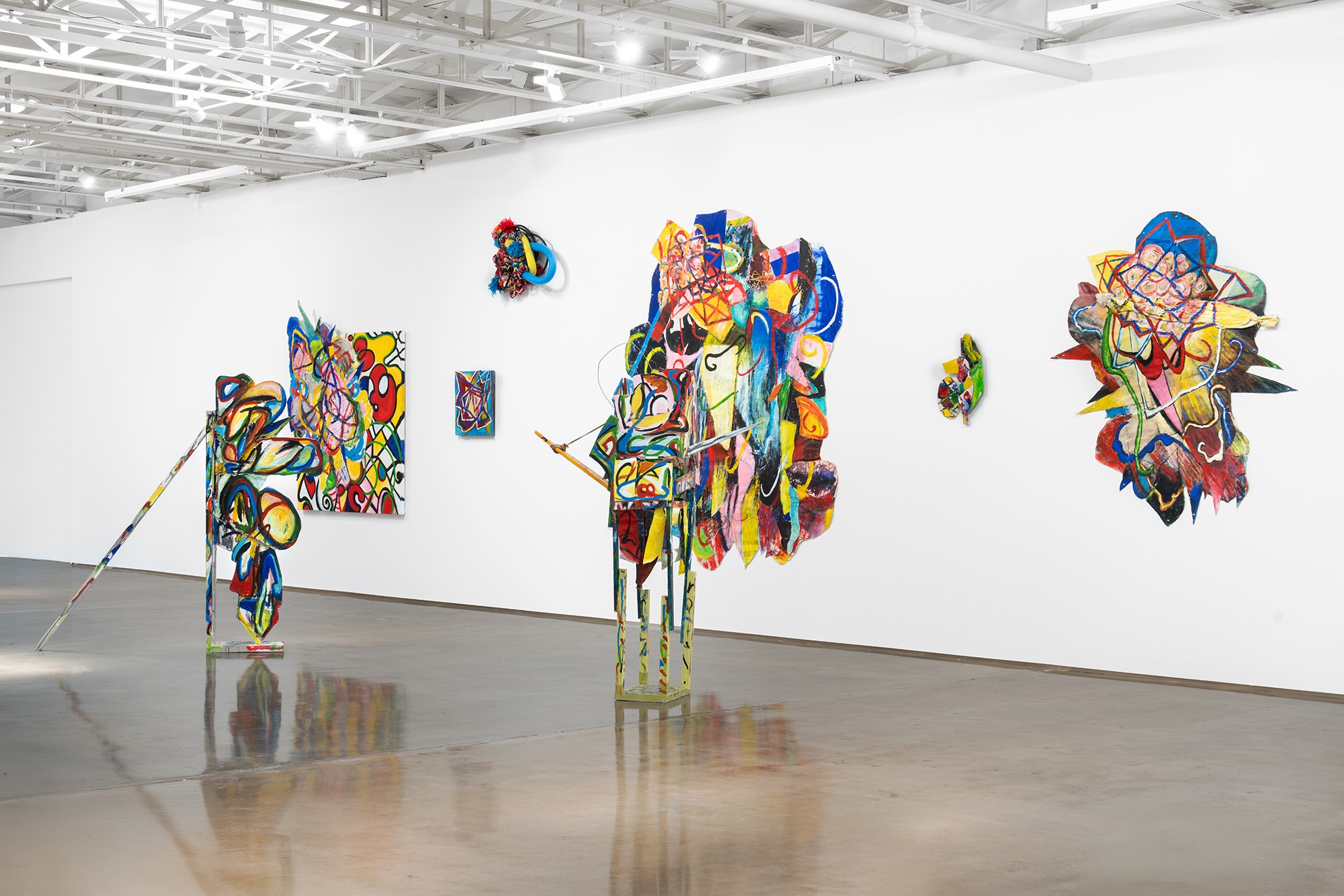
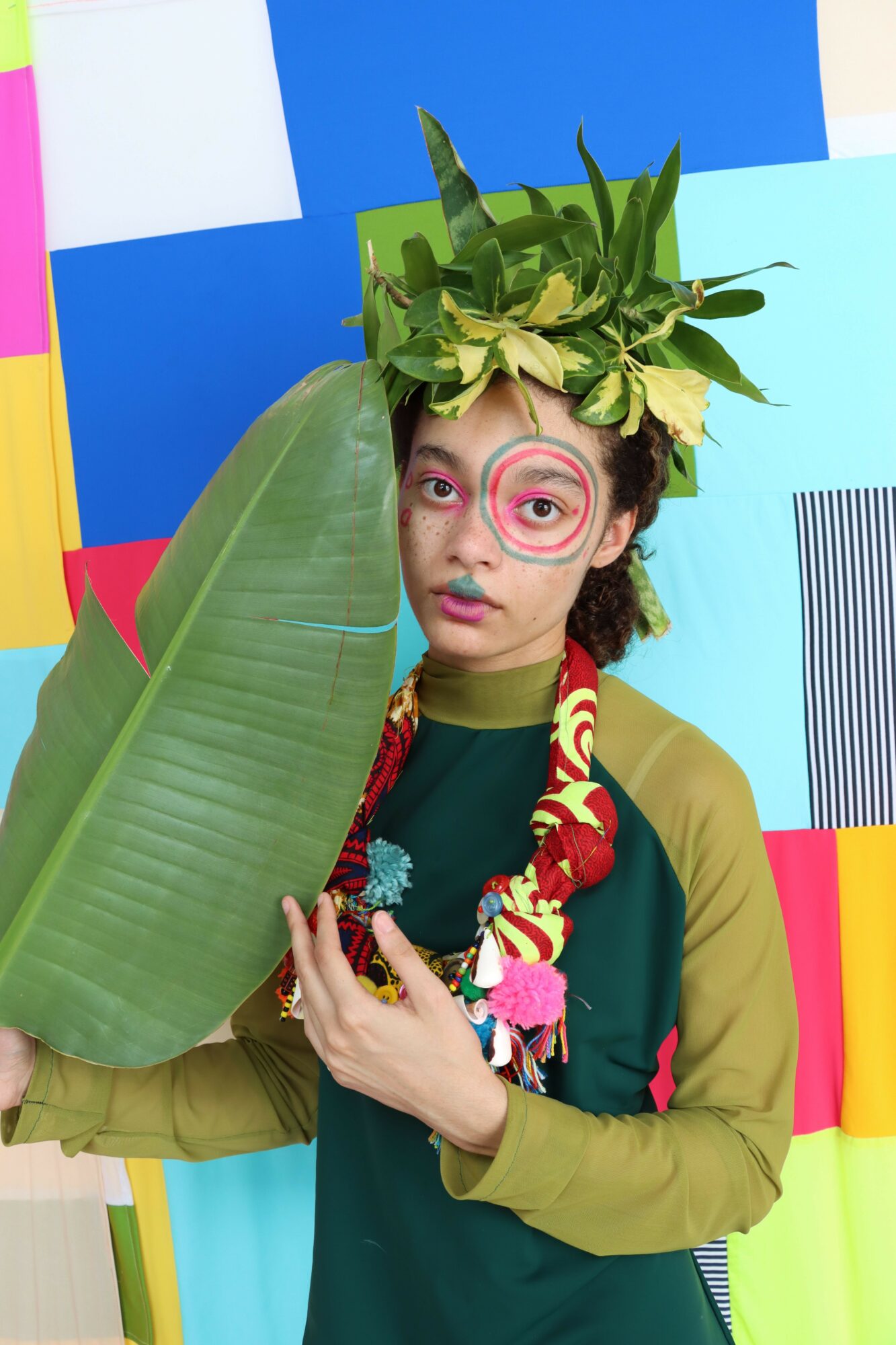
I am Charo Oquet, (1952) a native of Santo Domingo, Dominican Republic and a Miami-based artist. My interdisciplinary work has been extensively exhibited internationally and has been well reviewed by art critics and recognized by scholars in books and other publications. I use painting, installation, performance, photography, and film, among other media, to investigate issues of displacement, identity, migration, gender, or sociopolitical and cultural issues and to document and reflect on issues of decolonial aesthetics and the role of contemporary culture in a global reality.
My work is a subjective observation by someone who is concerned with her surroundings and the culture she left behind. I have had numerous solo exhibitions in museums and galleries around the world, and my work has been included in many international group exhibitions. My work is in several museum collections, and I have been the recipient of numerous fellowships and awards.
In addition to my artistic practice, I am an arts activist. In 1996, I founded and directed “Miami Arts Collaborative,” and in 2004, I founded Edge Zones, a 501-c3 non-profit arts organization. In my role as director and curator, I have organized numerous exhibitions, which have featured more than 500 Dominican and Miami artists locally and internationally. My ongoing project, “Art of Uncertainty,” has included more than 300 artists and has been held in Miami, Santo Domingo, and El Salvador.
I have also curated other group exhibitions in Spain, Puerto Rico, El Salvador, Switzerland, and China. As the director/curator of Edge Zones, I have exhibited the works of hundreds of Florida and international artists year-round. I have published 5 books and have been a guest speaker/lecturer at various institutions.
In 1962, my parents had to exile to the US and we moved to New Jersey, where we remained for 6 years. During this time, my parents had to transition from being a high-ranking military officer and the daughter of a Colonel with a large serving staff, to working in factories and cleaning houses. We later returned to the Dominican Republic, where I attended the top prep school in the country. I then moved back to Manhattan for a few years, followed by a stint in Sydney, Australia.
Initially, I wanted to be a full-time artist, but I was afraid of not being able to support myself, so it took me a while to pursue this path. In 1982, I got married to a New Zealand filmmaker in London and moved to New Zealand, where my career as an artist really took off. During the 4 years I lived there, I exhibited my work and won the most important prize given to New Zealand artists three times.
In 1986, I moved to New York and gave birth to my first child. Later, in 1989, I moved to Miami, where I have been living and working since. My son was born in Miami.
Since 1997, I have been researching and developing a consistent body of work. My approach can best be described as a series of attempts to understand the relationship between my native Dominican Republic and its bordering neighbor, Haiti. I have used video to investigate the deep instability and intense incongruities of the Dominican Republic’s relationship to blackness.
My work is informed by my research, which also delves into the history of social inequalities that have necessitated community-organized groups or brotherhoods, such as the “Arrayanos.” This suggests that creating a space for protest may require both the making of a sanctuary and an act of disobedience against the systematic enactment and repudiation of blackness, poverty, and migrants. Arrayanos is an art project that is strongly grounded in anthropological research.
Would you say it’s been a smooth road, and if not what are some of the biggest challenges you’ve faced along the way?
My life has not always been easy, but I think it gave me a lot of tools to work with. Having to code-switch between the bourgeoisie and working-class immigrant communities taught me so much about life. I think that having a privileged life first gave me a lot of agency, which allowed me to do many things and take risks. Feeling that I can do things is very empowering, even when one has no money. I was a solo parent when I got divorced, so I had to struggle being an artist and a mother of two. Still, I feel that my life wasn’t too bad. Living in Miami has allowed me to do most of the things I want, as long as I am prepared to work hard.
Can you tell our readers more about what you do and what you think sets you apart from others?
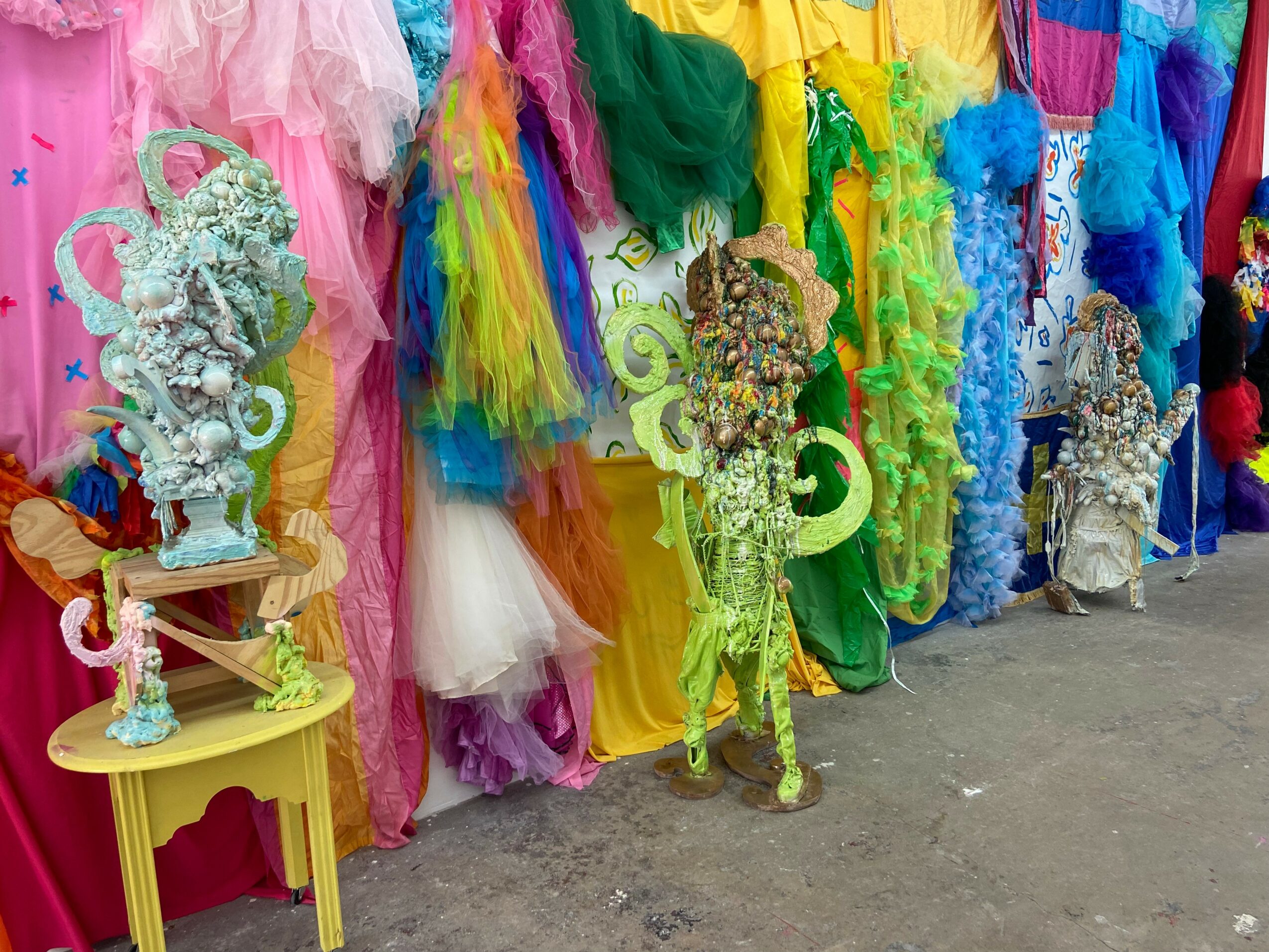
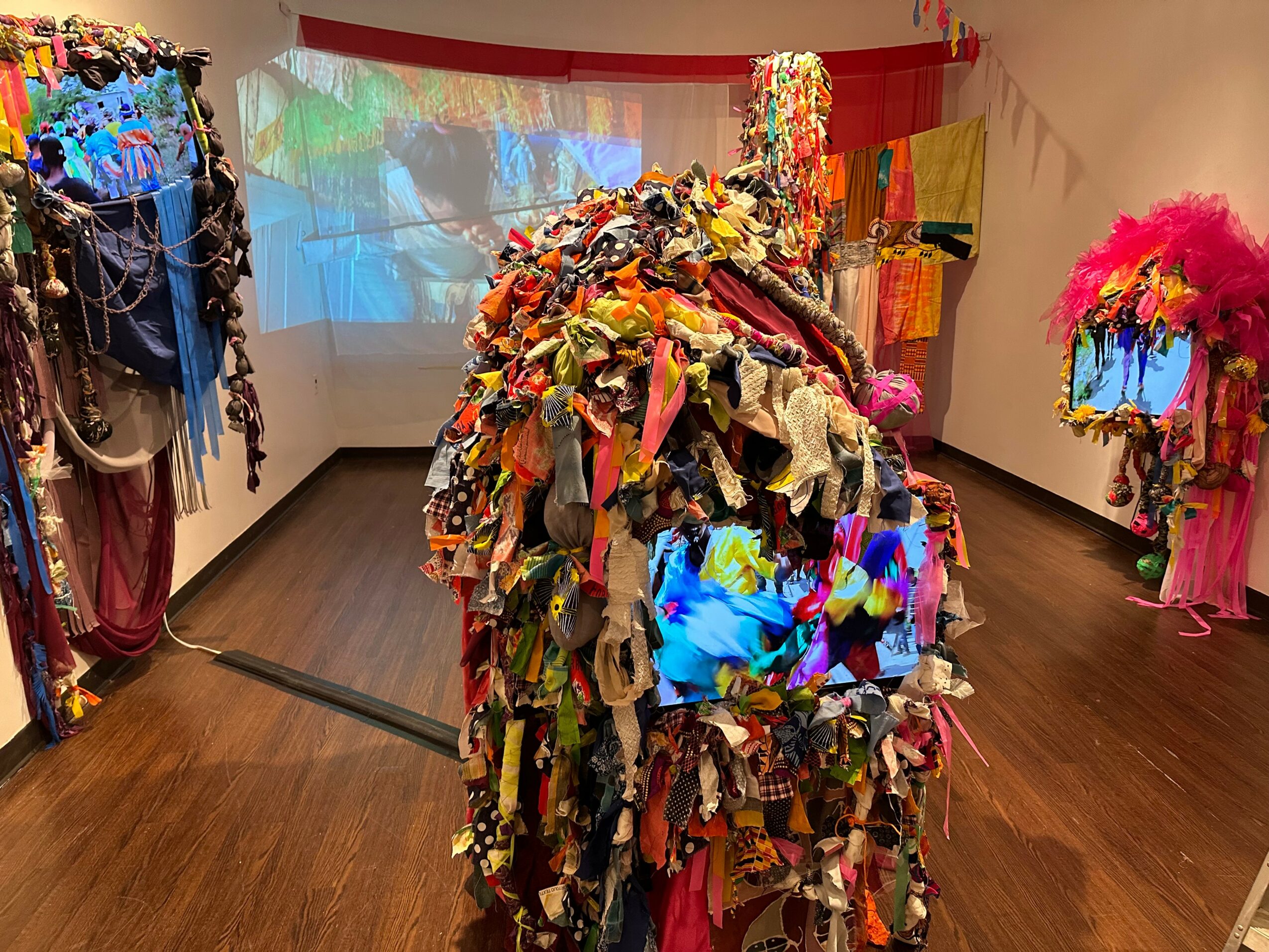
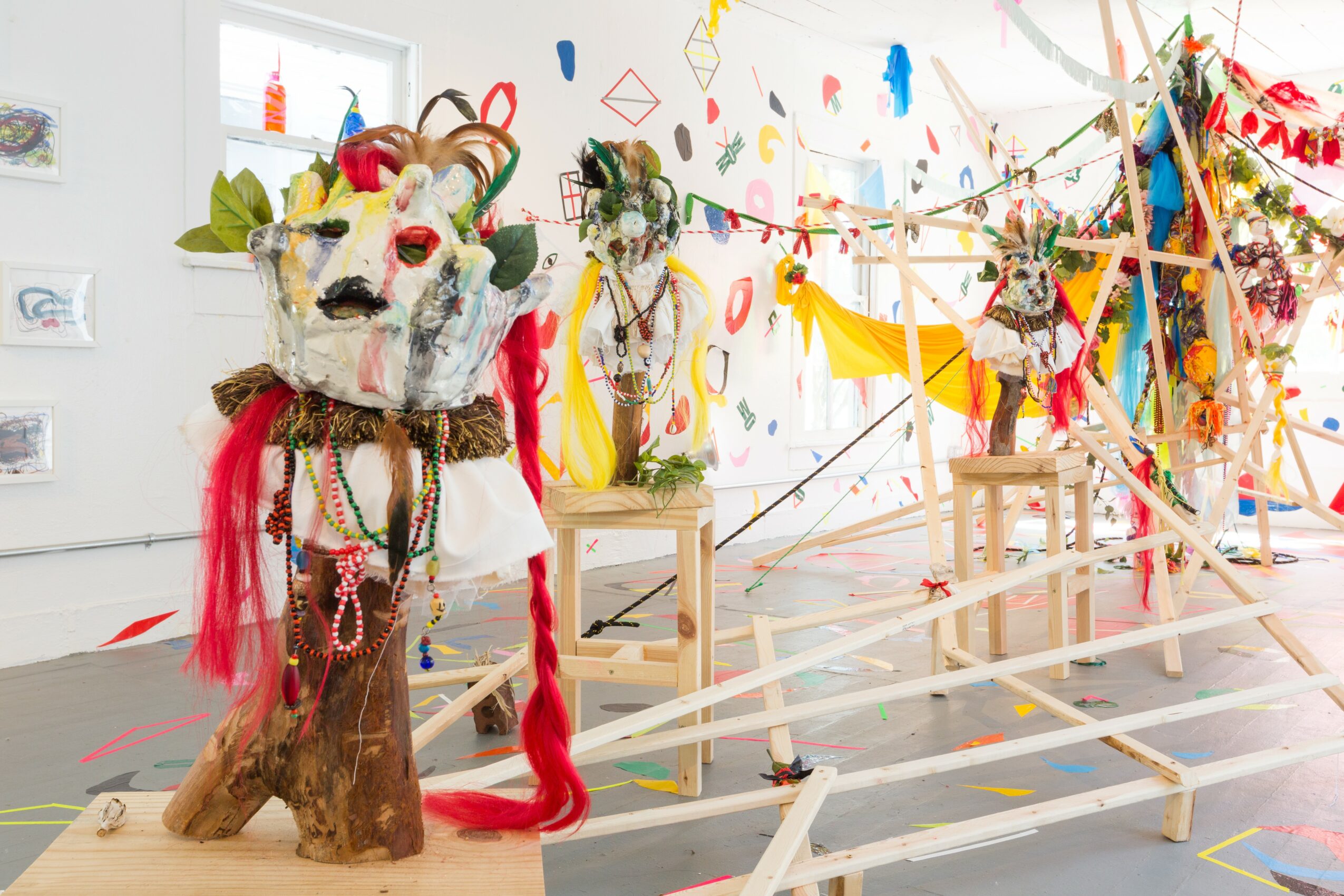
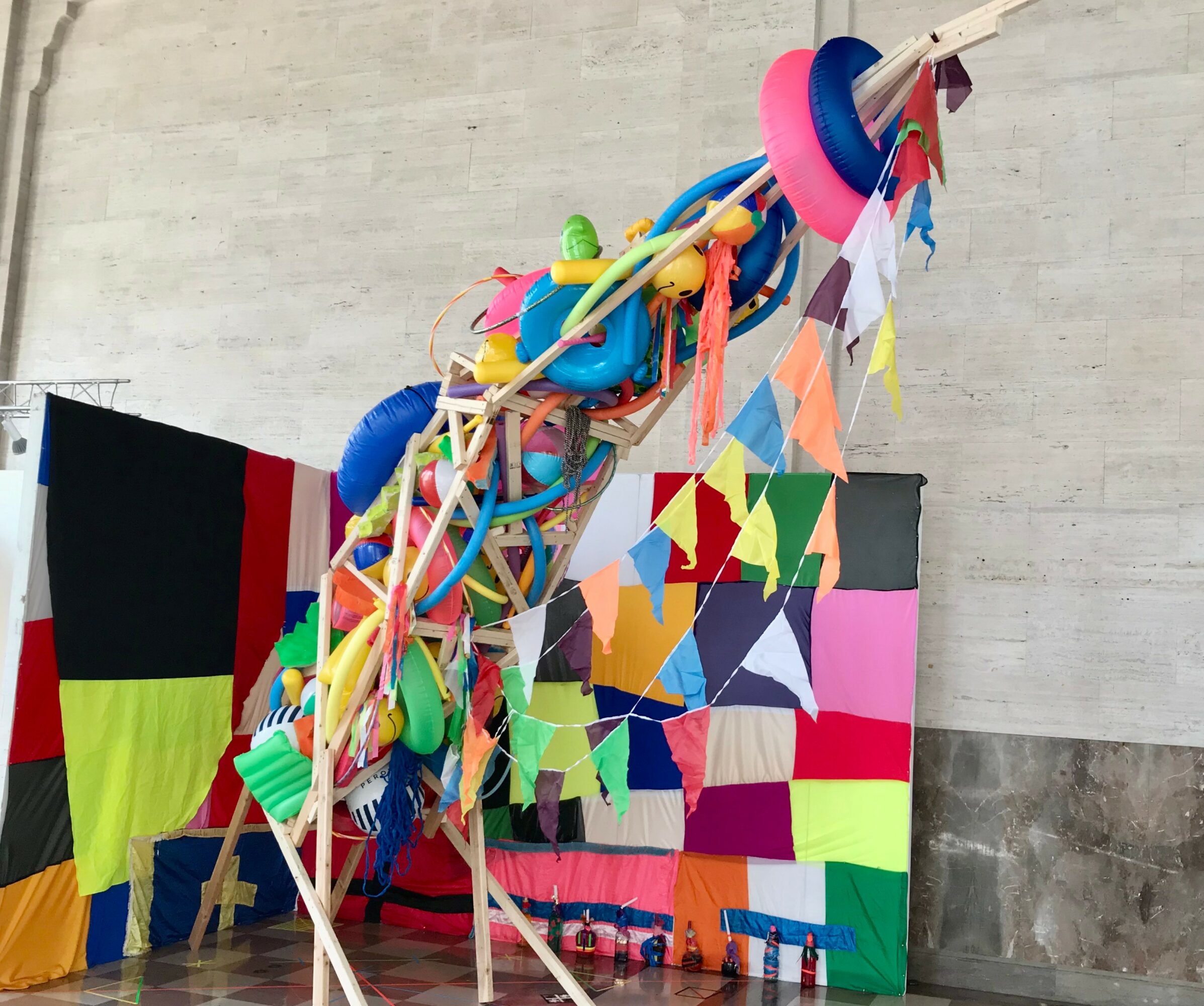
My work centers on the investigation of identity politics. My recent work explores the theme of “uncertainty” within a context of increasing globalization, mobility, exile and migration around the world that emerges from the challenge of uprooting and relocating to a new country. Essentially, I want to address the notions of displacement and study how we interact and react to the complex and painful process of insertion and adaptation in a new social context. I call it Art of Uncertainty.
I experiment with hybrid expressions of space/place and individual/communities in a mobile form in order to generate connections between the different regions and different people. The public actions and installations executed in different parts of the world are processes, which are specific to the local cultural context. These site-specific projects allow me to incorporate the viewer as an active participant.
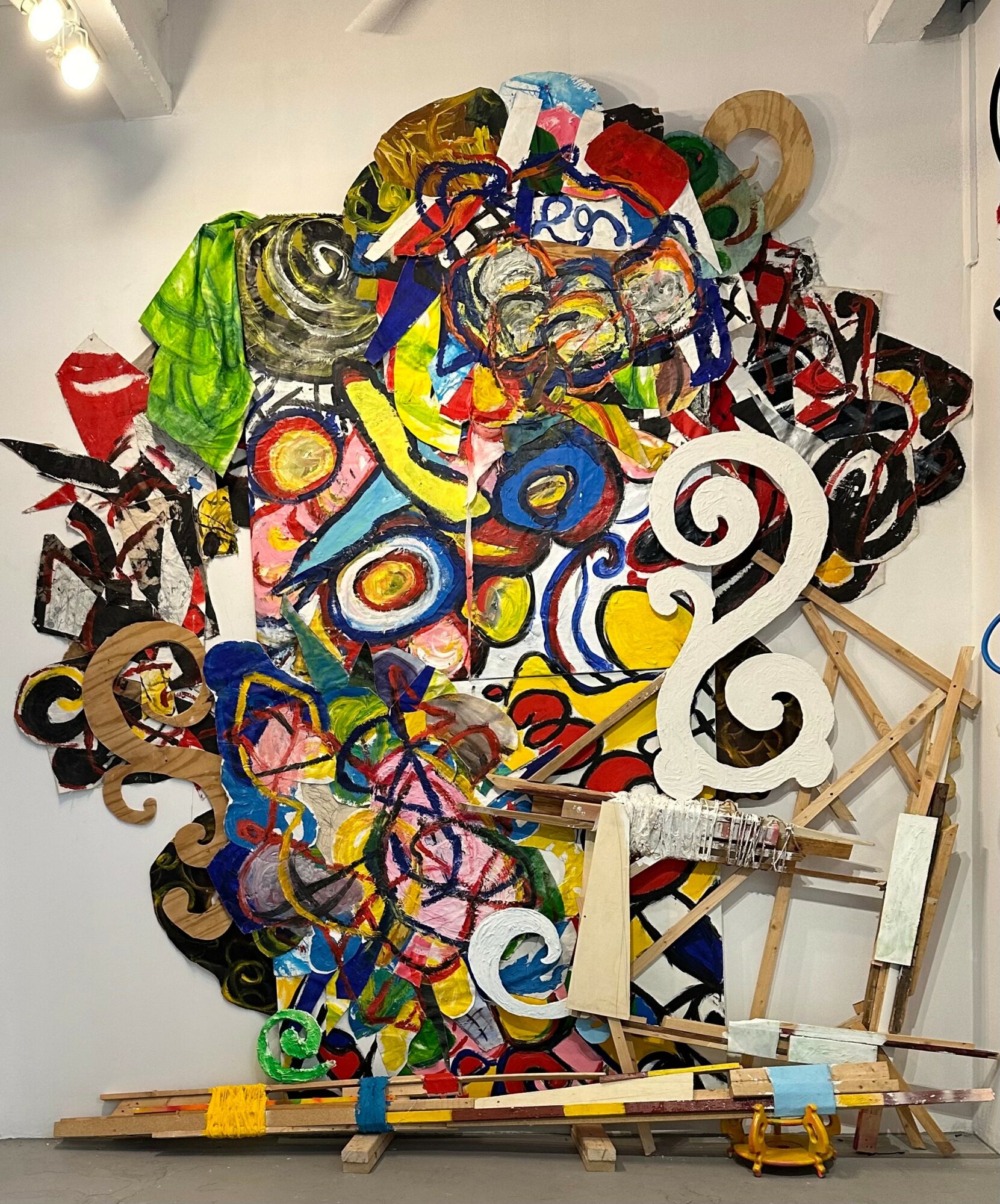
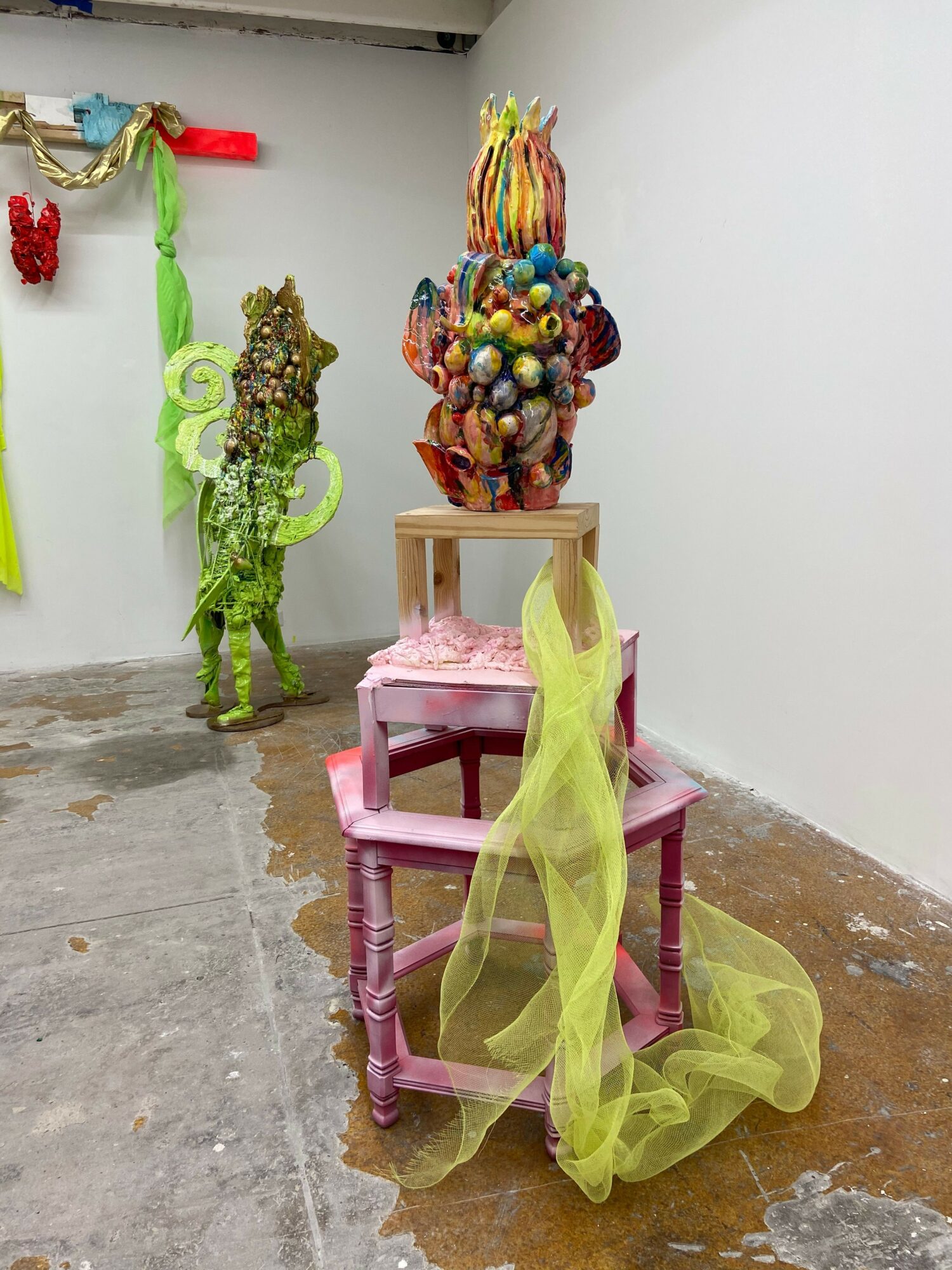
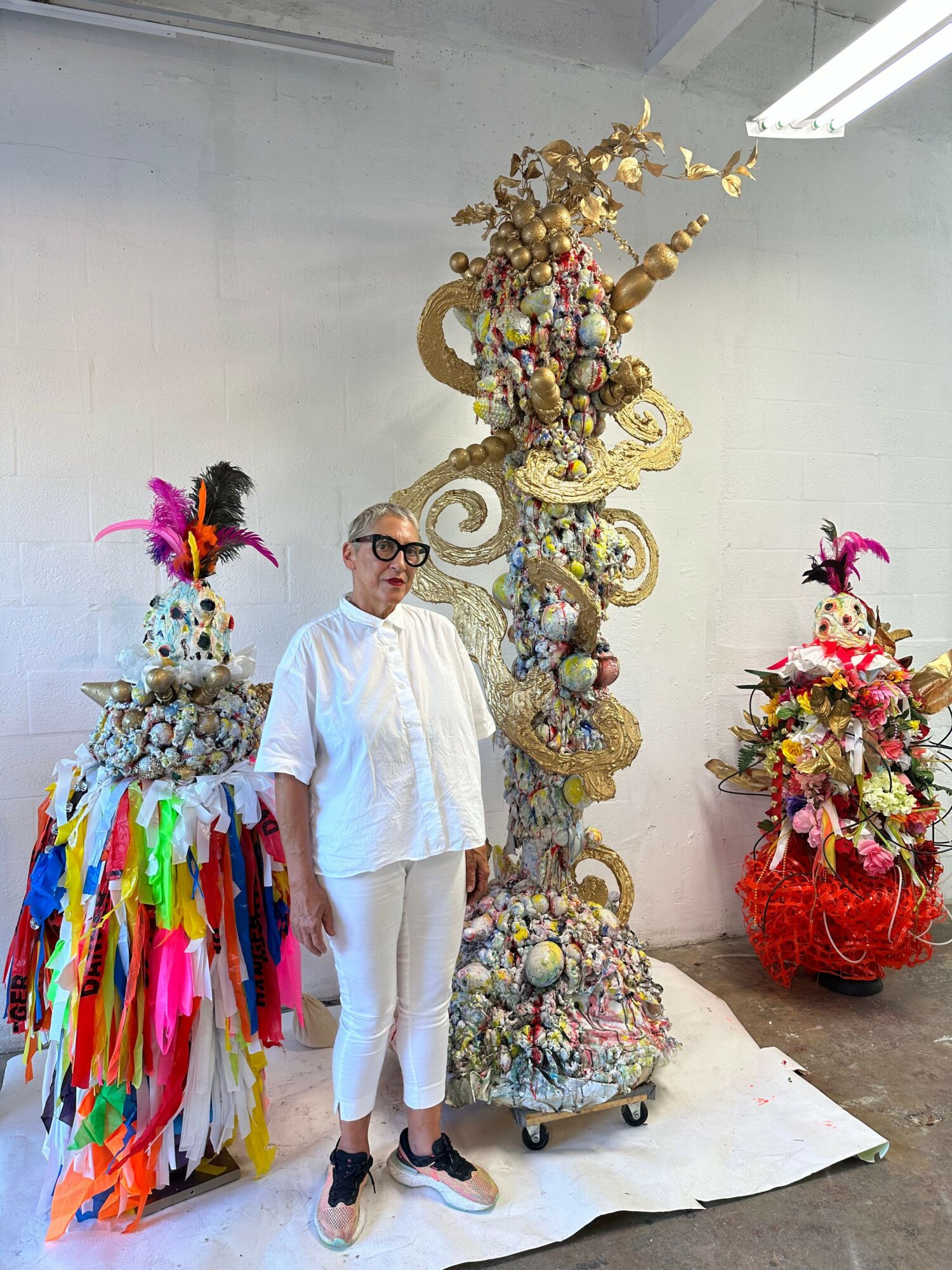
After many years of being a painter, my attention over the past eleven years has been focused on installation, performance and multimedia works. In my installation process the relationship of significance to the conception, production, discourse and perception are very important. I like to place people in different relationships with the space. The work and the site often have very little existence beyond the duration of the exhibition. I use ephemeral structures and materials from the streets, second hand goods stores, and building constructions sites. These items are transformed by painting and assemblage, investing in them a new reality, inconsistent with their previous state. The relationship of space and time is very relevant to the temporal specifics of the work.
I work with historic and cultural research sought from specific interests surrounding a particular aspect of popular culture. For example Dominican “Salve” music, archaic songs sung by Dominican women have inspired me. Maori and Aboriginal art have been a great source of influence ever since my years living in New Zealand. Images found in popular religion and rituals practiced in the sugarcane fields of the Caribbean, have enriched my work as well. I have been compelled to create interactive systems to examine, critically review and develop performance actions, which are engaging and evocative of the variety of cultures in which I have chosen to immerse myself.
Over the years I have established a network of people who embrace diversity on a multi-local level, using art to think through alternative paradigms. With their participation I create a “global political action” in the form of Pop spectacle and delicate ritual at the same time, in order to convey a feeling of collectiveness, unity and understanding.
The intention of my work is to express my spirituality, the feeling of collectiveness, the unity of reality and the unity of all being in society.
We’d be interested to hear your thoughts on luck and what role, if any, you feel it’s played for you?
I think luck good and bad has played an important part. First having to exile from my native country could be considered bad luck but in fact it took us to the USA where I thrived. Before we arrive in New Jersey we were constantly moving due to my dad’s military career. I was really lost in school. When I arrived in the Bayonne, NJ my teach was an amazing woman and it was her last year. Her loving kindness changed my life I began to flourish even though my English was so limited. There I also encountered my first art teacher, who recognized my artistic abilities and started me in the path I am in. Having to move back to the DR. was also not something I wanted but again, it took me out of a working class situartion where most of my peers were not looking for a bright future to a school where the Dominican oligarchy went and were their expectations of life where greater. Coming back to my family of very educated people also helped me to widen my scope in life. I really think like is what you make of it. How you see the world. The story is that which you tell yourself. You can see it as bad or you can see it as good.
Contact Info:
- Website: https://www.charooquet.com
- Instagram: charooquet
- Facebook: charooquet
- Youtube: charooquet