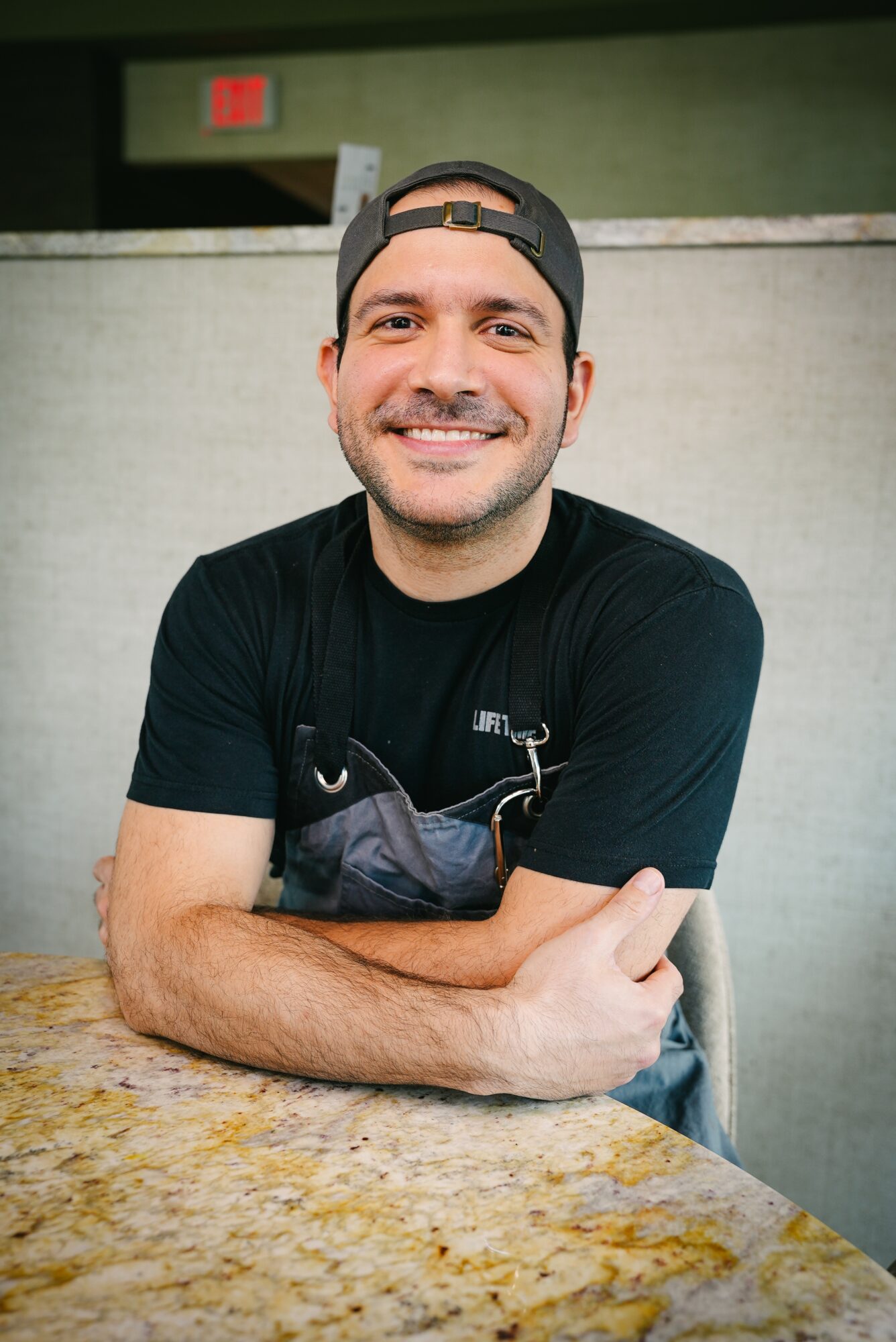





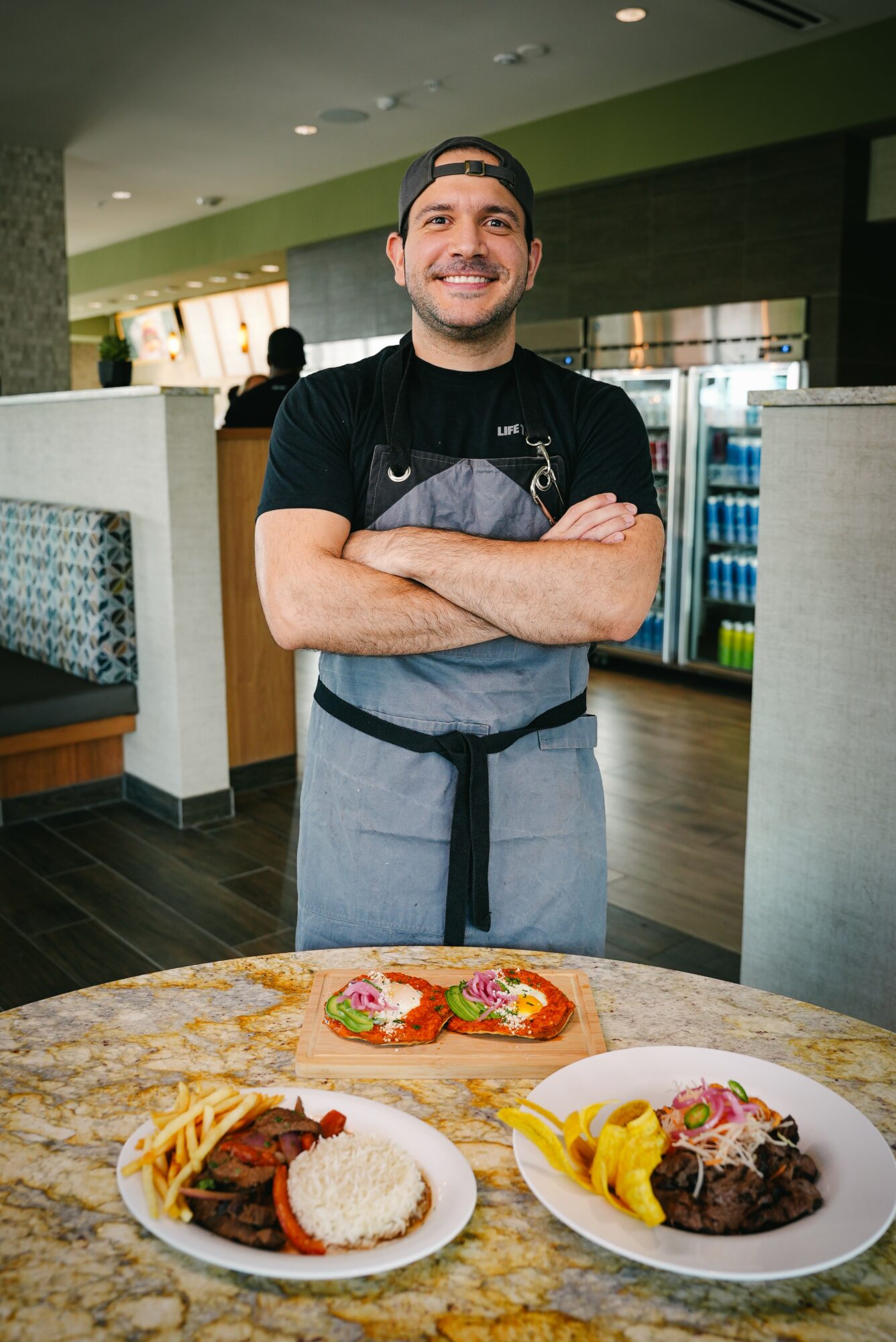
Today we’d like to introduce you to Alvaro Cabrera.
Hi Alvaro, it’s an honor to have you on the platform. Thanks for taking the time to share your story with us – to start maybe you can share some of your backstory with our readers?
My journey with cooking started when I moved to the United States for college. Living on my own meant I had to learn how to cook—because, realistically, I couldn’t survive on the McDonald’s dollar menu forever!
But I think my connection to food started long before that. I grew up surrounded by great cooks. Both of my grandmothers, on my mom’s and dad’s sides, were amazing in the kitchen, and my mom has always loved cooking and being creative with food. (My dad also) So when it was finally my turn to figure things out in the kitchen, I already had a pretty good teacher.
I would FaceTime my mom and have her walk me through different recipes and techniques. Surprisingly, cooking never felt too difficult to me. I enjoyed the process, and there was something very natural about it. At the time, though, I had absolutely no idea that years later I would become a chef.
After graduating from college, I moved back to Chinandega, my hometown in Nicaragua. While I was there, I saw an opportunity to open a coffee shop/café. That experience changed everything for me. Suddenly, I had to learn how to develop a menu, test dishes, understand flavors, and figure out everything that goes into creating a food concept from the ground up.
Without even realizing it, I was falling in love with cooking—not just with making food, but with the entire creative process behind it.
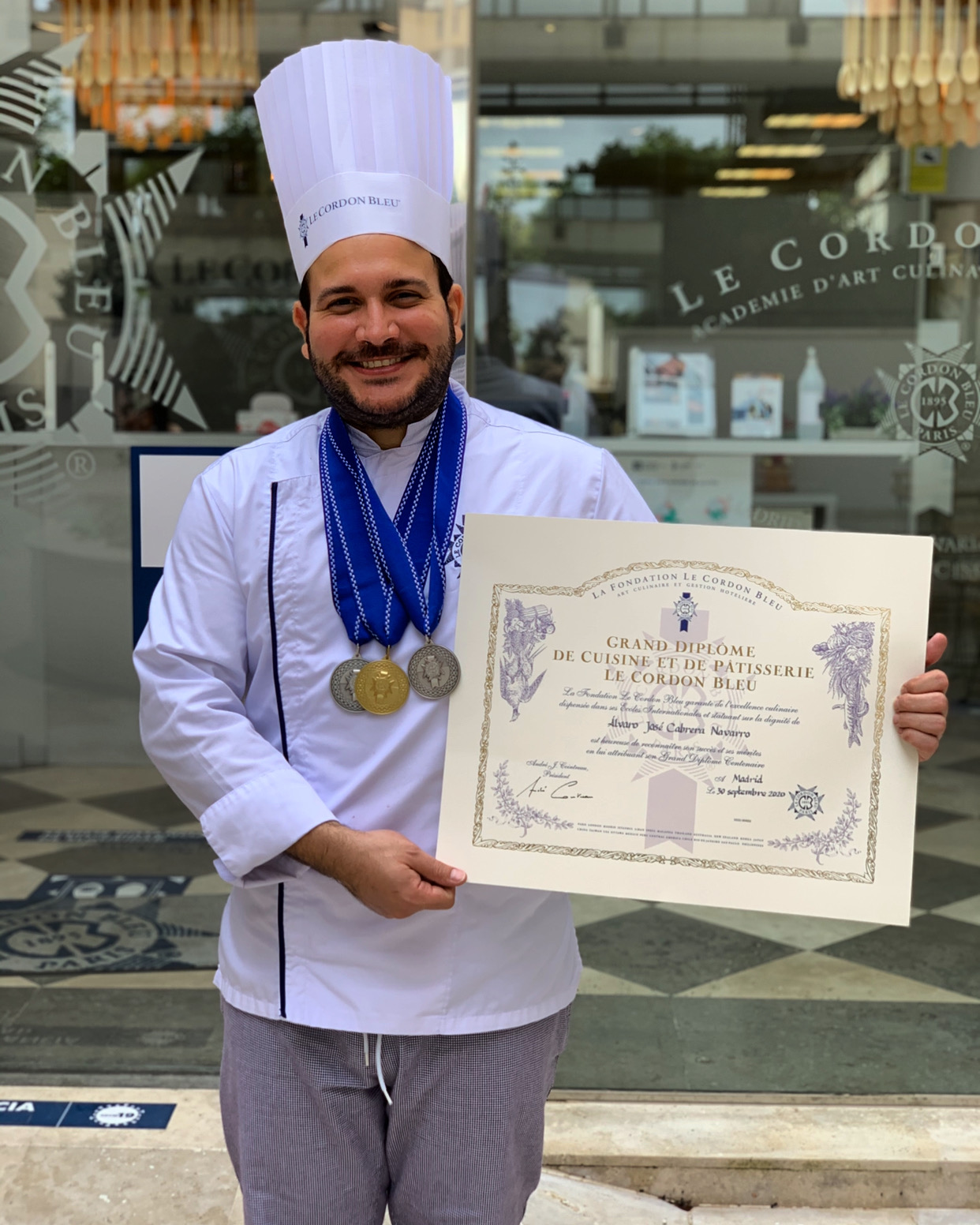
After a couple of years, I realized that this was something I wanted to take seriously. I decided to pursue a culinary education and applied to Le Cordon Bleu in Madrid. I was accepted, packed my bags, and headed to Spain.
That was really the beginning of my journey as a chef.
We all face challenges, but looking back would you describe it as a relatively smooth road?
Definitely not—but I think that’s what makes the journey worth telling.
Madrid was especially important for me because that was when cooking went from something I loved to something I was training to do professionally. Culinary school taught me technique and discipline, but it also humbled me. I quickly realized that passion alone isn’t enough. You have to be willing to learn, accept criticism, make mistakes, and come back the next day determined to be better.
Then came the reality of working in professional kitchens. Long hours, weekends, holidays, stressful services, and missing important moments with family are all part of the sacrifice. There have definitely been times when I’ve questioned myself and wondered if I chose the right path.
Starting over in different places has also taught me a lot about myself. Every kitchen has its own culture, personalities, expectations, and challenges. You have to prove yourself again and again, and sometimes the hardest part is simply trusting that you belong there.
So no, it hasn’t been smooth, but I’m grateful that it hasn’t been. The struggles, the moves, the mistakes, and even the moments of doubt have shaped me. I’m still learning, still growing, and I think that’s one of the things I love most about being a chef—there’s never really a point where you can say, “I know everything.” There is always another dish, another technique, another person, or another experience that can teach you something.
As you know, we’re big fans of you and your work. For our readers who might not be as familiar what can you tell them about what you do?
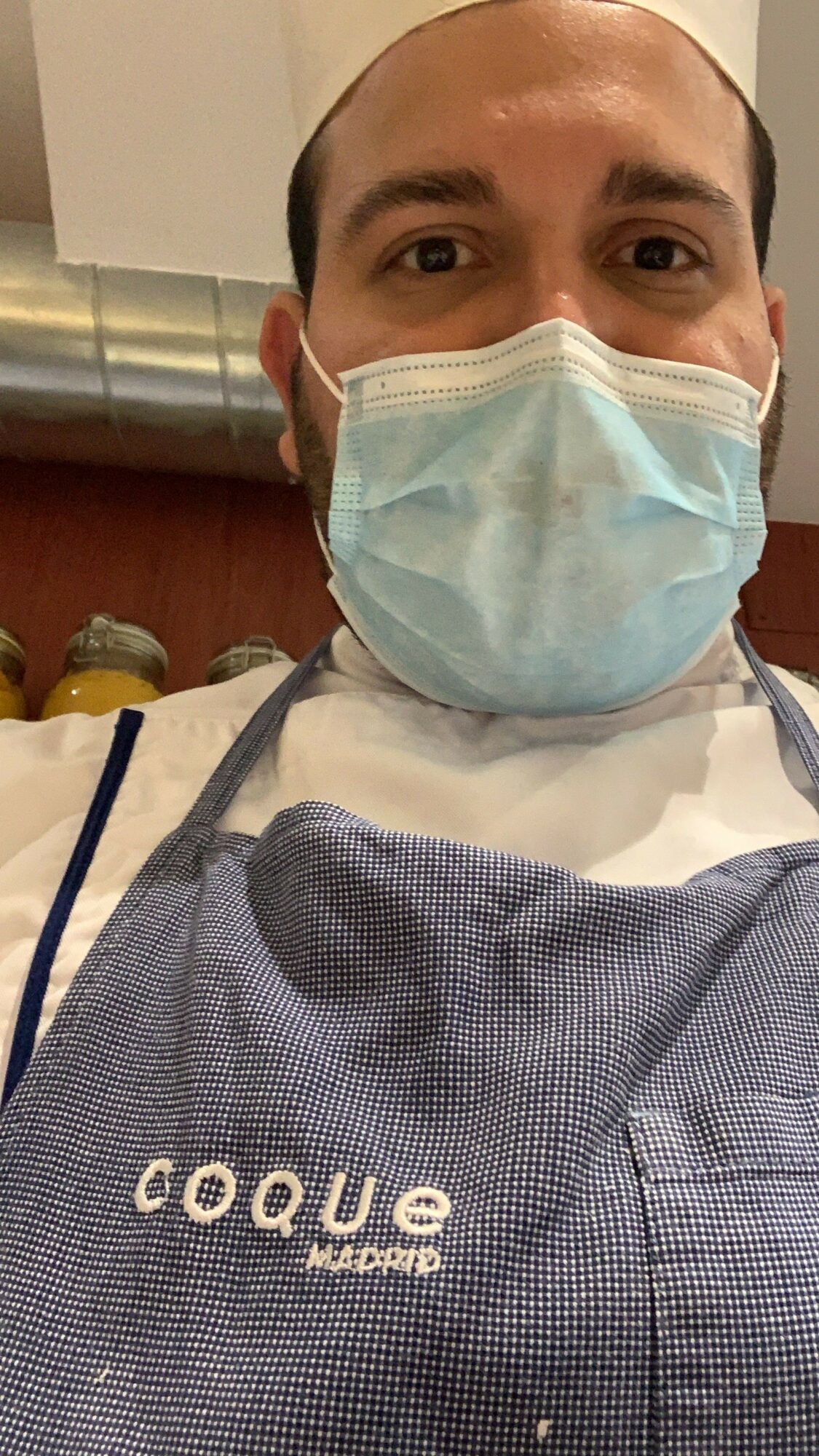
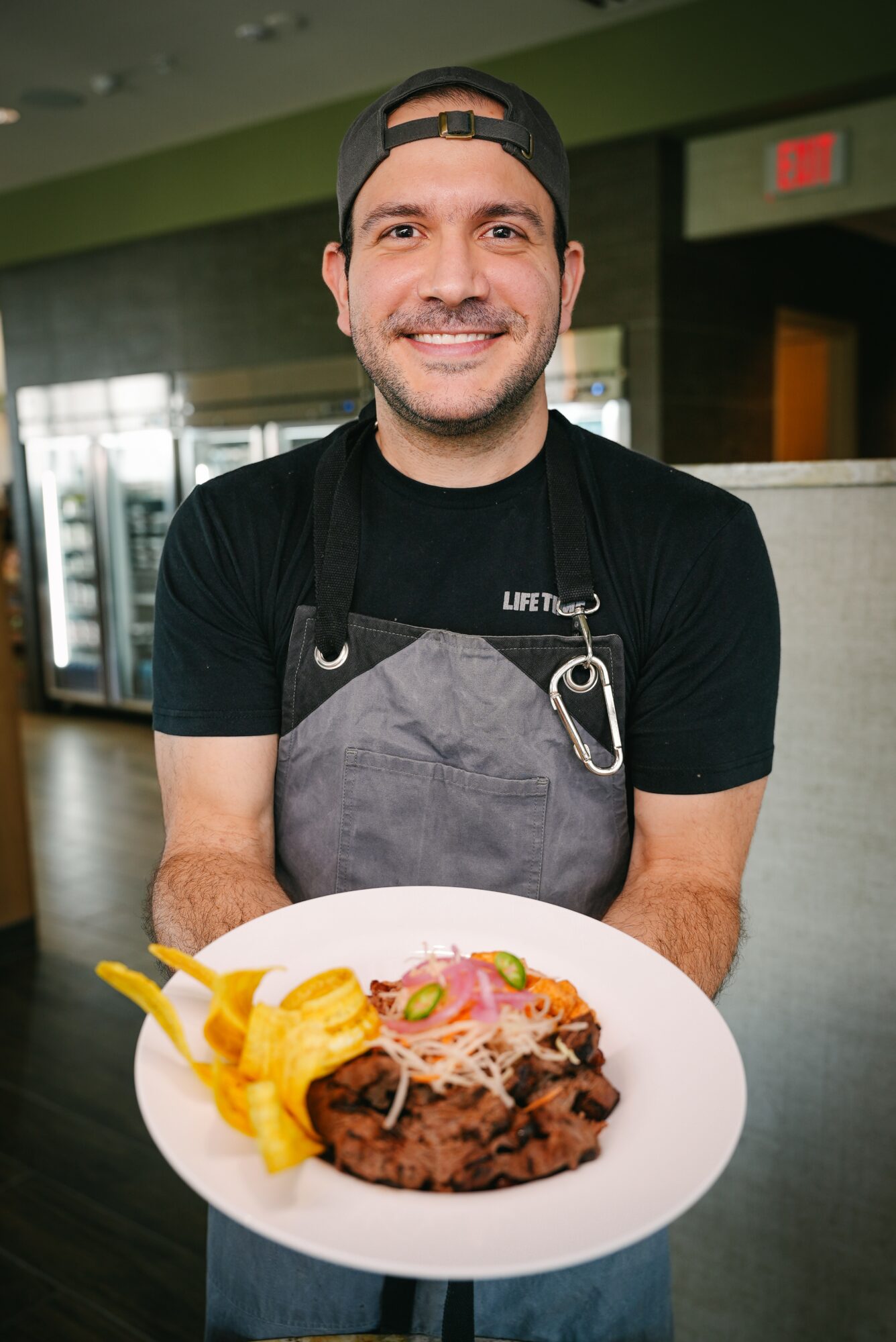
After working at Coque, a two-Michelin-star restaurant in Madrid, I decided to move to Miami and see where my career would take me. I applied everywhere—some restaurants rejected me, others told me I was overqualified, and a few said I was perfect for the position and then never called back. Eventually, I came across an opening for a chef at Life Time. I applied, got the opportunity, and the rest is history. Today, I’m the Head Chef at Life Time Coral Gables.
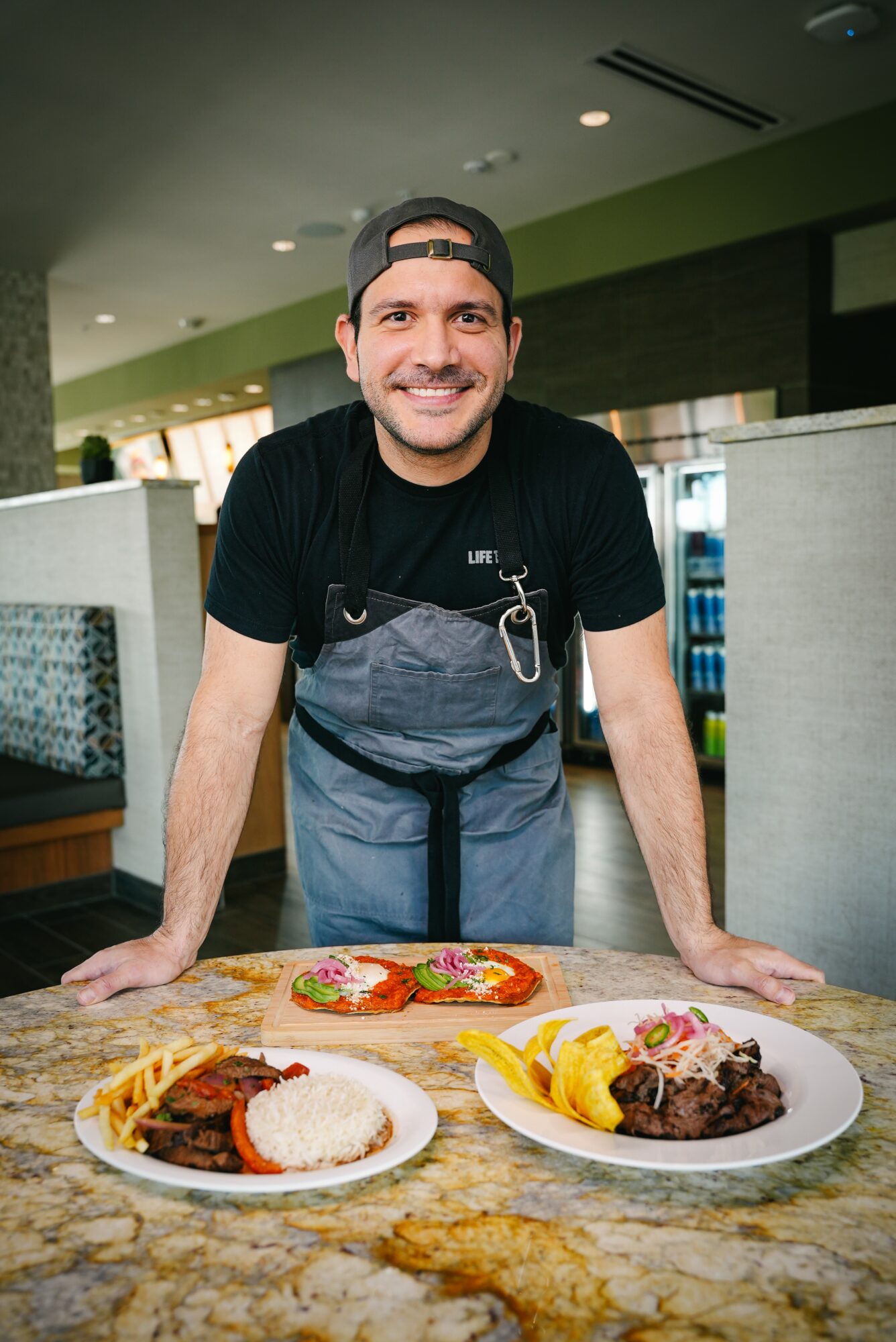
What I love most about my work is how much it has challenged me. My background is in classical French cuisine from Le Cordon Bleu—think butter, cream, rich sauces, and traditional techniques—and then I experienced the precision and creativity of a Michelin-starred kitchen. At Life Time, I had to take that foundation and learn how to create food that is healthy, nutritious, macro-conscious, and still full of flavor.
That combination is probably what sets me apart and what I’m most proud of. I’ve learned that healthy food should never feel like a compromise.
As for what I’m known for, I don’t need it to be a particular dish. I’d simply like to be known as the chef who made you smile after the first bite—and made you stick your head through the kitchen window just to say, “Chef, that was really good.” To me, that’s what cooking is all about.
Do you have any advice for those just starting out?
My advice is simple: stay humble, ask questions, and never think you know everything, because the kitchen will find a very creative way to prove you wrong!
I wish I had known that being a chef is probably 30% cooking and 70% problem-solving, adapting, leading people, and figuring out why something went wrong five minutes before service.
Most importantly, don’t be afraid of taking an unexpected path. I went from culinary school, to a Michelin-starred restaurant, to becoming the Head Chef at a gym—and somehow, it all makes perfect sense now. Every kitchen has something to teach you, so stay curious, work hard, and enjoy the ride.
Ps; always talk to yourself, motivate yourself in your head even if you have to do it out loud, Aunque parezcas un loco!
Contact Info:
- Instagram: @alvaro_cabreran