




Today we’d like to introduce you to Alejandro Badia.
Hi Alejandro , thanks for sharing your story with us. To start, maybe you can tell our readers some of your backstory.
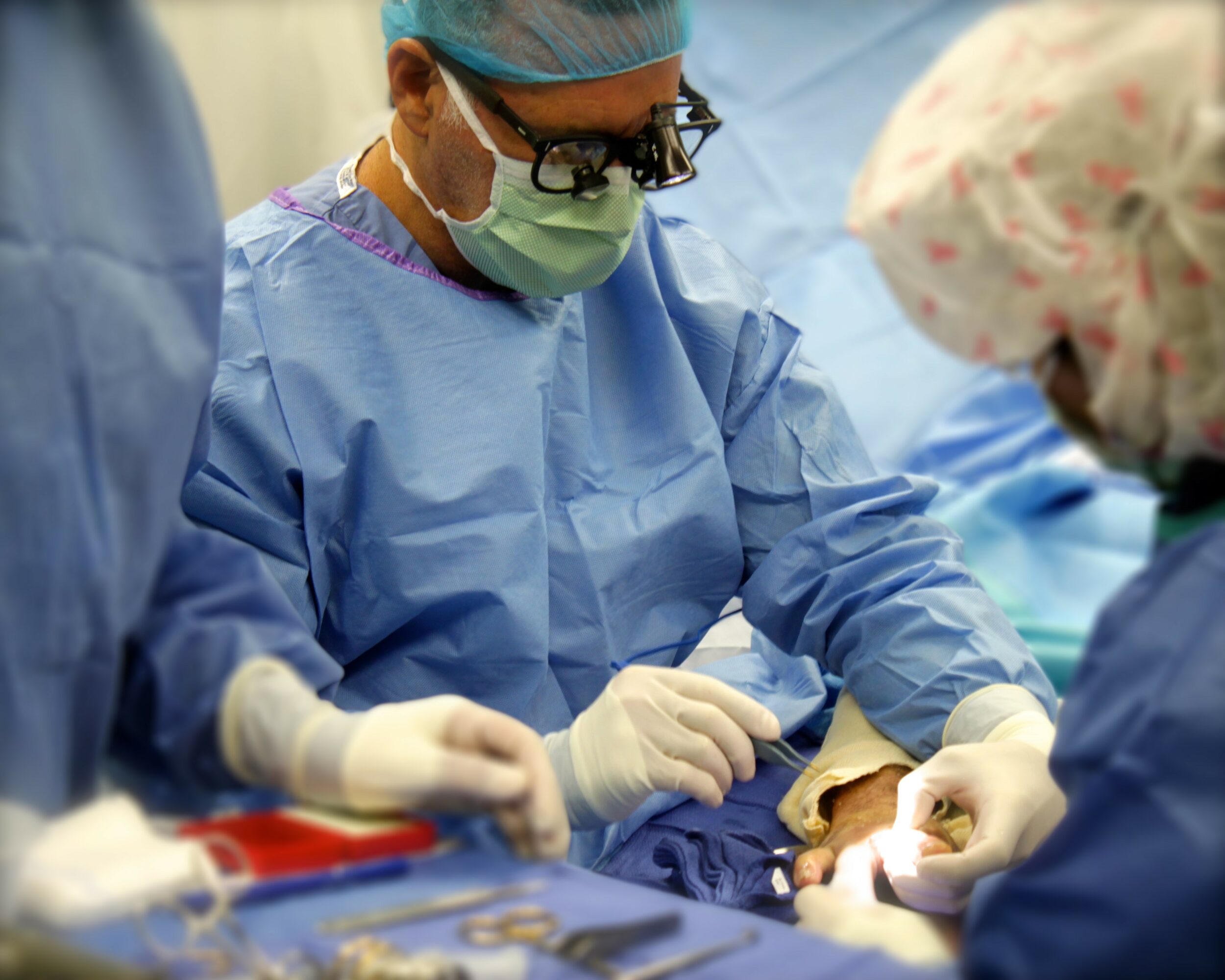
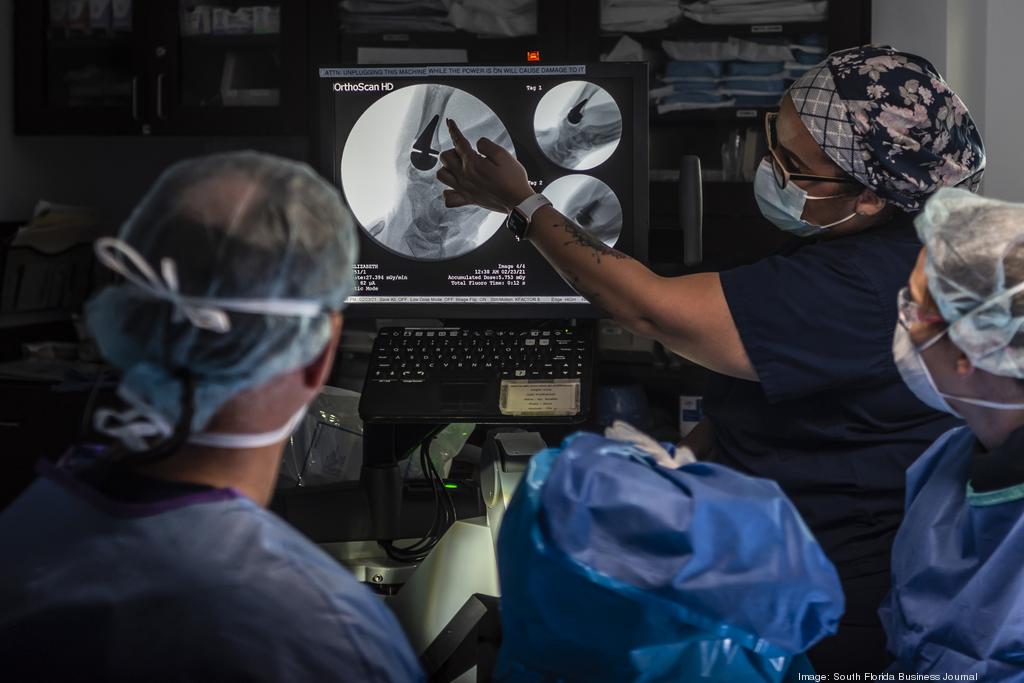
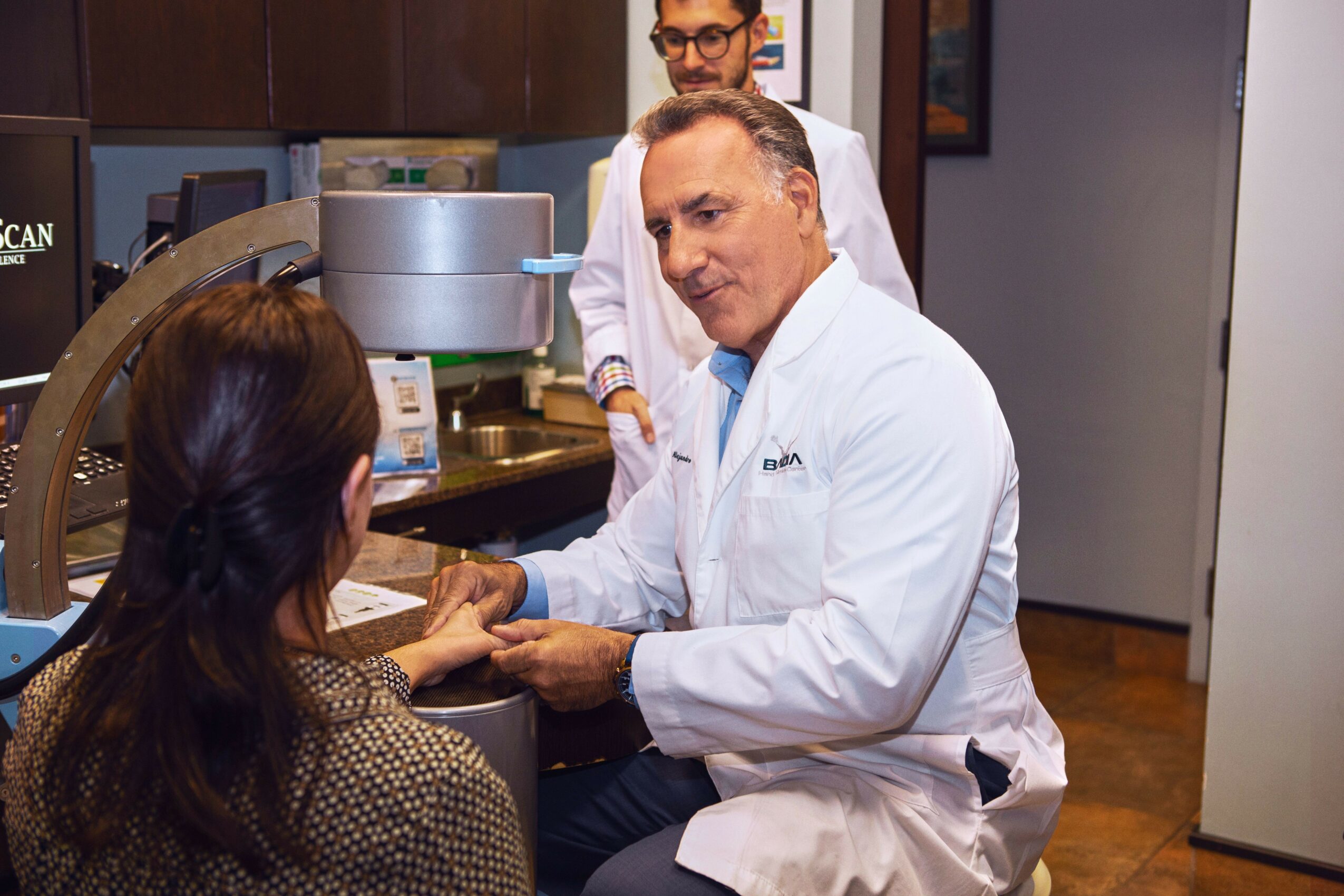
I am Dr. Alejandro Badia, MD, FACS, hand and upper extremity orthopedic surgeon treating orthopedic problems of the Hand & Wrist, Arm & Forearm, Elbow, and Shoulder, at Badia Hand to Shoulder Center in Miami, Florida and New York City. I previously served as chief of hand surgery, at Baptist Hospital of Miami.
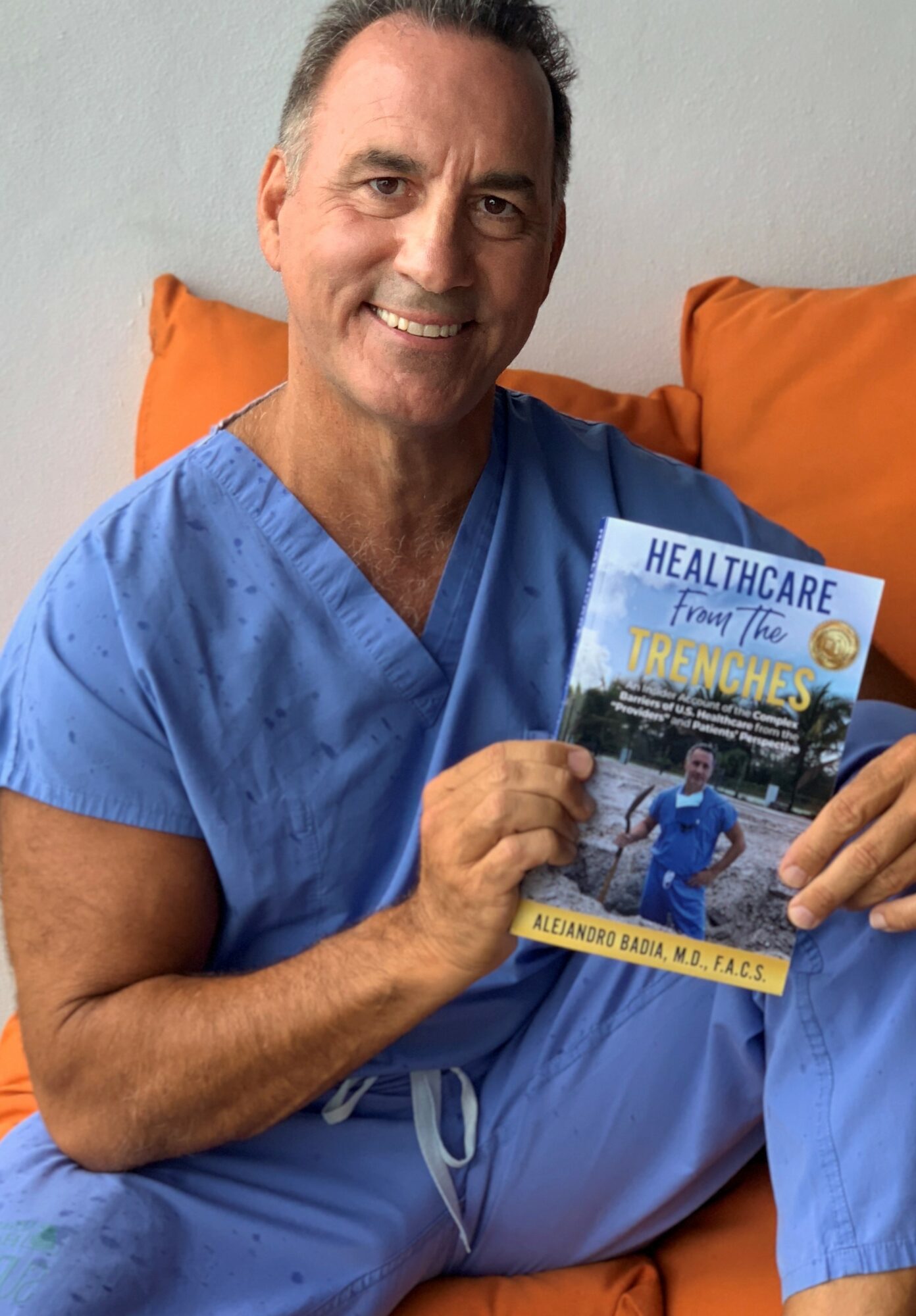
I founded OrthoNOW®, a network of orthopedic walk-in centers, and authored the book, “Healthcare from the Trenches” during the lockdown of 2020. One of my proudest entrepreneurial innovations is developing an orthopedic walk-in centers – OrthoNOW. I am also known as a very outspoken critic of the present healthcare system.
I studied physiology at Cornell University and obtained his medical degree at NYU, where I also trained in orthopedics. I received an hand and upper limb fellowship at Alleghany General Hospital in Pittsburgh, where the popular TV series the Pitt is based on.
I run an active international hand fellowship and serves on the editorial board of two hand journals. For a decade I organized a yearly Miami meeting for surgeons/therapists devoted to upper limb arthroscopy and arthroplasty.
In 2005, I co-founded the world-renowned Miami Anatomical Research Center (M.A.R.C.), the world’s largest surgical cadaveric training lab. I am also a founding member of the American Hand Institute, a think tank, and medical device start-up company focused on minimally invasive solutions to hand, wrist, and elbow pathology.
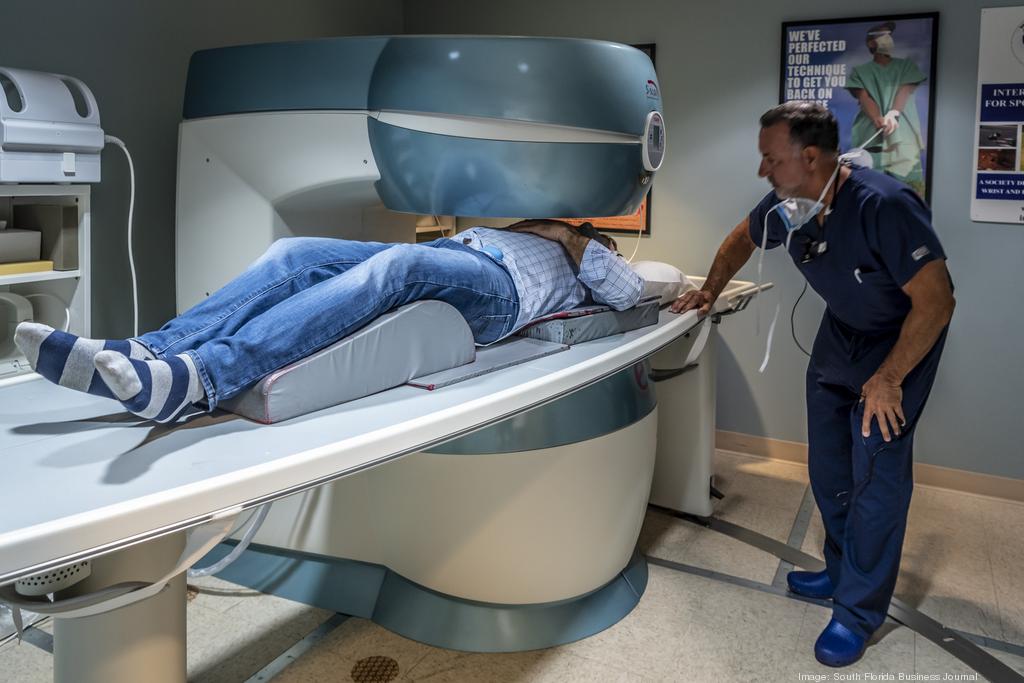
In 2008, I established the Badia Hand to Shoulder Center, a fully integrated clinical facility for the upper limb also encompassing the Surgery Center at Doral, rehabilitation, and an MRI imaging facility. More recently, I inaugurated OrthoNOW®, the first immediate orthopedic urgent care center in South Florida, dedicated to ensuring affordable access to orthopedic, for community members. OrthoNOW® is staffed by surgeons from the Doral Orthopedic Clinic (DOC); a group of surgeons from lower extremity, upper limb, and spine subspecialties, who also treat elective orthopedic problems in international patients.
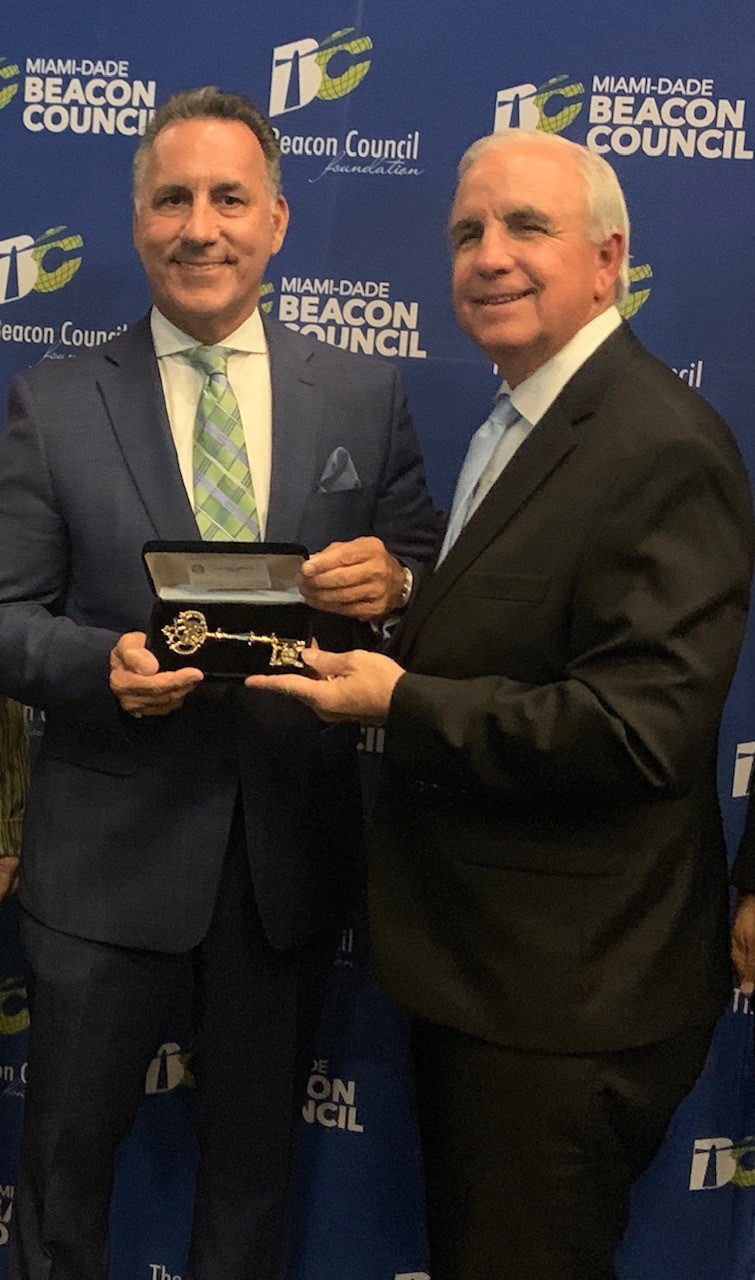
I participate in medical missions that grant low-income families in rural areas access to orthopedic surgery without any financial burden. The South Florida Hispanic Chamber honored me with the prestigious “Miguel de Cervantes Award” at the annual Viva Miami Hispanic Business Expo for his exceptional contributions to the Hispanic community. Previously I was given a Legacy Award by the Doral Business Council and honored Professor at the prestigious Philadelphia Hand Course hand and was named to 100 Latinos Miami in 2005
Would you say it’s been a smooth road, and if not what are some of the biggest challenges you’ve faced along the way?
I love being a physician in a private practice but find it increasingly challenging given the present state of our healthcare system.
As you know, we’re big fans of Badia Hand to Shoulder Center. For our readers who might not be as familiar what can you tell them about the brand?
My practice focuses on transforming Orthopedic Care in a one stop shop model.
The concept of specialized orthopedic urgent care centers, which I pioneered with OrthoNOW, continues to gain traction. These facilities offer a more cost-effective alternative to traditional emergency rooms for musculoskeletal injuries. In my subspecialty, timing is everything. A displaced wrist fracture, a nerve compression, or a tendon rupture does not wait patiently while faxes bounce between offices and prior authorizations “pend” in anonymous queues. Yet too many patients come to me weeks or months after an injury, not because they were ignoring symptoms, but because they were shuttled through layers of gatekeeping before anyone allowed them to see a surgeon. A more common scenario is a patient with a common degenerative, or inflammatory, condition that underwent weeks of painful, inconvenient and expensive rehab without ever having an accurate diagnosis – and perhaps a more expeditious treatment option.
In my book “Healthcare from the Trenches,” I wrote that the interference of non medical gatekeepers has turned what should be a collaborative system into an “almost impenetrable wall” between patients and physicians. That wall is not theoretical; it is the extra surgery a patient needs because a tendon retracted while approvals were pending, or the worker who loses their job because an easily fixable injury was allowed to deteriorate.
If medicine is serious about value and equity, it is time to retire the outdated notion of gatekeeping as blocking and rationing. The new gatekeeper must be an integrated, clinician led network that opens doors quickly when specialty expertise is truly needed and keeps them open through recovery. Our patients do not need more guards at the gate; they need guides who will walk with them through it, which is what I try to do with my practice.
What do you like and dislike about the city?
Our city is the crossroads of the Americas and a global destination for innovation, leisure and economic growth. There is little I don’t like about Miami, except traffic and over priced restaurants.
Contact Info:
- Website: https://drbadia.com/
- Instagram: https://www.instagram.com/badiahand/
- Facebook: https://www.facebook.com/DrAlejandroBadia
- LinkedIn: https://linkedin.com/in/drbadia
- Youtube: https://www.youtube.com/drbadia
- Yelp: https://www.yelp.com/biz/badia-hand-to-shoulder-center-doral
- Other: https://www.amazon.com/Healthcare-Trenches-Barriers-Providers-Perspective-ebook/dp/B088PSH2RL