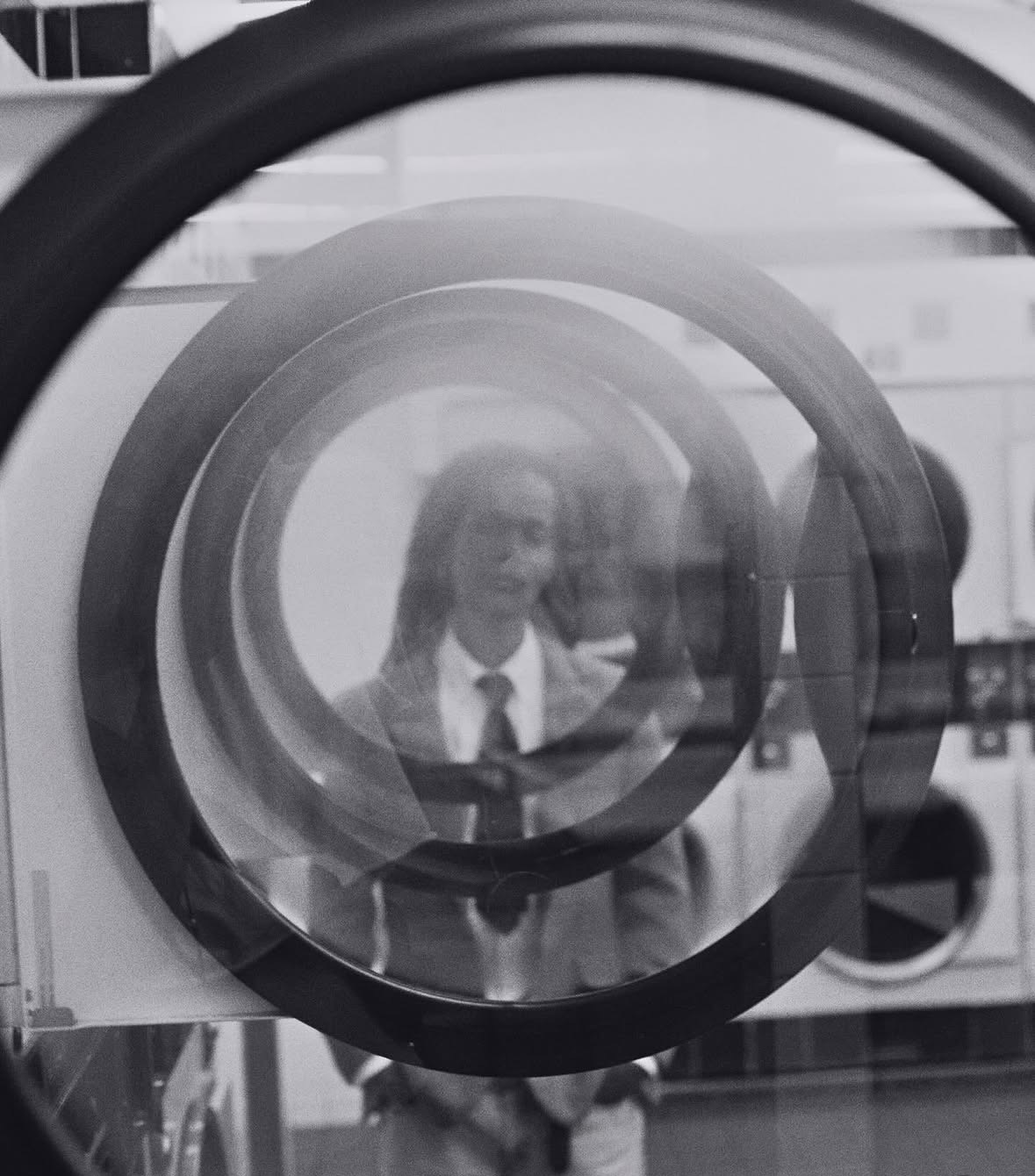



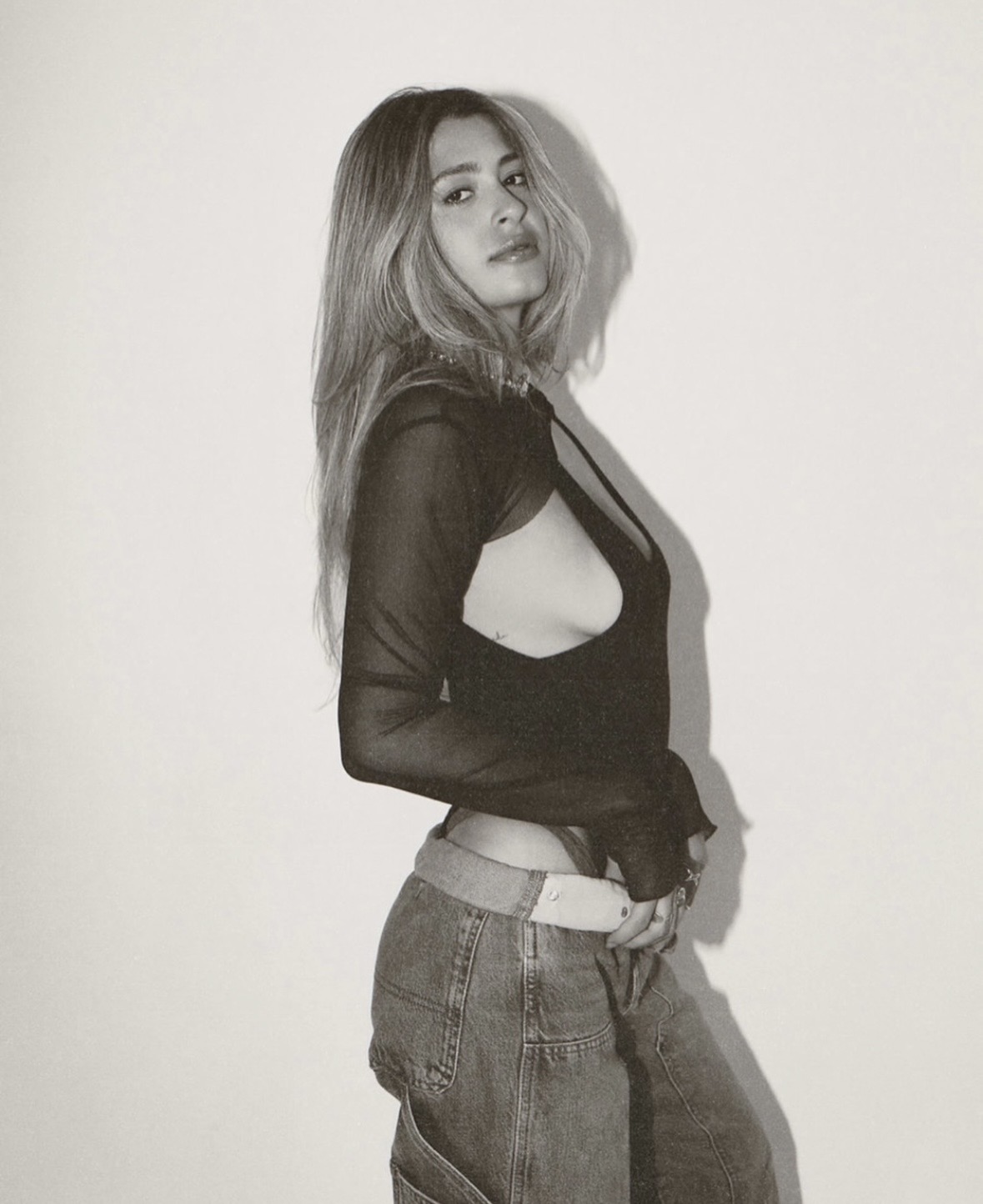
Today we’d like to introduce you to Natalya Egozi.
Hi Natalya, so excited to have you with us today. What can you tell us about your story?
I think before I ever knew what I wanted to “do,” I was always obsessed with the way music and visuals could make you feel something. I loved music videos because they could completely change the way you experienced a song. I was always filming everyday life, making overly dramatic videos and photoshoots with my friends, and imagining what certain songs would look like if they became a world. I didn’t have the language for it then, but I think I was always interested in that space where sound and image meet.
I studied marketing at school, but most of what shaped me creatively came from actually doing the work. I started in production, took on a lot of different roles, and paid attention to every part of the process. I worked on everything from hospitality content to larger commercial shoots, but I kept finding myself pulled back toward music. I loved taking something you couldn’t physically see—a feeling, a lyric, the energy of a song—and figuring out how to turn it into a visual language. Over time, I realized the part I loved most wasn’t just capturing an image. It was developing the idea, shaping the world around it, and bringing all of the pieces together.
A huge part of my story is my big brother, David. He was a cinematographer and editor, and one of the first people who made me feel like my creativity really mattered. Losing him changed the way I look at life, art, and time. It made everything feel more fragile, but also more urgent. Like I have no other option but to live a life that he could experience through me. His loss pushed me to stop waiting to become the person I kept imagining I could be and to actually start building that life.
That journey eventually became Extended Play Creative, a creative direction and production studio focused largely on music, artists, and visual storytelling. Today, I direct music videos, develop visual identities, create campaigns, and help artists translate their sound, personality, and story into a visual world. I didn’t get here through one perfect plan or some super-strategic roadmap. I followed my instincts and kept moving toward the work that gave me energy.
Can you talk to us a bit about the challenges and lessons you’ve learned along the way. Looking back would you say it’s been easy or smooth in retrospect?
Honestly, one of the biggest obstacles I’ve faced has been myself. I’ve had to work through a lot of self-doubt, overthinking, and the feeling that I needed to be somehow more “official” before I could fully claim what I was already doing.
A lot of my journey has been learning to trust myself and my taste. There was never going to be a moment when someone officially gave me permission to call myself a director or creative director. I had to stop waiting to feel completely ready and start believing that my perspective was enough to build from. I still have moments of doubt, but now I move forward with them and use them as fuel to prove that silly little voice wrong.
Alright, so let’s switch gears a bit and talk business. What should we know about your work?
What I specialize in is seeing the bigger picture while still caring deeply about the details. I’m not only thinking about how one video looks—I’m thinking about what the artist is trying to say, how they want people to feel, what their world looks like, and how every image can support that. Sometimes that means directing a music video, but it can also mean developing the concept, styling, set design, photography, rollout, or overall creative direction around a project.
I think what sets me apart is how emotionally connected I become to the work. I care about making something that feels true to the person I’m creating with—not just something that looks good or follows a trend. I spend a lot of time listening, asking questions, and understanding what is underneath the music before deciding what the visuals should be. I also come from a production background, so I know how to take an abstract idea and actually figure out how to make it happen with the time, team, and budget available.
What I’m most proud of is that I’ve built a career around the kind of work I genuinely love. Extended Play is still growing, but every project has helped me trust my voice more. I’m proud that artists come to me not only for execution, but because they trust me to understand them, challenge them, and help them see their own work in a new way.
Do you have any memories from childhood that you can share with us?
When I was 10, I was in a band. I played the drums, wrote the music lyrics, and even attempted to sing as the lead singer. At that age, there was no such thing as “I am not”, I took this little group so seriously I began making phone calls to adults I knew in the music industry to ask them how the tour process works. How I could play on a stage, how I could get one of those big tour busses with my name on the side, how to just … start. This band rehearsal would take place in my childhood bedroom — my mom giving me all of the space to create and collaborate.
This isn’t my favorite childhood memory because the band blew up and I was a rockstar at the age of 10 — that never happened. It’s my favorite childhood memory because, thinking back, I had little to no fear. So what if the adults laughed at me? If nobody believed in me? I was SO set in believing in myself that the outside world and its opinions didn’t matter.
Contact Info:
- Website: https://www.natalyaegozi.com
- Instagram: https://www.instagram.com/natalyaegozi?igsh=Z2FxMGNsN2RwajBs&utm_source=qr