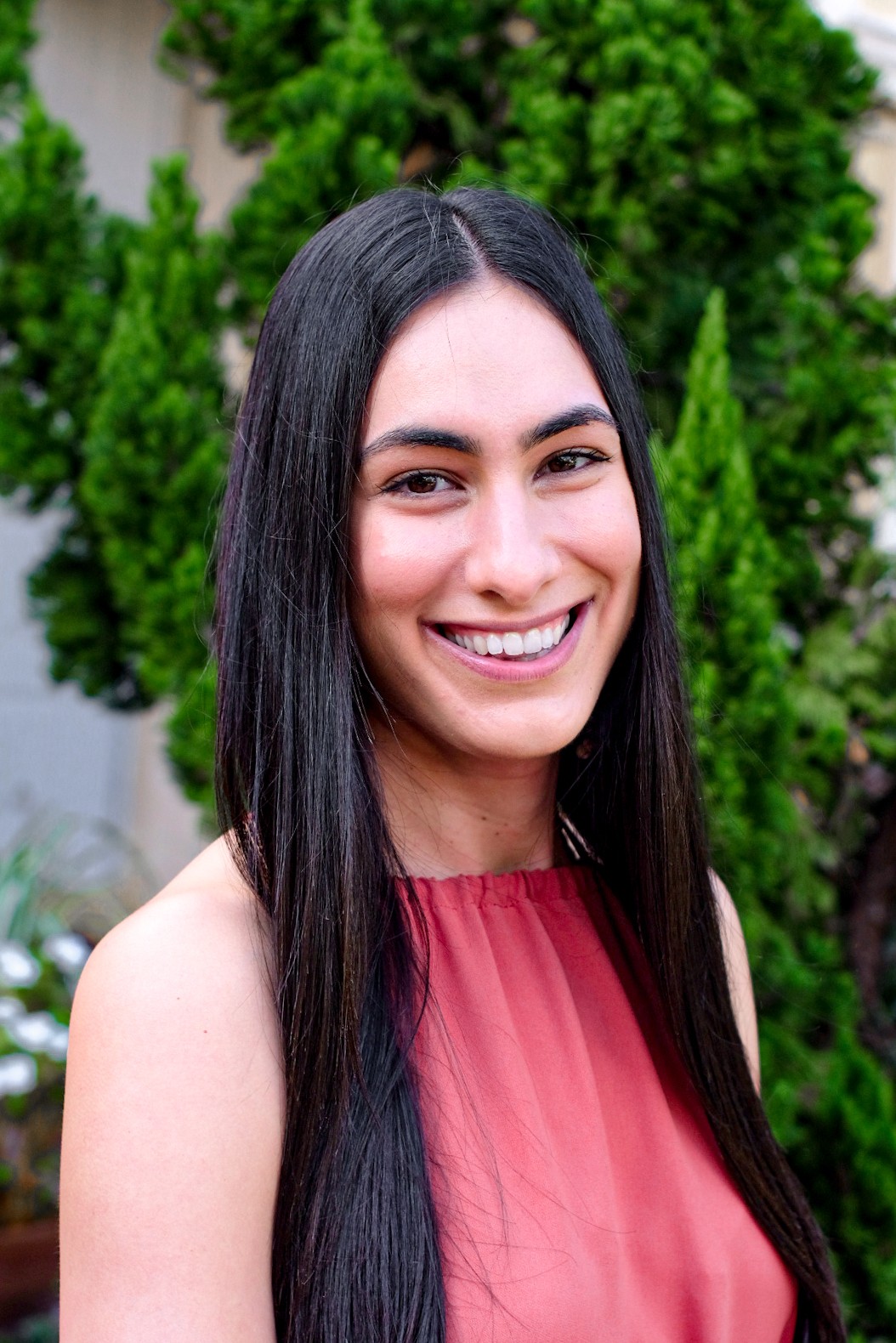




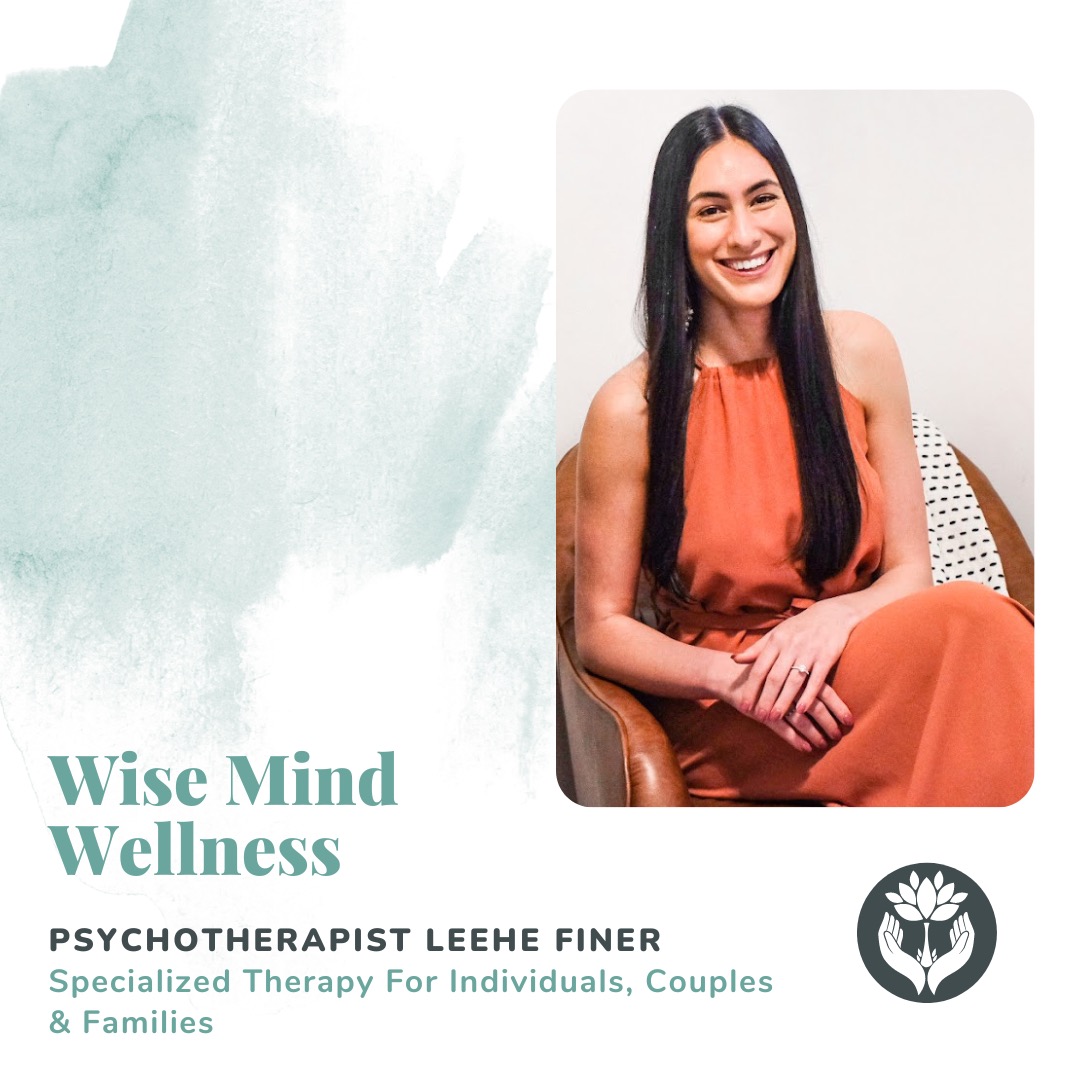
Today we’d like to introduce you to Leehe Finer.
Hi Leehe, thanks for sharing your story with us. To start, maybe you can tell our readers some of your backstory.
My journey into this field began with a deep fascination for human behavior and an even deeper respect for the courage it takes to seek help. Early in my career, I realized that what changes people most isn’t just insight; it’s connection. That realization shaped everything that followed.
Over the past eleven years as a licensed mental health counselor, I’ve worked in various clinical settings, gaining experience with individuals and families navigating depression, anxiety, trauma, mood disorders, and eating disorders. Five years ago, I opened my private practice in Boca Raton with a very intentional vision: to create a space where people feel truly safe, seen, and understood. I never wanted people to feel judged, rushed, or reduced to a diagnosis.
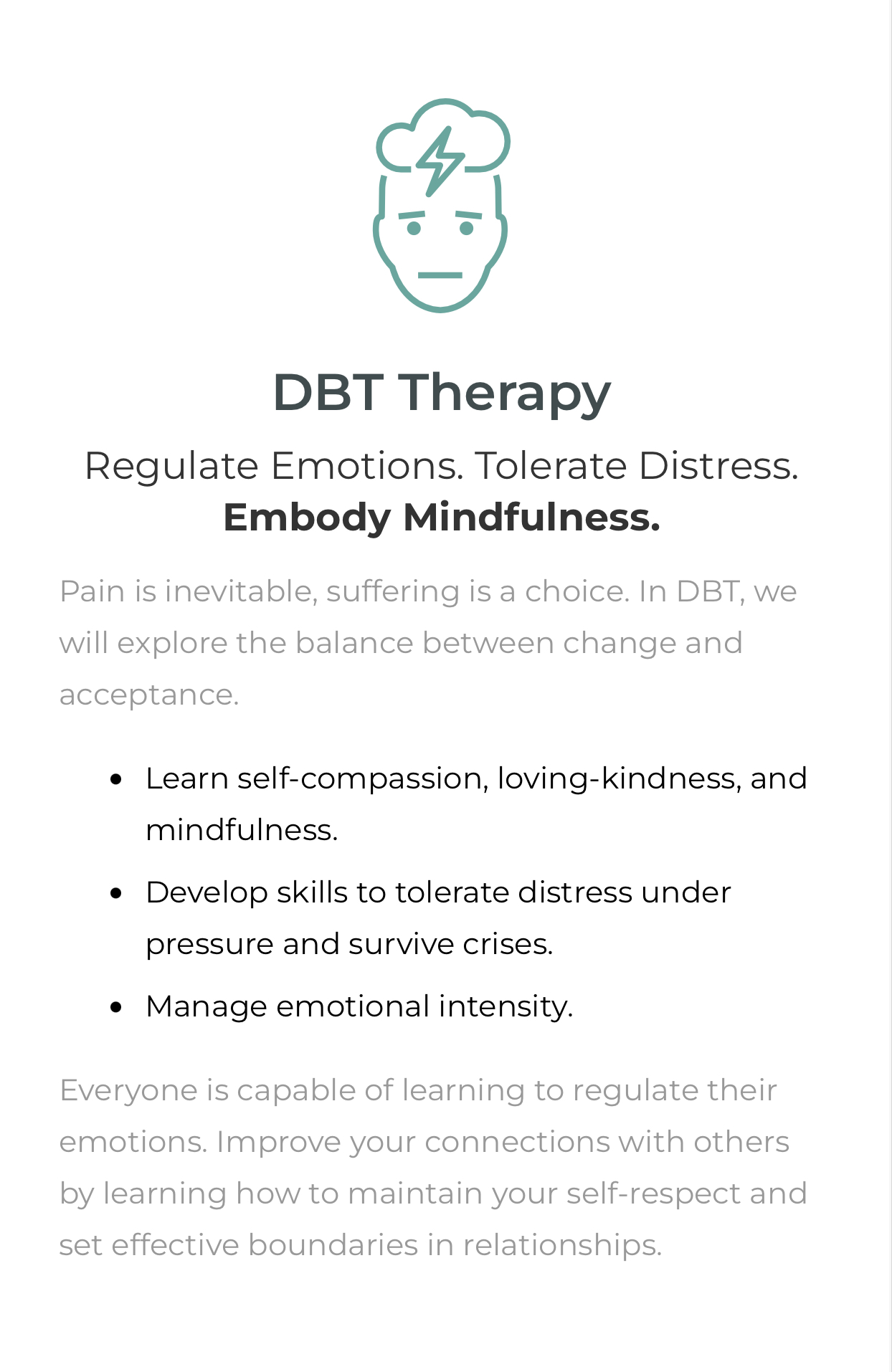
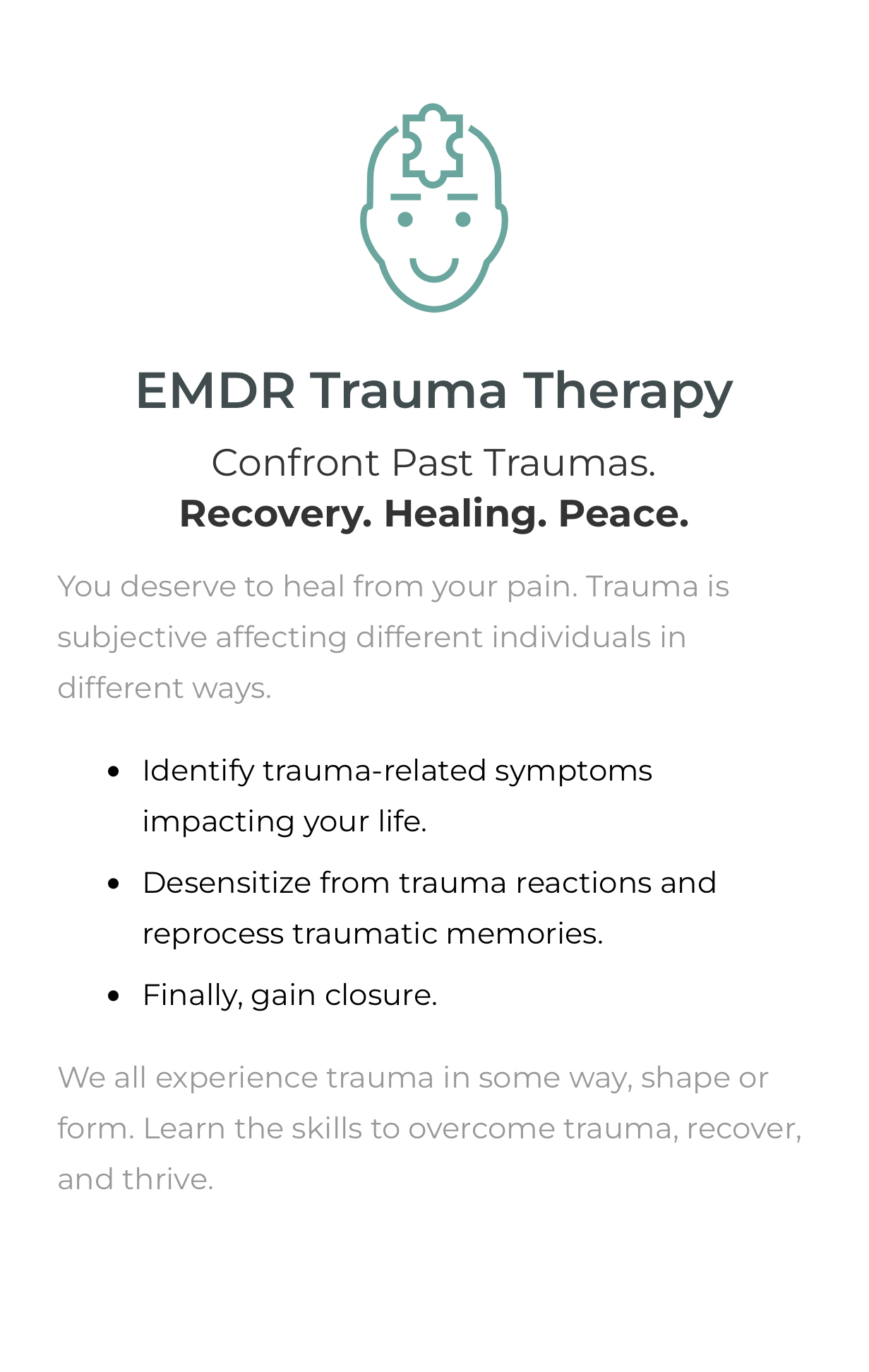
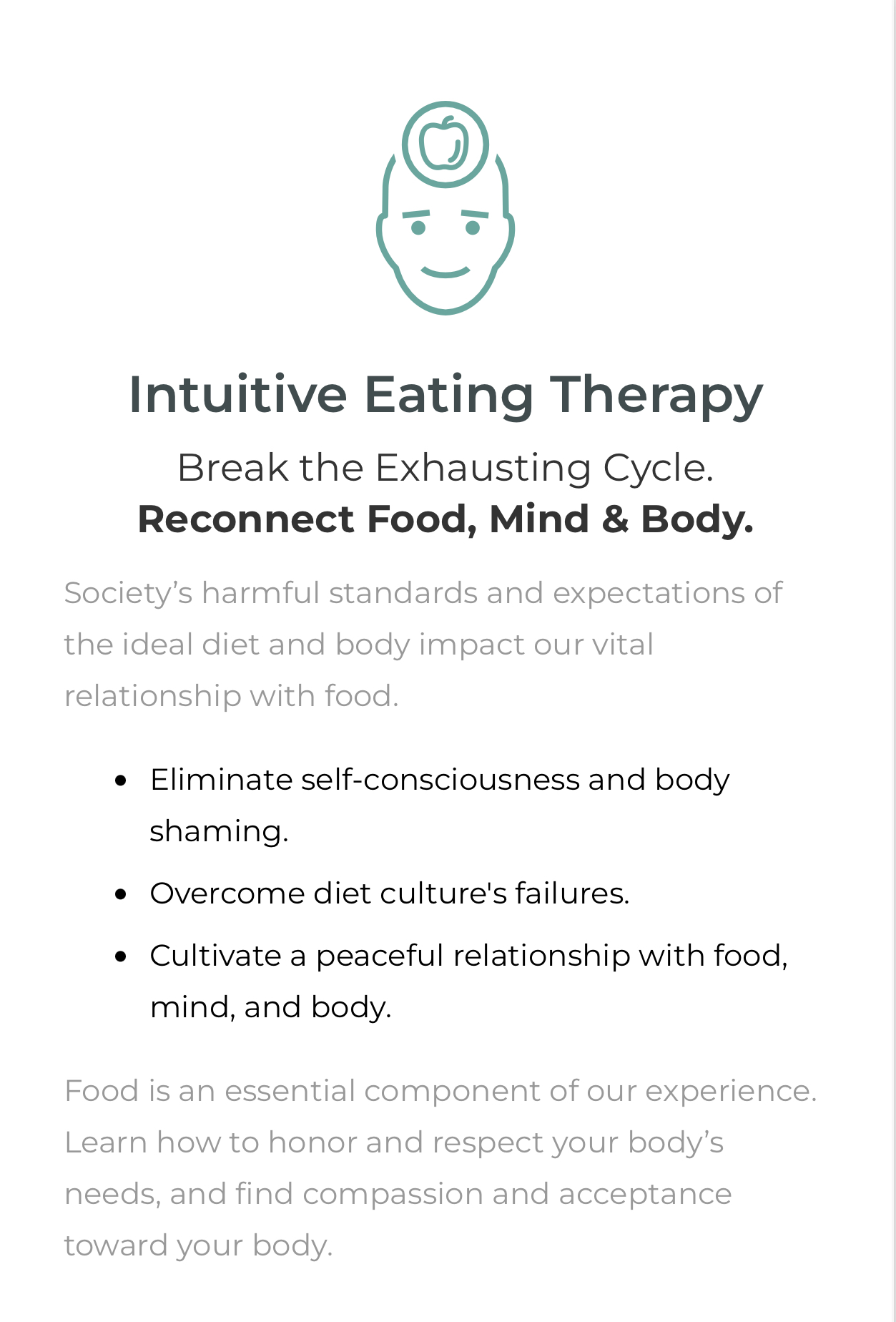
I was drawn to Dialectical Behavior Therapy because of its balance between acceptance and change. This philosophy mirrors how I see growth. Later, I deepened my work through EMDR to help clients process trauma in a way that feels empowering rather than retraumatizing. My training in Intuitive Eating therapy grew from witnessing how many people struggle silently with body image and their relationship with food. Each specialization wasn’t random, as it evolved from the real needs I saw in the therapy room.
What matters most to me is the therapeutic alliance. I do not take my clients’ trust for granted. I approach every session with curiosity, warmth, and a non-judgmental perspective. My goal isn’t for clients to rely on me forever — it’s to guide them in becoming their own therapists, equipped with the skills and confidence to navigate life independently.
Today, I feel incredibly grateful to serve the community of South Florida, as well as the state of Florida in its entirely, and to offer services in both English and Hebrew, allowing me to connect with clients on a deeper cultural level. Watching people move from feeling stuck or overwhelmed to feeling empowered and aligned with their authentic selves is what continues to inspire me every day.
Can you talk to us a bit about the challenges and lessons you’ve learned along the way. Looking back would you say it’s been easy or smooth in retrospect?
It definitely has not been a completely smooth road. Like most entrepreneurial journeys, building a private practice comes with both uncertainty and growth.
When I opened my practice five years ago, I wasn’t just stepping into a clinical role; I was stepping into the role of business owner. That meant learning marketing, branding, networking, finances, systems, and operations. These skills are not usually taught in a typical psychology graduate school setting. Also, there’s a vulnerability in putting yourself out there and trusting that the right clients will find you.
In the beginning, there were slower seasons that required patience and resilience. There were moments of self-doubt, wondering if I was doing enough, visible enough, or growing fast enough. As therapists, we’re trained to support others, but building a business requires a different mindset: strategic thinking, boundaries, and the ability to tolerate uncertainty.
Another challenge has been balancing clinical excellence with sustainable entrepreneurship. I hold myself to a high standard of care, and at the same time, I’ve had to learn how to protect my own energy and prevent burnout. Growth required refining my niche, investing in advanced training like DBT, EMDR, and Intuitive Eating, and becoming very intentional about who I serve and how I serve them.
Over time, I’ve learned that challenges are part of the process. Each obstacle strengthened my confidence, not just as a clinician, but as a business owner. What once felt overwhelming now feels empowering. I’ve built something rooted in integrity, intention, and long-term sustainability, and I’m very proud of that.
Appreciate you sharing that. What else should we know about what you do?
At the core of my work is helping people who feel emotionally overwhelmed learn how to feel steady, empowered, and in control of their lives again.
I specialize in Dialectical Behavior Therapy (DBT), EMDR trauma therapy, and Intuitive Eating therapy. I work with individuals, couples, and families navigating depression, anxiety, borderline personality disorder, bipolar disorder, trauma, eating disorders, and body image struggles. Many of my clients come to me feeling stuck in intense emotions, unhealthy relationship patterns, or cycles they don’t know how to break. What we do together is practical, structured, and transformative.
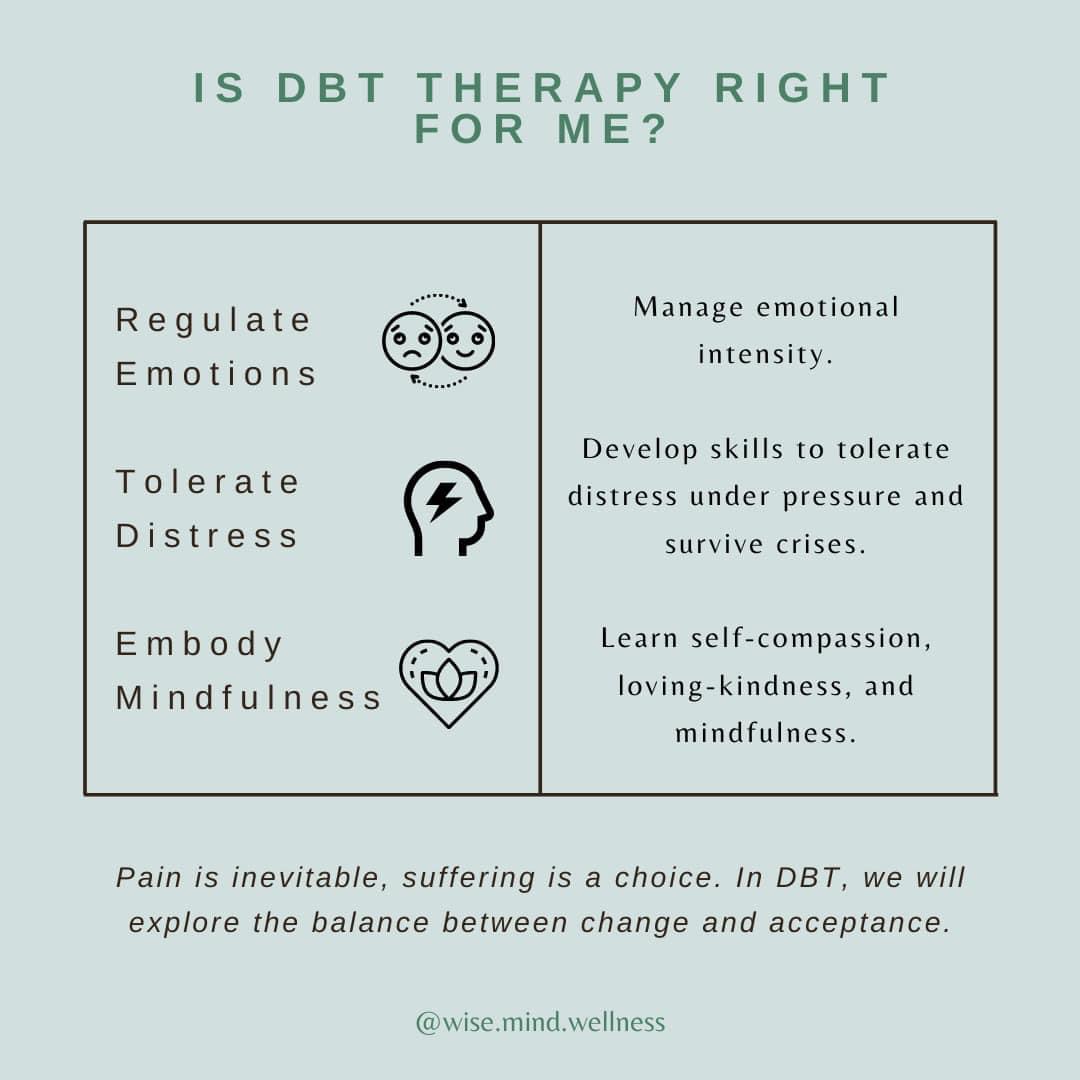
I’m particularly known for integrating deep compassion with concrete skill-building. Clients don’t just talk in our sessions — they learn. DBT gives them tools to regulate emotions and tolerate distress. EMDR allows them to process trauma and create closure without reliving it. Intuitive Eating helps them rebuild trust with their bodies in a sustainable, non-diet way. My goal is always the same: to help clients become their own therapists.
What sets me apart is the balance I bring between warmth and structure. I am deeply attuned and non-judgmental, but I’m also active and goal-oriented. Clients often tell me they feel both understood and challenged in a productive way. I don’t believe in keeping people in therapy indefinitely. I believe in equipping them with the skills and confidence to navigate life independently.
What I’m most proud of is the transformation I witness every day. Clients who once felt defined by their diagnosis learning to see themselves as capable, resilient, and whole. Watching someone move from surviving to truly living never stops being meaningful to me. I’ve worked with clients who initially walked into my office feeling defined by a diagnosis — “I’m borderline,” “I’m bipolar,” “I’m anxious,” “I’m broken.” Over time, something shifts. They begin to see that a diagnosis is not an identity; it’s information. It’s a starting point, not a life sentence.
Through learning skills, processing trauma, and building emotional awareness, they start responding instead of reacting. They communicate differently in relationships. They trust themselves more. They tolerate discomfort without self-destructing. They set boundaries. They take up space. They make decisions from clarity rather than fear.
There’s a moment in therapy that I absolutely love, when a client says, “A year ago, I would have handled this completely differently.” That awareness is everything. It means growth has become embodied.
Watching someone move from surviving to truly living; from chaos to steadiness; from shame to self-respect; never loses its impact for me. Healing isn’t about becoming someone new. Healing is about returning to who you were before life’s wounds convinced you otherwise. Being a part of that process is something I will never take for granted.
Can you talk to us a bit about the role of luck?
I don’t think of my journey in terms of luck as much as I think of it in terms of preparation meeting opportunity.
Of course, there are elements of timing that I’m grateful for, such as being able to open my private practice at a time when conversations around mental health were becoming more open and less stigmatized. The growing awareness of trauma-informed care and evidence-based therapies like DBT and EMDR certainly created space for the kind of work I specialize in.
But what might look like “good luck” from the outside was usually preceded by years of training, continued education, networking, and intentional risk-taking. I invested in advanced certifications, built relationships within the local community, refined my niche, and stayed consistent even during slower seasons. When opportunities came, I made sure I was ready for them.
There have also been challenges that could be labeled “bad luck”, such and economic shifts, unexpected cancellations, the natural unpredictability of private practice. Those moments taught me adaptability and resilience. They pushed me to strengthen my systems, clarify my messaging, and run my practice in a way that is both clinically excellent and sustainable.
If anything, I’ve learned that luck favors those who are willing to take aligned risks. Building a business in the mental health field requires the courage to be visible, to specialize, to trust your voice. I don’t rely on luck; I rely on intention, preparation, and staying deeply committed to the quality of care I provide.
At the same time, I do believe there is something larger at play. I’m deeply spiritual, and I believe that when you are aligned with your purpose, doors open in ways that feel guided. There have been moments in my career that felt less like coincidence and more like confirmation, such as the right referral at the right time, the right training opportunity, the right connection. I don’t see that as luck but more as alignment. When you combine disciplined work with faith, intention, and trust in the process, growth feels both earned and divinely supported.
Contact Info:
- Website: https://www.wisemindwellnessfl.com/
- Instagram: https://www.instagram.com/wise.mind.wellness/?hl=en
- Facebook: https://www.facebook.com/profile.php?id=100054814808192
- LinkedIn: https://www.linkedin.com/in/leehe-finer-210251206/
- Youtube: https://youtube.com/@leehenegri3400?si=GGwUnLTuk2gttx0D
- Other: https://www.psychologytoday.com/us/therapists/leehe-finer-boca-raton-fl/394772