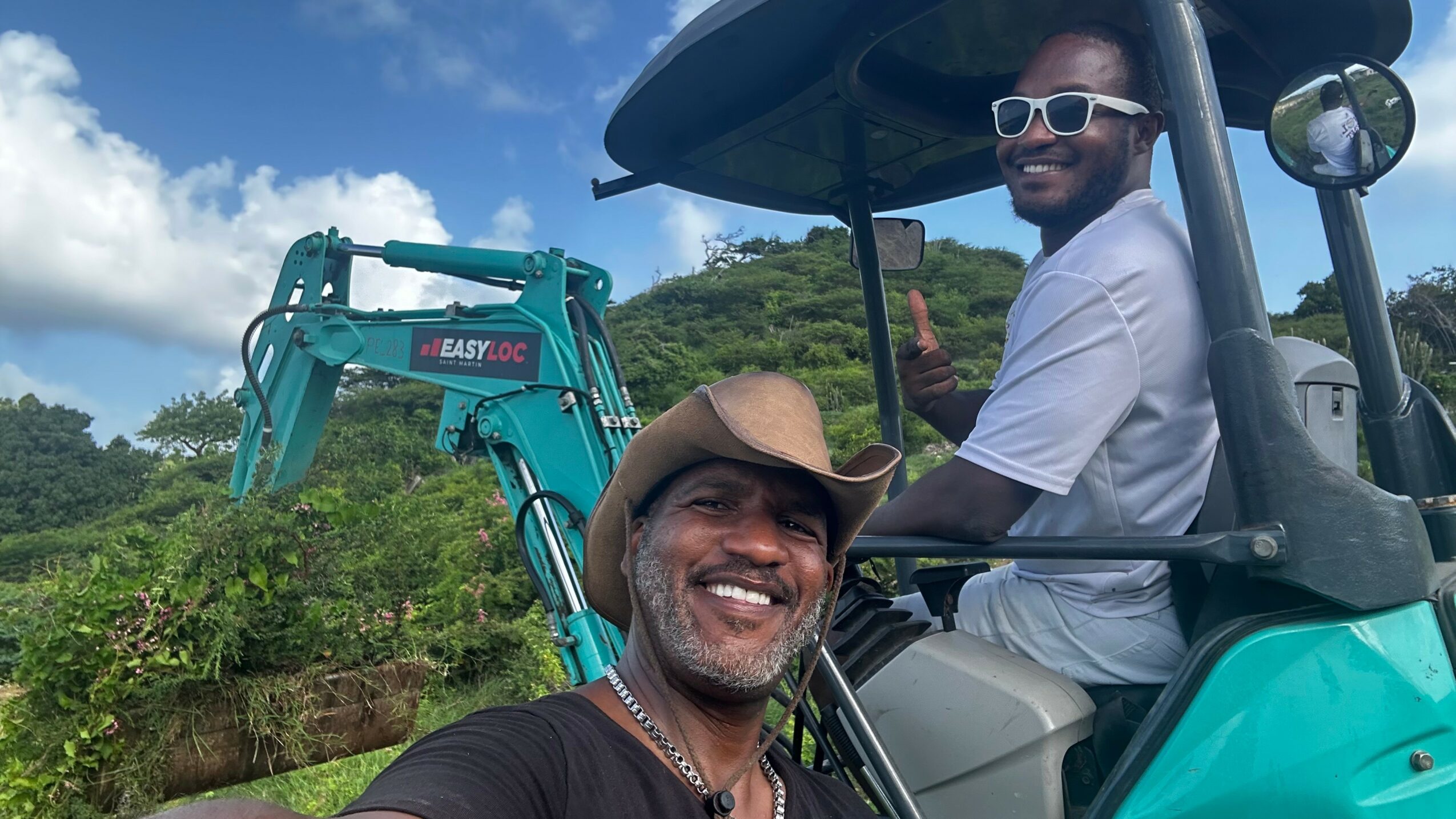





Today we’d like to introduce you to Kevin Baly.
Hi Kevin, thanks for sharing your story with us. To start, maybe you can tell our readers some of your backstory.
I’ve been working in design for over 25 years, including time as a Creative Director at Ogilvy & Mather in New York and Connecticut. That background shaped how I think — in terms of systems, structure, and long-term impact.
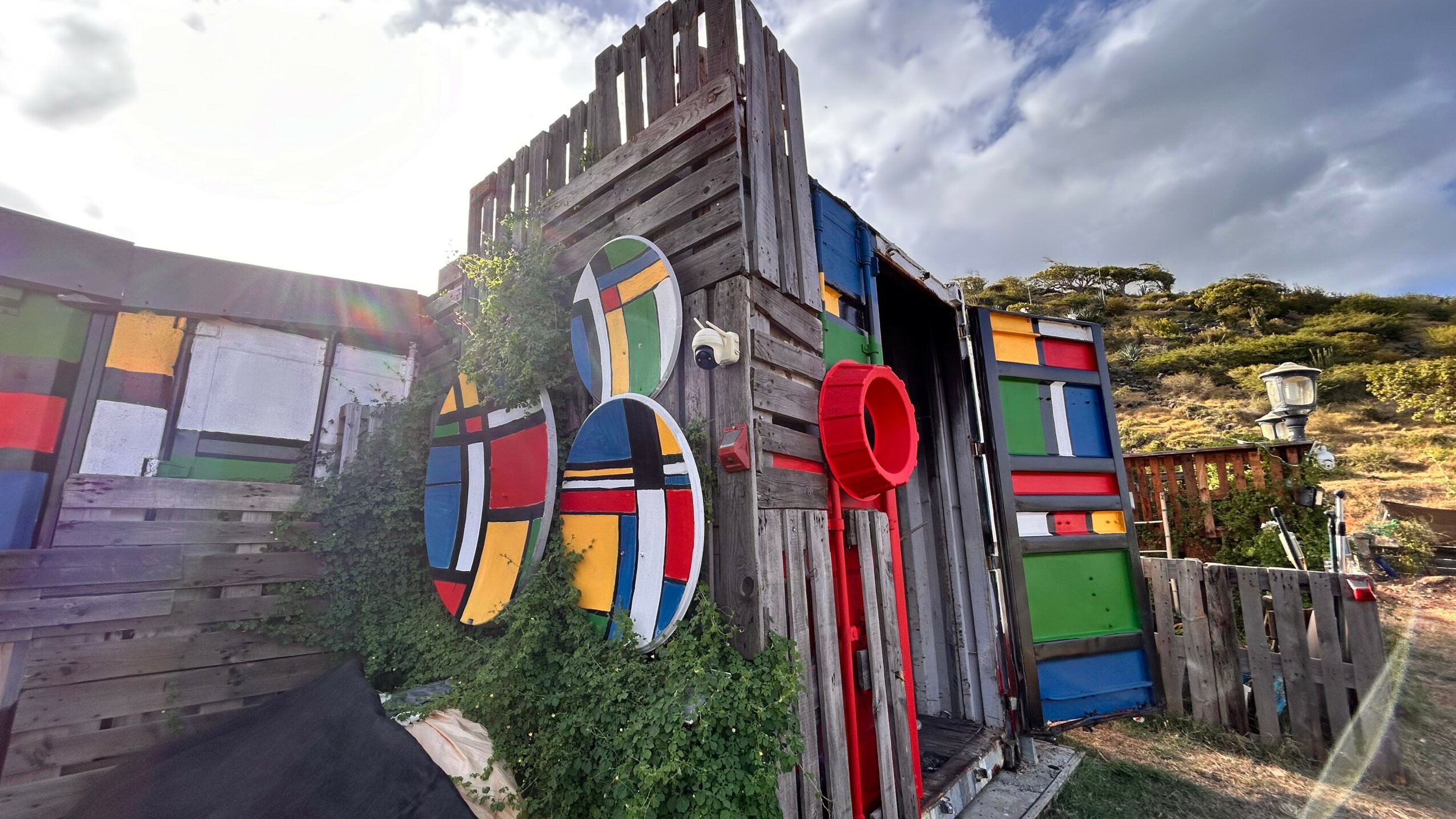
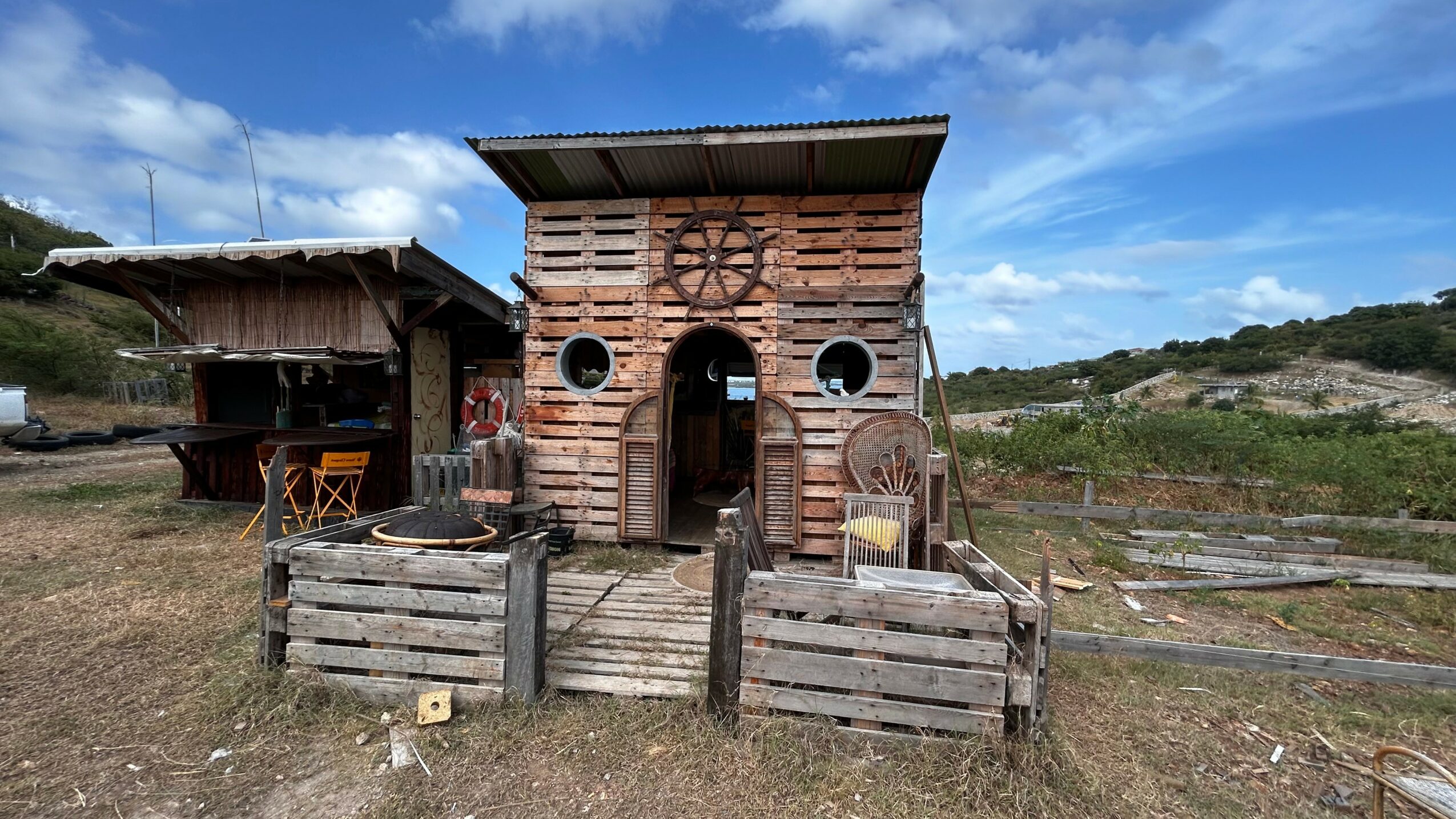
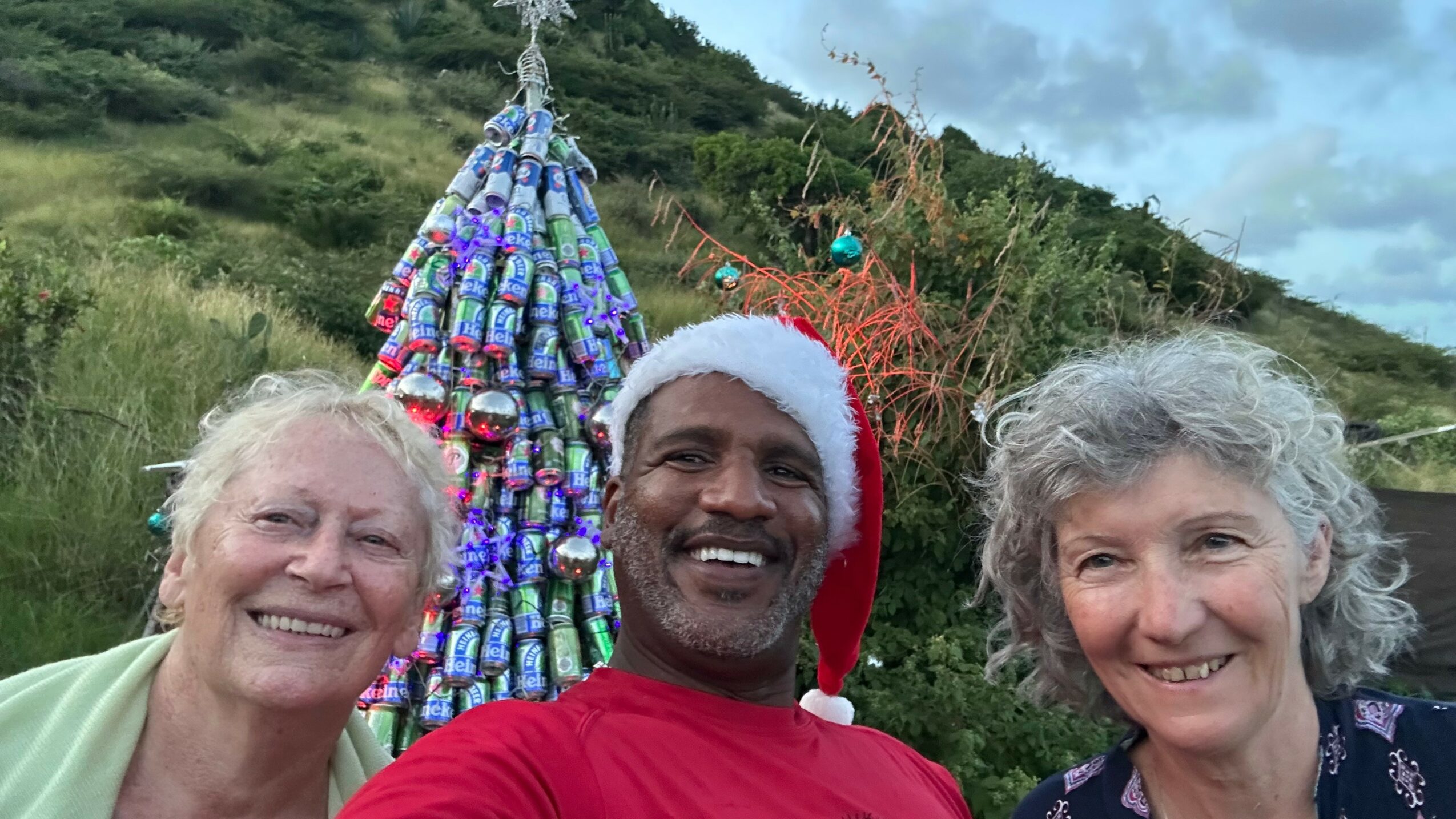
Rohan Village is really what happened when I started applying that same thinking beyond visuals. Instead of designing brands, I began designing environments — using recycled materials, building off-grid systems, and creating a space where sustainability isn’t theoretical, it’s lived every day.
It’s less of a project and more of an ongoing experiment in how we can live differently, especially on an island.
Would you say it’s been a smooth road, and if not what are some of the biggest challenges you’ve faced along the way?
The biggest challenge is that you’re not working in ideal conditions — you’re dealing with real constraints: materials, weather, logistics, limited resources.
But that’s also where the value is. You’re forced to be resourceful, to rethink waste, and to build systems that are actually resilient, not just well-designed on paper.
One key lesson is that sustainability only works if it’s practical. If people can’t apply it in their daily lives, it stays as an idea. At Rohan Village, everything is tested in real conditions.
Can you tell our readers more about what you do and what you think sets you apart from others?
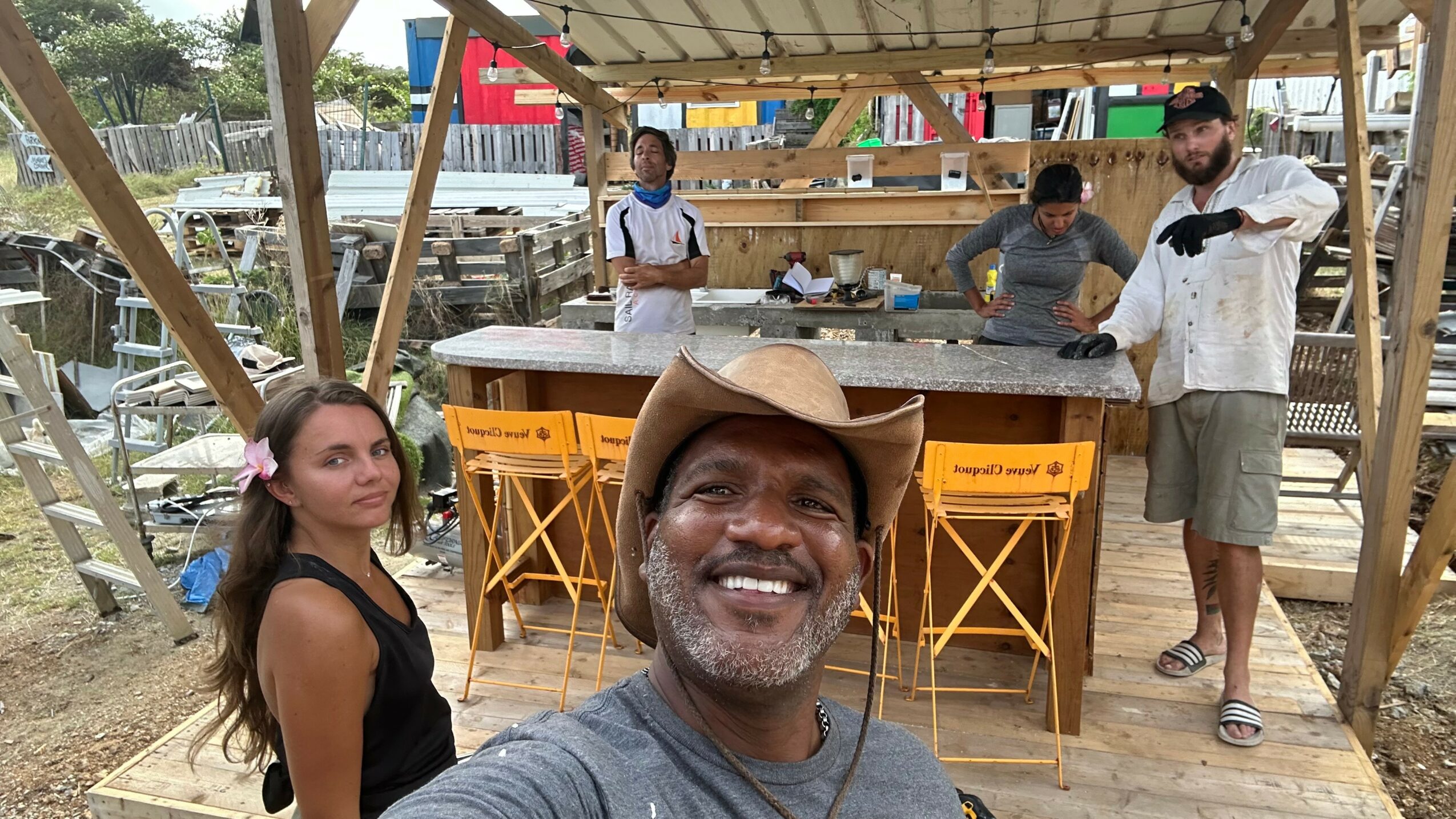
ROHAN VILLAGE™ is an eco-village in Saint-Martin built almost entirely from recycled and salvaged materials.
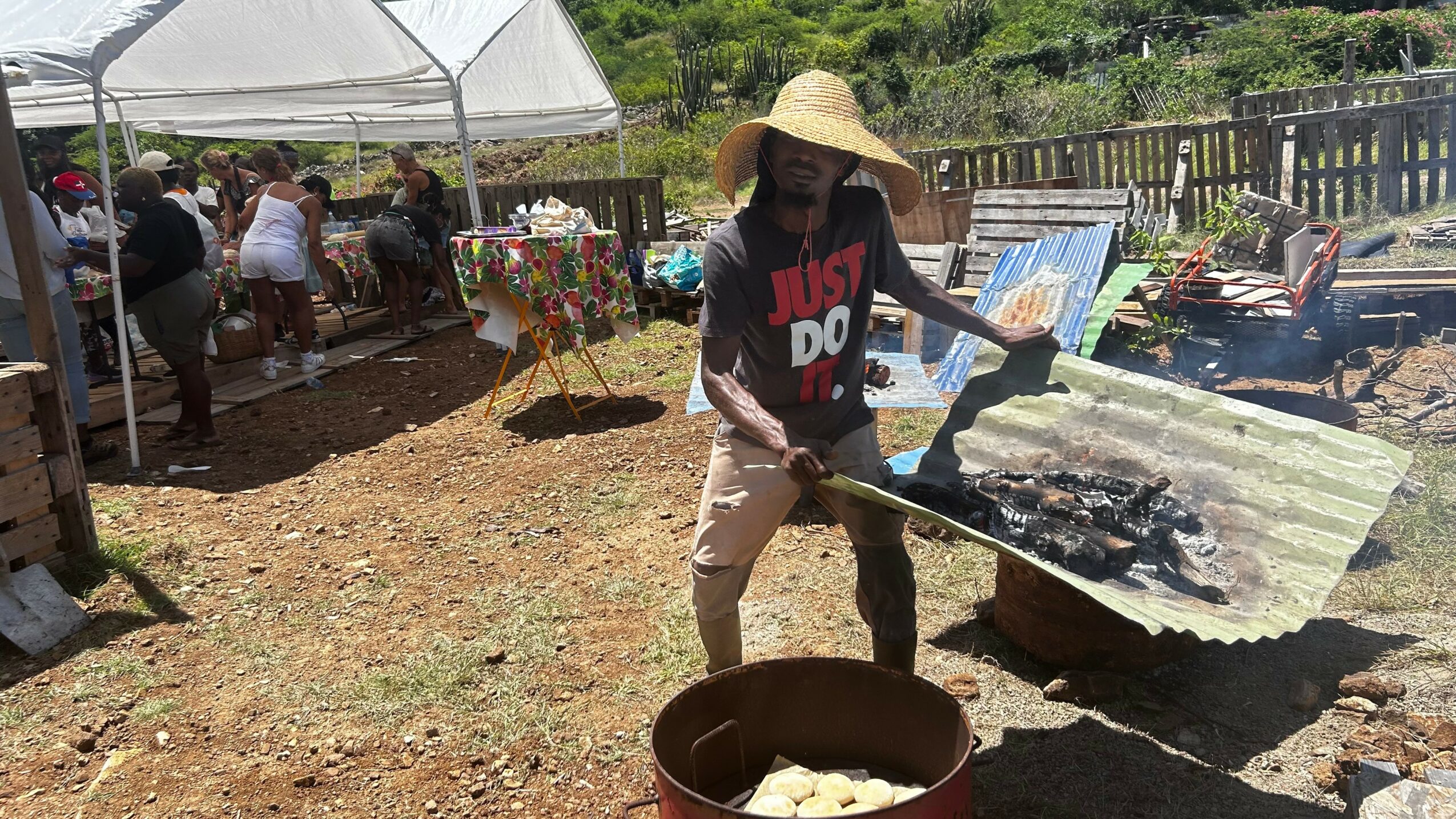
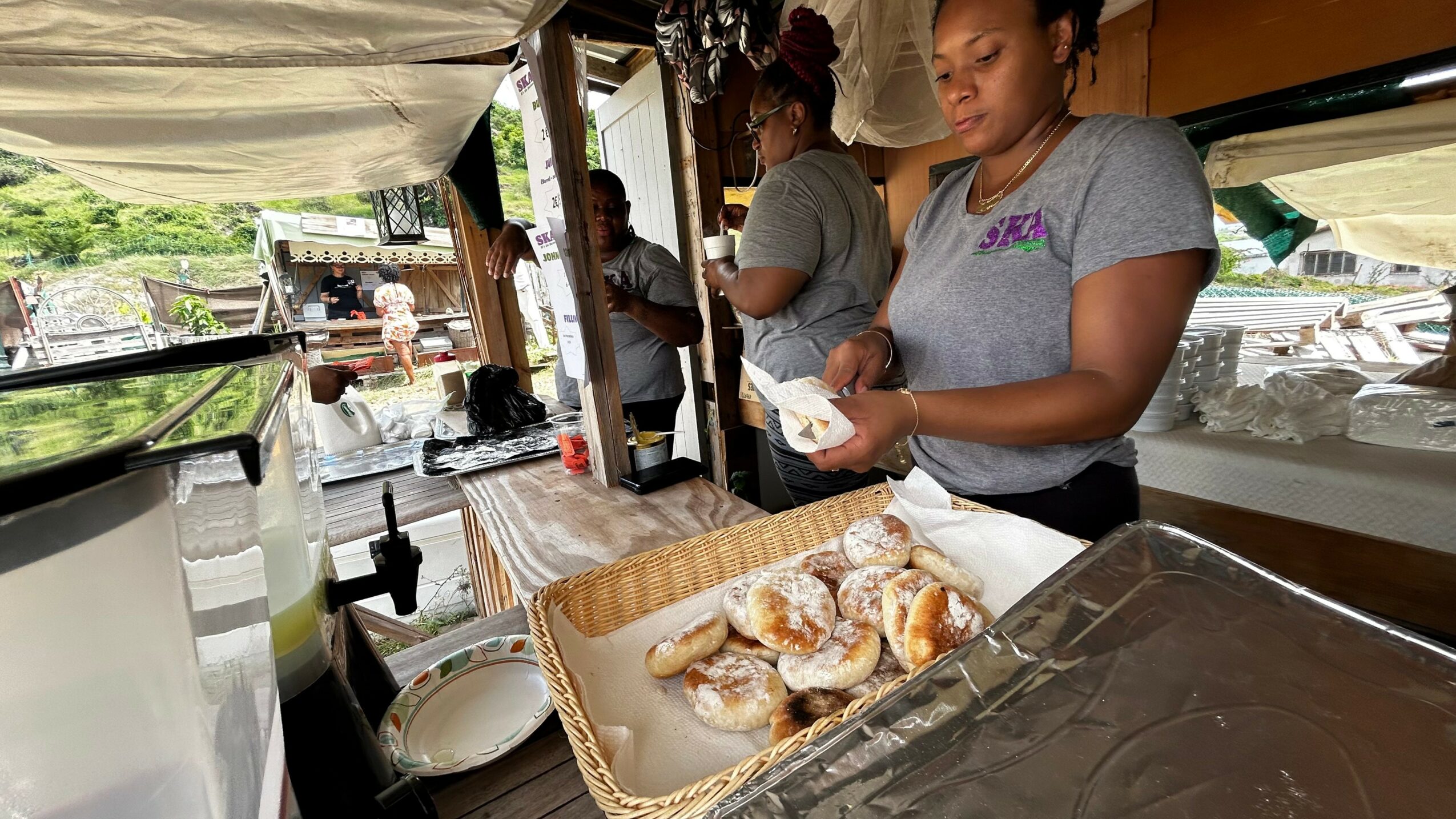
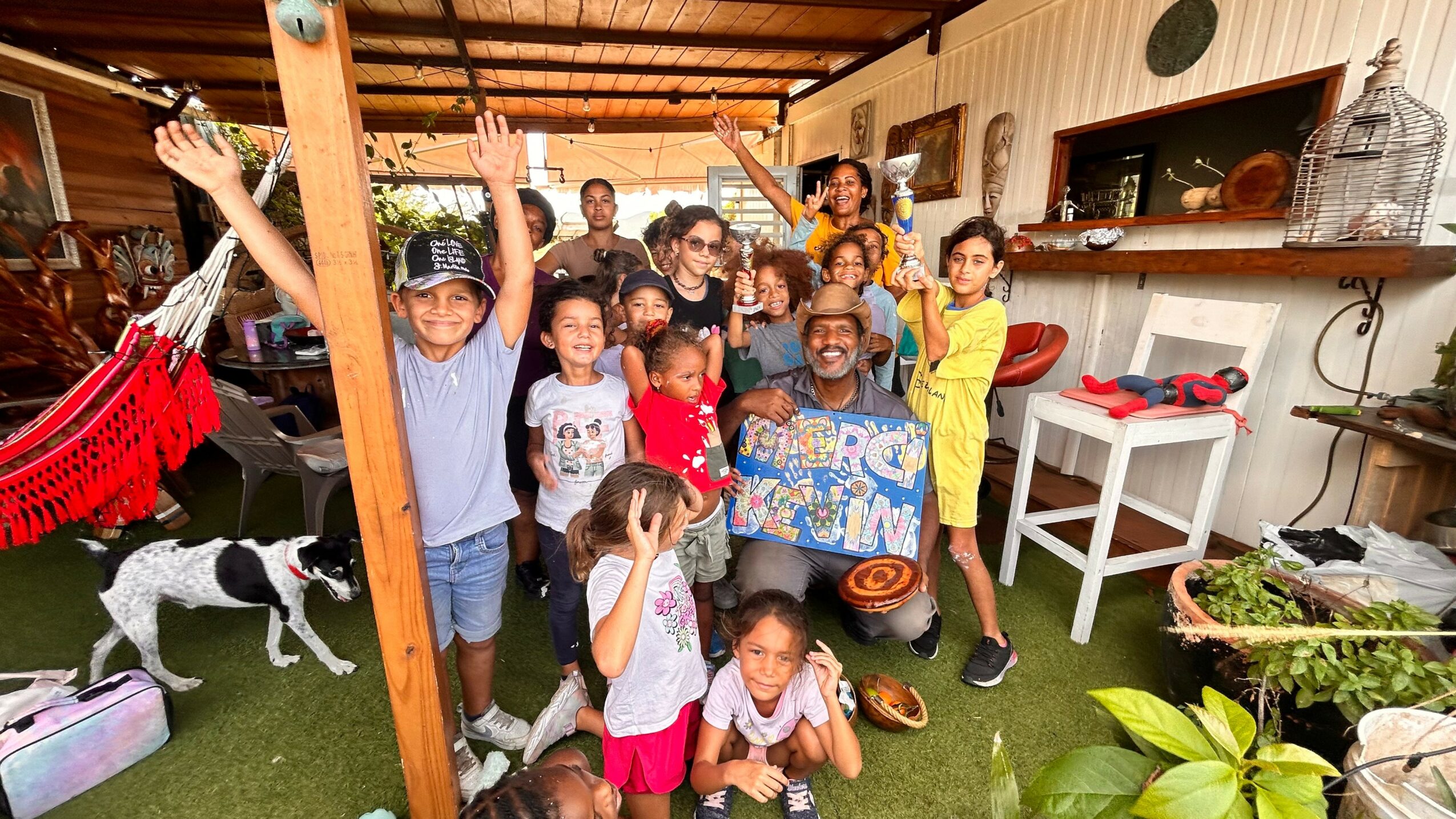
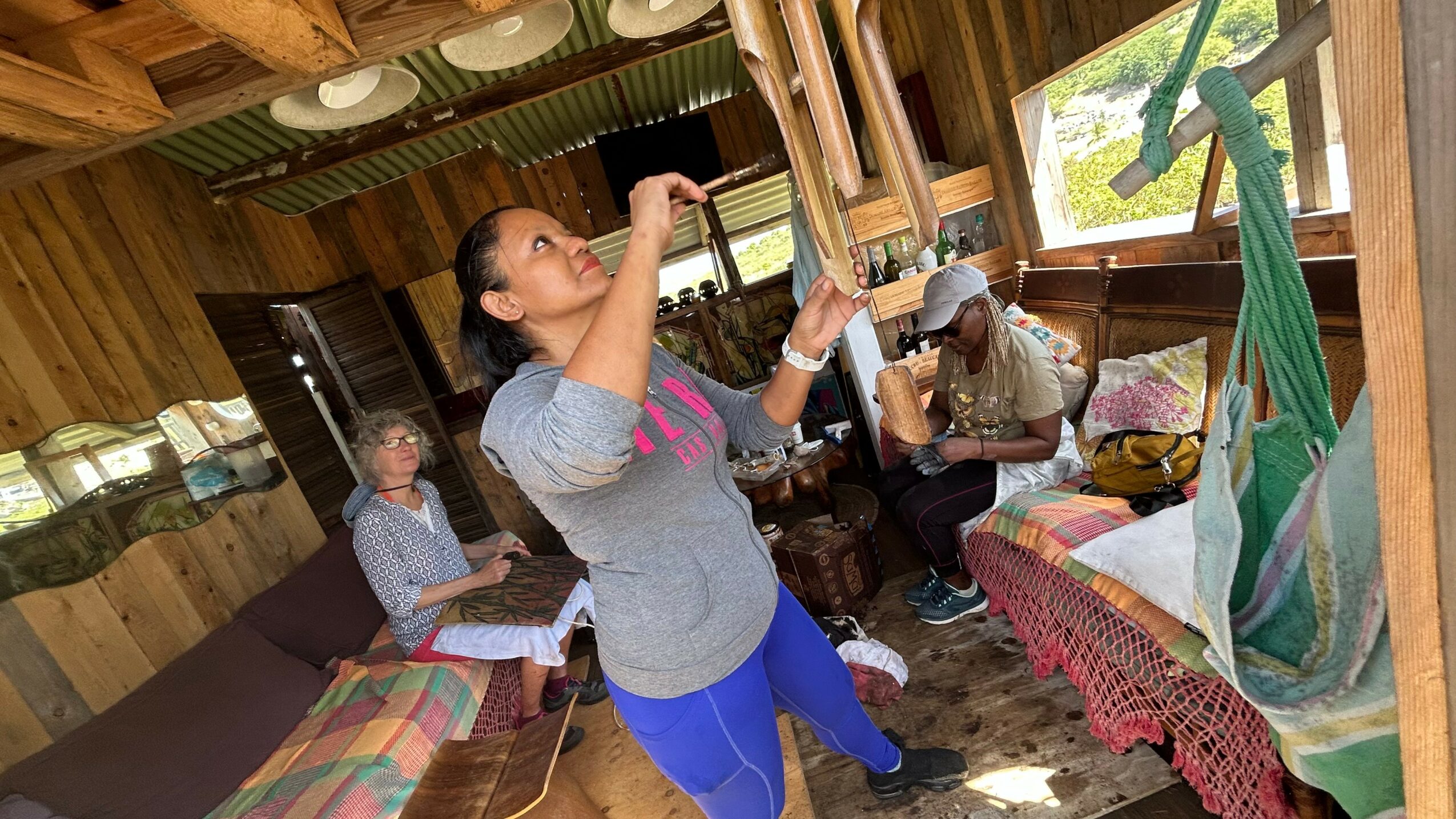
It’s a space where we explore sustainable living through real applications — eco-construction, composting, small-scale agriculture, upcycling, and off-grid systems. We also host volunteers and workshops, so it becomes a place of exchange, not just a static project.
The idea is to create something that’s adaptable and replicable — not just something that looks good, but something that works and can inspire similar initiatives elsewhere.
Design is still at the core of everything I do — it’s just applied differently.
I approach the village the same way I would approach a large-scale project: thinking in systems, understanding how each element connects, and making sure everything serves a purpose.
Whether it’s a structure, a process, or a community activity, the goal is always the same — clarity, function, and long-term coherence.
What sets my work apart?
I think it’s the combination of perspective.
I’ve worked in high-level international environments, and I’ve also spent years building something very grounded, very real, with my own hands and with a community around me.
That creates a different kind of approach — less theoretical, more practical, but still driven by strong conceptual thinking.
Any advice for finding a mentor or networking in general?
I don’t believe in the idea of a single mentor.
What has worked for me is exposure to many perspectives — whether through platforms like YouTube or, more importantly, through real-world collaboration. At Rohan Village, ideas are constantly exchanged and tested without ego getting in the way.
When you operate like that, mentorship stops being hierarchical and becomes collective.
You don’t need one mentor — you need to stay open enough to learn from everyone.
Pricing:
- Pricing varies depending on the visit, workshop, collaboration, or stay
- Rohan Village is not a traditional hotel or resort
- We are open to volunteer participation, partnerships, in-kind contributions, and other forms of exchange
- Multiple currencies may be accepted when appropriate
Contact Info:
- Website: https://Rohanvillage.com
- Instagram: Rohan_village
- Facebook: Rohan Village
- Other: https://Balydesigns.com