


Today we’d like to introduce you to Holly Niemela.
Hi Holly, it’s an honor to have you on the platform. Thanks for taking the time to share your story with us – to start maybe you can share some of your backstory with our readers?
My journey began in 1987, when I started studying the relationship between the body, mind and our capacity to live well. Over the years, I trained in yoga, meditation, bodywork, emotional intelligence and mindfulness, spending time in India and learning from teachers of the Dashnami tradition. In 2009, I was part of the first wave of teachers to bring Jon Kabat-Zinn’s Mindfulness-Based Stress Reduction programme to France. For more than three decades, I worked with individuals, groups and companies, helping people manage stress, reconnect with themselves and understand that wellbeing is not something separate from life—it is shaped by how we sleep, move, eat, breathe and pay attention.
Tinhela610 grew out of everything I had learned, but also from a personal longing. My husband, Edouard, and I wanted to create the kind of place we could not easily find ourselves: somewhere beautiful but not overly polished, remote but deeply comfortable, and quiet enough for people to hear themselves again.
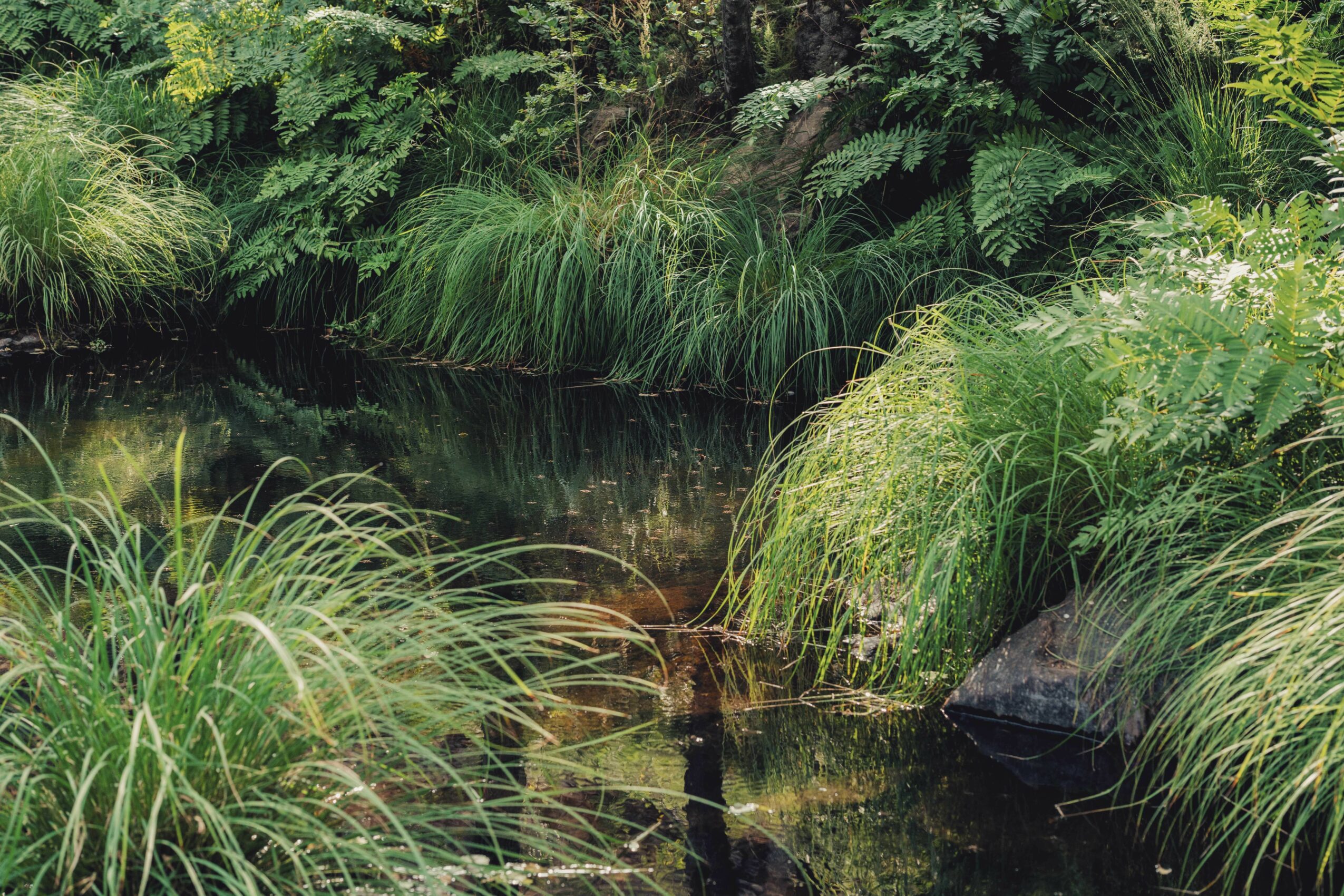
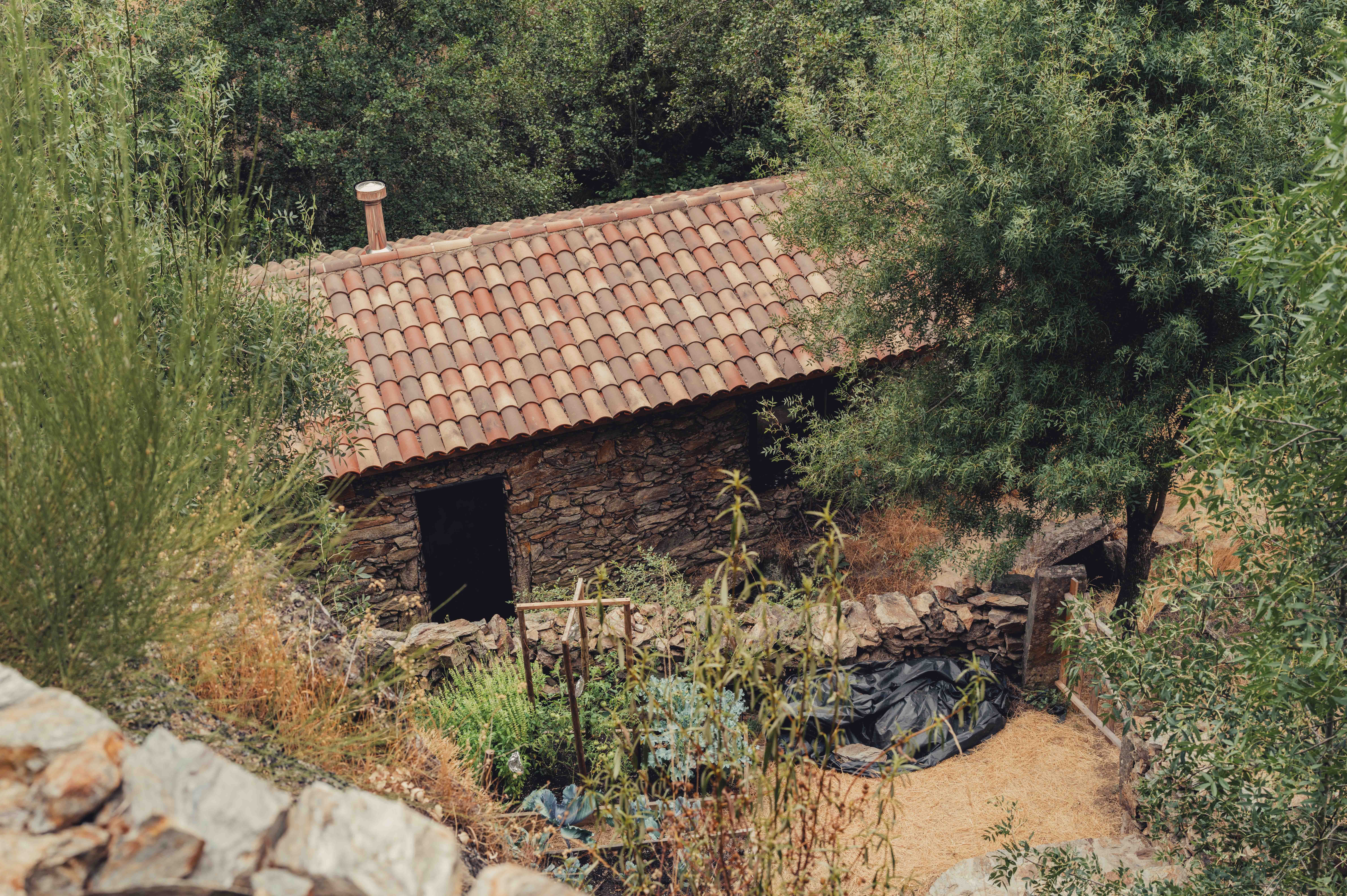
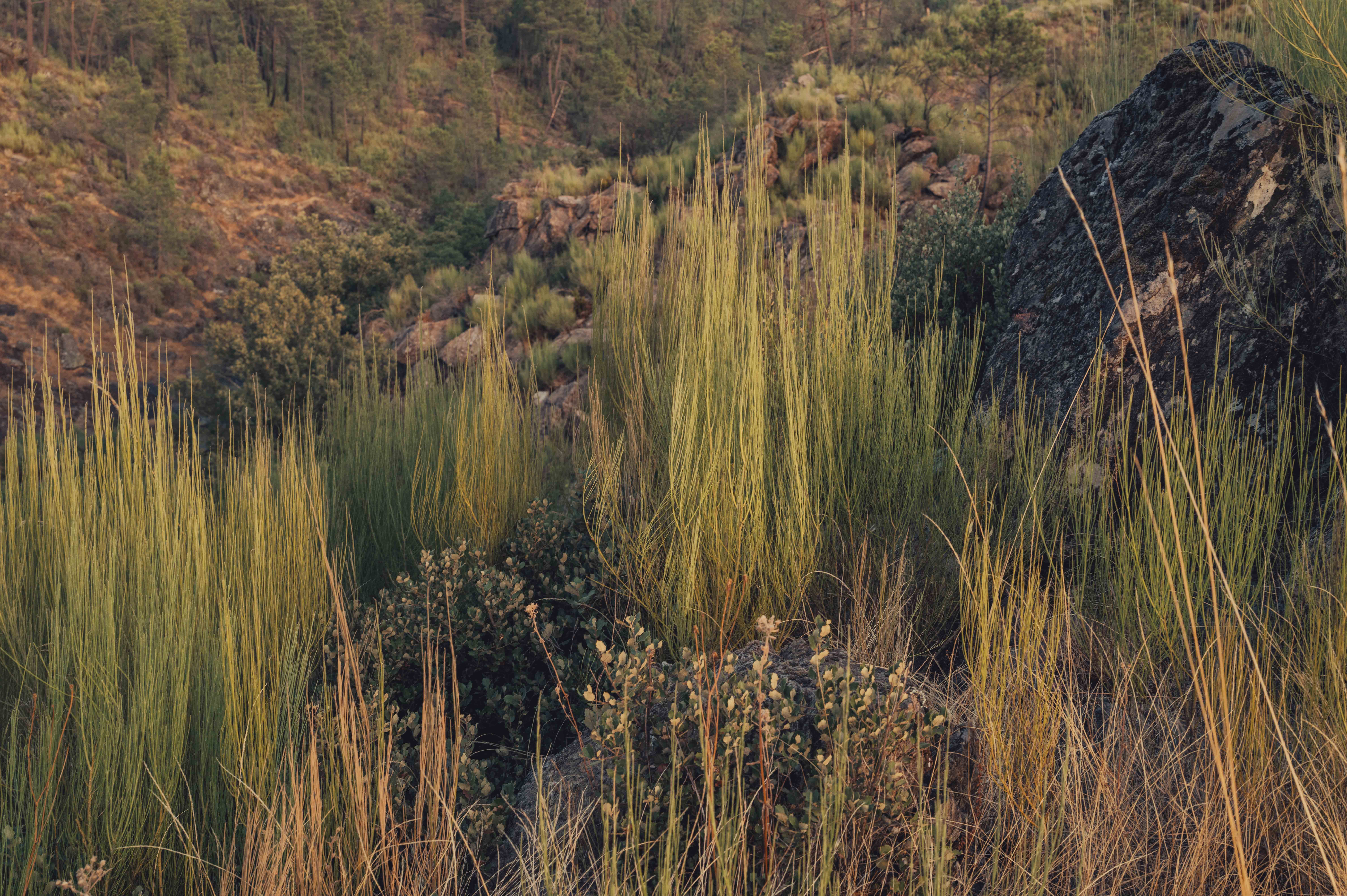
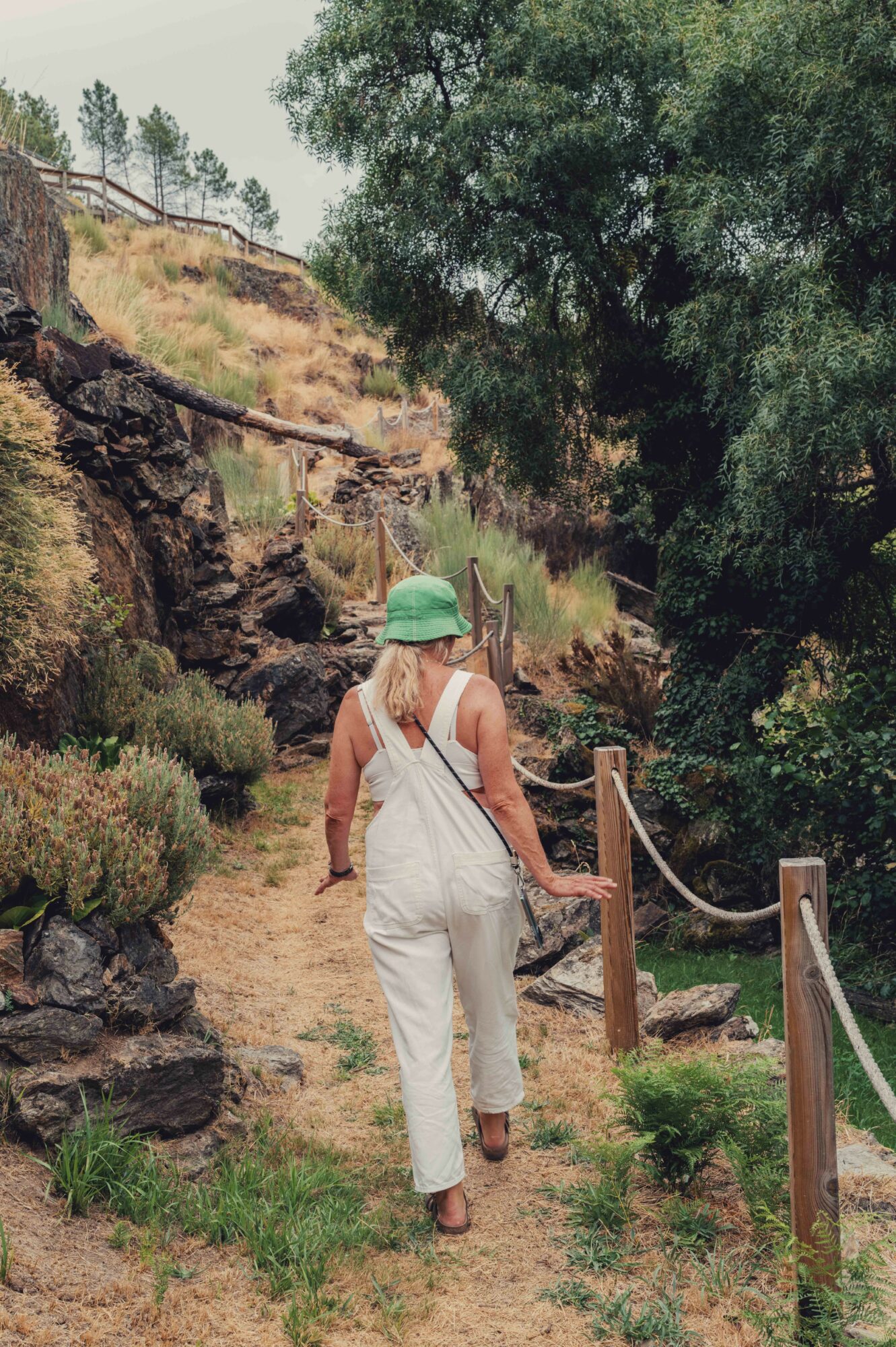
We found that place in the wild hills of northern Portugal, on an abandoned property crossed by the Tinhela River. There were old stone mills, ruins, forest, rocky paths and an extraordinary sense of stillness. It was raw, isolated and far from convenient—which was precisely what drew us to it. We spent years bringing it back to life, working carefully with the landscape rather than trying to dominate it.
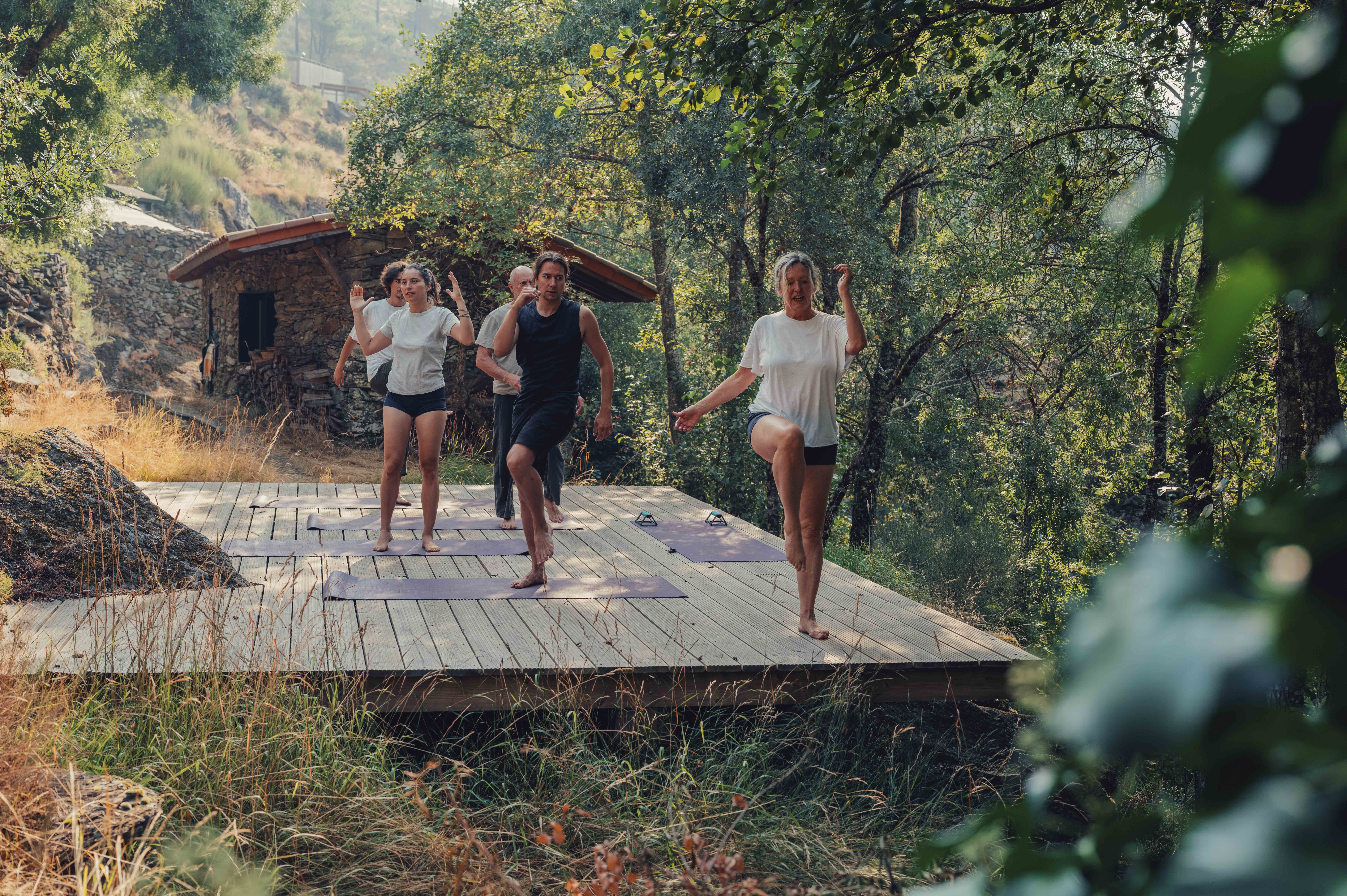
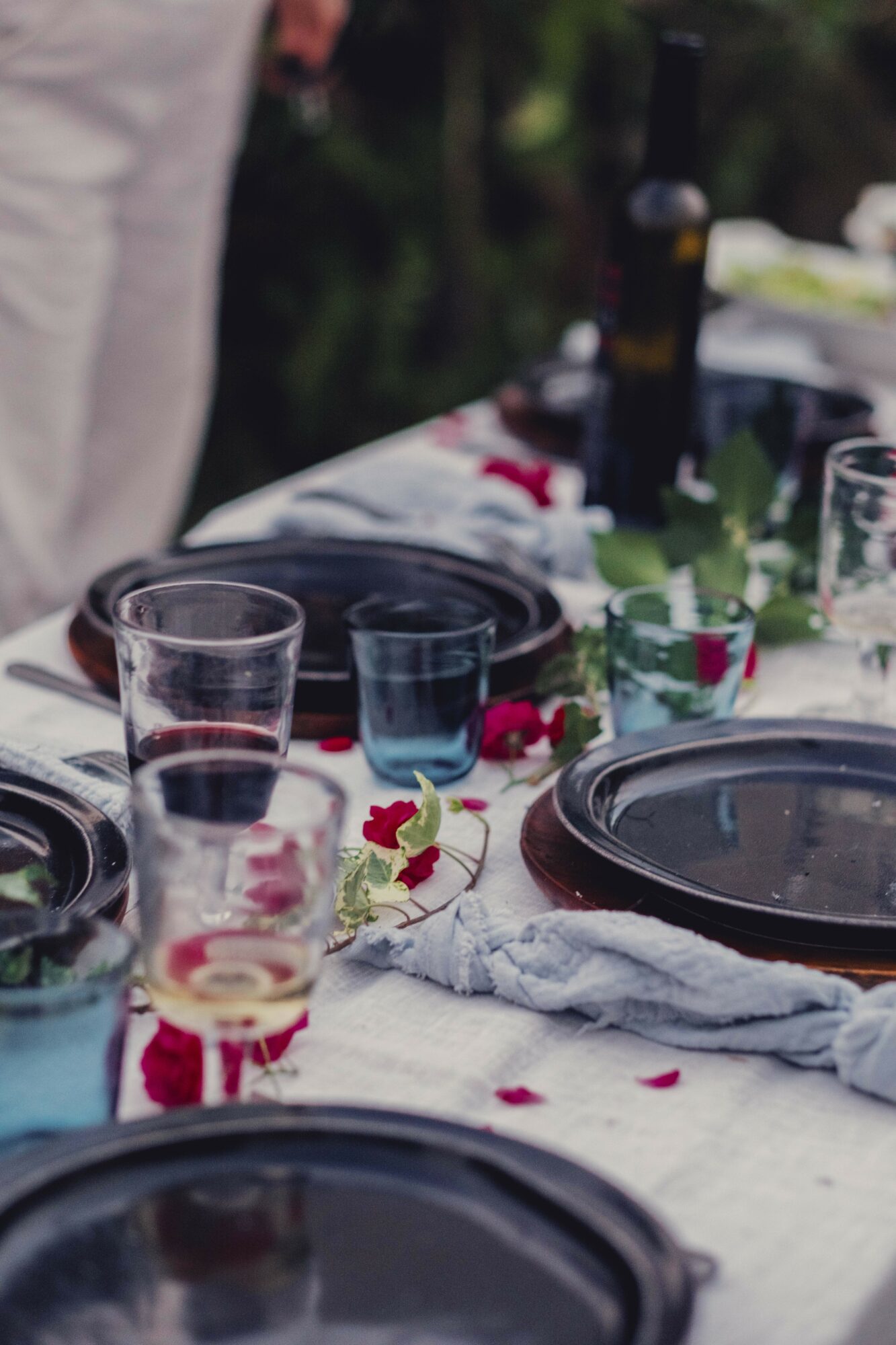
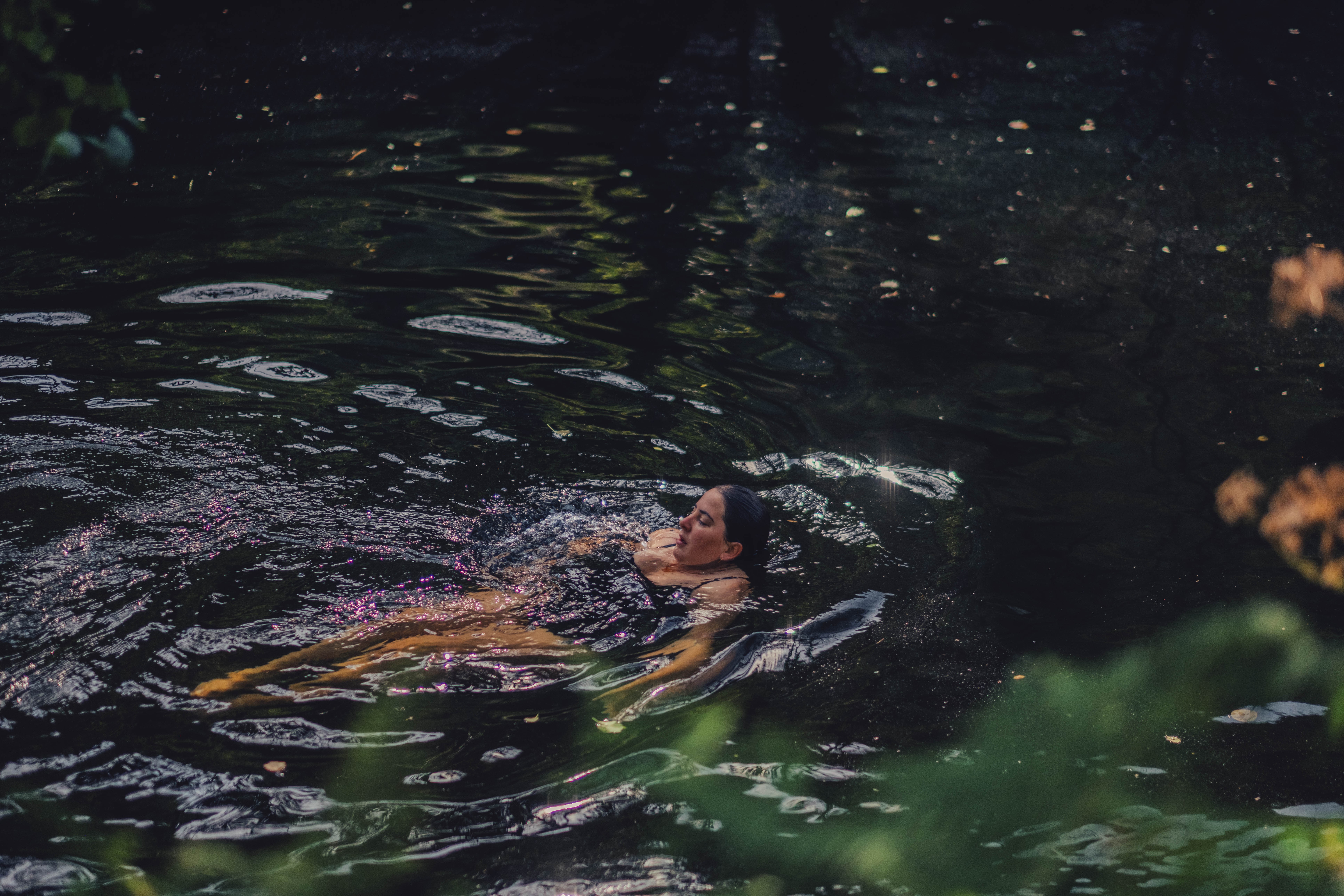
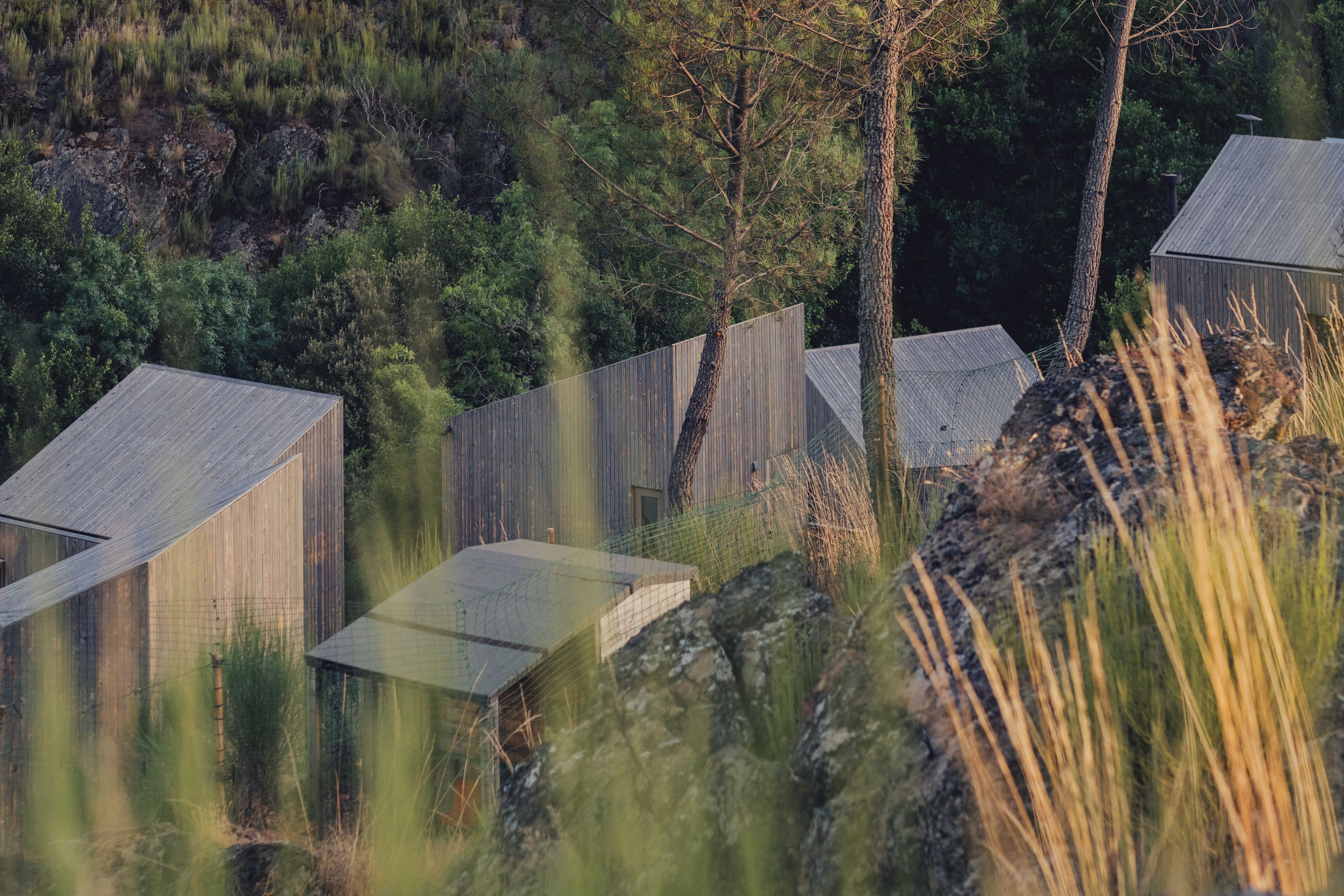
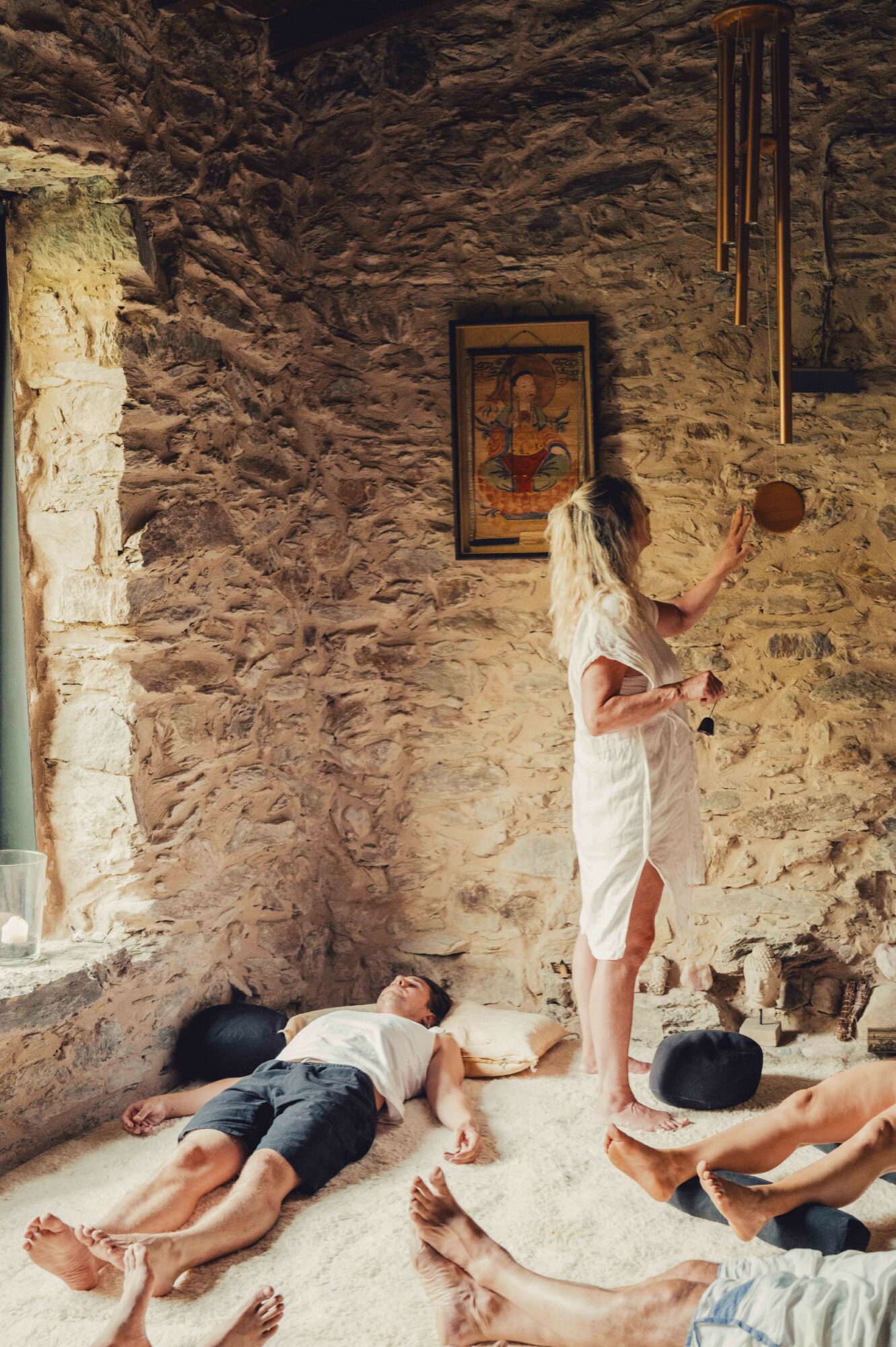
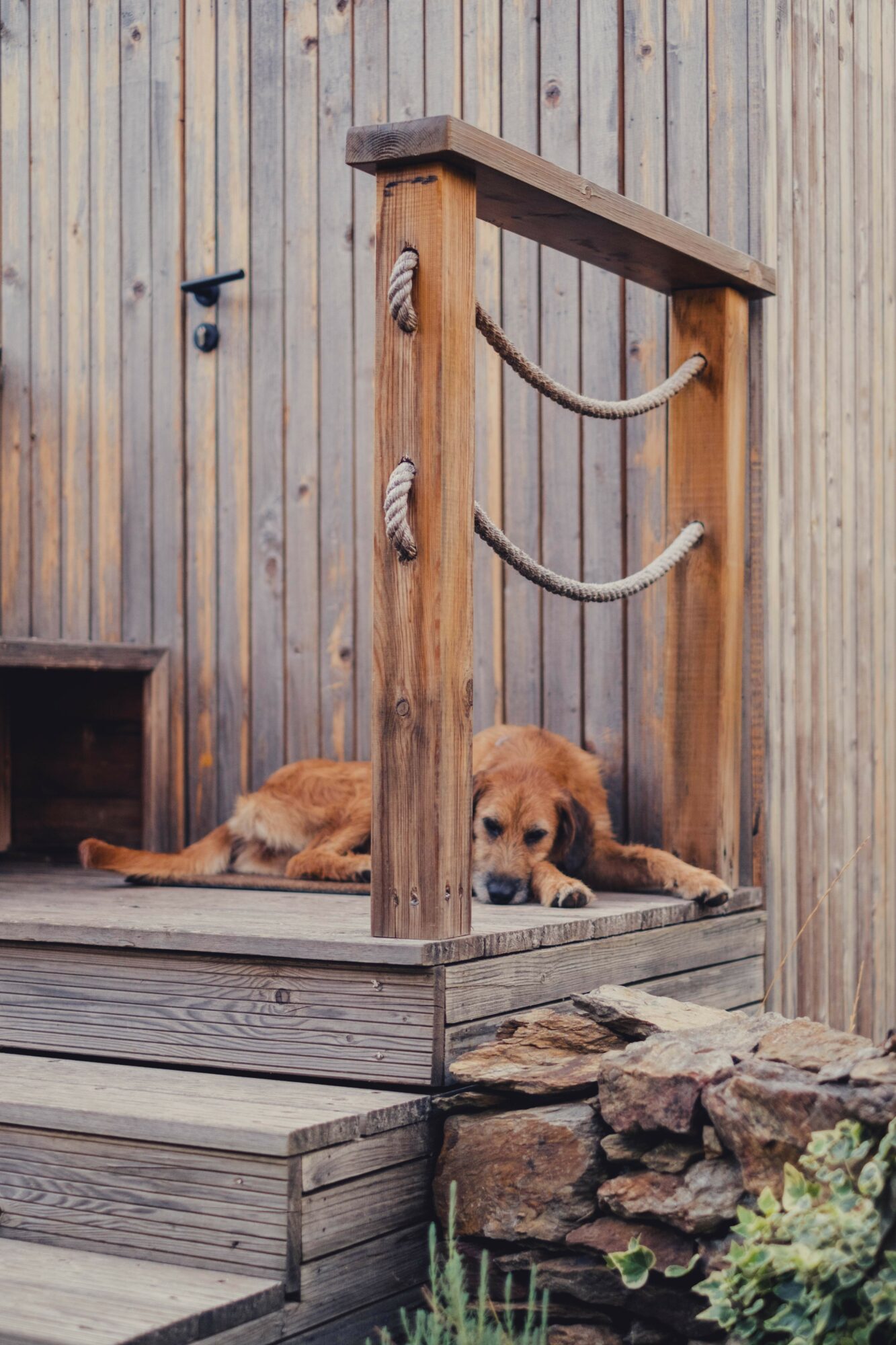
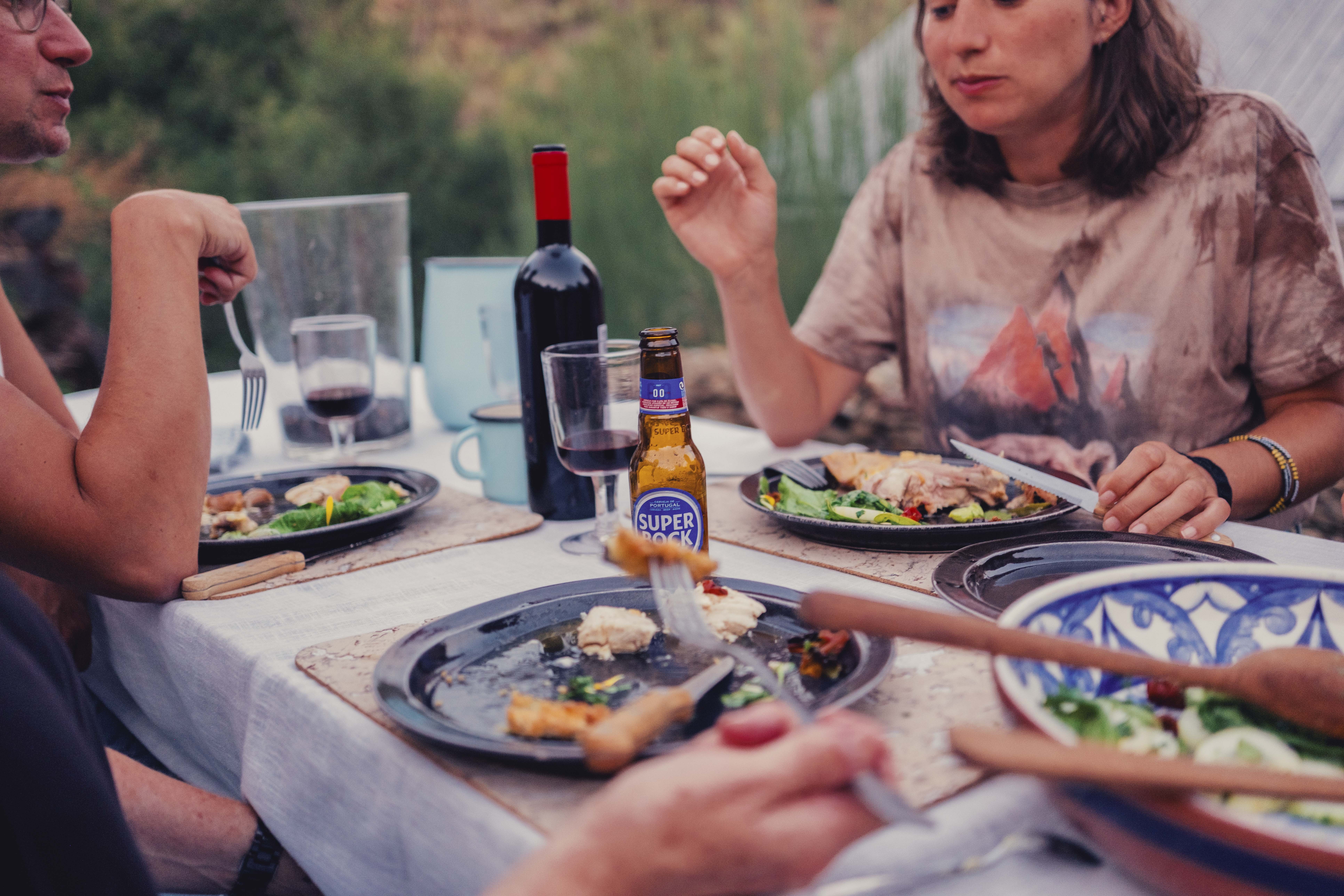
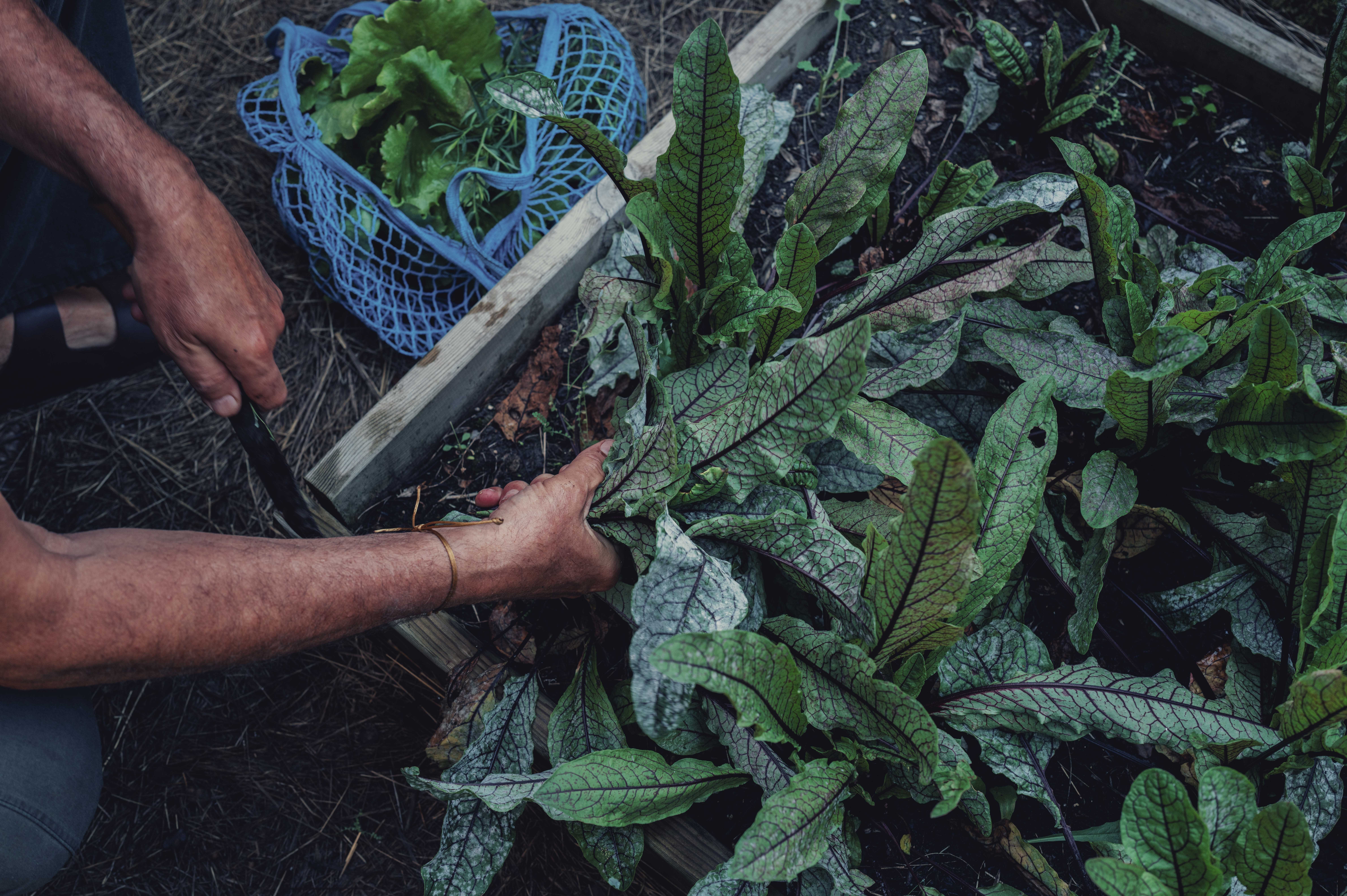
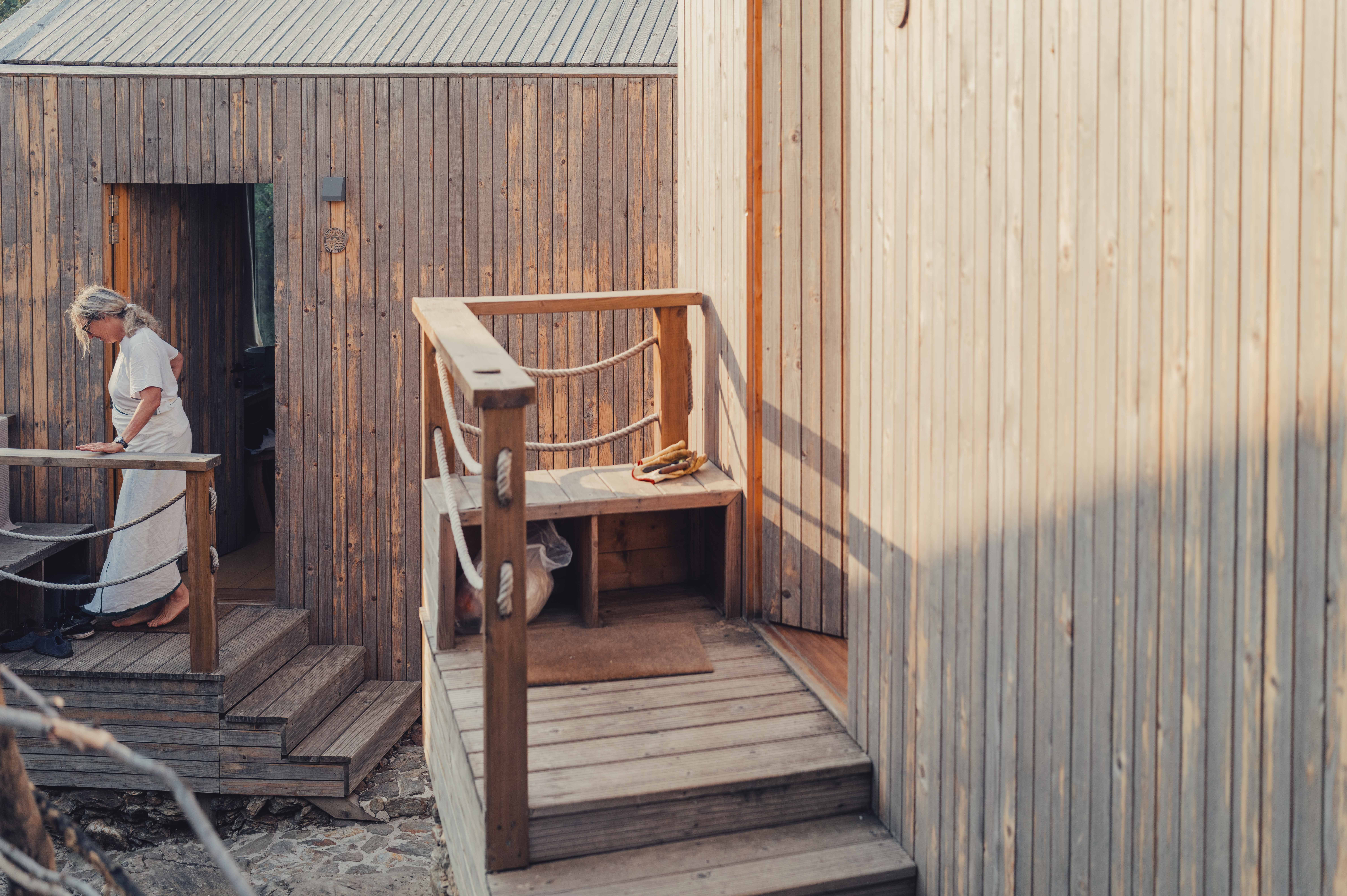
Today, Tinhela610 is an entirely off-grid wilderness retreat sanctuary built around four simple pillars: Sleep, Bathe, Nourish and Move. Guests stay in small wooden cabins, bathe in our Japanese-inspired bathhouse or directly in the river, eat seasonal food grown here or sourced from nearby producers, and rediscover the pleasure of moving through nature.
For me, Tinhela610 is the culmination of a lifetime of learning and practice. It is not a hotel in the conventional sense, nor is it about wellness as another form of performance. It is a place to breathe—to step away from noise, screens and urgency, and remember how little we sometimes need in order to feel fully alive.
Would you say it’s been a smooth road, and if not what are some of the biggest challenges you’ve faced along the way?
It has certainly not been a smooth road. Tinhela610 was a beautiful idea, but bringing it to life in such a remote place required far more patience, resilience and persistence than we could ever have imagined.
For several years, Edouard and I were constantly travelling between our home in France and northern Portugal, trying to oversee an extremely complex project from a distance. Working across two countries was exhausting, and the language barrier often made communication with builders, suppliers and local authorities more complicated. Misunderstandings happened, decisions took longer than expected, and timelines seemed to shift constantly.
Then COVID arrived. Work stopped, travel became nearly impossible, materials were delayed and the uncertainty affected every part of the project. Just as the world began to reopen, the war between Russia and Ukraine created further disruption: construction costs rose dramatically, energy and materials became more expensive, and certain supplies became difficult to obtain. Our original schedule and budget had to be reconsidered many times.
The land itself also presented challenges. Tinhela610 is entirely off-grid and set on a steep, rocky hillside, so nothing about the construction was straightforward. Every cabin, walkway and water or energy system had to be adapted to the terrain while respecting the natural environment. We were not simply renovating a building; we were creating an entire working ecosystem in the wilderness.
There were many moments when the project felt overwhelming, and we often had to let go of how we thought things “should” happen. In a way, the land taught us the same lessons we now hope Tinhela610 offers its guests: to slow down, adapt, become more resourceful and accept that we cannot control everything.
Those struggles ultimately shaped the soul of the place. Tinhela610 was built through uncertainty, perseverance and a great deal of faith. Perhaps that is why it now feels so grounded—and why welcoming people here feels especially meaningful to us.
Appreciate you sharing that. What else should we know about what you do?
I began working in health and wellbeing in the 1980s, long before “wellness” became fashionable—or developed into the enormous global industry it is today. At that time, these practices existed far outside the mainstream. For me, however, this was never a trend or simply a business. It became a lifelong exploration of what helps human beings feel more balanced, resilient and fully alive.
My career has spanned many disciplines. I first trained in bodywork and energy healing in the late 1980s, became a Reiki Master in the 1990s, and went on to study and teach yoga, meditation, mindfulness, emotional intelligence and other mind-body practices. I have always been interested in how ancient wisdom can be translated into something useful and relevant for modern life—not as an escape from reality, but as a way of meeting it with greater clarity.
In the early 2000s, I created my own yoga centre in Versailles, France. From there, my work grew from intimate classes and individual sessions to international retreats and programmes. I have taught and led retreats across the world, including in Japan, Sri Lanka, India, Iceland, the United States, France, the United Kingdom and Switzerland. My work has taken me from traditional retreat settings to teaching mindfulness and wellbeing within organisations such as the OECD in Paris.
What I am perhaps best known for is bringing together many different approaches without reducing wellbeing to a single method. Yoga, meditation, movement, nutrition, emotional intelligence, sleep and our connection to nature are not separate subjects; they are all part of how we live. I believe lasting wellbeing is created through simple practices that can be integrated into everyday life.
What sets my work apart is this combination of experience, curiosity and longevity. I have watched wellness evolve for nearly four decades, and I have also seen how easily it can become commercialised, complicated or disconnected from its original purpose. My approach remains grounded, personal and practical. I am less interested in quick fixes or fashionable promises than in helping people protect their healthspan—the years in which they can continue to move, think, explore and participate fully in life.
Tinhela610 is the culmination of that journey and what I am most proud of. Together with my husband, Edouard, I have helped create not simply a retreat venue, but a living expression of everything I have learned since 1987. It brings together the foundations I believe matter most—Sleep, Bathe, Nourish and Move—within a wild, off-grid landscape that naturally invites people to slow down and reconnect.
After spending so many years travelling the world to teach in other people’s spaces, it is deeply meaningful to have created a place of our own: somewhere we can welcome people around one table, immerse them in nature and offer them something increasingly rare—the time, quiet and space to remember what it feels like to be fully present in their own lives.
We’d love to hear about how you think about risk taking?
In many ways, my whole life has been shaped by risk-taking. I have never been very good at remaining comfortable simply because something is secure. I am too curious, too interested in learning, and too restless when life becomes repetitive. For me, the greater risk has often been staying somewhere after I have stopped growing.
The first major leap came in the mid-1980s, when I left a challenging, well-paid position with a start-up computer company in Boston. Around that time, I had experienced an extraordinary massage that seemed to propel me into another dimension. It awakened a deep curiosity about the relationship between the mind and body, and I wanted to understand what had happened to me.
So I left Boston for Santa Fe and began studying bodywork and energy healing. That decision became the starting point for my entire career and established a pattern I have followed ever since: continuing to educate myself, explore new approaches and remain open to different disciplines and techniques in health and wellbeing.
Every important transition that followed involved risk. I left a “great” job, then later left the United States and began again in France. I bought a studio and created the first yoga centre in Versailles, despite having no certainty that it would succeed. Ten years later, I sold it so I could take my work into companies and organisations. Eventually, my husband and I bought remote land in northern Portugal and undertook the enormous challenge of building Tinhela610 from the ground up.
Each of these decisions involved financial risk, uncertainty and the possibility of failure. But I do not think of risk as being reckless. For me, it means listening closely when something inside says it is time to move, even when the outcome is not guaranteed. I research, prepare and question myself—but eventually, I also trust my instincts.
Risk has allowed my life and work to keep evolving. Not every decision has been easy, and certainly not everything has unfolded as planned, but each leap has brought me closer to the life I wanted to create. Tinhela610 is perhaps the greatest risk of all, but it is also the fullest expression of everything I have learned along the way.
Pricing:
- 5 nights, 5 days all inclusive retreat. Cuisine anti-inflammatory and beneficial to gut health, movement/meditation/deep relaxation classes –2 per day, sauna, wild river swimming all year, all in a deeply nourishing nature in wood cabins. staring at 1500€ per person
Contact Info:
- Website: https://www.tinhela610.com
- Instagram: https://www.instagram.com/tinhela610/