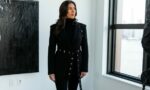

Today we’d like to introduce you to Ariel Baron-Robbins.
Hi Ariel, we’re thrilled to have a chance to learn your story today. So, before we get into specifics, maybe you can briefly walk us through how you got to where you are today?
I was born in Memphis and raised in Oxford, Mississippi, a small university town that shaped my sense of creativity and curiosity. My mother is a painter and a tenured art professor at the University of Mississippi and my father is an architect and a local musician. Growing up surrounded by two different creative disciplines taught me early that artistic thinking does not belong to one medium or one tradition. Oxford remains one of my beloved places in the world. My childhood also included frequent trips to Europe because my father is from London and my mother loved Italy. These experiences built an early connection to both art and architecture, and to the feeling that culture is something you live with, not something you visit once in a while.
Drawing was my first language. I filled hundreds of sketchbooks throughout my life and remember spending every spare moment observing and making marks. When I gained access to the internet as a teenager, I discovered Net Art. It opened a door to a world of experimental work that expanded what I believed art could be. I visited contemporary art museums whenever I could, but Net Art gave me continuous exposure to avant garde work while living in a small town in Mississippi. That combination became the foundation of my earliest ideas about process, repetition, and the digital image.
I earned my BFA in Painting and Drawing from the University of Mississippi. I would have chosen drawing alone if that had been an option. I attended Ole Miss because it was the most economical choice. After graduating, I spent a year in Alabama sanding drywall and saving money. I then applied to ten graduate programs, hoping to find a place that would give me a tuition waiver or scholarships. The University of South Florida offered a waiver and the chance to work for the program, so I moved to Tampa and remained in Florida ever since.
Graduate school at USF marked the beginning of my work in video. I began to experiment with post‑processing techniques, layering, repetition, and small gestures of animation. These explorations sparked the long‑term practice of video drawing that continues today. I completed my MFA in Interdisciplinary Studies at USF and began working as an artist and educator in Florida. Early teaching positions at Florida Atlantic University allowed me to start digital art classes, which became the beginning of my career in digital media pedagogy. During that time I met the man who became my husband. We have now been together for fourteen years and moved eventually to Miami.
As an artist I maintain an interdisciplinary practice drawing from digital media, drawing, and long‑term durational projects. Much of my work focuses on the artistic process as a repeated effort, on world building, and on the feedback loops that form when a gesture is revisited through time. My video drawings began in 2008 and continue to evolve. My practice also includes site specific work, including a 2024 project at MIFA Miami that reactivated pieces I originally made in 2015 and 2008. I find meaning in watching an idea return over time and in the impossibility of ever making the exact same mark twice. My work has appeared in solo exhibitions including Cycles at MIFA Miami, Tabla Rasa in Hudson, and a series of exhibitions in Leavenworth. My work is in the collections of the Lynn University NFT Museum and the MUD Foundation. I have participated in residencies including La Maison Verte in France, ArtCenter South Florida, and the Vermont Studio Center.
Teaching remains one of the centerpieces of my professional life. With more than a decade of experience across multiple colleges and universities, I focus on the position of animation within the fine art world and its rapid transformation in the post‑internet era. My courses encourage students to work with emerging technologies such as AI, AR, NFTs, and metaverse platforms while grounding their experimentation in critical thinking and historical awareness. I emphasize self‑directed learning, peer critique, and collaborative problem‑solving. I teach students to understand the visual language of various AI models, how training data affects output, and how to innovate rather than replicate. I believe that AI can level the playing field for young artists by giving them members for their creative team. I have also created interdisciplinary collaborations, such as the AR Mural Project that combined painting, drawing, digital media, and augmented reality.
Beyond my roles at Florida International University and Lynn University, I remain deeply engaged in the Miami arts community. I founded and direct Loop Art Critique, an artwork and experimental critique space I began in 2022. Loop exists both as a community and as a living artwork inside the Onland platform. It brings artists together for small group critiques, exhibitions, and world building across digital and physical spaces. Loop employs 2 artists, 1 is local artist cha and the other is a previously Miami-based artist who is now in Patagonia named Carolina Klein Sampson. Loop is also part of the Institute of Contemporary Art, Miami through its Art and Research Center. I have been connected to the ICA for more than ten years as a visitor, member, committee member, and now as a member of the Board of Trustees. I also work with the MUD Foundation, a nonprofit arts space devoted to digital media and experimental practices. At Lynn University I serve as Curator in Residence where I have curated exhibitions such as Variations, Screen Deep, The Present Is Everything, and For a Limited Time. I have moderated conversations with artists and scholars including Carla Gannis, Doreen Rios, and Dr. Nava Dushi. I have also curated exhibitions outside Lynn University, including Demolition at Drift Curator’s Space.
I speak regularly on the intersections of art and technology and have participated in many panels and podcasts dedicated to AI, NFTs, AR, and contemporary digital art. I continue to support digital artists through my own collecting practice, especially Net Art artists whose NFT work provides a way to support creators I have followed for many years.
Would you say it’s been a smooth road, and if not what are some of the biggest challenges you’ve faced along the way?
It has not always been smooth. When I was in my MFA program, they advised us against working while we were students. They had given me a tuition waiver and scholarships so that wasn’t a problem, but I didn’t have any school loans and I didn’t want to take them out. I never wanted to owe anything. As a result, I did all sorts of jobs in addition to the ones given to me by the school. The school ones were the most fun of course, I assisted Professors and got to teach lower level courses and through them I was able to make $500 a month. I made a few hundred more through odd jobs like handing out wine in Publix, being part of the Renaissance Fair as a Pirate Wench, assisting Mascots at Tampa Bay Marathon Races, working temp jobs in the Convention Center and working as a model for a face cream. I was able to live off of a very low amount for 3 years and while I don’t advise it, I graduated without loans.
Thanks for sharing that. So, maybe next you can tell us a bit more about your work?
I am an Artist first and I have been a Professor of Art for my entire career post grad-school. I have had group exhibitions and solo exhibitions but the thing I am really know for is Loop Art Critique.
When I started Loop in 2022 I recognized that many new media artists entering the NFT or AI art wave lacked knowledge of the earlier history of computer based and digital art. Digital art did not start with NFTs. Its origins go back to the 1950s and 1960s when pioneers experimented with computers, plotters, oscilloscopes, early computer graphics and algorithmic processes to create visual and audiovisual work.
But by the NFT era many new AND historic digital artists lacked community or critical feedback from peers whose practice and awareness included digital history, media concerns, and technical realities. Traditional shared studios oriented toward painting, sculpture, and analog practices rarely included digital practitioners, leaving many digital artists isolated.
I saw a real need: a dedicated space where digital artists could meet, share works in progress, receive critique from peers versed in digital media, and exhibit together in a space that embraced the digital rather than tried to mimic analog norms. Because Onland and XR Creator Studio are web based, artists around the world, not just in Miami, can access Loop with a browser. No specialized hardware or expensive studio rent is required. Accessibility and inclusivity are central values.
Loop is not a gallery, platform, non-profit or institution. It is a living evolving artwork. Architecture, textures, social interaction, critique cycles, exhibitions, uploaded artworks, community governance, all these elements are woven together into a holistic unified piece. The contributors, myself, my assistants (cha and Carolina Kleine Simpson), and each participating artist, are co authors in a collective creation.
This synthesis of forms and roles reflects the idea of Gesamtkunstwerk: merging many arts and practices into a single experiential whole.
I began from my own sketches and 3D drawings. Working directly with Next Reality Digital we spent three months refining spatial layout, structure, and the aesthetic character of Loop. All textures derive from high resolution scans of my watercolor paintings. The result is a space that feels personal, handmade, warm, and deliberately informal. It does not replicate the neutral whiteness of traditional galleries.
By default there are no vertical white walled boxes. Unless an artist chooses to upload or build a traditional box, the architecture remains organic, open, and fluid. This design reflects the conceptual ambition of Loop to avoid institutional gallery norms and invite exploration, individuality, and belonging.
Critique works best in small intimate groups. Loop’s open calls select small cohorts, typically eight to ten artists per session. Artists selected receive access to XR Creator Studio for the entirety of the 6 week, twice weekly, private critique schedule. During that time they can upload artwork, build installations, and make work for the following public exhibition. The group show becomes a new room inside Loop’s virtual environment, expanding the Gesamtkunstwerk network. Group shows are held in perpetuity on Loop’s website.
The process for selection into a 8-10 critique group begins with an Open Call with an online anonymouse submission form. By asking for submissions with no names, CVs, artist‑statements or bios, Loop ensures that only the work itself is judged. The selection of participants depends entirely on the quality of the five submitted works rather than an artist’s background, reputation, or social status.
For digital artists, particularly those coming from NFTs, self‑taught backgrounds, or non‑traditional pathways, anonymity offers a chance to be evaluated purely on merit rather than credentials, connections, or network prestige. It helps prevent gatekeeping and gives new‑media practitioners a fair opportunity to participate.
Loop addresses a gap in contemporary digital art practice. It offers digital artists, whether working with AI, 3D, generative imagery, or NFTs, a community capable of understanding technical media, offering critical feedback, and situating their work historically. It counters the isolation many feel when trying to enter analog‑oriented artist studios or galleries.
In 2025, we were asked to join the Institute of Contemporary Art Miami (ICA Miami)’s Art + Research Center. After 3 years, this is an honor and I have also learned that we received a prestigous grant but I can not disclose at this moment.
We all have a different way of looking at and defining success. How do you define success?
I recently mentioned that Loop became part of a major international art museum’s research center. That happened in October 2025 and we learned about the grant in November 2025. Those are significant milestones, but they do not define success.
To me success means being able to work at something you truly love. It means having a place where you can grow, a space to evolve from, and a traceable story of progress. For Loop especially success also means creating a world capable of outliving its creator.
Contact Info:
- Website: www.arielbaron-robbins.com and loop.onland.io
- Instagram: @arielbaronrobbinsart and @loopartcritique
- LinkedIn: https://www.linkedin.com/in/arielbaronrobbins/
- Twitter: https://x.com/LoopArtCritique and https://x.com/ArielBaronRobb1
- Youtube: https://www.youtube.com/@loopartcritique
- Other: https://icamiami.org/loop-art-critique/
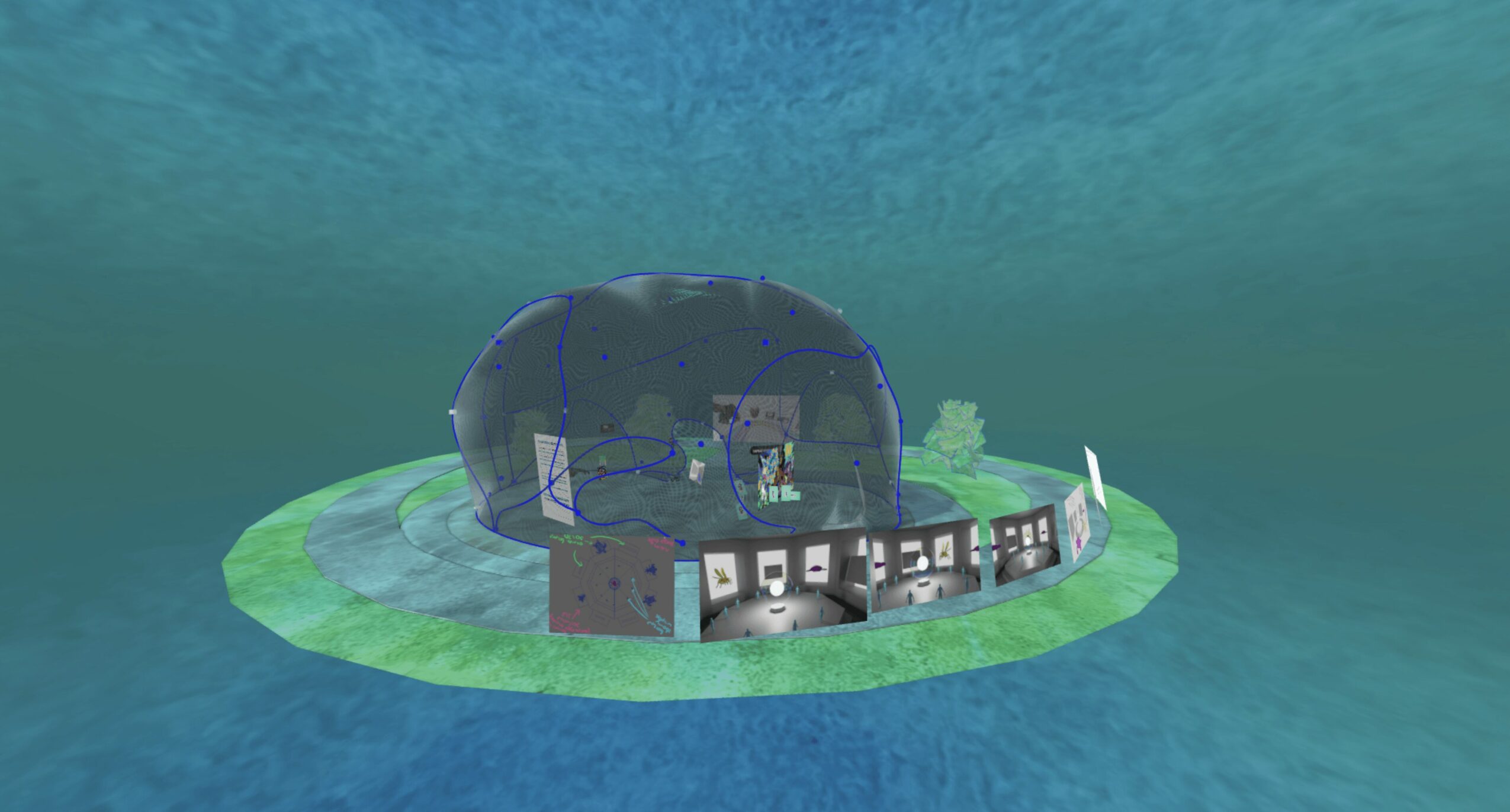
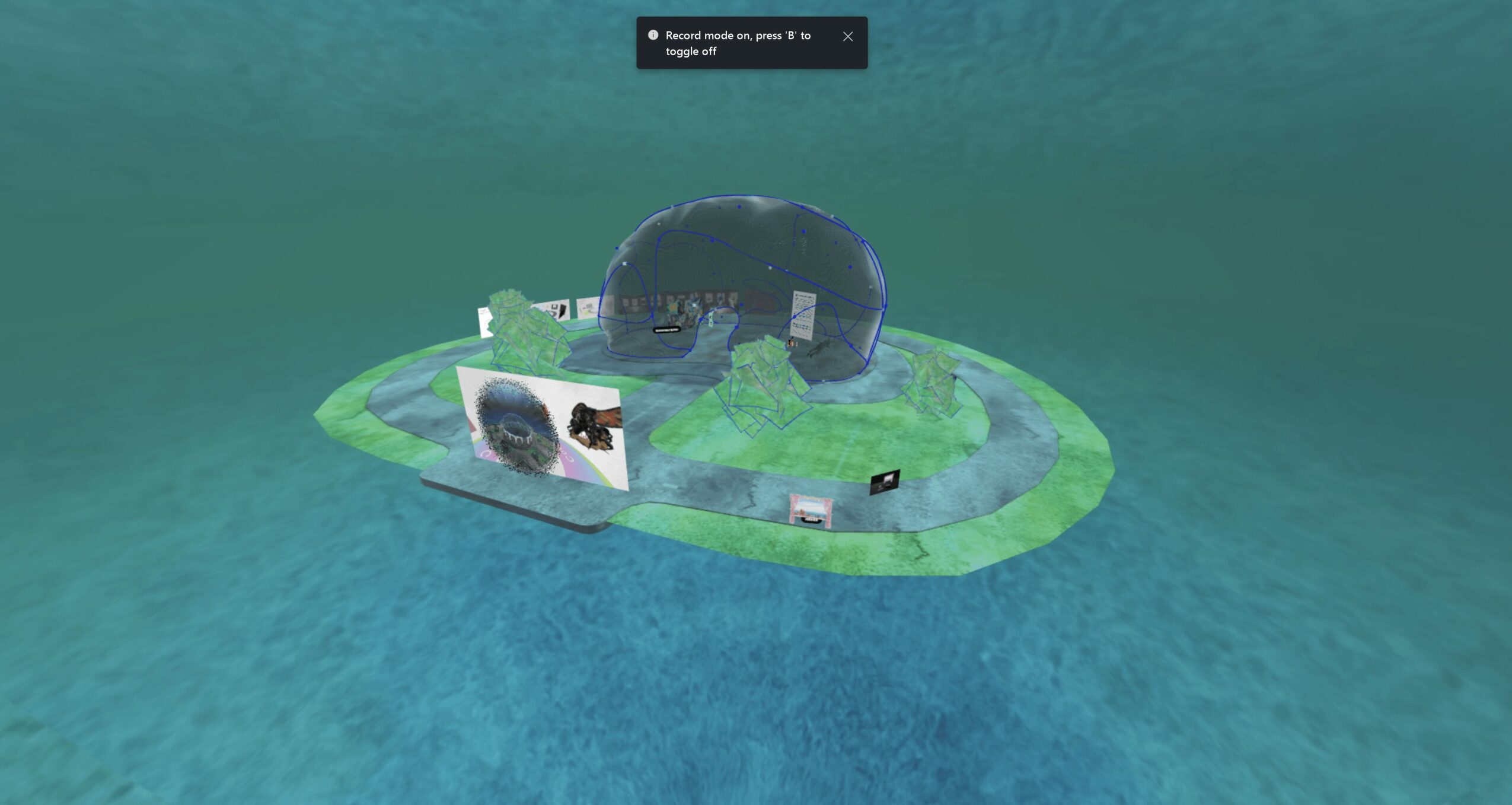
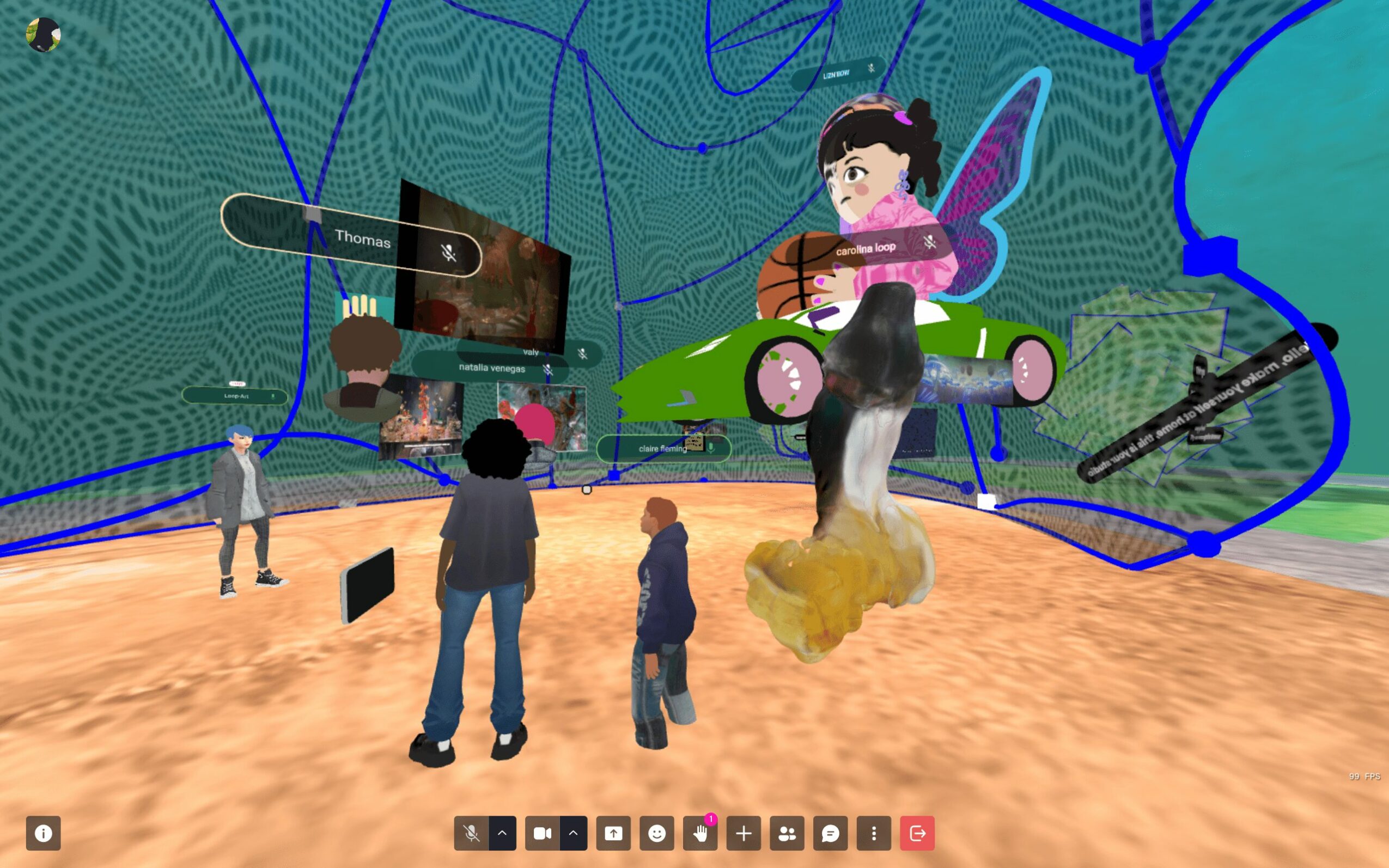
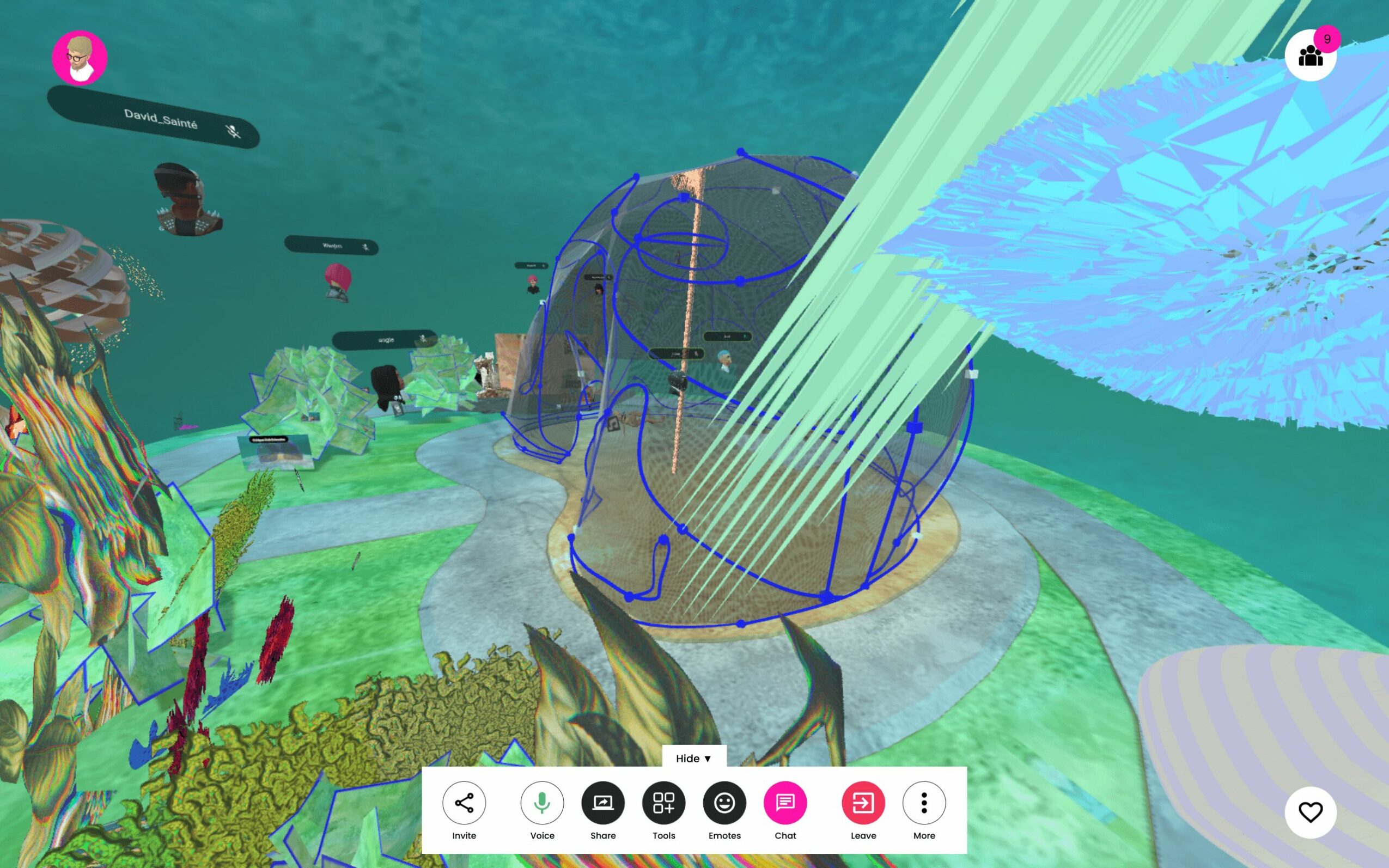
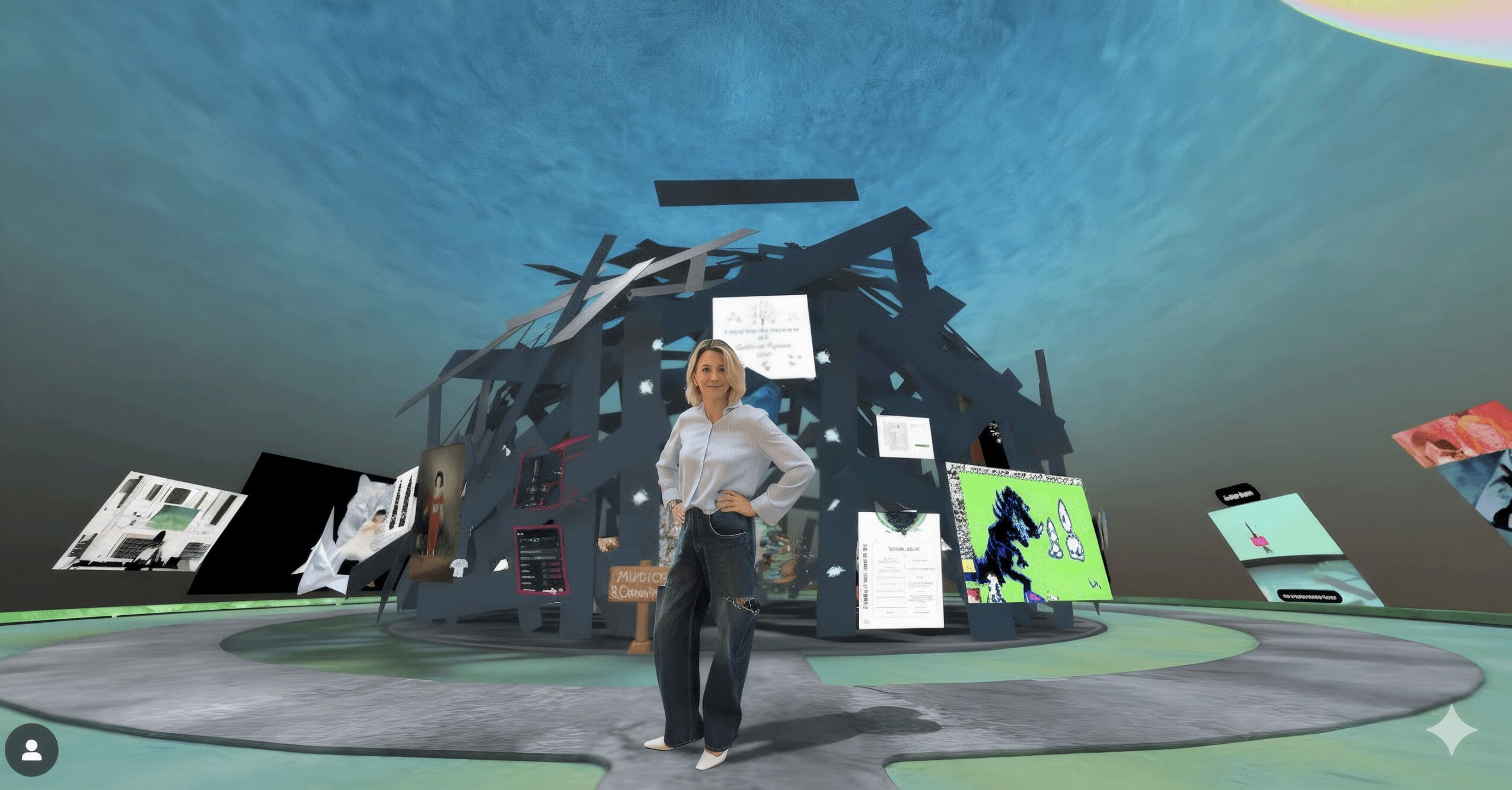
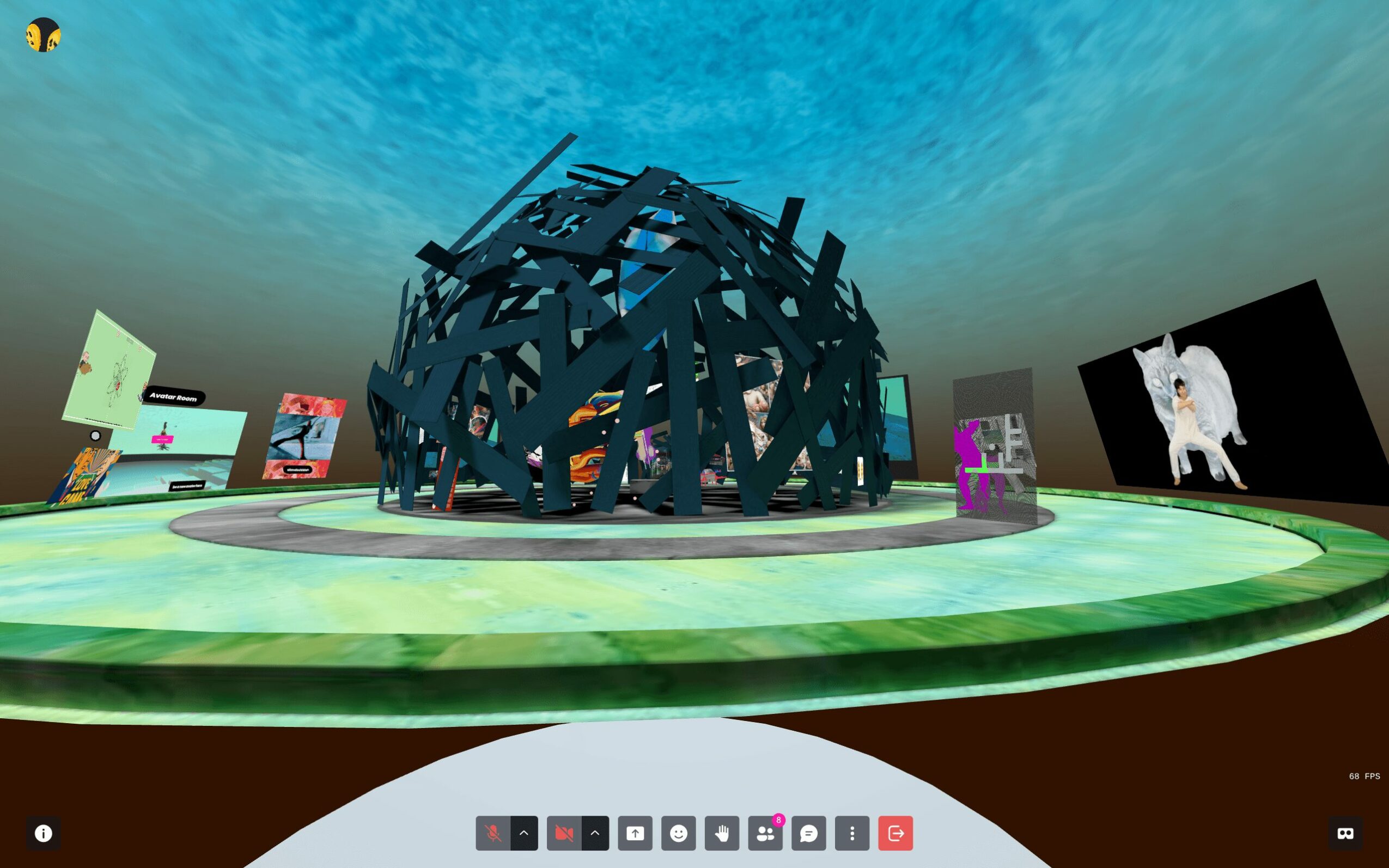
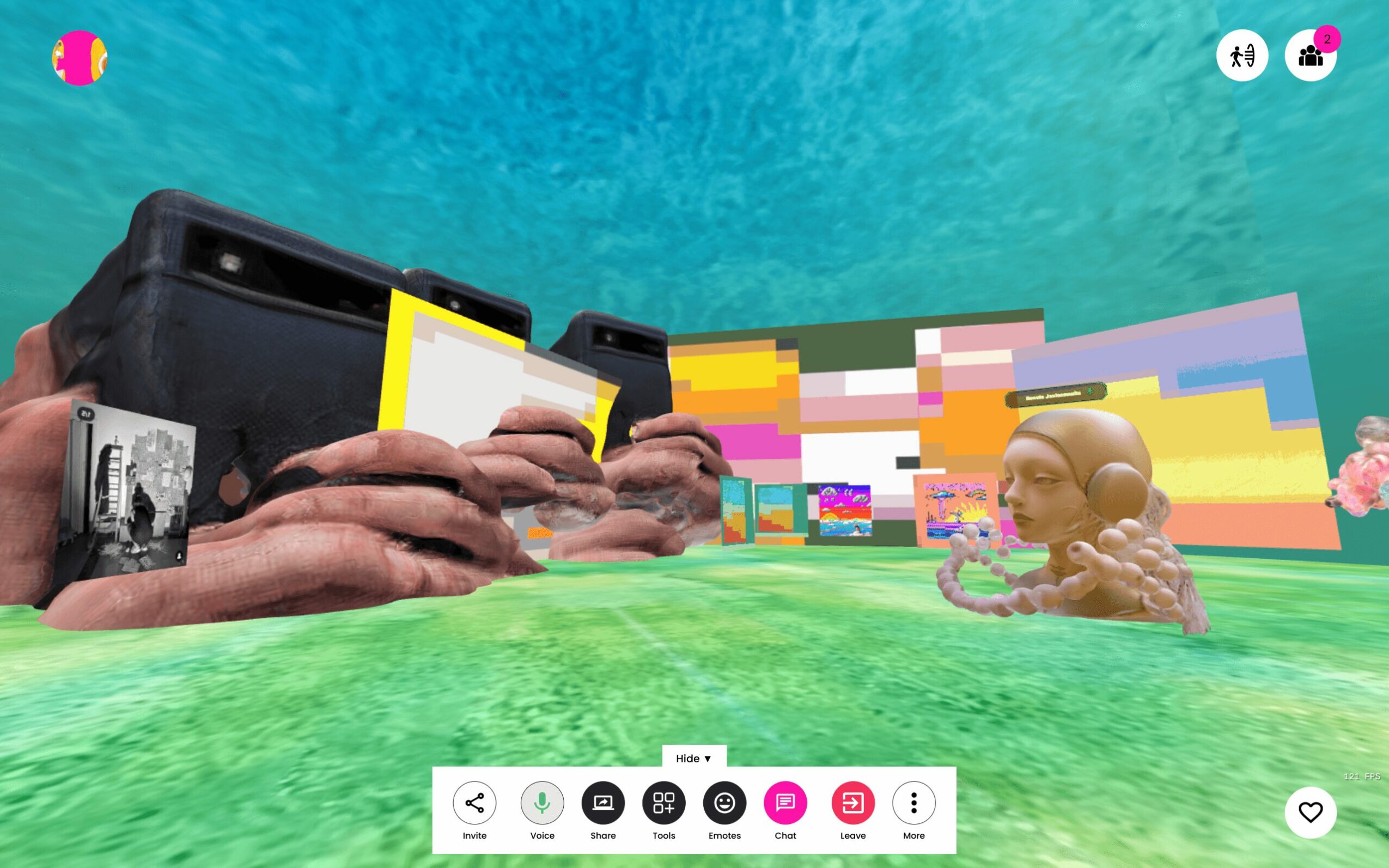
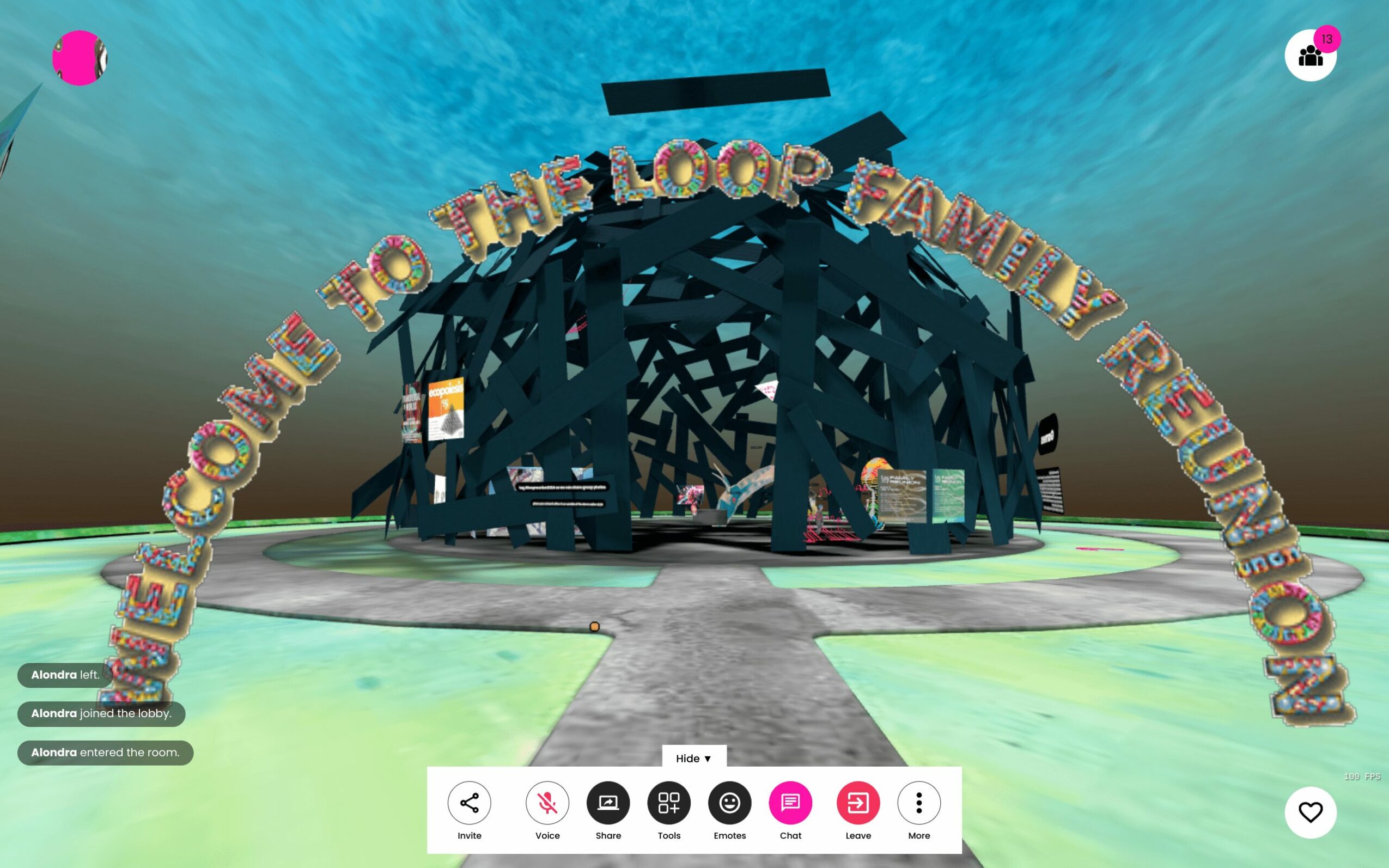
Image Credits
cha, Loop Art Critique Official Documentary Photographer