



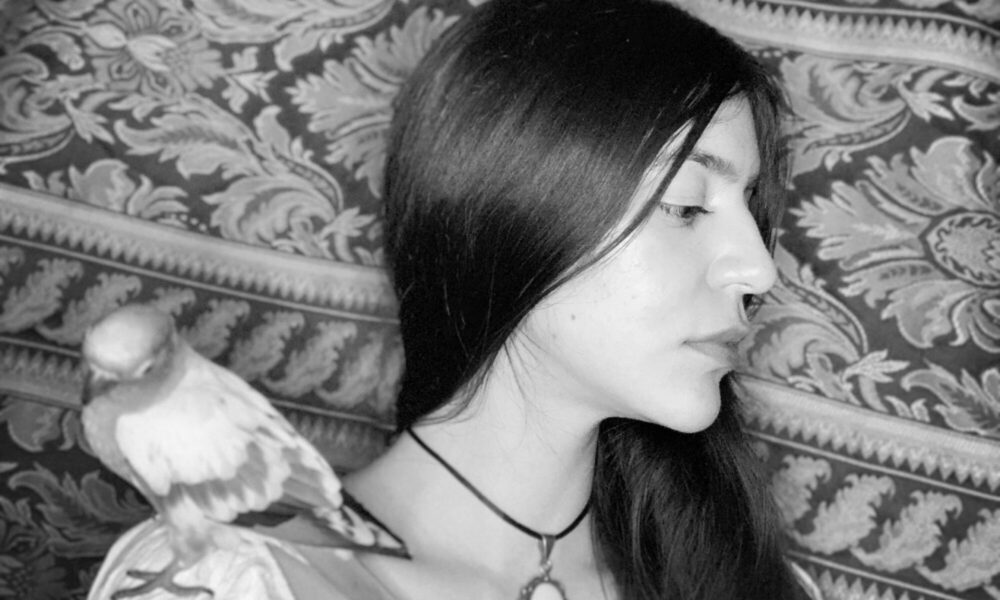
Today we’d like to introduce you to Amaris Cruz-Guerrero.
Hi Amaris, so excited to have you on the platform. So before we get into questions about your work life, maybe you can bring our readers up to speed on your story and how you got to where you are today.
My name is Amaris Cruz-Guerrero. I am a Nicaraguan-Puerto Rican artist, historian, and cook based in Miami. I grew up between Homestead, FL, and Puerto Rico, which played a primary role in my interest in cooking, folklore, nature, culturally significant plants, and how these elements are interwoven in the most magical ways. A part of me romanticizes where I grew up.
I had a lot of access to nature in different ways, and I’m very grateful for that. I learned how to cook very young, like many young brown girls. I would follow my mother around to see how she prepared certain foods. I’d ask her, “When you were growing up, how was this prepared?” She taught me how to go to farmer’s markets and to support vendors from our community. As I grew up, I’d ask questions like, “What are the ways that you would prepare this?” They’d say, “Oh, this is epazote. This is chipilin. One of the best ways would be to steam it or put it in your beans.”
The first thing I ever planted was gandules, or pigeon peas, which grow back at our home in Puerto Rico. My dad and I planted this in our first house in Miami. Cooking comes from a place to relieve emotions and connect with my ancestral history. As someone quiet and shy growing up, I found so much comfort in recreating family recipes. The aromas of specific dishes had the power to evoke the past. This mainly stemmed from my mother, who used food to narrate and remember the memories of her family.
My surroundings nurtured my interests and curiosity, but so did my parents. My father worked with plants; my mom was a dancer and is currently a floral artist. My first dream was to be a ballerina. But there was a moment when I knew I was supposed to become an artist, and that meaning has evolved so much throughout my life.
I’m sure it wasn’t obstacle-free, but would you say the journey has been fairly smooth so far?
There has been a very lovely and natural fruition with my projects. This is especially because of all the love and support I’ve gotten from family, friends, and beyond. I think that Comedor Azul is doing wonderful things and I’m excited for what it’ll continue to bring.
However, I don’t think I’ll ever overcome the challenges of being an artist. I believe that once you’ve committed yourself to art practice, the sacrifice is genuinely visceral– for the sake of exposing and revealing– the complexities of the soul, its beauty, and its integrity.
It’s not easy being an artist in Miami. Having sufficient funds and space to facilitate an art practice is very difficult. “The struggle to limit the working day is a sacred struggle for the worker’s freedom in time…” I’m thinking about bell hooks’ “Art On My Mind.”
Thanks for sharing that. So, maybe next you can tell us a bit more about your work?
As a historian and artist, my research examines how food, both as a crop and foodstuff, played a fundamental role in the colonial mission of the Americas. My work engages with stories, mysticism, folklore, and the “in-betweenness,” or la tierra entre medio, of both my heritages.
I describe this concept as “Nepantla”, a Nahuatl word that means “in the middle of it.” My artistic practice is centered around reimagining domestic practices like food preparation and bodily rituals that have been passed down from my family for several generations. In my work, I explore the dynamics of indigenous culture in the postcolonial era, gender issues, and other power constructs. I use sculpture, performance, photography, and cooking as a medium. At the moment, I am weaving clothes using cornhusk as a material.
In my academic work, I am focusing on the origin of food in Latin America, specifically how important food was to establishing the colonial agenda in the Americas and how the role food played socially and psychologically within the colonial and then pre-colonial context. Right now, I am finishing my master’s at Florida International University.
I have an ongoing project with my art collective, Comedor Azul, comprising artists, Leslie Gomez-Gonzalez and Joaquin Stacey-Calle. Our practice revolves around gathering, remembering, rooting, and cooking reimagined and ancestral practices from our respective motherlands. We have this blue table that we built, and we carry it around to different Miami communities to sit and share. Recently, we were invited to Philadelphia. I hope to see the table extend to other communities outside Miami. Currently, we have an exhibition on view called “El mar y el cielo no se tocan”, at Tunnel Gallery in Little Havana that explores the extension of the table. It’ll be up till October 21, 2023.
I am also part of Voices of River of Grass, an organization that supports and uplifts artists led by other indigenous and Latina women. I am truly grateful.
Are there any books, apps, podcasts, or blogs that help you do your best?
I am a lover of books and always reading!
I am particularly interested in Nicaraguan poetry, which has connected me more to my motherland. Some poets that I feel have come into my life for a reason are Ana Ilce Gómez Ortega and Pablo Antonio Cuadra.
Writers I often return to are Rainer Maria Rilke, Clarice Lispector, and Khalil Gibran. Whenever I gift someone a book, it’s usually one of theirs.
Recently, I’ve been reading Eduardo Galeano’s “Memory of Fire” trilogy, some Mario Benedetti and Angela Davis essays, and some Ada Limón poems. Also, my main books outside of my readings for school are “On Palestine”, a book by Ilan Pappé and Noam Chomsky, and “The Question of Palestine” by Edward Said.
Contact Info:
- Website: amariscruzguerrero.com
- Instagram: amariscruzguerrero
- Other: IG: @comedorazul
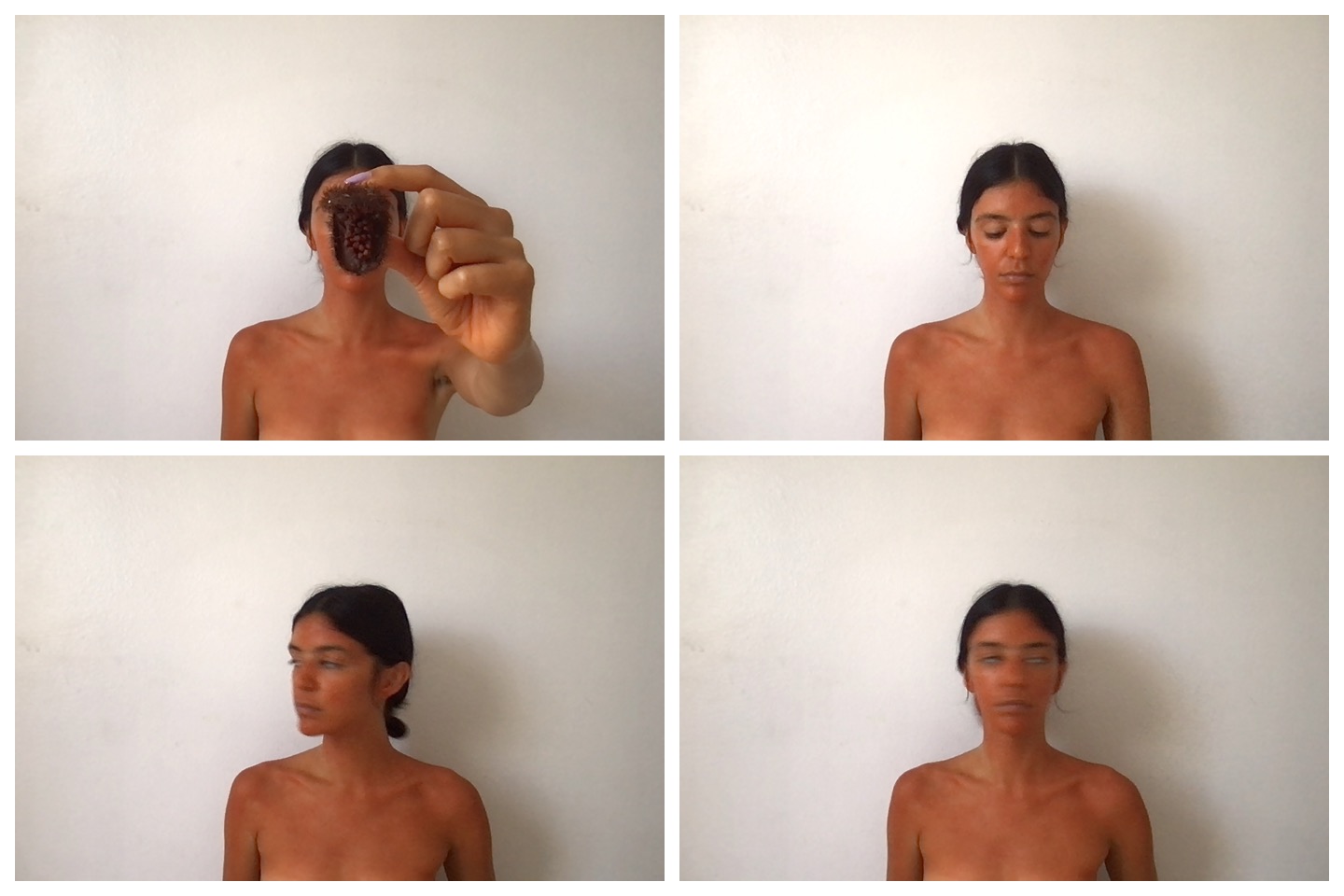
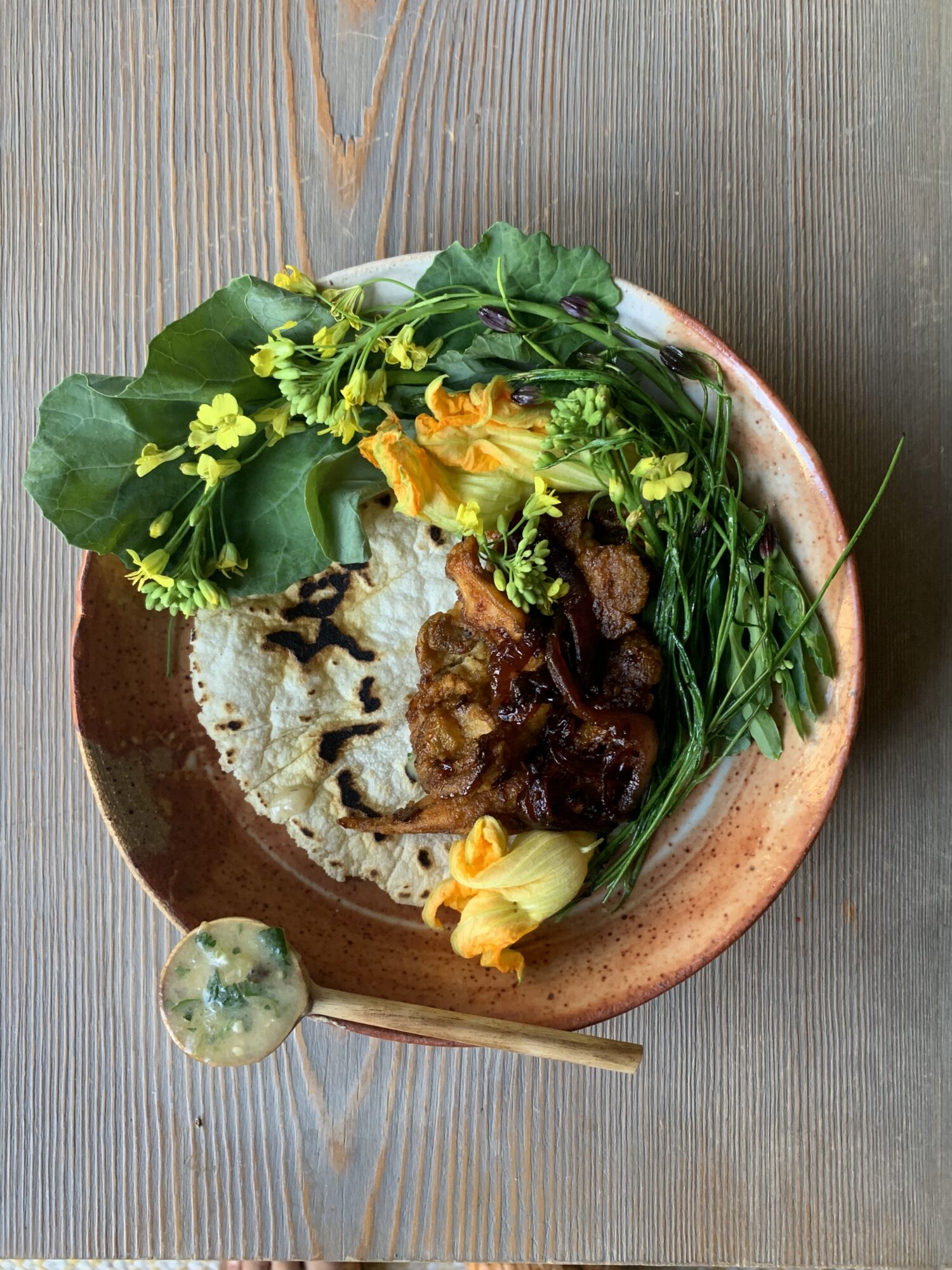

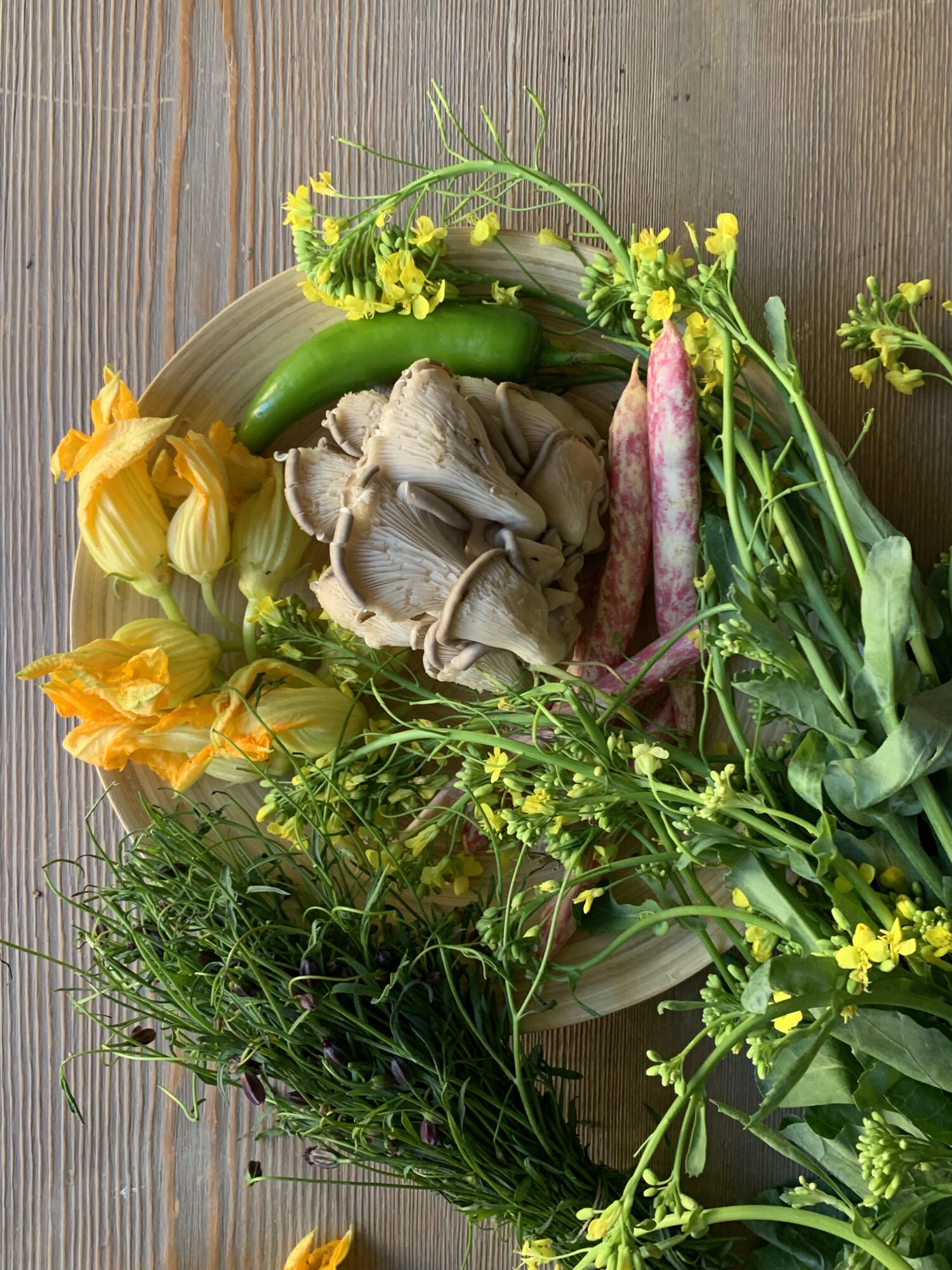
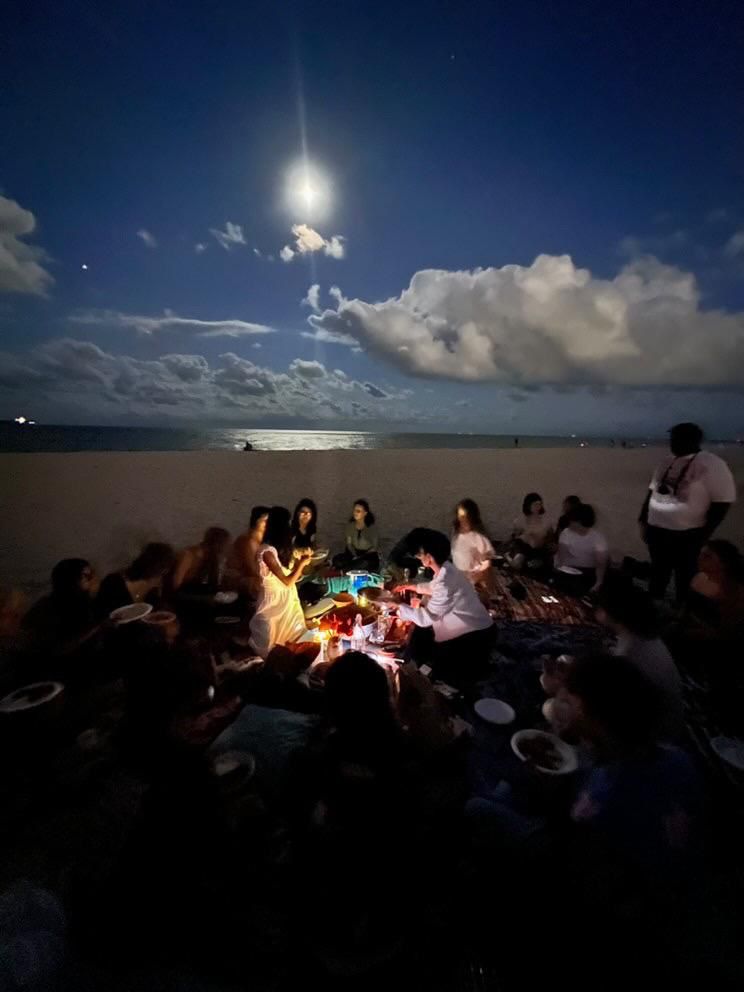
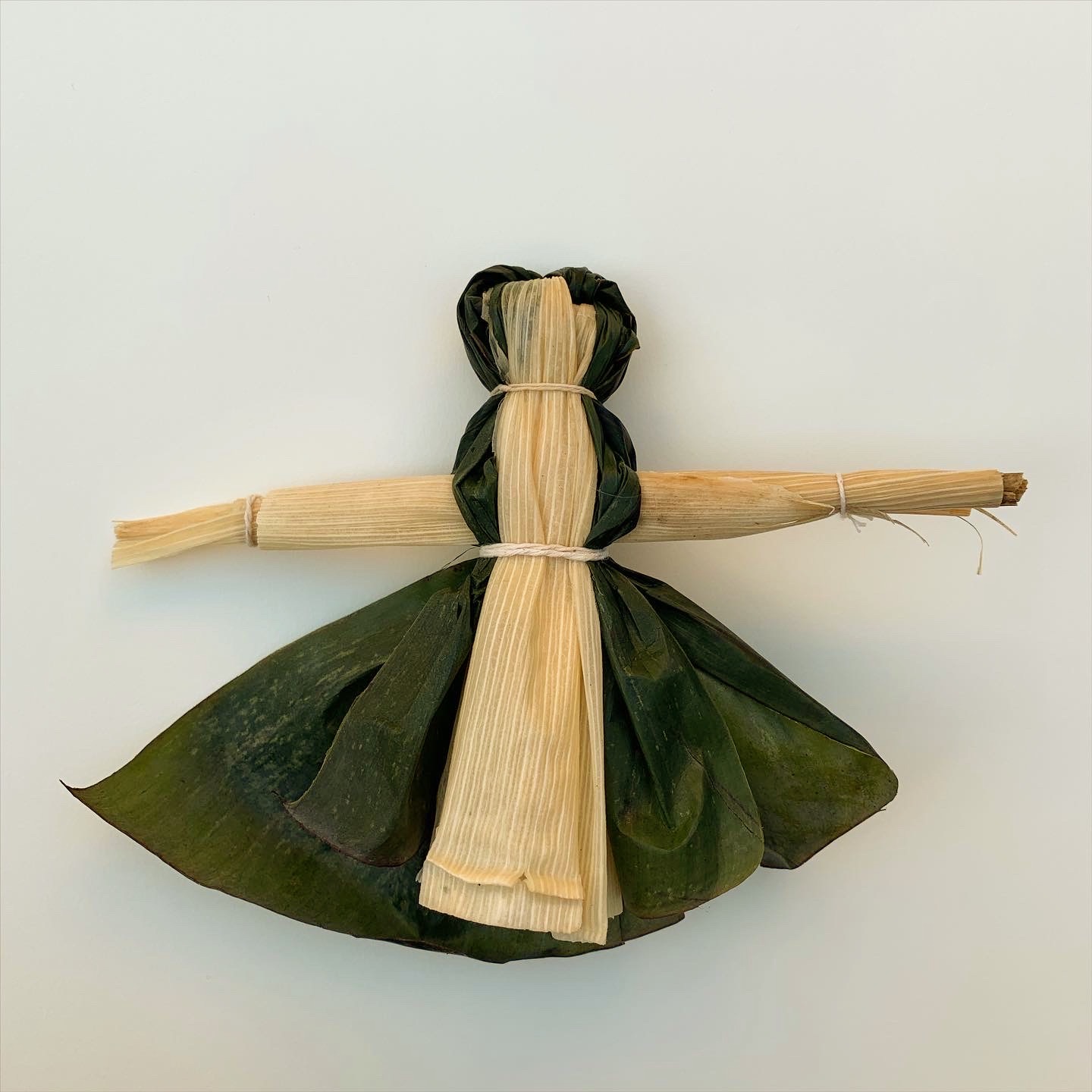
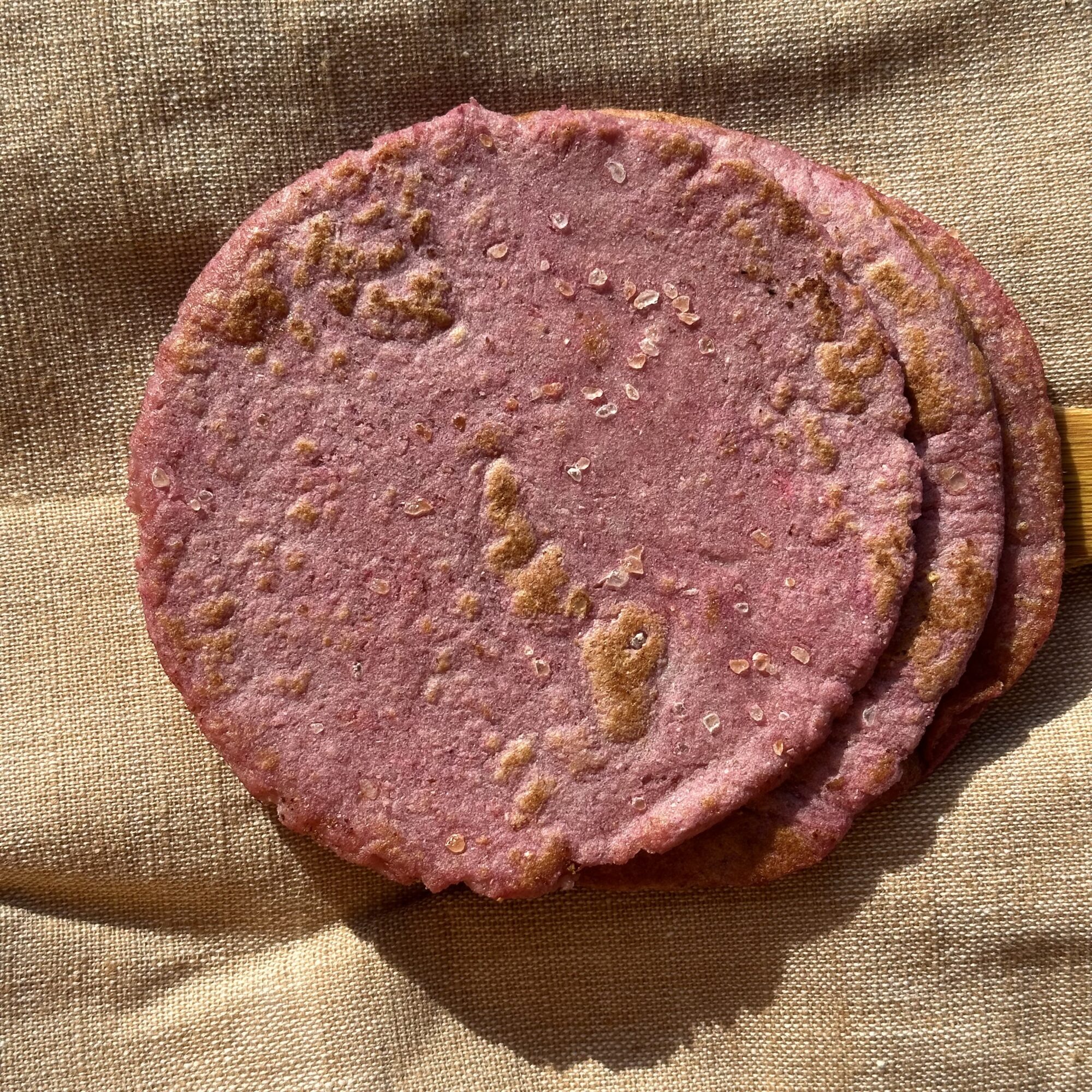
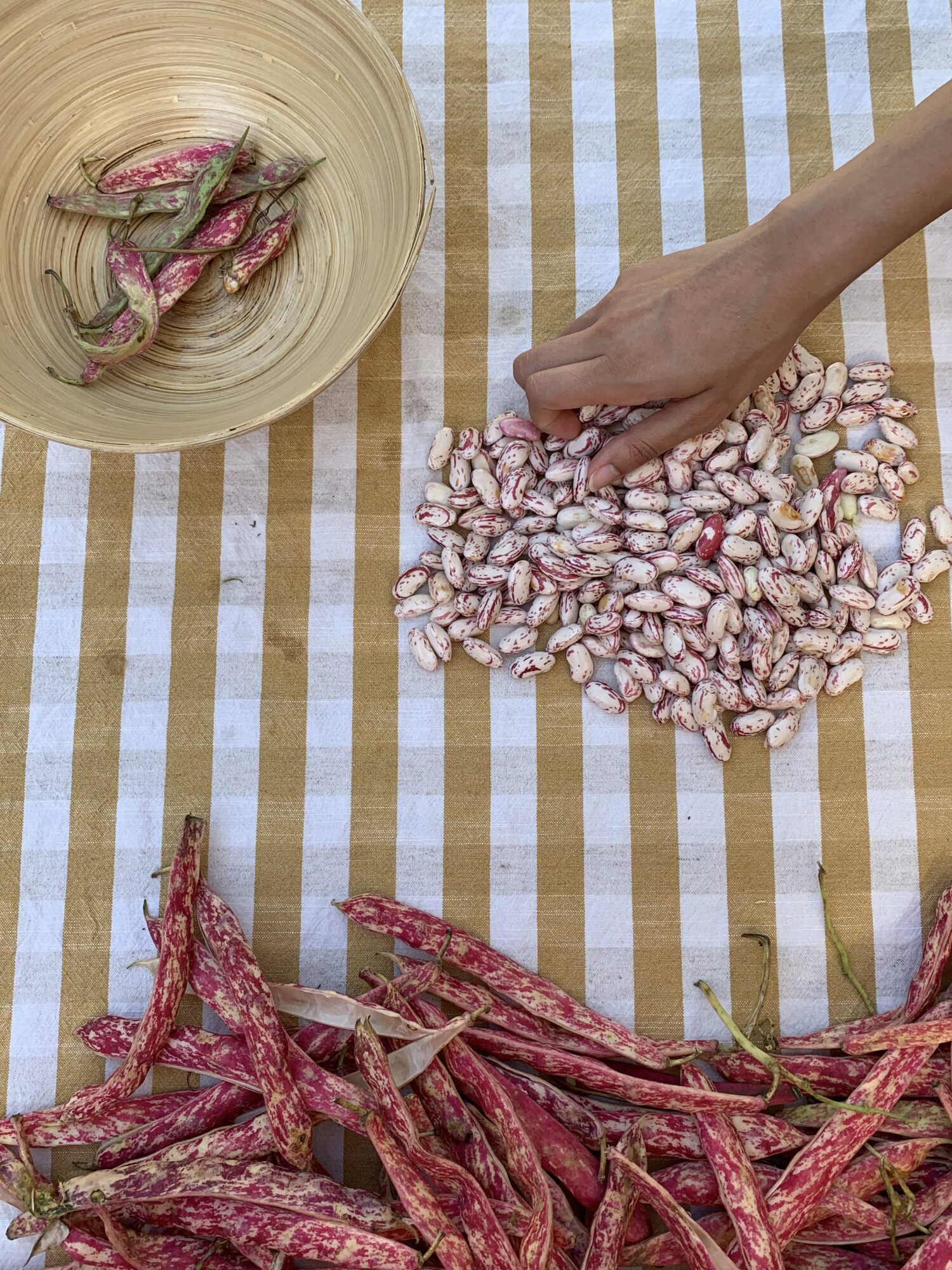
Image Credits
Amaris Cruz-Guerrero and Franky Cruz