





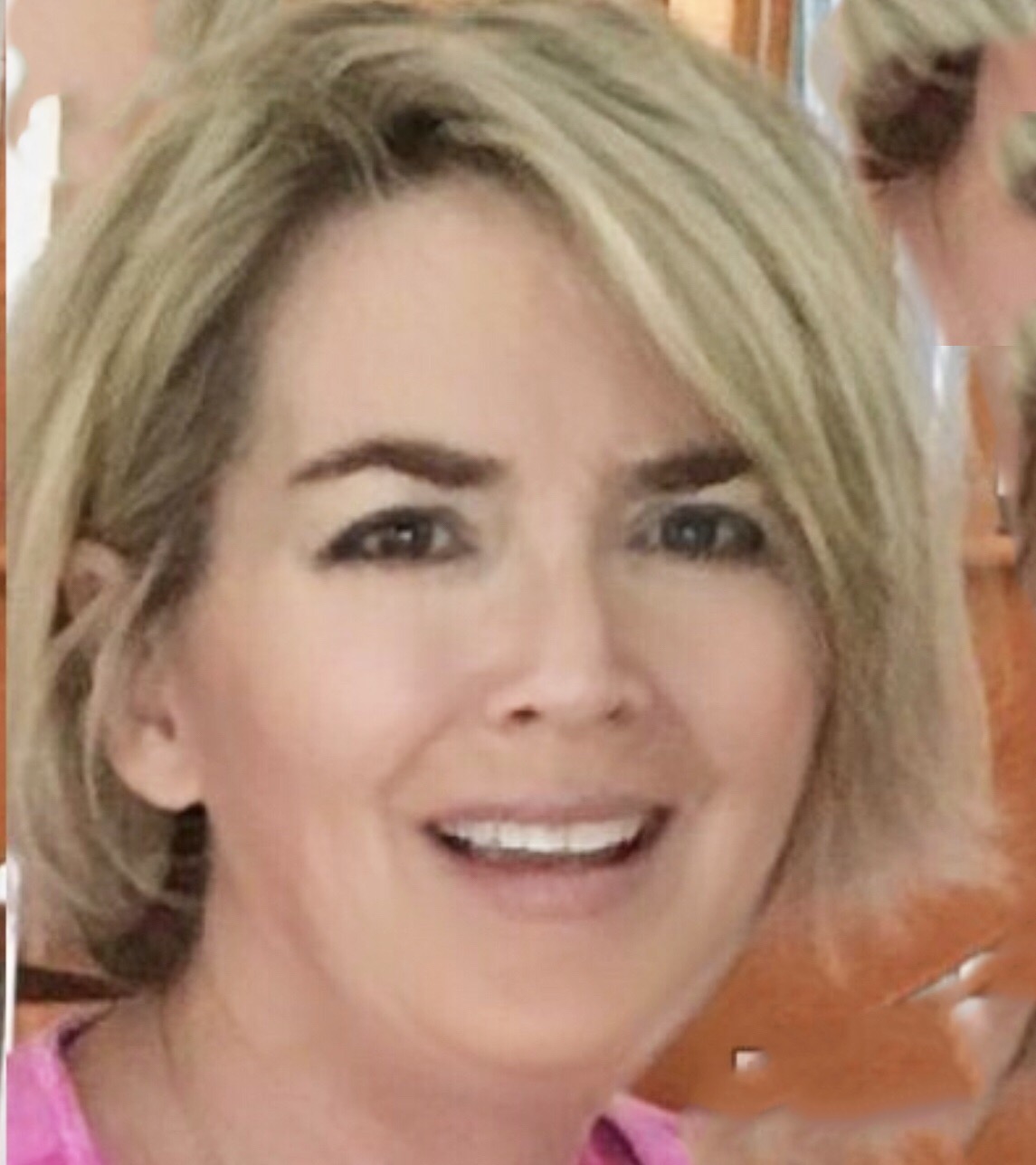
We recently had the chance to connect with Collings MacCrae and have shared our conversation below.
Collings , really appreciate you sharing your stories and insights with us. The world would have so much more understanding and empathy if we all were a bit more open about our stories and how they have helped shaped our journey and worldview. Let’s jump in with a fun one: What do the first 90 minutes of your day look like?
Water, Prayer, and (Boo) Marketing
Can you briefly introduce yourself and share what makes you or your brand unique?
Collings MacCrae is an American crime and fantasy author best known for the Fox Argall Mysteries, a series of twisty, character-driven novels featuring a neurodiverse criminologist in south Florida. Her work blends intricate plotting with psychological depth, focusing on relationships, trauma, and the challenges of navigating a world not quite built for neurodivergent minds.
Her fiction favors fast-paced, “gray-matter-tingling” stories that combine the puzzle of a mystery with richly drawn characters facing complex moral and emotional choices. Rather than focusing solely on the whodunnit, MacCrae explores motivations, relationships, and internal struggles in grounded, realistic settings, often highlighting neurodiversity and the human cost of crime.
Okay, so here’s a deep one: What relationship most shaped how you see yourself?
My parents didn’t know about autism in the 1960s, but had at least 2 autistic daughters (out of 4 girls), one severely disabled. My parents refused to leave my eldest sister at the Children’s Hospital (as was done then) and voila! We were all raised with Kimbrey Ann. Dad recognized my autist struggles in the midst of the chaos and supported me through wise rebuke. I learned to build categories and roleplay the always confusing social world. We learned patience and acceptance through our sister to add to the kindness and intelligence of my parents.
What have been the defining wounds of your life—and how have you healed them?
My family was highly impacted with neurodivergence in the 1960s, with little awareness. In addition to Asperger’s, I am alexithymic, which leads to poor emotional memory. The autistic OCD (different from non-autistic OCD) + the alexithymia are my greatest barriers. I was taught to accept life as it comes, no ScarWars allowed. My belief in God completed my path to acceptance and gratitude, which I consider the best medicine.
Sure, so let’s go deeper into your values and how you think. Is the public version of you the real you?
As an autist, this is The Paradox. I am authentic in my public face, and always say what I think when needed. I hide the struggle of Asperger’s and subsequent difficult elements such as autistic OCD and alexithymia. It’s not secret; it’s just too much for most to chunder it over neurotypicals.
Okay, so let’s keep going with one more question that means a lot to us: When do you feel most at peace?
Alone. It’s not that I don’t love people, I do, in some cases quite desperately. The work of social interaction is just abnormal to me and exhausting. I don’t understand a lot of it instinctively and I race to keep up.
Contact Info:
- Website: https://collingsmaccrae.substack.com/
- Instagram: https://www.instagram.com/collings_maccrae
- Linkedin: http://linkedin.com/in/lblanton
- Twitter: http://x.com/CollingsMacCrae


Image Credits
My own.