




Today we’d like to introduce you to Yamila.
Hi Yamila, thanks for joining us today. We’d love for you to start by introducing yourself.
My story begins with a loss that the world tried to dismiss as a ‘personal failure.’ Six years ago, my sister Yaya, a brilliant artist and mother, died from an overdose. The narrative pushed on us was that she made bad choices. But as I dug into the details, I realized the truth: Yaya was a victim of a calculated corporate strategy that weaponized trauma for profit. Purdue Pharma didn’t just sell pills; they sold an illusion of safety to people who were already drowning.
When I founded Yaya Por Vida in 2020, I made a conscious decision not to build another traditional charity. I knew that the systems that failed Yaya—hierarchical, punitive, and disconnected—would never save the people we serve. So, we built something entirely different. We became a movement for ‘Anti-Carceral Healing.’
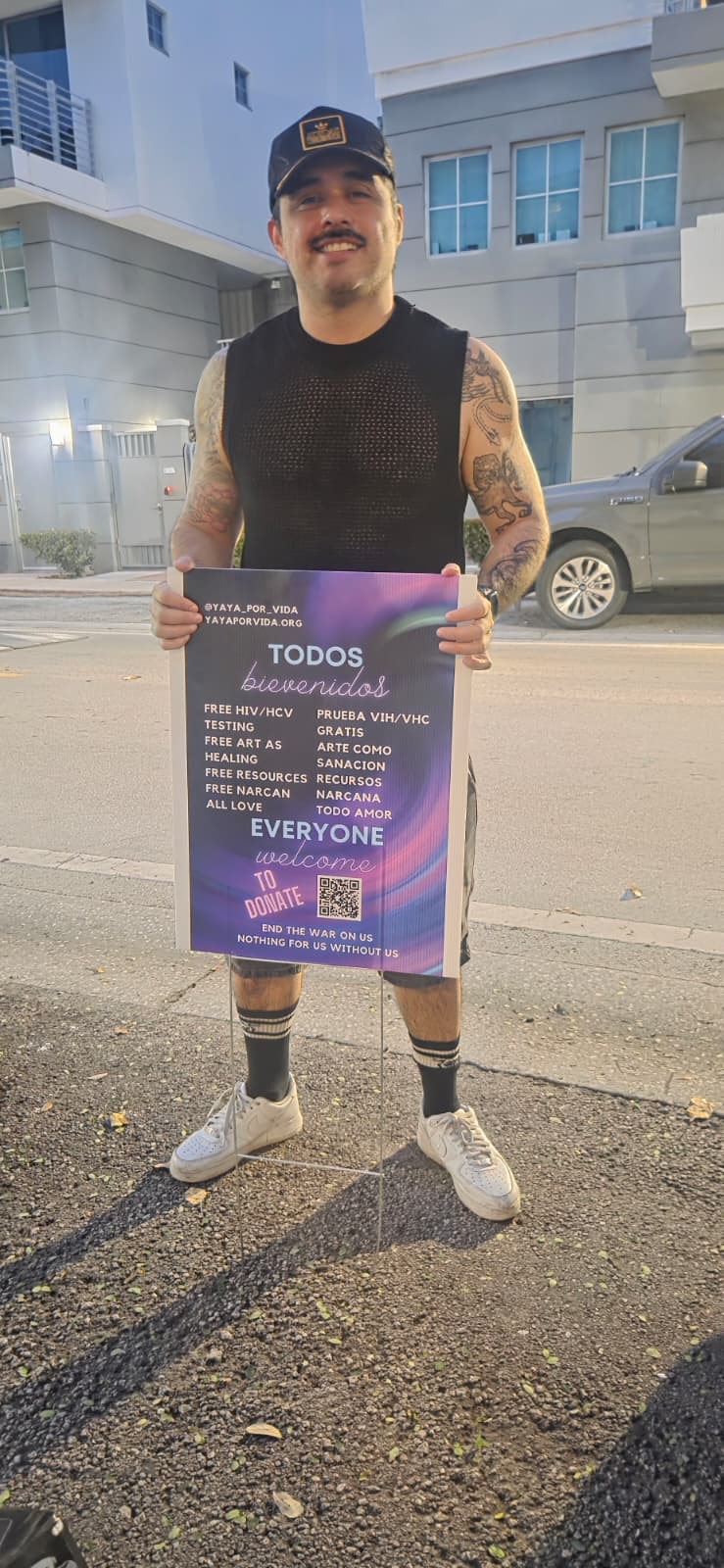
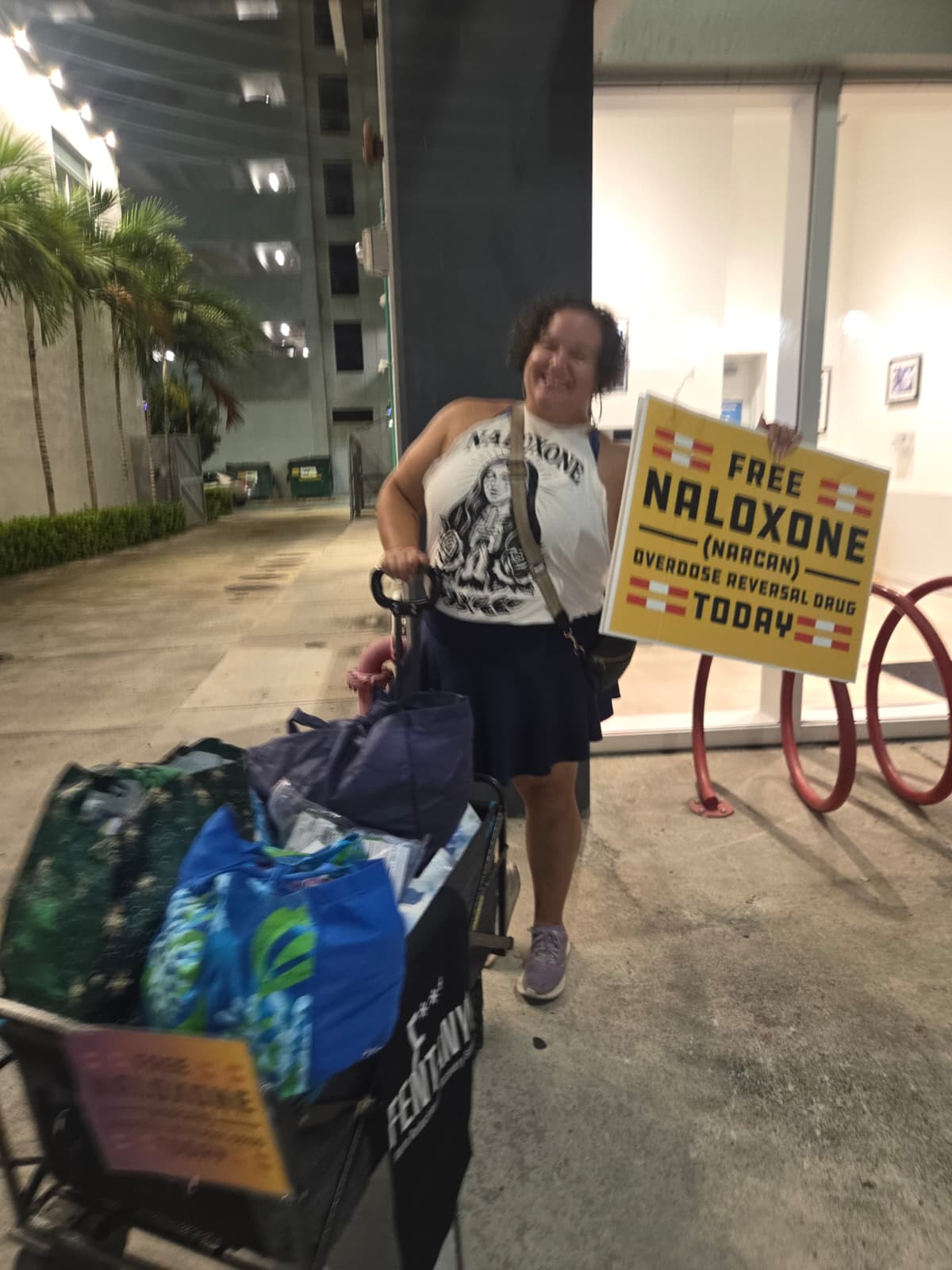
Today, we operate across seven counties in Southeast Florida. We are a BIPOC-led, peer-run organization where over 80% of our leadership has lived experience with substance use. We don’t just distribute Narcan; we use ‘Art as Data’ to understand our community’s unspoken fears, and we’ve built a ‘Digital Shield’ to protect our team from surveillance in a hostile political climate. We are no longer just mourning a loss; we are actively dismantling the systems that caused it, proving that you can save lives by treating people with dignity, not punishment.
Would you say it’s been a smooth road, and if not what are some of the biggest challenges you’ve faced along the way?
Not only has it not been a smooth road—it has been a minefield. And that is exactly why our work is so necessary.
The biggest obstacle isn’t just the opioid crisis; it’s the systemic hostility directed at the people trying to solve it. In Florida, we face a paradox where we are legally required to save lives, yet local ordinances often classify our life-saving tools—like fentanyl test strips—as ‘paraphernalia.’ This forces our team to make impossible choices every day: do we carry the supplies that save lives, or do we risk arrest?
Then there is the threat of surveillance and harassment. Because we are a BIPOC organization led by people who use drugs, we have become targets for doxxing campaigns and aggressive scrutiny. We’ve had our addresses exposed and our staff threatened with detention. In a normal nonprofit, you worry about budget spreadsheets. For us, we worry about digital safety protocols. We had to become experts in cybersecurity, scrubbing our digital footprints and training our team on how to interact with law enforcement without compromising our participants’ safety.
We also struggled with the ‘charity trap.’ We were told to ‘tone down’ our advocacy and stop talking about corporate greed. But we refused to compromise. We realized that if we wanted to truly serve our community, we couldn’t rely on the same systems that failed them. So, we built our own infrastructure, creating a Restorative Justice model to handle conflict and a ‘Net Weaver’ model to pay our peers. Every time they tried to shut us down, we got smarter, more secure, and more connected.”
As you know, we’re big fans of Yaya Por Vida. For our readers who might not be as familiar what can you tell them about the brand?
Yaya Por Vida is not just an overdose response organization; we are a movement for ‘Anti-Carceral Healing.’
While many organizations focus solely on distributing supplies, we specialize in rewiring the entire ecosystem of care for people who use drugs. We are known for being the first organization in Florida to fuse Restorative Justice governance with a mobile drop-in center model.
What sets us apart:
Governance: Our board operates on a Restorative Justice model. Instead of punishing mistakes, we use certified ‘Circle Keepers’ to repair harm and reintegrate team members. This keeps our workforce stable in a field with the highest burnout rates.
Leadership: Over 80% of our leadership has lived experience. We don’t just ‘involve’ the community; we are run by the community. We pay our peers, validating their expertise.
Philosophy: We reject the ‘War on Drugs.’ We view addiction as a public health crisis fueled by trauma and corporate greed, and we treat it with dignity, not incarceration.
What we are most proud of: We are most proud of our resilience and innovation. We have built a sustainable, life-saving infrastructure in a state that actively tries to criminalize our existence. We proved that you can run a high-stakes, data-driven public health program without replicating the punitive systems that hurt our community.
What we want readers to know: Yaya Por Vida is not a charity; we are a survival option. We are the safety net for the people the system has abandoned. We are proof that when you trust the expertise of those with lived experience, you don’t just save lives—you transform communities. We are here to stay, we are here to heal, and we are here to dismantle the systems that caused this crisis in the first place.
Do you have any advice for those just starting out?
My advice is simple: Come in unapologetic. Do not shrink yourself to fit the room.
When I started, I didn’t ask for permission. I didn’t soften my language to make funders comfortable. I didn’t hide my anger at a system that murdered my sister and millions of others. I walked in knowing that the ‘corporate’ nonprofit model was part of the problem, and I refused to replicate it.
But being unapologetic isn’t just about attitude—it’s about infrastructure. If you are starting out, lead with culture, language access, and safety support from Day One. Do not wait until you have ‘grown’ to add these things. They are not ‘extras’; they are the foundation.
Culture: If you are serving a BIPOC community, your leadership and protocols must reflect that reality. Do not import white, Western models of ‘recovery’ that ignore the trauma of systemic racism.
Language: If your community speaks Sa language other than English, you must have staff who speak those languages fluently. Do not rely on Google Translate for life-saving medical advice.
Safety: Do not wait until your team is doxxed or arrested to build safety protocols. Implement digital security and legal defense funds before you launch. If your team isn’t safe, the program stops.
Your rage is data. Your grief is strategy. Don’t let anyone tell you to ‘tone it down.’ The people we serve are dying because of politeness and bureaucracy. They need us to be loud, fierce, and unapologetically radical. Do not start a charity. Start a movement.
Contact Info:
- Website: https://www.yayaporvida.org
- Instagram: https://instagram.com/yayaporvida
- TikTok: https://www.tiktok.com/@yayaporvida