



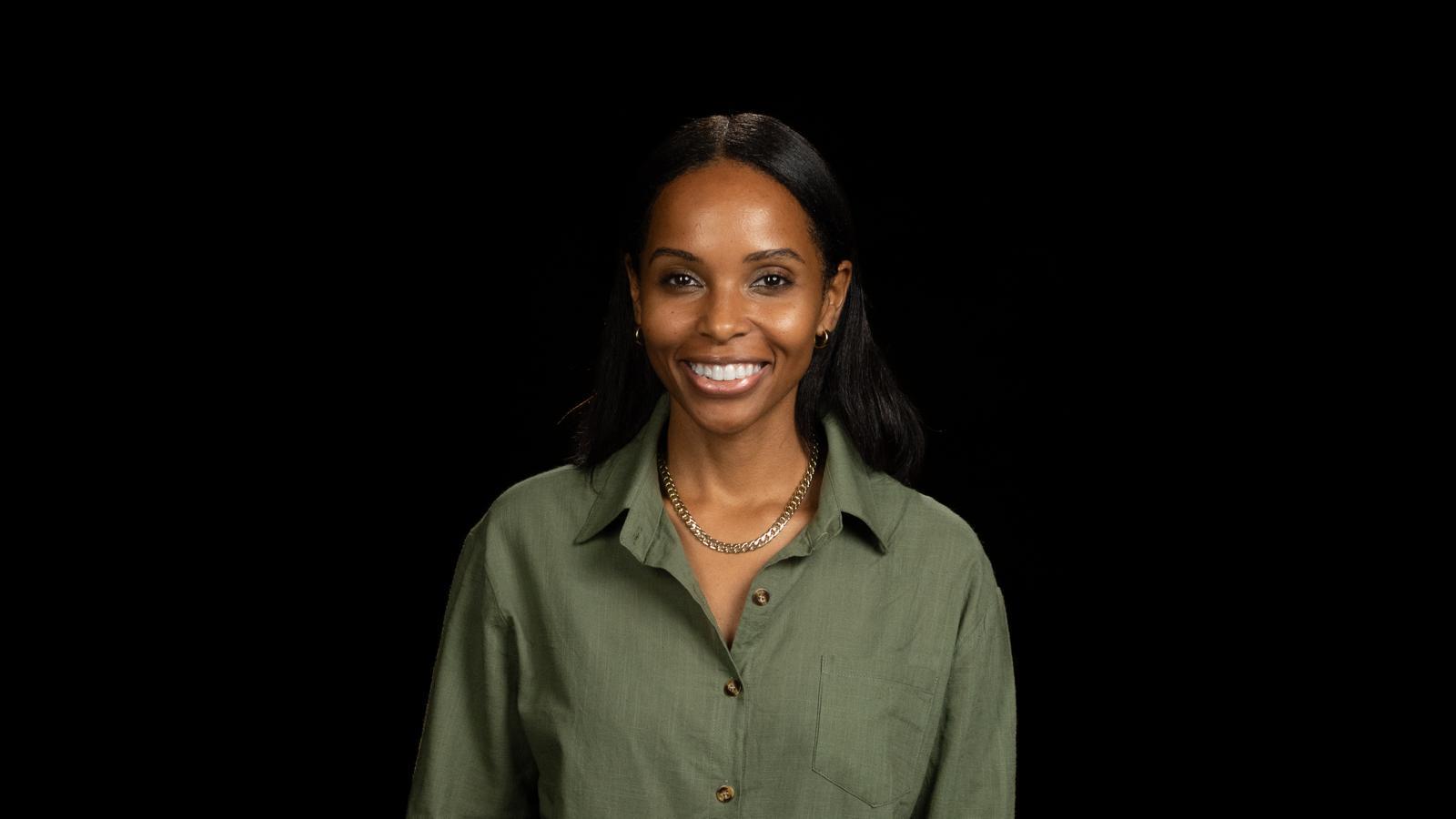
Today we’d like to introduce you to Cassandra Claude.
Hi Cassandra, please kick things off for us with an introduction to yourself and your story.
Music was never just a hobby for me. It was identity, expression, and connection. As I moved deeper into formal training and eventually into higher education, I began noticing something that changed my trajectory. Incredibly talented artists were graduating without sustainable pathways. They had skill but not structure. Passion but not positioning. Heart but not infrastructure.
That realization shifted me from simply developing voices to developing artists.
Over the past decade, I have built my work at the intersection of performance, entrepreneurship, and mentorship. As a faculty member at the University of Miami’s Frost School of Music, I teach Entrepreneurship for Musicians and Performance Artistry. My goal is to help artists understand not only how to perform, but how to build careers with longevity and purpose. Becoming a GRAMMY Professional Member and authoring A Singer’s Compass expanded that mission and gave me a broader platform to speak about sustainability, resilience, and identity in the creative industry.
Eventually, I realized mentorship alone was not enough. We needed structure. That is what led me to found the Artistic Freedom Mentorship Program, a 501(c)(3) organization designed to rebuild the creative pipeline by training artists for leadership and mobilizing them into service within underserved communities.
Today, my work centers on one belief. Artists are not just performers. They are cultural leaders. When we equip them with clarity, tools, and infrastructure, they do more than succeed individually. They strengthen communities.
That belief continues to guide everything I build.
Alright, so let’s dig a little deeper into the story – has it been an easy path overall and if not, what were the challenges you’ve had to overcome?
Like many artists and entrepreneurs, I started with passion and vision but without a clear roadmap. Early on, I experienced what I now teach about. Talent alone does not guarantee sustainability. There were seasons of financial uncertainty, moments of self-doubt, and times when I questioned whether building something new in an already saturated creative industry was realistic.
One of the biggest challenges was shifting from being a performer to becoming a builder. Performing is personal. Building infrastructure requires systems, boundaries, leadership, and the ability to think long term. That transition stretched me in ways I did not expect.
There were also moments when I felt ahead of the conversation. Talking about entrepreneurship, sustainability, and artist infrastructure was not always popular in creative spaces that focused primarily on talent and inspiration. It required conviction to stay committed to the bigger vision.
Starting the nonprofit was another learning curve. Structuring a 501(c)(3), navigating funding conversations, and thinking in terms of long-term impact rather than short-term wins required a different level of discipline and patience.
What carried me through was clarity of purpose. I knew the gap I was seeing was real. Artists were struggling. Communities were underserved. Once I understood that the work was bigger than me, the obstacles became part of the process rather than signs to stop.
Growth has come through resilience, refinement, and a willingness to keep building even when the path was not fully visible.
Thanks for sharing that. So, maybe next you can tell us a bit more about your business?
The Artistic Freedom Mentorship Program is built on a simple but powerful belief. Artists are not just performers. They are leaders, educators, and cultural contributors. What has been missing for many creatives is not talent, but structure.
Through my work at the University of Miami and through AFM, I specialize in creative leadership, artist sustainability, and service-based pathways. I train artists in entrepreneurship, performance psychology, resilience, and identity development. The goal is not only to help them perform at a high level, but to help them build careers with longevity and purpose.
Creative Connect is often the seed planter in that journey. It is an entry point where artists gain clarity, accountability, and momentum. It helps them refine their vision, strengthen their identity, and take aligned action. From there, many step into deeper mentorship and leadership development within AFM. Creative Connect plants the seed. AFM builds the ecosystem.
What sets AFM apart is that community impact is not an add-on. It is the outcome. After artists complete our mentorship and training programs, they are mobilized into underserved communities where they teach, mentor, and expand arts access. We are rebuilding the creative pipeline by connecting two groups that have historically been disconnected. Artists who want to serve and communities that need them.
Brand-wise, I am most proud that AFM stands for infrastructure rather than inspiration alone. Many programs motivate artists. We equip them. We provide systems, frameworks, and accountability. We normalize conversations around business literacy, wellness, sustainability, and leadership in spaces that often focus only on performance.
I want readers to understand that this is not just about music or even about the arts. It is about leadership development through creativity. It is about equipping artists with the tools to thrive and then empowering them to strengthen communities. When artists are supported properly, the impact extends far beyond the stage.
That is what AFM represents. Structure, sustainability, and service.
What’s next?
The next phase of my work is focused on scale and structure.
With the Artistic Freedom Mentorship Program now established as a 501(c)(3), I am focused on expanding our national footprint. The goal is to create sustainable, service-based pathways for artists in multiple cities so that creative leadership becomes normalized. We are developing partnerships with schools, community organizations, and institutions to ensure that artists are not only trained well, but placed intentionally.
I am also continuing to expand Creative Connect as the entry point into this ecosystem. It serves as the seed planter, helping artists gain clarity and momentum before stepping into deeper leadership and service roles. Strengthening that pipeline from vision to deployment is a major focus.
On the academic side, I am looking forward to deepening the integration of entrepreneurship and performance psychology within higher education. Artists deserve practical business training alongside creative development, and I plan to continue building frameworks that support that balance.
Long term, I see AFM becoming a model for creative infrastructure that other institutions can replicate. My hope is that we move from asking whether artists can sustain themselves to building systems that ensure they can.
What excites me most is watching artists step into leadership roles with confidence. When that happens consistently, communities change.
That is the future I am building toward.
Pricing:
- Creative Connect $350
Contact Info:
- Website: https://www.artisticfreedommentorship.com/creativeconnect
- Instagram: https://www.instagram.com/artistic.freedom.mentorship
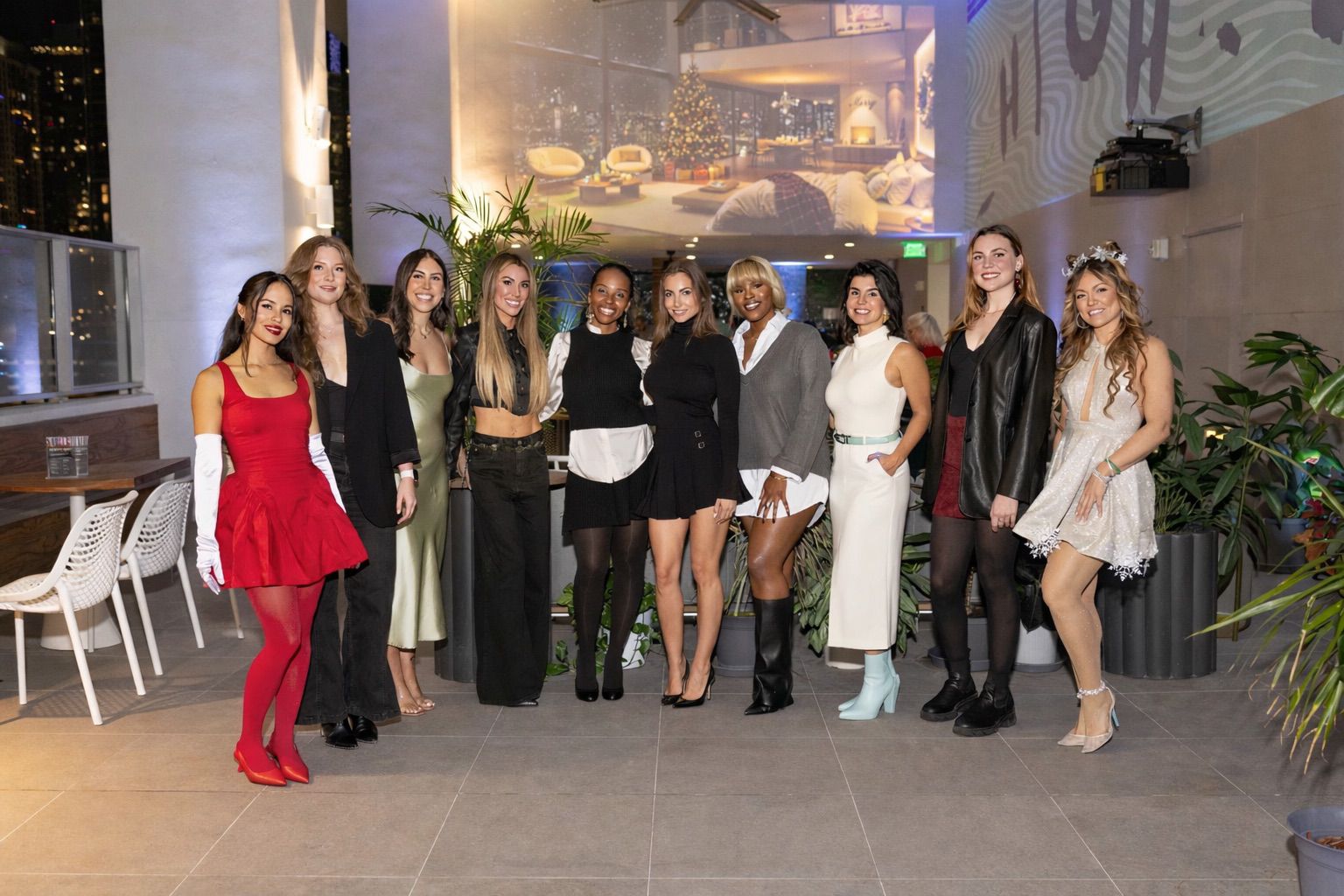
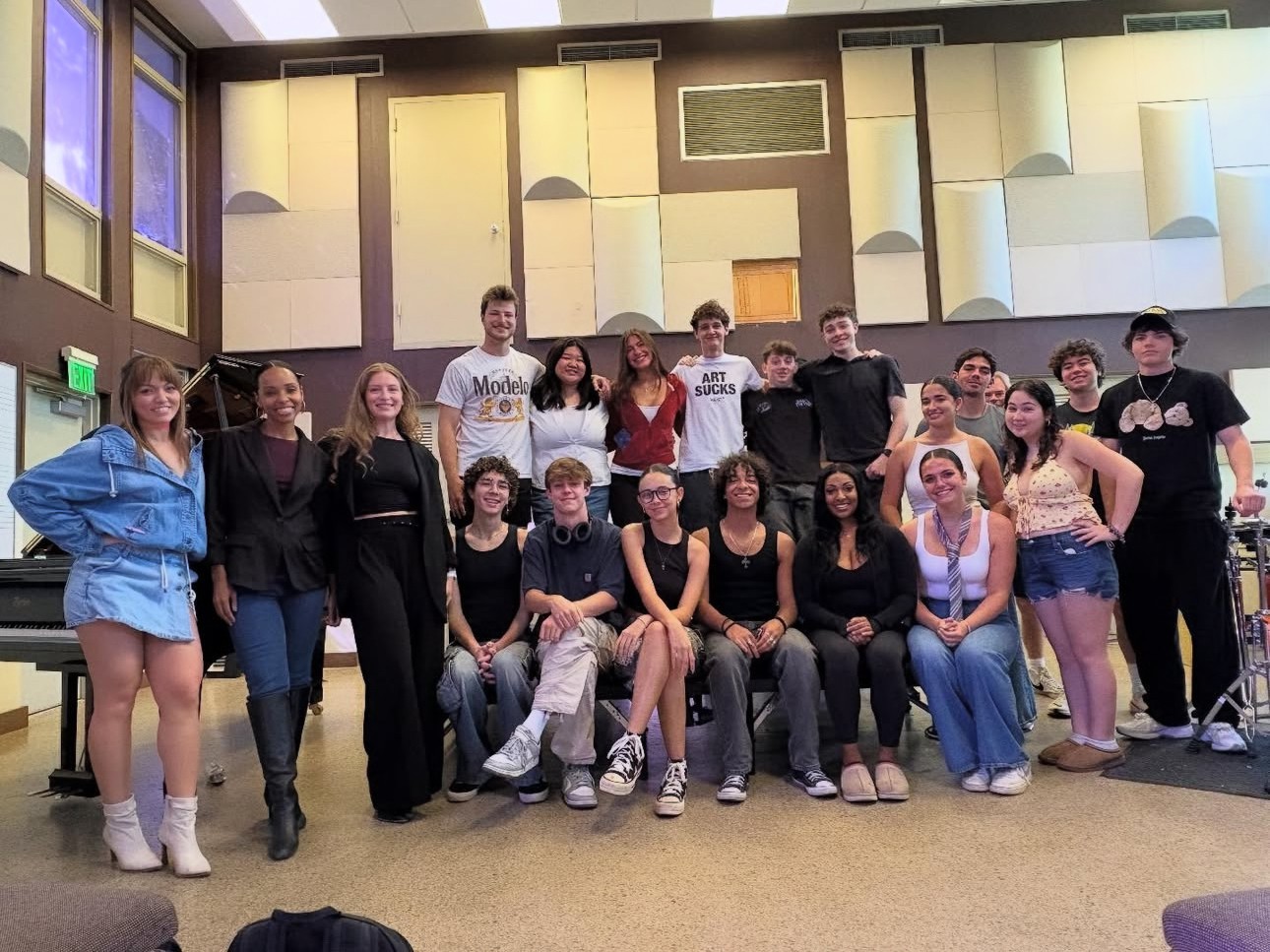
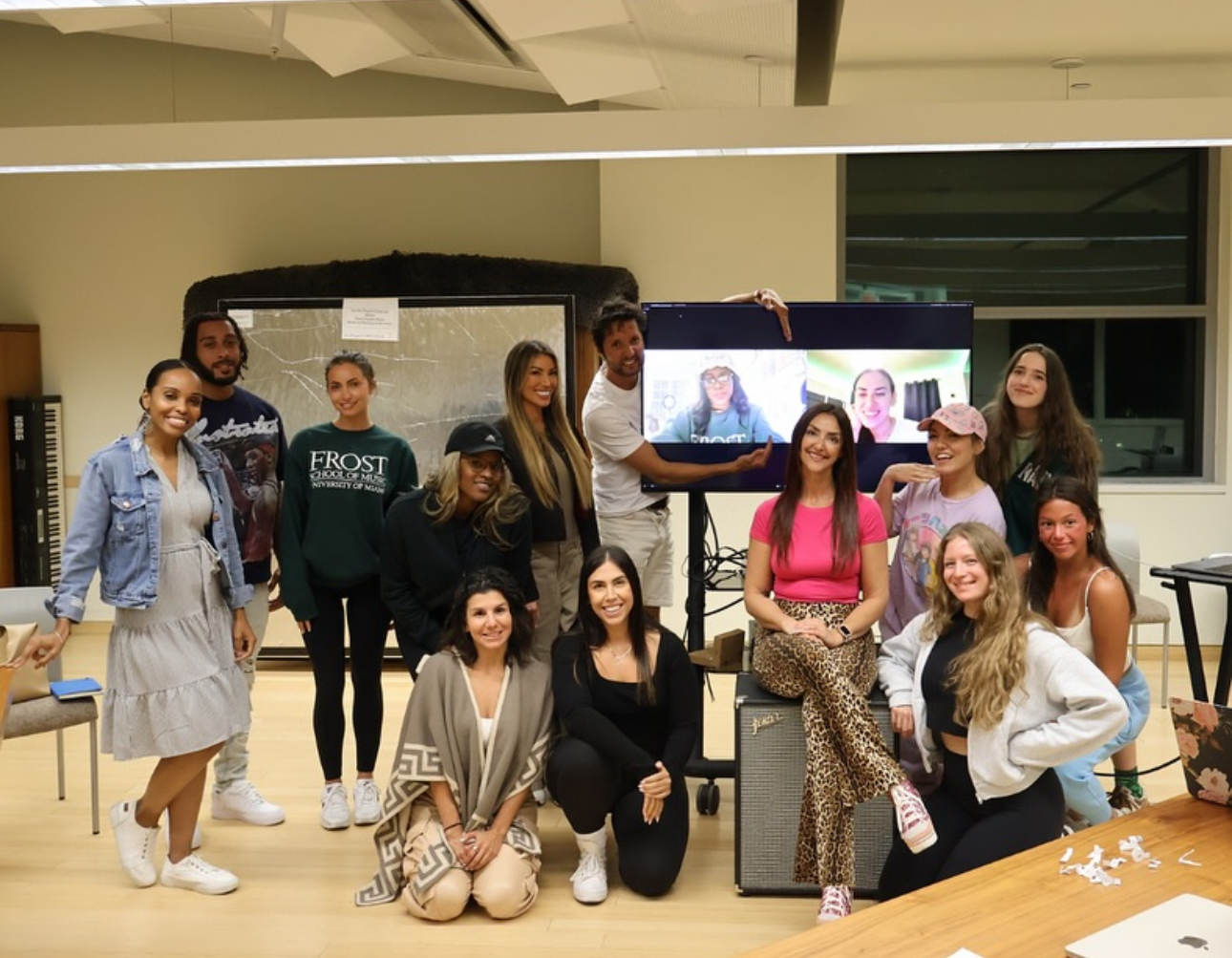
Image Credits
Gonzalo Mejia
Jade Cruz