




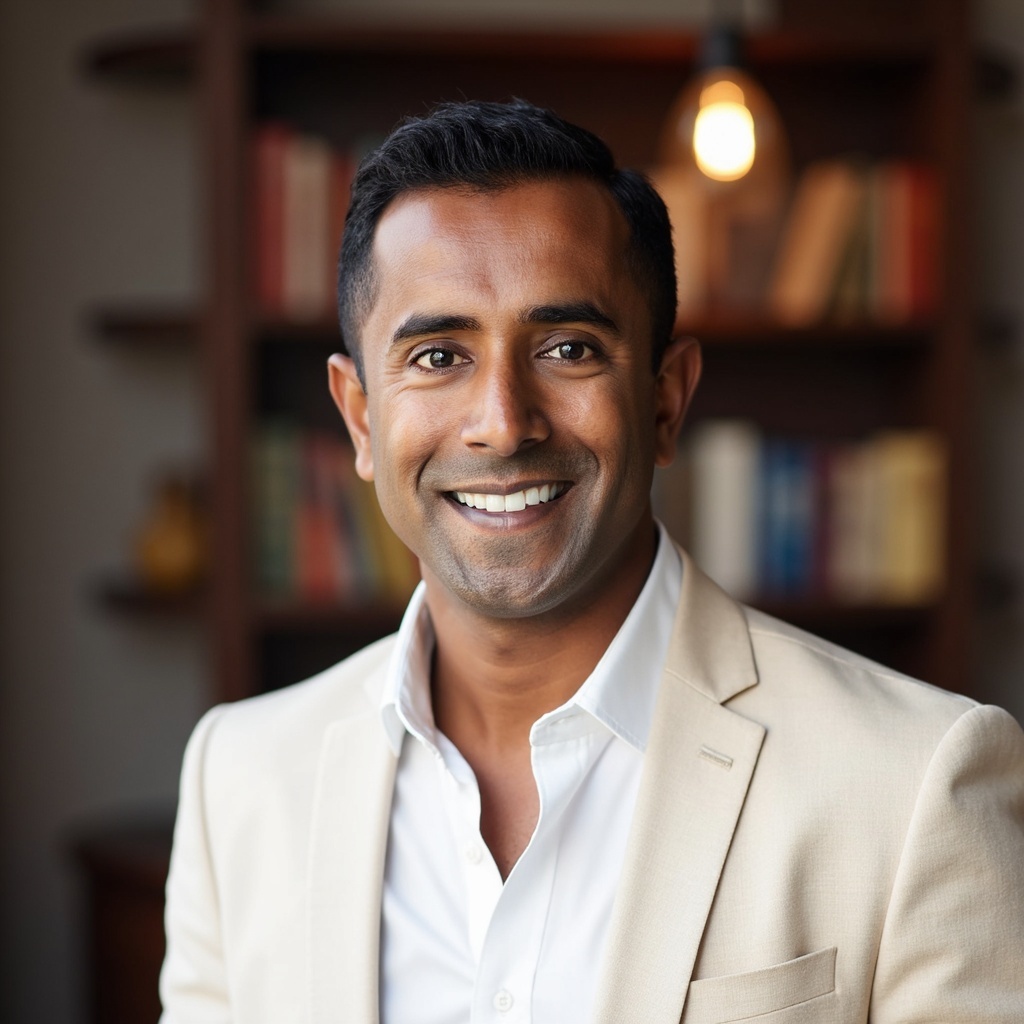
Today we’d like to introduce you to Adarsh Alphons.
Hi Adarsh, so excited to have you on the platform. So before we get into questions about your work-life, maybe you can bring our readers up to speed on your story and how you got to where you are today?
I grew up as an artist—art was actually a pretty formative force in my life. I struggled in traditional academic settings early on, but I had a teacher who recognized something in me and really pushed me toward creative expression. That experience stayed with me.
Later, after studying at the Maryland Institute College of Art and working in New York, I started to see something that didn’t sit right—arts education in public schools was disappearing, especially in under-resourced communities.
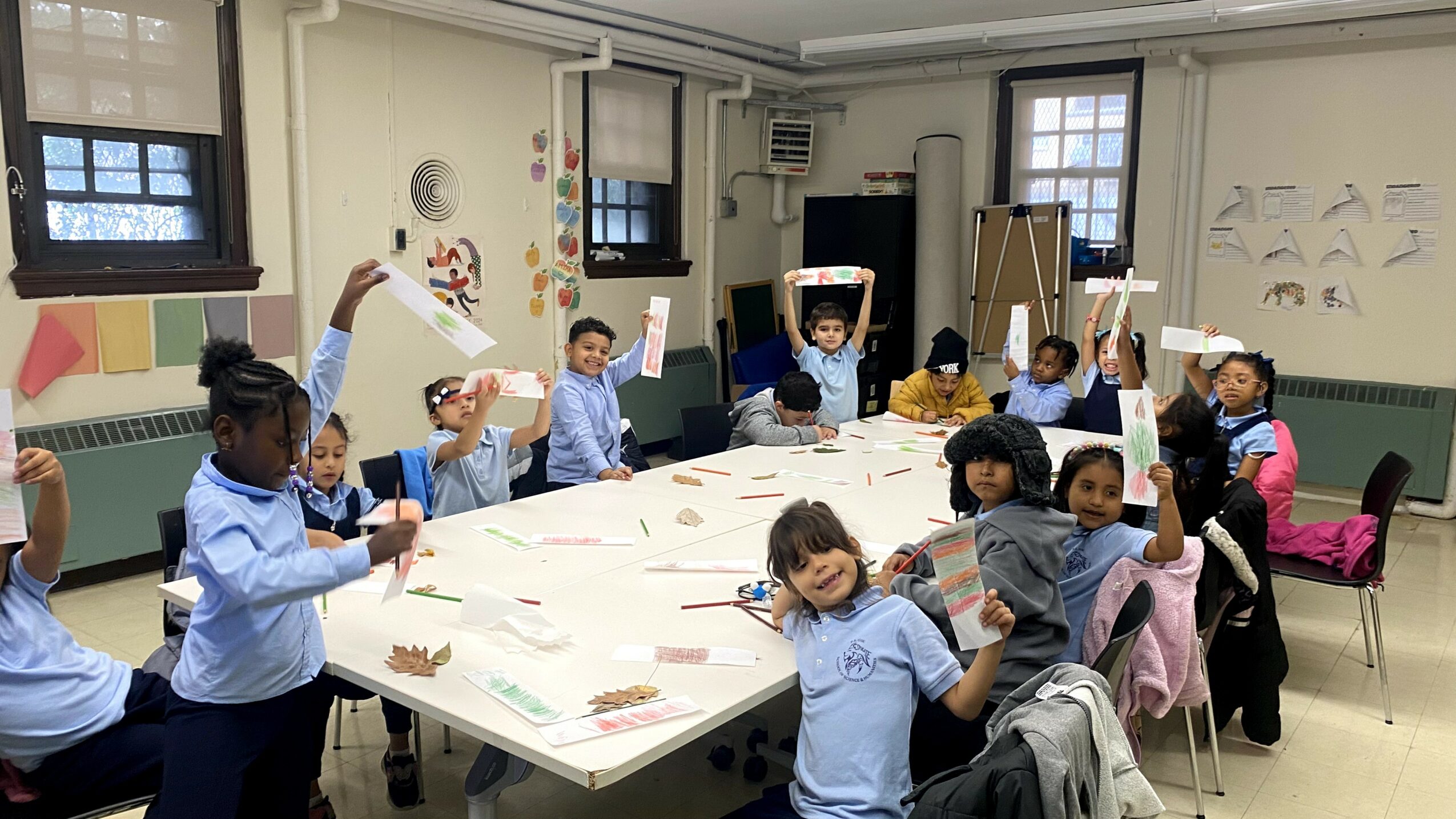
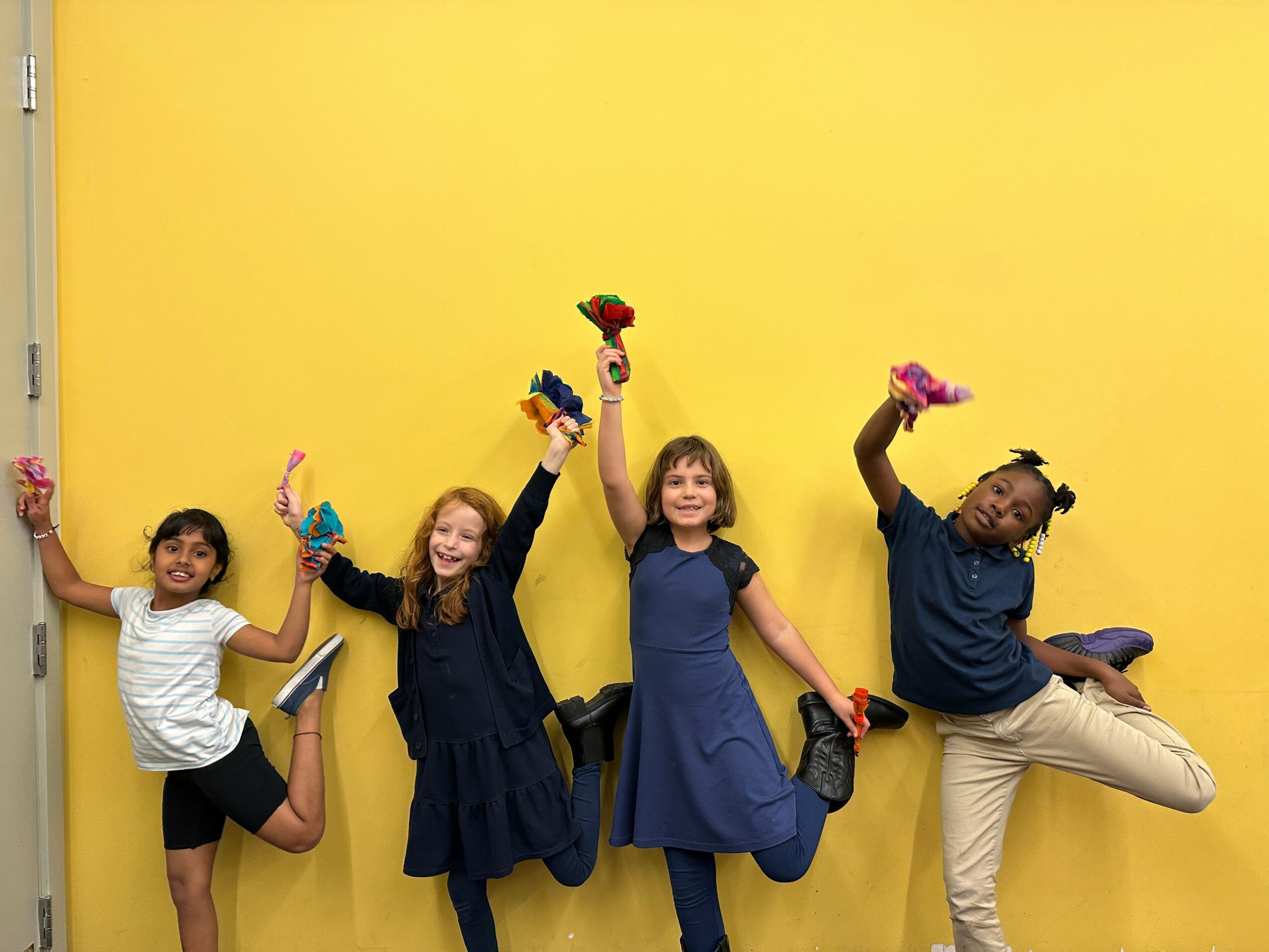
In 2011, I decided to do something about it. I started ProjectArt with basically no resources—just a bag of art supplies and borrowed space in Harlem—with a simple goal: to put paintbrushes in the hands of kids who otherwise wouldn’t have access to art.
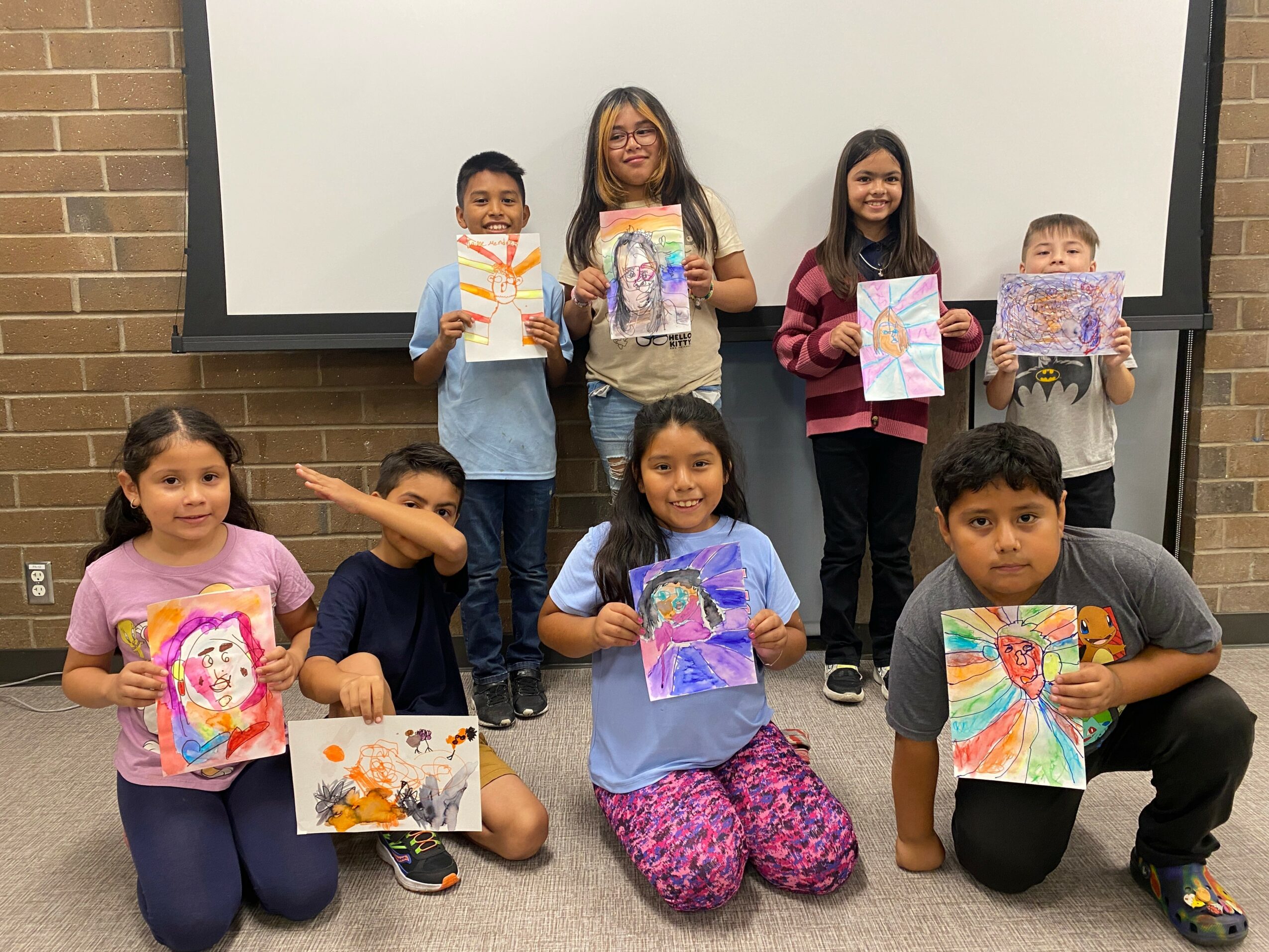
What began as a small, scrappy program quickly evolved into a model. We partnered with public libraries—an underutilized but incredibly powerful piece of infrastructure—and turned them into art schools. That allowed us to scale in a very efficient way while also building community around the programs.
Over time, ProjectArt grew from a handful of students to a national organization serving thousands of kids across multiple cities, while also supporting emerging artists through residencies and exhibitions.
Along the way, I’ve also been building in the private sector—most recently Postmoda—but at the core, everything I’ve done has been about identifying broken systems and trying to redesign them in a way that creates more access, more efficiency, and more impact.
Alright, so let’s dig a little deeper into the story – has it been an easy path overall and if not, what were the challenges you’ve had to overcome?
It definitely hasn’t been a smooth road.
In the early days of ProjectArt, the biggest challenge was simply survival. We were building something from scratch with very limited resources—no institutional backing, no real playbook, and a model that didn’t neatly fit into how philanthropy or public systems typically operate. So a lot of it was constant fundraising, proving legitimacy, and just keeping the program alive year to year.
As we started to grow, the challenges shifted. Scaling a mission-driven organization across multiple cities introduced operational complexity—hiring and training teams, maintaining program quality, building partnerships with public institutions like libraries, and ensuring consistency across very different local contexts. Growth is great, but it exposes every weakness in your system.
There’s also the broader structural challenge: arts education is often undervalued and underfunded, so you’re constantly advocating not just for your organization, but for the importance of the work itself. That can be an uphill battle.
On a personal level, I’ve had to learn how to transition from being a founder who does everything to someone who builds systems and empowers teams. That’s not a natural shift—it requires letting go in ways that are uncomfortable.
But I think all of those challenges ultimately forced us to become more disciplined, more intentional, and more scalable in how we operate.
Thanks – so what else should our readers know about ProjectArt?
ProjectArt is a national nonprofit that provides free, high-quality arts education to youth in under-resourced communities, while also creating paid residency opportunities for emerging artists.
At its core, we operate at the intersection of education, workforce development, and community infrastructure. Our model is built around public libraries—we transform them into long-term creative hubs, which allows us to deliver programming in a way that is both deeply local and highly scalable.
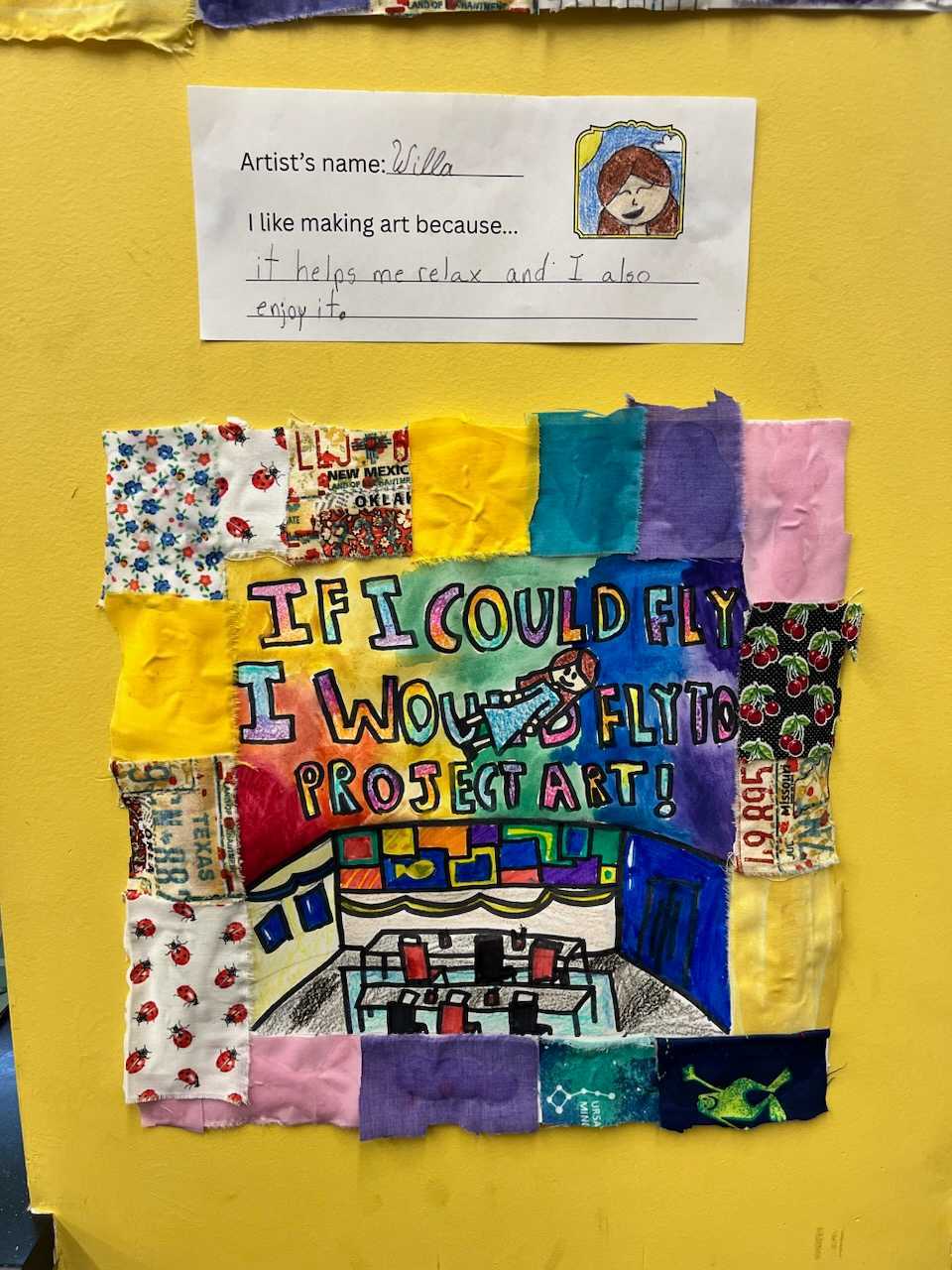
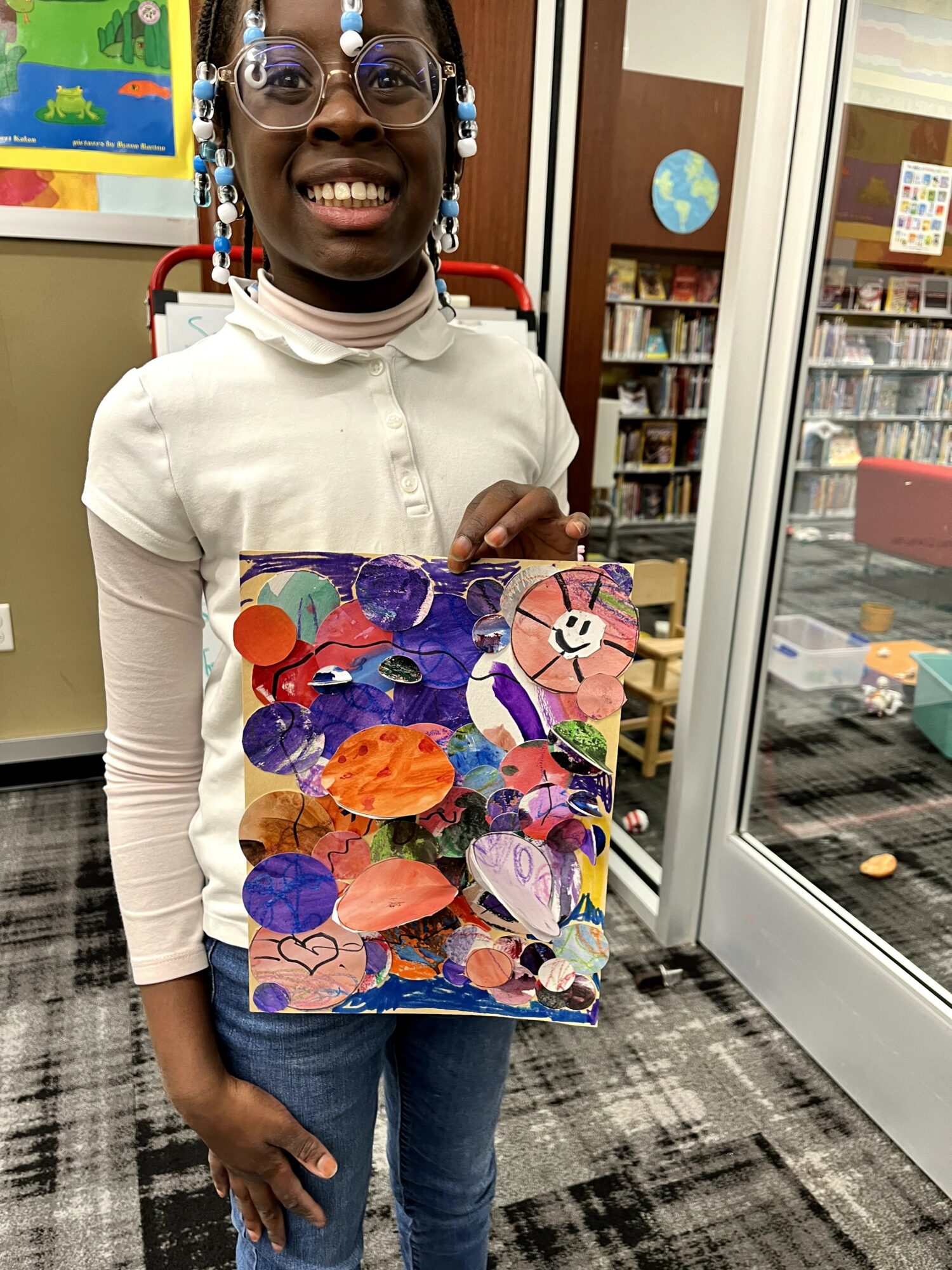
What we specialize in is not just access, but quality and continuity. Students don’t just come in for a one-off workshop—they engage in structured, multi-month programs led by practicing artists, with a curriculum that emphasizes both technical skill and creative confidence. At the same time, we’re investing in the next generation of artists by giving them meaningful, paid teaching and exhibition opportunities.
What really sets ProjectArt apart is the model itself. Most arts nonprofits are either programmatic or institutional—we’re infrastructure-driven. By embedding in libraries, we’re able to scale nationally without the overhead of building and maintaining standalone facilities, while also integrating directly into communities in a way that feels accessible and permanent.
Brand-wise, what I’m most proud of is that we’ve been able to build something that is both credible and human. We’ve worked with thousands of students across multiple cities, partnered with major public institutions, and maintained a high standard of programming—while still feeling very personal and community-rooted.
More broadly, I’d want readers to understand that ProjectArt is not just about art classes—it’s about expanding access to creative opportunity and building a system that allows that access to exist at scale.
Before we go, is there anything else you can share with us?
I’d just emphasize that the work we’re doing at ProjectArt is really about long-term access and systems change.
There’s a tendency to think of arts education as something supplemental, but for many of the students we work with, it’s foundational—it builds confidence, critical thinking, and a sense of agency. Those are skills that translate far beyond the classroom.
I’d also say that one of the biggest opportunities right now is rethinking how we use existing public infrastructure. Libraries, for example, are one of the most accessible civic spaces we have, and they can play a much larger role in education and community building than they currently do. That’s a big part of what we’re trying to demonstrate.
And more broadly, whether in the nonprofit world or in business, I think there’s a real need to design systems that are both scalable and equitable. If we can do that well, the impact compounds in a meaningful way.
Contact Info:
- Website: https://projectart.org
- Instagram: @projectartusa
- LinkedIn: https://www.linkedin.com/in/adarshalphons/
- Youtube: @ProjectartOrg