



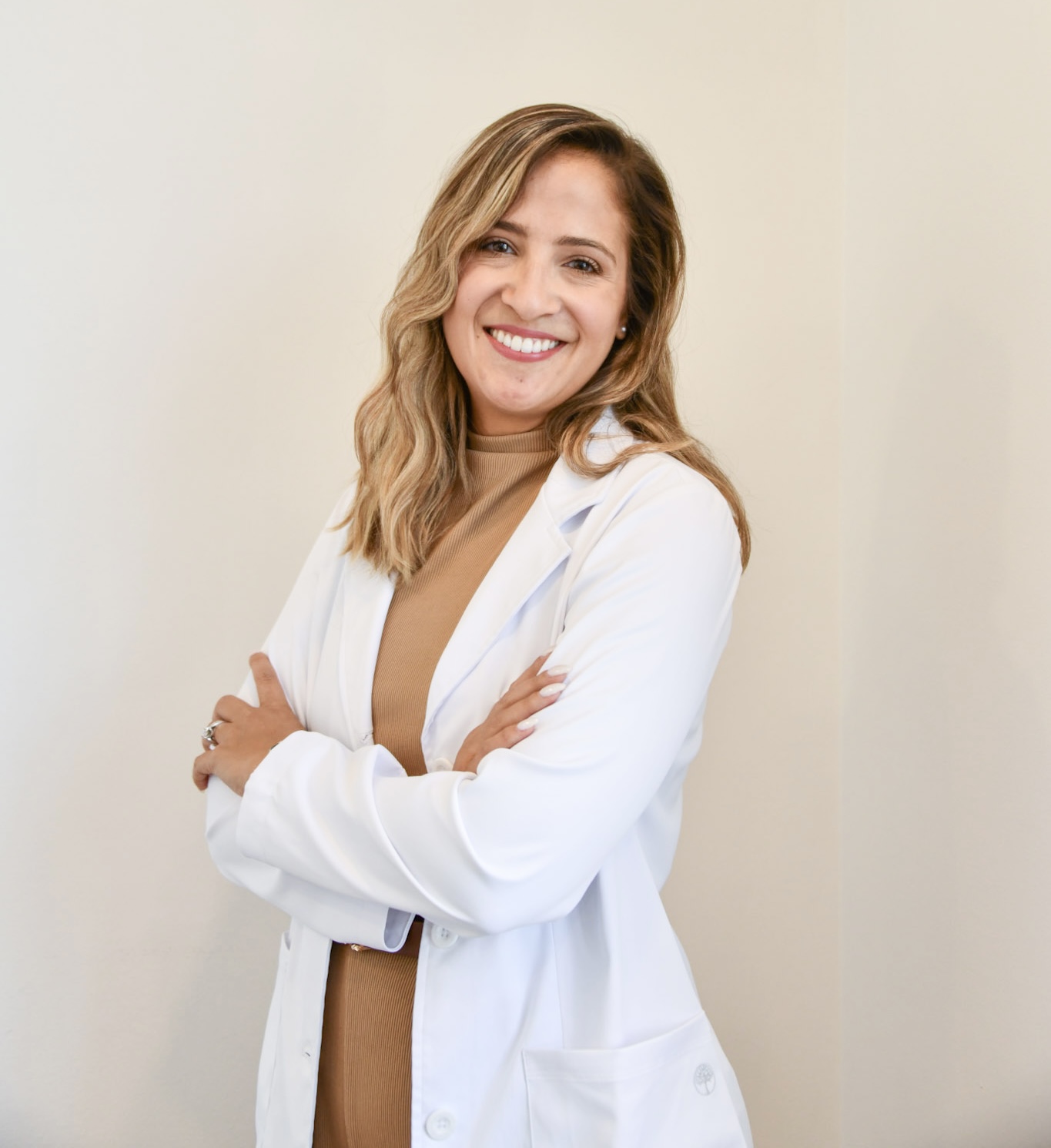
Today we’d like to introduce you to Yahaira Colon.
Hi Yahaira, it’s an honor to have you on the platform. Thanks for taking the time to share your story with us – to start maybe you can share some of your backstory with our readers?
I’m a speech-language pathologist specializing in adult neurorehabilitation, and I’ve been practicing for over ten years. I began my career in a large hospital system, working in a Level I trauma and comprehensive stroke center. Over the years, I had the opportunity to treat patients across the entire continuum of care, from the ICU and acute care to inpatient rehabilitation and outpatient services.
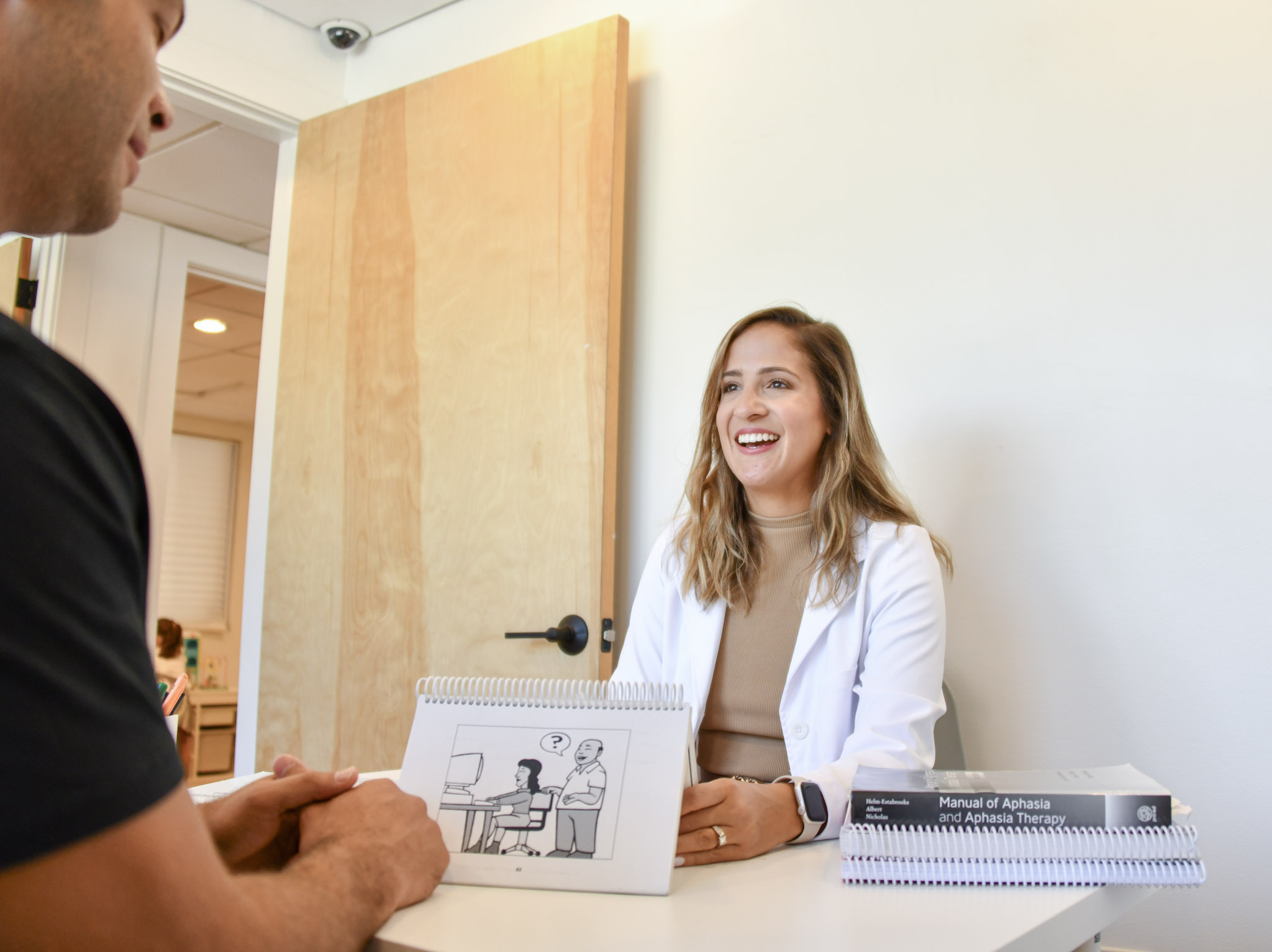
Working in those settings gave me a deep understanding of how neurological conditions impact communication, cognition, voice, and swallowing. Many people are surprised to learn that speech-language pathology is not just about pronunciation or articulation, our scope includes helping individuals regain language after a stroke (aphasia), improve cognitive skills after a traumatic brain injury, strengthen their voice in conditions like Parkinson’s disease, and even address swallowing disorders that can affect safety and quality of life.
While I loved my hospital work, I began to notice a significant gap in services once patients returned home. Adult speech therapy, especially neuro-focused therapy, was incredibly limited in the community. Many individuals were discharged home with ongoing needs but no specialized support. That didn’t sit right with me.
Two years ago, I decided to step out on my own and launch my private practice, Brainwaves Rehabilitation. My goal was simple: bring high-level, evidence-based neurorehabilitation directly into people’s homes.
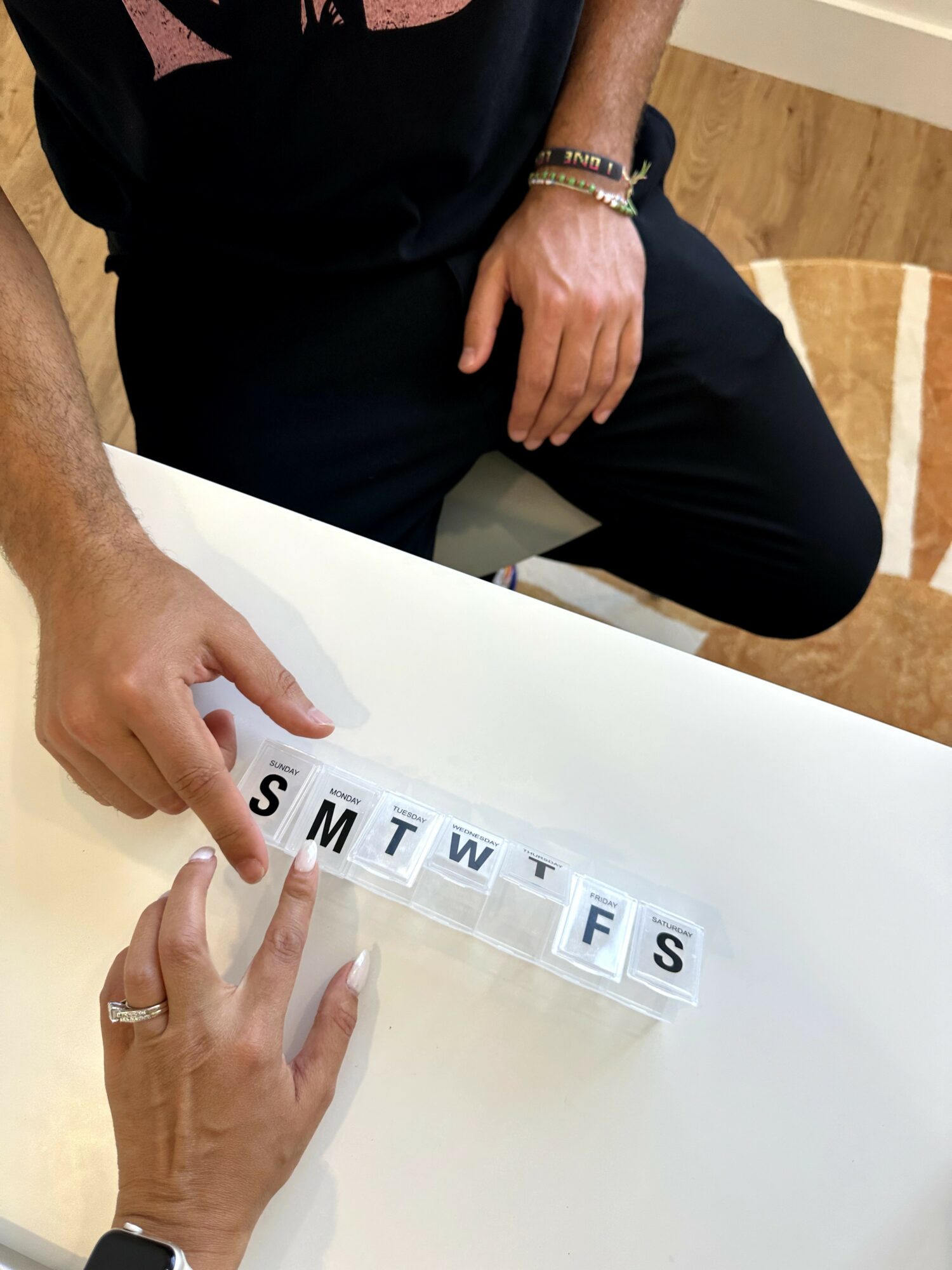
Providing therapy in the home environment has completely transformed the way I practice. When you work with someone in their own kitchen, their living room, their neighborhood, you’re not just targeting exercises on paper. You’re helping them communicate with their spouse at the dinner table, navigate conversations at church, order food at a restaurant, or safely manage medications. Therapy becomes functional, meaningful, and deeply personal.
I started slowly, building relationships with physicians, rehabilitation professionals, and community partners. Through those connections and word of mouth, my caseload grew steadily. Today, I have the privilege of serving adults throughout Miami who are recovering from stroke, living with Parkinson’s disease, managing dementia, or rebuilding their lives after traumatic brain injury.
What drives me most is seeing people regain confidence, not just in their speech, but in their identity. Communication is tied to who we are. When someone loses that, it impacts every part of life. Being able to help restore even a piece of that is incredibly meaningful to me.
Would you say it’s been a smooth road, and if not what are some of the biggest challenges you’ve faced along the way?
Has it been a smooth road? I don’t think any meaningful growth ever is.
Like any big leap, starting my private practice came with its share of challenges and moments of doubt. One of the biggest hurdles in the beginning was establishing consistent referral sources. When you leave a hospital system, you leave built-in infrastructure. Suddenly, it’s just you, your license, and a whole lot of faith. There were definitely seasons where my caseload was slower than I would have liked, and that required patience, and a lot of trusting the process.
Another major learning curve was stepping into the world of business and marketing. In graduate school, we learn how to treat aphasia and dysphagia, not how to build a website, understand SEO, manage branding, or navigate social media algorithms. I found myself Googling things like “What is a meta description?” at 11 p.m. after a full day of patient care. It was a completely different skill set, and I had to embrace being a beginner again.
Behind the scenes, there’s so much that people don’t see, website development, compliance, networking, community outreach, accounting, continuing education. It’s a lot. But every piece of it has stretched me in ways that have made me a stronger clinician and business owner.
If I’ve learned anything, it’s that growth requires both resilience and perspective. There were setbacks, yes – but there were also small wins that kept me going. A new referral. A thank-you message from a family. A physician trusting me with their patient. Those moments reminded me why I started. Looking back, I’m grateful it wasn’t perfectly smooth. The challenges built confidence, strengthened my relationships in the community, and made the success that followed feel even more meaningful.
Thanks – so what else should our readers know about BrainWaves Rehabilitation?
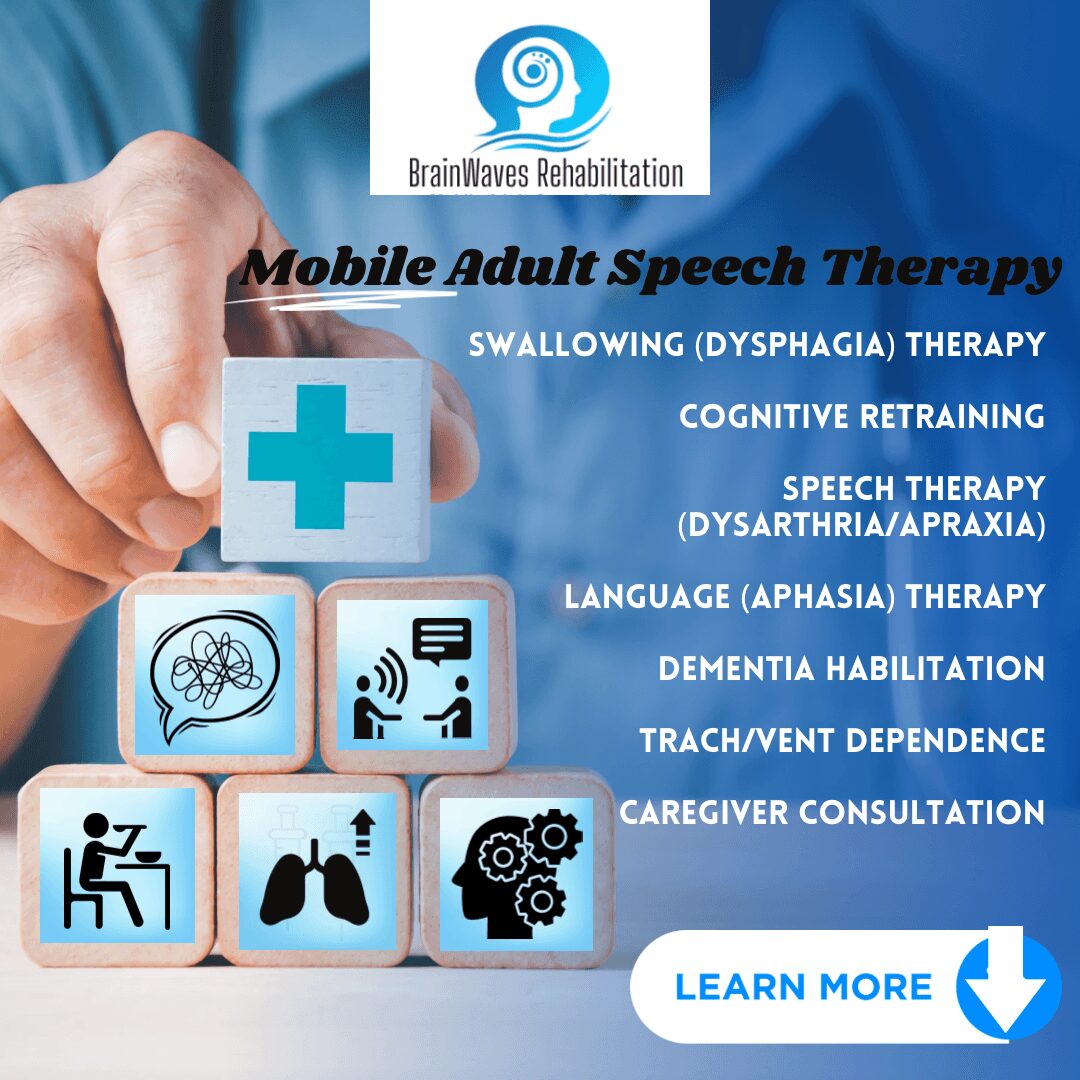
Brainwaves Rehabilitation is a private practice specializing in adult neurorehabilitation. I work primarily with adults who have experienced stroke, traumatic brain injury, Parkinson’s disease, dementia, and other neurological conditions that impact communication, cognition, voice, and swallowing.
What makes my practice unique is that it is highly specialized and intentionally personalized. I don’t offer generalized speech therapy, I focus on complex neurological cases and provide therapy in the home and community, where real life happens.
I am also a certified Montessori Dementia Care Practitioner, which has deeply shaped how I approach individuals living with dementia. Instead of focusing on deficits, I focus on preserved abilities, autonomy, dignity, and meaningful engagement. That philosophy influences all of my work, meeting people where they are and building from there.
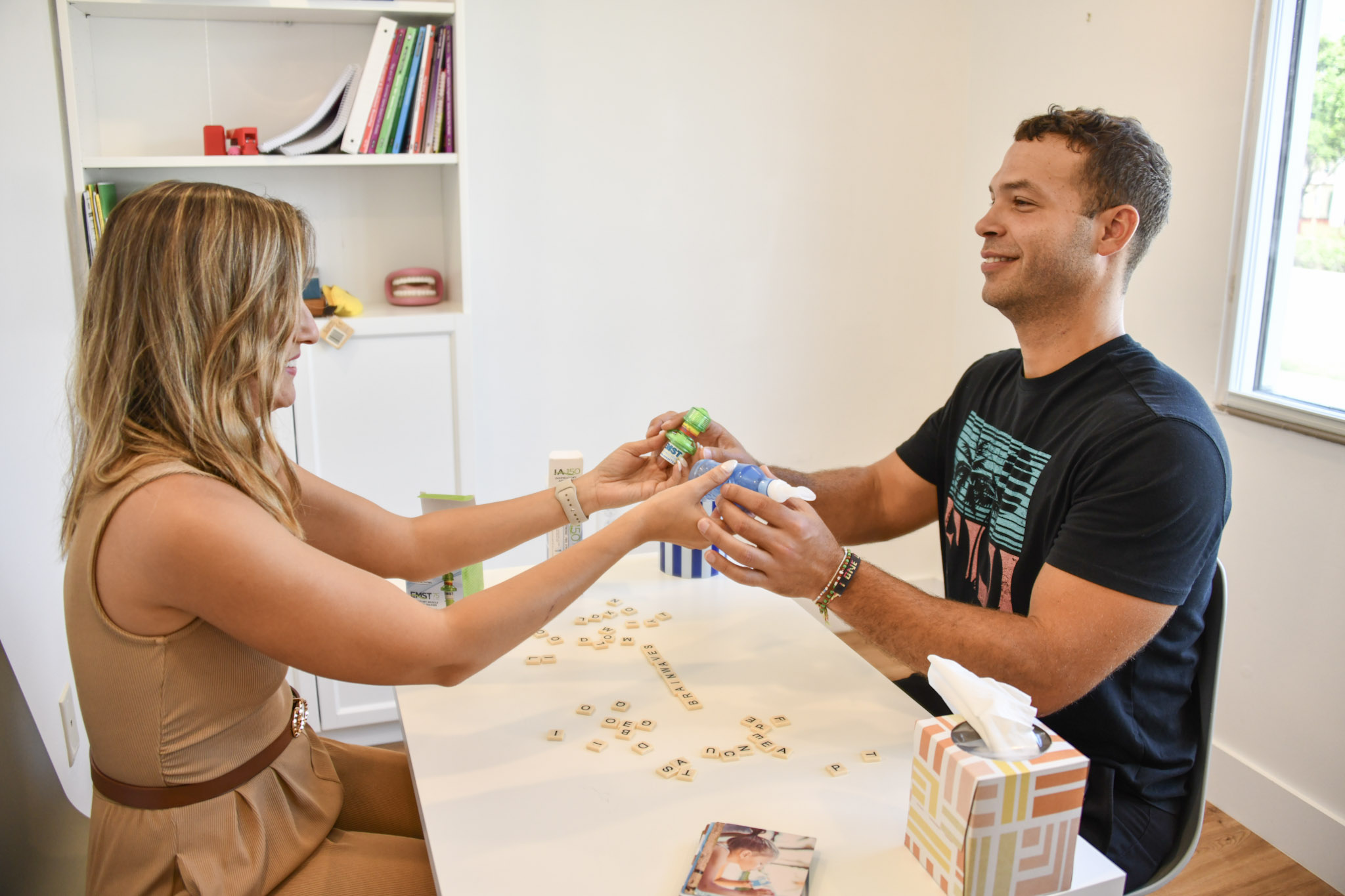
I have a special clinical interest in dysphagia management (swallowing disorders) and aphasia rehabilitation. Swallowing is deeply tied to quality of life, culture, and identity, and I take a thoughtful, holistic approach that balances safety with patient goals. In aphasia therapy, I focus not only on language exercises but on restoring confidence, participation in the community, and connection.
I’m often told that I “think outside the box.” I don’t believe therapy should only happen at a table, in an outpatient clinic or with worksheets. Sometimes therapy looks like practicing conversation at a restaurant, navigating a grocery store, participating in a book club, feeding the birds outside, or preparing a favorite family recipe in the kitchen. I prioritize what matters most to the patient (their routines, their roles, their relationships) and we build therapy around that.
At the core of my brand is a holistic philosophy: patients’ goals come first. Not just what is clinically measurable, but what is personally meaningful. If someone’s goal is to give a toast at their daughter’s wedding, return to church, rejoin a professional meeting, or simply enjoy dinner without fear of choking, that’s where we start.
Brand-wise, what I am most proud of is the trust I’ve built. Trust from my patients. Trust from their families. Trust from physicians and community partners. When families invite you into their homes during vulnerable seasons of life, that trust is sacred. It’s something I never take lightly.
Brainwaves Rehabilitation is rooted in clinical excellence, but equally in compassion, creativity, and community. My goal is not just improvement on paper, it’s helping people reclaim pieces of themselves and continue living fully, even in the face of neurological change.
What’s next?
Looking ahead, my goal is to continue growing Brainwaves Rehabilitation in a way that expands access to specialized adult neurorehabilitation in our community.
I would love to build a small, highly trained team of clinicians who share my philosophy of care, therapists who think holistically, prioritize patient-centered goals, and are comfortable stepping beyond traditional therapy models to meet patients in real-life environments. Training and mentoring future clinicians is something I’m very passionate about, and I plan to become more involved with graduate programs to support students entering the field. Our profession benefits when we pour into the next generation.
I’m also working toward developing more educational resources for patients and caregivers. When someone receives a diagnosis like stroke, Parkinson’s disease, or dementia, families are often overwhelmed and unsure of what to expect. I want to create practical, accessible tools that empower them, whether that’s digital guides, caregiver education materials, or structured programs that extend beyond traditional therapy sessions.
Ultimately, my vision isn’t just growth for growth’s sake. It’s impact. Expanding my reach means more families supported, more individuals regaining confidence, and more awareness about what speech-language pathology can truly offer in adult neurorehabilitation.
Contact Info:
- Website: https://www.brainwavesrehabilitation.com
- Instagram: https://www.instagram.com/brainwavesrehab
- Facebook: https://www.facebook.com/share/1D2fbTS6oo/
- LinkedIn: https://www.linkedin.com/in/yahaira-colon-410995194