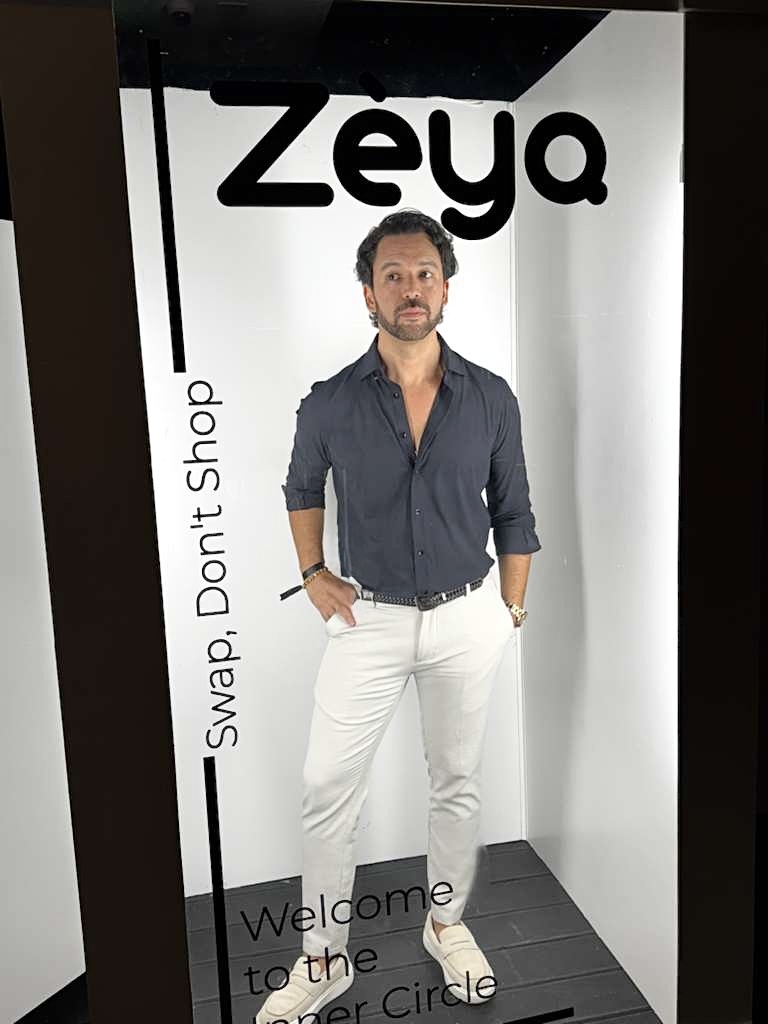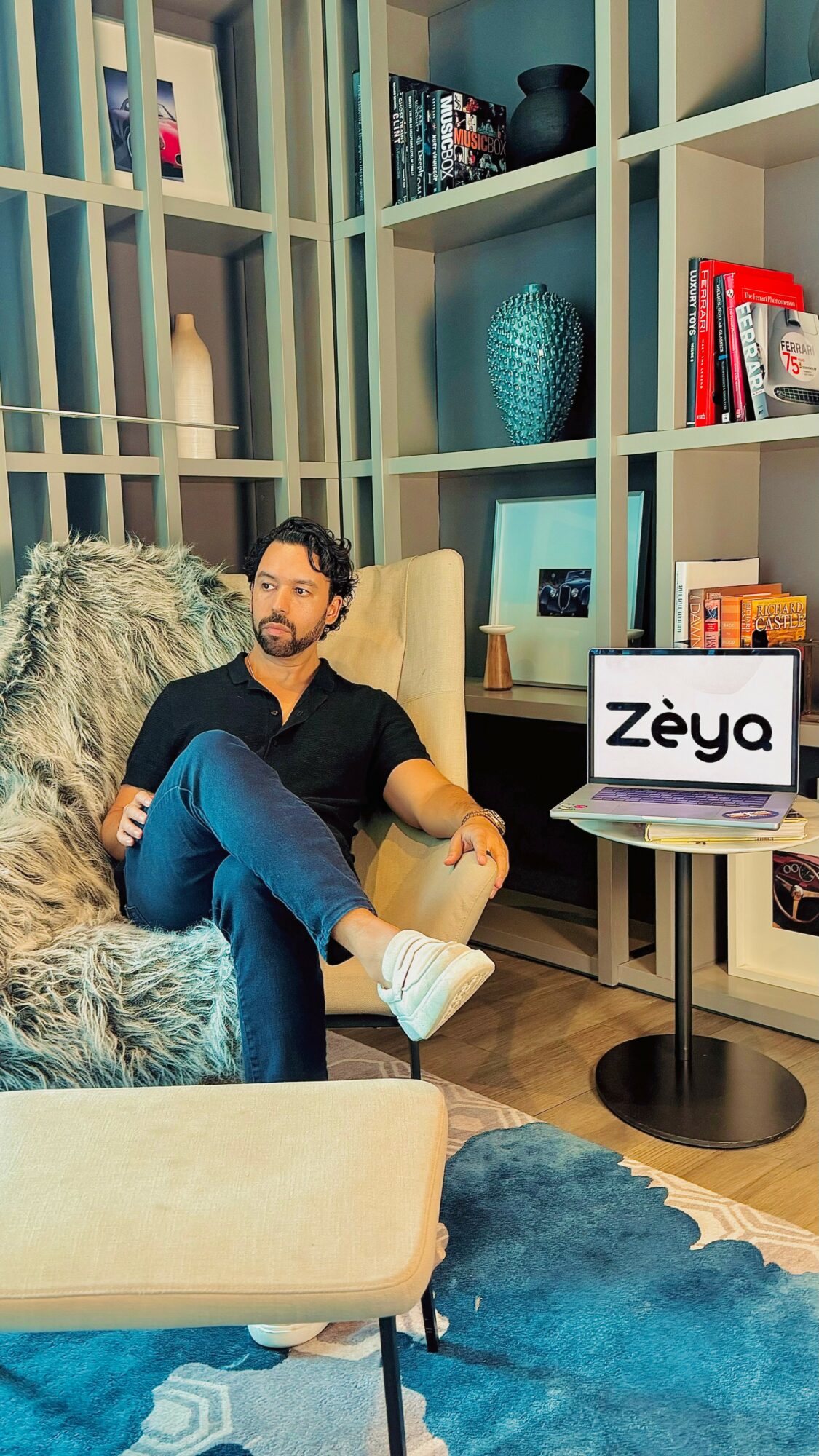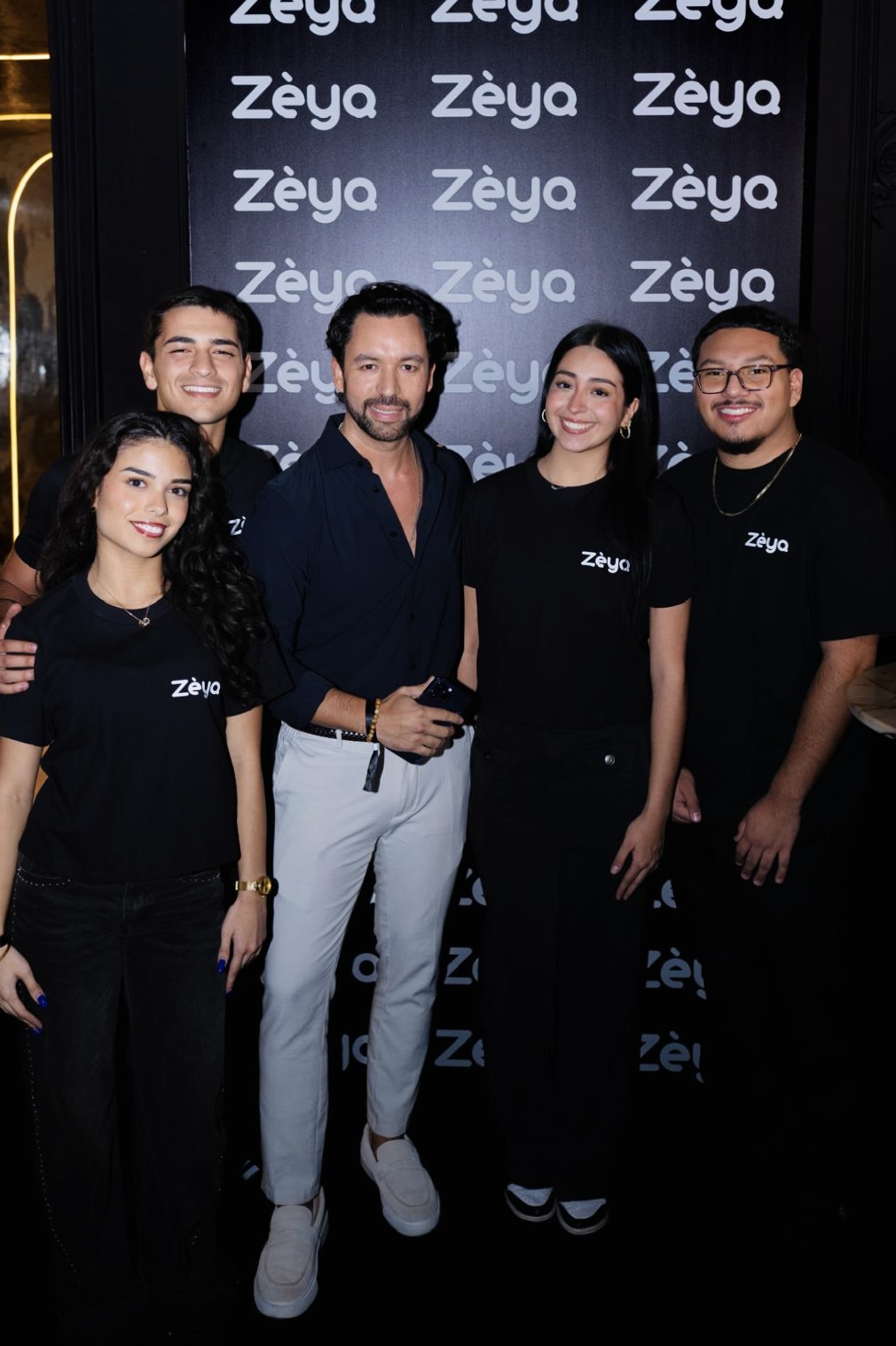






Today we’d like to introduce you to Mehdi Taifi.
Hi Mehdi, so excited to have you with us today. What can you tell us about your story?
I’m Moroccan American. I went to Rollins College for undergrad and graduate school, studied international business and later philosophy, and played competitive soccer, which probably taught me more about discipline and resilience than any classroom ever could. During college I worked as a sous-chef, then stepped into finance after graduating. I ended up on Wall Street, and later in Silicon Valley, where I joined Robinhood in 2017 when it was still a small startup. Watching that company scale into a global name was a defining experience and changed how I think about technology and impact.
After several years in fintech, I felt the pull to build something of my own. I launched Zèya, the first swipe-to-swap app, with a simple but powerful idea: value doesn’t always have to move through money. Instead of buying and selling, people could trade what they already have for what they actually need. What started as a prototype has grown into a real marketplace with tens of thousands of users across multiple cities..
Alright, so let’s dig a little deeper into the story – has it been an easy path overall and if not, what were the challenges you’ve had to overcome?
Not at all, it’s been anything but smooth.
Building something new, especially something that challenges how people are used to transacting, comes with friction. One of the biggest struggles was convincing people that bartering in a modern, tech-enabled way could actually work at scale. Investors tend to understand marketplaces, but when you remove money from the equation, it forces people to rethink value itself. That takes time.
There were also the classic startup realities: limited resources, building a product while refining the vision, making tough hiring and partnership decisions, and navigating moments where growth didn’t move as fast as I wanted. Some of the hardest moments weren’t external, they were internal. Deciding when to pivot, when to double down, and when to walk away from things that weren’t aligned.
But those struggles are what sharpen the company. Every constraint forced us to get clearer on our value proposition, more disciplined with capital, and more focused on building real traction instead of vanity metrics.
If it had been smooth, I’d probably be worried. The friction is what makes it real and ultimately, what makes it sustainable.
As you know, we’re big fans of The Zèya App. For our readers who might not be as familiar what can you tell them about the brand?
Zèya is the first swipe-to-swap marketplace, a peer-to-peer platform that allows people to exchange items (and soon services) without using money. Think of the familiarity of swiping, but instead of dating profiles, you’re matching on value.
At its core, Zèya specializes in rethinking how value is exchanged. Most marketplaces are built around buying and selling. We built ours around trading. That subtle shift changes behavior, it reduces financial friction, encourages sustainability, and unlocks value sitting unused in people’s homes.
What sets us apart is three things:
1. The user experience. Swiping makes discovery intuitive and engaging. Traditional marketplaces feel transactional and cluttered; Zèya feels dynamic and social.
2. Value-first logic. Our matching system and onboarding flow are designed to show users items they actually want not just random listings. We’re building smarter swap logic powered by AI to increase successful matches.
3. Cultural positioning. Zèya isn’t just an app; it’s a movement around bartering, sustainability, and community-driven commerce. We’re tapping into the growing thrifting and circular economy trend, but with a tech-forward approach.
Brand-wise, I’m most proud that Zèya feels modern and aspirational not “secondhand” or “discount.” We’ve positioned swapping as smart, intentional, and forward-thinking. That narrative shift matters.
Today, with tens of thousands of users and growing traction across major cities, we’re focused on building infrastructure around swaps: delivery partnerships, authentication services, storage integrations, and AI-powered inventory tools. The long term vision is to create a new layer of commerce one that coexists with traditional buying and selling but gives people more flexibility.
What I want readers to know is simple: Zèya isn’t about avoiding spending money. It’s about expanding what’s possible when value isn’t limited to cash.
Risk taking is a topic that people have widely differing views on – we’d love to hear your thoughts.
I don’t think of myself as a reckless risk-taker, I think of myself as a calculated one.
Risk, to me, isn’t about gambling. It’s about conviction. It’s about seeing something before it’s obvious and being willing to commit before the outcome is guaranteed.
One of the biggest risks I took early in my career was joining Robinhood in 2017 when it was still a small, fast-growing startup. It wasn’t the safe, predictable path. But I believed in the vision. That experience shaped how I think about asymmetric risk limited downside, massive upside if you’re right.
Launching Zèya was another major risk. I left comfort and stability to build something that didn’t have a clear blueprint. A swipe-to-swap marketplace isn’t a proven category. There’s no playbook for scaling modern bartering. That meant financial risk, reputational risk, and emotional risk. But I saw a cultural shift happening, people have more stuff than liquidity, and sustainability is becoming mainstream. I believed the timing was right.
How I think about risk now is simple:
• Understand the downside clearly. What’s the worst realistic outcome?
• Measure the upside honestly. If it works, how meaningful is the impact?
• Control what you can. Execution reduces risk more than overthinking ever will.
The biggest lesson I’ve learned is that inaction is also a risk. Playing it safe can quietly cost you opportunities you’ll never get back. The key is not avoiding risk, it’s making sure the risks you take align with your long-term vision.
Every meaningful milestone in my life came from stepping into uncertainty with preparation and belief.
Contact Info:
- Website: https://zeyaapp.com/
- Instagram: https://www.instagram.com/medimeds
- LinkedIn: https://www.linkedin.com/in/mehdi-taifi-bbb54a9