




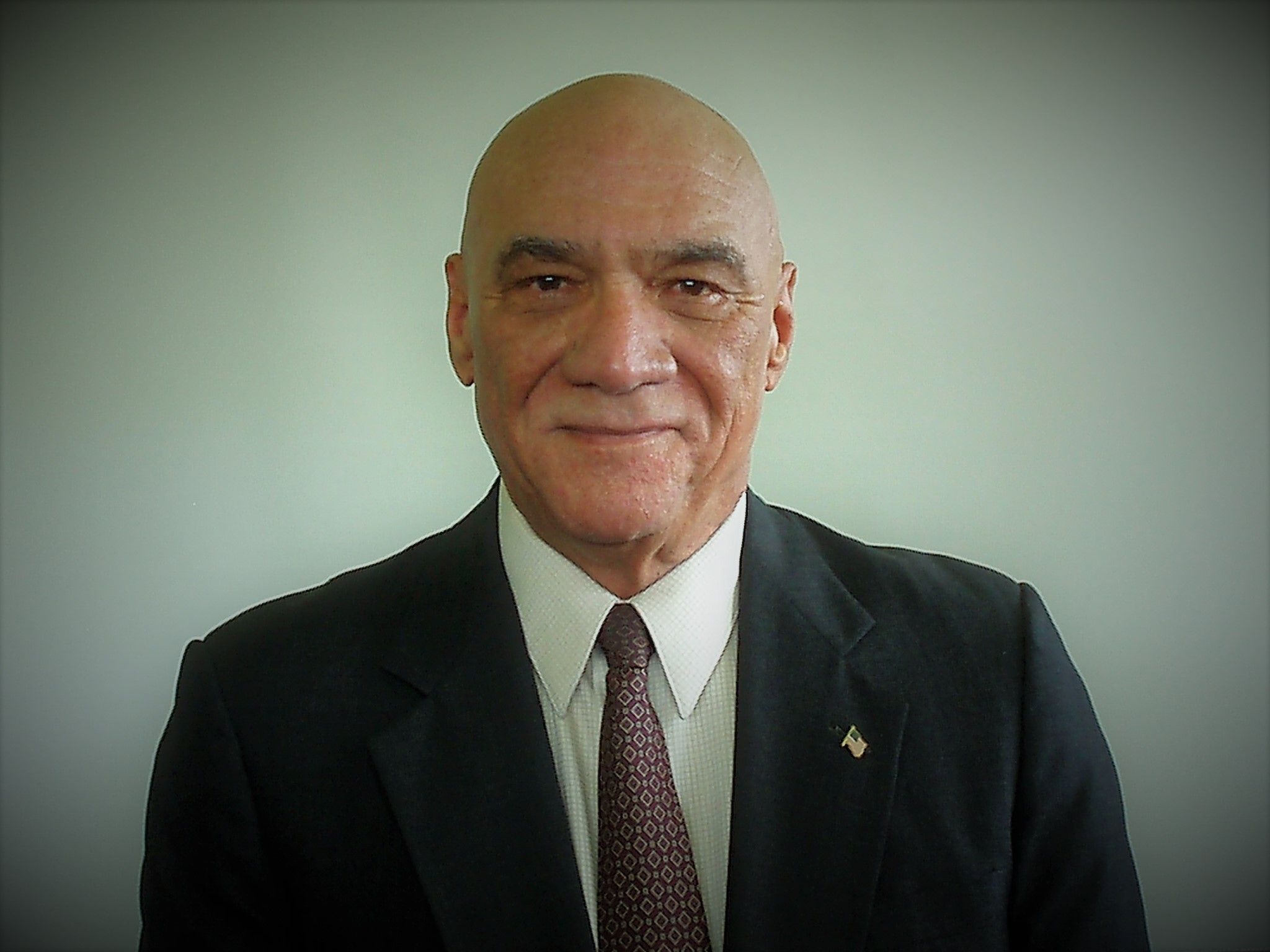
Today we’d like to introduce you to Frank Ramos.
Hi Frank, we’re thrilled to have a chance to learn your story today. So, before we get into specifics, maybe you can briefly walk us through how you got to where you are today?
Cuba FR Story
The year was 1961. It was about 3 PM on a Sunday in Matanzas, Cuba. The custom was that on Sundays, starting around noon, people would begin to gather in the city Square in downtown Matanzas, dressed in their best clothes, for an afternoon and evening of socializing with the community. The theater “Teatro Velazco,” the bus station, social clubs, and other important venues were located on the streets facing the Square. The theater would be playing the featured movie, beginning at 1 PM and running late into the night. My preference was to attend the early matinee with my friends and hang out in the Square afterward. I was alone that day, sitting purposely in the center of the theater, as it wasn’t overly crowded. During a very loud part of the action movie, a bomb exploded in the bathroom, which I later heard had injured or killed militia personnel.
When the lights came on, there was Armando Matalon with a group of uniformed, armed militia, pointing directly at me. “He did it,” he said. Immediately, I was arrested, dragged out of the theater, and met outside with a mob of Castro sympathizers chanting “paredon, paredon.”
The Police station was located about five blocks away from the Square, so I was escorted “arm-in-arm,” followed by the angry mob chanting “paredon.” Upon arrival at the station, I was taken to the last cell in the block where the cell window faced the firing squad wall. I was informed that in the morning, I would be facing the firing squad. There were no trials during the early days of the Revolution; if you were accused of an act against the Revolution, you were automatically guilty and executed.
I had no other information than that I was in big trouble. I did not know that a deaf-mute friend had seen me being arrested and ran to my house on the beach and told my mother what had happened. My mother, Carmen, was very influential in and outside the family. She immediately contacted my uncle Israel, a Commander with the same rank as Fidel Castro in Havana, to inform him of what had happened to me. There was no one in Matanzas with that high rank.
As the hours passed, I had a lot of time to think. How could I be so seriously accused of something I did not do? Where was justice? As a teenager, the furthest thing from my mind was bombs. I was mostly thinking about the girl who lived near the house that had smiled at me. Why Armando? I thought we were friends. I never had any fights or arguments with him.
I met Armando at Raul Miranda, the private school I was attending in the city, and invited him to hang out with the handful of kids from the beach. We mostly spent our time fishing, swimming, boating, bicycling, and spelunking. We had a leaky boat, which I had traded for my bicycle, snorkeling, and fishing gear. We had access to a baseball diamond and a hand or racquetball court at the Catholic church. We had gloves, bats, rackets, and balls. We had rope and lanterns for exploring the caves in the area known as “Las Cuevas de Bellamar.” In other words, our little group of friends was having the time of our lives at the beach, and Armando had become part of it in less than a year.
It must have been near midnight when I awoke from a stupor as I heard voices and commotion down the cell block. I had no idea what the disturbance was about when, suddenly, a group of soldiers appeared in front of my cell, and right there was my uncle Israel. “Let him go; he is my nephew,” he said. That was all it took; as they opened the cell door and I came out, I said, “Uncle, I did not…” (I meant to say, “I did not do it”). I never completed the sentence, and he hit me in the face so hard that I ran the five miles home without stopping. I hid in my room for weeks without peeking out the front door of the house.
While I was hiding, my uncle Orlando came to my house running from the police because of the Bay of Pigs invasion on April 17, 1961. The pro-Castro federal police were looking for invasion sympathizers, and apparently, he had been pointed out. I was so mad at him, I was hiding, and he was bringing a trail of police to my house.
Three friends and I tried to leave Cuba in a small boat during that summer, but had to sink it and swim back to shore because the Cuban Coast Guard searchlights almost spotted us. It probably was the best outcome since we had a leaky 14-foot wooden rowboat with a five-horsepower outboard motor, about 10 gallons of gasoline, and a few feet of rope. We had a couple of jugs of water and some crackers. We probably would have perished on the trek.
All this time, without me knowing anything about my coming trip to the U.S., my mother worked in the background gathering the necessary documents for me to come to the U.S. as a Pedro Pan through the Catholic Church. She knew I could not survive under the communist regime, that the government would kill me.
On Oct 11, 1961, just a few months later, I was at Camp Matecumbe in S.W. Miami, Fl.
For many years, I waited for the phone book to be published and looked for Armando Matalon to see if he had come to the U.S. I was not a born-again Christian then, and I don’t know what would have happened if I ever saw him face-to-face.
At a Pedro Pan breakfast in the 1990s, I told my story, and a cousin of the tyrant Armando informed me that he had done a lot of damage to people in Cuba, and I did not have to worry; there were many in line to kill him.
I never returned to Cuba; this October, it will be sixty years.
Frank Ramos (Camp Matecumbe Nickname “Superman”) Oct 11, 1961 – April 10, 1962
FORT LAUDERDALE, FL, July 25, 2025 /24-7PressRelease/ — Francisco J. Ramos, widely known as Frank, has been selected for inclusion in Marquis Who’s Who. As in all Marquis Who’s Who biographical volumes, individuals profiled are selected based on current reference value. Factors such as position, noteworthy accomplishments, visibility, and prominence in a field are all taken into account during the selection process.
As the visionary founder and CEO of Save the Water™ Inc., Mr. Ramos has been at the forefront of water purification and environmental conservation efforts for decades.
A Lifelong Commitment to Clean Water
Mr. Ramos’s passion for clean water began in 1969, long before founding Save the Water™ Inc. in Fort Lauderdale, Florida, in 1999. His early career as a self-taught chemical engineer involved extensive travel, providing him with firsthand insight into the global complexities of water contamination. This experience, including assessing environmental and water issues across various geographical locations, solidified his resolve to address water quality challenges, particularly those related to Contaminants of Emerging Concern (CECs) in drinking water. His expertise was recognized at the highest levels, resulting in two invitations to the White House for environmental conferences during Bill Clinton’s presidency.
“My goal has always been to ensure access to clean, safe water for everyone,” says Ramos. “The mission of Save the Water™ is to not only identify and remove harmful contaminants but also to empower communities through knowledge and innovative solutions.”
Driving Innovation and Education
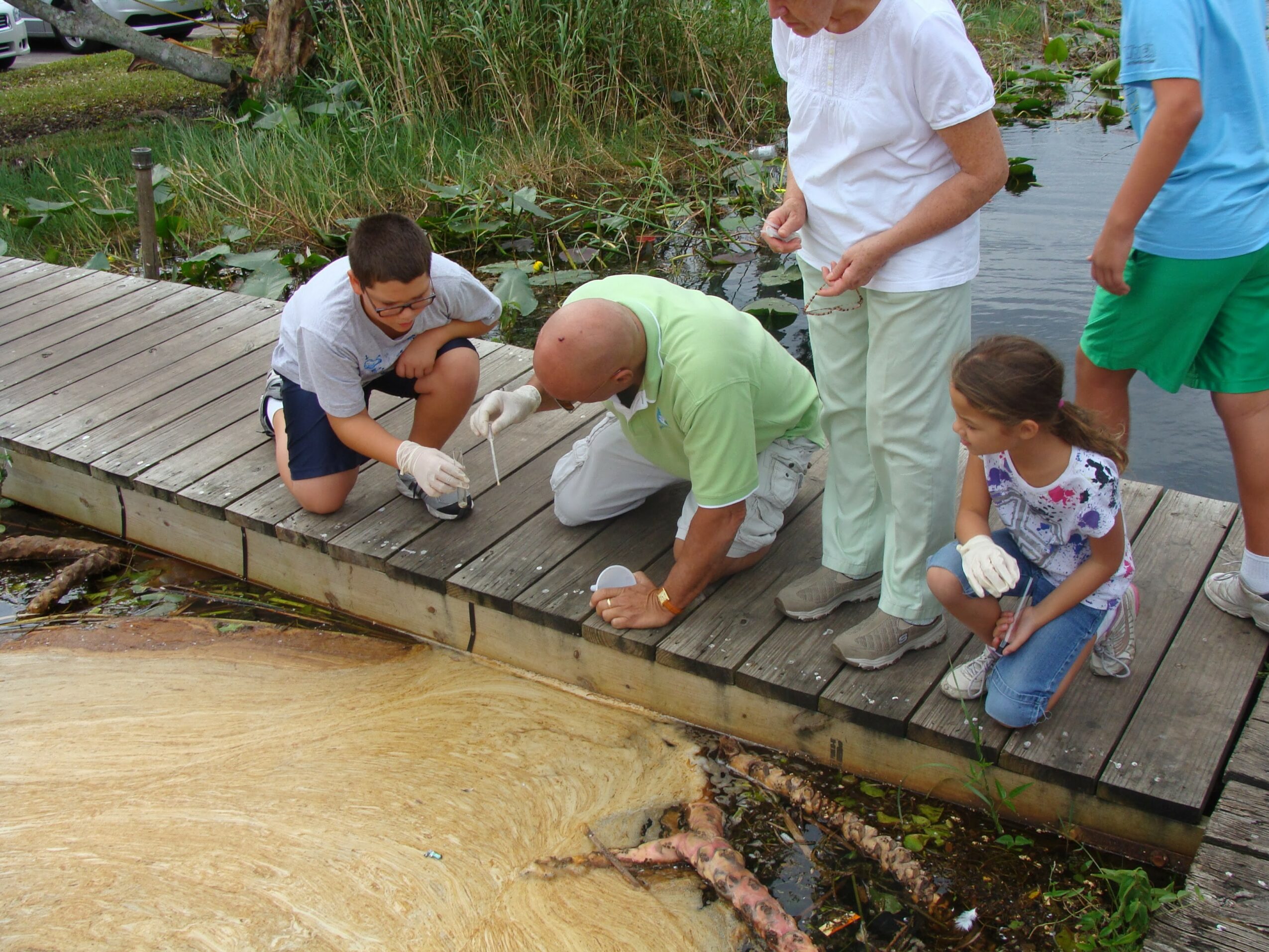
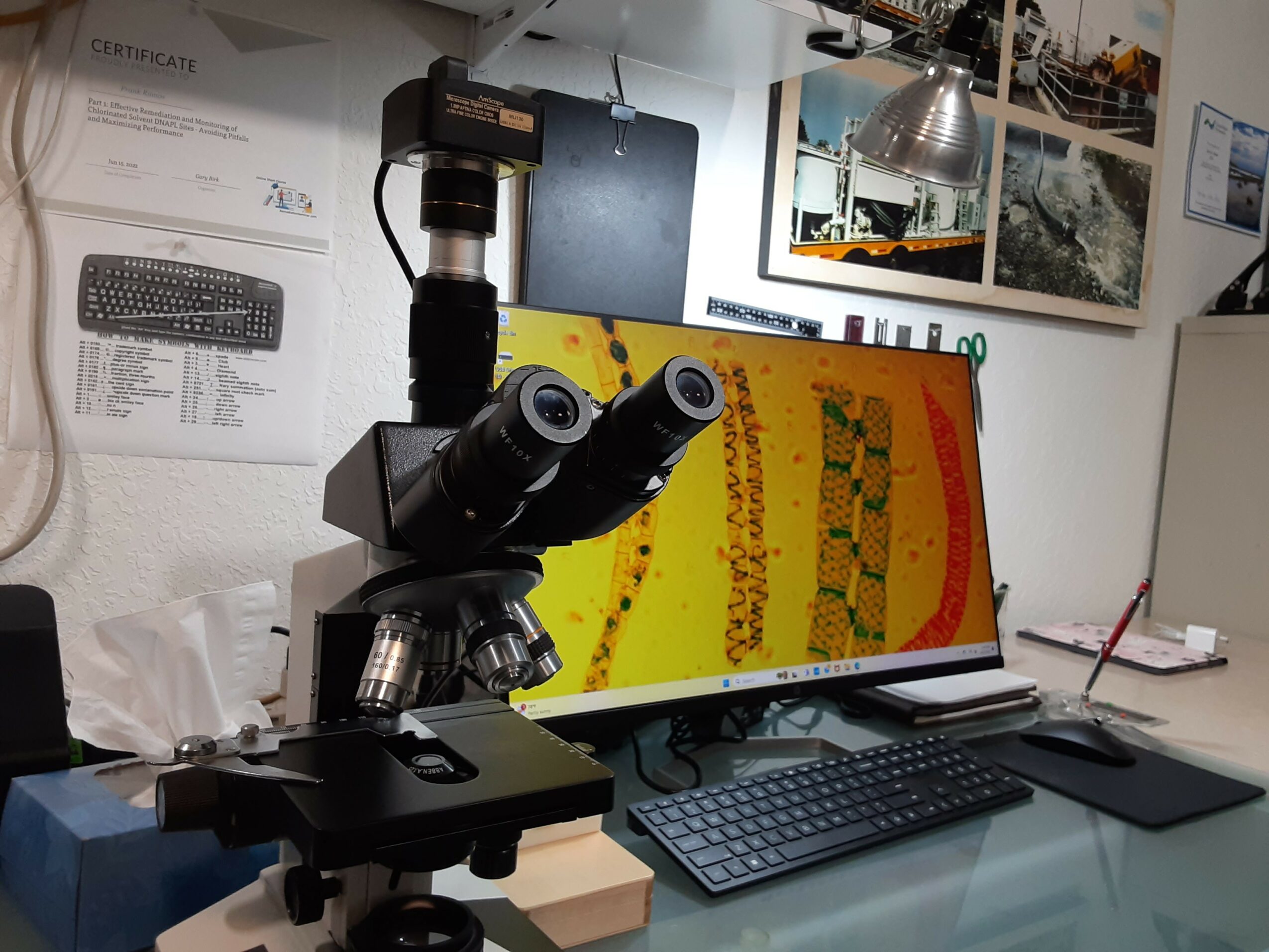
As the heart of Save the Water™ Inc., Mr. Ramos mentors the organization’s Research & Engineering team, guiding their efforts to optimize water treatment technologies, publish critical research, and expand the comprehensive Save the Water™ Contaminants of Emerging Concern (CEC) database. A key initiative currently underway is “A Comprehensive Water Quality Study of Endocrine Disrupting Chemicals, Carcinogens, Pesticides, Pharmaceuticals, and Other Contaminants of Emerging Concern in the Florida Everglades.” This vital project, conducted through the Save the Water™ Research Laboratory, aims to establish a baseline mapping of existing water quality to detect future changes in contaminant load and propose drinking water treatment technologies.
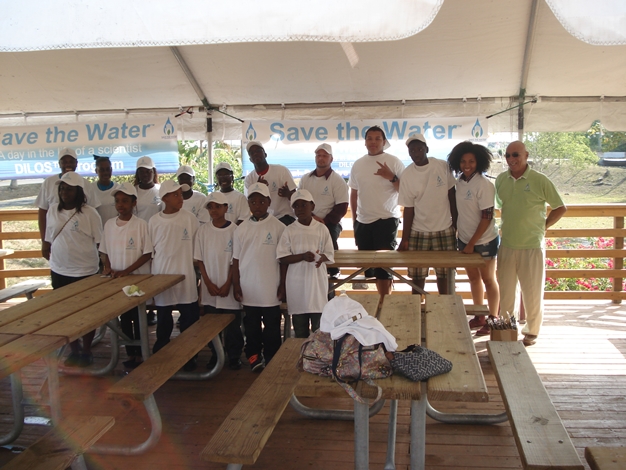
Beyond research, Mr. Ramos has also championed the Education Department at Save the Water™. Inspired by his vision, programs such as the “Day in the Life of A Scientist™” (DILOS™) for middle schools, the E-Summer Camp, and a compelling podcast series continue to educate and engage the public. New initiatives, including Water Facts, Infographics, an Internship Program, a DECA Partnership, the Global Water Impact Map, and the Art & Water Exhibition Competition, further expand the organization’s reach and impact.
Community Service and Future Vision
In addition to his professional achievements, Mr. Ramos is deeply committed to community service. He is a born-again Christian, a member of His Place Ministries, and a Gideon. He has volunteered for over a decade, distributing food at a South Florida Food Bank, and is a U.S. Army Veteran. These civic engagements underscore his commitment to creating a lasting positive impact beyond the realm of water conservation.
Looking ahead, Mr. Ramos is focused on establishing a state-of-the-art laboratory at Save the Water™ to become a leading “Authority in Water Quality.” This lab will be instrumental in the ongoing Everglades project and future efforts to address critical water contamination problems, reinforcing his lifelong commitment to environmental stewardship and groundbreaking water purification technology
Alright, so let’s dig a little deeper into the story – has it been an easy path overall and if not, what were the challenges you’ve had to overcome?
Raising funds for a nonprofit is a struggle. Rejection is often received where you expected repayment of favors.
Thanks – so what else should our readers know about Save the Water, Inc.?
1
A Comprehensive Water Quality Study of Endocrine Disrupting Chemicals,
Carcinogens, Pesticides, Pharmaceuticals, and Other Contaminants of
Emerging Concern in the Florida Everglades: Condensed Version
About Save the WaterTM
Save the Water™ is a 501 (c)(3) non-profit organization dedicated to researching, identifying,
and removing harmful contaminants in water. In addition, we work to raise public awareness
about water contamination and its health impacts. Although Save the Water™ operates mainly in
North America and follows scientific procedures established by the United States Environmental
Protection Agency (U.S. EPA), the impact of our analytical research and water treatment
technology is universally applicable. We value environmental stewardship through research,
communication, community building, and integrity in all our actions. We value our planet and
work to protect it for generations to come.
Contaminants are present in our water supplies. Our research team ensures that the chemicals
present in the North American waters are identified and their effects documented. Then, we
communicate this information in simple terms and share our knowledge so that every family in
the United States and Canada is aware of the health impacts of water pollution. Our scientists
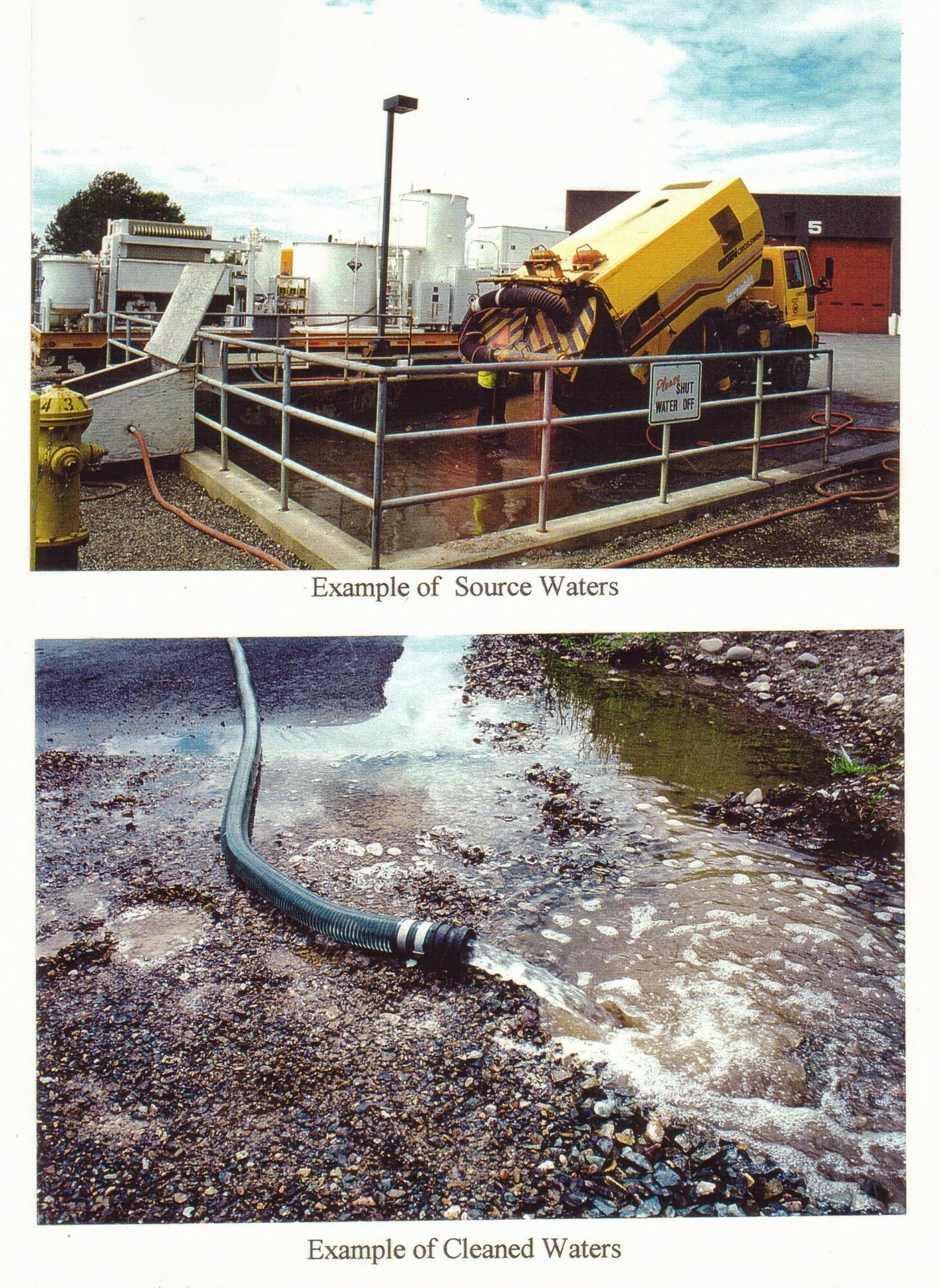
and engineers have designed water treatment technologies to remove dangerous pollutants in
water, making water cleaner for our families.
Introduction
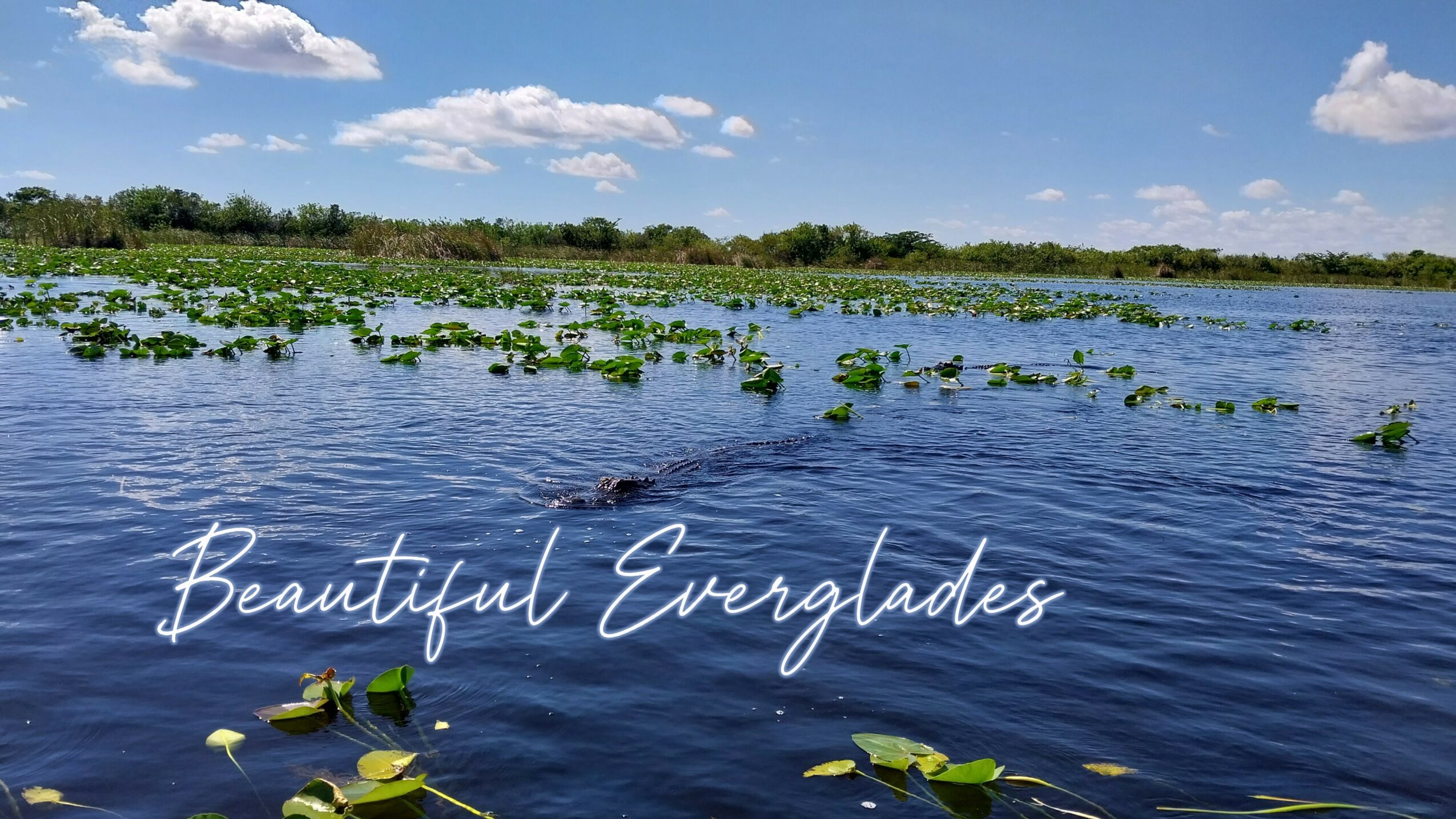
The Everglades is a marsh of tropical vegetation, a particular water body asset to South Florida,
and the most famous wetland on Earth. The diversity of native and invasive tropical aquatic life
is thriving in this rare ecosystem. At least nine different habitats have been identified in the
Everglades, including hardwood hammocks, pinelands, mangroves, coastal lowlands, freshwater
slough, freshwater marl prairie, cypress, marine, and estuarine.1 These widely varying habitats
provide a home for a uniquely diverse array of plants and animals. This places the hydrology of
the Everglades in a class of its own. When compared to other wetlands, the Everglades uniquely
depend on a lake, rainfall, and groundwater for recharging its water, unlike other wetlands that
depend on river flooding, such as the Pantanal of Brazil.2
The Everglades freshwater system begins near Orlando in the Kissimmee River, then moves to
the shallow lake Okeechobee, covering 730 square miles. This ecosystem has an average depth
of 3 feet with a flow of 34 meters per day and is susceptible to contamination and
bioaccumulation.3 The shallow, slow-moving waters provide the perfect conditions for settling
contaminants.
As an oversimplification, the Everglades is a dissected water system. This is due to the
construction of canals for flood control that deliver water to agricultural and urban lands. Some
sections are more predisposed to agricultural runoff. That runoff includes several pesticides,
some of which are known carcinogens. These sections are susceptible to nutrient loads that
2
degrade the ecosystem. Thirty percent of what has remained from the Everglades’ original region
has been converted into water conservation areas. However, the issue is that urban and
agricultural lands surround those areas.4
The increasing population and the accompanying environmental stress are impacting the
Everglades. According to the 2021-2022 U.S. Census data and a report prepared by the Tampa
Bay Economic Development Council, more than 1,200 people move daily into the State of
Florida.5 This then leads to a higher demand for water resources and more waste discharges into
the environment. There is a lack of comprehensive monitoring of the only source of freshwater in
South Florida for toxic substances such as carcinogens, and endocrine-disrupting chemicals such
as pesticides, pharmaceuticals, and industrial chemicals. This can lead to acute and chronic
health and environmental concerns. For example, endocrine-disrupting chemicals have been
associated with health problems that impact fetal and brain development, thyroid function,
infertility, obesity, prostate, breast cancer, and diabetes. Moreover, previous studies have
confirmed that hazardous chemicals contribute to significant health effects on aquatic species,
such as endocrine disruption in alligators.6,7 More than eight million people depend on the
Everglades water. Therefore, accurate information about toxic chemicals in the Everglades
protects current and future generations.
The harmful effects of unaccounted Contaminants of Emerging Concern (CECs) combined with
other CECs, exponentially increase their effect. This can happen either by synergy, additive
impacts, or radiation actions.8 The U.S. EPA identifies thousands of individual chemicals as
CECs, including endocrine-disrupting chemicals. However, no organization has been testing
these chemicals in the Everglades.9 Thus, a planned monitoring and testing approach is needed to
protect this natural ecosystem and public health.
Problems
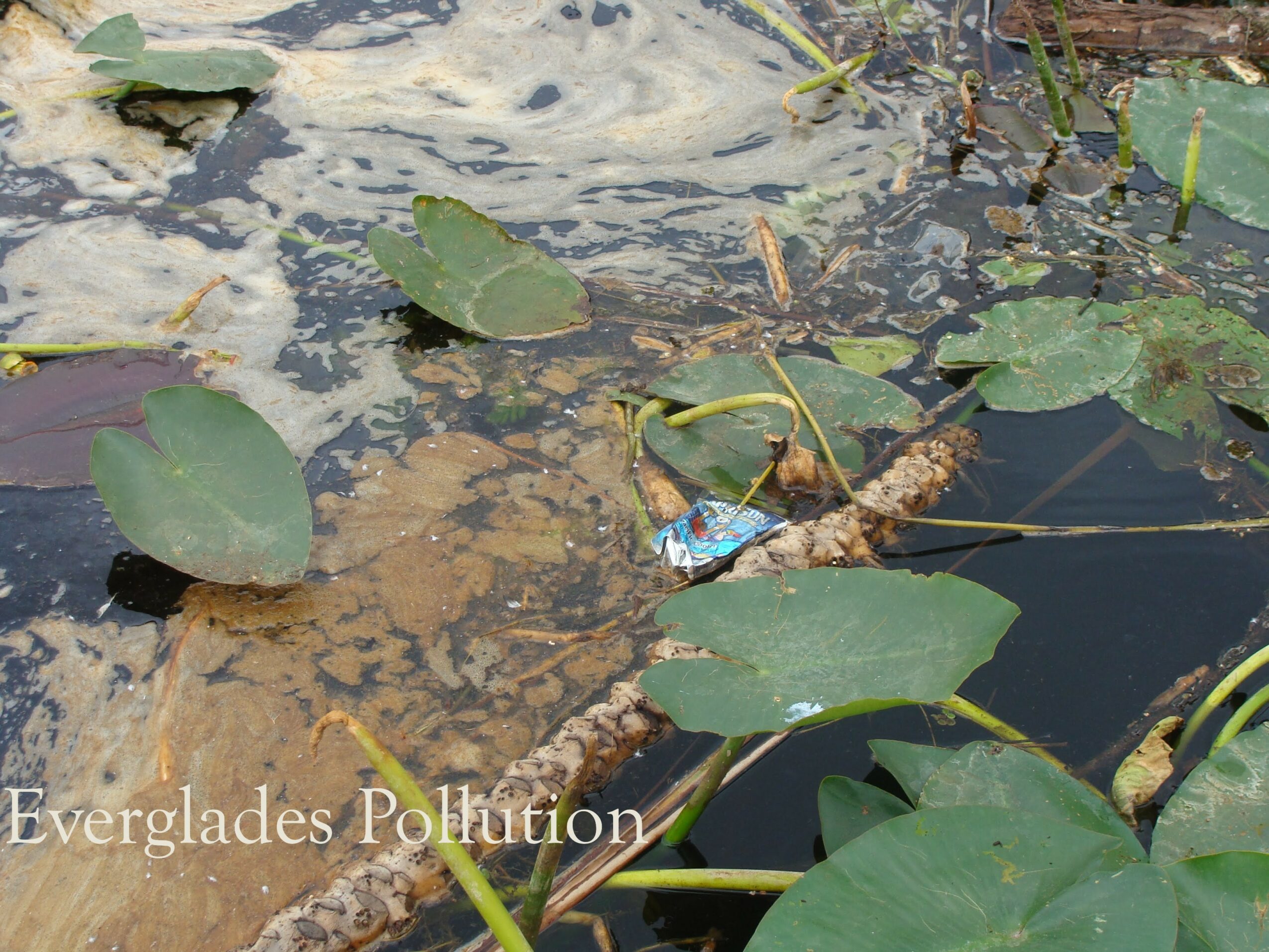
The Everglades faces an imminent and multifaceted water contamination crisis. This crisis has
emerged due to inadequate water quality monitoring, exacerbated by many environmental
stressors stemming from population growth, invasive species, agricultural activities, and
catastrophic water discharges. These issues collectively pose a severe threat to the unique
ecosystem of the Florida Everglades, its indigenous species, and the provision of clean drinking
water to South Florida residents.
Contributing Issues
1. Cocktail of Unknown Chemicals: The surging population growth near the Everglades
primarily drives environmental stress. This demographic expansion increases chemical
usage, resulting in a dangerous cocktail of pollutants. The cumulative effects of these
pollutants are further magnified due to synergistic reactions and interactions between
chemicals, accentuating the pollution problem.
2. Invasion of Non-native Species: The relentless invasion of non-native species disrupts the
delicate ecological balance of the Everglades. These invasive species outcompete native
flora and fauna, compounding the ecosystem’s vulnerability and exacerbating water
quality issues.
3
3. Catastrophic Water Discharges: Hurricanes and heavy rainfall events release excessive
water into the Gulf of Mexico and the Atlantic Ocean. These discharges, while aimed at
mitigating flooding risks, inadvertently lead to adverse consequences. These include the
depletion of oyster populations, increased bacterial contamination, and pollution of vital
coastal fishing grounds. The continuation of these discharges poses a grave threat to the
Everglades ecosystem.
Additional Issues
● Agricultural and Industrial Pollution: Florida’s thriving agricultural and industrial sectors
contribute significantly to water contamination. The discharge of millions of gallons of
inadequately treated sewage and pollutants leaching from landfills further exacerbates the
problem.10 Agricultural practices, especially the use of fertilizers and pesticides, result in
the discharge of over 45 pesticides into the ecosystem.11 Some of these pesticides are
considered likely carcinogens and endocrine-disrupting chemicals.12, 13
● Shortcomings in Water Treatment: Current drinking water treatment facilities in the
region need to effectively remove many dangerous chemicals, including CECs,
pesticides, endocrine-disrupting chemicals, and carcinogens. Additionally, the complex
interactions, consequences of their mixture, and long-term impacts over a human’s
lifetime or on the ecosystem are not well known, even at low doses or exposures. A
literature review of peer-reviewed articles focusing on insecticides concluded that
agricultural insecticides threaten surface waters on a global scale.14 The same literature
review extrapolated data from other peer-reviewed studies, identifying parts of South
Florida that regularly exceeded regulatory threshold levels for insecticides in crop areas.
Current drinking water treatment facilities fall short of adequately removing numerous
hazardous chemicals, including contaminants of emerging concern and pesticides. This
inadequacy exposes the local population to potential health hazards through the
consumption of tainted water.
19
● Bioaccumulation of Persistent Organic Pollutants (POPs): The unique hydrogeology and
characteristics of the Everglades, such as its shallow waters and slow flow, create ideal
conditions for contaminants to precipitate and accumulate in sediment. The
bioaccumulation of POPs in the ecosystem poses long-term challenges due to their slow
biodegradation and potential harm to future generations.15, 16
● Alarming Scale of Pesticide Use: The widespread and persistent use of pesticides in the
United States, exceeding one billion pounds annually, underscores the pervasive nature of
chemical pollutants in our environment and their potential impact on ecosystems like the
Everglades. Worldwide, the volume of pesticide use has jumped to 5.6 billion.17
● Runoff and Habitat Devastation: Nutrient runoff from neighboring agricultural regions
poses a significant threat to the diverse habitats within the Everglades. Elevated
phosphorus concentrations contribute to habitat degradation, particularly in the northern
4
Everglades.9 The variability in total nitrogen load underscores the complexity of
addressing nutrient-related challenges.18
The Everglades is in critical danger due to a perfect storm of environmental stressors. Urgent
action is imperative to safeguard this natural treasure and ensure the well-being of the
environment and the human population.
Solutions
The objective of this proposal is to set up a state-of-the-art water analytical laboratory to support
the monitoring of the water and sediment quality in the Florida Everglades and ensure the future
preservation of the ecosystem. The desired outcome is to protect the Florida Everglades from
further contamination by monitoring water quality. This can be done by establishing a
state-of-the-art water analytical laboratory that can financially support the Everglades Water
Quality Study and is thus self-sustaining.
The proposed solution will be capable of analyzing parameters to comply with the Safe Drinking
Water Act (SDWA) and the Clean Water Act (CWA). Quality assurance guidelines for laboratory
and field operation procedures will be established under ISO 17025. The laboratory will conduct
a comprehensive and continuous water quality study of the Florida Everglades to identify and
monitor contaminants and provide accurate data to address the pollution problem. Additionally,
the laboratory will offer analytical services for water, water extracts, and sediments to markets in
Florida, the Caribbean, and Central and South America, generating funds to support the
Everglades Water Quality Study.
The selection of sampling sites hinges on a dual criterion of priority and proximity. Priority is
determined based on existing contamination levels of pesticides as officially documented by the
South Florida Water Management District (SFWMD). In contrast, proximity is governed by
locations suspected of releasing contaminants. Sites close to manufacturers that use hazardous
chemicals and those associated with the ongoing Comprehensive Everglades Restoration Plan
(CERP) initiative are shortlisted. The number of these sites will expand dynamically with the
accumulation of data to optimize coverage across the Everglades region.
While STW™ intends to monitor the 26 sites already tested by SFWMD, our plan extends to
encompass an additional 74 sites. This extension facilitates a comprehensive evaluation of
pesticides and other toxic substances. The visualization in the figure below juxtaposes SFWMD’s
sampling locations with STW™’s proposed sites. They are strategically positioned based on
potential pollution sources. The augmentation of sites arises from the necessity to monitor
multiple contaminants, making the study more comprehensive and insightful.
This augmentation of sites bears many benefits. It allows for a more nuanced understanding of
contaminant distribution, sources, and potential impacts. Consequently, the insights gleaned from
this expanded approach will empower informed decision-making, policy formulation, and
intervention strategies.
Our approach to sample collection adheres to established protocols endorsed by the U.S. EPA,
employing both grab samples and automated methods as appropriate. Ensuring the integrity of
5
samples is paramount. To this end, primary equipment such as gas chromatographs,
inductively-coupled argon plasma spectrometers, liquid chromatographs, and autoanalyzer
spectrophotometers will be meticulously segregated and maintained in separate workspaces to
preclude cross-contamination.
To initiate real sample analysis, STW™ will undergo rigorous performance demonstrations for
equipment, personnel, and quality systems, gaining accreditation through NELAP by the Florida
Department of Health. This accreditation necessitates ongoing quality compliance monitoring,
both internally and externally. A key milestone is the ability to process 1,000 water samples
weekly, demonstrating operational efficiency and capacity.
The core mission centers on conducting an exhaustive, continuous, and sustainable study of
water quality in the Florida Everglades. This entails analyzing water, sediments, and selected
biological samples for the presence of various emerging contaminants. Continuous monitoring
facilitates the detection of shifts in contaminant concentrations, with prompt reporting to both
authorities and the public through research papers disseminating study findings.
Adherence to stringent policies, standard operating procedures (SOPs), and an environment
devoid of undue influences ensures technical integrity. The overarching goal is to establish a
state-of-the-art water analytical laboratory that serves as a bulwark for preserving the Everglades
ecosystem. This initiative envisions an empowered future where the laboratory sustains the study
financially and contributes to the perpetual safeguarding of the Florida Everglades from
contamination threats.
6
Actions
The foundation of our strategy rests on rigorous testing to validate our hypotheses. In this
pursuit, we propose the establishment of a robust and sustainable laboratory equipped with
cutting-edge water analytical chemistry technology. This facility will enable precise analysis of
7
samples collected from numerous sites to identify and quantify CECs. This initiative
encompasses two vital components: Program Implementation and Goals. It should be noted that
the Program Implementation is an idealized goal but may be implemented in stages, depending
on funding and logistical challenges.
Program Implementation
1. Hiring Key Personnel: Within the initial three months of operation, we will onboard a
Laboratory Manager and Quality Assurance Officer, who will spearhead hiring section
chemists and pivotal lab staff. Ensuring personnel qualifications, training, and continuous
evaluation is central to our approach, aligning with NELAP requirements.
2. Quality Manual and Standard Operating Procedures (SOPs): A comprehensive Quality
Assurance Manual will guide our operations, setting the standards for consistent quality.
SOPs will codify methods for reproducible processes, and fostering accuracy.
3. Equipment and Supplies: Selection of supplies and equipment from approved sources,
maintaining equipment functionality, and adhering to environmental test methods will be
pivotal. Segregation of primary equipment will ensure precision.
4. Lab Setup: The laboratory layout will prioritize minimizing cross-contamination risks
with vigilant door access and external monitoring. Adequate climate control and
ventilation will maintain optimal conditions, safeguarding equipment and sample
integrity.
5. Methods Development: All procedures will undergo rigorous validation before
deployment. Our methods will adhere to industry standards and documented protocols,
ensuring data generation with acceptable accuracy and precision.
6. Accreditation under Florida NELAP: Our accreditation process aligns with the National
Environmental Laboratory Accreditation Program (NELAP) administered by The
NELAC Institute (TNI). This accreditation underscores our commitment to meeting
recognized standards and producing legally defensible data.
7. Sample Analysis and Quality Compliance: Analysis of real environmental samples will
commence only after securing NELAP acceptance. We will uphold continuous quality
compliance through internal and external monitoring, with an initial capability to analyze
at least 1,000 water samples weekly.
8. Acquiring Commercial Clients: Our Sales and Marketing teams will employ a
multifaceted approach to attract diverse clients, leveraging omnichannel campaigns
tailored to regional market demands and our laboratory’s capabilities. These campaigns
will harness digital tools and direct interactions to maximize outreach.
Operational Goals and Objectives
Our trajectory spans multiple years, marked by progressive objectives.
8
1. First-Year Goals: In the first year, the laboratory’s establishment, equipment procurement,
personnel hiring, and initial accreditation work will be paramount. Over three planning
years, we’ll develop field operations and logistics for efficient sample collection while
motivating broader water quality research.
2. Second-Year Focus: Our second-year goals are to commence sampling and analytical
work, map contaminating chemicals, and establish present-day baseline contaminants.
The monitoring will encompass a wide array of parameters specified by regulations,
offering a comprehensive view.
3. Third-Year Expansion: In the third year, our focus intensifies on categorizing chemicals
by toxicity and health effects while expanding into research for more sensitive detection
methods. Collaborations with universities will enrich our toxicology studies, enhancing
our understanding of contaminant impacts.
4. Financial Goals: Our financial goals align with our sustainability mission. We intend to
begin marketing and selling analytical services in the first year, aiming to accumulate
$2,300,000 from services provided to NPDES permit holders by the third year. These
funds, combined with the fourth-year cash flow, will support the lab’s financial
independence from the fifth year onwards.
5. Ultimate Operational and Financial Goals: By the fourth year, our lab will operate at full
capacity, serving many clients and maintaining continuous water research. Financial
autonomy will be achieved, covering all expenses through client services. This financial
independence will empower us to initiate self-funded research and humanitarian
endeavors, exemplified by implementing our patented FloNox™ technology for water
treatment in underserved regions.
Significant starting and operating capital will be needed for the first three years, approximately
$1.6 million per quarter for 12 quarters, to achieve these goals. With this budget, pressure can be
taken off projected sales to allow the team to focus on setting up processes and providing
high-quality services. As such, we seek to raise these initial funds primarily through donations.
The co-naming of the Everglades proposal is an option for a substantial donor.
The central essence of our approach revolves around establishing this state-of-the-art laboratory
that serves as an epicenter for generating high-quality, actionable data. Through meticulous
planning, adherence to rigorous standards, and a vision of self-sufficiency, we aim to contribute
substantially to safeguarding water quality, enhancing public health, and preserving invaluable
ecosystems like the Florida Everglades.
For full project details, please contact researchandengineering@savethewater.org
info@savethewater.org;
9
References
1. U.S. National Park Service Everglades: Habitats And Plant Communities [Online] Habitats –
Everglades National Park (U.S. National Park Service) (nps.gov) (accessed Nov 7, 2023).
2. The Nature Conservancy Brazil: Pantanal.
tps://www.nature.org/ourinitiatives/regions/latinamerica/brazil/places we protect/pantanal.xml
(accessed May 11, 2018).
3. Fling, H.; Aumen, N.; Armentano, T.; Mazzotti, F. The Role of Flow in the Everglades
Landscape. Cir. 1452, IFAS Extension: Gainesville, FL, March 2015
http://edis.ifas.ufl.edu/pdffiles/UW/UW19900.pdf (accessed May 1, 2018).
4. South Florida Natural Resources Center Water Quality Program; U.S. National Park
Service/U.S. Fish and Wildlife Service: Boynton Beach, FL; Homestead, FL [Online]
so-fl-nrc-water-quality.pdf (npshistory.com) (accessed Nov 7, 2023).
5. https://tampabayedc.com/news/how-many-people-moved-to-florida-this-past-year/#:~:text=Marc
h%2029%2C%202023&text=Florida%20also%20ranked%20%231%20in,in%20per%20day%20
at%201%2C218.
6. Woodward, A.R.; Percival, H.F.; Rauschenberger, R.H.; Gross, T.S.; Rice, K.G.; Conrow, R.
Abnormal Alligators in Lake Apopka, Florida. In Wildlife Ecotoxicology: Forensic Approaches;
Elliott, J.; Bishop, C.; Morrissey, C., Eds.; Springer-Verlag: New York, 2011.
7. Guillette, L.J.; Crain, D.A.; Gunderson, M.P.; Kools, S.A.E.; Milnes, M.R.; Orlando, E.F.;
Rooney, A.A.; Woodward, A.R. Alligators and Endocrine Disrupting Contaminants: A Current
Perspective. Amer. Zoologist [Online] 2000, 40, 438-452.
http://citeseerx.ist.psu.edu/viewdoc/download?doi=10.1.1.621.5866&rep=rep1&type=pdf
(accessed May 15, 2018).
8. Ledoigt, G.; Sta, C.; Goujon, E.; Souguir, D.; El Ferjani, E. Synergistic health effects between
chemical pollutants and electromagnetic fields. Rev. Environ. Health [Online], 2015, 30, 4,
305-309. https://www.ncbi.nlm.nih.gov/pubmed/26598938 (accessed May 17, 2018).
9. Julian II, P.; Freitag, A.; Payne, G.G.; Xue, S.K.; McClure, K. Chapter 3A: Water Quality in the
Everglades Protection Area. 2018 South Florida Environmental Report: Volume 1; Report for
South Florida Water Management District: West Palm Beach, FL, 2018,
http://apps.sfwmd.gov/sfwmd/SFER/2018_sfer_final/v1/chapters/v1_ch3a.pdf (accessed May 9,
2018).
10. Marella, R.L. Water Quality Assessment of South Florida – Wastewater Discharges and Runof ;
FS-032-98 [Online]; United States Geological Survey, U.S. Department of Interior; United States
Geological Society: Denver, CO. https://fl.water.usgs.gov/PDF_files/fs032_98_marella.pdf
(accessed May 17. 2018).
11. Wells, B.; Fishel, F. M. Agricultural Pesticide Use in Florida: A summary, 2007–2009,
Publication #PI-235 [Online] 2011. University of Florida’s The Institute of Food and Agricultural
Sciences. View of Agricultural Pesticide Use in Florida: A Summary, 2007-2009 | EDIS (flvc.org)
(accessed Nov 7, 2023).
12. Gore, A.C.; Chappell, V.A.; Fenton, S.E.; Flaws, J.A.; Nadal, A.; Prins, G.S.; Toppari, J.; Zoeller,
R.T. EDC-2: The Endocrine Society’s second scientific statement on endocrine-disrupting
chemicals. Endocrine Reviews [Online], 2015, 36, 6, E1-E150. doi:10.1210/er.2015-1010.
https://www.ncbi.nlm.nih.gov/pmc/articles/PMC4702494/ (accessed May 17, 2018).
13. 2018 Edition of the Drinking Water Standards and Health Advisories Tables: The 2018 Drinking
Water Standards and Health Advisories (DWSHA) Tables were amended March 2018 to fix
typographical errors and add health advisories published after 2012; EPA 822-F-18-001; U.S.
Environmental Protection Agency [Online]; U.S. Environmental Protection Agency: Washington,
DC, 2018. 2018 Edition of the Drinking Water Standards and Health Advisories Tables (EPA
822-F-18-001) (accessed Nov 7, 2023).
10
14. Stehle, S.; Schulz, R. Agricultural insecticides threaten surface waters at the global scale. PNAS
(18). [Online early access]. DOI: 10.1073/pnas. 1500232112. Published Online: April 13, 2015.
http://www.pnas.org/content/112/18/5750 (accessed May 11, 2018).
15. La Merrill, M.; Emond, C.; Kim, M.J.; Antignac, J.; Le Bizec, B.; Clement, K.; Birnbaum, L.S.;
Barouki, R. Toxicological Function of Adipose Tissue: Focus on Persistent Organic Pollutants.
Environ. Health Perspectives [Online] 2013, 121, 162. https://ehp.niehs.nih.gov/1205485/
(accessed May 15, 2018).
16. Jacobs, M.N.; Covaci, A.; Schepens, P. Investigation of selected persistent organic pollutants in
farmed Atlantic salmon (Salmo salar), salmon aquaculture feed, and fish oil components feed.
Environmental Science and Technology, [Online] 2002, 36, 2797-805.
https://www.ncbi.nlm.nih.gov/pubmed/12144249 (accessed May 15, 2018).
17. Alavanja, M. C.R. Pesticides Use and Exposure Extensive Worldwide. Rev. Environ. Health
[Online] 2009, 24(4): 303–309. https://www.ncbi.nlm.nih.gov/pmc/articles/PMC2946087/
(accessed May 9, 2018).
18. Julian II, P.; Payne, G.G.; Xue, S. K. Chapter 3A: Water Quality in the Everglades Protection
Area. 2016 Florida Environmental Report – Volume 1; Report for South Florida Water
Management District: West Palm Beach, FL, [Online] 2016,
http://apps.sfwmd.gov/sfwmd/SFER/2016_sfer_final/v1/chapters/v1_ch3a.pdf (accessed May 11,
2018).
19. Report to the Chairman, Subcommittee on Interior, Environment, and Related Agencies,
Committee on Appropriations, House of Representatives, Water and Wastewater Workforce:
Recruiting Approaches Helped Industry Hire Operators, but Additional EPA Guidance Could
Help Identify Future Needs; GAO-18-102 [Online]; U.S. Government Accountability Office, U.S.
Government Accountability Office: Washington, DC, 2018.
https://www.gao.gov/assets/690/689621.pdf (accessed May 17, 2018).
We love surprises, fun facts and unexpected stories. Is there something you can share that might surprise us?
Most people outside of business are unaware of what I do.
Pricing:
- We need a total of $5,000,000 to totally fund the Everglades Clean Drinking Water Initiative
- We can start with $1,000,000 to become accredited for microbiology and wet chemistry
- We are asking for a donation of the price of a cup of coffee per month or $5 to $10
- $5 to $10 monthly donation for the Everglades
Contact Info:
- Website: https://www.savethewater.org
- Instagram: https://www.instagram.com/savethewaterinc/
- Facebook: https://www.facebook.com/savethewaterinc
- LinkedIn: https://www.linkedin.com/company/save-the-water/
- Twitter: https://x.com/savethewater
- Other: Lab 786-417-7000