



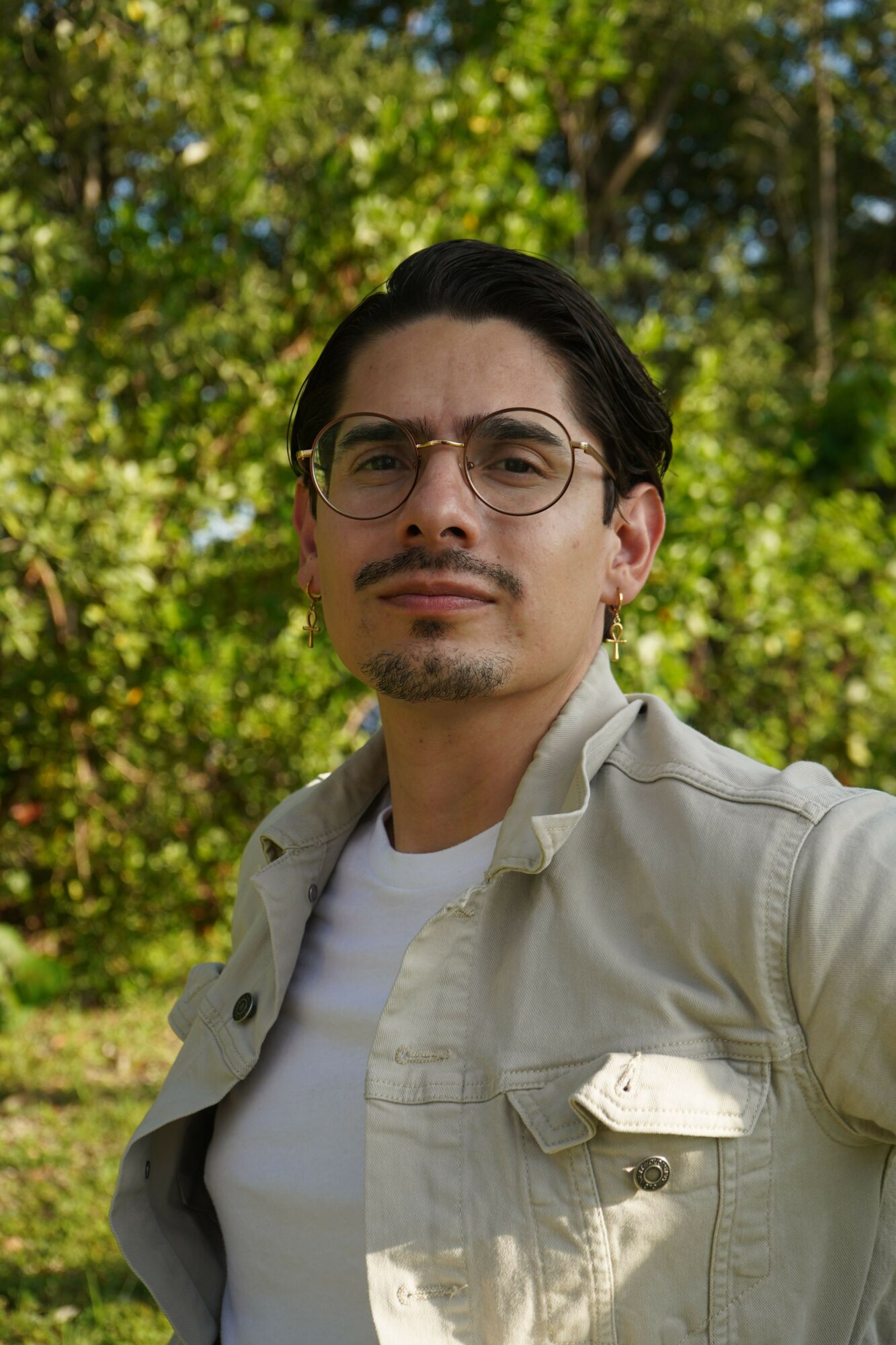
Today we’d like to introduce you to Zuriel Gonzalez.
Hi Zuriel, so excited to have you with us today. What can you tell us about your story?
My love for art sparked in elementary school the moment my art teacher introduced us to Vincent van Gogh. That’s when I fell in love with art—not painting specifically, but art itself. From that point on, I drew whenever I had the opportunity: at home, at church, and most of the time in school.
By middle school, music became a significant part of my life. Especially after taking guitar class, most of my attention shifted toward learning this new form of expression. Art took a back seat, and I wasn’t drawing as much outside of school. Music became my primary escape.
When high school arrived, I was known for my art, yet my internal world was still being reshaped by music. I reached a point where it influenced both what and how I drew. These two worlds began to merge as I re-learned how to express myself. Friends and family introduced me to many bands, including artists that eventually fueled my passion for attending concerts.
After I graduated, my initial inspiration resurfaced. I remembered what truly sparked my love for art: Van Gogh. This created an urge to begin painting and surround myself with color again. I had spent previous years drawing in black and white, exclusively using pencil and ink. Watching my friends and other artists use color was something I deeply admired. However, as fascinated as I was, I had a hard time understanding color theory. It never really “clicked” for me, though I kept trying to understand it to develop my own sense of style.
Picasso once said, “It took me four years to paint like Raphael, but a lifetime to paint like a child.” I resonated with that because when I began painting, it felt like I didn’t know the “correct” way to do it. By then, I had created many detailed, proportionate drawings, but painting was a new medium. Like a child, I used my materials to experiment with different techniques. I used the back end of brushes, wooden sculpting tools, and my fingers—anything other than what a traditional painter would use. It was like a toddler playing with a TV remote rather than a toy car. Without a specific structure, things definitely got messy; there was paint all over my canvases and my clothes. It was a complete learning process.
In my early 20s, I spent most of my nights staying at my aunt’s house, which provided the space I needed to truly dive into my work. While I saw others traveling and socializing, I was simultaneously working, attending college, and spending my time buying art supplies or staying up all night painting to perfect my craft. I still hung out with close friends and went to concerts frequently to see the bands that had impacted me, but those sleepless nights led me to become the artist I am today.
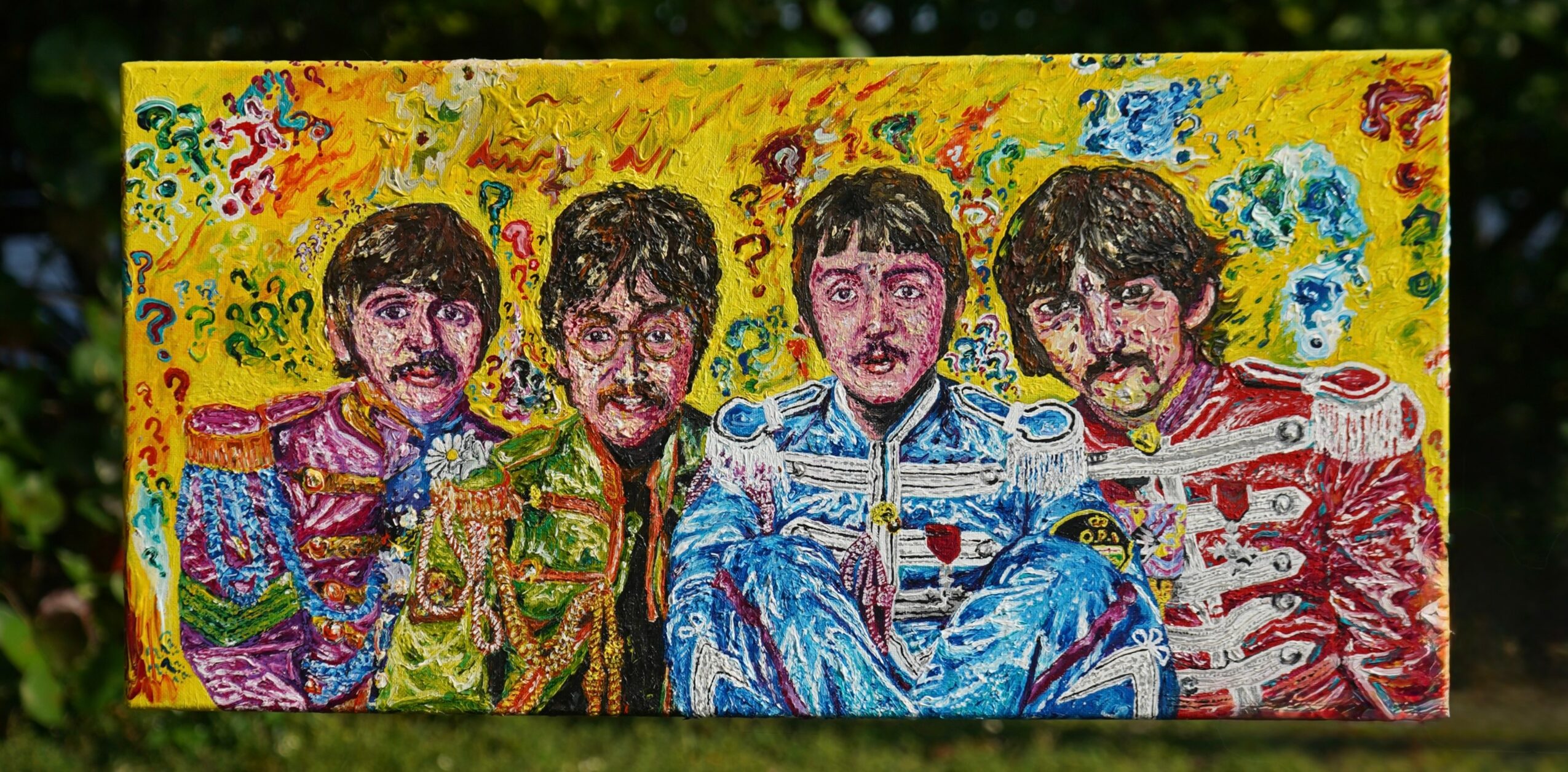
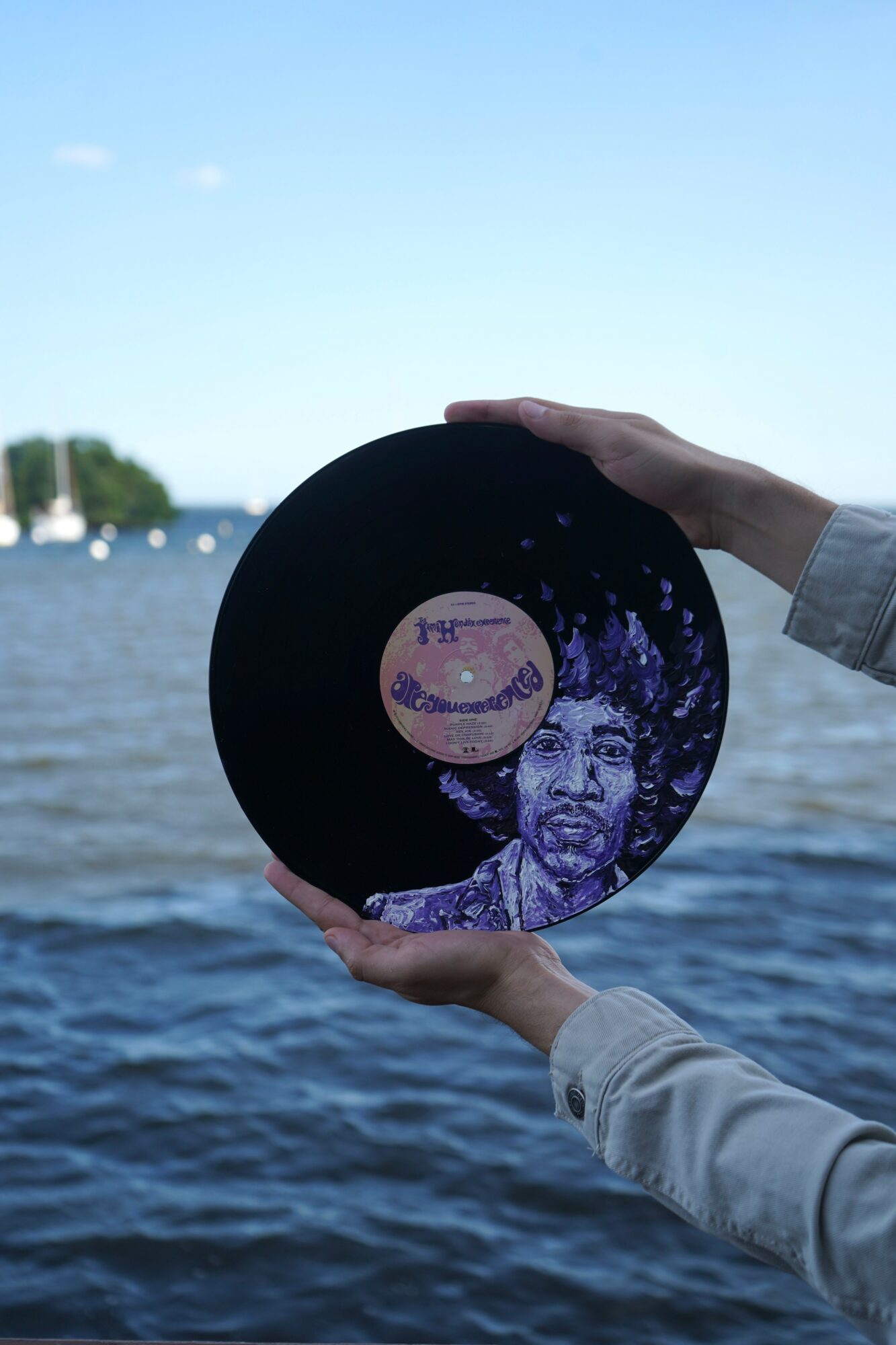
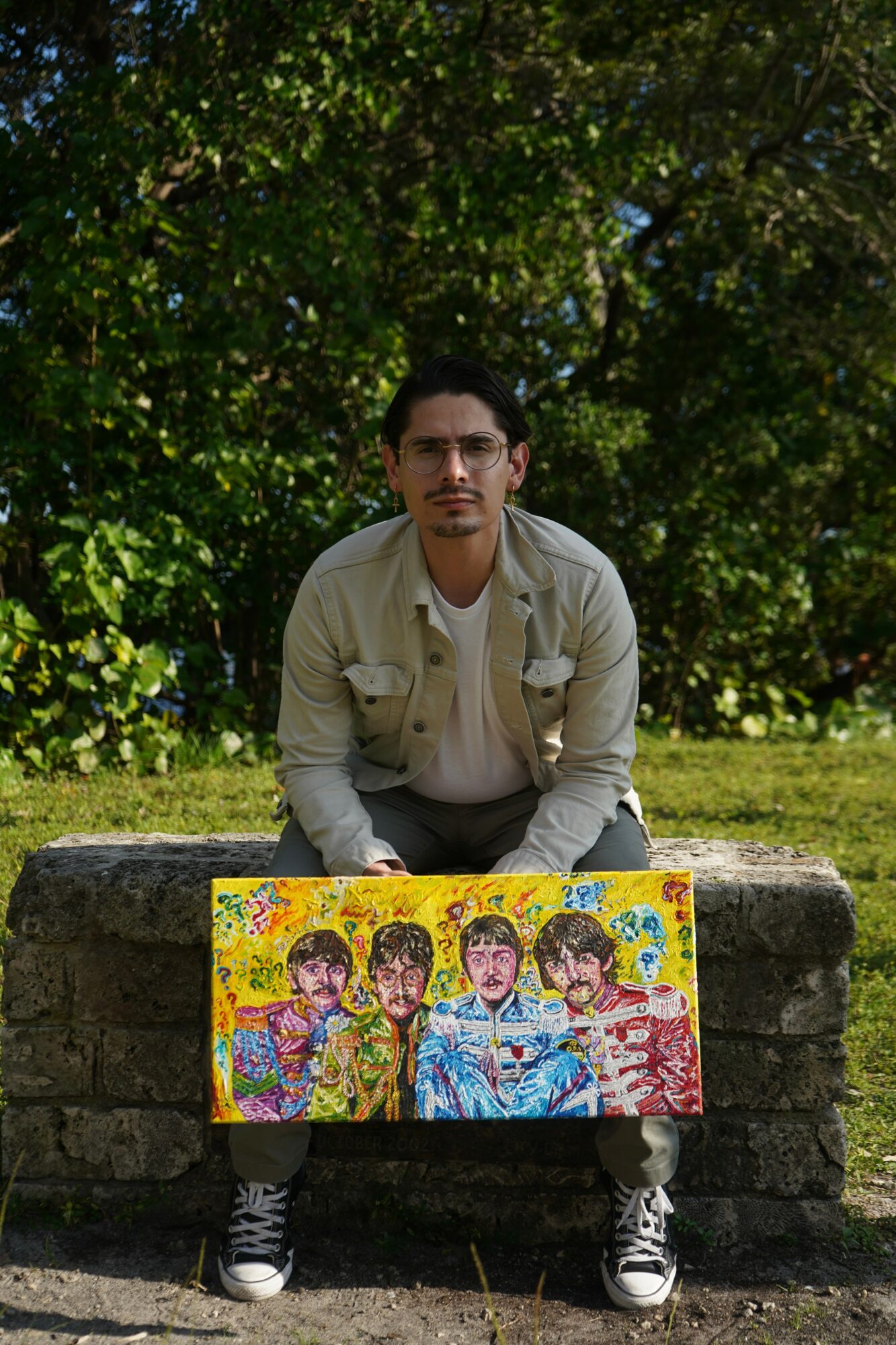
By 2017, after accumulating the supplies that worked for me, I finished my Sgt. Pepper album painting. It was the first piece I spent significant time perfecting. Then, I found a way to infuse my passion for art and music, which led me to develop a style of painting portraits on vinyl records—something I hadn’t seen at the time. I started with a Jimi Hendrix portrait on an Are You Experienced? record; it was the first time I felt confident painting a portrait so effortlessly. Soon after, I decided to paint vocalist Garrett Russell from the band Silent Planet and was able to show him the piece at that year’s Vans Warped Tour. I managed to draw the rest of the band afterward. From there, I was inspired to draw members of other bands and give them my art as a way to gain exposure and show my appreciation.
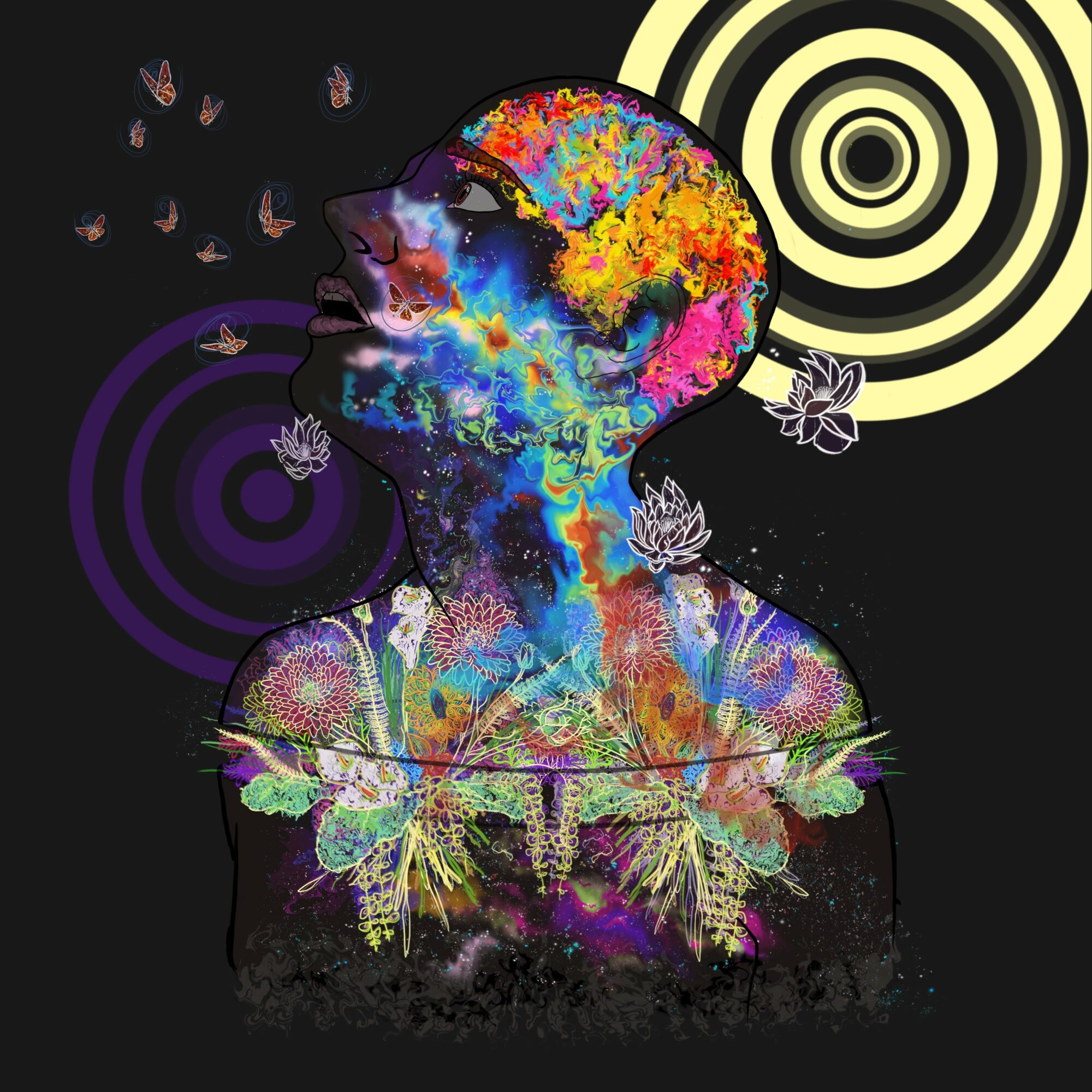
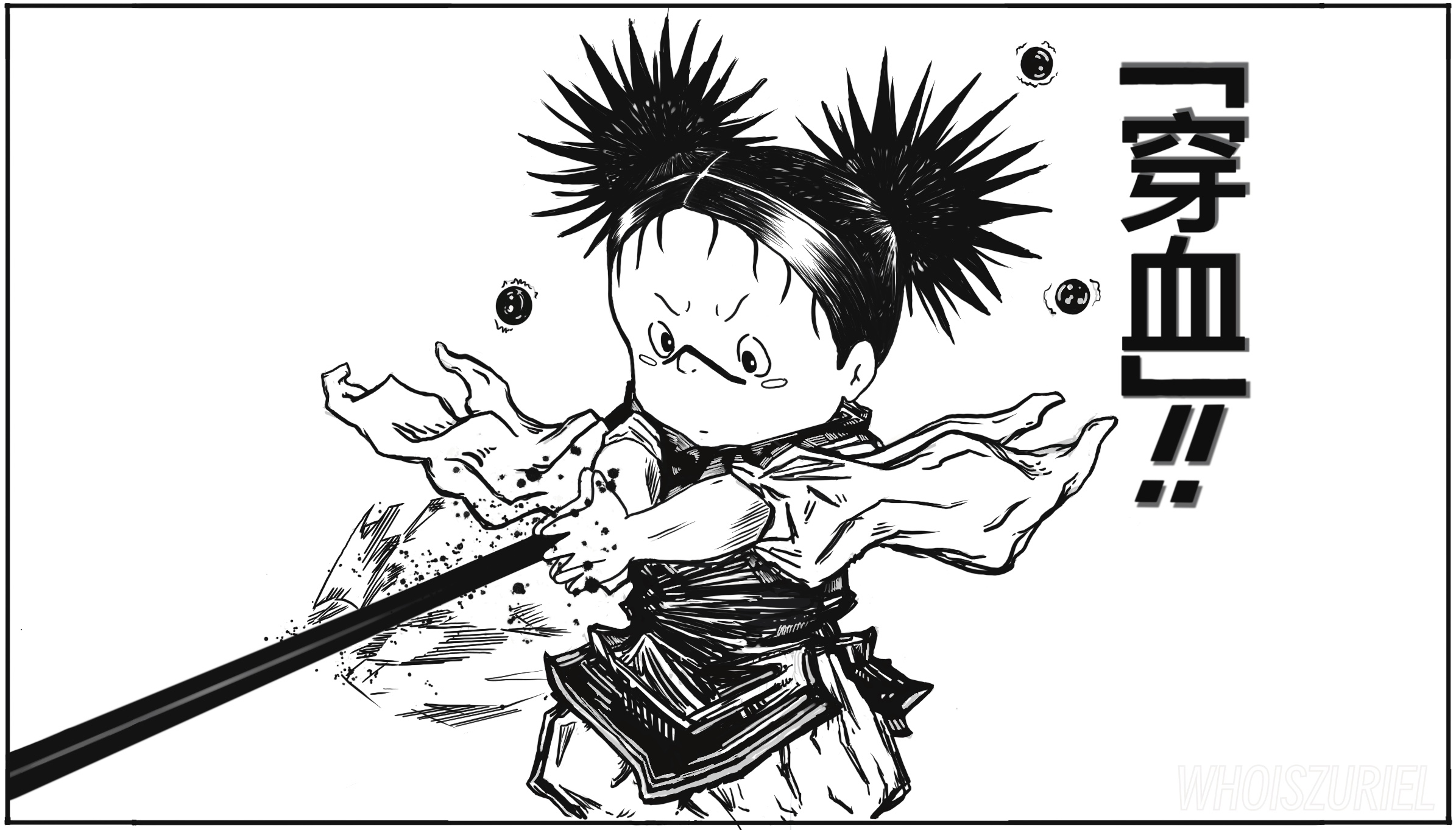
During 2019, I stepped my game up. I received a DM from a Texas band, Den Mother, requesting an art piece for their new single. I was thrilled and happily accepted—not just because I saw it as an industry opportunity, but because I genuinely liked the band and their genre. This inspired me to buy an iPad and explore digital art. I applied everything I knew to this new medium, and it became the most important tool for all my future pieces.
When 2020 arrived, things changed overnight. For years, my creativity was fueled by the energy of live concerts and long nights at my aunt’s. Social distancing took those outlets away. Suddenly, I was confined to a home that lacked the right space for me to express myself. I took it as an opportunity to learn to adapt. Even though it meant I would not paint as often, I leaned into digital drawing as much as possible.
Throughout the last few years, my practice has been defined by adaptability—trying different mediums and taking the time to express my feelings through my art. Life does not stop, and neither does the need to create. I have learned to take enough materials with me to make do with what I have. I can’t carry a paint bin everywhere, but my iPad or a decent-sized sketchbook is enough to keep me going. No one looks back on their life and remembers the nights they had plenty of sleep.
Alright, so let’s dig a little deeper into the story – has it been an easy path overall and if not, what were the challenges you’ve had to overcome?
It hasn’t always been the smoothest road. I was raised by a single mom, and the environment I grew up in often stifled the expression I desperately needed. The lack of financial stability was difficult; growing up, I never had the privacy I felt I deserved. I never really knew what it meant to have your own room. We lived in a small studio where the living area, kitchen, and closet were all one space. The only separate room was the bathroom. There was no desk or table space to motivate me to work on my art as much as I would have liked, and living in a cramped, claustrophobic reality often made my drive feel buried underneath the weight of the clutter.
I remember there were nights where the bathroom was the only place I could find enough privacy to finish my homework. And on days when things felt too small, I at least would be able go to the backyard for a bit—whether to do schoolwork, draw, or play music. Which provided me a brief sense of freedom.
For years, living this way affected my mental health. I struggled with feeling uncomfortable in my own skin and in my own home because of how I perceived my situation. At the time, I didn’t understand the hand I had been dealt, and I let it define me.
Even though it was just my mom and me, I will always stand by the saying, “It takes a village to raise a child.” I had my grandpa, aunts, uncles, and cousins who looked after me for years, turning long days into better ones. I also made best friends whom I now consider family; their parents welcomed me with open arms whenever I needed a warm meal, a roof over my head, or a ride home. And I knew it was more than just friendship provided but a second family.
My mom definitely tired to push my artistic talent when I was younger by applying me into a magnet middle school, but unfortunately, I wasn’t accepted. I often think it would have helped. Perhaps I would have received better advice early on regarding materials, or had the opportunity to engage in more art projects beyond a single elective. Sometimes it feels like a missed opportunity I of having the right teachers or mentors who could have guided me more effectively.
Growing up also mean living in a religious household. Aside from my academics, there was a standard I was expected to follow and keep each week. While my mom wasn’t the strictest, I still felt like I wasn’t being authentic to who I truly was. I felt preemptively silenced. Because of that, I wasn’t just navigating a difficult relationship with my mother; I was navigating a system where questioning anything felt like a moral failure. I felt like I was swallowing my words at the cost of self-expression and individuality. I felt locked in a room that never truly felt like home.
This is why I always leaned into art and music. They created a world that offered me the acceptance I lacked—a place where I could connect with my own emotions without fear of judgment.
Can you tell our readers more about what you do and what you think sets you apart from others?
I am a self taught artist. I always took art class serious in any grade I was in. And took art more serious inside any other class subject more than I should’ve. But after graduating highschool. I never pursued art professionally. I spent years learning on my own how to draw and paint portraits and understanding color theory. Recently, I’ve been getting compliments on my art style and saying how it reminds people of Van Gogh. I think my Impressionist style puts me in a spot where people can understand what Im trying to convey.
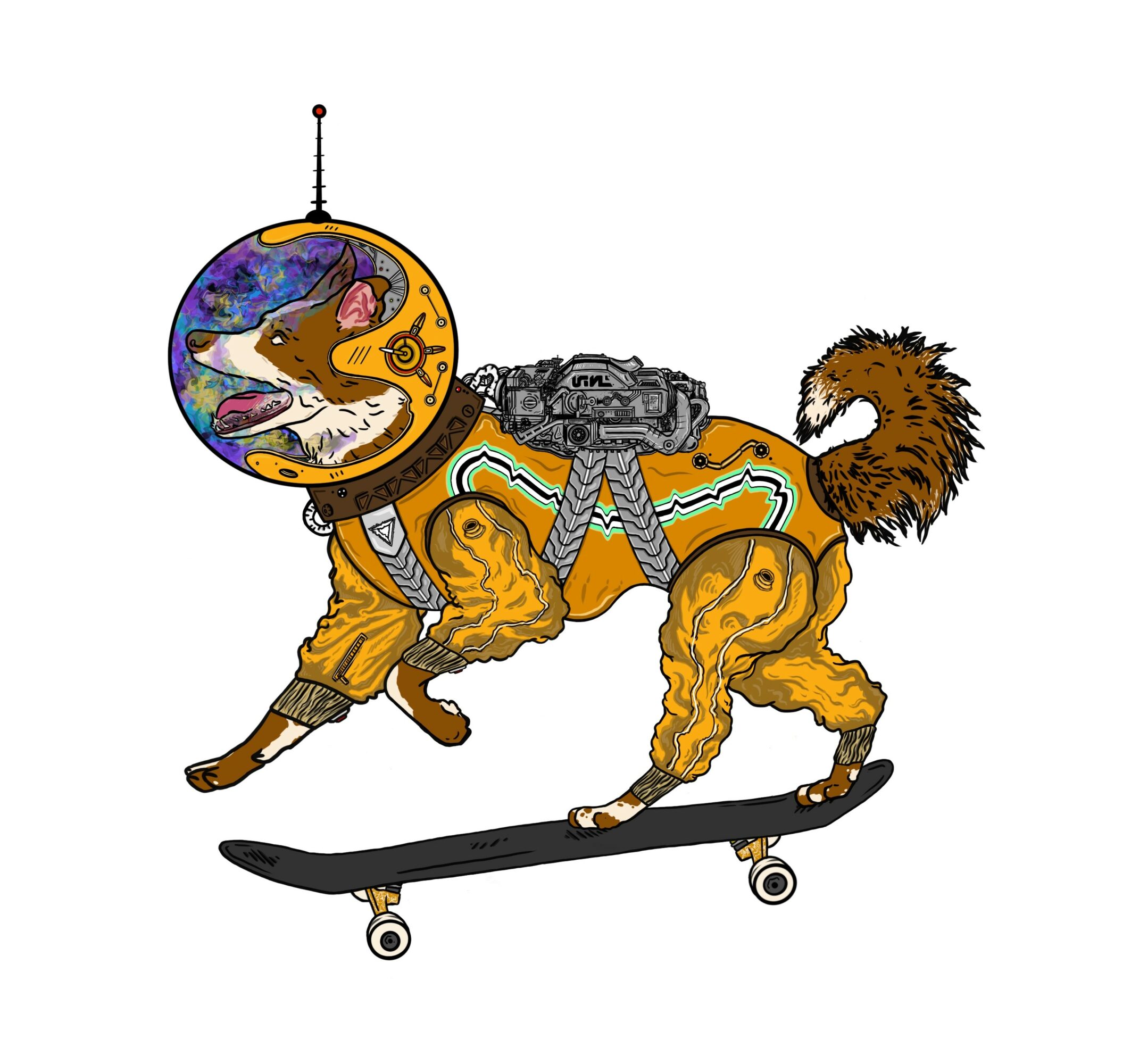
My transition into digital art further showcases this evolution; rather than being confined to a single aesthetic, I take pride in my adaptability and the diverse range of styles I can create.
What do you like and dislike about the city?
What I love about my city is the culture. How people are brought together by music, food, history, and all that comes from that. You meet so many people growing up here. But people also love to vacation here, so sometimes it’s interesting to meet other people. Or when you tell people you’re from Miami, sometimes they really get excited by it.
But I wish I saw more art in suburban areas. Personally, I would want more murals outside of just downtown and the city. Maybe the local plazas or shops could use some more art and color around to illuminate peoples day. That’s just my thoughts though.
Contact Info:
- Instagram: Whoiszuriel