





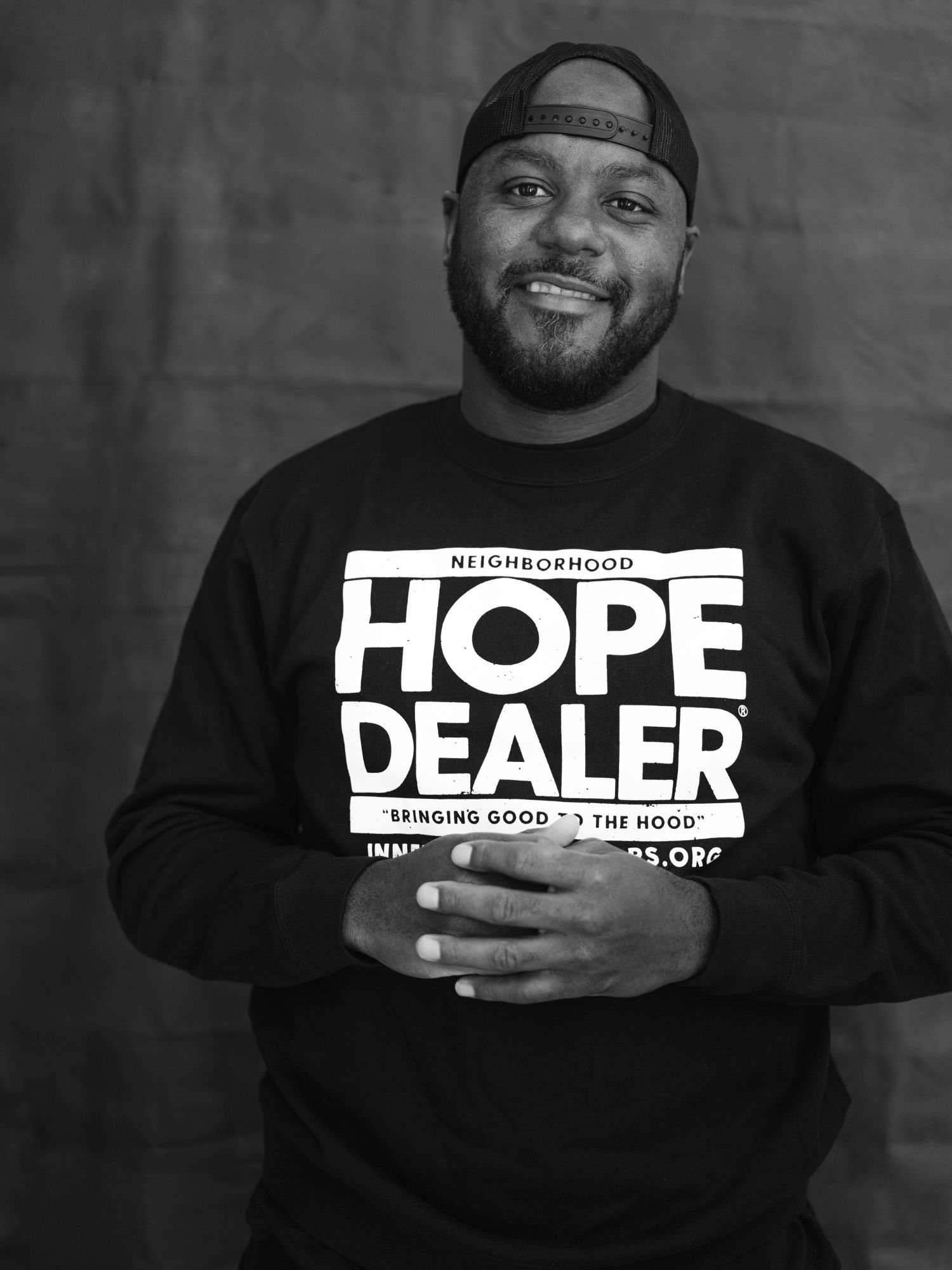
Today we’d like to introduce you to Ricky Aiken.
Hi Ricky, thanks for sharing your story with us. To start, maybe you can tell our readers some of your backstory.
If I could use one word to describe my childhood, it would be hopeless. I was born and raised in the Tamarind Corridor of West Palm Beach—an area long marked by poverty, drugs, and violent crime. My mother battled addiction, and my grandmother, who raised me, struggled with alcoholism. When she was sober, she was the most loving, protective woman on earth—feeding the neighborhood with her soul food and her heart. But when she drank, those binges could last for weeks.
Despite her addiction, my mother was the kind of woman who’d give the shirt off her back. I can’t remember a time she didn’t have someone down on their luck living with us—prostitutes, addicts, family members—it didn’t matter. Between her and my grandmother, I learned that love doesn’t require perfection and that community means sharing what little you have. They were the first models of the heart I have for my people today.
By third grade, I’d been labeled “emotionally handicapped” and “slow learning disabled,” and by eleventh grade, I had dropped out of school. My life felt pre-written. I watched friends get locked up or killed, and I remember how easily petty crimes to survive could turn into shootouts just because of where you lived.
But God placed mentors in my life at every step. Michael and Michelle Newsome showed me what a strong Black family looked like. My second set of godparents, Todd and Laura Shoemaker, poured into me with unconditional love and stability. Brother Carl gave me my first job sweeping floors in his barbershop and surrounded me with positive Black men who believed in community. Coach David Foxworth taught me to win in life, not just on the basketball court. Keith and Stacy Palagye believed in me before there were promising outcomes to show for it—taking a chance that would become the largest gift of support Inner City Innovators had ever received and setting us on the path to where we are today. Kevin and Patricia Litchfield have been steady friends in my adulthood, walking with me through some of the most challenging times as I worked to find stability while leading this organization. And I can’t forget my older brothers, Kelvin and Walter, who did what they could to make sure I learned from their experiences and used them to become a better man. These people were my light in a time when my life was darkness, teaching me that mentorship isn’t about saving someone—it’s about reminding them who they are.
In 2015, after a wave of shootings in my neighborhood, a few of us—including my brother in this work, Terryon Chapman, a young man named Johnny Davis, and a few others—came together to form what became Inner City Innovators. When Johnny was killed, it forced us to evolve from advocates into Hope Dealers. We realized that if change was going to come to our community, it wouldn’t come from local government—it had to come from us. It was our fight to make sure what happened to Johnny never had to happen to anyone else.
Today, as Founder and Executive Director, I use my story to guide young men toward hope, healing, and leadership. My mission is simple: help them live Free & Alive Beyond 25.
I’m sure it wasn’t obstacle-free, but would you say the journey has been fairly smooth so far?
It definitely hasn’t been a smooth road. I come from a world where survival often takes precedence over dreams. Losing friends to gun violence, watching family members battle addiction, and navigating a system that labels you before it ever invests in you—all of that shapes how you see yourself and what you believe is possible.
Starting Inner City Innovators wasn’t easy either. We were young Black men trying to create change in communities most people had already written off. We didn’t have money, formal training, or influence—just lived experience and a conviction that our neighborhood deserved better. There were days when we were ignored, doubted, and dismissed as unrealistic. But the same pain that once broke us became the reason we refused to quit.
On a personal level, I had to learn how to lead while still healing. I had to unlearn the survival mentality I grew up with and develop the patience, discipline, and emotional awareness that real leadership requires. There’s nothing smooth about transforming trauma into purpose—but that’s what makes it powerful.
Every obstacle—whether it was funding, skepticism, or burnout—became a lesson in perseverance. What kept me going was the same belief that built our movement: those closest to the pain are closest to the solution. I’m proof that struggle can be the soil where purpose takes root.
Thanks for sharing that. So, maybe next you can tell us a bit more about your work?
My Work
I’m the Founder and Executive Director of Inner City Innovators, a nonprofit based in West Palm Beach that empowers young people growing up in high-risk neighborhoods to rewrite their stories. We focus on reducing youth delinquency and gun violence through mentoring, leadership development, and community engagement.
Our signature program, the Hope Dealer® Mentoring Movement, now serves both young men and women. It gives them a safe space to be seen, challenged, and supported. We teach them how to process pain, develop purpose, and build the tools needed to stay Free & Alive Beyond 25. What makes this work powerful is that it’s built on lived experience—our mentors aren’t outsiders studying the problem; they’re survivors of it. They return to the same blocks that once tried to destroy them and become proof that transformation is possible.
I’m most proud of the culture we’ve created. We don’t just focus on preventing violence—we build a sense of identity, belonging, and leadership. The youth we mentor become the ones leading marches, mediating conflicts, and serving as examples in their neighborhoods. Watching them grow from being labeled “high-risk” to becoming respected voices for peace is what fuels everything we do.
Behind every success story is a system built for sustainability. In 2025, Inner City Innovators served 57 mentees through 1,675 mentoring sessions.
-74% of our mentees stayed matched longer than six months, and 62% longer than a year.
-86% were not charged with a new crime after joining.
-88% showed measurable improvement in behavioral health.
-And 93% said they feel more hopeful and better able to handle life’s challenges after being paired with a mentor.
That’s impact born from trust, consistency, and lived experience.
Operationally, this year also marked a major step forward. We earned NPF Accreditation, launched a new mentoring database, implemented a new HR/payroll system, and completed our first financial audit. These milestones don’t just make us efficient—they make us credible, accountable, and ready to grow.
At the heart of it all is our team—Norman, Nay, David, Mavis, Shacoya, Chelsea, and Emily—leaders who prove every day that real change happens when those who need it, lead it.
What do you like best about our city? What do you like least?
I believe the inner cities of America house some of the most resilient people in this country—they just have to be taught how to process that pain into progress. That’s what I love most about West Palm Beach. When you walk through neighborhoods like the Tamarind Corridor, Pleasant City, or the Historic Northwest, you can still feel what real community means. You know people by name. You see generations sitting on porches, looking out for each other. It’s the only place where true community still exists in my opinion, and it’s where I draw my inspiration every day.
What I dislike is the gentrification-flavored growth taking place. Don’t get me wrong—I’m not against progress. But there’s a way to build up a city without pushing out the people who made it what it is. My organization was founded at a time when West Palm Beach was as connected as it had ever been—neighbors knew each other, and there was a genuine spirit of collaboration between residents, churches, and city leaders. I’m afraid that if I had to start Inner City Innovators in today’s climate, with so much disconnected development, it might not have survived.
We have to get back to valuing people over projects, and communities over potential profits. Progress means nothing if it costs us our connection. Let’s get back to a sense of community—because that’s where the real strength of this city has always been.
I hope that when people see me, they see a product of this community—a reflection of the love, resilience, and support that built me. My story isn’t just mine; it’s a testament to what happens when a village refuses to give up on its own. Everything I am, and everything Inner City Innovators has become, is proof that when a community invests in its people, its people give that investment back tenfold.
Contact Info:
- Website: www.InnerCityInnovators.org
- Instagram: https://www.instagram.com/ricky.aiken/
- Facebook: https://www.facebook.com/ricky.aiken.7
- Linkedin: ricky-aiken-466036122
- Twitter: https://x.com/ICIPBC
- Youtube: https://www.youtube.com/@561hopedealers4
- Other: rickyaiken.com
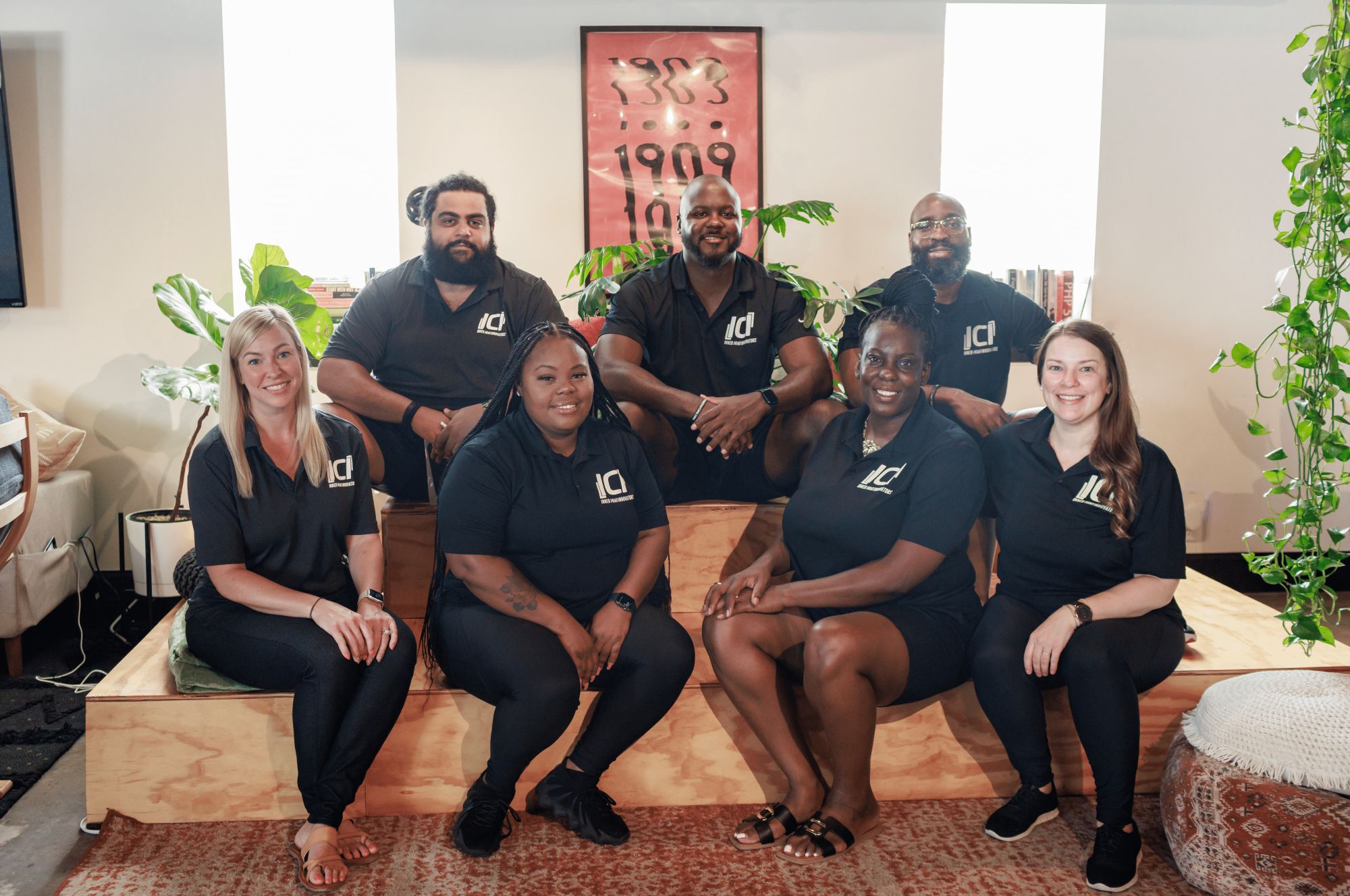
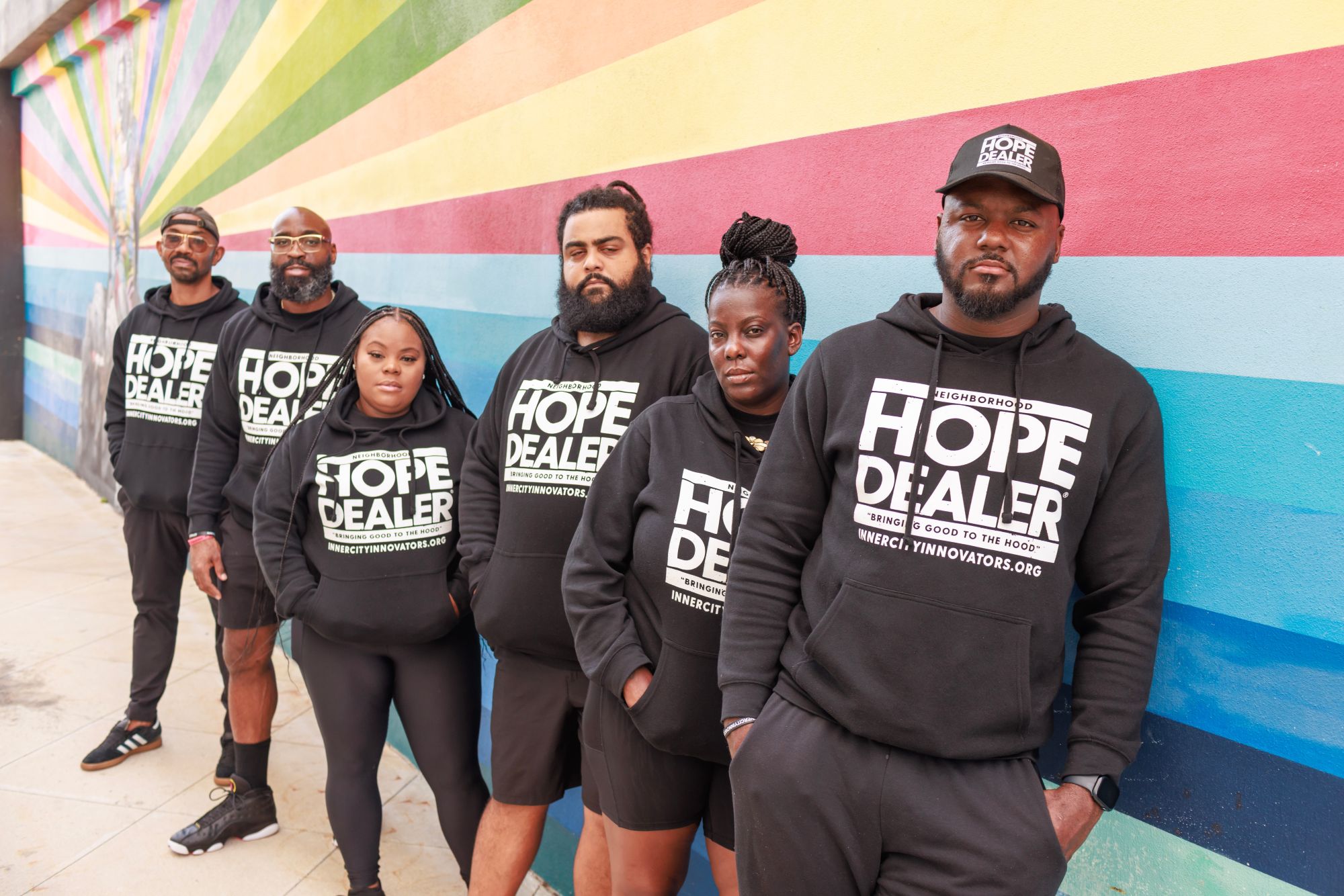
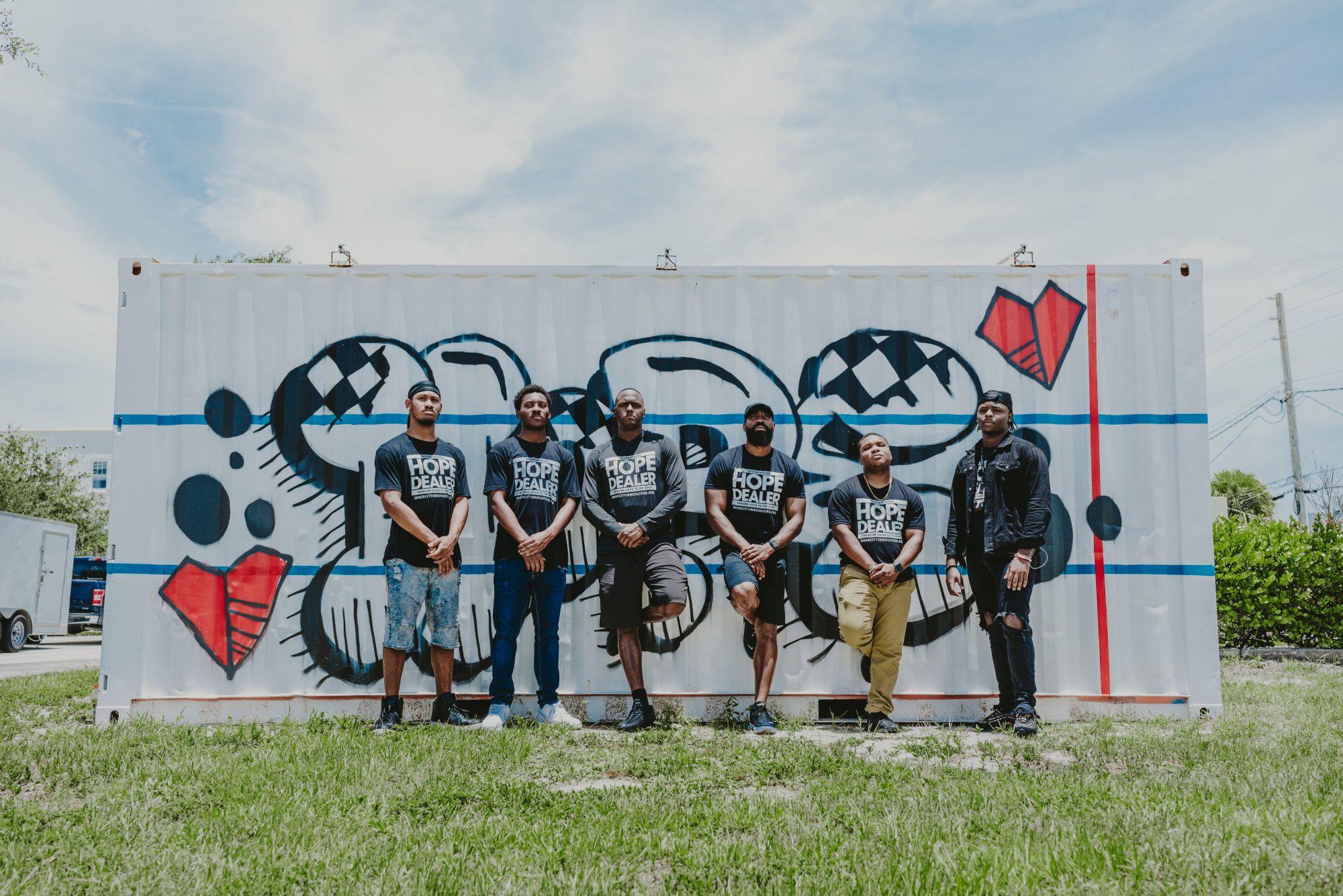
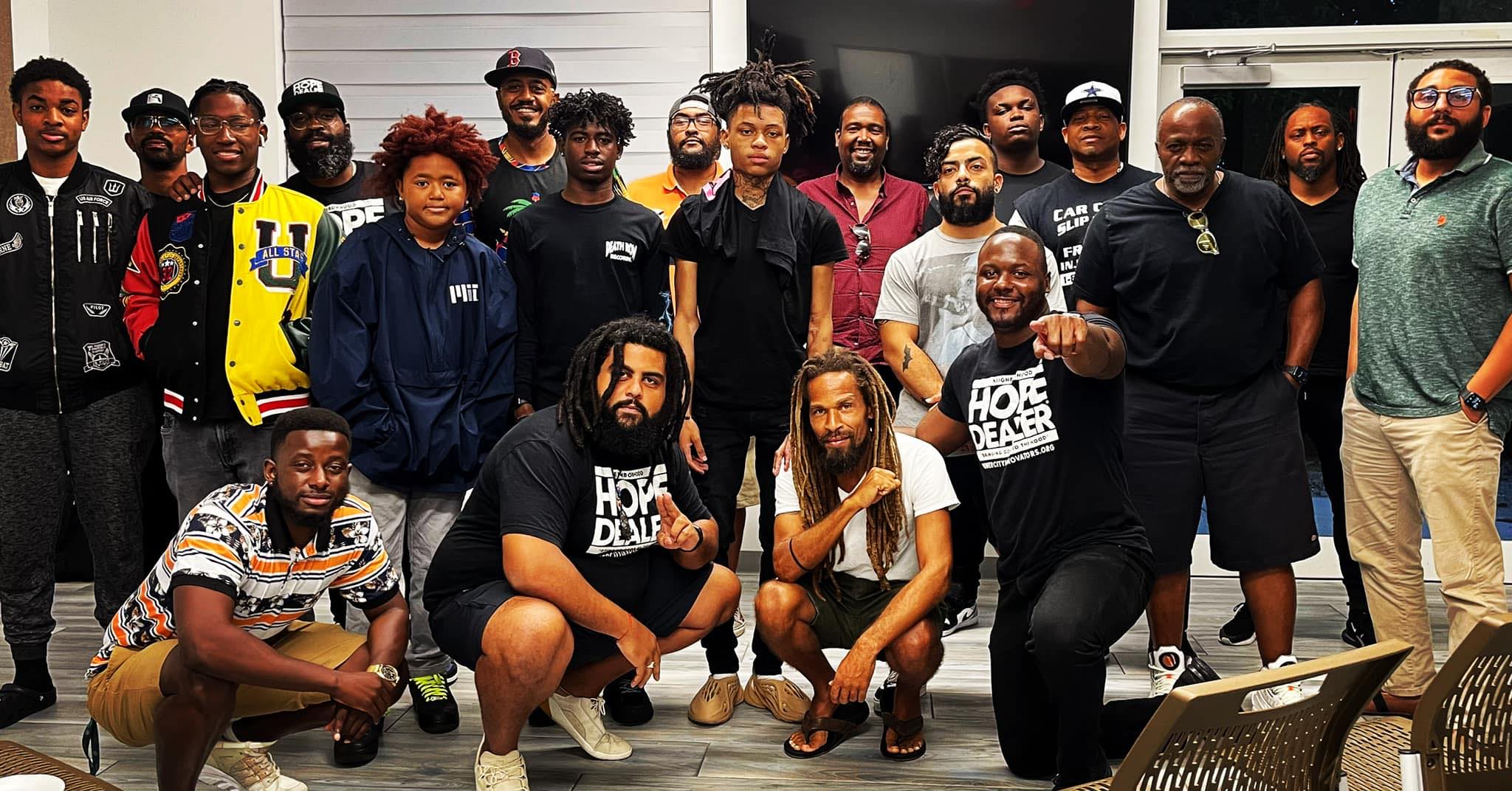
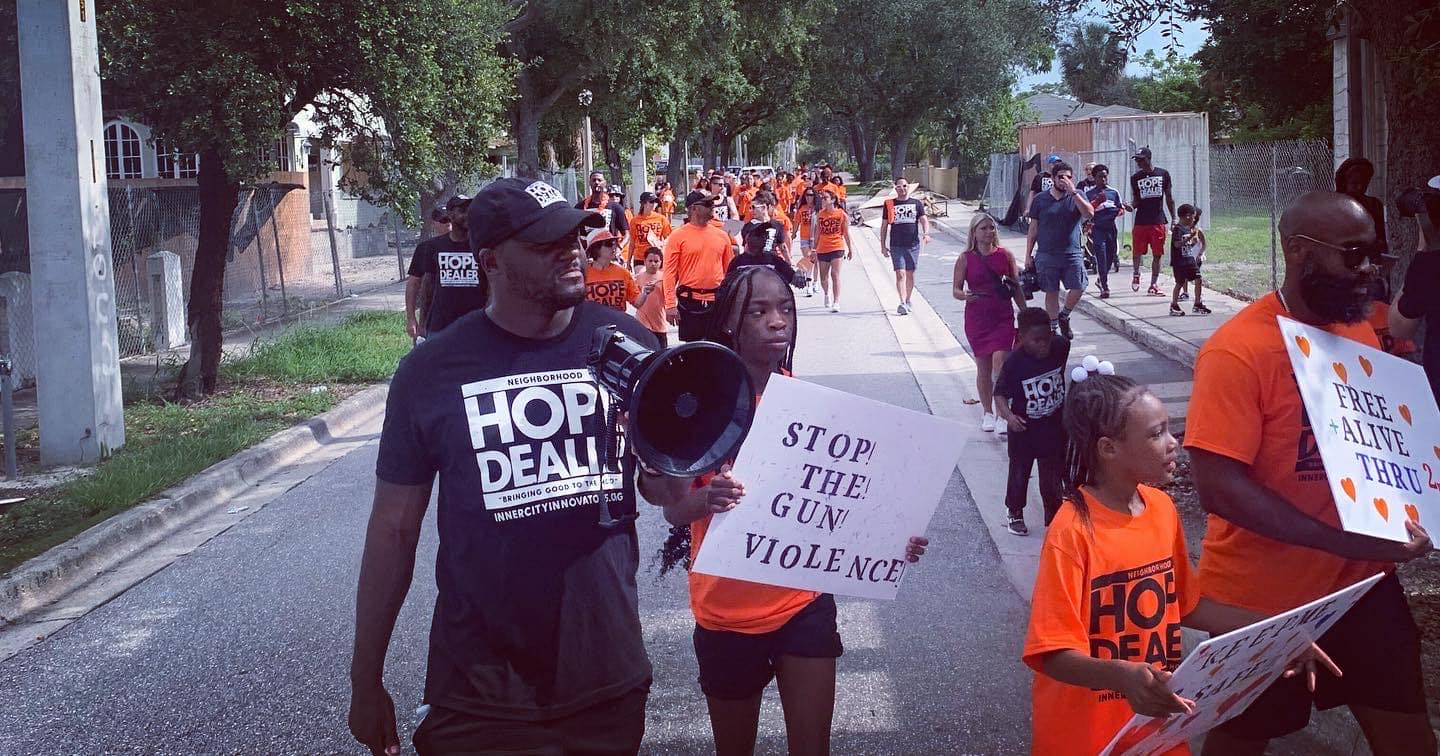
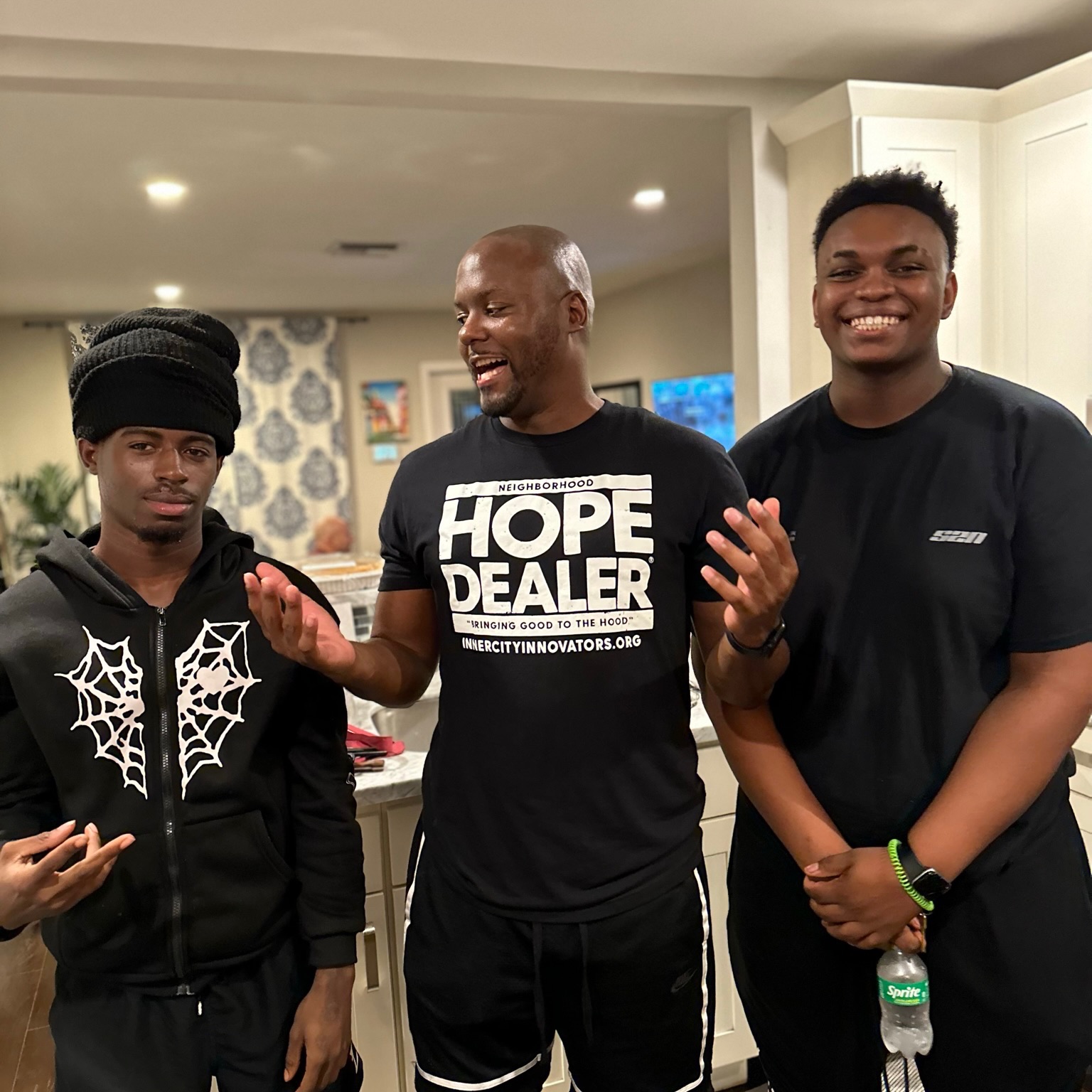
Image Credits
Judith Rae Photography Lynn Studios Bianca Cam Ricky Aiken