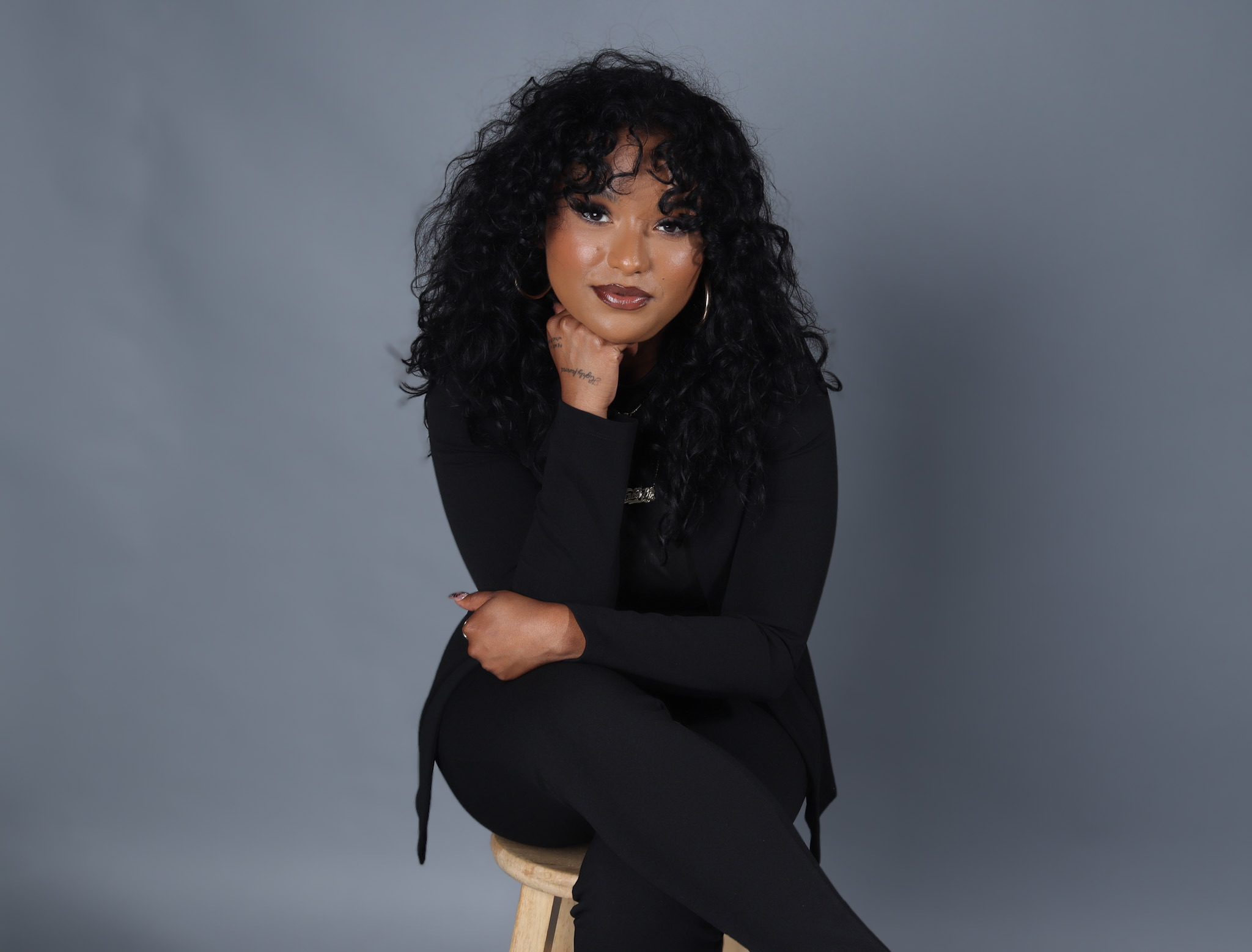




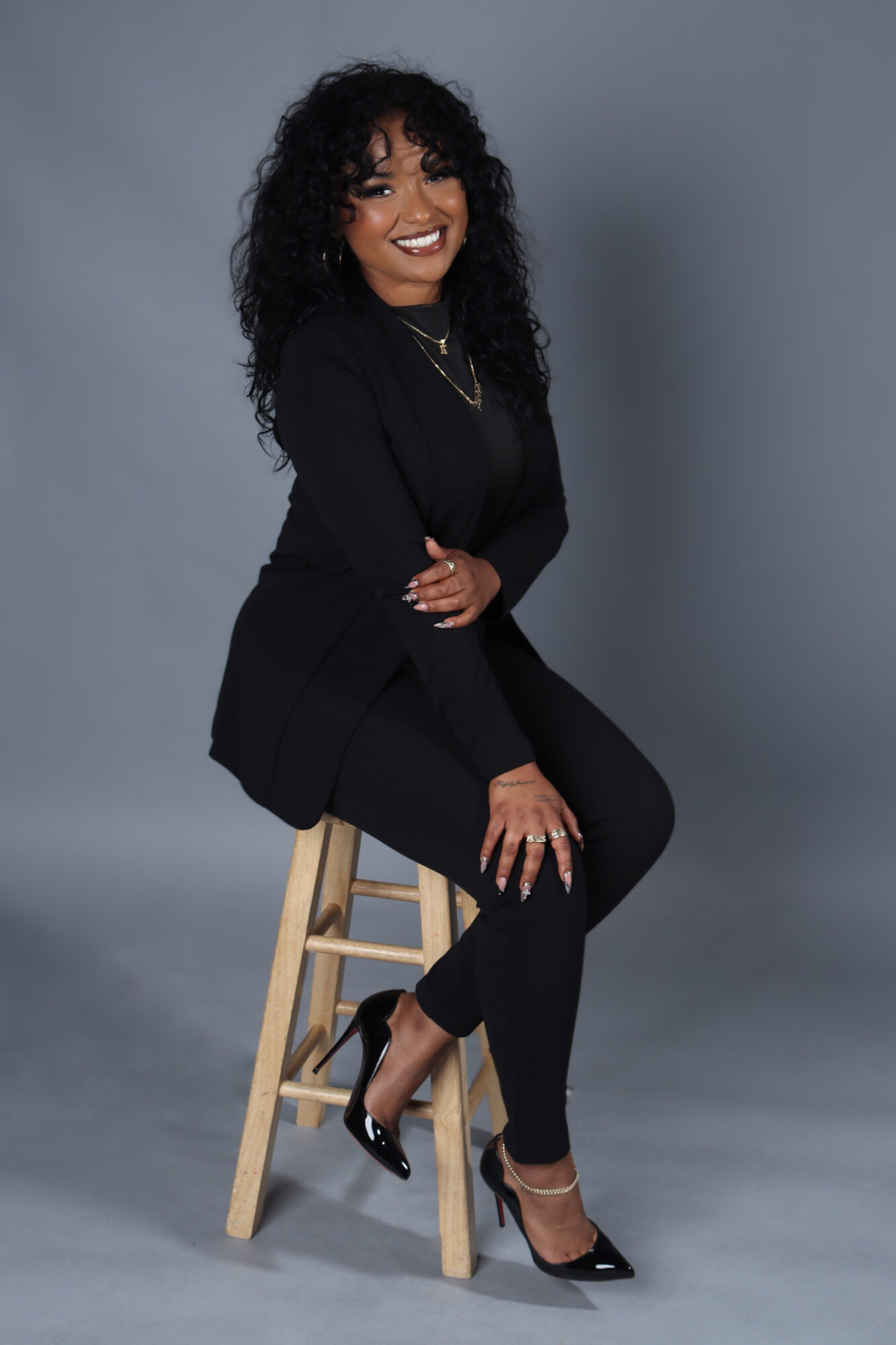
Today we’d like to introduce you to Kimberly Rodriguez.
Hi Kimberly, we’d love for you to start by introducing yourself.
I’m a first-generation Honduran American raised in the inner-city neighborhoods of Miami. My parents worked relentlessly to provide for my sister and me, but growing up where I did, there were very few examples of what “making it out” actually looked like. I didn’t know what was possible—I just knew survival.
A close family friend who struggled with alcohol addiction played a major role in raising me. He was my protector, my safe place, and the person who showed up when others couldn’t. When he passed away in 2012, I became angry at the world. Losing the one person who made me feel safe left me vulnerable to experiences no child should have to endure, and those early traumas deeply shaped who I am today. I built walls early, learned how to stay guarded, and moved through life in survival mode.
In high school, I found community in the hip-hop culture of Dade County and began to understand how different my lived experience was from many of my peers. I attended a law enforcement magnet high school studying forensic science, believing I wanted to be part of the system. But it didn’t take long for me to realize that the system wasn’t protecting people like me or the people I loved. I knew then that I wanted to help people while they were still alive—before they became statistics.
That realization led me to social work. Though I was unsure at first, I earned my Associate of Science in Social Work at just 17 years old—before receiving my high school diploma. As I completed my bachelor’s degree and began my master’s program, I was placed as an intern at an all-male residential rehab center in the inner city. I was terrified. Addiction was deeply triggering for me because of my late father figure, but I had no other option.
What I didn’t expect was to discover exactly where I belonged.
What began as an internship quickly became something more. Supervisors noticed that patients who were often labeled “difficult” were engaging, stabilizing, and making meaningful progress in my care. They communicated to the organization’s leadership that I was someone patients respected, responded to, and took seriously—and I was hired soon after.
I went on to treat hundreds of men coming from prisons, jails, homelessness, and unimaginable trauma. Many of them couldn’t trust a “blank slate” therapist—but they trusted me. I was the young brown girl from the same inner city, who understood their neighborhoods, their culture, their language, and their pain. I ran the center for several years, learned Alcoholics Anonymous and Narcotics Anonymous inside and out, and became well-known in courtrooms and among judges. I thrived in chaos, working at the intersection of severe addiction and mental illness.
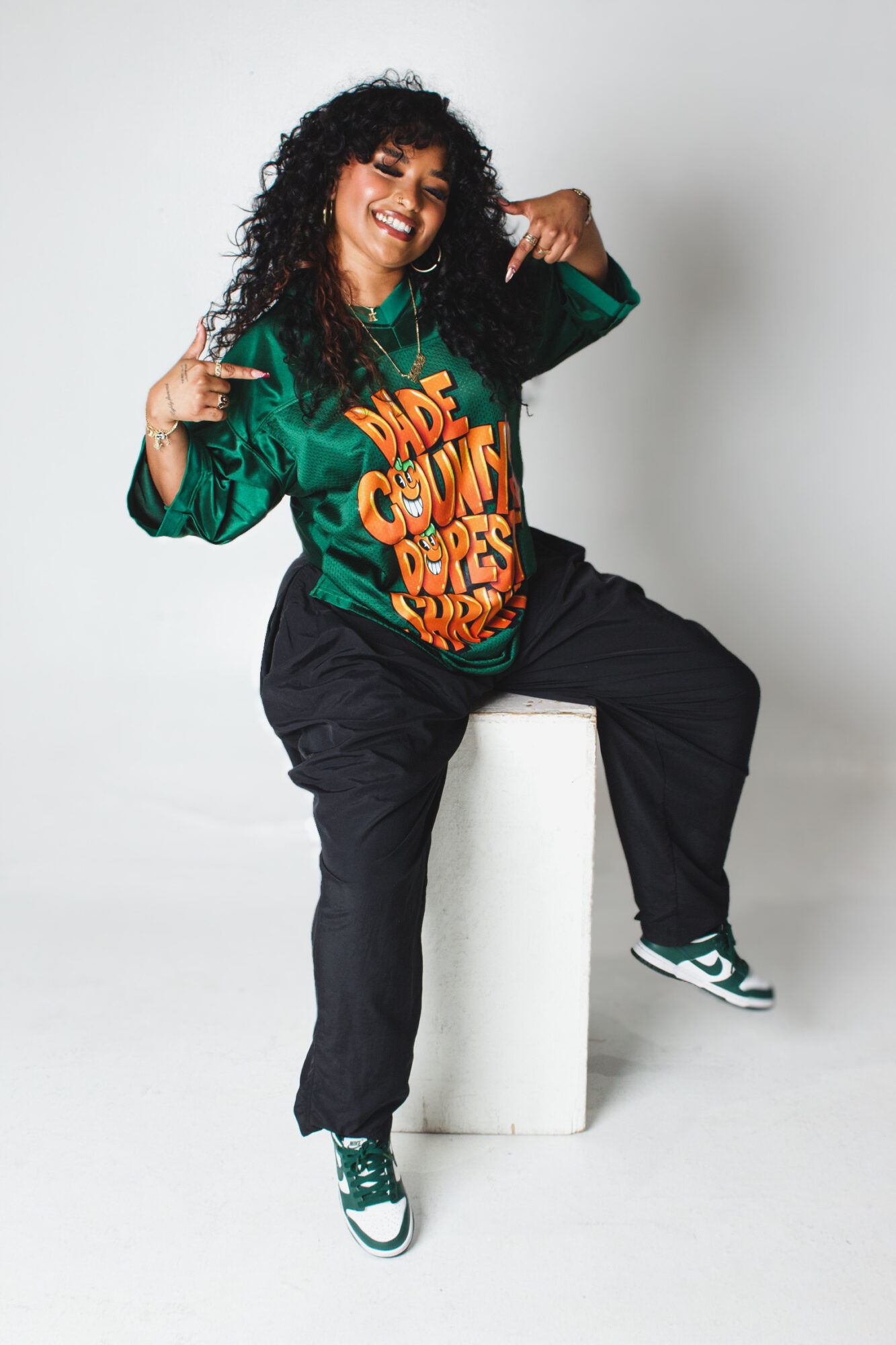
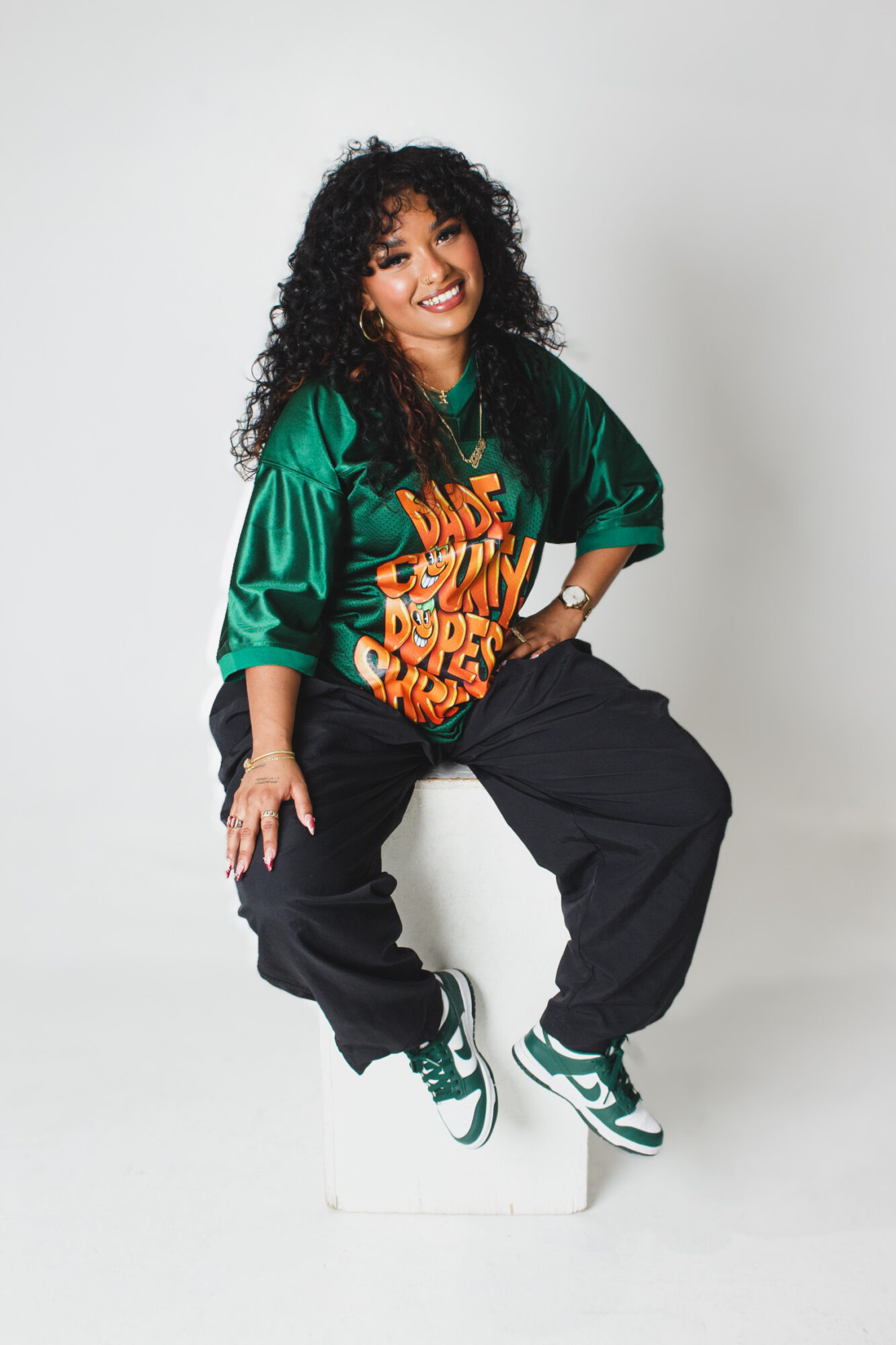
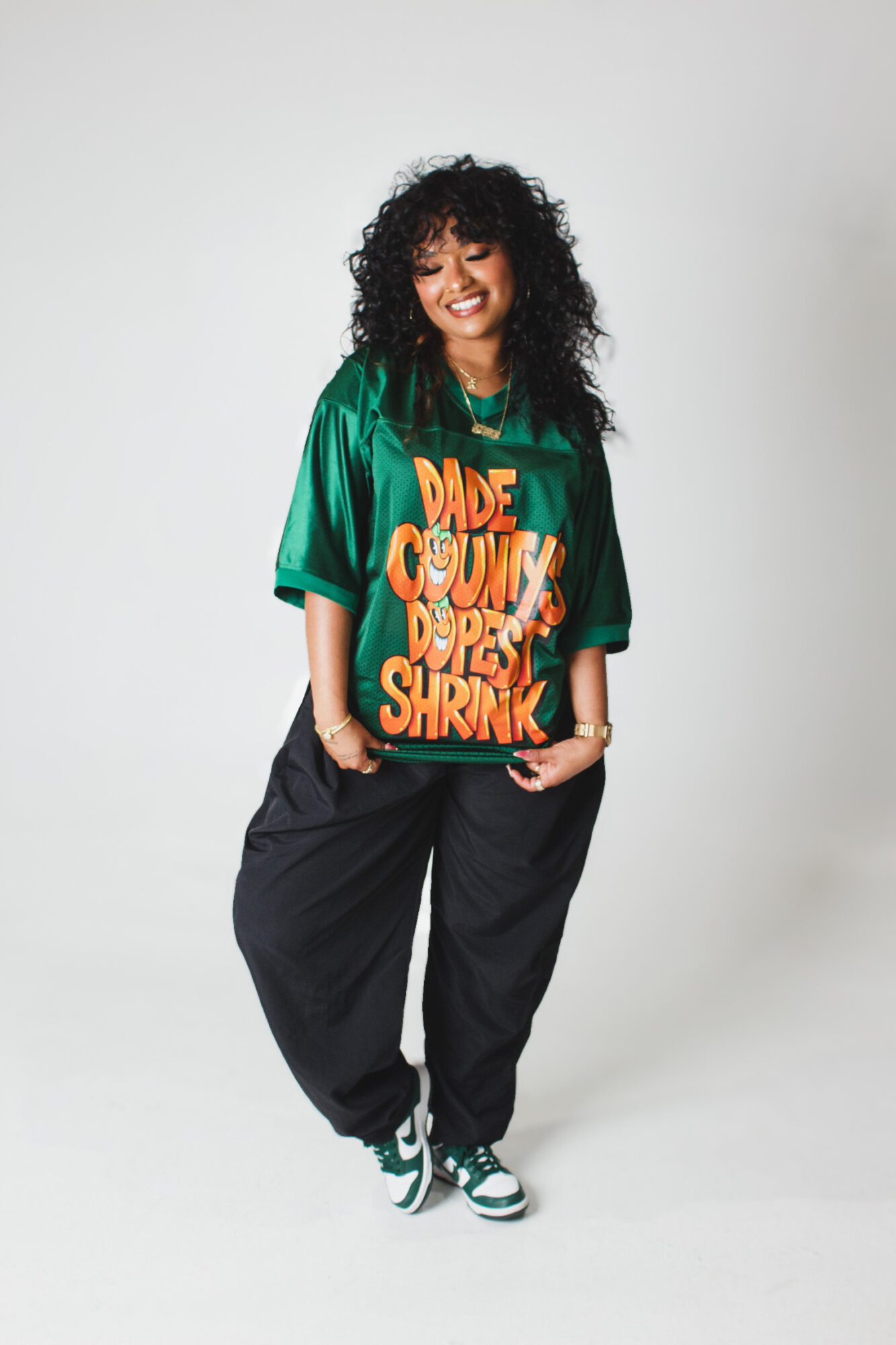
After becoming licensed, I decided to take a leap into private practice—something many people told me was unrealistic, too risky, and “too hard.” Three months after opening, “Dade County’s Dopest Shrink” began gaining traction on social media. Soon, I was booked out across Florida and Connecticut.
Now, just one year after opening my practice, I carry a full caseload and run a successful six-figure business as a brown woman from Miami’s toughest neighborhoods—blending clinical expertise with real-world authenticity.
I was always told I was “too young,” too different, and that I would fail. But what others saw as a liability became my greatest strength. My ability to relate, to translate clinical treatment into something meaningful and accessible, and to serve people of color who have lived through trauma—similar to and different from my own—is what makes me an effective clinician.
My story is proof that lived experience is not a weakness. It’s power.
I’m sure it wasn’t obstacle-free, but would you say the journey has been fairly smooth so far?
It definitely wasn’t a smooth road. One of my earliest and biggest struggles was growing up with very little awareness around mental health, trauma, or therapy. Much of my early life required survival in environments where safety—emotional and otherwise—wasn’t guaranteed. Without language or support around trauma, I learned to stay angry, rigid, and guarded. Vulnerability didn’t feel safe because I was never shown that it could be.
When I entered my master’s program, I quickly realized that therapy was an entirely different ball game than bachelor’s-level social work. I was expected to hold space for other people’s emotions, yet I hadn’t learned how to fully make space for my own. That realization was uncomfortable, but it became a turning point. I sought out my own therapy, and that decision allowed me not only to heal, but to grow. It fundamentally shaped the clinician I would become.
I earned my master’s degree at just 20 years old, and with that came significant doubt from peers and seasoned clinicians alike. I was often seen as “too young” or “too different.” At the beginning of my internship at the rehab center, there were intentional efforts to protect me from patients considered “too difficult”—those who were aggressive, reactive, highly traumatized, or system-involved. The assumption was that they would be overwhelming.
What quickly became clear, however, was the opposite.
Those were the patients who did the best work with me. Supervisors began noticing that individuals others struggled to engage were stabilizing, participating, and making meaningful progress in my care. The very traits that were once viewed as liabilities—my age, my background, my lived experience—became my greatest strengths. I understood these patients not just clinically, but humanly.
I had to earn my stripes quickly, and I did. My work spoke for itself, and my name began circulating in spaces where other clinicians couldn’t sustain themselves. Patients often referred to me as a “pitbull”—not because I lacked compassion, but because I held firm boundaries while relentlessly advocating for structure, accountability, and real empathy—something many of them had never received from systems alone.
Private practice came with its own challenges. Many clinicians are afraid of it—working independently, marketing themselves, building a caseload—and that fear often gets projected outward. Being repeatedly told it wasn’t a good idea, that it was too risky, or that I would fail tested my confidence. Perseverance became essential. I learned to trust myself, stay consistent, and move forward even when doubt was loud.
Every struggle along the way shaped me. None of it was wasted. Each challenge prepared me to do the work I do today—with clarity, credibility, and purpose.
Appreciate you sharing that. What else should we know about what you do?
I’m a Licensed Clinical Social Worker in both Connecticut and Florida, and I’ve been practicing since 2022. My clinical background is rooted in treating substance use disorders and severe mental health conditions, particularly among men who often feel misunderstood or underserved by traditional therapy spaces. Alongside that work, I also treat concerns such as anxiety, depression, codependency, and relationship issues.
I’m certified in Accelerated Resolution Therapy (ART), a trauma treatment that uses eye-movement desensitization to help clients process traumatic experiences without having to relive the emotional intensity attached to them. It’s especially powerful for people who feel stuck in their trauma but are tired of talking about it without real relief.
While I take my profession seriously, I don’t believe therapy has to feel cold, distant, or clinical. I’m widely known as “Dade County’s Dopest Shrink,” a title that reflects both my background and my approach. I blend evidence-based clinical work with real-world authenticity. Therapy with me feels like talking to that trusted friend from the hood—the one who keeps it real, holds you accountable, checks you when needed, but never invalidates your feelings.
What I’m most proud of is my perseverance. Despite being told I was too young, too different, or that private practice would be too difficult, I opened my own practice and built a successful six-figure business by the age of 24—within just one year. That alone represents years of resilience, risk-taking, and belief in myself when others didn’t.
What truly sets me apart is my delivery and my ability to build genuine connection. I’m the therapist clients feel safe telling “all the tea” to—the one they trust enough to be honest with. My clients check in between sessions to share wins, process moments in real time, and yes, sometimes to avoid crashing out. That level of rapport doesn’t come from a technique—it comes from who I am as a person.
I don’t separate my humanity from my professionalism. My lived experience, my culture, and my authenticity show up in the room, and that’s exactly why my clients stay, grow, and heal.
We love surprises, fun facts and unexpected stories. Is there something you can share that might surprise us?
One thing that might surprise people is that being a therapist doesn’t mean I have it all figured out. In fact, part of what makes my work effective is that I’ve done—and continue to do—my own healing. I don’t believe in the idea that therapists are somehow exempt from struggle. Life is hard for all of us.
I’ve been in therapy consistently for the past several years, and I’m very open about that. Therapy taught me how to set boundaries, communicate effectively, and build healthier relationship dynamics—many of the same skills I now help my clients develop. I don’t just teach these tools; I live them.
Another thing people may not know is that my early trauma resulted in an anxiety disorder that I’ve carried since childhood. Through therapy and intentional coping strategies, I’ve learned how to manage it well. That lived experience allows me to support clients with similar struggles in a way that feels genuine and grounded. Many of my recommendations aren’t theoretical—they’re things that have worked for me.
As we say in the hip-hop community, “each one, teach one.” Healing is not about perfection—it’s about practice, and I’m right there in it with my clients.
Pricing:
- $150 cash rate
- I take insurance as well such as Florida blue, Aetna, blue cross blue shield, Cigna, united healthcare, anthem, and many other plans.
Contact Info:
- Website: https://linktr.ee/rightrecovery
- Instagram: https://www.instagram.com/rightrecoveryllc
- LinkedIn: https://www.linkedin.com/authwall