



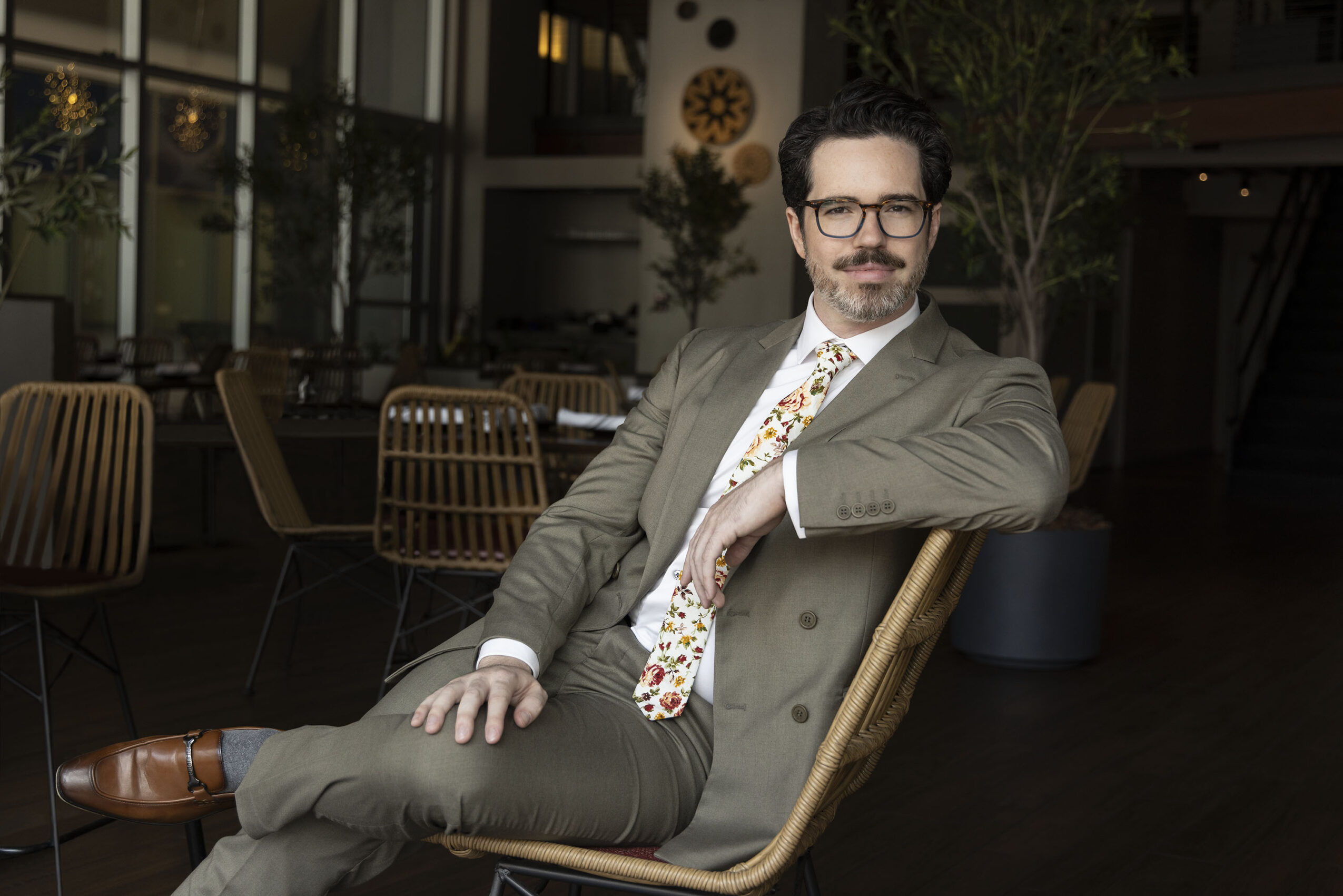
Today we’d like to introduce you to Jake Stamatis.
Hi Jake, we’re thrilled to have a chance to learn your story today. So, before we get into specifics, maybe you can briefly walk us through how you got to where you are today?
I was always a shy and misunderstood kid. I grew up in Tunkhannock, PA, which is a beautiful rural town in Northeast Pennsylvania. I was not good at making friends in my youth, and my middle school years in particular were shaped by the bullying I experienced for being a closeted gay kid in the early aughts. It was a hard and lonely time for me, but it all changed once I got to High School and joined the choir.
Both of my older sisters did chorus, so when it came time to decide if I wanted to take chorus, band, or a study hall, I thought following in their footsteps would be the safest route. This was a lucky move because all of the sudden I was a part of the group, and we were all working together towards the same goal of making beautiful music! This made it so that I was finally part of a community of people who shared my interests, celebrated my contribution to the team, and also would stand up for me. My new friends in the choir even encouraged me to try out for the school plays – something I never before would have been brave enough to do – and that’s where I discovered my love for acting and dancing. This was a game-changer, and something that I knew I wanted to keep in my life. The only problem was: I didn’t have a natural talent for singing. I was “tone deaf.”
It might be hard to believe that this person who works as a full-time opera performer once couldn’t even carry a tune in a bucket, but its true. I would be up there singing loud and proud – great progress from the shy quiet kid I was – but the pitches that I was singing were way off! Luckily for me, I was a freshman in the high school choir for director Al Purdy’s last year before he retired from teaching. Mr. Purdy is an incredible man, and a remarkable musician. He could see the joy that I had for singing, despite my technical shortcomings, so he decided to help me. I would work with Mr. Purdy after class on building up the coordination between my ear and my voice. You see, most people think that singing is a “gift” that you either have or you don’t, but he knew that wasn’t true. It’s a skill that you can hone like riding a bike or knitting clothing, and the more you practice it, the more deft and agile you get. And that is exactly what happened with me. Mr. Purdy would then retire at the end of my freshman year, as was his plan, and I would become a sophomore choir member who could now match pitch!
The years continued on and I decided that music is what I wanted to pursue in college. Let’s remember, I was from a very small rural area so I had no clue that singing music could actually be a money-earning career. So I had a thought to become a choir teacher like Mr. Purdy and teach students at the high school level. i entered the Music Education program at Susquehanna University and within one semester I realized that I had no interest in teaching. Deep down, I only really wanted to relive my choir “glory days” and I’m actually pretty proud of my 18 year old self for realizing that is not a good enough reason to become an educator. So the plans shifted, and for my second semester of school I was a newly-minted Music Performance major. I know that I didn’t want to teach music; I wanted to perform it myself! The only question was: how do I turn that into a job?
Well, with the beginning of new semester came the auditions for the school Opera. Now, I had never really listened to opera before, and really didn’t know exactly what it was, but I had just changed degree programs and felt I needed to prove myself as a Vocal Performance major. So I auditioned and was cast in the role of “Death” in Viktor Ullmann’s 1943 opera “The Emperor of Atlantis.” And let me tell you, I was hooked! Here we had the acting and the stagecraft that I grew to love while doing the plays in high school, but now were combining it with classical music and these virtuosic technical demands that pushed my singing to its limits! Figuring out how to sing this music was liking solving puzzle, and the challenge was thrilling to me. With this experience I had found my career-path, and my new major now had an end goal: I was going to be a professional opera singer.
And that was the beginning of it all! Now, nearly 16 years later, this is my full-time job. It is a hard road, where you are always traveling and looking for the next gig that will keep your resume expanding and food on the table. But even with all of the challenges that come with being a gig-worker in a niche art form, the rewards are still the same as they were when I was 18 years old. Actually, from when I was 14 years old and had finally found community, and joy, and purpose in making music.
Can you talk to us a bit about the challenges and lessons you’ve learned along the way. Looking back would you say it’s been easy or smooth in retrospect?
I have faced many obstacles along the way to my career as an opera singer. Not being able to match pitch was of course my first hurdle, and I’m so grateful to my high school choir teacher for helping me find my way. Next, when I enrolled in college, I actually found that I was very far behind the ball. Many of my colleagues had been taking private singing lessons since they were children, and had years of experience that led them to choosing this career-path. I didn’t even know how to read music! So I had to begin in the lower level of each of my courses, while many of my peers skipped ahead due to their proficiency in this like Music Theory, Piano, and Ear Training. That was a big hit to my pride, but not enough to keep me from hitting the books hard and doing what I could to catch up. I did not get good grades when I was growing up, but now that I had a passion and a direction I was committed to being an A-student.
My voice teacher in my undergrad exposed me to so much wonderful music and possibilities. We focused mainly on discovery, and singing as a dramatic artform, and how to be expressive and meaningful. I loved those four years of singing because I truly felt like I could do anything with my singing as long as I was committed to transforming into the character and telling the story in as captivating of a way as I could. I faced a new obstacle once I began my Masters Degree.
My teacher at Binghamton University, Tom Goodheart, is a warm and wonderful man, who almost felt like a father figure during that time. He could instantly tell that I was committed so strongly to the dramatic portion of my singing, but that I needed more awareness and understanding of my singing skills. Back then I was raw, and uncontrolled, and rough around the edges, and he wanted to take me to the next level by pushing me to perfect the technique behind my performance. Unfortunately, this is when my inexperience and my late start to music really started to show itself, and my confidence had been shaken. Imposter syndrome is a serious part of the opera industry. I think all of us performers, at all levels, feel it in some way or another. Opera, which had been all discovery and fascination in my undergrad, had become about highlighting my short-comings. Where was I falling short? Why can’t I sing this more cleanly, more beautifully, or more powerfully? I was under a microscope now, and I felt like I was constantly failing myself. This kind of imposter syndrome is still with me today, but luckily my experience has proven to myself that I can do the job at a high level. I think it is a strength and a weakness that I will always believe that I can do more.
My greatest struggle came with the passing of my father and then, later, when my mother suffered a serious head injury and needed rehabilitating care. These events were unbelievably tragic for many reasons, and have reshaped my family. This also had an affect on how I view my career. In many ways, being an opera singer is very selfish. We travel across the country and sometimes the world. We live off of an irregular income as gig workers, and don’t often have access to health benefits, paid time off, or even the stability of a home base. This almost nomadic lifestyle is exciting, and fruitful, and makes every new job feel like a new adventure, but it feels almost irresponsible when big life events happen. Things are okay now in my family, but it did require me to give up a number of gigs and move home for a while to help out. The question now is how responsible is it to pursue this thrilling yet unpredictable lifestyle, and at what cost. It has become more and more necessary for me to find a balance so that I can be there for the people I love.
Thanks for sharing that. So, maybe next you can tell us a bit more about your work?
If we think of opera performing as a principle artist as the culmination of singing, acting, and languages, then my strongest entry point to this art form has always been acting. I used to spend hours, as a kid, in my back yard acting out scenes from tv shows and movies. I would play every character, and my imagination would turn our yard into another world. That imagination has evolved into a stage awareness now that I work as a professional performer. I create almost a mental picture of what the audience can see, and with that I try to create the most striking, comical, and dynamic scenes for the audience. How does my posture look? What does my facial expression say about the character’s emotions? How does my positioning with the other characters look? How do I draw the audience’s attention back to me when its my time to sing, and then send them back to the character who is singing next – almost like a tennis match. These stage instincts along with the physicality and body-awareness that I learned from martial arts and dance have always been what sets me apart. This made it so that I could still participate in opera in a meaningful way, even as my other skills were developing. Now my job is to ensure that my singing and my languages can rise to the same level.
Are there any books, apps, podcasts or blogs that help you do your best?
I take in a lot of content, as we all do nowadays. I think it can be a good thing as it broadens our worldview and gives us more references to pull from when we are being creative. Some highlights: NPR’s Pop Culture Happy Hour podcast, which helps direct my to new creations in film, television, and music. The Alchemist by Paulo Coelho, which is probably my all-time favorite book just for what it taught me about what it is like to pursue a dream, even if the path is unclear. I also find great inspiration and peace in playing video games. JRPGs (Japanese Role Playing Games) like Final Fantasy with their sprawling stories and deep character development have given me so much to pull from.
Contact Info:
- Website: https://www.jakestamatis.com
- Instagram: jstamat
- Tiktok: @jakestamatis
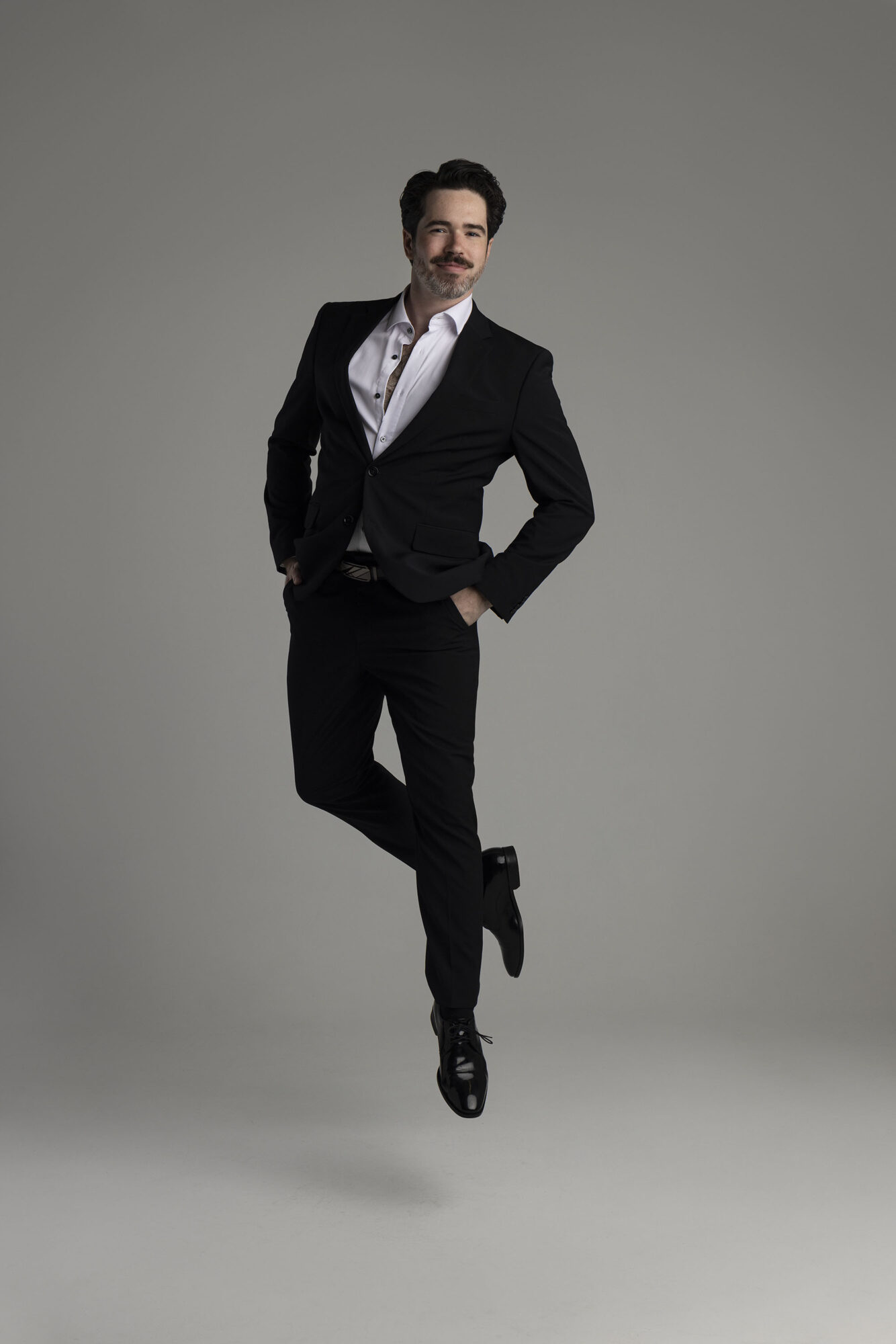
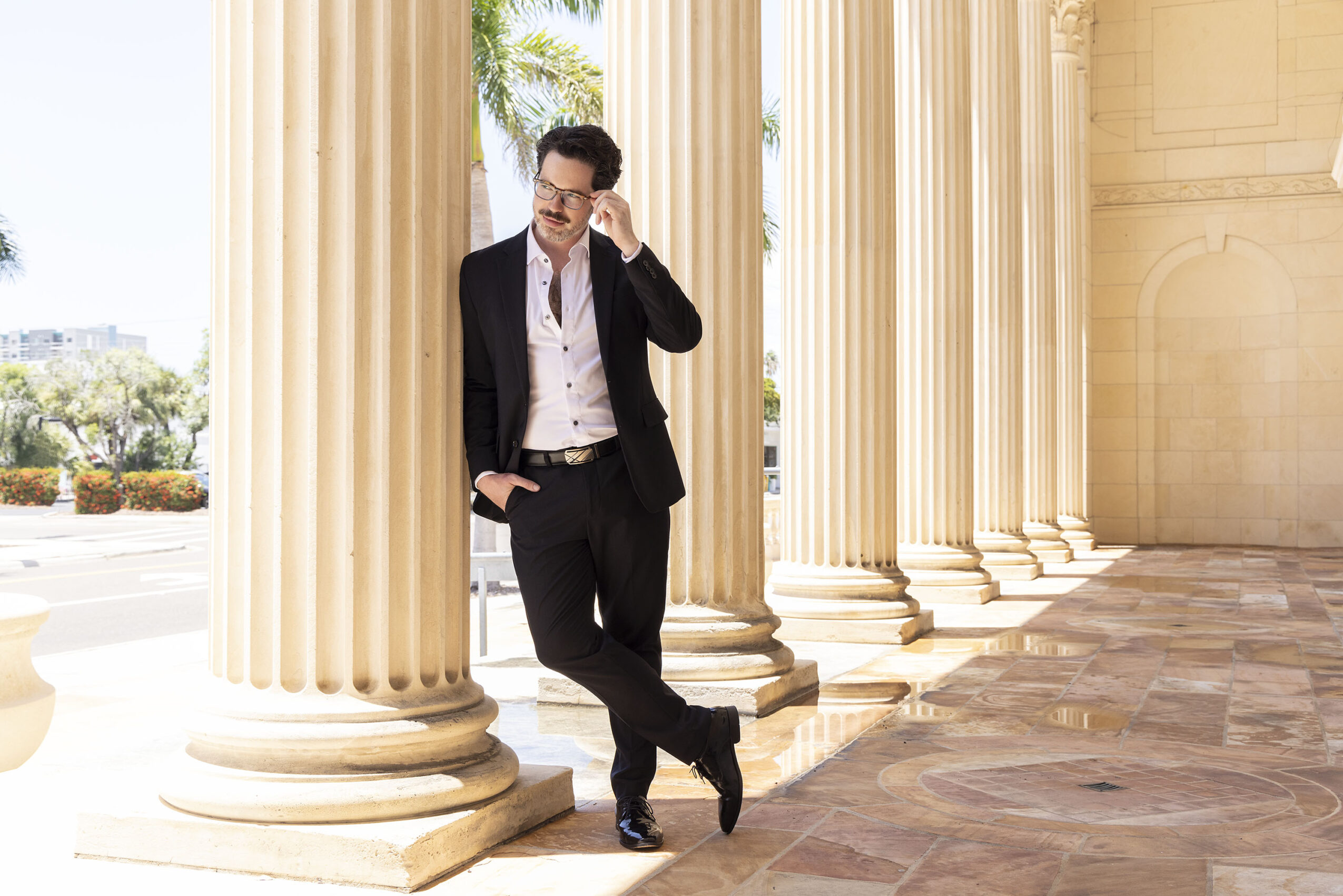
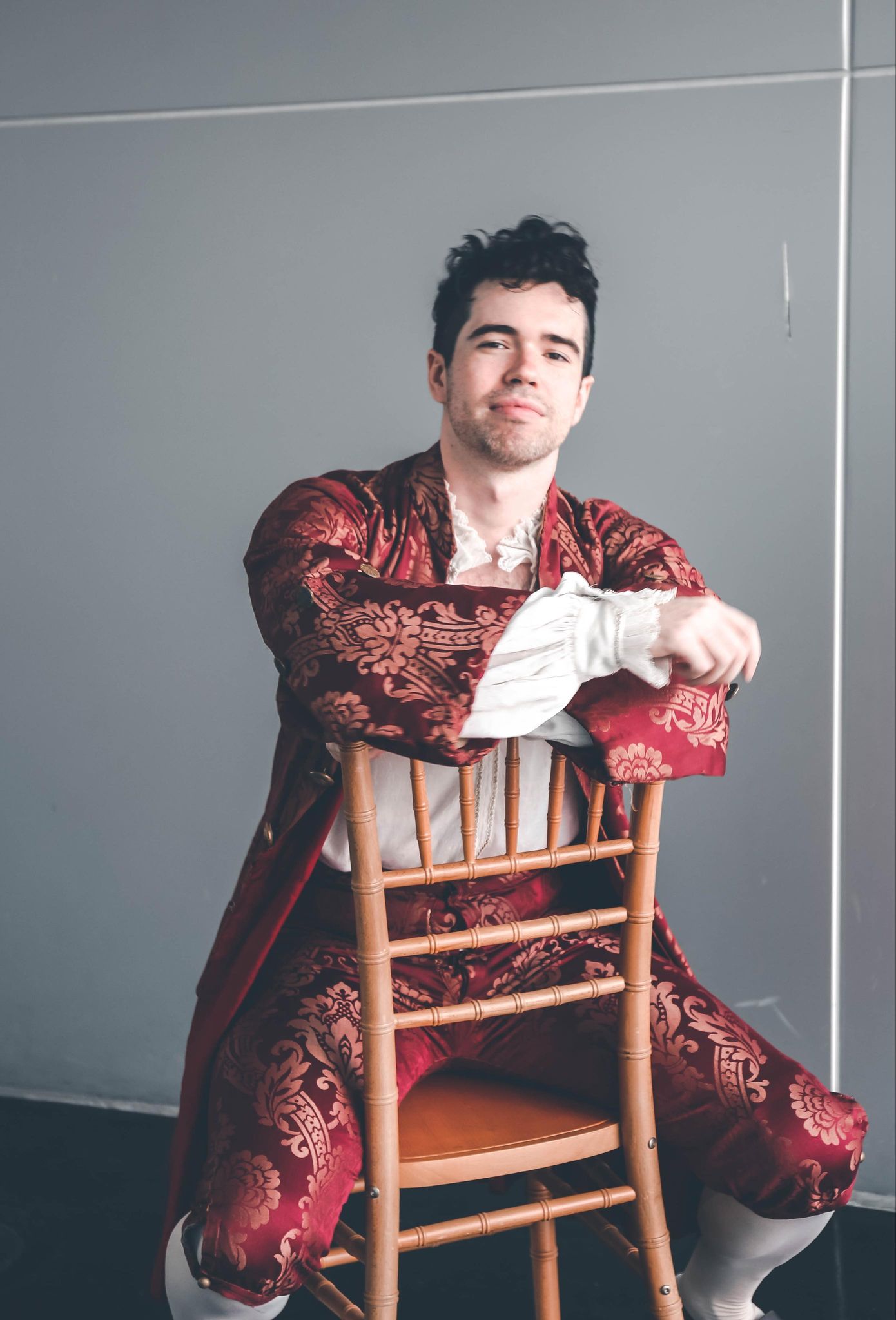
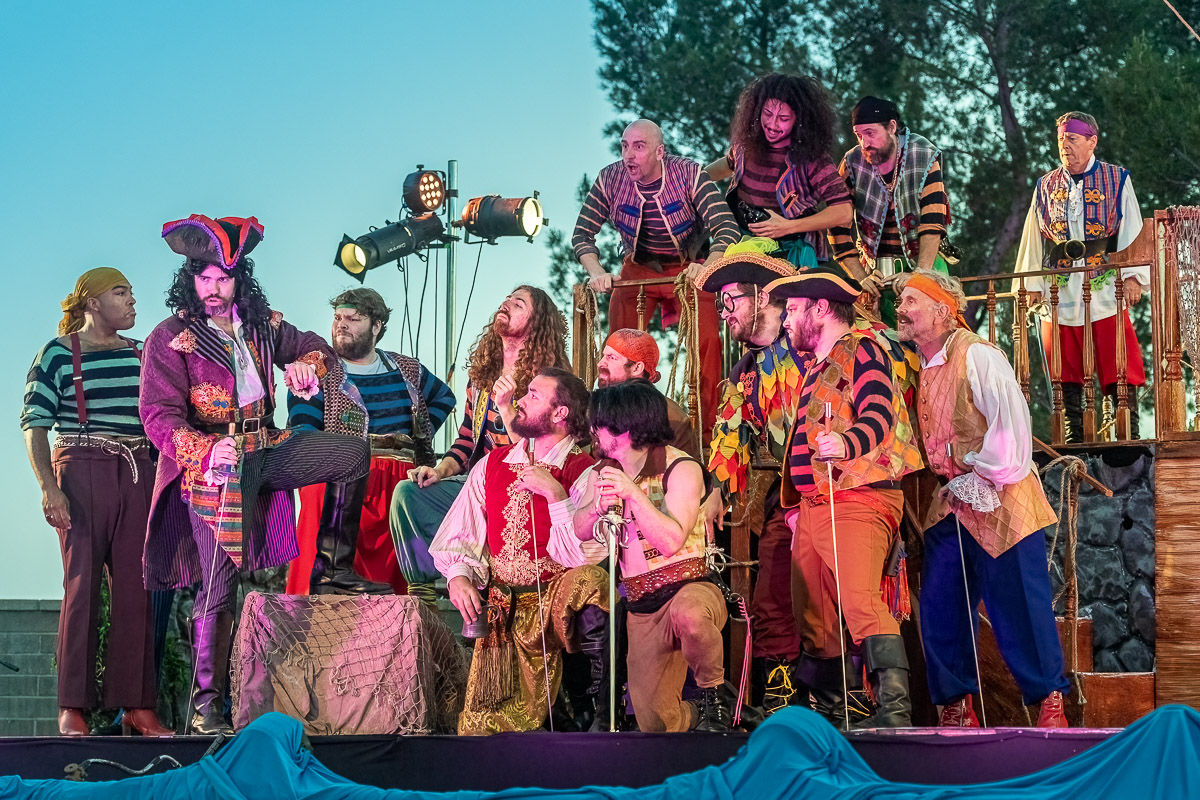

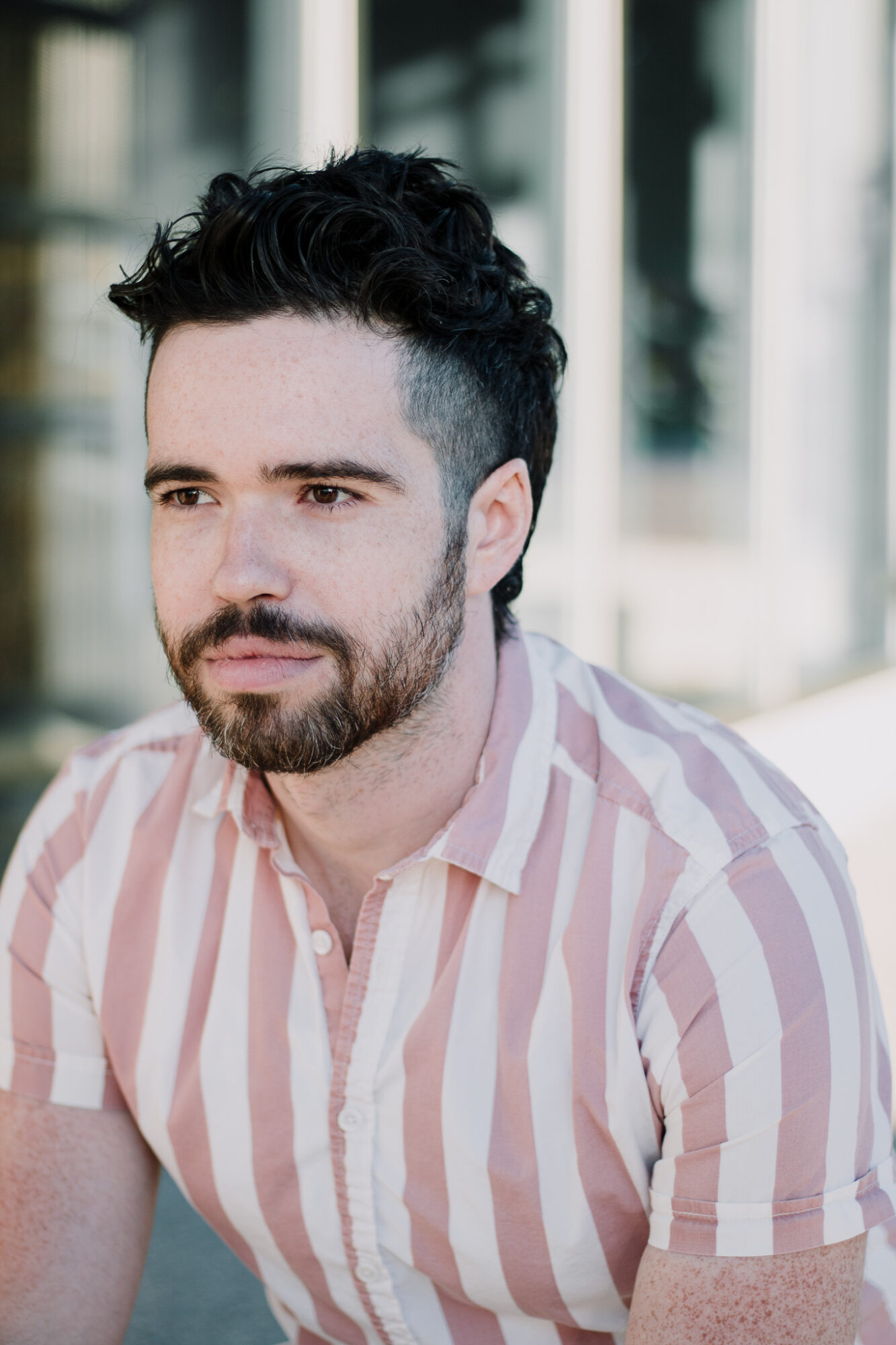
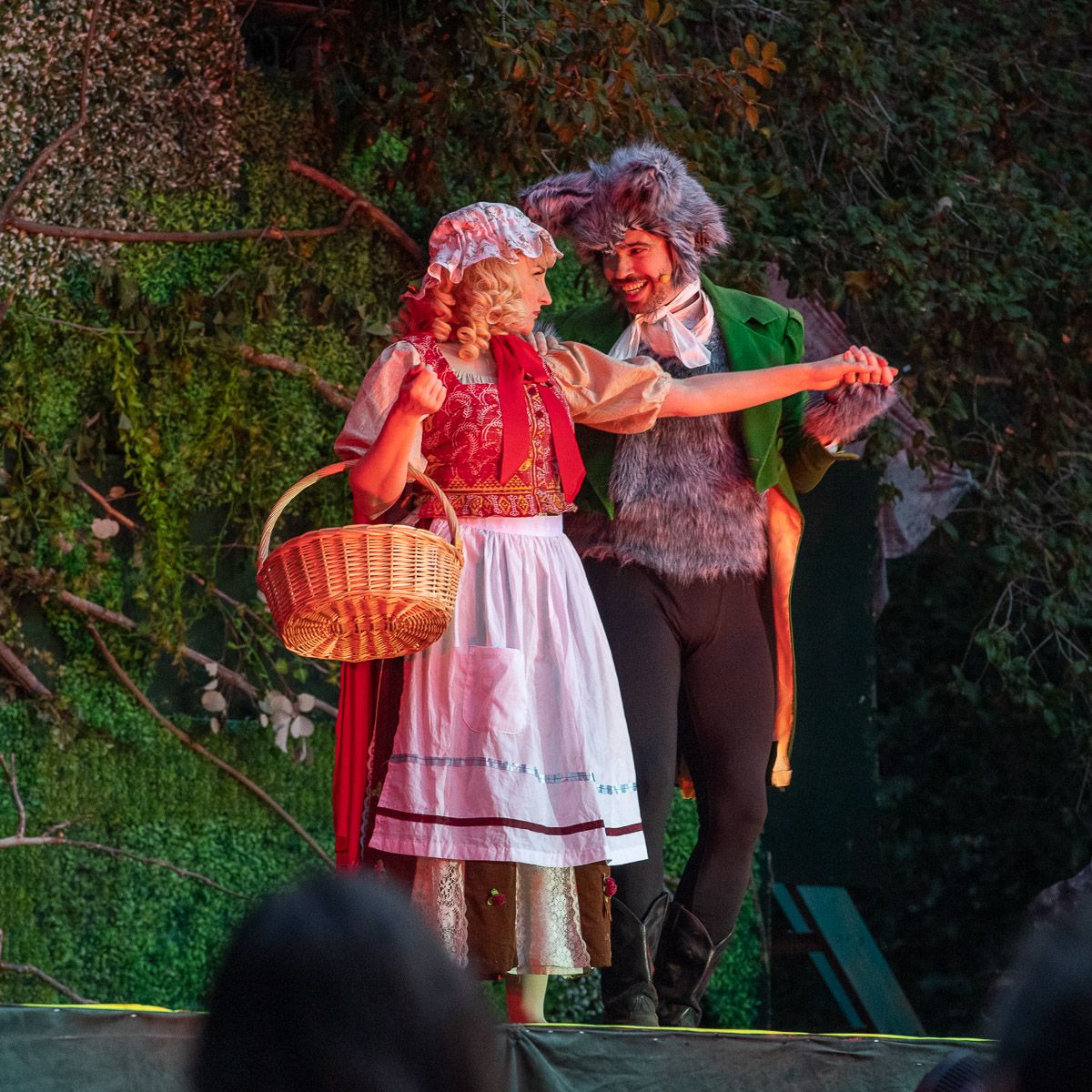
Image Credits
Matthew Holler, Sona Peric, Martha Benedict