





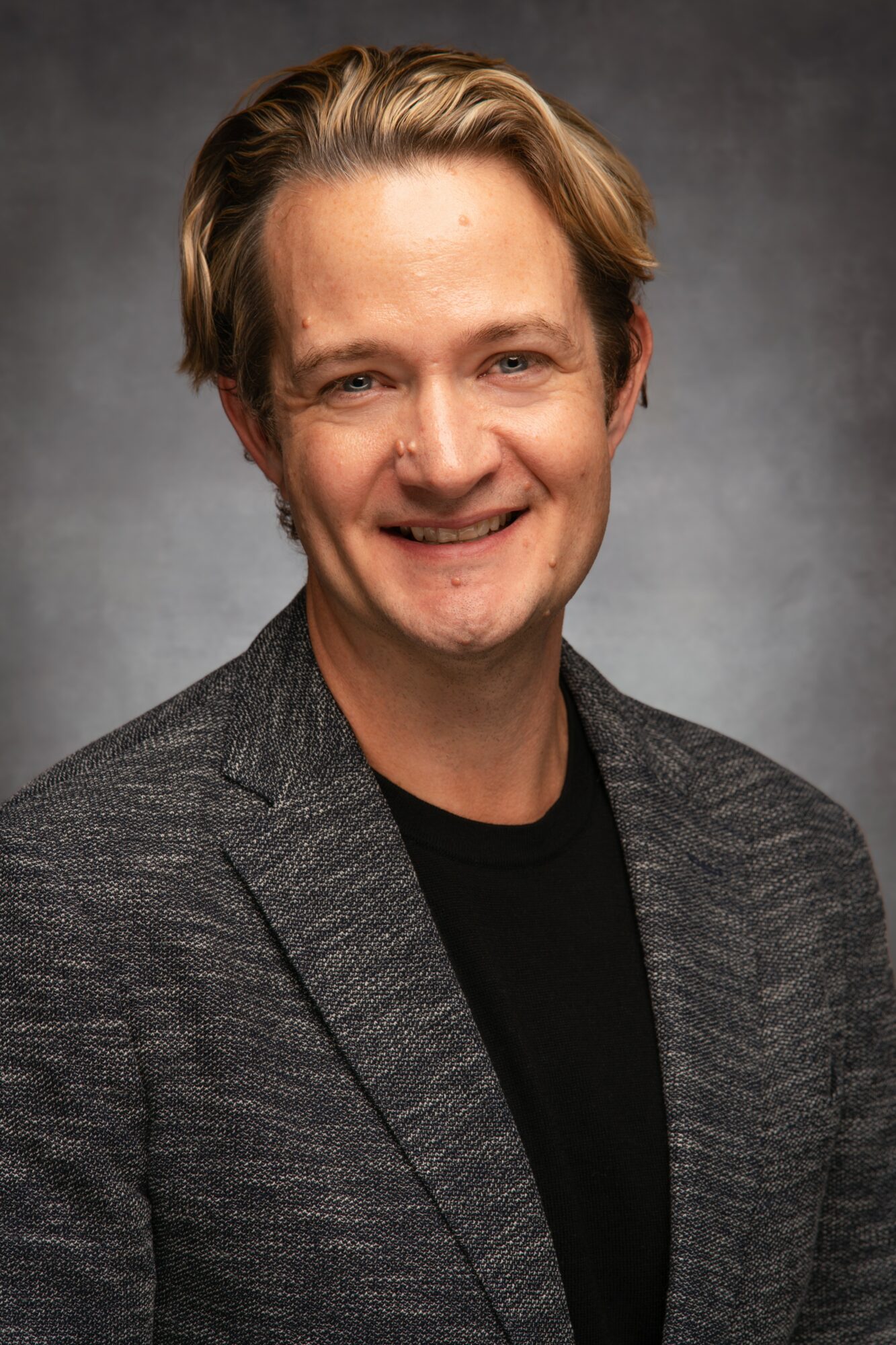
Today we’d like to introduce you to Jace Flatt.
Hi Jace, please kick things off for us with an introduction to yourself and your story.
My name is Jace Flatt, and I’m an associate professor at the University of Nevada, Las Vegas, where I also serve as director of the Center for Health Disparities Research.
A big part of my story is my commitment to improving the lives of LGBTQ+ older adults. I began my research career in San Francisco, where I had the incredible opportunity to meet and learn from pioneers who had spent decades fighting for LGBTQ+ rights and equality. Hearing their stories and learning from their experiences really shaped the kind of researcher I wanted to become.
Today, my research focuses on Alzheimer’s disease and other forms of dementia, as well as Parkinson’s disease, particularly among LGBTQ+ communities. I also work closely with family caregivers and healthcare providers. At the heart of all of this work is a simple goal: to improve the lives of communities that have historically been left out of research and may not have the same access to healthcare, services, and other resources.
There’s also a very personal reason I was drawn to this work. While I was working on my doctorate, my grandmother began experiencing memory loss and eventually moved into a long-term care setting because of dementia and other health challenges. Watching what she and my family went through made me want to better understand how we can improve quality of life not only for people living with Alzheimer’s, Parkinson’s, and related conditions, but also for the families and caregivers who support them.
Much of my research has been supported by federal grants and foundations. This past year brought an unexpected challenge when several of my federally funded grants were terminated following changes in federal priorities. I became involved in conversations with the media and ultimately a class-action lawsuit challenging those terminations. We were successful in having the majority of those grants restored, which allowed us to continue research that directly serves communities that have often been overlooked.
Beyond conducting research, I feel strongly that this work needs to make its way back to the people it is intended to serve. I’m committed to community service, sharing what we learn in accessible ways, and creating opportunities for community members to participate in and shape research. For me, research isn’t just about publishing findings—it’s about making sure that knowledge ultimately improves people’s lives.
Alright, so let’s dig a little deeper into the story – has it been an easy path overall and if not, what were the challenges you’ve had to overcome?
It definitely hasn’t always been a smooth road. Building a research career in academia can be incredibly rewarding, but it also takes persistence. Early in my career, one of the biggest challenges was learning how to become a strong grant writer while also developing research ideas that were innovative, scientifically rigorous, and could ultimately make a difference in people’s lives. There’s a lot of rejection along the way, and you learn to take that feedback, grow from it, and keep moving forward.
More recently, some of the biggest challenges have come from changes in federal priorities that have made it increasingly difficult to conduct research focused on LGBTQ+ communities and other populations that have historically been underrepresented in research. Over the past year, several of my federally funded grants were terminated. That created tremendous uncertainty—not only for the research itself, but also for the staff, trainees, community partners, and participants who had invested in this work. We lost team members, had to navigate disruptions to ongoing projects, and faced new challenges in maintaining trust and engagement with communities.
I ultimately became involved in speaking publicly about these challenges and in legal efforts that resulted in the majority of those grants being restored. That experience reinforced for me how important it is for scientists to advocate for their research and for the communities they serve.
Through all of these challenges, I’ve tried to stay focused on why I started doing this work in the first place. Research can be difficult and unpredictable, but knowing that our work can help improve the lives of older adults, people living with Alzheimer’s or Parkinson’s disease, family caregivers, and communities that have too often been overlooked makes it worth continuing.
:::
As you know, we’re big fans of you and your work. For our readers who might not be as familiar what can you tell them about what you do?
A big part of what I’m known for is bringing those communities into the research process and asking how we can translate science into meaningful improvements in people’s everyday lives.
Professionally, I’m incredibly proud of the research program I’ve built. I’ve been fortunate to compete successfully for federal and foundation grants, publish more than 100 peer-reviewed scientific articles, and collaborate with researchers and communities across the country. But I don’t measure success only by grants or publications. Some of the things I’m proudest of are the students and early-career researchers I’ve mentored and seeing them develop their own careers and find ways to make an impact.
I’m also deeply proud of my connection to the LGBTQ+ community. My husband and I were married before marriage equality became federally recognized across the United States. Living through that period, but also seeing how much has changed and recognizing how much work remains, has shaped both who I am personally and the kind of scientist and advocate I want to be. Supporting LGBTQ+ communities, particularly LGBTQ+ older adults, isn’t simply an academic interest for me. It’s something I care deeply about.
What I think sets me apart is that I’ve never viewed research as something that should stay within universities or scientific journals. I believe researchers have a responsibility to show up for communities, listen to them, advocate when necessary, and make sure what we learn gets back into their hands.
Ultimately, when I look back on my career, I hope my legacy isn’t simply the number of grants I received or papers I published. I hope it’s the students whose lives and careers I helped shape, the communities that felt seen and represented in our research, and the ways our work helped make life a little better for people who have too often been overlooked.
What quality or characteristic do you feel is most important to your success?
I think kindness and persistence have been the most important qualities to my success. Research and academia come with a lot of rejection and unexpected challenges, so I’ve learned to keep moving forward, learn from setbacks, and find new paths when needed. I also believe in listening to others and surrounding myself with great people. Staying connected to my purpose focused on improving people’s lives and creating opportunities for communities that are often overlooked keeps me motivated even when things get difficult.
Contact Info: