



Today we’d like to introduce you to Danielle Engen.
Hi Danielle, thanks for sharing your story with us. To start, maybe you can tell our readers some of your backstory.
Music and creative environments have always been a passion of mine. I grew up in a musical family and knew from a young age that I wanted to work in a creative field. I began my career in producer management, which gave me an early education in how artists, producers, engineers and studios come together to make records.
That work brought me into recording studios, and I quickly became fascinated by the environments themselves. I have always loved the feeling of being in a great studio. The combination of creativity, technology, design, and collaboration. Over time, I became increasingly interested in how those spaces could be honored, developed, and improved. I wanted to understand not only how studios operated, but why certain rooms made people feel comfortable, inspired, and able to do their best work.
While managing Studios 301 in Australia, I had the opportunity in 2013 to help design and build six new production suites. That was an important turning point for me. It allowed me to translate years of operational experience into physical spaces and showed me that design and development were where many of my strengths and interests came together.
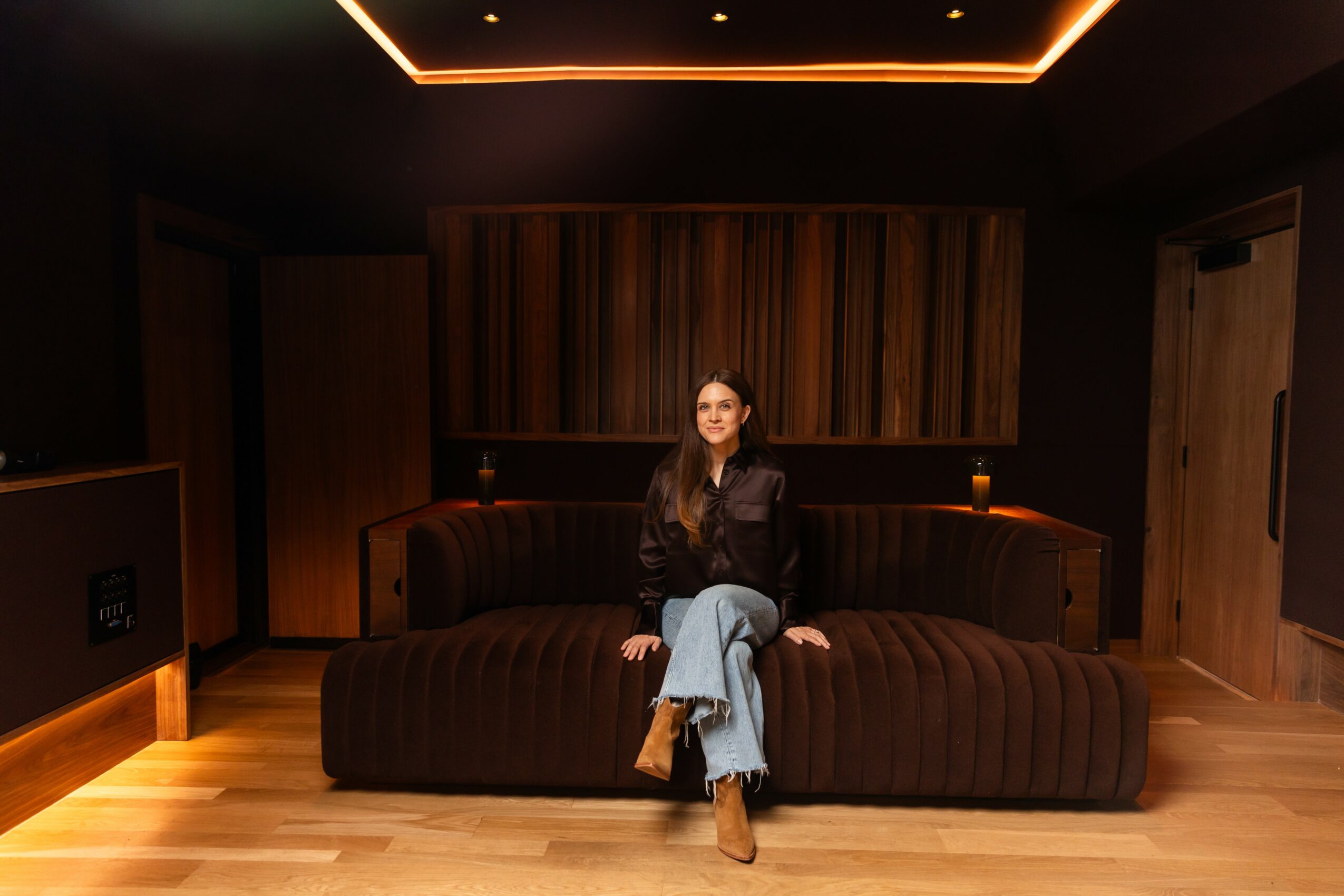
Since joining Electric Feel in 2019, that part of my work has continued to grow. I have led studio and creative-space projects for the company in Los Angeles, Nashville, and Miami, along with private studios for clients including Louis Bell, 24kGoldn, and Iann Dior. Each project has been different, but the goal is always the same: to create an environment that responds to how the individual artist, producer, or team actually works.
Electric Feel Miami is the most expansive expression of that approach so far. The 12,000 square foot, three-story property in Edgewater goes far beyond a traditional recording facility. In addition to two luxury recording studios, it includes listening rooms, offices, and creative workspaces, as well as a rooftop restaurant, bar and lounge venue. I directed the project across design, construction, acoustics, technology, and hospitality, working with an incredible multidisciplinary team to bring the larger vision together.
Looking back, my path feels like a natural progression. I spent years working inside recording studios, learning how people use them and what makes them special. That experience ultimately led me to designing and building the kinds of creative environments I want to deliver to artists and creators.
Would you say it’s been a smooth road, and if not what are some of the biggest challenges you’ve faced along the way?
It has not always been a smooth road, as there is not one traditional path into the work I do. My background was built through studio operations, producer management, and years of working directly with artists, producers, engineers, and creative teams. Moving into design and construction meant learning how to translate that experience into an entirely different language involving architecture, acoustics, engineering, permitting, budgets, schedules, and technical systems.
Much of that education came through experience. I learned by asking questions, spending time on job sites, working closely with specialists and taking responsibility for increasingly complex projects. There were many moments when I had to become fluent in a new discipline quickly enough to make an informed decision while still keeping the larger creative vision intact.
One of the greatest challenges in this work is balancing creativity with reality. A beautiful idea still has to function technically, fit within a budget, comply with building requirements, and hold up to constant use. Recording studios add another layer because architecture, acoustics, and technology are completely interconnected. A decision that seems small on the surface can affect isolation, sound quality, workflow, or the overall experience of a room.
Electric Feel Miami tested all of those skills on a much larger scale. Coordinating a three-story property with recording studios, offices, listening spaces, and a rooftop hospitality venue required years of problem-solving and collaboration across many different disciplines. Maintaining a consistent vision while navigating construction realities was challenging, but it also made the finished project especially meaningful.
The difficult parts taught me to be resourceful, patient, and decisive. They also taught me that strong creative leadership is not about controlling every detail yourself. It is about assembling the right people, understanding how their expertise connects and keeping everyone aligned around a clear vision.
As you know, we’re big fans of you and your work. For our readers who might not be as familiar what can you tell them about what you do?
I specialize in the design, development, and operation of recording studios and creative spaces. I guide projects from the earliest programming and concept stages through design, construction, technical integration, and opening. That means helping define how a space should function, assembling and coordinating the right teams, making and reviewing design decisions, managing budgets and schedules, and ensuring the finished environment supports the people who will actually use it.
A large part of my role is serving as a bridge between disciplines. Artists and executives may describe how they want a space to feel, while architects, acousticians, engineers, contractors, and technology integrators need specific information to build it successfully. I help translate between those perspectives and keep the creative, technical and operational priorities connected throughout the process.
My approach begins with the individual user rather than a predetermined formula. Every artist, producer, and company works differently. Some people need privacy and stillness, while others thrive in highly social and collaborative environments. The best space is one that feels intuitive to the person using it and allows the technology to support the creative process without becoming a distraction.
I am most proud of Electric Feel Miami because it brings together so many aspects of my background. It is technically sophisticated, but it is also warm, residential, and hospitality-driven. The studios are central to the property, yet the listening rooms, offices, gathering spaces, and rooftop venue are equally important to the overall experience. It was designed as an ecosystem where music, business, culture, and community can naturally intersect.
What sets me apart is that I came to design and construction after spending years operating studios and supporting the people who work inside them. I understand what happens after the drawings are finished and the construction team leaves. I think about how a room will feel during a long session, how people will move through it, where equipment and personal items will collect, how privacy will be maintained, and how the building will function every day. That operational perspective influences every design decision I make.
Is there any advice you’d like to share with our readers who might just be starting out?
Don’t presume that your path has to be perfectly defined from the beginning. Mine was not. The experience that eventually shaped my work in design and construction came from years of producer management and studio operations. At the time, those roles did not necessarily feel like steps toward designing rooms, but they gave me an understanding of creative personalities and working environments that I could not have learned from drawings alone.
Be curious about the disciplines surrounding your own. If you are interested in studio design, learn about acoustics, architecture, construction, technology, lighting, furniture, and hospitality. You do not have to become an expert in every field, but you should understand enough to ask thoughtful questions, recognize how decisions affect one another, and communicate respectfully with the people who are experts.
Spend time in real spaces and pay attention to how they are used. Notice where people naturally gather, what makes a room feel comfortable, what interrupts a workflow, and which details continue to perform well over time. Some of the most important lessons in design come from observing what happens after a space opens.
I would also tell anyone starting out not to be intimidated by what they do not yet know. Ask questions and be honest about where you need guidance. At the same time, take ownership, follow through, and become someone people can rely on. Trust is built through consistency, especially when a project becomes difficult.
Finally, learn to value your perspective. Technical knowledge is essential, but so are empathy, intuition, and an understanding of how people experience a space. The most successful creative environments are not simply impressive to look at. They help people feel supported, inspired, and capable of doing their best work.
Contact Info:
- Website: https://electricfeel.studio
- Instagram: https://instagram.com/danielleengen
- LinkedIn: .linkedin.com/in/danielleengen


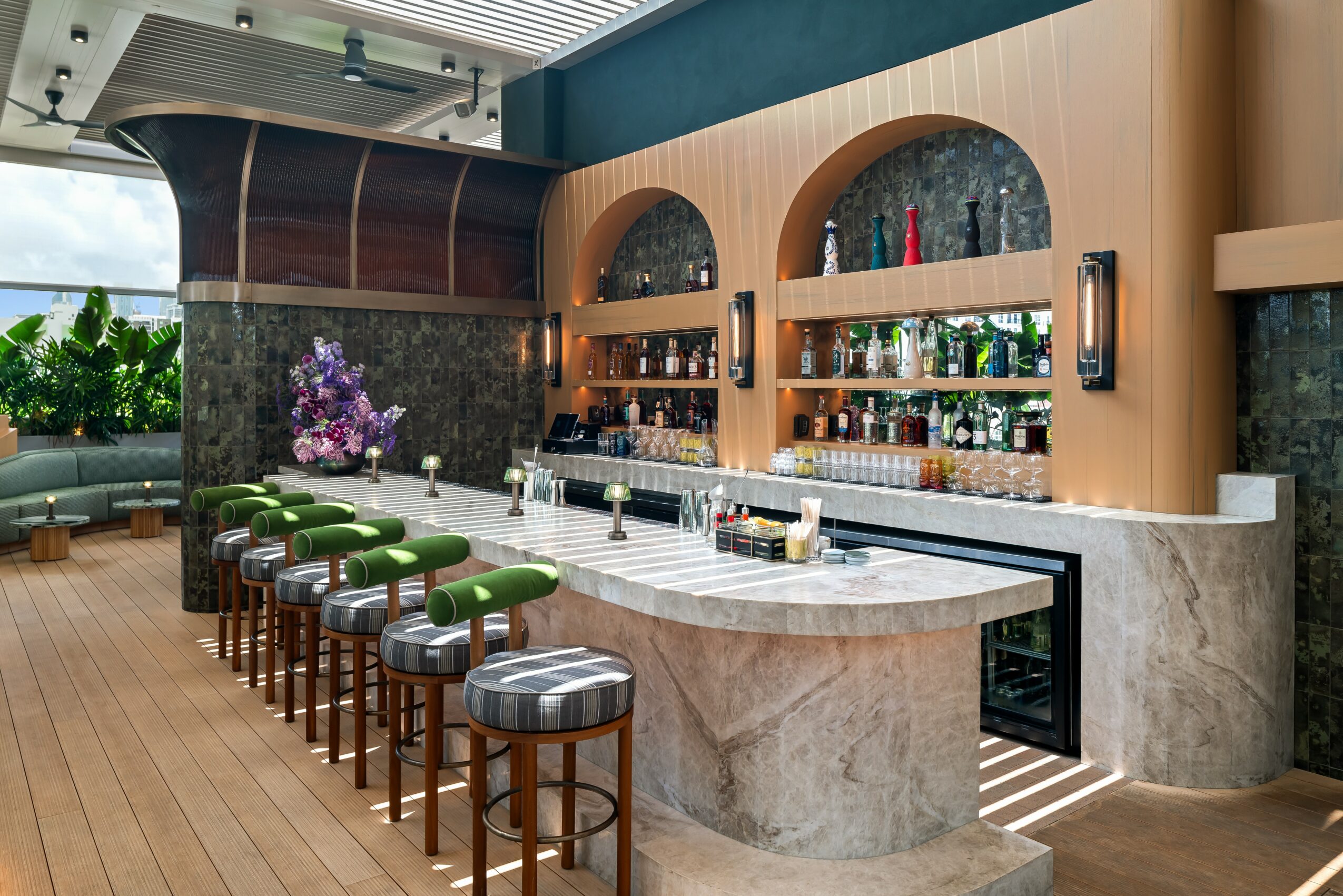


Image Credits
Ali Kabas, Alex Tarajano, Elevato Visuals