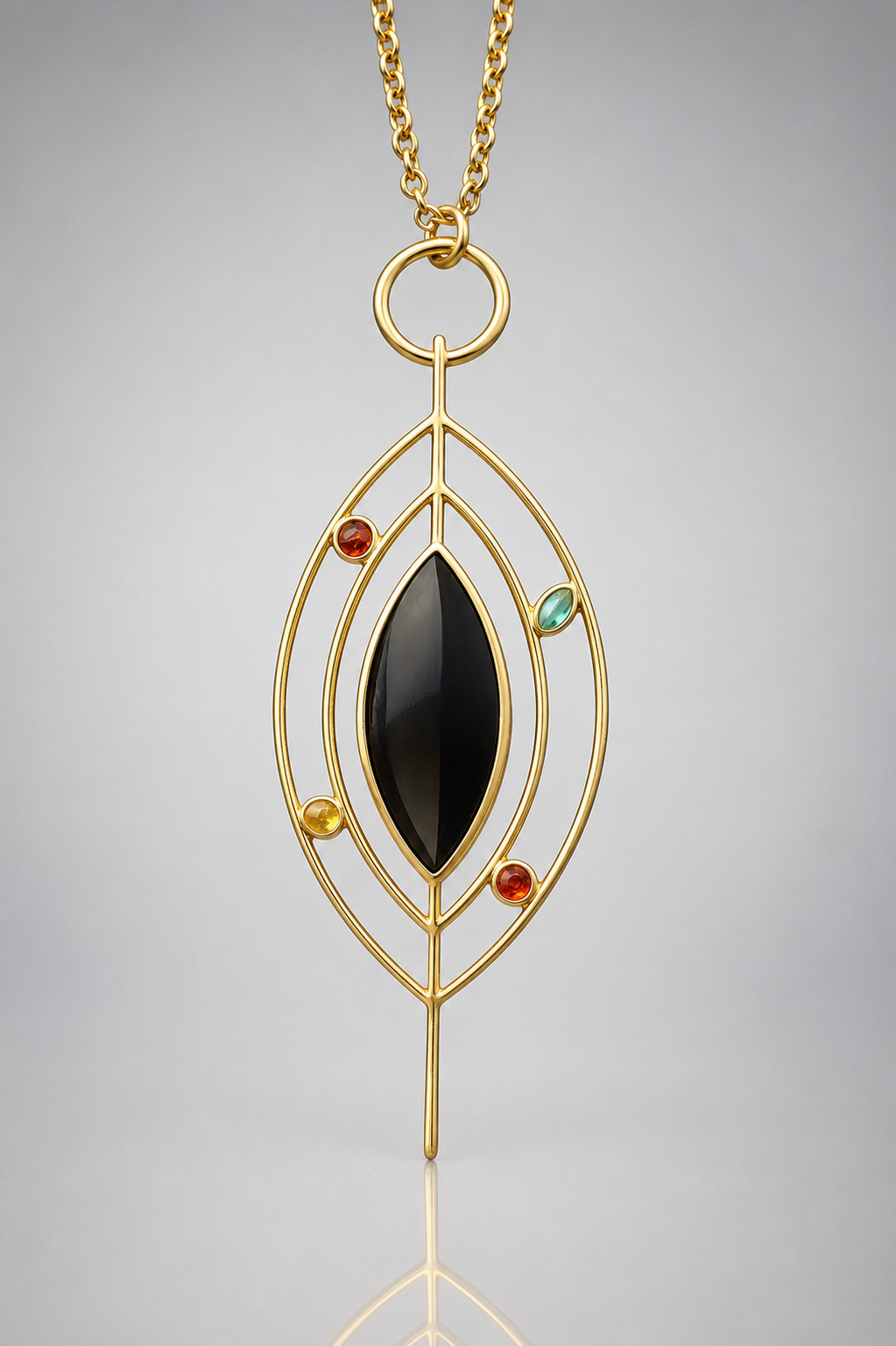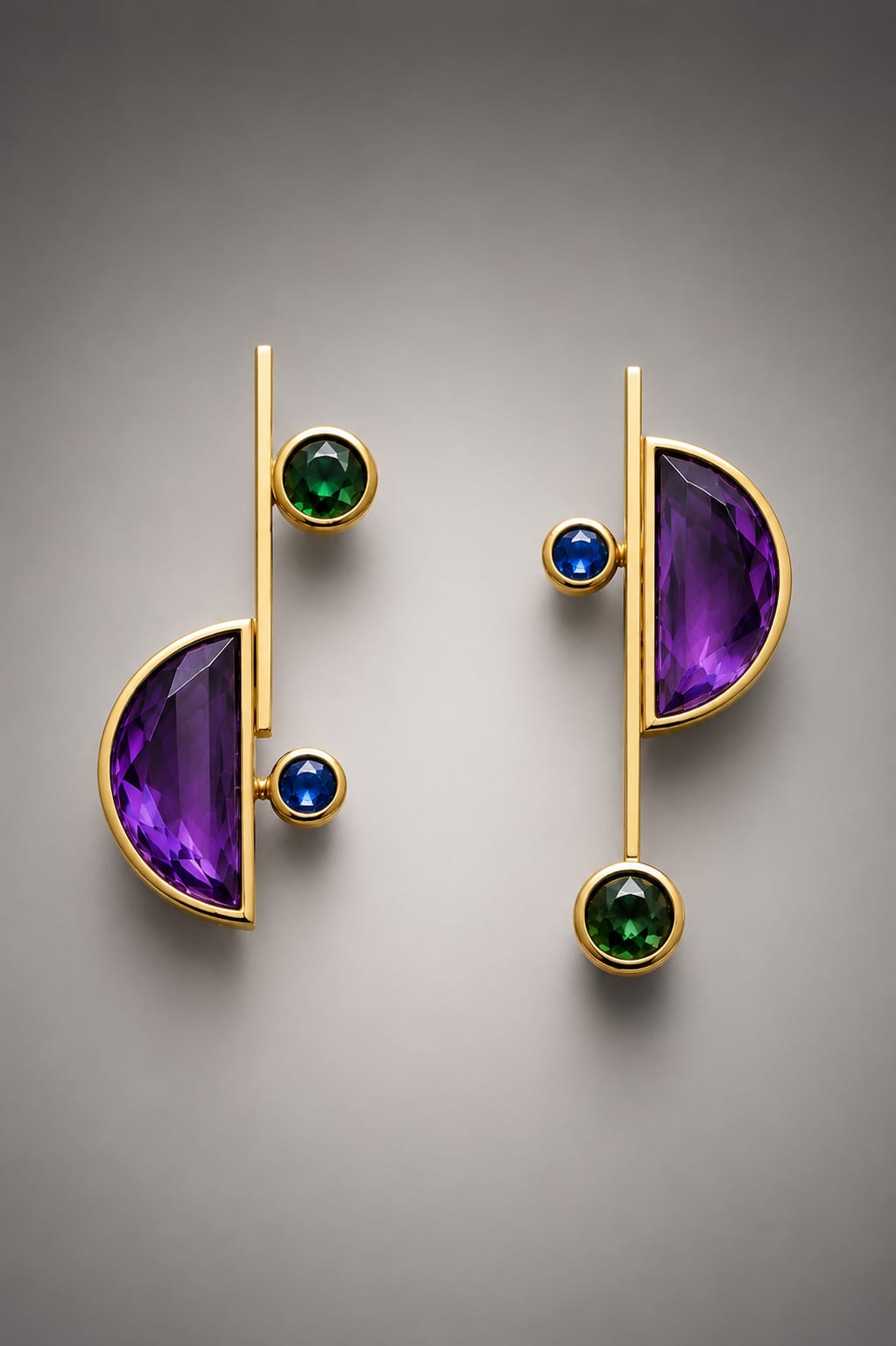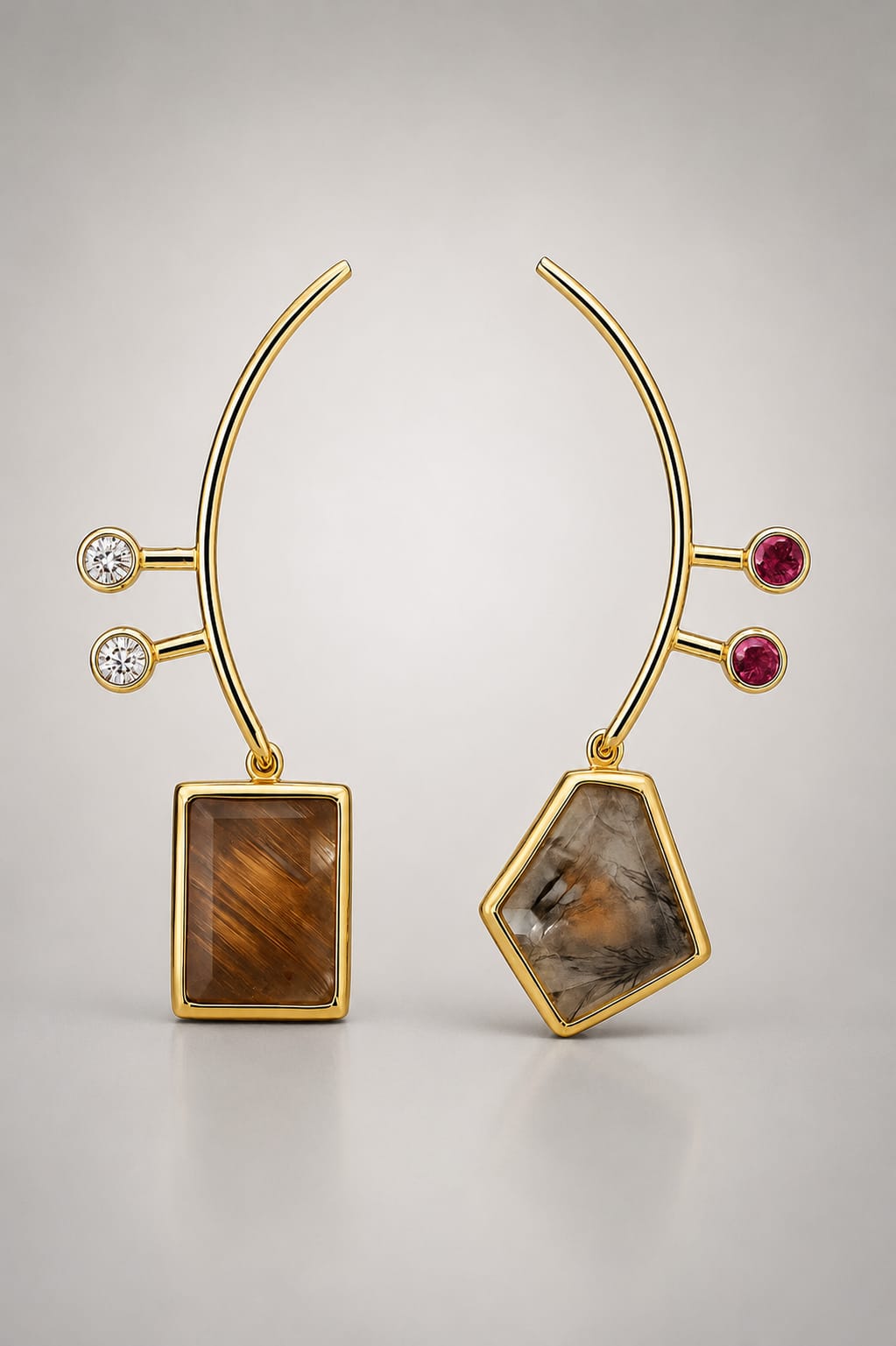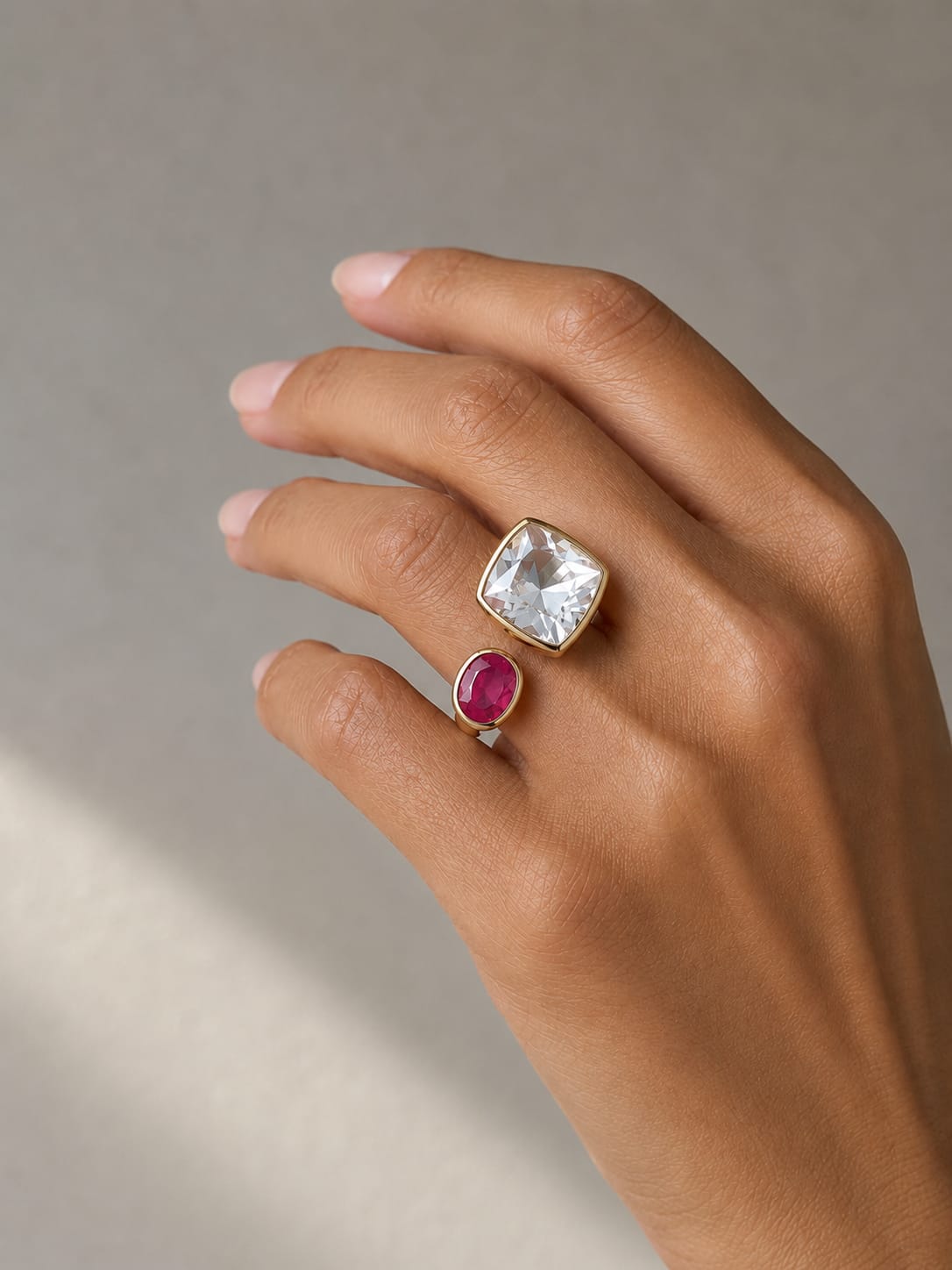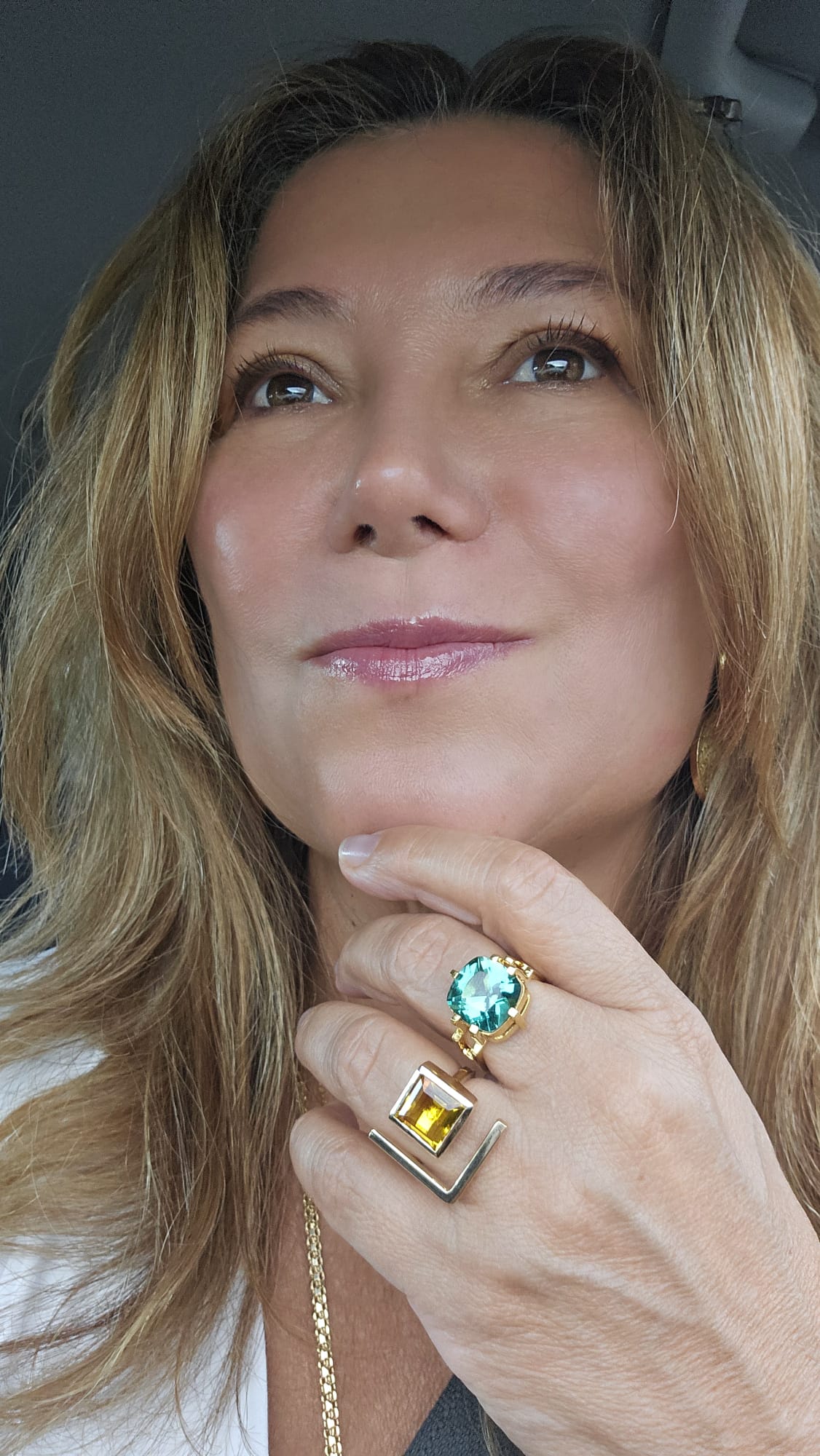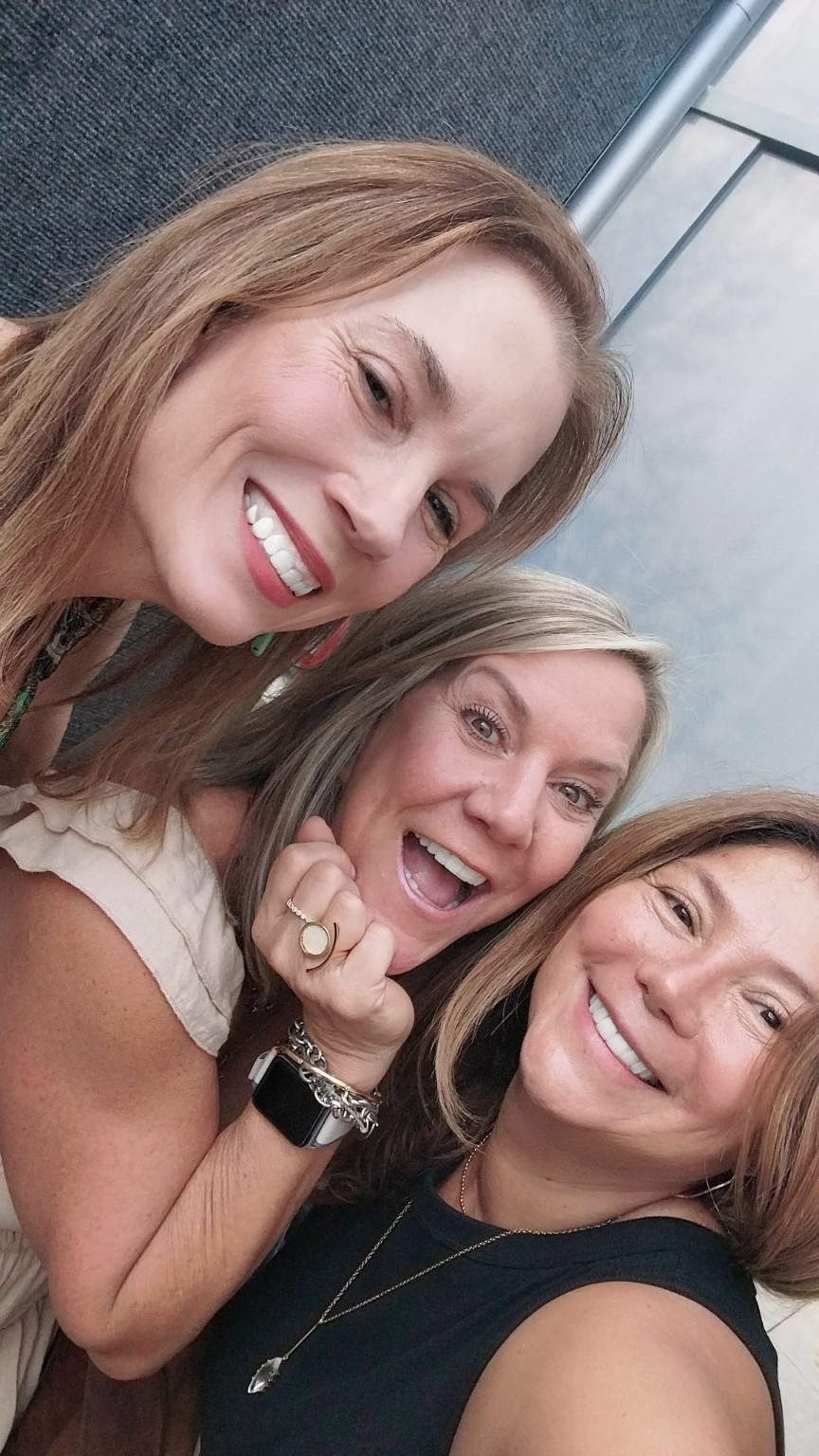





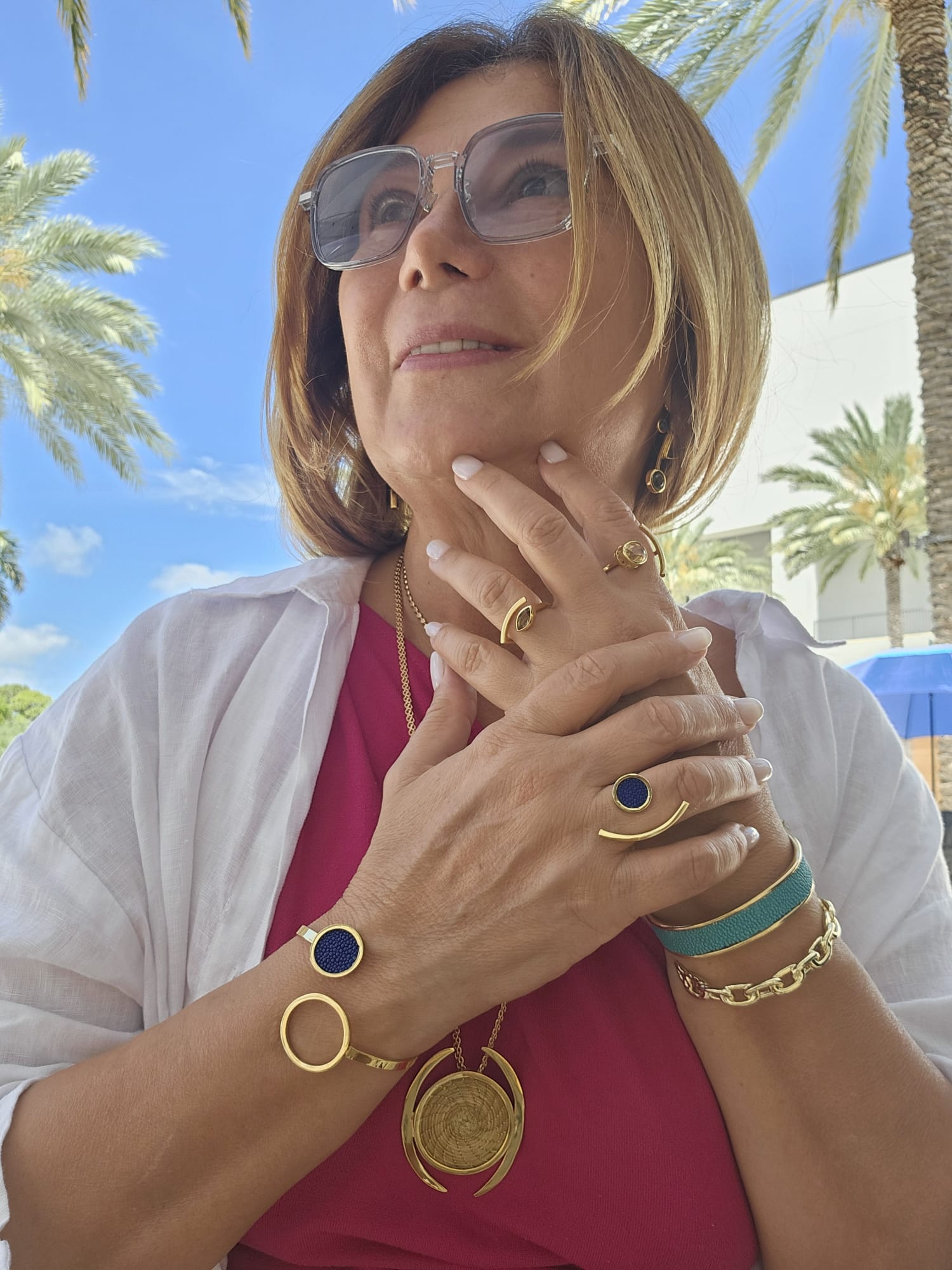
Today we’d like to introduce you to Rita Holanda.
Hi Rita, so excited to have you on the platform. So before we get into questions about your work-life, maybe you can bring our readers up to speed on your story and how you got to where you are today?
I was born in São Paulo, Brazil — a metropolis shaped by contrasts, diversity, art, and an extraordinary mix of cultures. Growing up in that environment had a strong influence on the way I observe the world, and I believe it continues to influence my creative process today.
I began studying contemporary jewelry in São Paulo, where I discovered a medium that allowed me to combine creativity, craftsmanship, and my fascination with form and materials. In 2004, I moved to Madrid, Spain, where I studied classical jewelry-making at a renowned school and developed a deeper understanding of traditional goldsmithing techniques.
My years in Europe became an important part of my development as an artist. I had the opportunity to participate in exhibitions, art fairs, and galleries in Madrid, Barcelona, Paris, and Lisbon. Being exposed to different artistic traditions and cultures gradually helped me develop my own visual language.
In 2012, I moved to Coral Gables, Florida, beginning another chapter of my life. In 2019, I founded Rita Holanda Jewelry Inc., bringing together the experiences and influences I had accumulated in Brazil, Europe, and the United States.
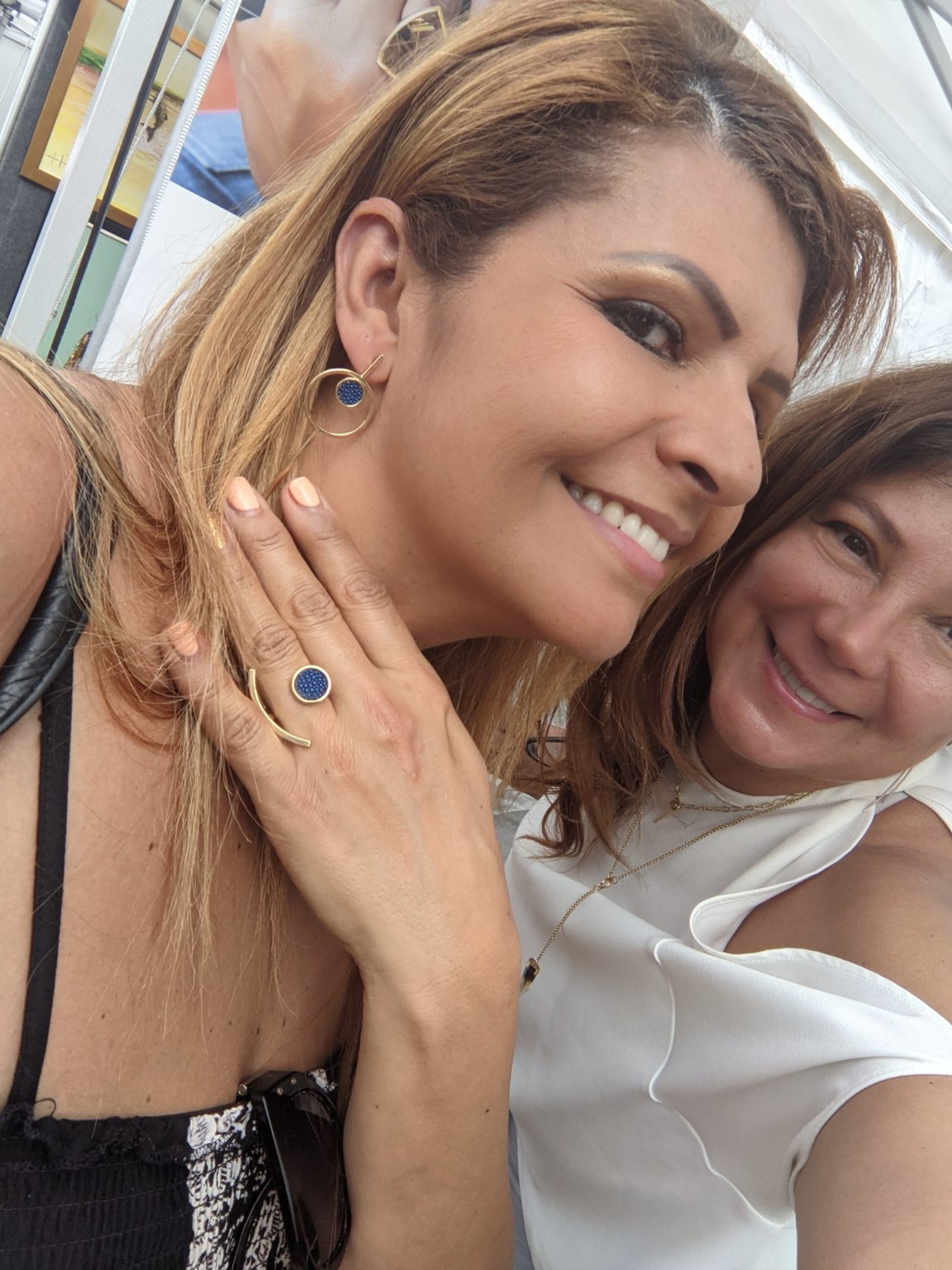
Since then, I have been presenting my work at juried art festivals throughout Florida, where my jewelry has received several awards and recognitions. One of the things I value most about these festivals is the direct relationship they create between the artist and the public. I have the opportunity to meet the people who choose my pieces, hear their stories, and see how something that began as an idea at my workbench becomes part of someone else’s life.
Today, my work continues to evolve, but the reason I create remains very close to where it began: jewelry is my language of artistic expression.
I’m sure it wasn’t obstacle-free, but would you say the journey has been fairly smooth so far?
It has definitely not been a completely smooth road. One of the biggest challenges throughout my journey has been starting over in different countries.
Each move meant much more than simply changing where I lived. I had to understand a new market, a different culture, new bureaucratic processes, and different ways of doing business. I had to study the possibilities around me, identify opportunities, build new relationships, and find new partners, often starting again without the professional network I had developed before.
Moving from Brazil to Spain and later to the United States required me to constantly adapt, both personally and professionally. What worked in one country did not necessarily work in another, so I learned to observe, listen, and understand each new environment before finding my place within it.
Looking back, those challenges also became an important part of my growth. Living and working in different cultures expanded the way I see my work and taught me to be flexible, curious, and open to change. In many ways, having to reinvent myself several times has influenced both the artist and the entrepreneur I am today.
Can you tell our readers more about what you do and what you think sets you apart from others?
I think my background as a historian has shaped the way I see the world, perhaps more than I realized when I first became a jewelry artist. It taught me to observe, to question, and to look beyond what is immediately visible. I am naturally curious about what surrounds me — a material, a place, a culture, a technique. Very little passes unnoticed.
That way of looking at the world became part of my creative process. When a material catches my attention, its beauty alone is not enough. I want to know where it comes from, who works with it, how it is obtained, what traditions surround it, and what story it carries.
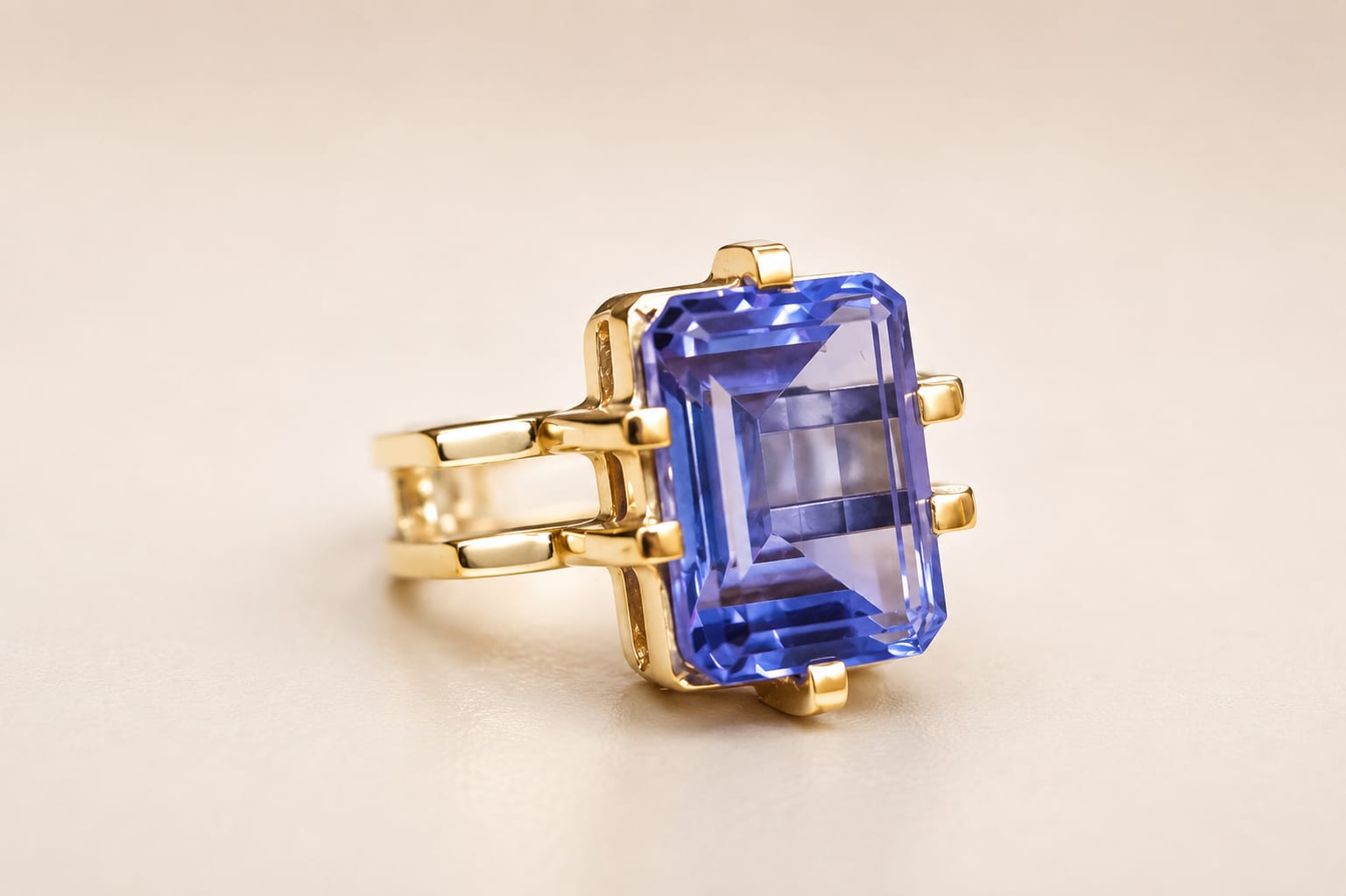
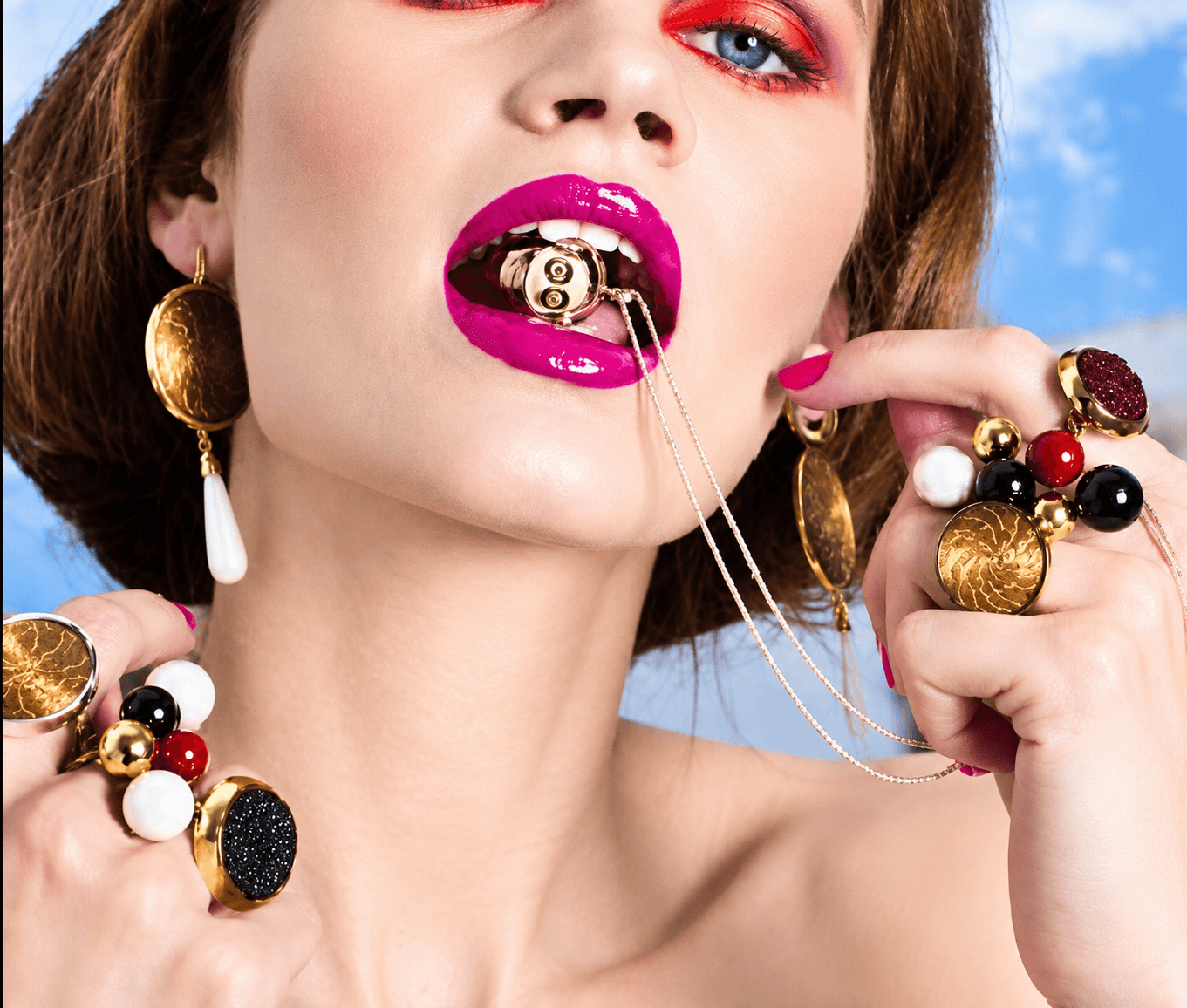
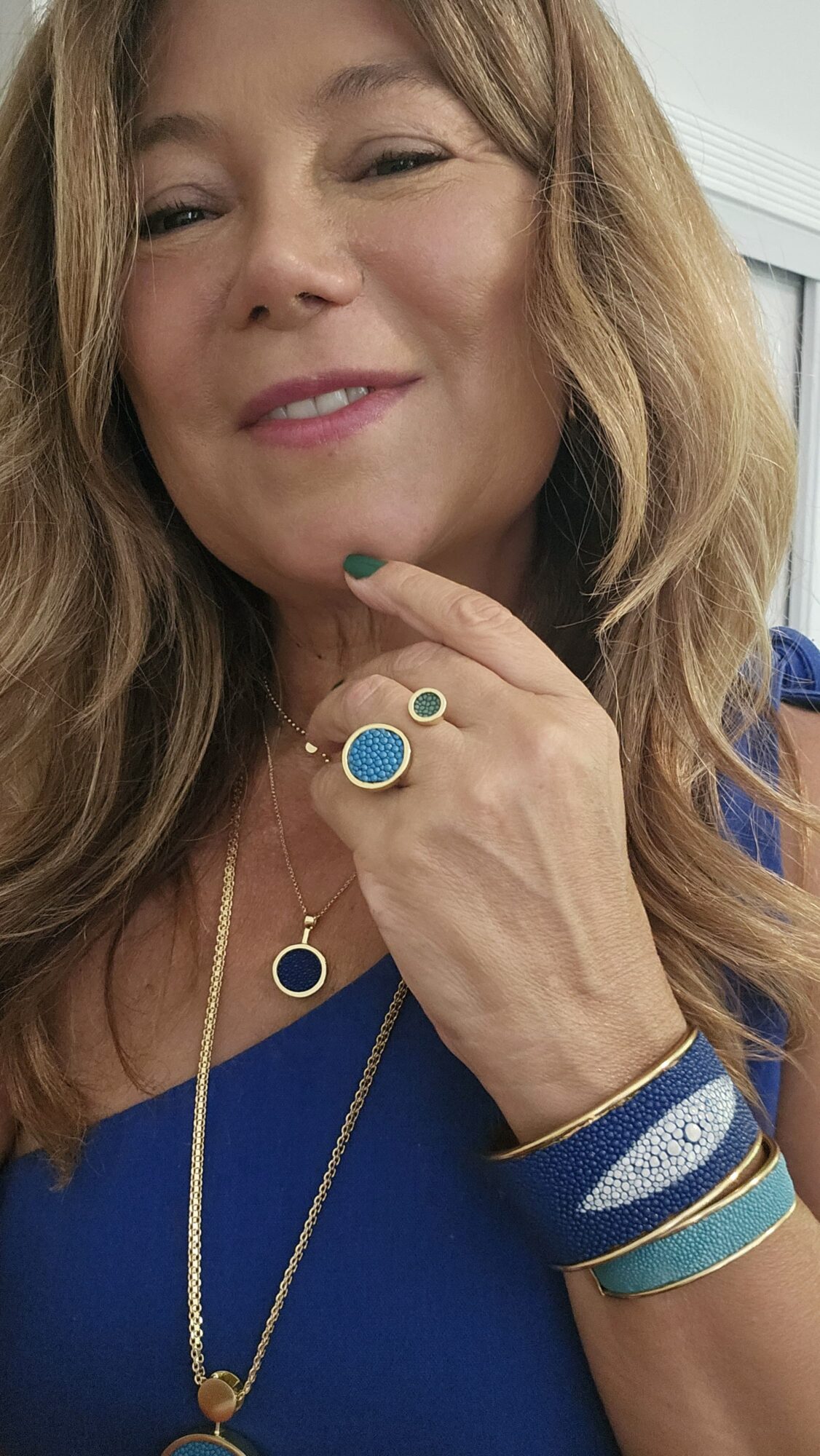
This is why materials such as Capim Dourado (Golden Grass), galuchat (stingray leather), and Brazilian gemstones have become so meaningful in my work. When I bring Capim Dourado into a piece, I am not simply choosing a beautiful golden fiber; I am bringing something connected to the Jalapão region of Brazil, its landscape, its communities, and generations of traditional knowledge. When I use galuchat, its remarkable texture is only part of what interests me — I am equally fascinated by the history and cultural significance of the material. And when I choose an opal from Piauí, its origin and the place it comes from are part of what makes that stone special to me.
I don’t see materials simply as raw materials. I see them as carriers of stories. My role as an artist is to understand and respect those stories and then find a way to bring the material into my own contemporary jewelry language.
Perhaps that is what best defines my work: the curiosity of a historian combined with the sensitivity of an artist. I am constantly observing, researching, experimenting, and discovering new possibilities — and that process is as important to me as the finished piece itself.
Are there any books, apps, podcasts or blogs that help you do your best?
I am passionate about art and architecture, and I am an avid museum-goer. Modern and contemporary art have always been part of my visual world, just as architecture has. Artists such as Miró and architects such as Gaudí have deeply influenced the way I observe form, movement, color, and space.
In many ways, my creative process is connected to the Brazilian concept of cultural anthropophagy — the idea of “devouring” the world around us, absorbing different artistic and cultural influences, digesting them, and transforming them into something of our own.
This happens to me almost unconsciously. I absorb the places where I live. When I lived in Spain, for example, Miró’s visual universe inspired my Olhos de Miró (Eyes of Miró) collection. The fireworks that were so present in Spanish celebrations also became the starting point for another collection. Growing up in São Paulo, surrounded by the strong presence of Japanese culture, eventually influenced my Japan collection.
And when I arrived in Miami, the city itself began to enter my work. I was fascinated by its Art Deco architecture — its geometry, rhythm, lines, colors, and contrasts — and that experience eventually became my Art Deco collection. You can see the influence of the city and its architecture in the pieces, but transformed through my own visual language.
That is what cultural anthropophagy means to me as an artist. I don’t reproduce what I see; I absorb it. I digest it. I transform it. A painting, a building, a city, a plant, an object, or a cultural experience can remain somewhere in my memory and emerge much later as something completely different.
So, although museums, exhibitions, books, travel, and research are all important resources for me, my greatest resource is probably my own way of looking at the world. I am always observing, even when I am not consciously looking for inspiration.
Pricing:
- Jewelry pieces starting at $90
- Most pieces: $150–$600
- Fine jewelry and statement pieces up to $6,000
Contact Info:
- Website: https://ritaholanda.com
- Instagram: https://www.instagram.com/ritaholanda/