

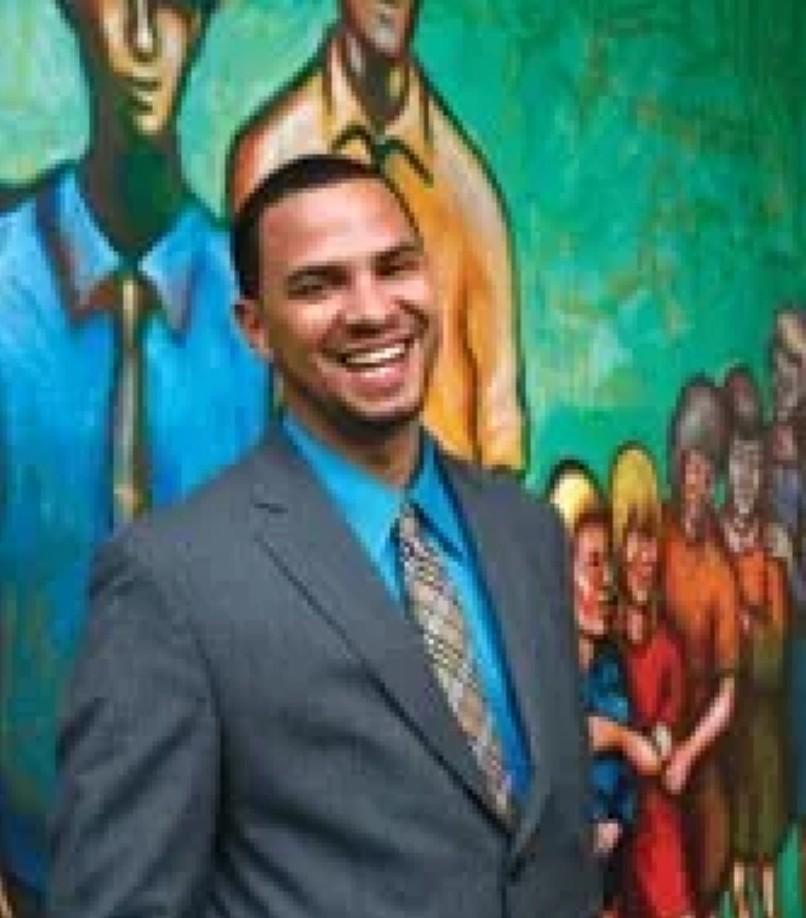
Today we’d like to introduce you to Kyle Holbrook.
Hi Kyle, we’d love for you to start by introducing yourself.
I’m an artist based in Miami and the founder of the MLK Mural Project, a nonprofit that uses public art to bring communities together. More than twenty years ago, I began creating murals with a simple belief that art can bring people from different backgrounds together and make a lasting impact on communities.
Over the years, that passion grew into a global career. I’ve painted murals in 49 states and more than 50 countries, collaborated with thousands of young people, and worked with schools, cities, corporations, professional sports teams, and community organizations around the world. My work has always focused on creating opportunities for people to participate in the artistic process rather than simply observe it.
Miami has been a huge part of my journey. The city’s culture, diversity, and creativity have inspired many of my most significant projects. Recently, my Miami Heat mural was named Mural of the Year, making me the only artist to receive that honor twice in Miami. I was also honored to have my murals featured in the new Peacock series M.I.A., introducing my work to audiences in an entirely new way.
What started with a paintbrush and a desire to make a difference has grown into a lifelong mission. Whether I’m painting with students at a local school or leading a large-scale international project, my goal remains the same: to use art to bring people together, create positive change, and leave communities stronger than I found them.
Would you say it’s been a smooth road, and if not what are some of the biggest challenges you’ve faced along the way?
I’ve been fortunate to have some incredible opportunities throughout my career, so I wouldn’t describe my journey as a constant struggle. Early on, I was able to earn major commissions, including a project connected to Major League Baseball’s All-Star Game. In 2009, I was awarded a $1 million United Nations grant to lead a large-scale mural initiative in Haiti following the devastating earthquake. Opportunities like those helped validate my work and opened doors to even bigger projects around the world.
That said, building a career as a mural artist still comes with challenges. Public art is unique because every project involves different partners, locations, budgets, timelines, and community expectations. Even after decades of experience, there are still projects that change direction, funding falls through, walls become unavailable, or unexpected obstacles arise.
One of the biggest challenges has been balancing the artistic side of the work with the responsibility of leading large community programs. As projects grew from individual murals into initiatives involving schools, nonprofits, corporations, and thousands of participants, I had to learn how to manage teams, partnerships, fundraising, and logistics while staying focused on the creative process.
Overall, I feel blessed. The challenges have been real, but they have been far outweighed by the opportunities. I’ve been able to create murals in 49 states and more than 50 countries, work with thousands of young people, collaborate with amazing communities, and see firsthand how art can bring people together. That’s something I never take for granted.
Appreciate you sharing that. What else should we know about what you do?
I am a mural artist and founder of the MLK Mural Project. I specialize in large-scale public art and collaborative murals that bring people together through the creative process. While many muralists work alone, I have built my career around creating artwork with communities, schools, businesses, professional sports teams, and organizations around the world.
Over the past two decades, I have created murals in 49 states and more than 50 countries. My work has taken me from neighborhood schools to international projects, including a $1 million United Nations-funded mural initiative in Haiti. More recently, my murals were featured in the Peacock series M.I.A., and I became the only artist to win Miami’s Mural of the Year award twice, including for my Miami Heat mural.
What I am most proud of is the impact the work has had on people. The murals are important, but what stays with me are the thousands of young people and community members who have participated in creating them. I have seen art bring together people from different backgrounds, cultures, and generations in ways that few other things can.
What sets me apart is both the scale of the work and the collaborative approach. There are many talented mural artists, but very few have created murals in 49 states and more than 50 countries while involving so many people in the process. My goal has never been just to paint walls. My goal has been to create experiences that leave communities stronger, more connected, and proud of what they created together.
After more than twenty years, that mission still inspires me every time I pick up a paintbrush.
What sort of changes are you expecting over the next 5-10 years?
I think technology, artificial intelligence, and immersive digital experiences will have a major impact on the art world over the next 5–10 years. Rather than replacing artists, I believe AI will become another tool in the creative toolbox, much like photography, digital illustration, or graphic design software did in previous generations.
Personally, I embrace AI as a tool. It can help artists brainstorm ideas, visualize concepts, explore color palettes, generate mockups, and streamline parts of the creative process. The artists who learn how to use these tools effectively will have an advantage, just as artists who adapted to previous technological changes did.
I also think we’ll see continued growth in augmented reality, virtual reality, and the metaverse. Murals and public art will increasingly have digital components that allow people to interact with artwork through their phones, wearable technology, or immersive environments. A mural may no longer exist only on a wall—it may tell stories, unlock animations, provide educational content, or connect audiences across the world through digital experiences.
At the same time, I believe there will be an even greater appreciation for authentic, human-created experiences. As technology becomes more common, people will continue to value real-world connections, community engagement, and the experience of creating something together. That’s one reason I believe collaborative public art will remain important.
The future belongs to artists who can embrace innovation without losing the human element. The technology will change, but creativity, storytelling, and the ability to bring people together will always be at the heart of great art.
Contact Info:
- Website: https://Mlkmural.com
- Instagram: @artworld187