

Today we’d like to introduce you to Gabriela Gamboa.
Hi Gabriela, can you start by introducing yourself? We’d love to learn more about how you got to where you are today?
I was born in Pittsburgh and raised in Venezuela, where I developed a deep connection to the landscape, history, and cultural complexities that continue to shape my work. Growing up between different cultures taught me great adaptability and, I believe, a sense of openness and communication.
Though I have a strong sense of identity with Venezuela, I know memory, migration, and the places we call home are fluid and unpredictable. My early experiences became the foundation of my artistic practice.
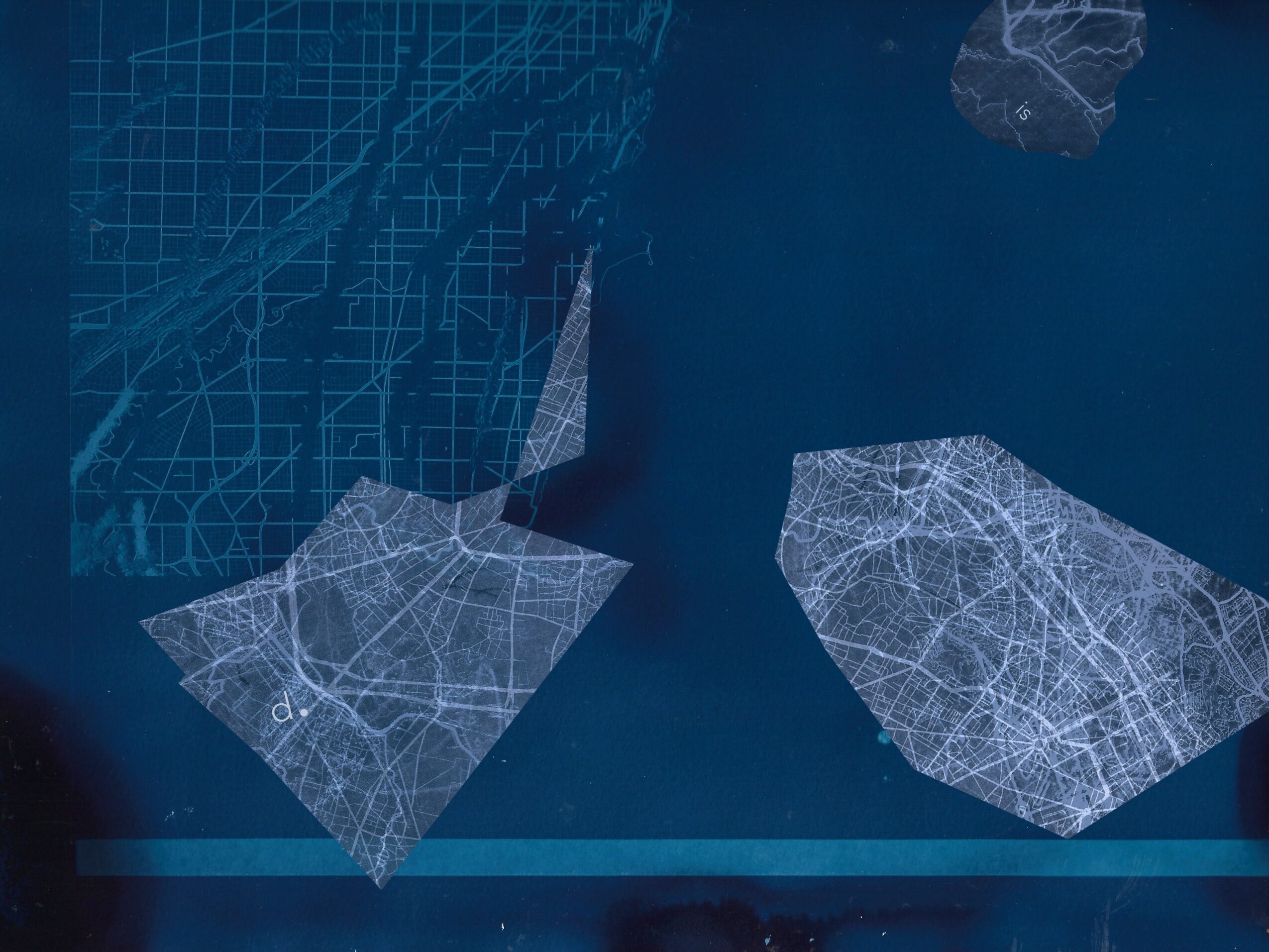
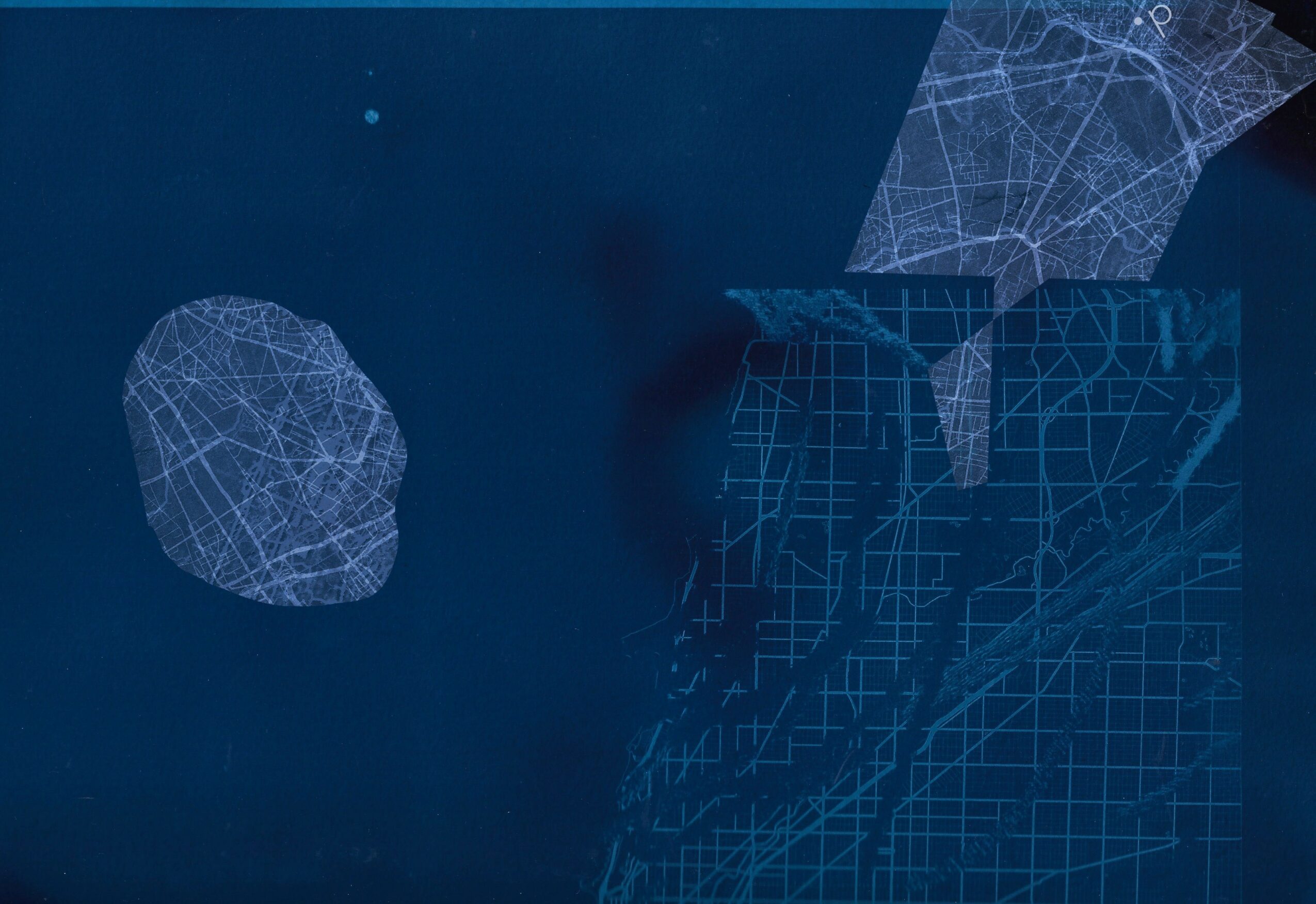
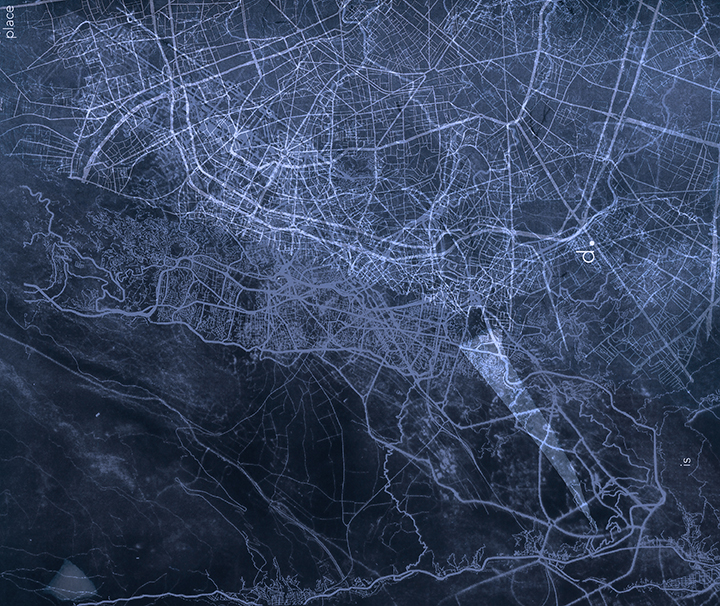
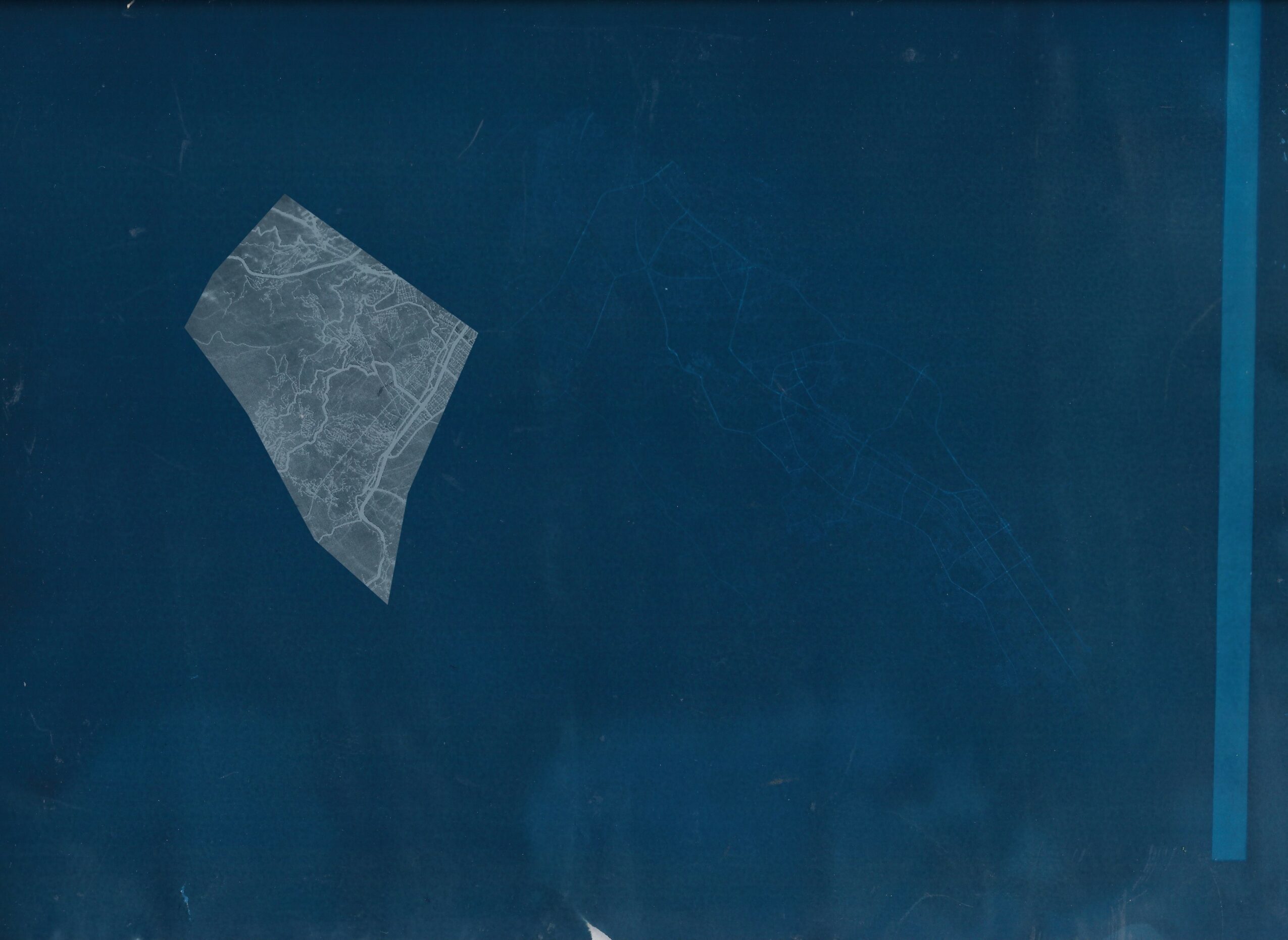
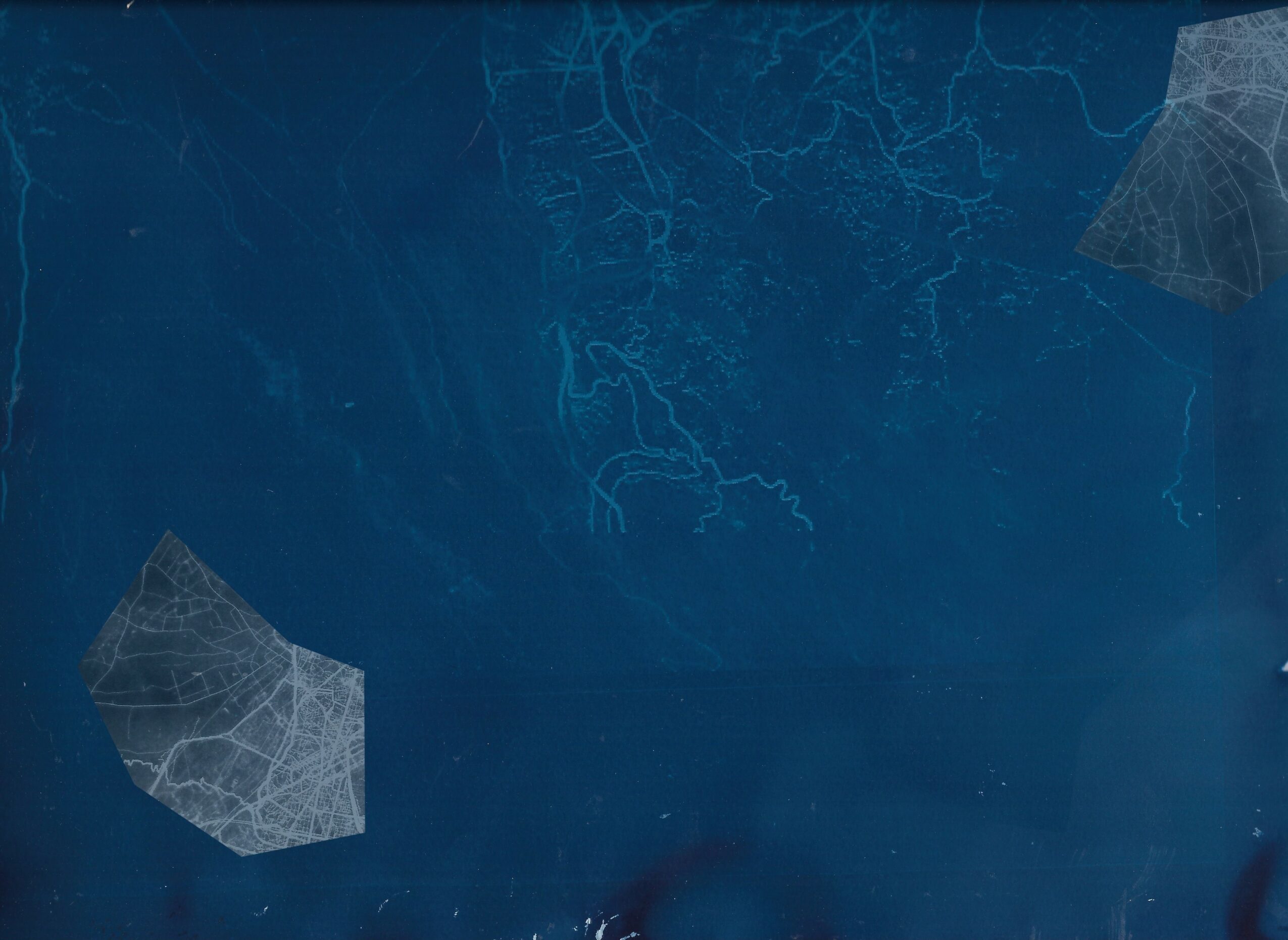
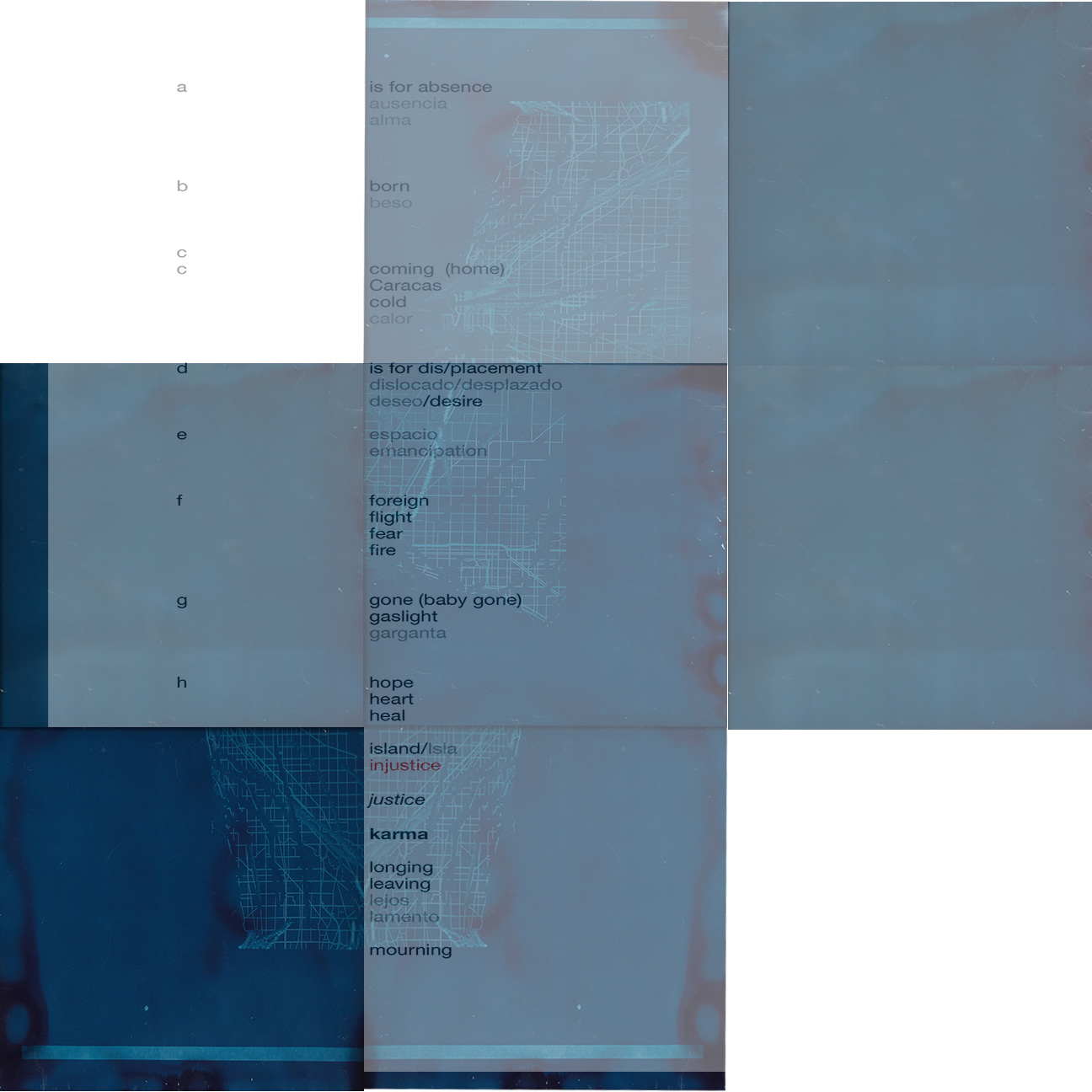
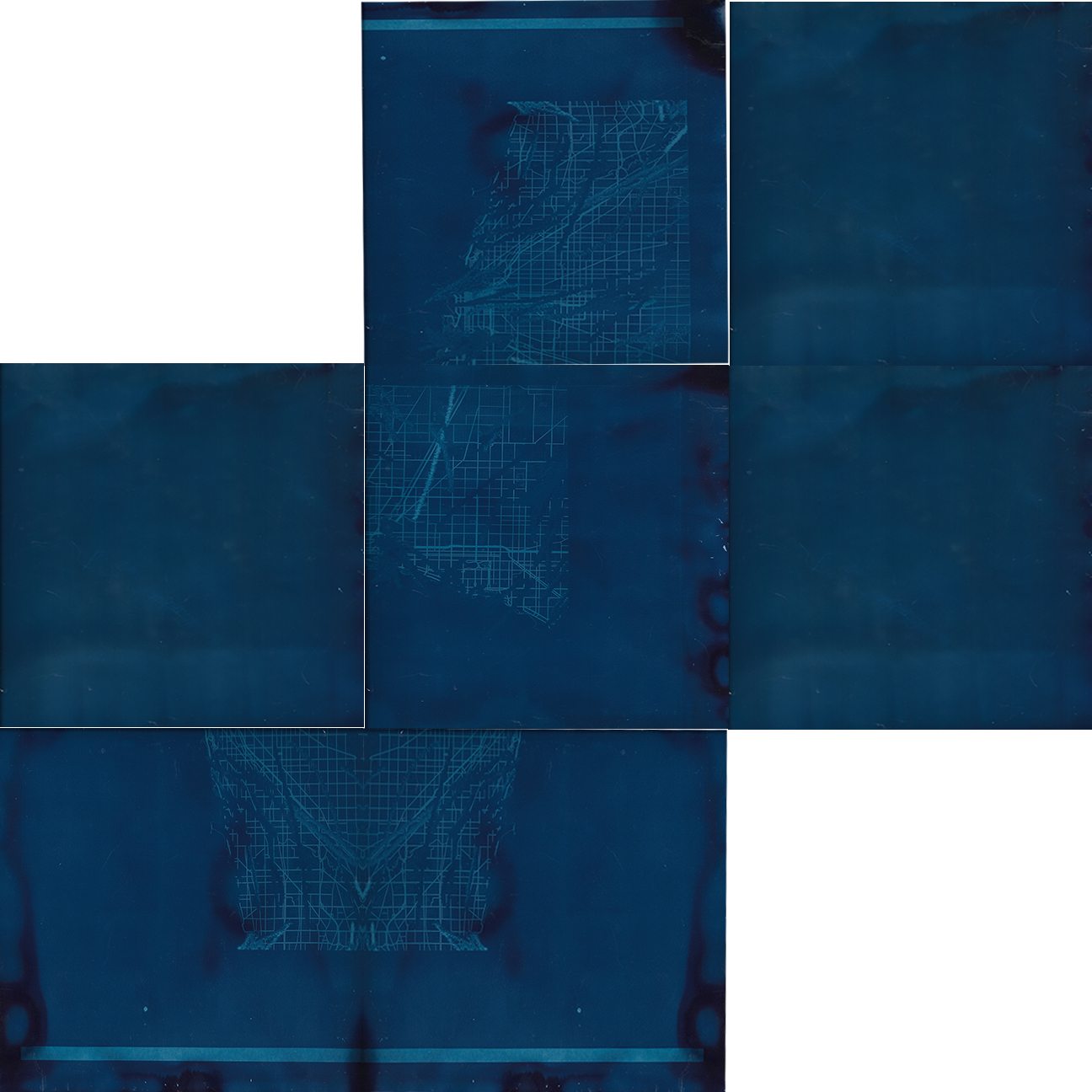
For more than three decades, I have worked as an artist and educator, exploring themes of displacement, transformation, geography and belonging through video, photography, printmaking, installation, and performance. My work is informed by personal experiences but address the broader social and environmental changes that alter both physical and emotional landscapes as we are displaced. Loss is something everyone can identify with. How we grow and transform that loss, how memory is constructed, preserved, and reimagined across generations and geographies – that is where I begin my work.
Relocating to Miami expanded my understanding of cultural hybridity and connected me with communities whose stories echo my own experiences of movement and adaptation. Through residencies, collaborations, and public projects, I have developed interdisciplinary approaches that combine traditional and emerging technologies, including tactile maps, sound, and interactive installations. These projects seek to create spaces for reflection, accessibility, and dialogue.
Today, my practice continues to investigate the intersections of memory, place, and identity. Whether working in the studio, teaching, or engaging with communities, I remain committed to creating work that invites connection and empathy. My journey—from Venezuela to Miami, from educator to multidisciplinary artist—has reinforced my belief that art can bridge distances, preserve histories, and imagine new possibilities for belonging.
Would you say it’s been a smooth road, and if not what are some of the biggest challenges you’ve faced along the way?
I would not describe it as a smooth road, but I believe it is how we approach and respond to all the ups and downs, turns and cliffs we face along the way that makes us who we are. I’m very grateful that I can approach the world thought the eyes of my practice and, though my work is not autobiographical directly, there are always traces of our personal experiences in our work – some are more transparent, or direct and others are sometimes not even visible to us. Making work is very cathartic, especially work that involves a physicality to it.
Just having to re-start my career after I left Venezuela, where I was already an established artist, was probably one of the more difficult struggles. And that is why I am so grateful to Miami, and specifically for finding a studio at The Bakehouse, because that really determined that the struggle was smoother. I have been able to re-imagine my practice here, and I also have been able to teach art – in higher level education as well as with high school students – and this has helped me overcome any difficulties.
Alright, so let’s switch gears a bit and talk business. What should we know about your work?
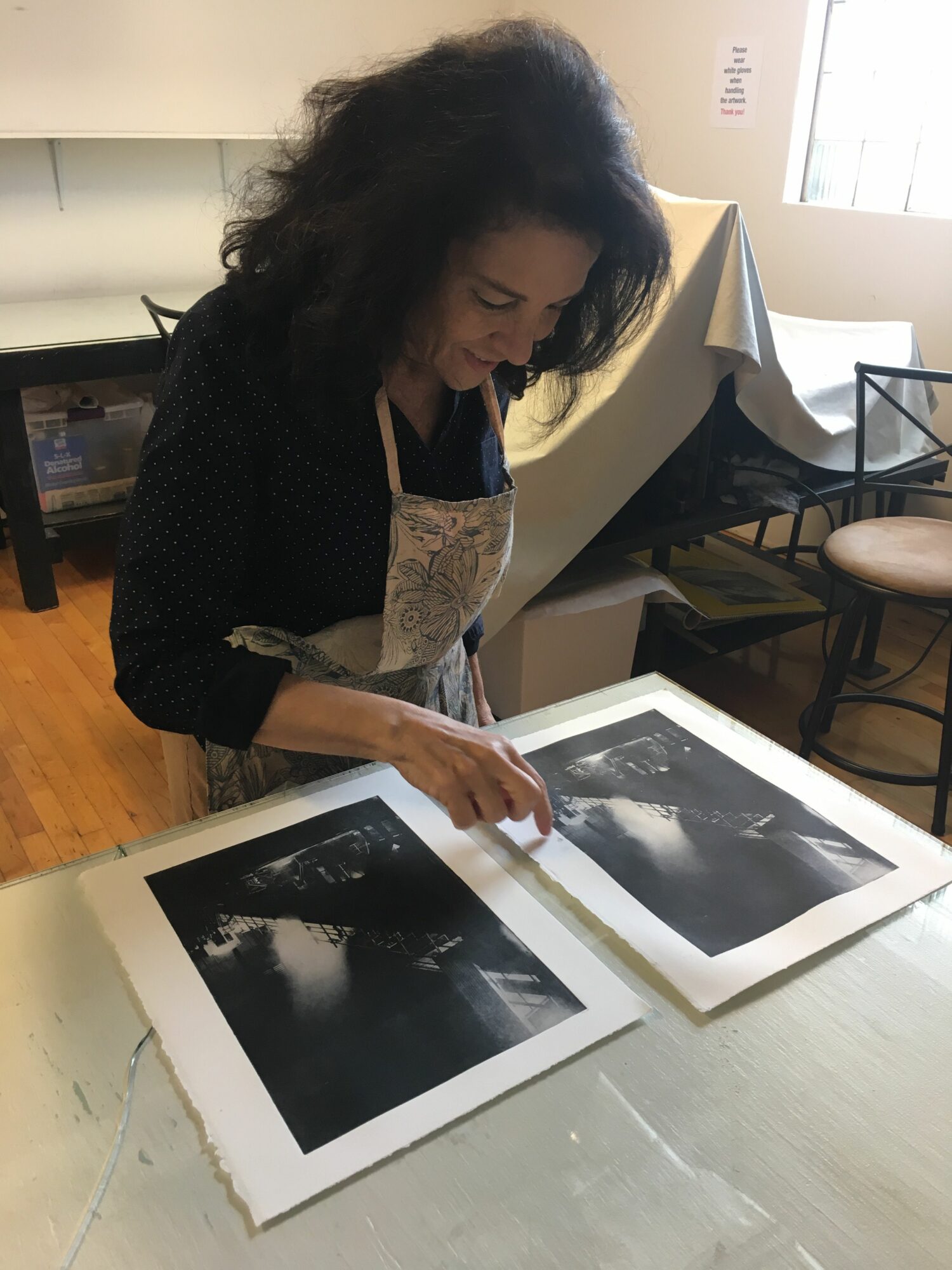
I am a multidisciplinary artist, which just means I incorporate many different mediums, but mostly video, photography and printed work. The moving image has been a great part of my practice, since I earned a living in the film industry for many years and developed my discipline from filmmakers and filmmaking, which is a very complex process.
I would say I don’t really have a specialty, but technically I do know a lot about video art and the moving image, since I have grown with the technology – I began working with analog video – so going through the changes helps you stay on top of things. I love editing video and I make all my own work, visuals and sound. I also write. Language has also been a very important part of all aspects of my life- personally and artistically, since I grew up in a multilingual household and also moved around the world so much. Being able to communicate and get to know other cultures has always been important. Probably what sets me apart is how I combine technology with traditional and analog work. I like that dialogue created there, that line where sometimes they meet and sometimes the react agains each other.
How do you define success?
Waking up every morning with the desire to connect with people though my practice and hopefully engage in dialogues that help navigate our complex times.
Pricing:
- Contact me directly for pricing
Contact Info:
- Website: https://www.gabrielagamboa.com/
- Instagram: @gabagambo